Sleep Apnea Diet: Foods That May Help and Foods to Limit
Medical note: This article discusses foods and researched botanicals. It does not claim to prevent, treat, or cure disease. Supplements are not a substitute for food, and studied amounts are not personal prescriptions.
No food opens a blocked airway, and a diet is not a substitute for CPAP or other prescribed devices. But eating habits matter more for obstructive sleep apnea (OSA) than for many conditions, because the biggest modifiable risk factor is excess weight. NHLBI says healthy lifestyle changes, including maintaining a healthy weight, limiting alcohol and caffeine, regular physical activity, and quitting smoking, can be very effective, and the NHS says losing weight and cutting alcohol may be all some people with mild sleep apnoea need. The most useful sleep apnea diet is therefore a calorie-aware, heart-healthy eating pattern such as DASH, with little or no alcohol in the hours before bed.
What this sleep apnea diet guide covers (and what it does not)
This guide is for adults with diagnosed or suspected obstructive sleep apnea and the people who cook with them. It covers food, drink, and weight habits that support medical care, not device or surgery decisions. Central sleep apnea, where the brain does not send the signals to breathe, has different causes and is not the focus here.
Anchors used here: NHLBI — Sleep Apnea, NHLBI — Sleep Apnea Treatment, NHLBI — Living With Sleep Apnea, NHS — Sleep apnoea, MedlinePlus — Sleep Apnea, and NHLBI — DASH Eating Plan.
MedlinePlus describes sleep apnea as a common disorder in which breathing stops or becomes very shallow, with pauses that can last from seconds to minutes and occur 30 or more times an hour. NHLBI notes that obesity, large tonsils, and hormone changes can narrow the airway, and the NHS links OSA to obesity, a large neck, alcohol, smoking, older age, and sleeping on your back. Untreated sleep apnea raises the risk of high blood pressure, heart disease, stroke, type 2 diabetes, and GERD, so the same plate that supports weight goals also supports the heart.
Evidence snapshot: sleep apnea diet claims vs public sources
| Claim people hope for | What public sources actually say | Confidence |
|---|---|---|
| “Losing weight helps sleep apnea” | NHLBI lists a healthy weight among lifestyle changes that can be very effective; NHS advises losing weight if overweight and says lifestyle changes may be enough for mild cases | Strong |
| “A nightcap helps me sleep” | NHS: do not drink too much alcohol, especially shortly before sleep; NHLBI advises limiting alcohol | Strong to avoid |
| “Caffeine doesn’t matter” | NHLBI includes limiting caffeine in its lifestyle changes for sleep apnea | Moderate |
| “Sleeping pills help” | NHS: do not take sleeping pills unless a doctor recommends them, as they can make sleep apnoea worse | Strong to avoid self-use |
| “A special food clears the airway” | No public source names one; devices such as CPAP remain the most common therapy | No evidence |
| “Weight-loss medicine is an option” | NHLBI: FDA has approved a weight-loss medicine for people with moderate to severe sleep apnea and obesity, used with physical activity and a healthy eating plan | Strong, prescription only |
The take-home: for OSA, food works mainly through weight, alcohol timing, and heart health. That is a real, measurable lever, but it works alongside your sleep specialist’s plan.
Foods that may help with sleep apnea: a weight-friendly, heart-healthy plate
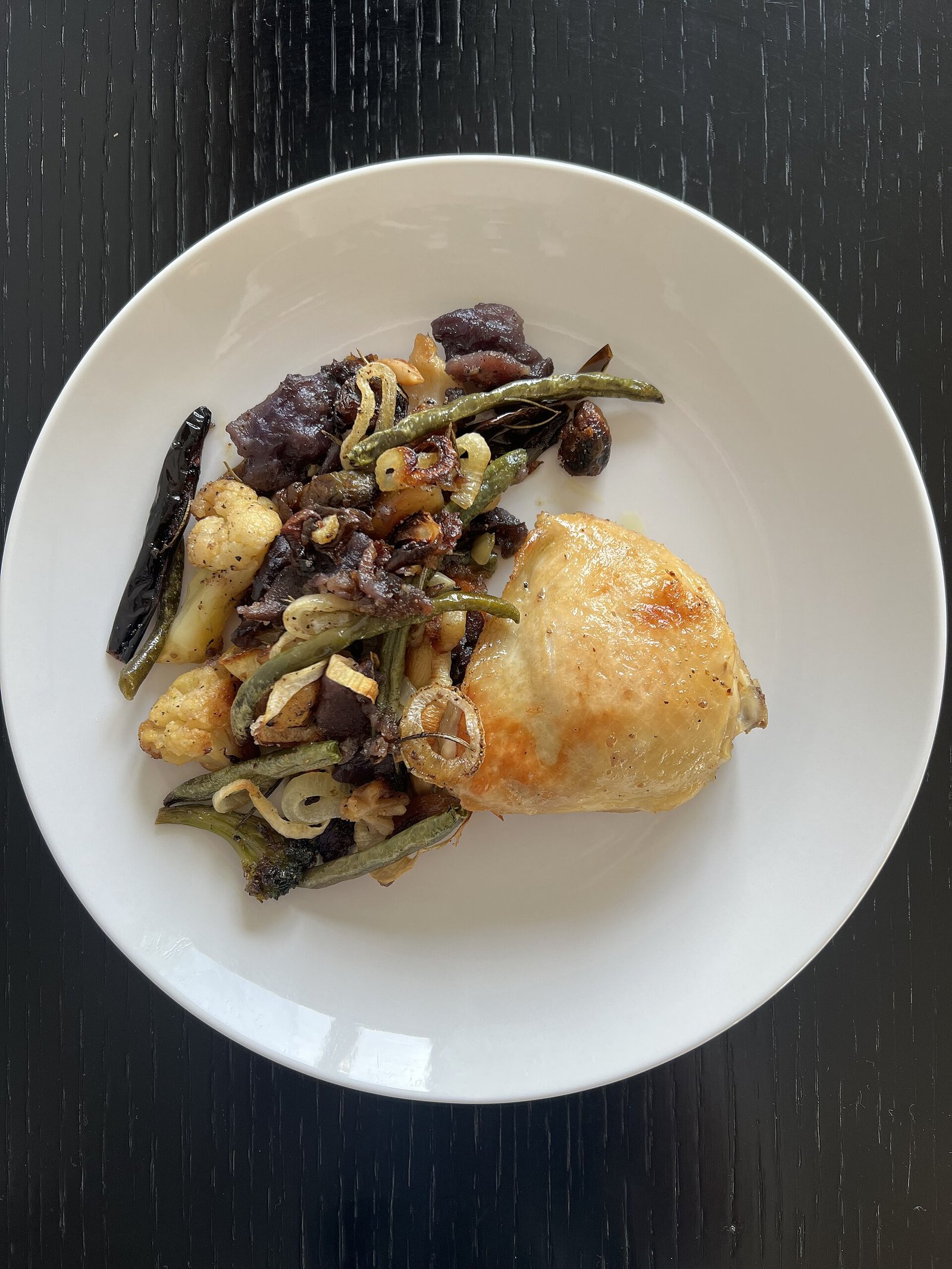
“May help” here means a pattern that makes a healthy weight easier to reach and keep, and supports blood pressure.
Use DASH as the template
NHLBI’s DASH eating plan is a flexible pattern that requires no special foods. For a 2,000-calorie day it suggests:
- – Vegetables: 4–5 servings a day and fruit: 4–5 servings a day.
- – Grains: 6–8 servings a day, mostly whole grains.
- – Low-fat or fat-free dairy: 2–3 servings a day.
- – Lean meats, poultry, and fish: 6 or fewer servings a day.
- – Nuts, seeds, dry beans, and peas: 4–5 servings a week.
- – Sodium: 2,300 mg a day, with 1,500 mg lowering blood pressure even further.
The number of servings depends on your calorie needs, so a smaller target is common when weight loss is the goal.
High-volume, high-fiber foods
Vegetables, fruit, beans, lentils, and whole grains add bulk and fiber for relatively few calories, which helps many people feel full on smaller portions.
Lean proteins at every meal
Fish, poultry, beans, tofu, eggs, and low-fat dairy fit DASH and help make meals satisfying.
Water and caffeine-free drinks
Swapping sugar-sweetened beverages, which DASH advises limiting, for water or unsweetened drinks is one of the simplest calorie cuts.
Foods and drinks to limit with sleep apnea
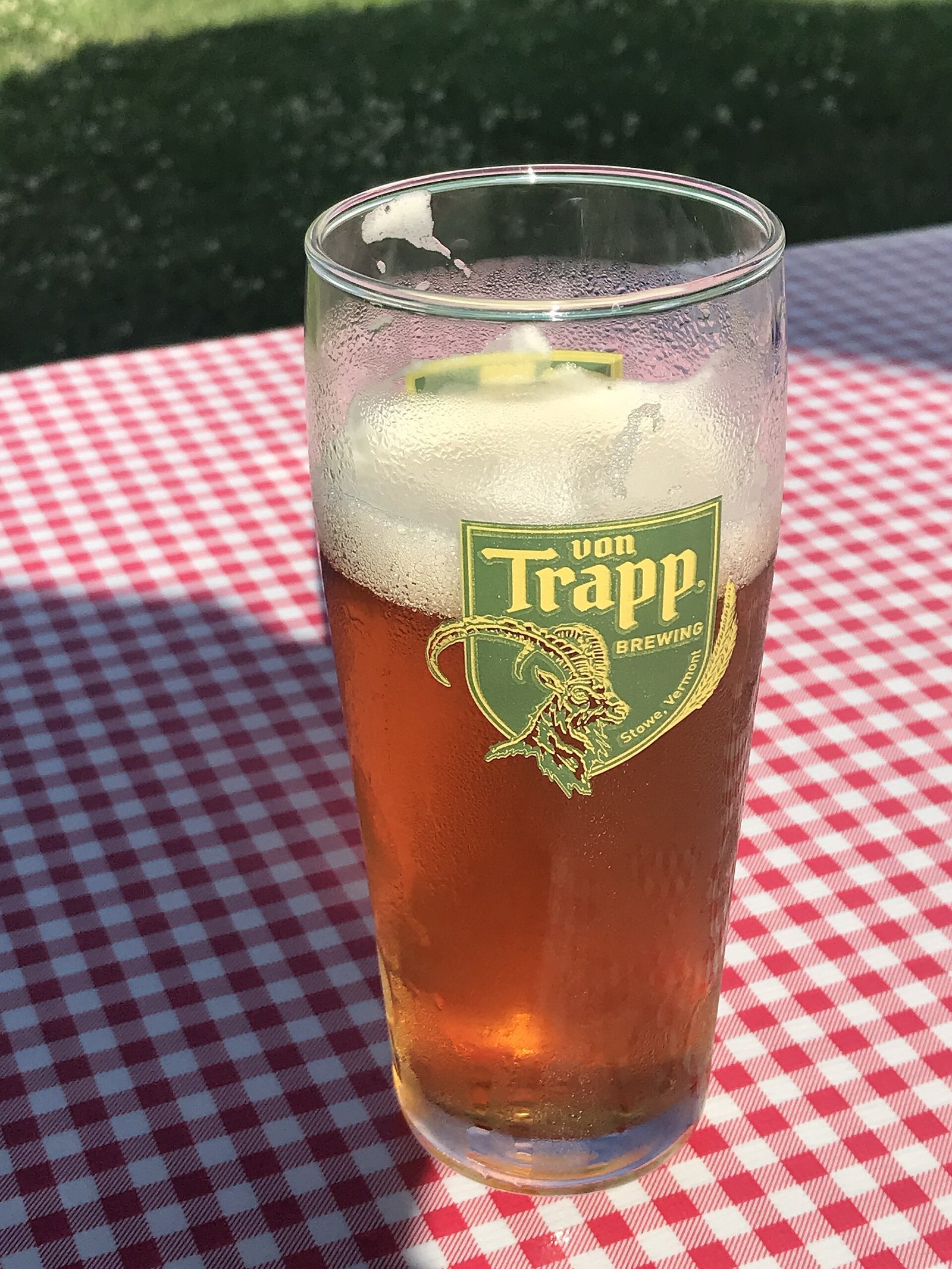
- – Alcohol, especially in the evening: the NHS lists drinking alcohol as a factor linked to sleep apnoea and advises not drinking too much, particularly shortly before sleep. Alcohol also adds calories.
- – Caffeine later in the day: NHLBI includes limiting caffeine; it can make the healthy sleep habits both NHLBI and the NHS recommend harder to keep.
- – Sugar-sweetened drinks and sweets: DASH suggests 5 or fewer servings of sweets a week and limiting sugary drinks.
- – Foods high in saturated fat: DASH advises limiting fatty meats, full-fat dairy, and tropical oils such as coconut and palm oil.
- – High-sodium processed foods: important because untreated sleep apnea is linked with difficult-to-control high blood pressure, per NHLBI.
- – Large, late meals: not a named OSA trigger in these sources, but NHLBI lists GERD among conditions linked to sleep apnea, and heavy late dinners are a common reflux trigger.
Practical kitchen plan for a sleep apnea diet week
1. Set an evening alcohol rule
Choose alcohol-free weeknights, or stop drinking several hours before bed. If you drink, the NHS low-risk guidance for adults in the UK is no more than 14 units a week, spread over three or more days.
2. Use the half-plate method
Fill half your plate with vegetables, a quarter with lean protein, and a quarter with whole grains or potatoes. This matches DASH proportions and naturally trims portions.
3. Plan dinners that finish earlier
Aim to finish dinner a few hours before lying down, especially if you also have heartburn.
4. Build a DASH-style shopping list
- – Bagged salad, frozen vegetables, fruit in season.
- – Brown rice, oats, whole-grain bread or pasta.
- – Skinless chicken, fish fillets, canned beans and lentils, eggs, tofu.
- – Low-fat yogurt and milk; unsalted nuts.
- – Herbs, spices, citrus, and vinegar to replace some salt.
5. Sample sleep apnea diet day (illustrative)
- – Breakfast: oatmeal with berries and low-fat milk.
- – Lunch: large mixed salad with chickpeas, grilled chicken, and olive-oil vinaigrette, plus a piece of fruit.
- – Snack: plain yogurt with a few unsalted nuts.
- – Dinner (early): baked fish, roasted vegetables, and a small portion of brown rice.
- – Evening: water or caffeine-free tea; no alcohol in the hours before bed.
6. Pair food with movement and sleep habits
NHLBI and the NHS both recommend regular physical activity, consistent sleep times, and sleeping on your side. The NHS suggests a special pillow or a tennis ball taped to the back of sleepwear to help keep you off your back.
7. Track and recheck
Weigh yourself weekly and note snoring or daytime sleepiness. NHLBI says you may need a repeat sleep study if you gain or lose a lot of weight, because your device settings may need adjusting.
Safety and medication considerations
- – Keep using your device: weight loss or diet changes do not mean you should stop CPAP. NHLBI advises using it for all sleep, including naps, and seeing your provider regularly.
- – Sleeping pills and sedatives: the NHS warns they can make sleep apnoea worse; only use them if a doctor recommends them. Ask your pharmacist about alcohol with any sedating medicine.
- – Weight-loss medicine: NHLBI notes the FDA-approved option for moderate to severe sleep apnea with obesity can cause serious side effects in some cases; tell your provider about any personal or family history of depression, thyroid tumors, kidney disease, or diabetic retinopathy.
- – Driving: the NHS warns that sleep apnoea with excessive sleepiness can make driving unsafe until symptoms are controlled.
- – Children: sleep apnea in children often relates to large tonsils or adenoids (MedlinePlus); do not put a child on a weight-loss diet without medical advice.
- – When to get checked: see a doctor if someone notices your breathing stopping, you gasp or choke in sleep, or you always feel very tired during the day.
Sleep apnea diet FAQ
Can losing weight make sleep apnea go away? For some people with mild OSA, the NHS says lifestyle changes such as losing weight may be all that is needed. Others still need CPAP or another device. Only a repeat sleep study can show how your breathing has changed.
What is the best diet for sleep apnea? No public source names a single best diet. A calorie-aware, heart-healthy pattern such as DASH supports both weight goals and blood pressure.
Is it OK to drink alcohol if I have sleep apnea? The NHS advises against drinking too much, especially shortly before sleep, and NHLBI advises limiting alcohol. Alcohol-free evenings are the safest default.
Does caffeine affect sleep apnea? NHLBI includes limiting caffeine among recommended lifestyle changes. A morning cup is usually fine for most people; avoid it later in the day.
Are there foods that stop snoring? No food is shown to stop snoring. Not everyone who snores has sleep apnea, per MedlinePlus, so loud snoring with pauses or gasps deserves a medical check.
How this differs from related OTCFood topics
This page focuses on obstructive sleep apnea: weight, alcohol timing, and heart health. For difficulty falling or staying asleep without breathing pauses, see our insomnia diet guide. Because OSA is linked to blood pressure and reflux, our high blood pressure foods to eat and limit and GERD diet pages are useful companions.
Medical disclaimer
Medical disclaimer: This article is for general information only and is not medical advice or a diagnosis. Sleep apnea is a serious condition that needs a proper sleep evaluation. Please see your doctor or sleep specialist, and talk with them before changing your diet, starting weight-loss medicines or supplements, or changing how you use your breathing device.