Anxiety Diet: Foods That May Help and Foods to Limit
Medical note: This article discusses foods and researched botanicals. It does not claim to prevent, treat, or cure disease. Supplements are not a substitute for food, and studied amounts are not personal prescriptions.
No food or diet can switch off an anxiety disorder, but what and when you eat may help you feel steadier day to day. The clearest, best-supported food moves for anxiety are about subtraction and rhythm: cut back on caffeine (coffee, strong tea, cola, energy drinks), avoid using alcohol to calm down, and eat regular, balanced meals so your energy does not swing. The NHS lists all three in its self-help advice for generalized anxiety disorder (GAD). Herbal products such as chamomile and lavender have only preliminary evidence, and kava has been linked to severe liver injury. Talking therapies and, when needed, medicines remain the main care for anxiety disorders.
What this anxiety diet guide covers (and what it does not)
This guide is for adults with everyday worry or a diagnosed anxiety disorder who want practical food and drink choices that support their care plan.
Anchors used here: NIMH — Anxiety Disorders, NHS — Generalised anxiety disorder in adults, NCCIH — Anxiety and Complementary Health Approaches, FDA — How Much Caffeine Is Too Much?, and MedlinePlus — Caffeine.
NIMH explains that feeling anxious is a normal part of life, but anxiety disorders involve more than occasional worry: the anxiety does not go away, shows up in many situations, and can get worse over time. NCCIH reports that about 19 percent of U.S. adults had an anxiety disorder in the previous year, and an estimated 31 percent have one at some point in their lives. The NHS lists symptoms of GAD that overlap with food and body signals, including difficulty sleeping, getting tired easily, stomach problems, a noticeable heartbeat (palpitations), and feeling lightheaded or dizzy. Because caffeine, skipped meals, and alcohol can produce some of the same sensations, the kitchen is a reasonable place to look for small wins.
Evidence snapshot: anxiety diet claims vs public sources
| Claim people hope for | What public sources actually say | Confidence |
|---|---|---|
| “Cutting caffeine helps anxiety” | NHS advises not drinking lots of coffee, tea, cola, or energy drinks because caffeine can disrupt sleep and make anxiety harder to control; FDA and MedlinePlus list anxiety and jitters as signs of too much caffeine | Strong as a practical step |
| “A drink takes the edge off” | NHS: do not use alcohol, cigarettes, or drugs to relieve anxiety, as they can all contribute to poor mental health | Strong to avoid |
| “Regular meals steady my mood” | NHS recommends a healthy diet with regular meals to keep energy levels stable | Moderate, practical |
| “Chamomile calms anxiety” | NCCIH: two preliminary studies suggest a chamomile supplement might help GAD, but findings are not conclusive; a 2019 review of three trials found no significant reduction in situational anxiety | Low |
| “Lavender oil capsules help” | NCCIH: oral lavender oil studies suggest possible benefit, but the studies are small and low quality, so no definite conclusions | Low |
| “Kava is a natural anxiety fix” | NCCIH: kava may have a small effect but has been linked to a risk of severe liver injury | Low benefit, real risk |
The take-home: the strongest food lever for anxiety is less caffeine and alcohol, plus a steady meal rhythm. Supplements are a weak, sometimes risky, add-on.
Foods that may help with anxiety: building a steady plate
“May help” here means kitchen defaults that support sleep, stable energy, and your overall care plan, not a calming switch.
Regular, balanced meals
The NHS suggests eating a healthy diet with regular meals to keep energy levels stable. In practice, that means not skipping breakfast on stressful days and not letting long gaps stretch into the late afternoon. A simple pattern that works for many people:
- – Three meals plus one or two planned snacks, roughly every three to five hours while awake.
- – Protein at each meal: eggs, yogurt, fish, chicken, tofu, beans, or lentils.
- – Fiber-rich carbohydrates: oats, whole-grain bread, brown rice, potatoes with skin, fruit.
- – Vegetables at lunch and dinner, fresh or frozen.
Caffeine-free drinks you actually enjoy
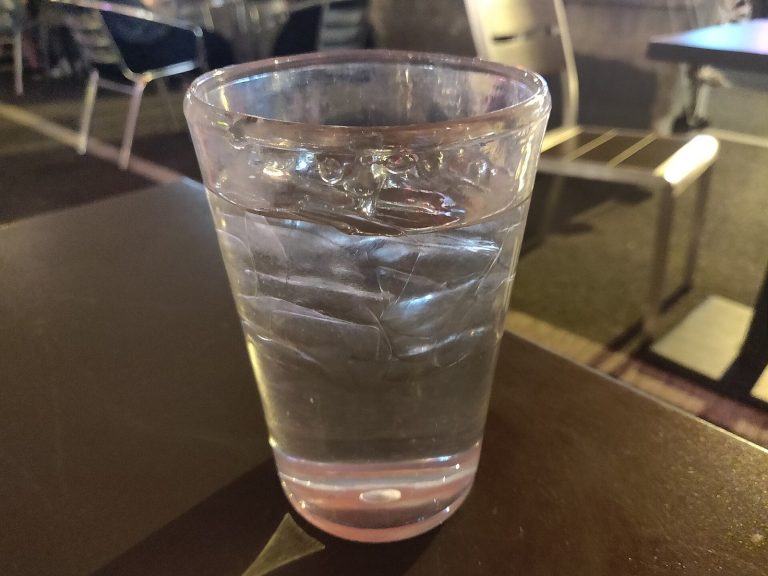
Swapping is easier than quitting. Good stand-ins include water, sparkling water with citrus, milk or fortified plant milk, and caffeine-free herbal teas such as chamomile, peppermint, or rooibos. NCCIH describes chamomile as relatively safe, with occasional side effects like headache, dizziness, or digestive upset. Think of a cup of chamomile tea as a pleasant ritual rather than a remedy.
Sleep-supporting evening food habits
The NHS stresses getting enough sleep to cope with difficult feelings, and caffeine is the main dietary sleep disrupter. A lighter dinner, a caffeine cut-off time, and a warm, caffeine-free drink as part of a wind-down routine fit together well.
Foods and drinks to limit with anxiety
Caffeine (the big one)
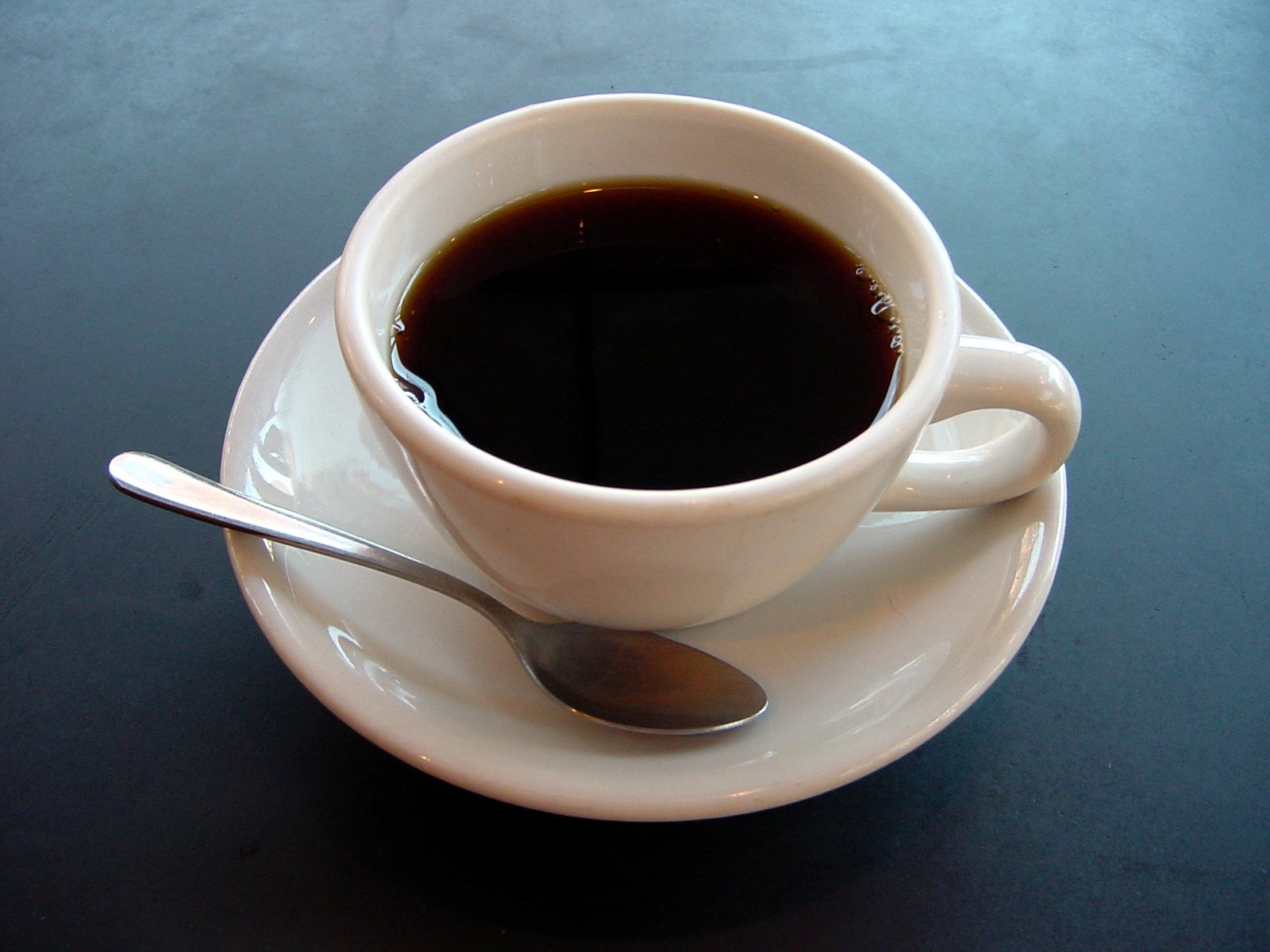
FDA cites 400 mg a day, about two to three 12-ounce cups of coffee, as an amount not generally associated with negative effects for most adults, but it stresses wide variation in sensitivity. If you are sensitive, you may notice effects at lower amounts. FDA and MedlinePlus list restlessness, jitters, insomnia, fast heart rate, and anxiety among the signs of too much caffeine.
Typical caffeine amounts to know (MedlinePlus):
- – 8-ounce cup of coffee: 95–200 mg
- – 8-ounce cup of tea: 14–60 mg
- – 12-ounce can of cola: 35–45 mg
- – 8-ounce energy drink: 70–100 mg
FDA adds that decaf coffee still has about 2–15 mg per 8-ounce cup, and that caffeine can hide in energy bars, chocolate, gum, supplements, and some over-the-counter pain or cold medicines. MedlinePlus notes caffeine peaks in the blood within an hour and its effects can last four to six hours.
Alcohol
The NHS is direct: do not use alcohol to relieve anxiety. Alcohol can also interfere with sleep and interact with medicines used for anxiety. If you notice you are drinking more to cope, mention it to your doctor; it is a common pattern, not a personal failing.
Energy drinks
FDA notes energy drinks can carry anywhere from about 41 to 246 mg of caffeine per 12 ounces, so one can may equal several cups of tea.
Long gaps and sugary quick fixes
Skipping lunch and then grabbing a large sweet drink or pastry can leave you shaky and tired a couple of hours later. This is not a formal anxiety trigger in the sources above, but it works against the NHS goal of keeping energy stable.
Practical kitchen plan for an anxiety diet week
1. Run a one-week caffeine audit
Write down every coffee, tea, cola, energy drink, chocolate, and pre-workout product, with the time. Use the MedlinePlus ranges to estimate milligrams. Many people are surprised to find they are near or over 400 mg on busy days.
2. Taper rather than quit cold
FDA advises cutting back gradually because caffeine withdrawal, while not considered dangerous, can be unpleasant (headache and fatigue are common). A simple taper: replace one cup every three or four days with half-caf, then decaf, then a caffeine-free drink.
3. Set a caffeine cut-off
Because effects can last four to six hours, many people choose a cut-off around noon to early afternoon. Keep decaf or herbal tea at work so the habit of a warm drink stays.
4. Build a “low-effort, high-steadiness” pantry
- – Oats, whole-grain bread, microwave brown rice pouches.
- – Eggs, plain yogurt, canned tuna or salmon, canned beans and lentils.
- – Frozen vegetables and frozen berries.
- – Nuts, seeds, and nut butter for fast snacks.
- – Herbal teas and sparkling water.
5. Sample anxiety-friendly day (illustrative)
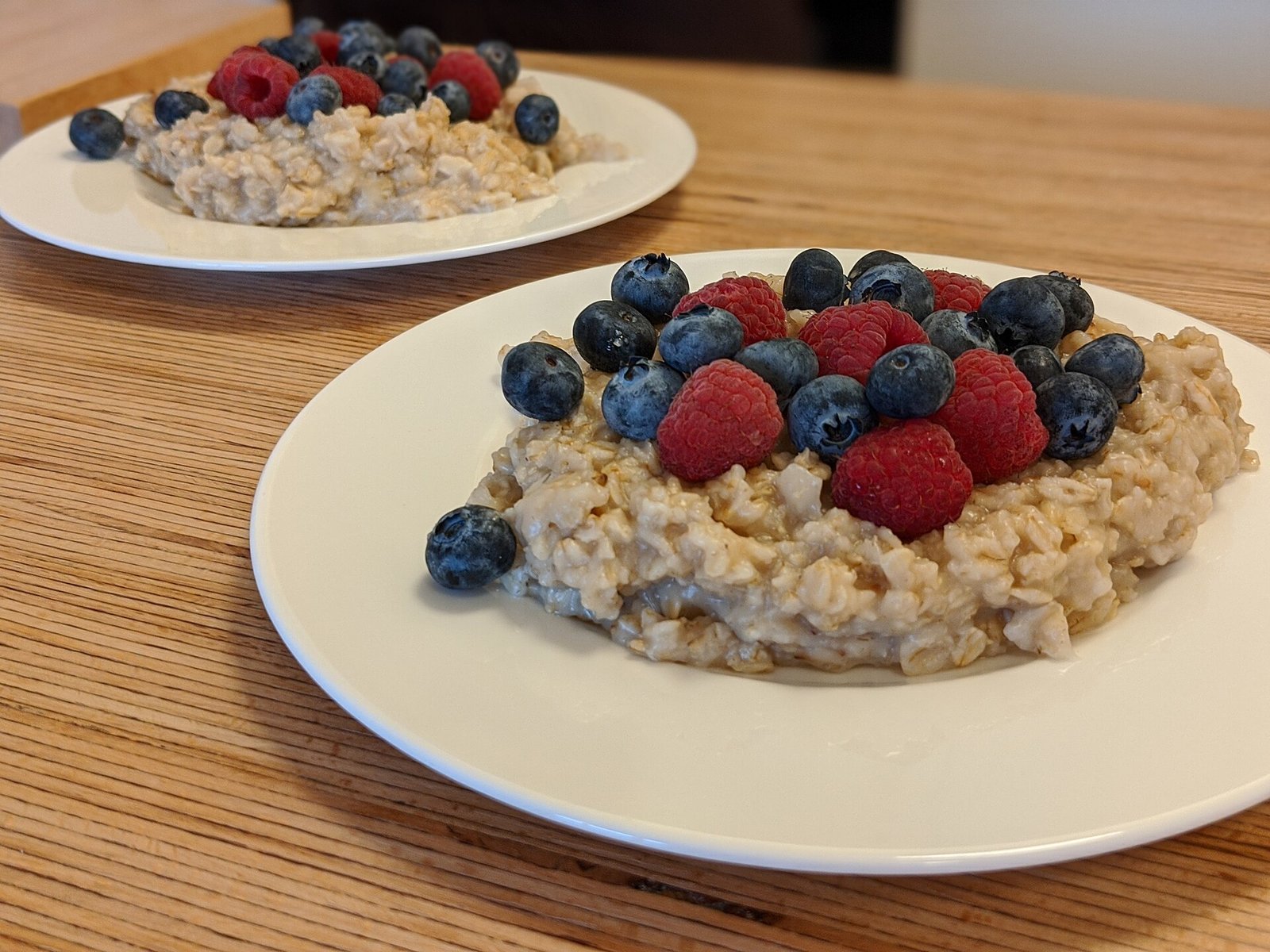
- – Breakfast (with optional single morning coffee): oatmeal with milk, berries, and a spoon of nut butter.
- – Mid-morning: yogurt and a piece of fruit.
- – Lunch: whole-grain wrap with eggs or chicken, salad leaves, and hummus.
- – Afternoon: sparkling water with lemon and a small handful of nuts (no caffeine after the cut-off).
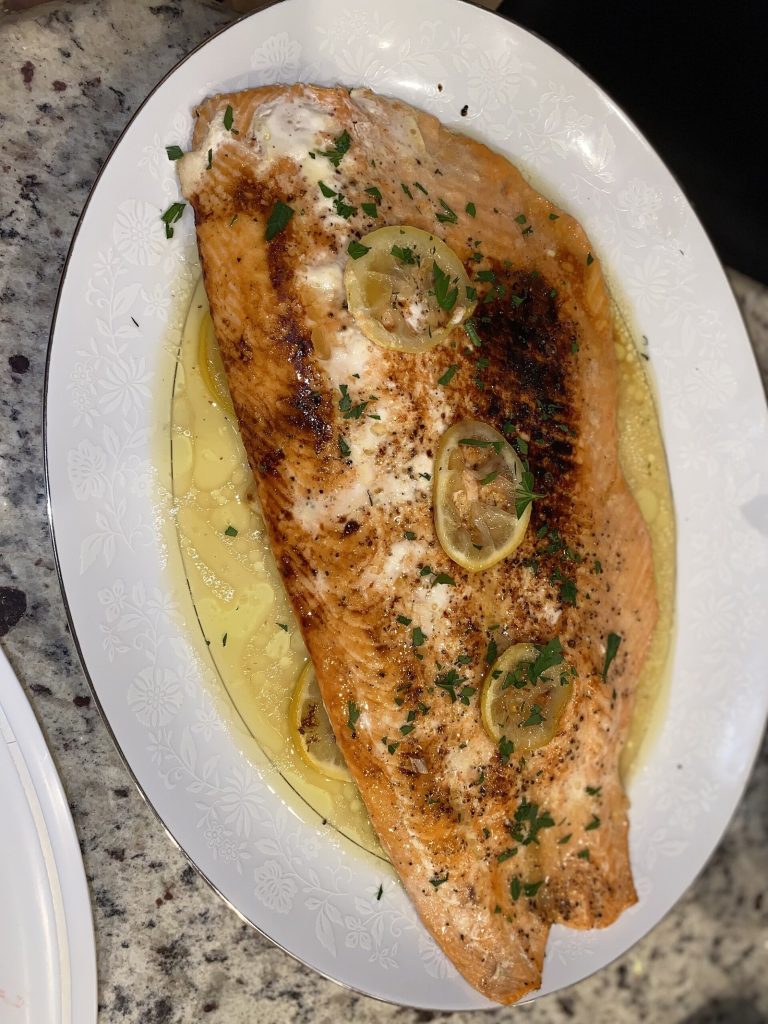
- – Dinner: salmon or tofu, roasted vegetables, and brown rice.
- – Evening: caffeine-free herbal tea as part of a wind-down routine with breathing exercises, which the NHS recommends.
6. Pair food changes with what works best
The NHS recommends talking therapies such as cognitive behavioural therapy (CBT), regular exercise like walking, swimming, or yoga, relaxation and breathing techniques, and enough sleep. NCCIH notes that mindfulness-based practices have some supportive research. Food changes are most useful as part of this bigger plan.
Safety, supplements, and medication interactions
- – Supplements are not risk-free: NCCIH notes that dietary supplements may have side effects and some may interact with medicines. Tell your doctor and pharmacist about anything you take.
- – Kava: linked to a risk of severe liver damage (NCCIH). Avoid unless a clinician who knows your full history advises otherwise.
- – Chamomile and lavender: generally described as relatively safe by NCCIH, but evidence for anxiety is preliminary.
- – Caffeine and medicines: FDA notes some medications and conditions increase sensitivity to caffeine. If you take anxiety medicines, ask your pharmacist about caffeine and alcohol.
- – Pregnancy: FDA recommends talking to your health care provider about caffeine limits if you are pregnant, trying to become pregnant, or breastfeeding.
- – Physical causes: a racing heart, dizziness, or breathlessness can have medical causes. See a doctor if symptoms are new, severe, or come with chest pain, and seek emergency care for chest pain or fainting.
Anxiety diet FAQ
Is there a specific anxiety diet that works for everyone? No. Public sources such as NIMH and the NHS focus on therapy, medicines when needed, exercise, and sleep. The food advice they give is practical: limit caffeine, avoid alcohol as a coping tool, and eat regular healthy meals.
How much caffeine is too much if I have anxiety? FDA’s 400 mg a day figure is for most adults, not for people who are sensitive. If caffeine makes you jittery or affects sleep, a lower amount, an earlier cut-off, or switching to decaf may help. Keep in mind decaf still has a little caffeine.
Does chamomile tea help anxiety? It may be a calming ritual, but NCCIH says evidence for chamomile supplements in GAD is preliminary and not conclusive. It is a reasonable caffeine-free swap, not a substitute for care.
Can I drink alcohol if I have an anxiety disorder? The NHS advises against using alcohol to relieve anxiety. If you drink, ask your doctor or pharmacist whether it is safe with your medicines.
How this differs from related OTCFood topics
This page focuses on everyday food and drink choices for anxiety: caffeine, alcohol, and meal rhythm. For a closer look at specific herbs, see our chamomile for anxiety and lavender oil for anxiety reviews. If anxiety is keeping you awake, our insomnia diet guide covers sleep-specific food timing.
Medical disclaimer and where to get help
If you are in crisis: if you or someone you know is struggling or having thoughts of suicide, in the U.S. call or text the 988 Suicide & Crisis Lifeline at 988 or chat at 988lifeline.org, and call 911 in a life-threatening situation. In the UK, contact Samaritans on 116 123 or call 999 in an emergency. Elsewhere, contact your local emergency number.
Medical disclaimer: This article is for general information only and is not medical advice or a diagnosis. Anxiety disorders are real health conditions, and food changes are a support, not a replacement for professional care. Please see your doctor or a mental health professional about your symptoms, and talk with them or a pharmacist before changing caffeine, alcohol, supplements, or any medication.