Garlic and Herbs Do Not Treat Russia Plague: Myths and Travel Food Safety
Medical note: This article discusses foods and researched botanicals. It does not claim to prevent, treat, or cure disease. Supplements are not a substitute for food, and studied amounts are not personal prescriptions.
Every time “Russia plague” or “pneumonic plague Irkutsk” trends, social feeds fill with garlic, onion, vinegar, colloidal silver, and “immune herb stacks.” This article separates kitchen myths from WHO/CDC facts, and adds practical travel and food-safety habits that still make sense when outbreak news is loud. Garlic is a wonderful cooking ingredient. It is not an antibiotic for Yersinia pestis.
Why plague myths explode during Russia news
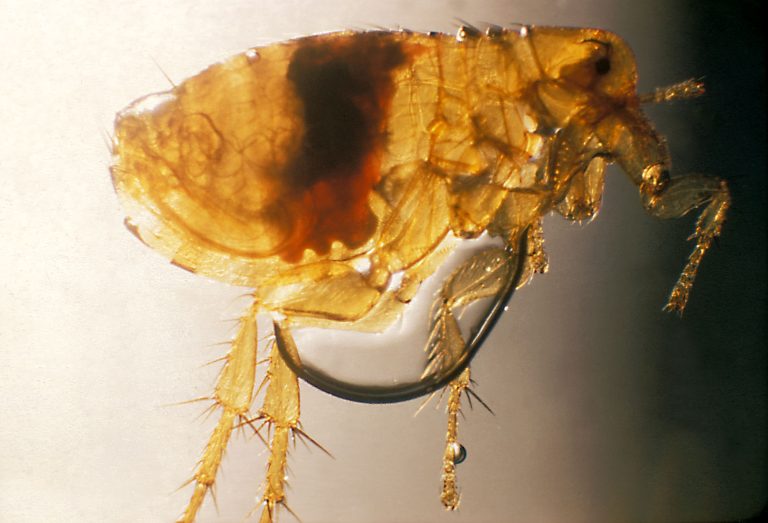
Fear + incomplete official details creates a vacuum. Influencers sell certainty. WHO states plague is caused by Yersinia pestis and that severe forms need prompt medical treatment; CDC notes antibiotics work best when started early. Neither agency lists culinary garlic dose charts as plague therapy.
As of early October 2026 reporting, Russian authorities and WHO communications summarized by major outlets have not confirmed a registered plague case in Irkutsk while investigations of a lab-related pneumonia death continued—another reason not to invent home protocols from rumors. Follow primary agencies for updates.
Myth vs fact table
| Myth circulating with Russia plague tags | Fact from public health framing | What to do instead |
|---|---|---|
| “Eat raw garlic to kill plague bacteria” | No high-quality public guideline recommends garlic as plague treatment or prevention | Seek clinical care if exposed/ill; cook garlic for food enjoyment |
| “Herbal bitters replace antibiotics” | Pneumonic and severe plague require medical antibiotics early (WHO) | Do not delay ER for tea protocols |
| “Essential oils disinfect lungs” | Inhaled oils can irritate airways; not plague therapy | Follow clinician respiratory guidance |
| “Vitamin megadoses block Russia plague” | Nutrients support general health; they do not substitute for infection control | Balanced meals; prescribed care if needed |
| “If news is scary, avoid all Russian packaged food abroad” | Plague is not typically a supermarket packaged-food outbreak story | Use ordinary import food-safety rules; watch official travel advisories |
Deep dive on what plague is: Russia plague news explained: what plague is and how it spreads. Supportive sick-day eating (comfort only): eating during fever recovery during Russia plague news.
Travel and food-safety tips while outbreak news circulates

These habits may help reduce everyday foodborne and hygiene risks. They are not guaranteed plague shields.
Before you travel
- – Check official travel health notices (national foreign ministry, CDC Travelers’ Health, WHO) for the regions you visit—not only TikTok.
- – Pack routine meds, a digital thermometer, and your clinician’s advice for fever abroad.
- – Know how to reach local emergency care; save embassy contacts if traveling internationally.
In cities with rumor spikes (even when plague is unconfirmed)
- – Prefer handwashing with soap before meals (CDC-style hygiene that helps many infections).
- – Avoid handling wild rodents or flea-heavy environments; do not skin wild game without training/protection in endemic zones.
- – Keep pets from hunting rodents if you are in a known plague-endemic rural area (CDC notes animal-related risks).
- – If you develop fever and cough after a documented high-risk exposure, seek care and tell clinicians about the exposure—do not self-dose leftover antibiotics.
Food choices that are sensible (general)
- – Choose thoroughly cooked hot foods when water/sanitation is uncertain.
- – Drink sealed bottled or properly treated water if local guidance advises.
- – Street food: busy stalls with high turnover and hot-cooked items are often lower risk for classic foodborne illness than long-sitting buffet pans—still not a plague-specific rule.
- – Skip “anti-plague spice blends” sold online with disease claims.
Practical kitchen protocol: enjoy garlic without magical thinking
1. Use garlic as food
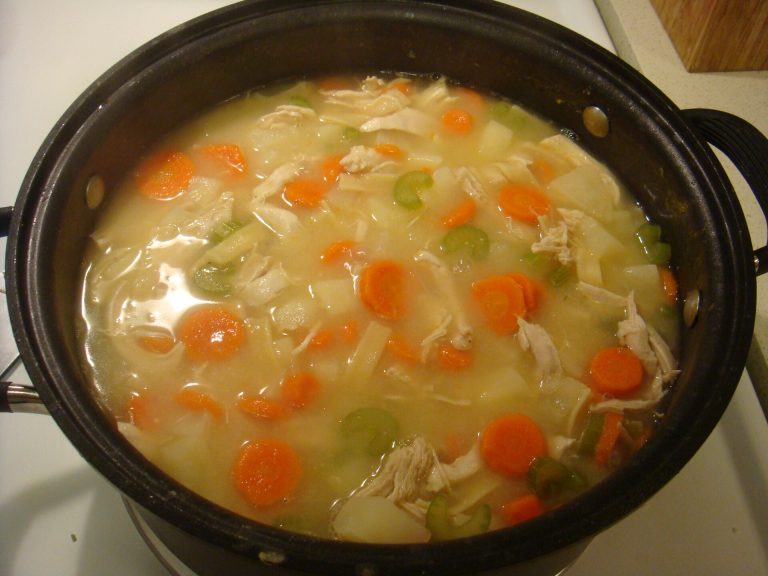
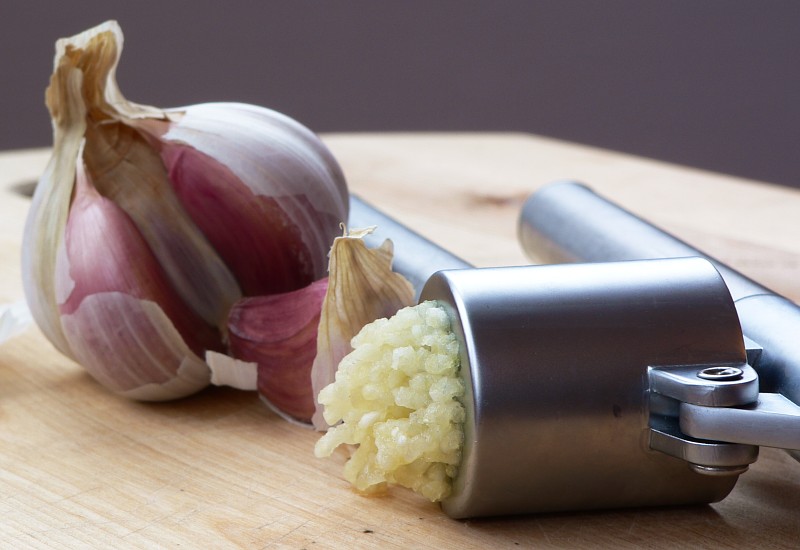
Saute cloves in olive oil for soups and vegetables. Flavor is the point.
2. Keep a myth-busting shopping note
If a label says “plague defense” or “pneumonic shield,” leave it. Report illegal disease claims to local regulators when appropriate.
3. Build a normal resilient plate
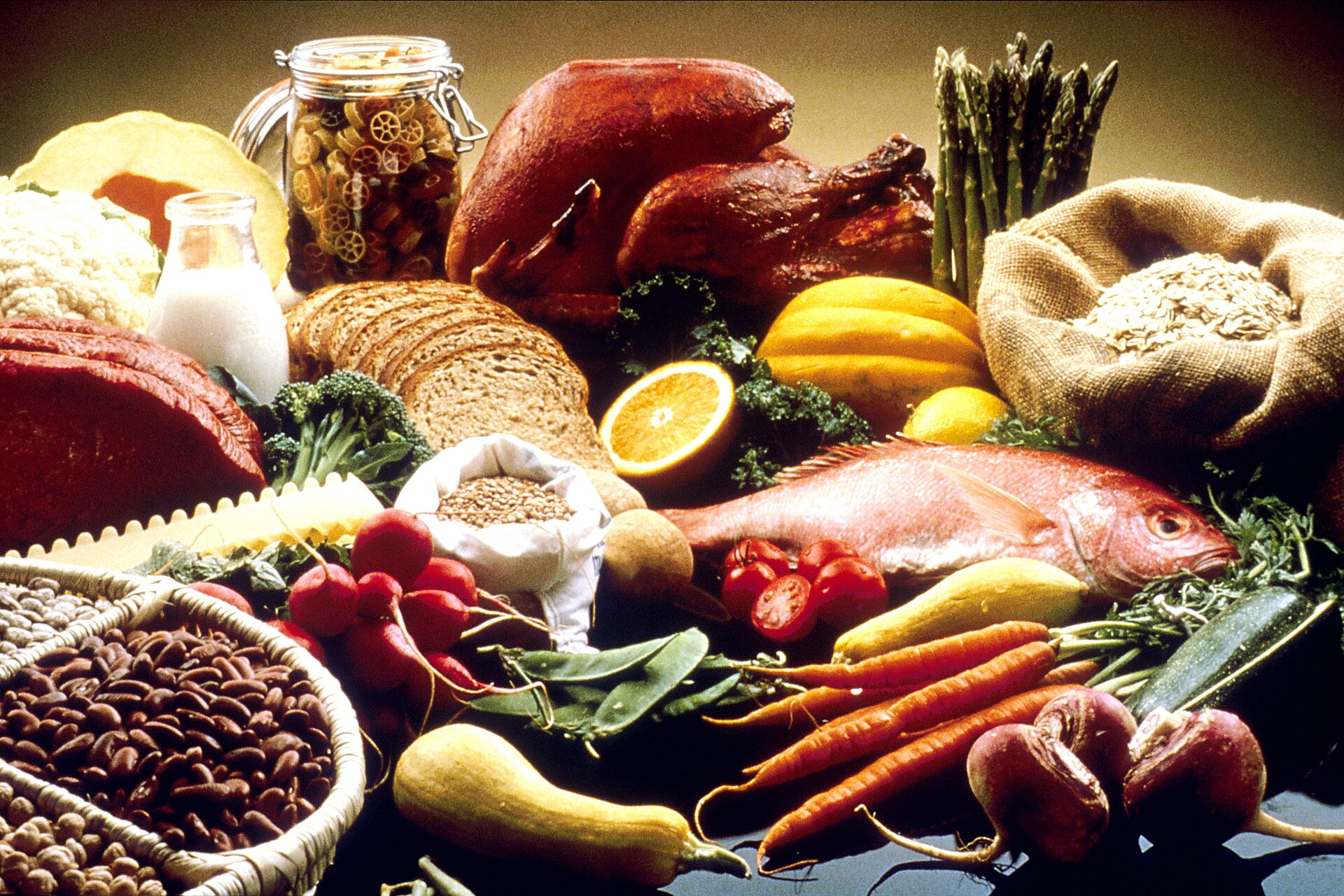
Vegetables, fruit, legumes, whole grains, adequate protein, hand hygiene—supports general wellness. It does not replace vaccines or antibiotics when those are indicated for other diseases, and it does not treat plague.
4. Talk to kids and family without panic
Explain: plague is a bacterial infection doctors treat with medicine; cooking spices are for dinner; scary headlines need official sources.
A short history of why garlic myths stick
Garlic has genuine culinary and some researched metabolic/food-science interest, which marketers blur into “antimicrobial equals disease cure.” Historical epidemics also left folklore: communities remembered strong-smelling foods alongside hygiene and quarantine. Modern microbiology separates folklore from therapy. WHO’s plague page centers on Yersinia pestis, fleas, animal contact, and respiratory particles for pneumonic disease—not allium vegetables.
When Russia plague headlines return, expect recycled claims:
- – Rubbing garlic on skin “draws out toxins” (can irritate skin; does nothing to bacteremia).
- – Sleeping with garlic under the pillow (odor only).
- – Mixing garlic with vinegar as “natural doxycycline” (dangerous false equivalence).
Share the myth table above with family group chats instead of arguing emoji-by-emoji.
Airport, hotel, and restaurant micro-habits
These habits may help with routine travel health. They do not create a personal anti-plague force field.
- – Choose hotels that provide soap and safe drinking water guidance.
- – Carry alcohol-based hand rub for when sinks are unavailable; wash with soap when you can.
- – On planes, hydrated mucous membranes feel better—sip water; masks may be appropriate for crowded respiratory seasons per your clinician’s advice, not as a plague-specific internet rule.
- – At buffets, prefer items cooked to order and turned over quickly.
- – Do not buy wildlife meat souvenirs or touch rodent nests on nature trips in endemic regions.
If an official travel advisory mentions plague in a rural focus area, follow that document’s rodent/flea precautions precisely.
Consumer checklist: spotting scam “plague” products
- 1. Disease-name in the product title (“plague killer tea”).
- 2. Before/after lung X-ray cosplay images.
- 3. Pressure to buy before “Russia news bans the formula.”
- 4. No manufacturer address or batch info.
- 5. Claims to replace antibiotics.
Report fraud to your local consumer protection agency. Keep receipts.
Safety disclaimer
This page is educational. It does not diagnose exposure, authorize antibiotic use, or provide isolation protocols. If you believe you were exposed to pneumonic plague or have severe respiratory illness, get emergency medical care. OTCFood is a food-education site, not a hospital.
Sources
- – WHO — Plague fact sheet
- – CDC — How plague spreads
- – Contemporary wire reporting on Irkutsk laboratory-worker pneumonia and WHO/CDC monitoring statements (verify with agency updates).
Medical disclaimer: Educational food/travel-health content only. Does not diagnose or treat plague. Seek emergency care for severe illness or suspected exposure.