Asthma Diet: Foods That May Help and Foods to Limit
Medical note: This article discusses foods and researched botanicals. It does not claim to prevent, treat, or cure disease. Supplements are not a substitute for food, and studied amounts are not personal prescriptions.
No food or supplement takes the place of your inhalers and asthma action plan. Diet plays a supporting role: NHLBI (the NIH heart, lung, and blood institute) says eating more fruits and vegetables is linked to a lower risk of developing asthma and better symptom control, and that aiming for a healthy weight can make asthma easier to manage. For a smaller group of people, specific foods and drinks are real triggers: Asthma + Lung UK reports that food triggers symptoms in around 6–8% of children and 2% of adults with asthma, usually through a food allergy or a sensitivity to additives such as sulphites in wine, beer, cider, and dried fruit. NCCIH warns that complementary approaches, including supplements, should not be used instead of proven asthma care.
What this asthma diet guide covers (and what it does not)
This guide is for adults and families managing asthma who want to know which foods may support better control and which may set off symptoms. It covers eating patterns, label reading for sulphites and allergens, weight, and supplement claims. It does not cover inhaler choice, dosing, or emergency care; those belong in your asthma action plan.
Anchors used here: NHLBI — Living With Asthma, NHLBI — Asthma Causes and Triggers, NHS — Asthma, NCCIH — Asthma and Complementary Health Approaches, Asthma + Lung UK — Food and asthma and Alcohol and asthma, and Allergy UK — Sulphites and airway symptoms.
Evidence snapshot: asthma diet claims vs public sources
| Claim people hope for | What public sources actually say | Confidence |
|---|---|---|
| “Fruits and vegetables help asthma” | NHLBI: eating more fruits and vegetables is linked to a lower risk of developing asthma and better symptom control | Moderate (association) |
| “Weight loss helps breathing” | NHLBI: overweight or obesity can make asthma harder to manage; even a small weight loss can help symptoms | Moderate-to-strong |
| “Food is a common asthma trigger” | Asthma + Lung UK: food is not a common trigger; about 6–8% of children and 2% of adults with asthma have food-triggered symptoms | Strong |
| “Wine can set off asthma” | Asthma + Lung UK: wine is the most common alcohol trigger, linked to sulphites and histamines; one study found about 1 in 3 people with asthma said alcohol triggered symptoms | Moderate |
| “Fish oil or vitamin D supplements improve asthma” | NCCIH: omega-3 results are inconsistent; a 2023 review found vitamin D did not reduce the proportion of people with asthma attacks | Low/insufficient |
| “Vitamin C, selenium, or probiotics help” | NCCIH: not enough high-quality evidence for vitamin C; a selenium trial showed no benefit; probiotic evidence does not confirm or rule out benefit | Insufficient |
Foods and patterns that may help with asthma control
“May help” here means a supportive habit next to your prescribed plan, not a substitute for it.
A produce-heavy, heart-healthy pattern (NHLBI)
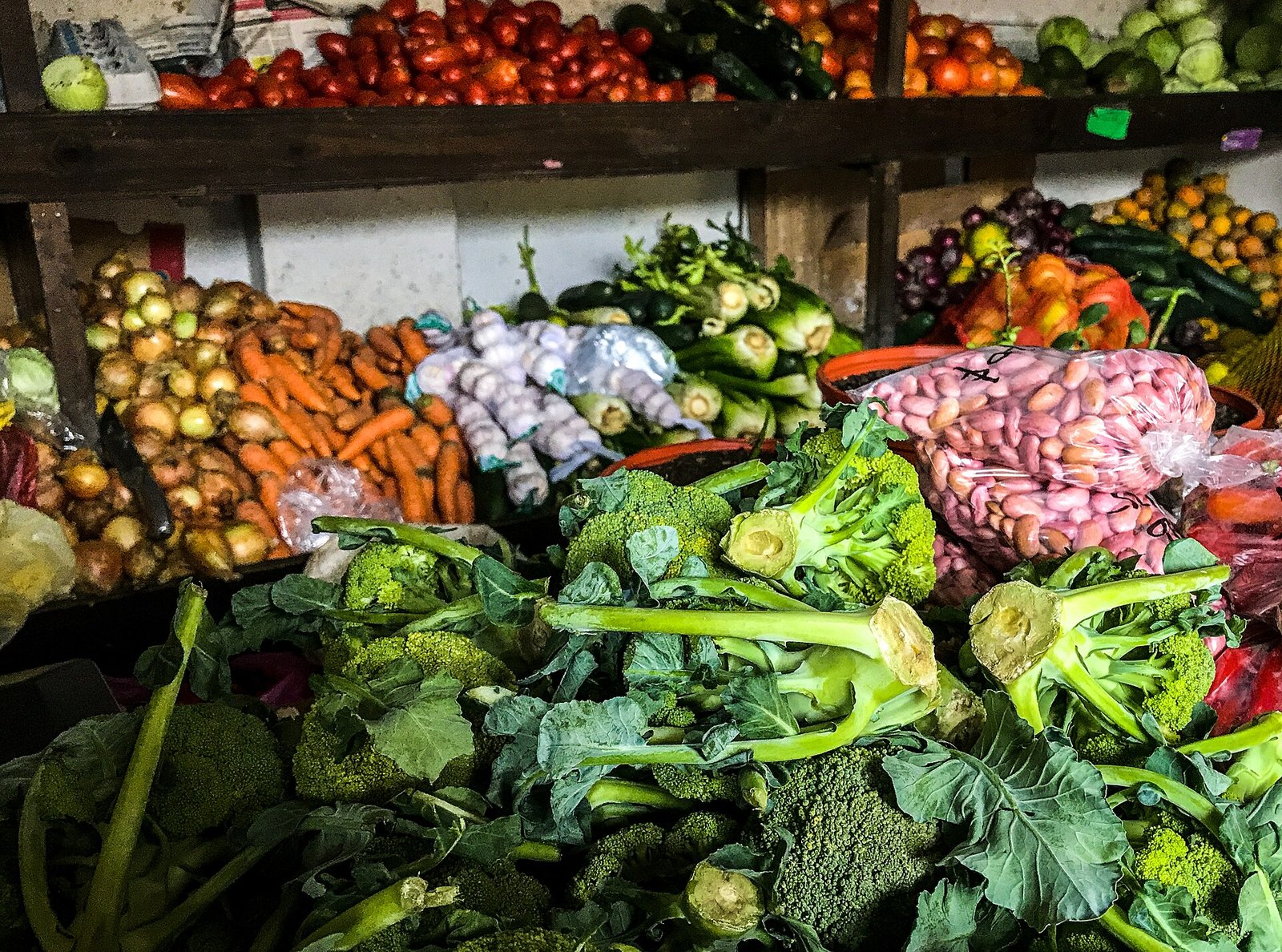
- – Fruits and vegetables at most meals: NHLBI ties higher intake to better asthma control. Aim for a mix of colors: leafy greens, carrots, peppers, apples, berries, citrus.
- – Heart-healthy foods overall: whole grains, beans, fish, nuts, and vegetable oils in place of heavily processed snacks.
Foods that support a healthy weight (NHLBI, NHS)
- – Both NHLBI and NHS list keeping to a healthy weight as part of asthma self-care. High-fiber, filling foods such as vegetables, beans, oats, and whole grains make portion control easier.
- – Regular physical activity matters too; NHLBI says not to avoid exercise but to ask your provider which level and medicines are right for you.
Fatty fish as food (NCCIH context)
- – Eating fish such as salmon, trout, or sardines fits a heart-healthy pattern. NCCIH notes omega-3 supplement studies show some changes in airway markers and exercise-induced symptoms but inconclusive effects on lung function and symptoms overall, so food first is a sensible default.
Lower-sulphite swaps for sensitive people (Allergy UK, Asthma + Lung UK)
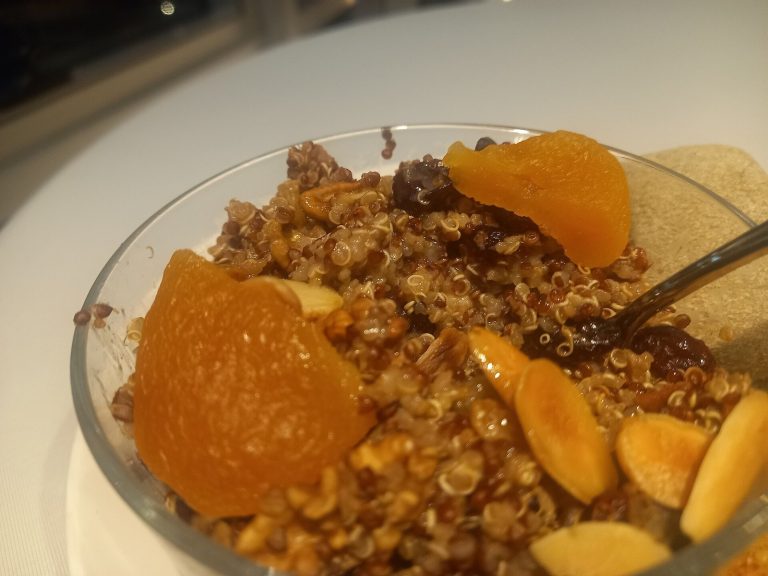
- – Fresh fruit instead of brightly colored dried fruit.
- – Freshly squeezed lemon or lime instead of bottled juice.
- – Fresh potatoes instead of dehydrated, pre-cut, or processed potato products.
- – Home-cooked sauces and soups instead of powdered or ready-made versions.
- – If you drink, Asthma + Lung UK notes clear spirits contain lower levels of sulphites and histamines than wine, beer, or cider, but this does not make them safe for everyone.
Foods and drinks that often worsen asthma in sensitive people
- – Foods you are allergic to: Asthma + Lung UK lists egg, cow’s milk, wheat, peanuts, tree nuts, soya, and shellfish as the most common food allergies. An allergic reaction can trigger asthma symptoms and can become life-threatening.
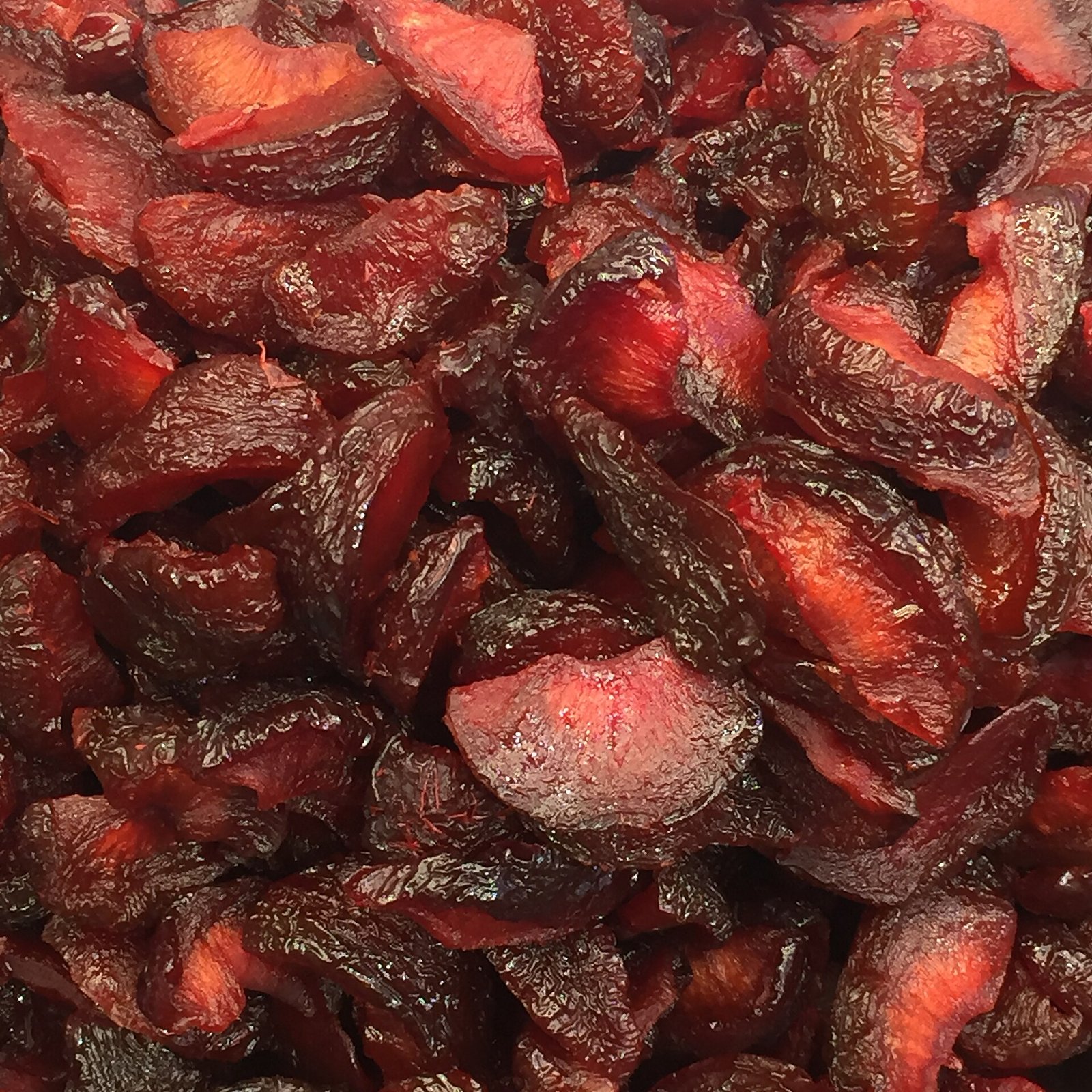
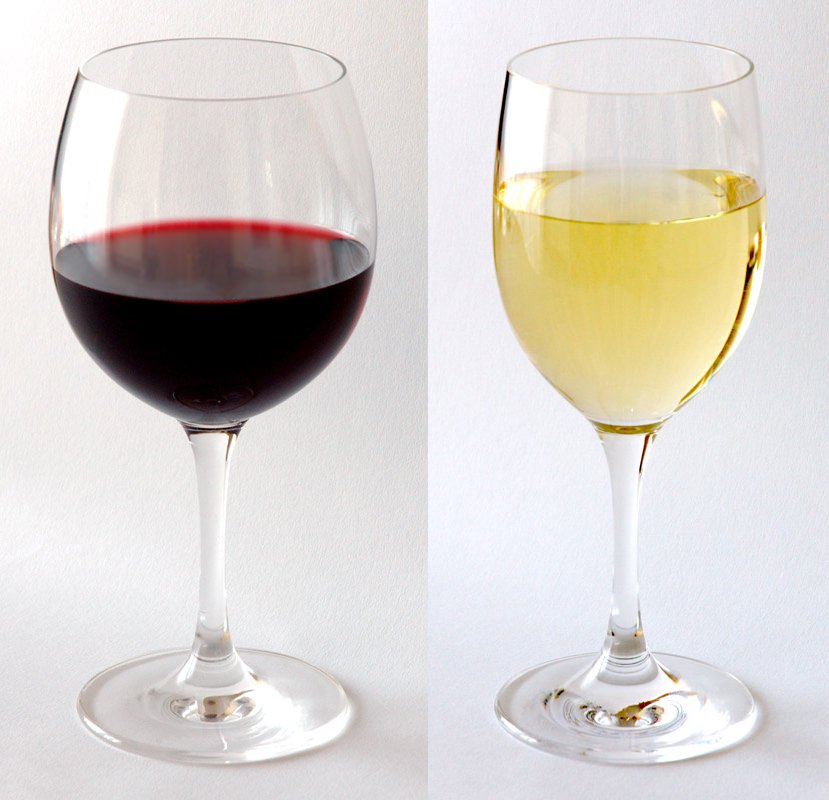
- – Sulphite-rich foods and drinks (Allergy UK): most wines, beer and cider, pickled foods and vinegar, dried fruit such as apricots, prunes, and raisins, maraschino cherries, tinned coconut milk, vegetable and grape juices, bottled lemon and lime juice, ready-made gravies and soups, guacamole, processed potato products, pre-cut salads, prawns and some processed seafood, and processed meats. Allergy UK estimates sulphite sensitivity at 5–13% of people with asthma, compared with under 2% of the general population.
- – Alcohol in general for some people, who may react after a few sips; Asthma + Lung UK notes alcohol can also make people more sensitive to other triggers.
- – Large late meals and reflux triggers if acid reflux (GORD/GERD) affects you; Asthma + Lung UK says your GP may look at reflux as something that could make asthma worse.
“Limit” means reduce or avoid the items your own history and testing point to, not a long list of foods cut out on a hunch.
Practical kitchen protocol: an asthma diet plan
1. Keep a food and symptom diary
Asthma + Lung UK suggests a food and symptom diary to review with your GP or nurse. Note what you ate and drank, symptoms, reliever-inhaler use, and other triggers such as pollen, cold air, colds, or exercise, so food is not blamed for everything.
2. Get suspected food triggers tested, not guessed
If you think a food triggers your asthma, Asthma + Lung UK advises talking to your GP or nurse as soon as possible, because an asthma attack triggered by a food allergy can be more serious, especially in children. Tests may include skin-prick or blood tests, or a supervised elimination diet. Do not cut out foods without professional advice; home allergy tests have little evidence of accuracy.
3. Learn to read sulphite labels
In the UK and EU, sulphites must be declared above 10 mg/kg or 10 mg/L. Look for sulphur dioxide and sulphites, or E numbers E220–E228 (Allergy UK). Restaurant and takeaway foods are covered by the same rule, but always ask if in doubt.
4. Fill half the plate with produce
Keep frozen vegetables, bagged greens, apples, oranges, and berries on hand. Add a vegetable to breakfast (spinach in eggs), lunch (salad or soup), and dinner (two vegetable sides).
5. Sample day (illustrative)
- – Breakfast: oatmeal with fresh berries and a spoon of nuts; milk or a fortified alternative if dairy is not an allergen for you.
- – Lunch: whole-grain wrap with chicken, fresh salad leaves, and homemade dressing with fresh lemon.
- – Snack: an apple or a pear and a small handful of unsalted nuts.
- – Dinner: baked salmon, fresh potatoes, steamed broccoli and carrots.
- – Drinks: water or unsweetened tea; skip wine or beer if they bother you.
6. Eating out with food allergies
Tell all staff about your allergy, ask about sulphites in wine, dried fruit, and sauces, and keep your reliever inhaler, and adrenaline auto-injector if prescribed, with you.
Safety, interactions, and when to get help
Diet is supportive alongside medical care, never a substitute. NCCIH says evidence does not support using complementary approaches instead of proven medical management.
- – Supplements: talk with your provider before taking any supplement if you use asthma medicines (NCCIH). Omega-3 supplements may interact with blood thinners such as warfarin; high-dose vitamin D, vitamin C, and selenium can cause side effects.
- – Homeopathic asthma products: NCCIH notes the FDA has warned consumers not to rely on over-the-counter homeopathic asthma products.
- – Pain relievers and other medicines: NHS says aspirin, ibuprofen, and beta blockers can trigger symptoms in some people; check with a pharmacist before taking new medicines.
- – Keep your inhaler with you, and use your preventer as prescribed, including when eating out or drinking alcohol.
- – Call 999 (or your local emergency number) during an asthma attack if you feel worse at any time, do not feel better after the maximum reliever dose, or do not have an inhaler (NHS). If you have both a food allergy and asthma and are unsure whether it is anaphylaxis or an asthma attack, Asthma + Lung UK advises using your adrenaline auto-injector and reliever and calling 999.
- – See a GP within 2 days after any asthma attack, even if you feel better (NHS).
FAQ
Is there a specific asthma diet? No single diet is prescribed for asthma. NHLBI suggests heart-healthy foods, more fruits and vegetables, and a healthy weight. Most people with asthma, Asthma + Lung UK notes, just need usual healthy-eating advice.
Which foods are bad for asthma? Only foods you are allergic or sensitive to. Common culprits are major allergens and sulphite-containing items such as wine, beer, dried fruit, and some processed foods.
Can vitamin D supplements reduce asthma attacks? A 2023 review cited by NCCIH found vitamin D did not reduce the proportion of people with asthma attacks, though few participants had severe asthma or low vitamin D. Ask your doctor whether testing makes sense for you.
Does losing weight help asthma? NHLBI says having overweight or obesity can make asthma harder to manage, and even a small weight loss can help symptoms.
Why does wine make my asthma worse? Wine contains sulphites and histamines, which can trigger symptoms in sensitive people, according to Asthma + Lung UK. Low-sulphite wine still contains sulphites.
How this differs from related OTCFood topics
This asthma diet page focuses on produce, weight, allergens, and sulphites. If heartburn affects your breathing at night, see our GERD diet guide. For another allergy-linked condition, see eczema diet, and for a broader heart-healthy plate, see high blood pressure foods to eat and limit.
Medical disclaimer
Medical disclaimer: This article is for general information only and is not medical advice or a diagnosis. Asthma care depends on your triggers, lung function, and medicines. Follow your asthma action plan, keep your reliever inhaler with you, and talk with your doctor, asthma nurse, or a registered dietitian before changing your diet or adding supplements. In an asthma attack that is not improving, call emergency services.