Osteoarthritis Diet: Foods That May Help and Foods to Limit
Medical note: This article discusses foods and researched botanicals. It does not claim to prevent, treat, or cure disease. Supplements are not a substitute for food, and studied amounts are not personal prescriptions.
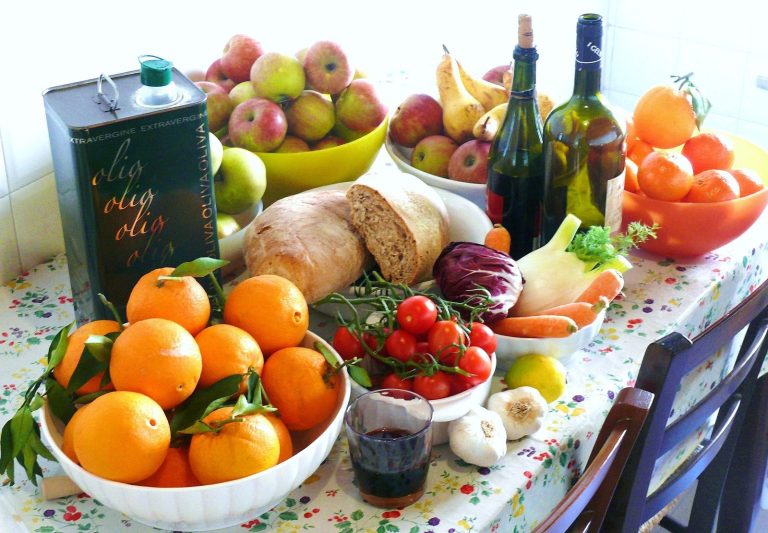
If you are searching for an osteoarthritis diet, here is the direct answer from public sources: the eating change with the strongest support is reaching and keeping a healthy weight, because extra weight adds load to knees and hips. NIAMS (the NIH arthritis institute) says that if you are overweight or have obesity, losing weight can help reduce pain, limit further injury, and increase mobility in weight-bearing joints. Beyond weight, the Arthritis Foundation points to a Mediterranean-style pattern—fish, nuts, beans, whole grains, colorful produce, and olive oil—while NIH’s complementary-health center (NCCIH) says it is still uncertain whether glucosamine and chondroitin meaningfully help. No food rebuilds worn cartilage, but your plate can support joint comfort alongside exercise and the care plan your clinician recommends.
What this osteoarthritis diet page covers (and what it does not)
This page is for adults with osteoarthritis (OA) of the knee, hip, hand, or spine, people at higher risk, and the cooks who shop for them. Anchors: NIAMS — Osteoarthritis care and steps to take, CDC — Osteoarthritis, NCCIH — Osteoarthritis: In Depth, and the Arthritis Foundation’s Mediterranean-style arthritis diet and weight-loss pages.
CDC calls OA the most common type of arthritis, affecting about 33 million U.S. adults. It causes joint pain, stiffness, and swelling, most often in the hands, hips, back, and knees. Risk rises with older age, joint injury or overuse, family history, female sex (especially after 50), and obesity. OA is different from rheumatoid arthritis, an autoimmune disease, and from gout, which is driven by uric acid. NCCIH notes that if a joint is hot and red, or pain comes with rash or fever, you probably have a different problem—see a clinician.
Evidence snapshot: osteoarthritis diet claims vs public sources
| Claim people hope for | What public sources actually say | Confidence |
|---|---|---|
| “Losing weight helps my knees” | NIAMS: weight loss in people who are overweight can help reduce pain and increase mobility; Arthritis Foundation cites a study in which each pound lost removed about four pounds of pressure from the knees | Strong |
| “A bit of weight loss is enough” | Arthritis Foundation summarizes a 2018 study: losing 10–20% of starting weight improved pain, function, and quality of life more than losing 5% | Moderate |
| “Glucosamine and chondroitin rebuild cartilage” | NCCIH: despite extensive research, it is still uncertain whether they have a meaningful effect on symptoms or joint structure; the American College of Rheumatology conditionally recommends against them for knee or hip OA | Low |
| “Herbal pills like boswellia work” | NCCIH: avocado-soybean unsaponifiables and Boswellia serrata may produce slight improvements that patients might not consider meaningful | Low |
| “Tomatoes and other nightshades cause flares” | Arthritis Foundation: there is no scientific evidence that nightshades trigger arthritis flares; a personal elimination test is optional | Low for the claim |
| “A Mediterranean-style diet supports joints” | Arthritis Foundation: whole foods such as fish, nuts, beans, fruit, vegetables, and olive oil, with fewer processed foods and less saturated fat, can help manage disease activity | Moderate |
Foods and patterns that may help with osteoarthritis
“May help” means a kitchen default that supports weight goals and overall health—not a cartilage guarantee. The Arthritis Foundation’s Mediterranean-style targets:
Fish twice a week
3 to 4 ounces of fish, twice a week, with salmon, tuna, sardines, herring, anchovies, and other cold-water fish as the best sources of omega-3 fats.
Nuts and seeds, measured
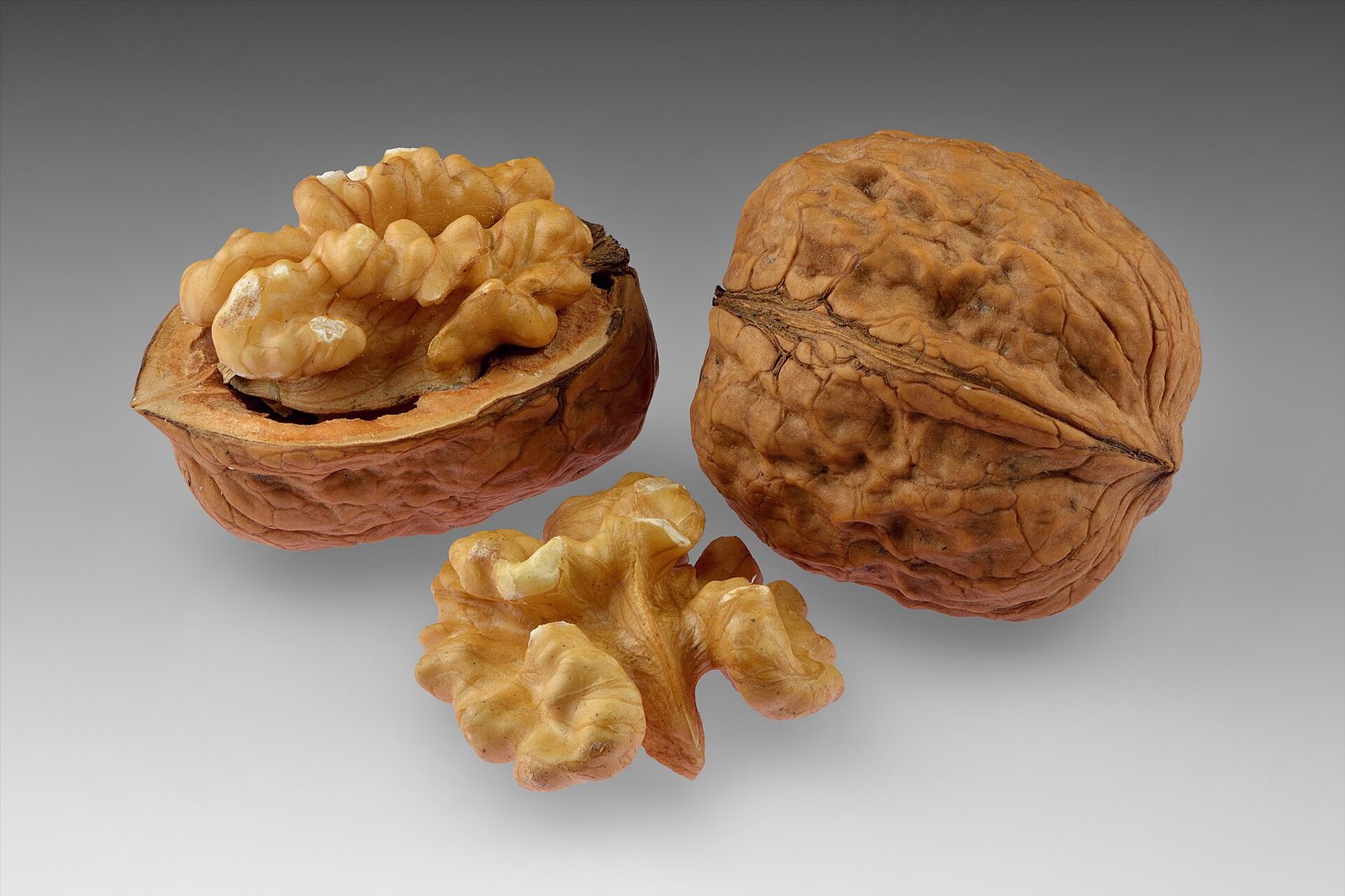
About 1.5 ounces of nuts a day (one ounce is roughly a handful)—walnuts, pine nuts, pistachios, and almonds. Nuts are calorie-dense, so portion them if weight loss is your goal.
Colorful fruit and vegetables
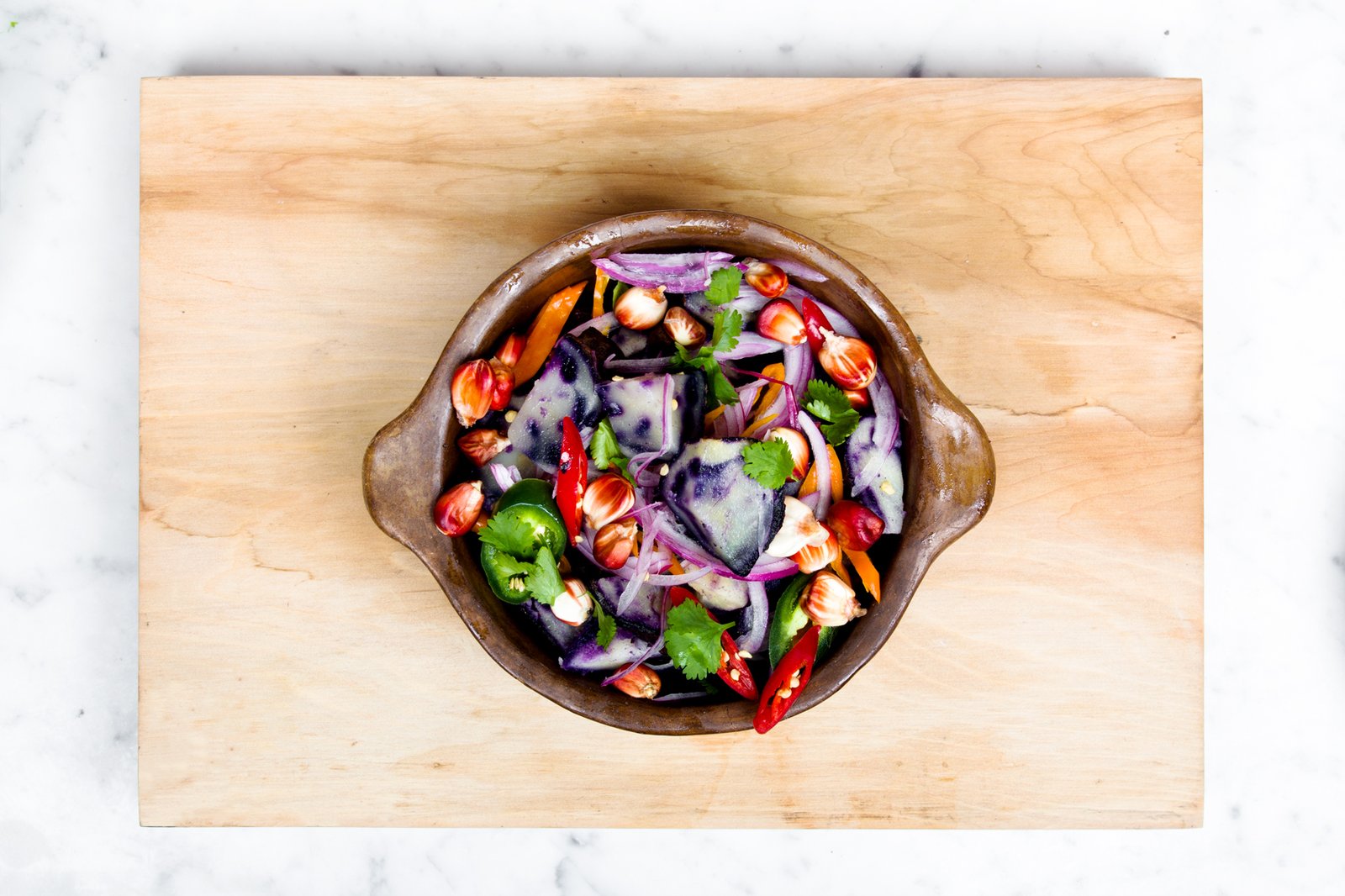
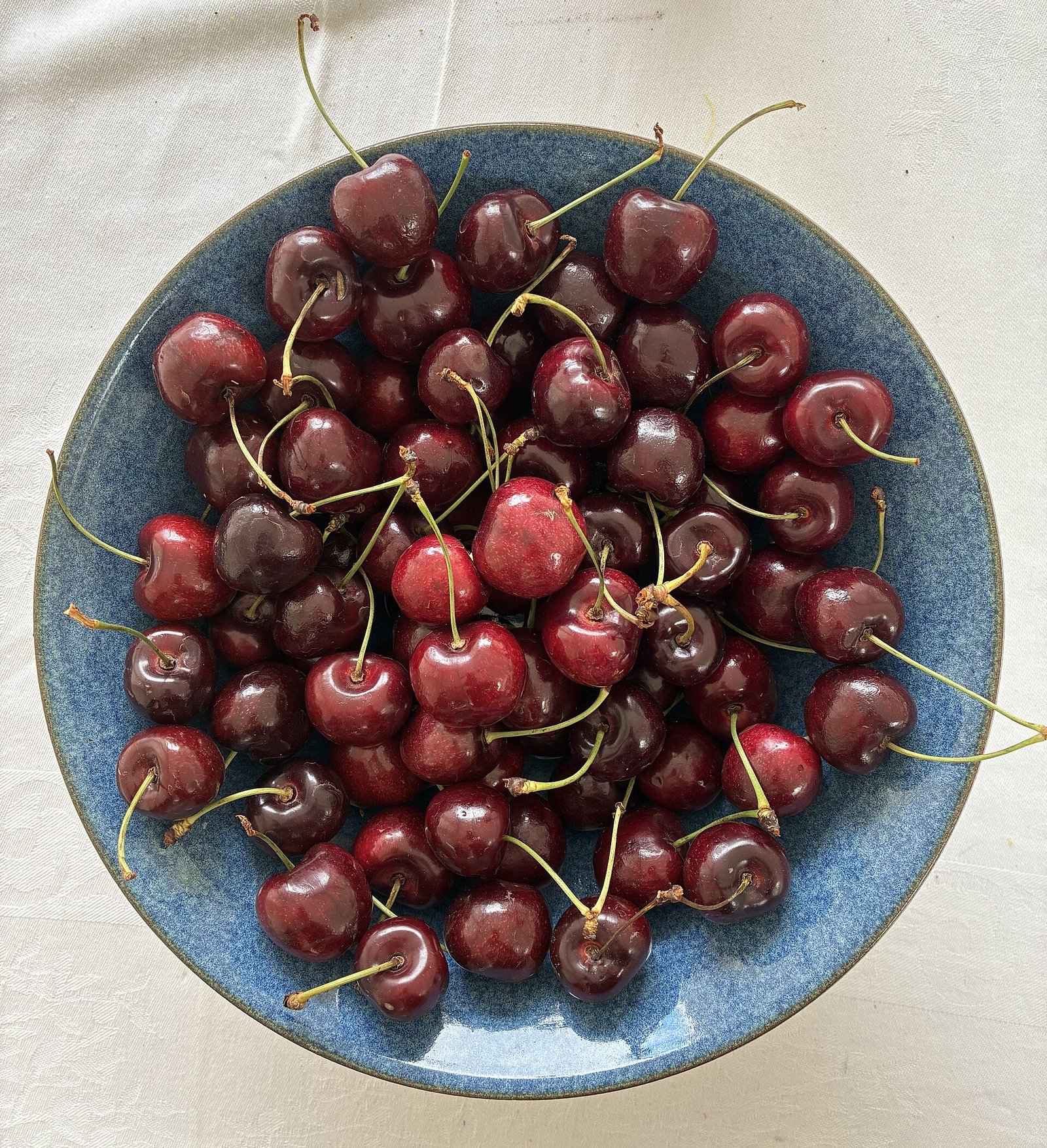
The Arthritis Foundation suggests aiming for nine or more servings daily, highlighting cherries, berries, citrus, spinach, kale, broccoli, and cabbage.
Olive oil as the main fat
Two to three tablespoons daily of extra virgin olive oil, used in place of butter and other saturated fats rather than on top of them.
Beans and whole grains
About one cup of beans twice a week or more, and roughly six ounces of grains a day, at least half whole grain—oatmeal, brown rice, bulgur, quinoa, whole-wheat bread. Fiber helps meals stay filling, which supports weight management.
Foods and habits that often worsen osteoarthritis patterns
- – Steady weight gain. CDC lists obesity as a risk factor for OA, especially in hips and knees, and NIAMS ties extra weight to added joint stress.
- – Heavily processed foods and saturated fat—the Arthritis Foundation contrasts these with its whole-food pattern; they also make calorie control harder.
- – Sugary drinks and large portions that quietly add calories when activity is limited by pain.
- – Long inactivity. NIAMS and CDC both put physical activity at the center of OA self-management; diet works best paired with movement.
- – Stacking joint supplements without checking interactions, or buying products promoted for arthritis pain online. NCCIH notes the FDA has warned about arthritis supplements tainted with hidden prescription drugs.
- – Restrictive “anti-arthritis” diets that cut whole food groups without evidence, such as removing all nightshades by default.
“Limit” means reduce frequency or portion size—not that one meal undoes your progress.
Practical kitchen protocol: an osteoarthritis diet week
1. Set a realistic weight goal with your clinician
If you carry extra weight, ask your clinician or a registered dietitian (NIAMS lists dietitians on the OA care team) for a target. Using the Arthritis Foundation’s figures, losing 10 pounds would relieve roughly 40 pounds of pressure from your knees.
2. Build the plate around volume, not restriction
Fill half the plate with vegetables, a quarter with fish, beans, poultry, or tofu, and a quarter with whole grains. Add a measured spoon of olive oil. This keeps calories moderate without leaving you hungry.
3. Plan two fish dinners and one bean dinner
Sheet-pan salmon with vegetables, canned sardines on whole-grain toast, and a bean-and-vegetable soup cover three of the Arthritis Foundation targets in one week.
4. Pre-portion nuts and swap snacks
Divide a bag of walnuts or almonds into one-ounce portions. Swap chips or pastries for fruit, nuts, or yogurt.
5. Make cooking easier on sore hands and knees
NIAMS suggests avoiding repetitive motions and using grip aids such as jar openers. Buy pre-cut frozen vegetables, canned beans, and bagged greens; sit while you chop; batch-cook grains for several days.
6. Shopping list default
Salmon or trout, canned sardines and tuna, canned or dried beans, lentils, oats, brown rice, whole-wheat bread, frozen broccoli and spinach, cherries or frozen berries, oranges, walnuts and almonds, extra virgin olive oil, plain yogurt, and eggs.
7. Sample day (illustrative)
- – Breakfast: oatmeal with berries and a few walnuts; coffee or tea without sugary syrups.
- – Lunch: big salad with chickpeas, vegetables, olive oil dressing, and whole-grain bread.
- – Snack: a pear or a handful of cherries.
- – Dinner: baked salmon, roasted broccoli, quinoa.
- – Movement: a walk, swim, or cycling session as your clinician approves—NIAMS lists walking, cycling, swimming, tai chi, and water aerobics as low-impact options.
Safety, interactions, and who should ask a clinician first
- – Glucosamine and chondroitin may interact with the blood thinner warfarin (NCCIH). Ask before starting them.
- – SAMe may interact with some antidepressants and levodopa and has special risks in bipolar disorder (NCCIH).
- – Check all supplements with your team. NHS advises checking before taking over-the-counter remedies or nutritional supplements, which can interfere with prescribed medicine.
- – Rapid or extreme dieting is not the goal; ask for a supervised plan if you have diabetes, kidney disease, or take medicines affected by diet.
- – Joint that is hot, red, or very swollen, or pain with fever or rash: see a clinician promptly (NCCIH notes this may be a different problem).
- – Pain that limits daily life despite self-care: NIAMS describes medicines, injections, braces, physical therapy, and surgery as options—discuss them rather than adding more supplements.
FAQ
What is the best diet for osteoarthritis? No single diet is proven best. The strongest public guidance focuses on reaching a healthy weight if you are overweight, plus a Mediterranean-style pattern of fish, nuts, beans, whole grains, fruit, vegetables, and olive oil, as the Arthritis Foundation describes.
How much weight loss helps knee osteoarthritis? NIAMS says weight loss can help reduce pain and increase mobility. The Arthritis Foundation cites research showing each pound lost removes about four pounds of pressure from the knees, and that losing 10–20% of body weight improved pain more than losing 5%.
Do glucosamine and chondroitin work for osteoarthritis? NCCIH says it is still uncertain whether they have a meaningful impact, and the American College of Rheumatology conditionally recommends against them for knee or hip OA. If you try them, tell your clinician, especially if you take warfarin.
Should I stop eating tomatoes or other nightshades? The Arthritis Foundation says there is no scientific evidence that nightshades trigger arthritis flares. If you suspect a link, a short supervised elimination and reintroduction can test it without cutting nutritious foods for good.
How this differs from related OTCFood topics
This page is a disease-bound osteoarthritis diet centered on weight, whole foods, and supplement realism. It is not a bone-density osteoporosis diet, not a uric-acid gout diet, and not an ingredient review like our boswellia for osteoarthritis or turmeric and curcumin for joints pages.
Medical disclaimer
Medical disclaimer: This article is for general information only. It is not medical advice or a diagnosis. Osteoarthritis care depends on which joints are affected, your weight, other conditions, and medicines. Talk with a licensed clinician or registered dietitian before starting, stopping, or changing any eating plan, weight-loss program, supplement, or medication.