GERD Diet: Foods That May Help or Worsen Reflux Symptoms
Medical note: This article discusses foods and researched botanicals. It does not claim to prevent, treat, or cure disease. Supplements are not a substitute for food, and studied amounts are not personal prescriptions.
Gastroesophageal reflux disease (GERD) symptoms—heartburn, regurgitation, sour taste—often track meal size, timing, and trigger foods. A GERD-aware plate may help some people feel more comfortable, especially with smaller evening meals and fewer classic triggers. Diet does not replace acid-suppressing medicines or procedures when those are medically indicated.
What this guide covers (and what it does not)
This article summarizes foods and habits often recommended in public education from NIDDK (NIH), Mayo Clinic, and similar gastroenterology patient pages. It is not an endoscopy plan, not a Barrett’s esophagus protocol, and not permission to ignore red-flag symptoms (vomiting blood, black stools, progressive swallowing trouble, unexplained weight loss).
Triggers are highly individual. One person’s tomato sauce is another person’s non-issue. Use an elimination-and-rechallenge mindset rather than lifelong bans copied from social media.
Evidence snapshot
| Claim people hope for | What public sources actually say | Confidence |
|---|---|---|
| “Never eat spicy food” | Spicy foods worsen symptoms for some; not universal | Low–moderate (individual) |
| “Alkaline water cures GERD” | Insufficient evidence as a cure; hydration is fine | Insufficient |
| “Elevate head of bed + earlier dinner helps” | Lifestyle measures are standard in GERD education | Moderate for lifestyle bundle |
| “Cut all fat forever” | Large high-fat meals can relax the lower esophageal sphincter or delay emptying for some; moderation of heavy meals is common advice | Moderate for meal size/fat load |
Anchors: NIDDK acid reflux / GERD, Mayo Clinic GERD.
Foods and patterns that may help comfort
Often better tolerated (test personally):
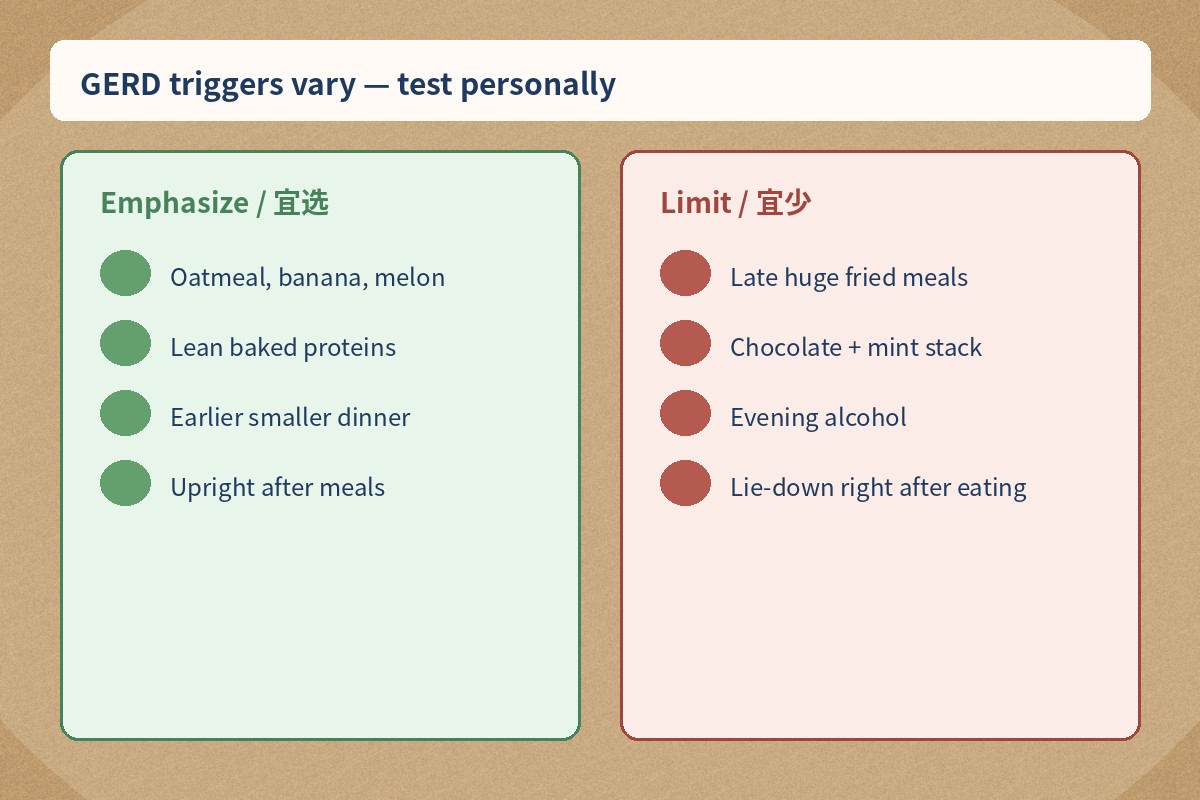
- – Lean proteins: chicken, turkey, fish, egg whites, tofu—baked, grilled, or steamed rather than fried.
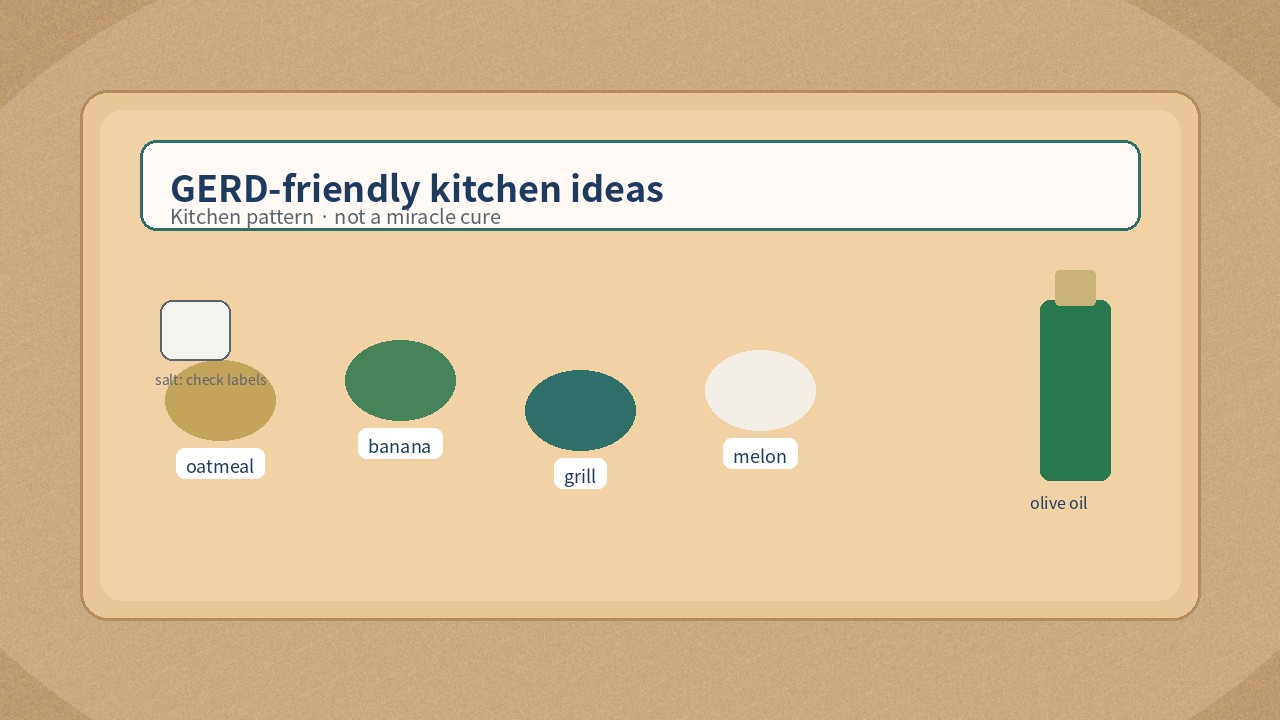
- – Oatmeal and other non-mint whole grains for many people.
- – Non-citrus fruits: bananas, melons, pears, apples (without heavy peel if peel bothers you).
- – Vegetables: green beans, broccoli, carrots, leafy greens—watch raw onion/garlic if they trigger you.
- – Ginger in food amounts: sometimes used for nausea/comfort; concentrated supplements are a different question.
- – Low-fat dairy or alternatives if dairy fat triggers you—individual.
Meal pattern tips that dietary education often repeats: smaller portions, avoid lying down for 2–3 hours after eating, elevate the head of the bed if nocturnal symptoms persist, and loosen tight waistbands after large meals.
Foods and habits that often worsen reflux
Commonly reported triggers (not a mandatory ban list):
- – Chocolate, peppermint, spearmint
- – Coffee, caffeinated tea, energy drinks (sensitivity varies)
- – Alcohol, especially in the evening
- – Fried and very fatty meals, creamy sauces, large burgers
- – Tomato sauces, citrus juices, vinegar-heavy dressings for some people
- – Carbonated soft drinks
- – Onions and garlic (raw more than cooked for many)
- – Late-night large meals and snacking in bed
Spicy chili is a frequent culprit but not universal—log your own response.
Practical kitchen protocol: a reflux-friendlier week
1. Shrink dinner, move it earlier
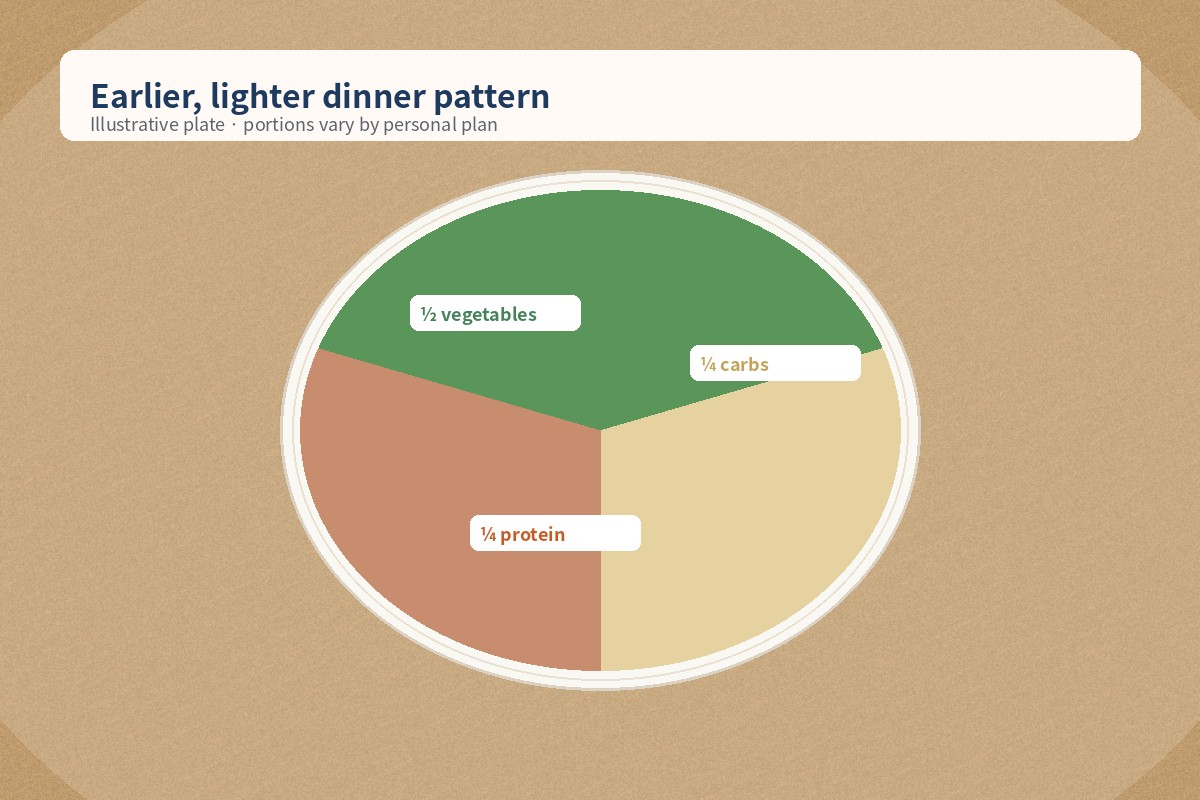
Shift the largest meal to midday when possible. Keep dinner lighter and finish 2–3 hours before bed.
2. Trigger diary for 10 days
Note time, foods, portion, body position, and symptoms 30–180 minutes later. Reintroduce one suspected trigger at a time.
3. Cooking methods
Prefer steaming, baking, air-frying lightly, or simmering. Drain excess oil. Swap cream sauces for herb yogurt dips if tolerated, or tomato-free pesto alternatives.
4. Sample day (illustrative)
- – Breakfast: oatmeal with banana and a spoon of almond butter (if tolerated)
- – Lunch: grilled chicken, rice, steamed carrots and green beans
- – Snack: melon or yogurt if dairy is fine
- – Dinner (earlier): baked fish, mashed potato, sautéed spinach with minimal oil
- – Avoid: after-dinner espresso + chocolate + sofa nap
5. Shopping list
Oats, bananas, melons, rice, potatoes, lean poultry, fish, tofu, green vegetables, ginger root, herbal (non-mint) tea, low-fat milk or lactose-free alternatives.
6. Restaurant tactics
Ask for sauces on the side, skip fried appetizers, choose grilled proteins, and take half home. Decline the late dessert-and-cordial combo if nights are your worst window.
Lifestyle bundle that often matters as much as the menu
Public GERD education usually packages food changes with non-food habits: maintain a comfortable body position after meals, avoid tight belts, consider a slight head-of-bed elevation for night symptoms (using blocks under bedposts rather than stacking pillows that bend the waist), and review medications that may relax the lower esophageal sphincter with your clinician (never stop prescribed drugs on your own). Smoking cessation support matters if you smoke—tobacco is repeatedly listed among reflux aggravators.
Weight change, when medically appropriate, can reduce abdominal pressure for some people. Crash diets are unnecessary; steady habits beat short “reflux detoxes.” If anxiety amplifies symptom perception, behavioral strategies from your clinician can complement—not replace—evaluation of persistent reflux.
Safety, medicines, and when to seek care
- – Persistent GERD needs clinical evaluation—self-diet alone can miss ulcers, eosinophilic esophagitis, or cardiac mimics.
- – Long-term OTC acid reducers should be reviewed with a clinician; they are not candy.
- – Pregnancy-related heartburn needs obstetric guidance.
- – Unintentional weight loss, anemia, vomiting blood, black stools, or food sticking: seek care promptly—do not “diet it away.”
Food changes may help symptoms; they do not diagnose the cause of chest pain. Cardiac symptoms require urgent medical assessment.
FAQ
Is milk a remedy for heartburn? Fat content and individual response vary; milk is not a reliable treatment.
Do I need a fully bland diet forever? Usually no. Personalize triggers; keep variety for nutrition.
Can I drink coffee? Some people tolerate morning coffee with food; others do better with half-caf or alternatives. Test carefully.
Are probiotics proven for GERD? Evidence is mixed/limited; not a standard first-line GERD diet therapy in major education pages.
How this differs from related OTCFood topics
This is a GERD-bound meal timing and trigger guide. It is not an IBS peppermint-oil capsule evidence piece (peppermint oil for IBS)—and note peppermint can worsen reflux for some people even when it is studied in IBS. Different problems, different kitchen rules.
Medical disclaimer
Medical disclaimer: This article is for general information only. It is not medical advice, diagnosis, or a treatment plan. Dietary patterns can interact with medicines and medical conditions and are not appropriate for everyone in the same way. Talk with a licensed clinician before starting, stopping, or changing any eating plan or medication—especially if you have alarm symptoms, swallow trouble, or take prescription drugs for reflux or other conditions.