Middle Ear Infection Diet: Foods That May Help and Foods to Limit
Medical note: This article discusses foods and researched botanicals. It does not claim to prevent, treat, or cure disease. Supplements are not a substitute for food, and studied amounts are not personal prescriptions.
People searching “middle ear infection diet foods that help or worsen” usually want comfortable fluids and feeding habits during an earache—not a claim that food clears an infection or replaces an exam, pain control, or antibiotics when a clinician recommends them. MedlinePlus describes the usual infection as otitis media: the ear’s tubes become clogged with fluid and mucus, which can affect hearing. CDC explains that some middle ear infections need antibiotics, but many can get better without them, and that a healthcare provider should guide treatment. Kitchen patterns may help with hydration and comfortable feeding, especially in infants; they do not treat fluid behind the eardrum and should never delay care for fever or ear pain.
What this middle ear infection diet guide covers (and what it does not)
This guide is for caregivers and adults who want fluid and feeding-position habits public pages describe, used alongside rest and medical care. Anchors: MedlinePlus — Ear Infections, MedlinePlus — Ear infections in children (acute), NIDCD — Ear Infections in Children, CDC — Ear Infection Basics, and CDC — About Feeding From a Bottle. Mayo Clinic patient pages were not reachable, so this article uses these CDC, NIDCD, and MedlinePlus pages instead.
MedlinePlus notes that ear infections are the most common reason parents bring a child to a doctor; three out of four children will have at least one by their third birthday. NIDCD states that five out of six children will have at least one by age three. Adults can get them, but they are less common. Related reading: common cold diet guide, influenza recovery diet guide, acute sinusitis diet guide, and labyrinthitis diet guide.
Evidence snapshot: middle ear infection diet claims vs public sources
| Claim people hope for | What public sources actually say | Confidence |
|---|---|---|
| “A special diet clears middle-ear infection” | MedlinePlus and CDC describe an ear exam, pain control, watchful waiting in some cases, and antibiotics when a clinician decides they are needed—not food as a treatment that clears infection | Strong against a food-as-antibiotic claim |
| “Extra fluids are useful during illness” | CDC’s “how to feel better” list includes rest, extra water or other fluids, and over-the-counter pain or fever medicines as directed. Those actions can make you feel better but will not cure the illness | Moderate that extra fluids are a comfort measure |
| “Bottle position does not matter” | MedlinePlus: risk is higher when children spend a lot of time drinking from a sippy cup or bottle while lying on their back, because milk may enter the eustachian tube. CDC: do not prop a bottle (risk of choking, ear infections, and tooth decay). NIDCD: never put a baby down for a nap or the night with a bottle | Strong that feeding position and not bedding with a bottle matter |
| “You can wait at home no matter the fever or age” | CDC: seek care for fever of 102.2°F (39°C) or higher, ear discharge, worsening or symptoms lasting more than 2–3 days, hearing loss, and right away if a child under 3 months has a fever of 100.4°F (38°C) or higher. MedlinePlus: all children younger than 6 months with fever or ear-infection symptoms should see their provider | Strong that diet should not delay care |
Foods and patterns that may help during a middle ear infection
Everyday patterns often recommended
- – Extra water or other usual fluids, as CDC lists among ways to feel better, along with rest.
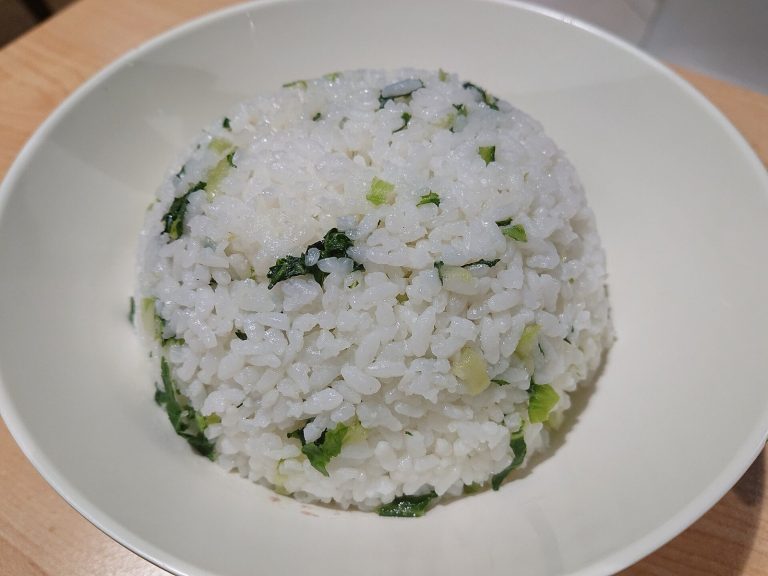
- – Soft, easy-to-eat meals if chewing hurts. Public pages do not require a special “ear-infection menu,” but MedlinePlus lists loss of appetite as a symptom, so modest portions may be easier than forcing a large meal.
- – Comfortable, held feeding for infants. CDC advises holding your baby close, angling the bottle rather than holding it straight up and down, and not propping it. MedlinePlus advises avoiding bottle feeding a child who is lying down.
- – Continuing breast milk or infant formula as the baby’s milk, if that is already the plan. CDC says to give only breast milk or infant formula in a bottle. Breastfeeding is described as a prevention pattern, not as treatment of an active infection.
- – Pairing fluids with pain and fever care a clinician approves. CDC and MedlinePlus discuss age-appropriate acetaminophen or ibuprofen; never give aspirin to children.
Foods and habits that often worsen risk or comfort
- – Bottle- or sippy-cup feeding while lying flat, including falling asleep with a bottle. MedlinePlus, NIDCD, and CDC all flag lying-down or bedtime bottles.
- – Propping a bottle and walking away. CDC: this can increase the risk of choking, ear infections, and tooth decay, and the baby may also eat more than needed.
- – Putting cereal or other foods in a bottle. CDC says this will not make a baby sleep longer and could increase choking risk.
- – Tobacco smoke exposure. MedlinePlus lists tobacco smoke among causes of eustachian-tube blockage. CDC: don’t smoke and avoid secondhand smoke. NIDCD: babies around smokers have more ear infections.
- – Waiting to seek care because you started a “healing diet.” CDC and MedlinePlus give age- and fever-based reasons to contact a provider. Diet does not replace that step.
- – Using leftover antibiotics or stopping a prescribed course early. MedlinePlus: take antibiotics as directed and finish the medicine; do not stop when symptoms go away.
Practical kitchen protocol: a middle-ear-infection-aware few days
1. Keep medical care in parallel
A clinician diagnoses middle ear infection by asking about symptoms and looking at the eardrum. CDC notes that the immune system can often fight the infection, that severe infections or those lasting longer than 2–3 days need antibiotics right away, and that for some mild cases a provider may recommend watchful waiting. Food supports comfort; it does not replace that plan. Related reading: chronic rhinosinusitis diet guide.
2. Shopping list for comfortable fluids and meals
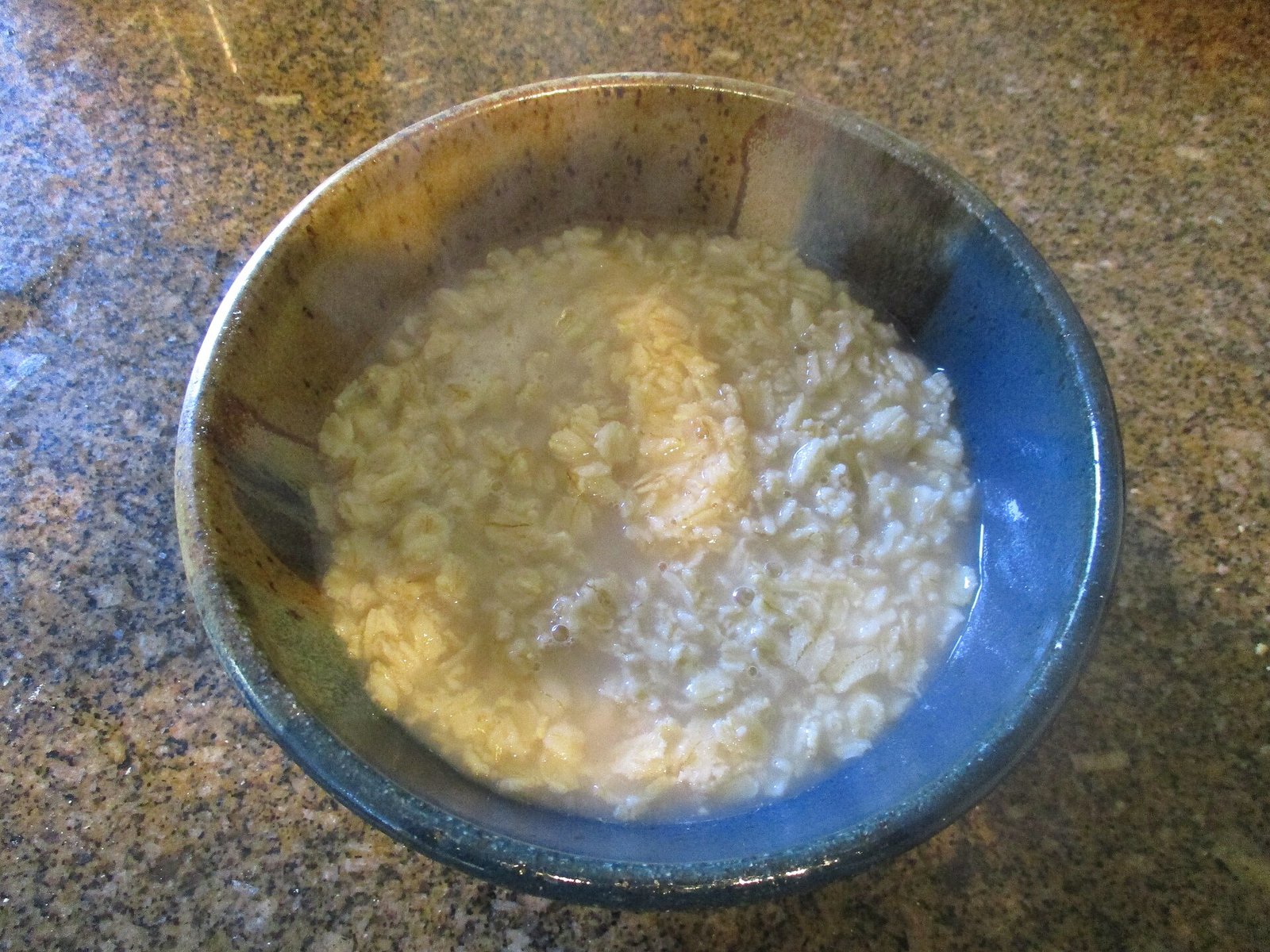
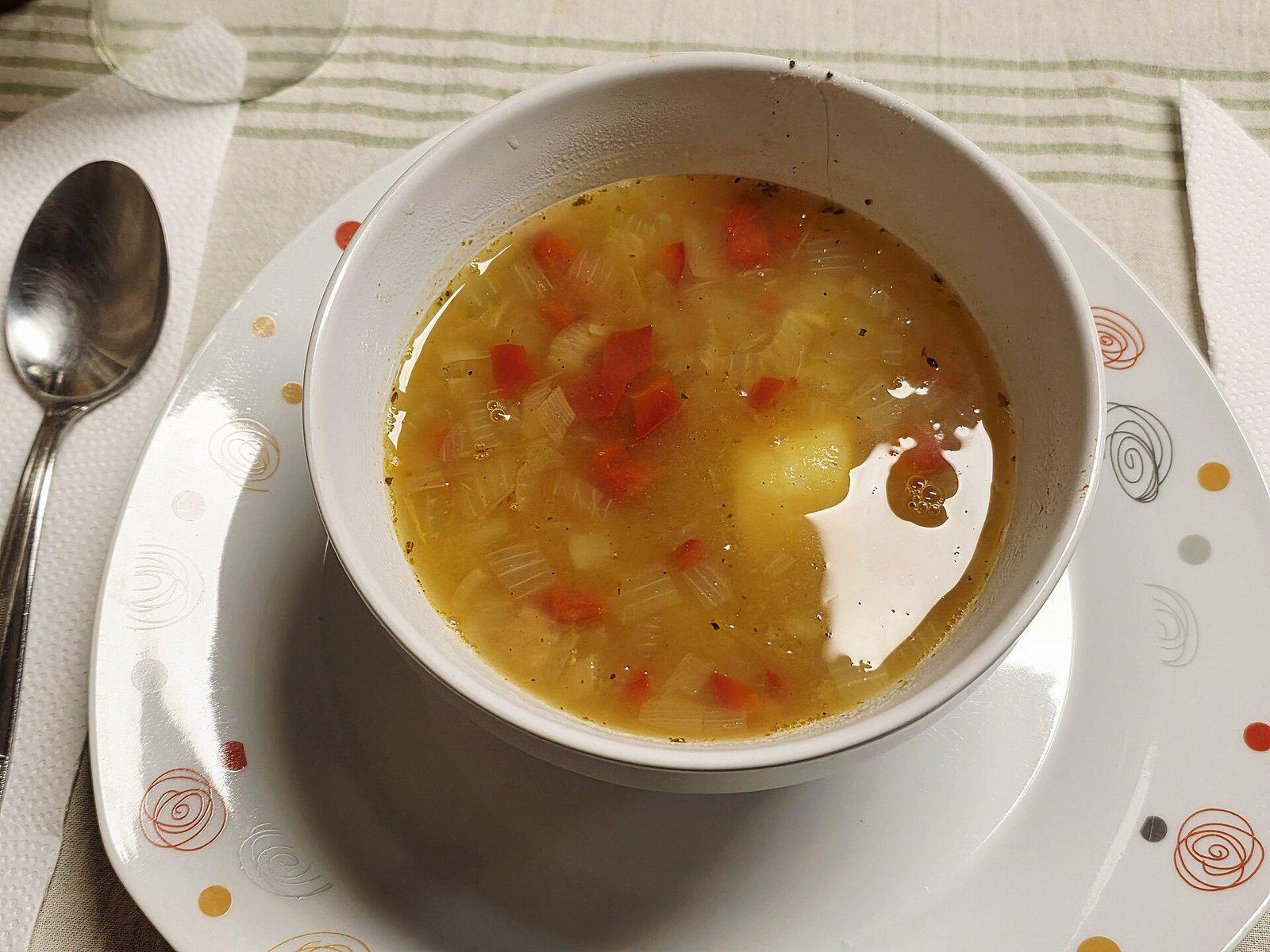
Water and the child’s usual milk or formula; soft foods already accepted (yogurt, oatmeal, soup, scrambled eggs, mashed fruit). Do not add “ear-infection supplements” a clinician has not recommended.
3. Default drink-and-meal template
- – Offer extra usual fluids through the day; do not force large volumes if the child is nauseated or vomiting.
- – For bottle-fed infants, hold the baby, keep the head not flat, and angle the bottle so milk flows with sucking.
- – Do not put a baby to bed with a bottle.
- – Offer small, soft meals if appetite is low; use only clinician-approved fever or pain medicine, at the correct dose for age and weight.
4. Sample day (illustrative)
- – Morning: water or usual milk; a soft breakfast such as oatmeal if the child will eat; check temperature.
- – Midday and afternoon: held feeding or an upright snack, more fluids, and rest if the child is miserable.
- – Evening: last bottle or breastfeeding while you are holding the child—not in the crib with a propped bottle. Follow the clinician’s advice if symptoms worsen or a fever threshold is reached.
5. If hearing lags or a cold came first
MedlinePlus notes that most children have slight short-term hearing loss during and right after an infection because of fluid, and that fluid can stay behind the eardrum for weeks or even months after the infection has cleared. See age-related hearing loss diet guide only as related hearing reading; it is not a pediatric ear-infection guide. Ear infections often begin after a cold or other upper respiratory infection, as NIDCD and MedlinePlus describe; a cold-recovery menu is not enough on its own.
Safety, interactions, and who should ask a clinician first
- – Infants: MedlinePlus says all children younger than 6 months with a fever or ear-infection symptoms should see their provider. CDC: talk to a provider right away if a child under 3 months has a fever of 100.4°F (38°C) or higher.
- – High fever, pus or fluid from the ear, worsening symptoms, symptoms lasting more than 2–3 days, or hearing loss: seek care (CDC). MedlinePlus also flags swelling behind the ear, severe pain, pain that suddenly stops (which may indicate a ruptured eardrum), severe headache, dizziness, or facial twitching.
- – Never give aspirin to children (CDC, MedlinePlus, NIDCD) because of Reye’s syndrome. CDC: children younger than 6 months should only get acetaminophen unless a clinician directs otherwise; do not use OTC cough and cold medicines in children younger than 4 unless a provider tells you to.
- – Do not use this page to delay recommended antibiotics, ear-tube evaluation, or emergency care.
FAQ
Can diet or a supplement clear fluid behind the eardrum? No. MedlinePlus and CDC describe an exam, pain control, watchful waiting in selected cases, and antibiotics when needed. Extra fluids may help comfort; they do not drain the middle ear.
Is it all right to give a bottle in the crib so my baby can sleep? NIDCD says never to put a baby down for a nap or for the night with a bottle. CDC warns that propping a bottle can increase the risk of ear infections, choking, and tooth decay.
When should I see a clinician? Follow the age and fever thresholds above, and go sooner for severe pain, discharge, swelling behind the ear, or a child who is much more ill than usual.
Is swimmer’s ear the same as otitis media? No. CDC distinguishes middle ear infection from otitis media with effusion (fluid without infection) and from swimmer’s ear, an infection of the outer ear canal. MedlinePlus: getting water in the ears does not cause an acute middle-ear infection unless the eardrum has a hole.
How this differs from related OTCFood topics
This page is an otitis-media-bound diet and feeding guide focused on hydration, comfortable meals, infant feeding position, and not delaying care. It is not a common-cold or sinusitis protocol and not a substitute for an ear exam or antibiotics when they are recommended.
Medical disclaimer
Medical disclaimer: This article is for general information only. It is not medical advice, diagnosis, or a treatment plan. Middle ear infection care depends on age, how sick the person is, the eardrum exam, and a clinician’s judgment. Talk with a clinician before changing an infant feeding plan, a supplement, or a medicine. Seek urgent care for a young infant with fever, a high fever, severe ear pain, swelling behind the ear, a stiff neck, severe headache, or a child who is unusually hard to wake or very ill.