G6PD Deficiency Diet: Foods That May Help and Foods to Limit
Medical note: This article discusses foods and researched botanicals. It does not claim to prevent, treat, or cure disease. Supplements are not a substitute for food, and studied amounts are not personal prescriptions.
People searching “G6PD deficiency diet foods that help or worsen” usually want a long forbidden-food list and a set of “blood-building” superfoods. Public pages are much narrower. The food clearly tied to hemolytic episodes is fava beans (broad beans), and even inhaling pollen from fava plants can trigger a reaction called favism. A special diet does not correct the enzyme problem, replace medical advice about trigger medicines, or treat an acute hemolytic episode.
What this G6PD deficiency diet guide covers (and what it does not)
This guide is for people with clinician-confirmed glucose-6-phosphate dehydrogenase (G6PD) deficiency, and for caregivers, who want kitchen clarity that matches official patient pages. Anchors: MedlinePlus — G6PD deficiency, MedlinePlus Genetics — Glucose-6-phosphate dehydrogenase deficiency, and GARD — Anemia, nonspherocytic hemolytic, due to G6PD deficiency.
G6PD is an enzyme that helps red blood cells work properly and protects them from reactive oxygen species. When the enzyme is low or altered, red blood cells can break down prematurely (hemolysis), causing hemolytic anemia. MedlinePlus Genetics says this is most often triggered by bacterial or viral infections or by certain drugs, and can also occur after eating fava beans or inhaling fava pollen. Many people never have symptoms and do not know they have the condition. It is inherited in an X-linked pattern, so symptoms are more common in males; MedlinePlus Genetics estimates about 400 million people worldwide have the deficiency, including about 1 in 10 African American males in the United States. It is also more frequent in parts of Africa, Asia, the Mediterranean, and the Middle East. During a hemolytic episode, symptoms can include dark urine, jaundice, fatigue, pallor, a rapid heart rate, shortness of breath, abdominal pain, and fever. Those signs need prompt medical care. Related reading: iron-deficiency anemia diet guide and sickle cell disease diet guide.
Evidence snapshot: G6PD deficiency diet claims vs public sources
| Claim people hope for | What public sources actually say | Confidence |
|---|---|---|
| “A special diet can fix G6PD deficiency” | MedlinePlus: the condition is hereditary; treatment of an episode may include treating infection, stopping a triggering medicine, and sometimes transfusion. There is no food protocol that replaces the missing enzyme | Strong against food-as-cure |
| “Fava beans are the main food to avoid” | MedlinePlus encyclopedia lists certain foods such as fava beans among triggers. MedlinePlus Genetics and GARD describe hemolytic anemia after eating fava beans or inhaling fava pollen (favism) | Strong that fava beans (and fava pollen) should be avoided |
| “Internet lists of dozens of forbidden foods are official” | The public pages used here do not publish a long kitchen ban list beyond fava beans. MedlinePlus says people must strictly avoid things that can trigger an episode and should talk with a provider about medicines | Insufficient for extra unofficial food bans; ask your clinician before expanding the list |
| “You can ignore medicines and mothballs if you eat carefully” | MedlinePlus lists antimalarial medicines such as quinine, high-dose aspirin, NSAIDs, quinidine, sulfa medicines, and antibiotics such as quinolones and nitrofurantoin, plus chemicals such as those in mothballs, as possible triggers | Strong that non-food triggers matter as much as food |
Foods and patterns that may help with G6PD deficiency kitchen planning
A usual, varied pattern when you are well
When you are not in an episode, official pages do not prescribe a special “G6PD superfood” menu. MedlinePlus notes that episodes are most often brief because the body keeps making new red blood cells, which have normal G6PD activity. Ordinary meals built around grains, vegetables, fruit, and protein foods other than fava beans are a reasonable default. The useful kitchen skill is checking labels and recipes for fava beans (also called broad beans), including falafel mixes, stews, and restaurant dishes where the bean may not be obvious.
If a clinician has diagnosed a separate nutrient problem after repeated or severe hemolysis, follow that plan. Do not assume you automatically need high-dose iron or “blood-building” supplements; hemolysis is not the same as iron-deficiency anemia. See iron-deficiency anemia diet guide only if iron deficiency has actually been diagnosed.
Practical habits that support safer days
- – Keep a written list of known trigger medicines from your clinician in your wallet or phone, and show it at pharmacies and before new prescriptions.
- – When eating out, ask whether a dish contains fava or broad beans, including in soups, salads, and dips.
- – During infections—which MedlinePlus Genetics lists as a common trigger—focus on staying hydrated and eating what you can tolerate, and contact your clinician if dark urine, jaundice, or unusual fatigue appear.
- – Newborn jaundice can be related to G6PD deficiency (MedlinePlus Genetics; GARD). Infant feeding decisions belong with the pediatric team.
Foods and habits that often worsen G6PD deficiency risk
- – Fava beans and fava pollen. This is the food trigger named across MedlinePlus encyclopedia, MedlinePlus Genetics, and GARD. Avoid the beans in any form you can identify, and be cautious around plants or markets where fava pollen exposure is possible if you have had favism.
- – Assuming every other bean, pea, or soy food is equally off-limits. Official pages used here do not automatically extend the fava-bean warning to all legumes. If a personal clinician has added other foods to your list, follow that advice; do not copy an unsourced internet “G6PD diet” that bans blueberries, tonic water, or food dyes without asking whether it applies to you.
- – Trigger medicines taken without a review. MedlinePlus lists antimalarials such as quinine, high-dose aspirin, NSAIDs, quinidine, sulfa medicines, quinolones, and nitrofurantoin. Do not start or stop prescription medicines on your own because of a food article—call the prescribing clinician or pharmacist with your G6PD status.
- – Mothballs and similar chemicals. MedlinePlus includes chemicals such as those in mothballs as episode triggers. This is a household habit, not a meal, but it belongs on the same avoidance list.
- – Waiting out clear hemolysis symptoms at home. MedlinePlus: in rare cases, kidney failure or death may follow a severe hemolytic event. Dark urine, jaundice, shortness of breath, or severe fatigue after a trigger exposure needs prompt care.
Practical kitchen protocol: a G6PD deficiency-aware week
1. Keep the medical spine first
Make sure your diagnosis and medicine list are in your health record. MedlinePlus recommends talking with your provider about your medicines and notes that genetic counseling or testing may be available for families.
2. Shopping list themes
Build a normal cart: oats or rice, vegetables, fruit, yogurt or another protein you tolerate, eggs, fish or poultry, and lentils or other non-fava legumes if your clinician has not restricted them. Read mixed-bean and falafel labels for fava or broad beans.
3. Default plate template
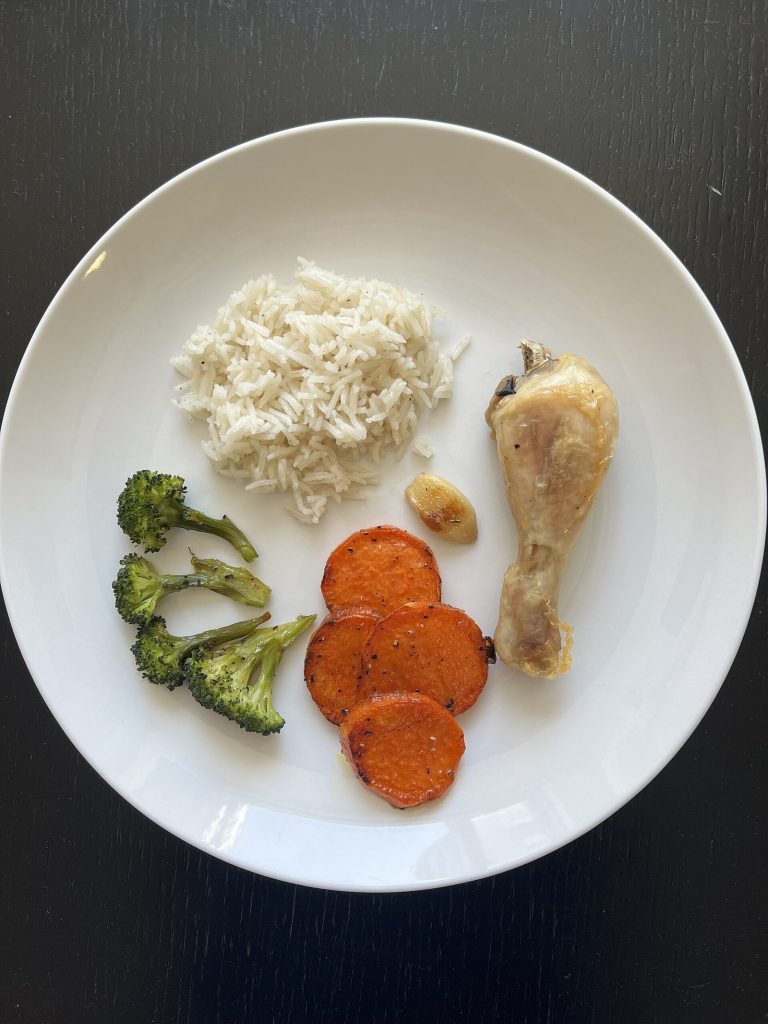
A usual plate is fine: a protein other than fava beans, vegetables or fruit, a starch, and fluids. There is no official “G6PD healing plate.” The template’s job is to keep meals ordinary while you stay strict about the known trigger.
4. Sample day (illustrative)
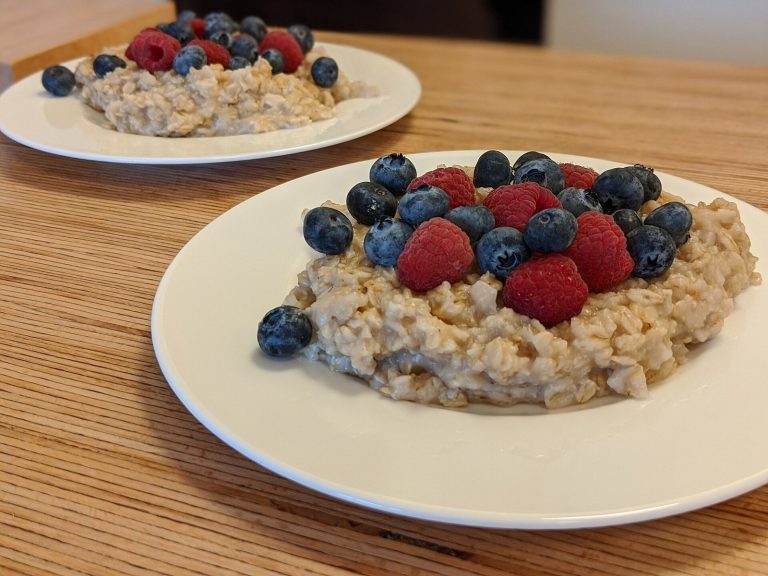
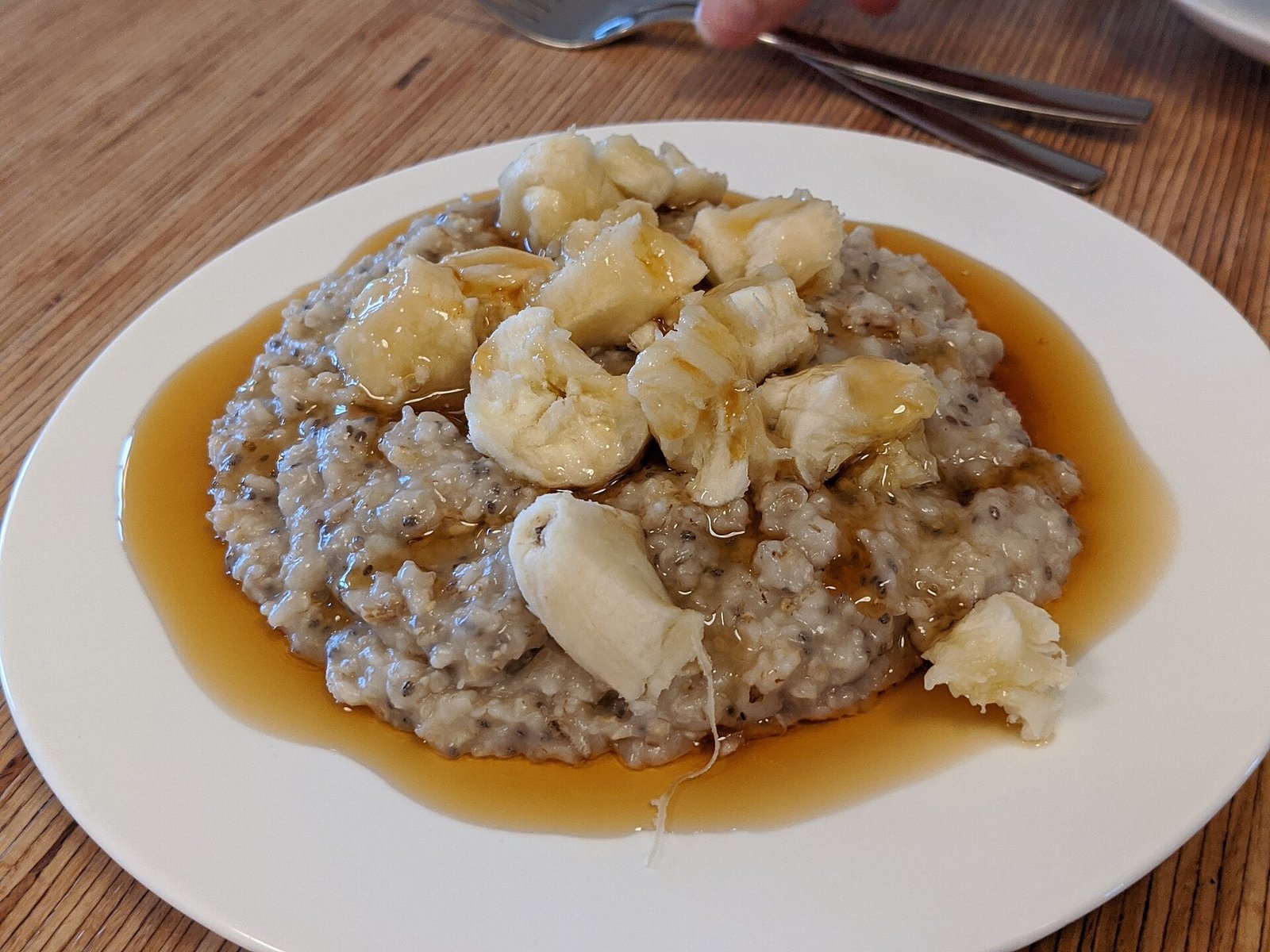
- – Breakfast: oatmeal with fruit and yogurt, or eggs and toast.
- – Lunch: rice or a grain bowl with chicken, fish, or lentils (if allowed for you), and vegetables—no fava or broad-bean stew.
- – Snack: fruit or yogurt.
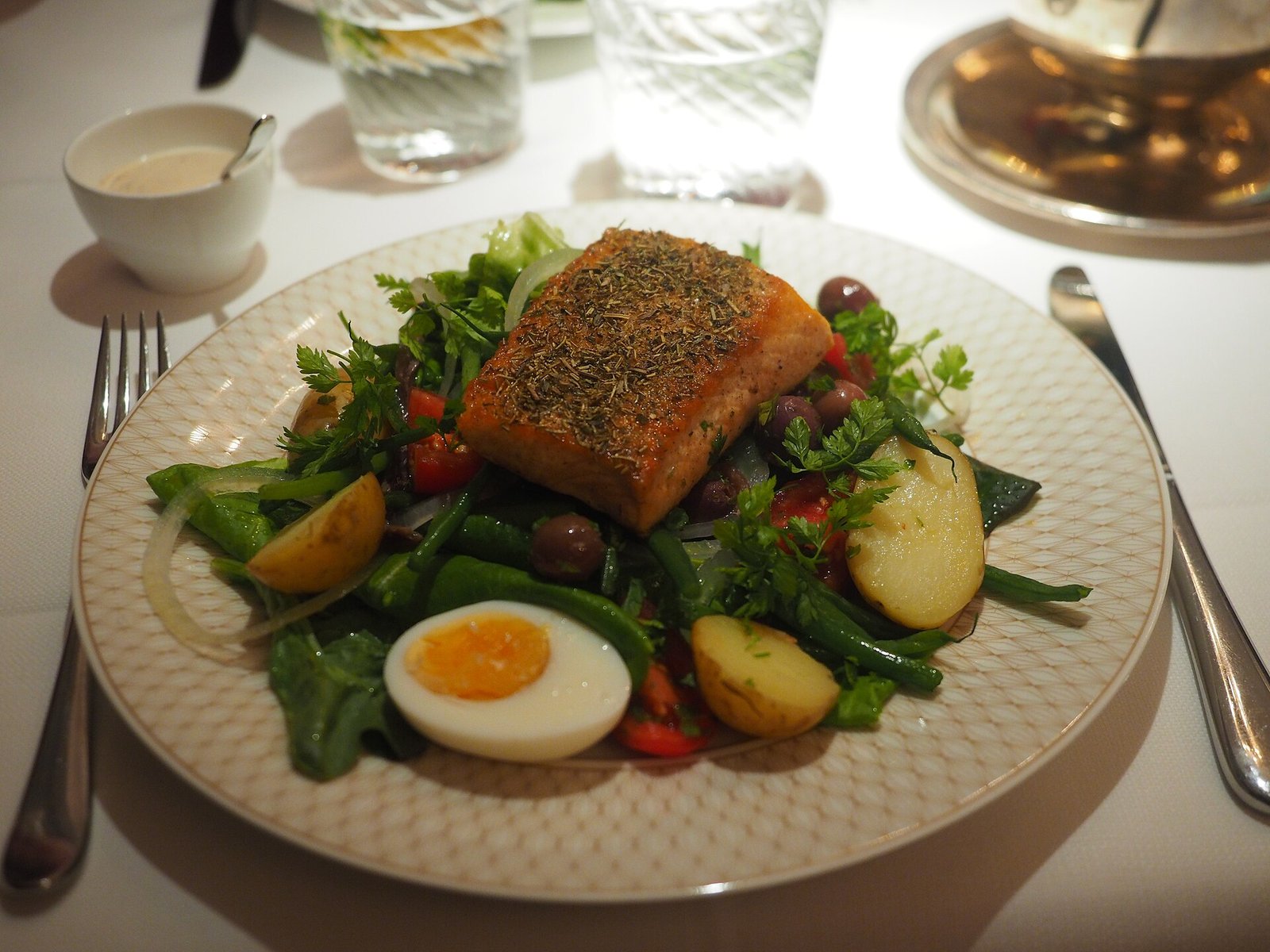
- – Dinner: baked fish or poultry, potatoes or rice, and cooked vegetables.
- – When eating out: ask about fava or broad beans in soups, salads, and sides before you order.
5. If an infection or new medicine is starting
Infections and certain drugs are leading official triggers (MedlinePlus Genetics). Ask whether a new antibiotic, antimalarial, pain medicine, or sulfa drug is considered a risk for you. If you become ill, watch for dark urine, jaundice, or unusual shortness of breath and call promptly rather than trying to “eat your way through” an episode.
6. After a hemolytic episode
MedlinePlus says most episodes go away on their own, but some people need treatment of infection, a change in medicines, or transfusion. Eat easy meals if you are exhausted, and follow the care plan for follow-up blood tests. Do not start high-dose iron or “liver-cleanse” supplements unless they were prescribed.
Safety, interactions, and who should ask a clinician first
- – Dark urine, jaundice, severe fatigue, rapid heart rate, shortness of breath, or abdominal pain after an infection, a new medicine, mothball exposure, or fava beans: contact a clinician promptly (MedlinePlus; GARD).
- – Before surgery, dental work, or travel medicines (including malaria prevention): tell the team you have G6PD deficiency.
- – Pregnancy, breastfeeding, or a newborn with jaundice: specialist advice; this article is not a pediatric protocol.
- – Family history of G6PD deficiency: ask about testing; the condition is X-linked (MedlinePlus Genetics; GARD).
- – Never use this page to stop a prescribed antibiotic or heart medicine without medical advice, even if the drug class appears on a trigger list.
FAQ
What food do I actually have to avoid? Fava beans (broad beans) are the food named on MedlinePlus, MedlinePlus Genetics, and GARD pages. Favism can also follow inhaling fava pollen. Confirm other personal restrictions with your clinician rather than copying a long unofficial list.
Can diet raise my G6PD enzyme level? No official page used here says food restores G6PD enzyme function. The practical goal is to avoid known triggers and eat a usual, adequate diet when you are well.
Are all beans unsafe? Not according to these public pages, which single out fava beans. Other legumes are not automatically banned in the sources we used. Follow any extra limits your own clinician has given you.
What besides food can trigger an episode? Infections, certain medicines (including some antimalarials, high-dose aspirin, NSAIDs, sulfa drugs, quinolones, and nitrofurantoin), and chemicals such as those in mothballs (MedlinePlus).
When is an episode an emergency? Seek care promptly for dark urine, jaundice, trouble breathing, or severe fatigue. MedlinePlus notes that severe hemolysis can, rarely, lead to kidney failure or death.
How this differs from related OTCFood topics
This page is a G6PD deficiency-bound diet guide focused on avoiding fava beans and keeping meals otherwise ordinary, while medicines and infections remain major official triggers. It is not an iron-deficiency protocol, not a sickle-cell diet, and not a license to stop antibiotics. For anemia patterns that have different kitchen rules, see iron-deficiency anemia diet guide, anemia of chronic disease diet guide, and pernicious anemia diet guide.
Medical disclaimer
Medical disclaimer: This article is for general information only. It is not medical advice or a treatment plan. G6PD deficiency care depends on your history, infections, medicines, and your clinician’s judgment. Talk with a clinician before changing any eating plan or medicine. Seek prompt care for dark urine, jaundice, severe fatigue, or shortness of breath after a trigger.