Diabetic Foot Ulcer Diet: Foods That May Help and Foods to Limit
Medical note: This article discusses foods and researched botanicals. It does not claim to prevent, treat, or cure disease. Supplements are not a substitute for food, and studied amounts are not personal prescriptions.
People searching “diabetic foot ulcer diet foods that help or worsen” usually want eating patterns that support blood glucose control and wound-healing nutrition—not a claim that food closes ulcers the way offloading, debridement, antibiotics when needed, or vascular care do, or that kitchen changes replace daily foot checks. MedlinePlus explains that diabetes raises the chance of foot sores or ulcers, that ulcers may take weeks to months to heal, and that keeping blood sugar under good control helps you heal faster and fight infections. NIDDK and CDC emphasize that diabetes can damage nerves and reduce blood flow in the feet, so cuts and sores may go unnoticed and heal poorly.
What this diabetic foot ulcer diet guide covers (and what it does not)
This guide is for adults with diabetes who have an active foot ulcer—or who want kitchen habits that support ulcer healing and prevention—while they follow podiatry and wound-care instructions. Anchors: MedlinePlus — Diabetes foot ulcers, CDC — Diabetes and your feet, and NIDDK — Diabetes and foot problems.
MedlinePlus wound-care reminders include professional debridement (never self-cut dead tissue), pressure offloading with special shoes/braces/casts or crutches as directed, keeping the ulcer clean and bandaged, not walking barefoot unless told it is OK, and controlling blood pressure and cholesterol while stopping smoking. NIDDK ties healthy blood glucose to healthier feet and lists daily foot checks, proper footwear, and routine clinical foot exams. Kitchen habits do not replace infection treatment or vascular procedures. Related reading: type 2 diabetes diet guide, diabetic neuropathy diet guide, prediabetes diet guide, and high cholesterol diet guide.
Evidence snapshot: diabetic foot ulcer diet claims vs public sources
| Claim people hope for | What public sources actually say | Confidence |
|---|---|---|
| “A special juice closes foot ulcers without offloading” | MedlinePlus: ulcers partly come from pressure; special footwear/devices and wound care speed healing—food is supportive, not a substitute | Strong: offloading is medical |
| “Keeping blood sugar in target may support healing and infection defense” | MedlinePlus: keep blood sugar under good control to heal faster and fight infections; CDC/NIDDK link high glucose to nerve and vessel damage | Strong for glycemic support |
| “Protein and overall nutrition never matter for wounds” | Public wound-healing nutrition principles emphasize adequate protein and calories when intake is poor; individualize with a diabetes dietitian—do not invent megadose “wound powders” | Moderate for supportive nutrition |
| “Smoking is irrelevant if salads look good” | MedlinePlus lists stopping smoking among ulcer-care reminders; smoking harms circulation needed for healing | Strong: smoking undermines healing |
| “Kitchen changes replace antibiotics or surgery for deep infection” | CDC/NIDDK: serious infections can lead to amputation to stop spread; urgent medical care is required | Strong: infection care is medical |
Foods and patterns that may help during diabetic foot ulcer healing
“May help” means supporting glucose targets, protein intake, and heart-healthy circulation habits—not guaranteeing a wound closes on a calendar date.
Glucose-aware plates that match your diabetes plan
- – Work with your clinician or diabetes educator on carbohydrate consistency; MedlinePlus links good glucose control to faster healing.
- – Emphasize non-starchy vegetables, lean proteins, and higher-fiber carbs that fit your medicine/insulin plan—see type 2 diabetes diet guide.
- – Limit sugar-sweetened drinks that spike glucose without helping satiety.
Protein-forward meals when appetite falls during infection or limited mobility
- – Include eggs, fish, poultry, tofu, beans, yogurt, or oral nutrition drinks if your dietitian recommends them—especially if crutches, wheelchair use, or illness reduce grocery access.
- – Spread protein across meals rather than one huge dinner you skip when fatigued.
Circulation-friendly patterns (blood pressure and cholesterol)
- – MedlinePlus reminds people to keep blood pressure and cholesterol controlled during ulcer care.
- – DASH-style patterns with vegetables, fruit, whole grains, and moderated sodium/saturated fat often fit—coordinate with hypertension diet guide and high cholesterol diet guide.
Hydration and constipation prevention during reduced walking
- – Offloading and limited activity can slow the gut; fiber plus fluids help avoid straining if you must protect a casted or braced foot.
- – Confirm fluid goals if kidney disease coexists.
Smoke-free living as a healing priority
- – Stopping smoking supports blood flow to the feet. Food swaps cannot offset continued smoking.
Foods and habits that often worsen diabetic foot ulcer kitchen patterns
- – Frequent sugary beverages and dessert grazing that fight glucose targets during healing.
- – Skipping meals then overcorrecting with large carb loads if that destabilizes glucose.
- – Very low-calorie crash diets that underdeliver protein while an ulcer is open—ask before aggressive restriction.
- – Heavy alcohol that worsens glucose control, nutrition, and foot-care consistency.
- – Continued smoking despite “healthy” meals.
- – Unprescribed megadose vitamin/herb stacks marketed as ulcer cures without wound-clinic approval.
- – Ignoring redness, warmth, swelling, pus, odor, fever, or increasing pain—MedlinePlus infection warning signs that need prompt contact with your provider.
“Limit” means reducing patterns that raise glucose or starve healing—not guilt after one planned treat inside your glucose plan.
Practical kitchen protocol: an ulcer-healing diet week
1. Medical spine first
Follow dressing and offloading instructions exactly. Never debride at home. Check the other foot daily (CDC/NIDDK). Keep glucose, blood pressure, and cholesterol plans active. Ask for a diabetes dietitian if wound healing and glucose swing together.
2. Shopping list for a wound-supportive diabetes kitchen
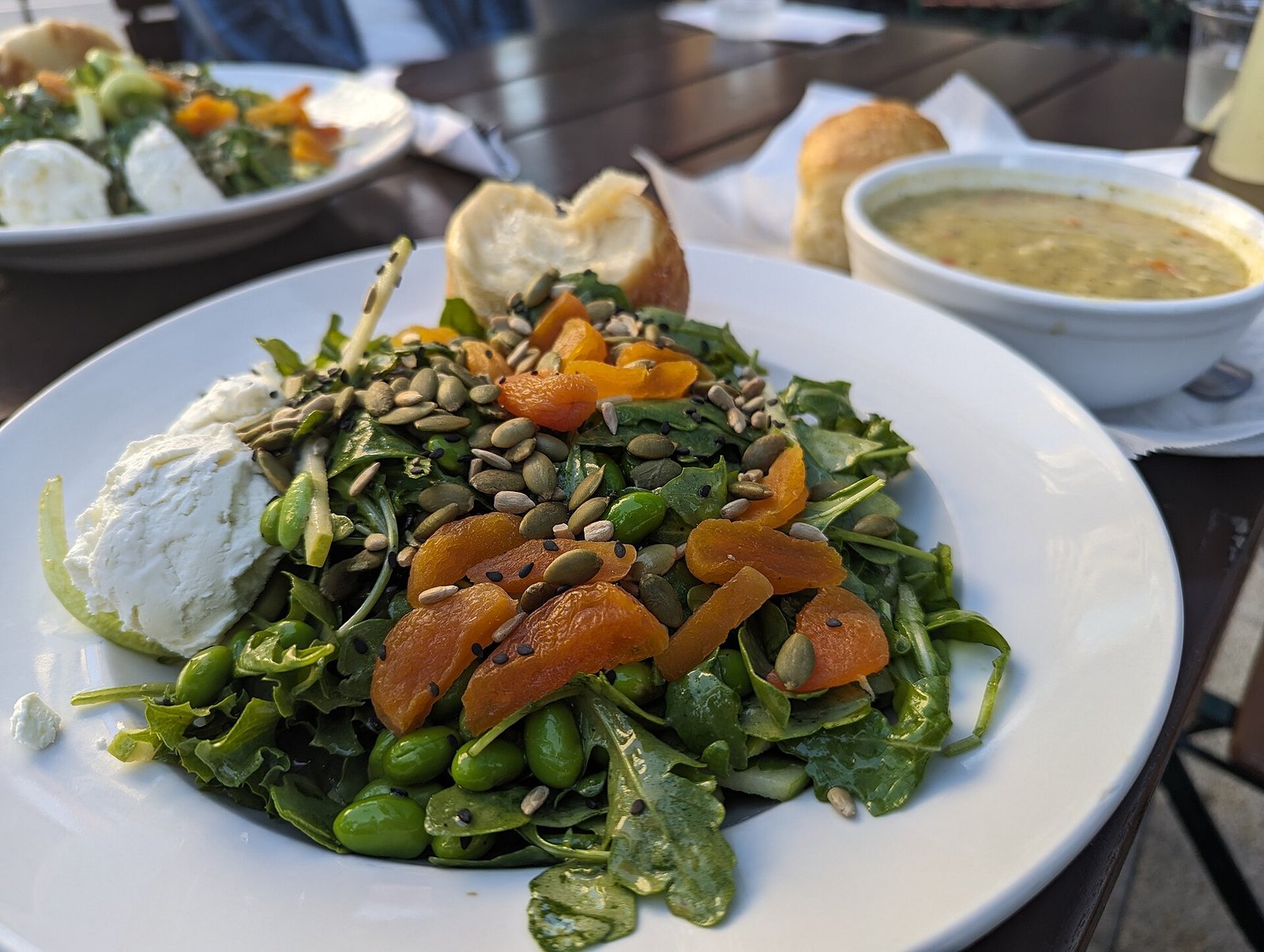
Non-starchy vegetables; berries and other fruit in planned portions; oats and other high-fiber carbs that fit your plan; eggs; fish; skinless poultry; tofu; beans; Greek yogurt; olive oil in modest amounts; unsalted nuts in portions; water or unsweetened tea; oral nutrition drinks only if recommended; limit sugar-sweetened sodas and alcohol.
3. Default plate template
- – Half non-starchy vegetables when possible
- – Quarter higher-fiber carbohydrate per your plan
- – Quarter lean protein
- – Measure oils and dressings
- – Sit so the ulcerated foot stays offloaded as directed—meal prep should not require barefoot kitchen time
4. Sample day (illustrative—not a personal prescription)
- – Breakfast: oatmeal with berries and eggs or yogurt; water; take diabetes medicines as prescribed.
- – Lunch: grilled fish or chicken salad with beans; fruit; water.
- – Snack: handful of unsalted nuts or cheese stick if that fits your plan.
- – Dinner: tofu or turkey, roasted vegetables, measured starch; water.
- – Evening: skip late sugary drinks; prepare next-day dressings area without walking barefoot.
5. Eating when mobility is limited
Batch-cook proteins; use grocery delivery; keep shelf-stable tuna and Greek yogurt available; ask helpers to handle heavy pots so you do not hop barefoot.
6. When neuropathy or prior ulcers coexist
Pair glucose-focused eating with daily foot inspection habits described by NIDDK/CDC and our diabetic neuropathy diet guide page for nerve-related context—not as a substitute for shoes and exams.
Safety, interactions, and who should ask a clinician first
- – Chronic kidney disease: individualize protein, potassium, and phosphorus with renal and wound teams.
- – Insulin or sulfonylureas: do not slash carbohydrates suddenly without a medicine plan—hypoglycemia risk rises.
- – Infection on antibiotics: maintain nutrition; report poor intake.
- – Charcot foot or deformity: follow custom footwear rules even when glucose looks better.
- – Seek urgent care for fever, rapidly spreading redness, black tissue, new inability to bear weight as directed, or blood sugar extremes your sick-day plan flags.
FAQ
Can diet heal a diabetic foot ulcer by itself? No. MedlinePlus centers professional wound care, pressure offloading, and glucose control. Food supports those medical steps.
Why does blood sugar matter so much for foot ulcers? MedlinePlus links good glucose control to faster healing and better infection defense; CDC/NIDDK link hyperglycemia to nerve and vessel damage.
Should I take high-dose vitamin C or zinc on my own? Ask your wound clinic or dietitian first. Unsupervised megadoses are not a substitute for offloading and glucose care.
Is walking barefoot at home OK if the ulcer is bandaged? MedlinePlus says not to walk barefoot unless your provider says it is OK.
Do I still need daily foot checks after the ulcer closes? Yes. NIDDK and CDC recommend ongoing daily checks and clinical foot exams to catch new problems early.
How is this different from a general type 2 diabetes diet page? General diabetes pages cover broad glucose patterns—see type 2 diabetes diet guide—while this guide ties nutrition to active ulcer healing, offloading, and infection vigilance.
How this differs from related OTCFood topics
This page is a diabetic foot ulcer–bound diet guide focused on glucose-aware, protein-adequate eating during wound care. It is not a debridement tutorial and not a substitute for emergency infection care.
Medical disclaimer
Medical disclaimer: This article is for general information only. It is not medical advice, diagnosis, or a treatment plan. Diabetic foot ulcers can become limb- and life-threatening. Talk with a clinician or registered dietitian before starting, stopping, or changing any eating plan, supplement, or medicine. Seek urgent care for signs of infection, rapidly worsening wounds, fever, or severe blood sugar problems.