Diet After Liver Resection: Foods That May Help and Foods to Limit
Medical note: This article discusses foods and researched botanicals. It does not claim to prevent, treat, or cure disease. Supplements are not a substitute for food, and studied amounts are not personal prescriptions.
People searching “diet after liver resection foods that help or worsen” usually want practical fueling after partial hepatectomy—when part of the liver is removed and remaining tissue takes over function and may regrow—not a claim that food regenerates a lobe on a fixed schedule, “detoxes” the liver, cures cancer, or replaces surgical follow-up, infection precautions, or a dietitian’s plan. The National Cancer Institute (NCI) explains that a partial hepatectomy removes the part of the liver where cancer is found (a wedge, lobe, or larger portion with some surrounding tissue) and that remaining liver tissue takes over liver functions and may regrow.
What this after-liver-resection diet guide covers (and what it does not)
This guide is for adults recovering after partial liver resection / hepatectomy who want everyday kitchen habits while they follow hepatobiliary surgical instructions. Anchors: NCI — Liver cancer treatment (surgery / partial hepatectomy), NIDDK — Liver disease overview, NIDDK — Eating, diet, and nutrition for cirrhosis (used here for liver-aware nutrition themes when underlying liver disease exists—not as a claim that every resection patient has cirrhosis), and general MedlinePlus surgical recovery nutrition patterns from related abdominal surgery discharge education.
NCI frames partial hepatectomy within broader liver-cancer care that may also include transplant evaluation, ablation, or embolization for other situations. NIDDK notes that when the liver is not working well, malnutrition risk rises and clinicians often recommend smaller, more frequent meals, adequate protein and calories, and avoiding alcohol. Kitchen habits do not replace wound care, drain care, blood-work monitoring, oncology visits, or transplant pathways when those apply. Related reading: cirrhosis diet guide, NAFLD diet guide, diet after liver transplant guide, and diet after gallbladder removal guide.
Evidence snapshot: after-liver-resection diet claims vs public sources
| Claim people hope for | What public sources actually say | Confidence |
|---|---|---|
| “Juice cleanses speed liver regrowth after hepatectomy” | NCI: remaining liver tissue may regrow after partial hepatectomy; public sources do not endorse juice cleanses as surgical regeneration therapy | Strong: food supports, cleanses do not replace care |
| “Protein should always be severely restricted after any liver surgery” | NIDDK cirrhosis nutrition guidance emphasizes getting enough calories and protein for many people with liver disease and warns against prolonged fasting—individualize with your team, especially if encephalopathy or other complications exist | Moderate–strong: do not self-restrict protein |
| “Alcohol is fine in small amounts once the incision looks closed” | NIDDK: people with cirrhosis should completely stop drinking alcohol because it can cause more liver damage; after resection, ask your surgeons/hepatologists before any alcohol | Strong: alcohol is high-risk for many liver patients |
| “Raw shellfish is a nutrient-dense recovery food” | NIDDK cirrhosis diet pages advise avoiding raw or undercooked shellfish, fish, and meat and unpasteurized dairy because of severe infection risk when liver function is impaired—ask whether the same caution applies to you | Strong for at-risk liver patients |
| “Kitchen changes replace imaging, labs, or oncology treatments” | NCI frames surgery within broader cancer care; diet is supportive fueling | Strong: specialty care remains primary |
Foods and patterns that may help after liver resection day to day
“May help” means supporting protein and calorie intake, limiting alcohol, and reducing foodborne illness risk—not guaranteeing faster regeneration or cancer control.
Smaller, more frequent meals instead of long fasts
- – NIDDK notes that cirrhosis changes how the body stores and uses nutrients and that clinicians may recommend eating every 3–4 hours while awake, plus a bedtime snack or early breakfast—useful comfort logic when appetite is poor after major abdominal surgery, if your team agrees.
- – Soft proteins spaced through the day often beat one huge dinner you cannot finish.
Protein-forward plates with clinician-set targets
- – NIDDK: meal plans should provide the calories and nutrients, especially protein, your body needs; a registered dietitian referral is common.
- – Practical proteins: eggs, fish, poultry, dairy or fortified alternatives if tolerated, tofu, beans as gas/bloating allows, and oral nutrition drinks when recommended.
- – Do not start a low-protein “liver rest” diet from social media without hepatology approval.
Safe food handling and cooked proteins
- – When underlying liver disease or immune risk is present, NIDDK advises avoiding raw/undercooked animal foods and unpasteurized dairy.
- – Reheat leftovers thoroughly; keep refrigerator temperatures safe; wash produce.
Sodium awareness when fluid retention is an issue
- – NIDDK notes clinicians may recommend limiting sodium in foods and drinks for some people with cirrhosis. After resection, follow the sodium target your team sets—not a one-size internet number.
Alcohol-free recovery as the default
- – Stopping alcohol removes a major liver toxin exposure. Nonalcoholic beer/wine still needs clinician clearance if they contain residual alcohol or trigger habits.
Foods and habits that often worsen after-liver-resection kitchen patterns
- – Any alcohol before hepatology clearance—and ongoing alcohol if chronic liver disease remains.
- – Raw oysters, undercooked fish/meat, or unpasteurized cheeses when infection risk is elevated.
- – Multi-day juice-only “detox” fasts that worsen malnutrition risk NIDDK associates with liver disease.
- – Megadose herbal liver products (including some traditional herbals linked to liver injury) taken without telling your surgical and hepatology teams; NIDDK advises talking with a doctor before dietary supplements.
- – Very high-sodium takeout loops if ascites or edema management includes a sodium limit.
- – Expecting food to fix fever, jaundice, abdominal swelling, black stools, confusion, inability to eat or drink, or severe shortness of breath—those need urgent medical evaluation.
“Limit” means reducing patterns that fight healing and remaining liver health—not that one planned restaurant meal defines failure.
Practical kitchen protocol: an after-liver-resection diet week
1. Medical spine first
Confirm wound/drain care, lifting limits, lab follow-up, infection precautions, and whether you have cirrhosis, portal hypertension, diabetes, or ongoing cancer therapy. Ask for a dietitian referral if one was not arranged.
2. Shopping list for a liver-aware recovery kitchen
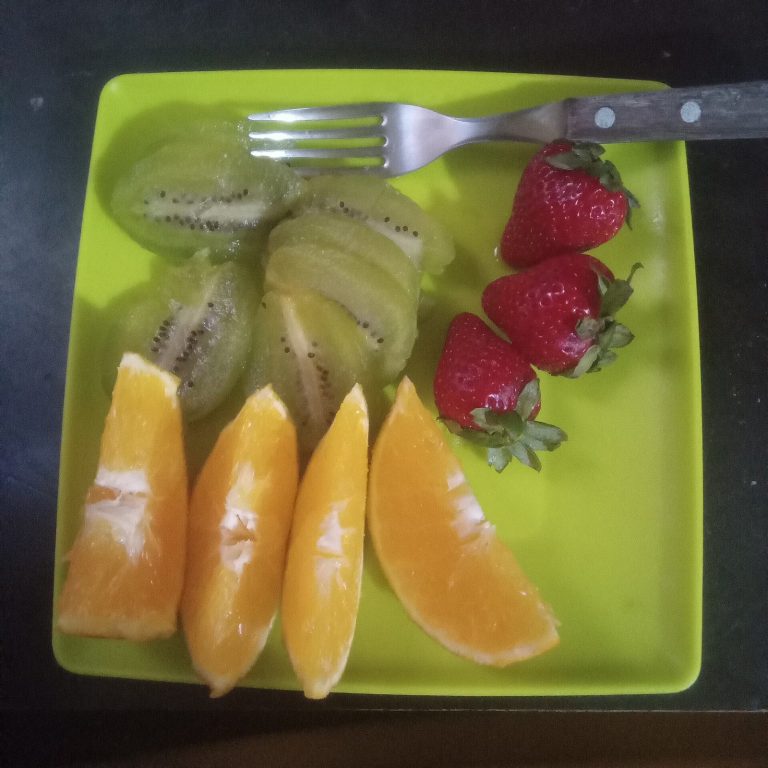
Eggs; pasteurized yogurt or milk; pre-cooked poultry; thoroughly cooked fish; tofu; soft cooked vegetables; peeled fruit; oats and rice; beans if tolerated; olive oil in modest amounts; herbs instead of salty packets if sodium is limited; oral nutrition drinks if advised; bottled or safe tap water.
3. Default plate template
- – Protein portion you can finish
- – Easy starch
- – Soft vegetables or fruit
- – Fluids sipped across the day
- – Minimal alcohol-free rule at home and social events unless cleared
4. Sample day (illustrative)
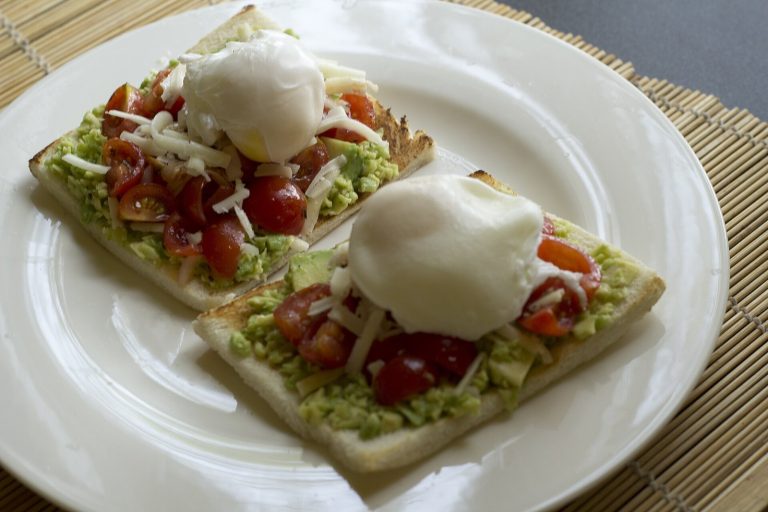
- – Breakfast: scrambled eggs and toast; fruit; water.
- – Mid-morning: yogurt or a nutrition drink.
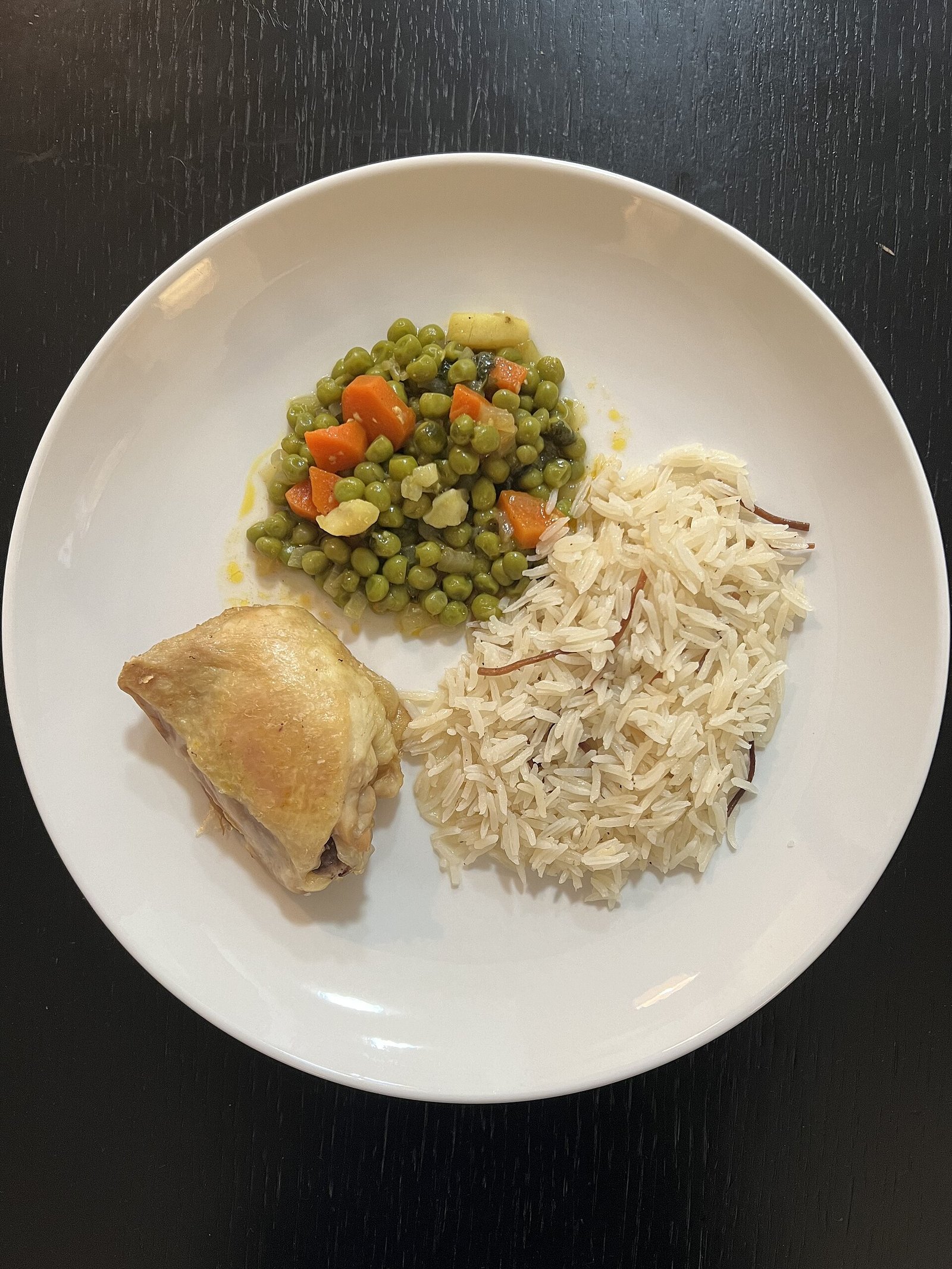
- – Lunch: baked chicken, rice, cooked carrots.
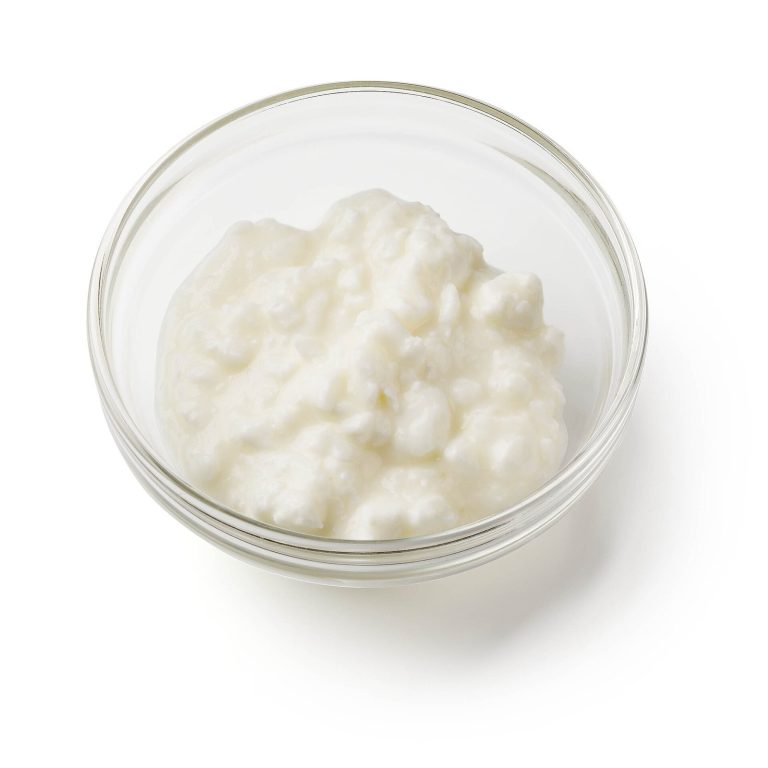
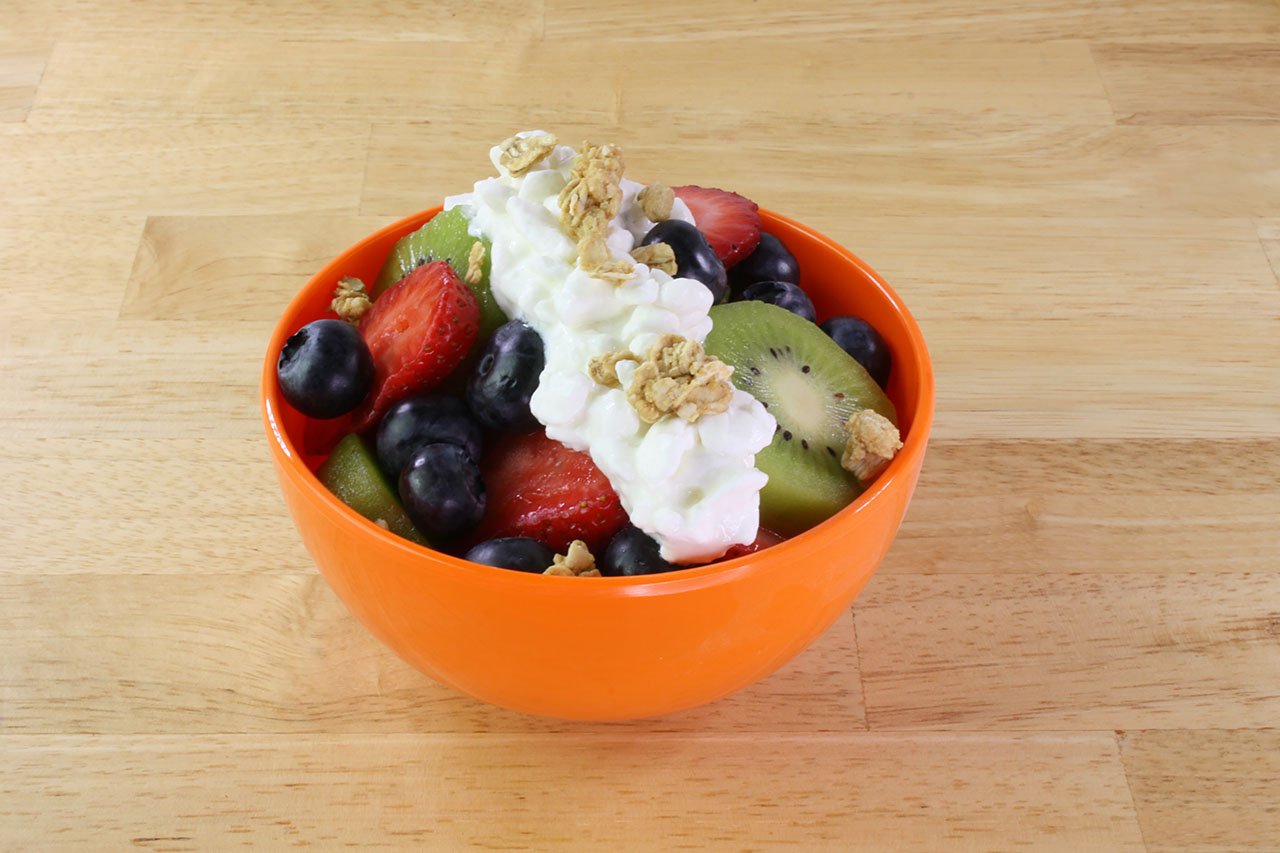
- – Afternoon: cottage cheese or hummus with crackers; walk as cleared.
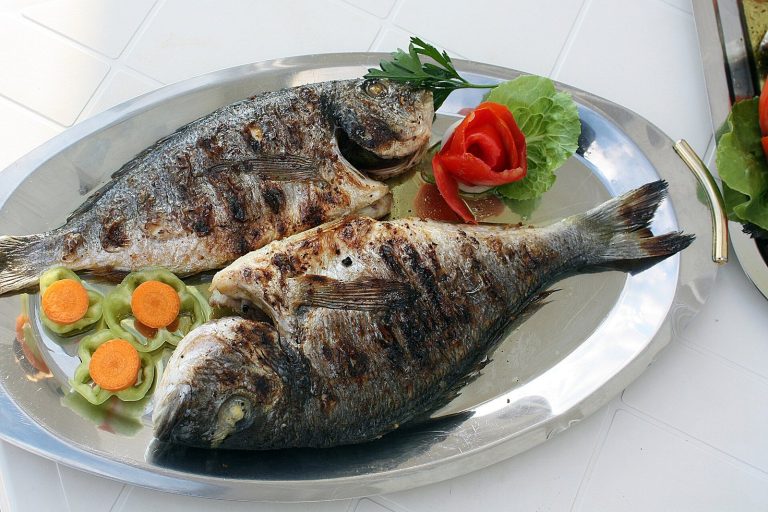
- – Dinner: thoroughly cooked fish or tofu, potato, soft vegetables.
- – Bedtime: small snack if your clinician recommends avoiding long overnight fasts.
5. Eating out
Choose fully cooked proteins; skip raw seafood towers; ask for sauces on the side if sodium is limited; bring a supportive friend so you are not pressured into alcohol toasts.
6. When chronic liver disease or NAFLD coexists
Pair this page with cirrhosis diet guide or NAFLD diet guide for longer-term patterns—your hepatology targets still win after resection.
Safety, interactions, and who should ask a clinician first
- – Cirrhosis, ascites, encephalopathy, or varices: individualize protein, sodium, and fluid with specialists—do not copy generic social-media lists.
- – Blood thinners or postoperative clot prevention: disclose supplements.
- – Diabetes after pancreatic or hepatic surgery combinations: coordinate carbs—see type 2 diabetes diet guide.
- – Immunosuppression after transplant pathways: follow transplant diet rules instead of this general resection guide—see diet after liver transplant guide.
- – Seek urgent care for fever, jaundice, confusion, vomiting blood, black stools, severe abdominal pain, or inability to eat or drink.
FAQ
Does the liver really grow back after partial resection? NCI states remaining liver tissue takes over function and may regrow. That biology is not a license for alcohol or juice cleanses.
Should I avoid all protein to “rest” the liver? Not automatically. NIDDK emphasizes adequate protein and calories for many people with liver disease; ask your team for your target.
Is raw fish okay if it is sushi-grade? If you have impaired liver function or higher infection risk, NIDDK advises avoiding raw/undercooked seafood. Ask your clinicians.
Can I drink alcohol once labs look better? Ask hepatology. NIDDK tells people with cirrhosis to stop alcohol completely.
Do I need a dietitian after hepatectomy? Often yes—NIDDK highlights dietitian meal planning for liver-related nutrition needs.
How is this different from cirrhosis diet pages? Cirrhosis pages address chronic disease nutrition—see cirrhosis diet guide—while this guide centers post-resection recovery fueling and food safety.
How this differs from related OTCFood topics
This page is an after-liver-resection–bound diet guide focused on frequent protein-containing meals, alcohol avoidance, and infection-aware food choices. It is not a transplant protocol and not a cancer treatment plan.
Medical disclaimer
Medical disclaimer: This article is for general information only. It is not medical advice, diagnosis, or a treatment plan. Care after liver resection depends on how much liver was removed, underlying liver disease, cancer treatments, and other conditions. Talk with a clinician or registered dietitian before starting, stopping, or changing any eating plan, supplement, or medicine. Seek urgent care for fever, jaundice, confusion, bleeding, severe pain, or inability to eat or drink.