IgA Nephropathy Diet: Foods That May Help and Foods to Limit
Medical note: This article discusses foods and researched botanicals. It does not claim to prevent, treat, or cure disease. Supplements are not a substitute for food, and studied amounts are not personal prescriptions.
People searching “IgA nephropathy diet foods that help or worsen” usually want a kidney-aware, lower-sodium kitchen plan that may help blood pressure and swelling while nephrology care continues—not a claim that food removes IgA deposits, replaces ACE inhibitors/ARBs, or prevents kidney failure by itself. NIDDK describes IgA nephropathy (Berger’s disease) as an autoimmune kidney disease in which IgA antibody clumps deposit in glomeruli, causing inflammation, blood and protein in the urine, and possible scarring. NIDDK states researchers have not found evidence that eating, diet, and nutrition cause or prevent IgA nephropathy, but limiting salt may help reduce swelling and lower blood pressure if you already have the disease.
What this IgA nephropathy diet guide covers (and what it does not)
This guide is for adults with biopsy-confirmed or nephrologist-managed IgA nephropathy who need practical food tactics aligned with NIDDK IgA and CKD nutrition pages. Anchors: NIDDK — IgA Nephropathy, MedlinePlus — IgA nephropathy encyclopedia context via listed brief URL, and NIDDK — Healthy Eating for Adults with CKD.
NIDDK notes IgA nephropathy is a common reason for kidney biopsy findings and an important cause of CKD and kidney failure; about 1 in 5 people develop kidney failure within 10 years of diagnosis (NIDDK-cited figure). Treatment often includes ACE inhibitors or ARBs, sometimes statins, lifestyle changes such as limiting sodium and quitting smoking, and in some cases immunosuppressants. Related reading: chronic kidney disease diet guide, hypertension diet guide, polycystic kidney disease diet guide, and diet after kidney transplant guide.
Evidence snapshot: IgA nephropathy diet claims vs public sources
| Claim people hope for | What public sources actually say | Confidence |
|---|---|---|
| “A special diet prevents IgA nephropathy” | NIDDK: you can’t prevent IgA nephropathy; diet/nutrition not shown to cause or prevent it | Strong against prevention claims |
| “Salt doesn’t matter once you have IgA nephropathy” | NIDDK: limiting salt may help reduce swelling and lower blood pressure; clinicians may suggest other diet changes based on labs | Strong for sodium attention |
| “Everyone with IgA nephropathy needs the same strict potassium/phosphorus ban” | NIDDK CKD eating page: needs change with stage; potassium, phosphorus, protein, and fluids are individualized—early CKD may have few limits | Strong for personalization |
| “Protein powder cleanses heal glomeruli” | NIDDK: protein waste is cleared by kidneys; some people with CKD need moderated protein, others on dialysis may need more—work with a dietitian | Strong against DIY cleanses |
| “Diet replaces ACE inhibitor / ARB therapy” | NIDDK: medicines that lower blood pressure and urine protein are standard tools; lifestyle supports them | Strong: medicines stay central |
Foods and patterns that may help with IgA nephropathy day to day
“May help” means supporting blood-pressure and edema goals with lower-sodium patterns and stage-appropriate CKD nutrition—not promising biopsy improvement from groceries alone.
Sodium-aware defaults (NIDDK IgA + CKD pages)
- – Limit sodium to reduce swelling and blood pressure; many people with CKD need less than the general 2,300 mg/day Dietary Guidelines ceiling—your nephrologist sets the number.
- – Cook from scratch more often; use herbs, lemon, and sodium-free seasonings instead of salt; rinse canned beans/vegetables; choose fresh meats over processed meats.
- – Pattern overlap with hypertension diet guide and chronic kidney disease diet guide.
Heart-protective fats and produce
- – NIDDK CKD nutrition: replace saturated/trans fats with unsaturated fats (canola/safflower oils, avocados, nuts, seeds as individually allowed); grill, bake, roast, or stir-fry instead of deep-frying.
- – Emphasize fruits and vegetables that fit your potassium lab plan—do not assume every produce item is unrestricted if potassium is high.
Protein: enough, not automatically “high”
- – NIDDK: some people with CKD need moderate protein so waste does not build up; too little risks malnutrition. Dialysis can increase protein needs. A renal dietitian should set targets for IgA nephropathy as CKD stage changes.
- – Prefer lean, lower-additive meats when meat is used; include plant proteins as advised.
Phosphorus and label literacy as CKD advances
- – Limit packaged foods with phosphorus additives (look for “PHOS” words); animal foods’ phosphorus is absorbed more readily than plant phosphorus—individualize with labs.
- – Ask before using salt substitutes; many contain potassium chloride (NIDDK CKD page).
Foods and habits that often worsen IgA nephropathy kitchen patterns
- – High-sodium packaged, restaurant, and processed-meat defaults that raise blood pressure and swelling.
- – Salt substitutes high in potassium when your potassium is already elevated.
- – Phosphorus-additive sodas, deli meats, and processed cheeses when phosphorus runs high.
- – Smoking, which NIDDK lists among lifestyle changes to quit.
- – Unsupervised megadose herbal “kidney cleanses” that may interact with ACE inhibitors/ARBs or harm residual kidney function.
- – Ignoring rising creatinine, heavy proteinuria, or uncontrolled hypertension while chasing grocery hacks alone.
- – Copying a dialysis menu too early—or a free-for-all menu too late—without lab-guided MNT (medical nutrition therapy).
“Limit” means matching restrictions to your labs and medicines—not a permanent fear of every banana or bean regardless of stage.
Practical kitchen protocol: an IgA nephropathy diet week
1. Put labs and medicines on the fridge
Know your latest blood pressure goals, urine protein trend, potassium, phosphorus, eGFR stage, ACE inhibitor/ARB timing, and whether a renal dietitian referral (Medicare may cover MNT for CKD) is in place.
2. Shopping list for lower-sodium kidney-aware weeks
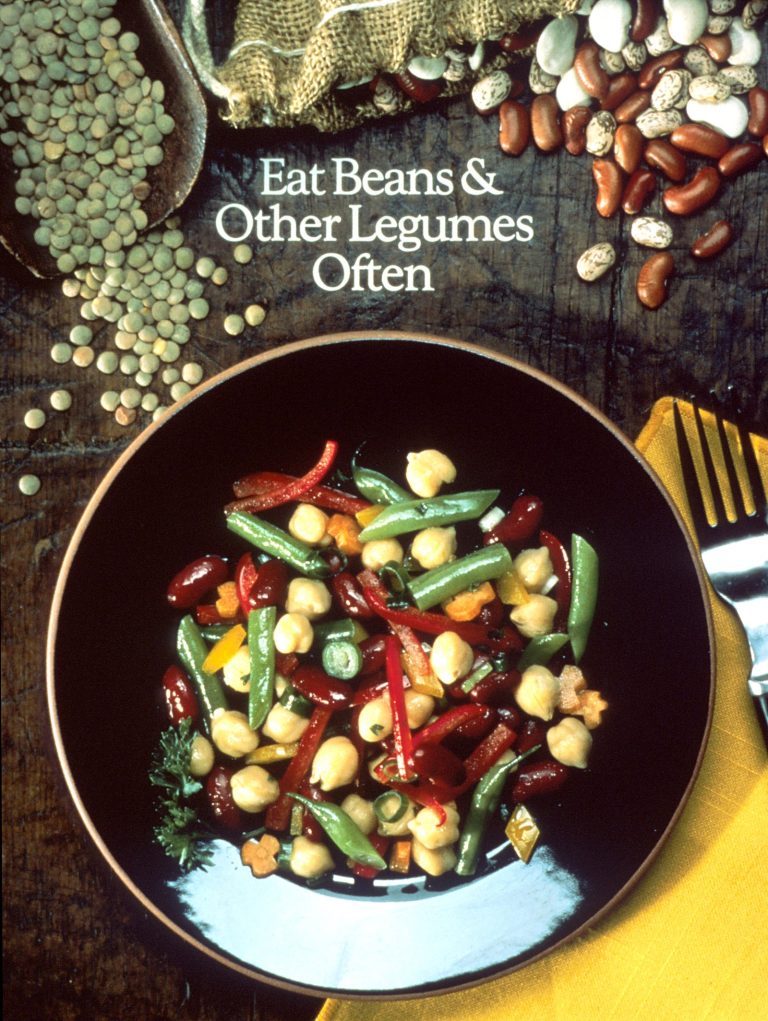
Fresh/frozen vegetables allowed on your potassium plan; fruit within lab guidance; unsalted herbs; olive oil; eggs or other approved proteins; dried beans you cook and portion; plain oats/rice; low-sodium bread if available; water per fluid advice if given.
3. Default plate template
- – Vegetables/fruit as permitted by potassium targets
- – Controlled protein portion from your MNT plan
- – Grain or starch as calorie needs allow
- – Minimal added salt; no potassium-based salt substitute unless cleared
- – Fluids matched to your clinician’s advice if edema or advanced CKD is present
4. Sample day (illustrative—confirm against your labs)
- – Breakfast: oatmeal with a clinician-allowed fruit; egg if protein budget allows; water.
- – Lunch: large unsalted salad or cooked vegetables with beans or turkey; oil-and-herb dressing.
- – Snack: fruit or unsalted popcorn only if sodium/potassium budgets allow.
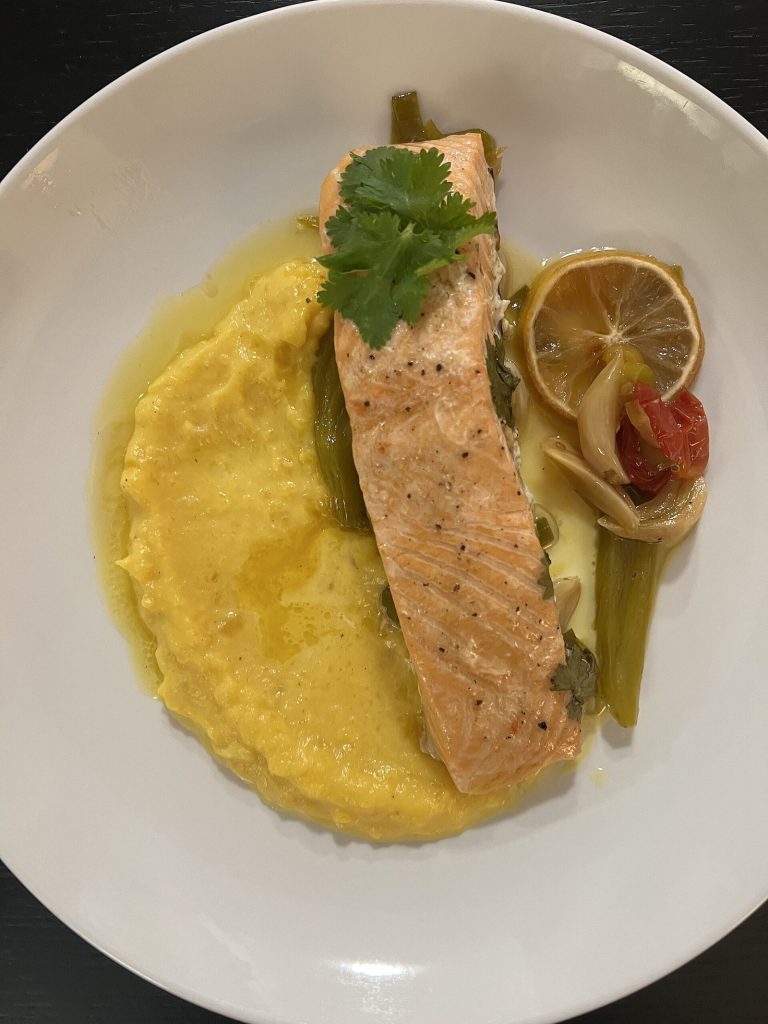
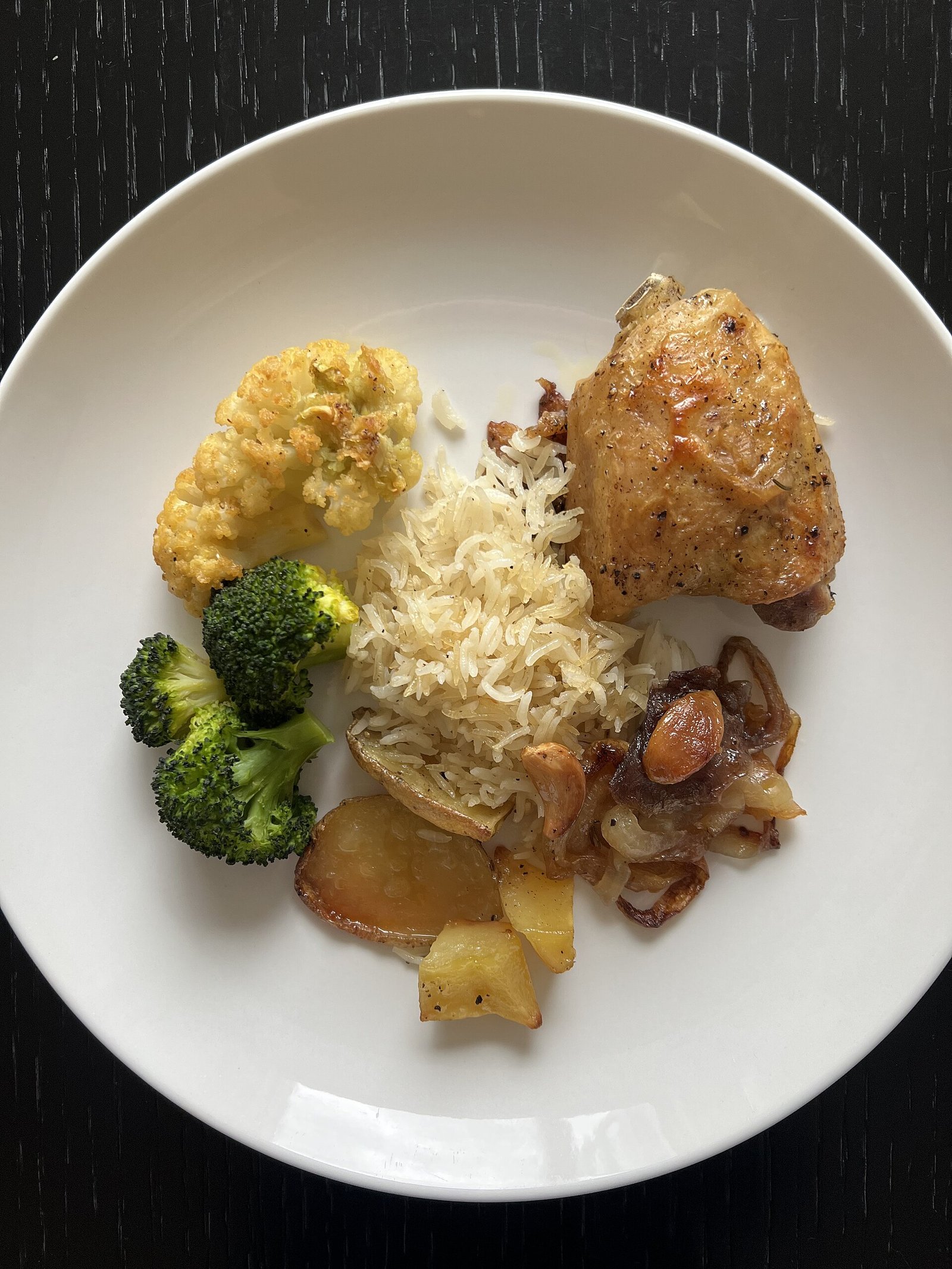
- – Dinner: baked fish or chicken without salty marinades, rice, low-salt vegetables.
- – Evening: check labels on any “healthy” protein bar for sodium and phosphate additives.
5. Restaurant protocol
Ask for no added salt; sauces on the side; steamed/grilled items; skip cured meats and broth-heavy soups unless sodium is confirmed; share portions to avoid sodium stacks.
6. When appetite falls
NIDDK warns under-eating can make people with CKD sicker. If food tastes off, ask a dietitian for calorie-dense options that still respect sodium/potassium/phosphorus limits rather than skipping meals for days.
Safety, interactions, and who should ask a clinician first
- – ACE inhibitor/ARB users: monitor potassium and kidney labs as directed; do not combine with unsupervised potassium supplements.
- – Immunosuppressants/corticosteroids: food safety and glucose/weight effects matter—coordinate with nephrology.
- – NSAIDs for pain: ask before use; they can stress kidneys.
- – Pregnancy, childhood IgA nephropathy, or rapidly rising creatinine: specialist protocols over generic blogs.
- – Swelling of face/legs, shortness of breath, chest pain, or very dark/cola urine flares: contact your care team promptly.
FAQ
Can diet cure IgA nephropathy? No. NIDDK says there is no cure yet; treatment aims to slow kidney damage. Limiting salt may help swelling and blood pressure.
Does food cause IgA nephropathy? NIDDK: researchers have not found evidence that eating, diet, and nutrition play a role in causing or preventing it.
Should I cut all protein? Not automatically. Protein needs are individualized and can rise on dialysis. Use renal dietitian guidance.
Is a plant-only diet required? NIDDK discusses both animal and plant proteins and notes absorption differences for phosphorus; your plan depends on labs and preferences, not a universal mandate.
How is this different from a generic CKD diet? IgA nephropathy is a specific glomerular disease; sodium focus appears on the IgA page, while potassium/phosphorus/protein details intensify as CKD progresses—see chronic kidney disease diet guide.
Do I need medical nutrition therapy? NIDDK describes MNT as counseling that may help delay CKD progression and improve quality of life; Medicare can cover MNT for eligible CKD patients with a referral.
How this differs from related OTCFood topics
This page is an IgA nephropathy–bound diet guide emphasizing NIDDK’s salt-and-blood-pressure message plus stage-aware CKD nutrition. It is not a transplant immunosuppression diet and not polycystic kidney disease fluid advice—see diet after kidney transplant guide and polycystic kidney disease diet guide.
Medical disclaimer
Medical disclaimer: This article is for general information only. It is not medical advice, diagnosis, or a treatment plan. IgA nephropathy care depends on biopsy findings, proteinuria, blood pressure, kidney function stage, medicines, and your nephrologist’s judgment. Talk with a clinician or renal dietitian before starting, stopping, or changing any eating plan, supplement, or medicine. Seek urgent care for severe swelling with breathing trouble, chest pain, fainting, or sudden neurologic symptoms.