Sickle Cell Disease Diet: Foods That May Help and Foods to Limit
Medical note: This article discusses foods and researched botanicals. It does not claim to prevent, treat, or cure disease. Supplements are not a substitute for food, and studied amounts are not personal prescriptions.
People searching “sickle cell disease diet foods that help or worsen” usually want hydration habits, heart-healthy plates, and crisis-trigger awareness—not a claim that food cures sickle cell disease, replaces hydroxyurea or other FDA-approved medicines, gene therapy, transfusions, or vaccines. MedlinePlus describes sickle cell disease (SCD) as an inherited disorder of red blood cells that can cause pain crises and many organ complications; NHLBI and CDC explain that abnormal hemoglobin makes red cells sickle, blocking blood flow and reducing oxygen delivery.
What this sickle cell disease diet guide covers (and what it does not)
This guide is for people living with SCD (and caregivers of children with SCD) who want practical kitchen and fluid habits alongside hematology care. Anchors: MedlinePlus — Sickle cell disease, NHLBI — Sickle cell disease, NHLBI — Living with sickle cell disease, and CDC — About sickle cell disease.
MedlinePlus notes treatments manage symptoms and may include medicines to prevent sickling complications, pain control, antibiotics and vaccines to prevent infections, blood transfusions, and—in selected cases—transplant or gene therapies; lifestyle advice includes living healthy and avoiding situations that may set off a pain crisis. NHLBI living-with guidance emphasizes sticking with the treatment plan, vaccines (including yearly flu and COVID-19 as recommended), a pain action plan, heart-healthy eating that may include DASH-style patterns (fruits, vegetables, whole grains; limits on saturated fats, sodium, added sugars, and alcohol), quitting smoking, avoiding extreme heat or cold and sudden temperature changes, and avoiding dehydration and vitamin deficiencies. CDC stresses that SCD is present at birth, early diagnosis matters, and prevention measures include adequate fluid intake and avoiding extreme temperatures among other clinical strategies. Kitchen changes do not stop every crisis. Related reading: Iron Deficiency Anemia Diet, Hypertension Diet, and Folate Deficiency Diet.
Evidence snapshot: sickle cell diet claims vs public sources
| Claim people hope for | What public sources actually say | Confidence |
|---|---|---|
| “A special diet cures sickle cell disease” | MedlinePlus/NHLBI/CDC: SCD is genetic; treatments manage complications—food is supportive | Strong: no culinary cure |
| “Skipping water ‘toughens’ you against crises” | NHLBI/CDC: avoid dehydration; drink lots of fluids when a crisis is starting (per pain-plan guidance) | Strong: under-drinking is a trigger risk |
| “Heart-healthy eating has nothing to do with SCD” | NHLBI living-with: choose heart-healthy foods / DASH-style patterns as part of healthy lifestyle | Moderate–strong for cardiometabolic support |
| “Alcohol is fine if you hydrate later” | NHLBI heart-healthy plan limits alcohol; alcohol can also dehydrate | Moderate–strong to limit |
| “Food replaces hydroxyurea, vaccines, or transfusion plans” | NHLBI treatment pages center medicines, vaccines, and specialty therapies | Strong: hematology primary |
Foods and patterns that may help with sickle cell disease day to day
“May help” means supporting hydration, nutrient density, and heart-healthy patterns that NHLBI links to living well—not a promise that one smoothie prevents vaso-occlusive pain.
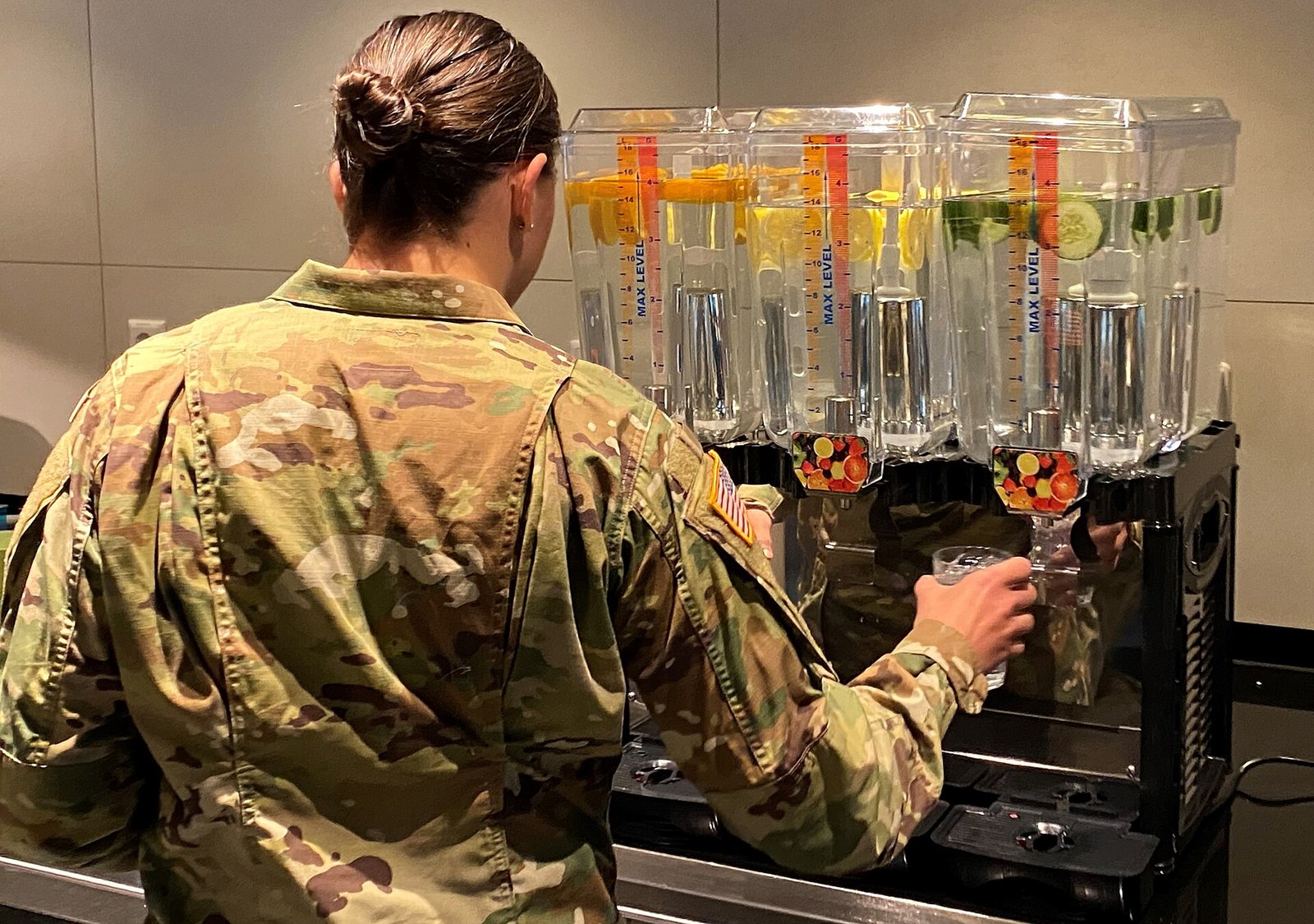
Steady fluids before and during early pain
- – NHLBI: when an acute crisis is just starting, drink lots of fluids (alongside clinician-advised pain medicines and heat as appropriate).
- – CDC prevention messaging includes adequate fluid intake.
- – Carry a refillable bottle; increase fluids in hot weather, with fever, or with exercise as your team advises—children and adults should avoid dehydration (NHLBI).
Heart-healthy, DASH-leaning plates
- – NHLBI: a heart-healthy eating plan includes fruits, vegetables, and whole grains and limits saturated fats, sodium (salt), added sugars, and alcohol; DASH is named as one approach.
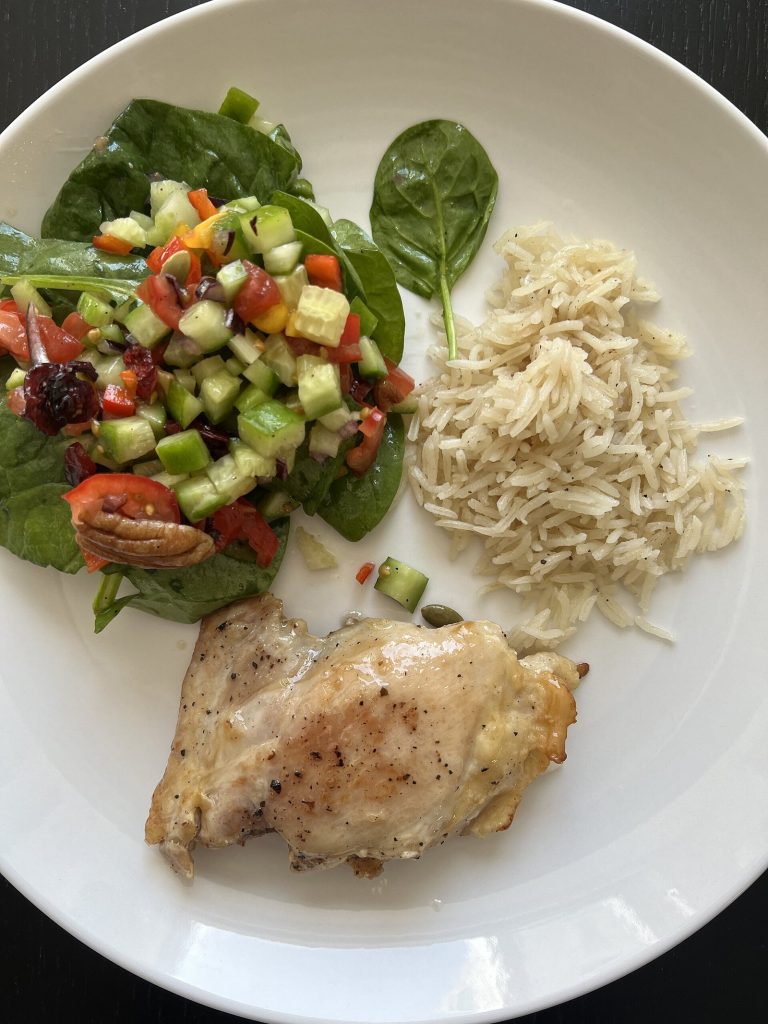
- – Build meals around produce, beans, whole grains, fish or poultry, and unsalted nuts in portions that fit your weight and kidney status.
- – If blood pressure runs high, see Hypertension Diet and learn NHLBI’s note about managing pressures consistently above 130/80 mm Hg with your clinician.
Nutrient density and clinician-guided vitamins
- – NHLBI: avoid vitamin deficiencies as part of preventing problems over a lifetime—do not invent megadoses; ask which vitamins or folic acid plans your hematologist uses.
- – MedlinePlus mentions vitamins to treat a vitamin deficiency among possible treatments when clinically indicated.
- – If iron overload from transfusions is an issue, do not add iron supplements without hematology approval—iron-deficiency kitchen advice on Iron Deficiency Anemia Diet may not apply.
Practical energy on low-energy days
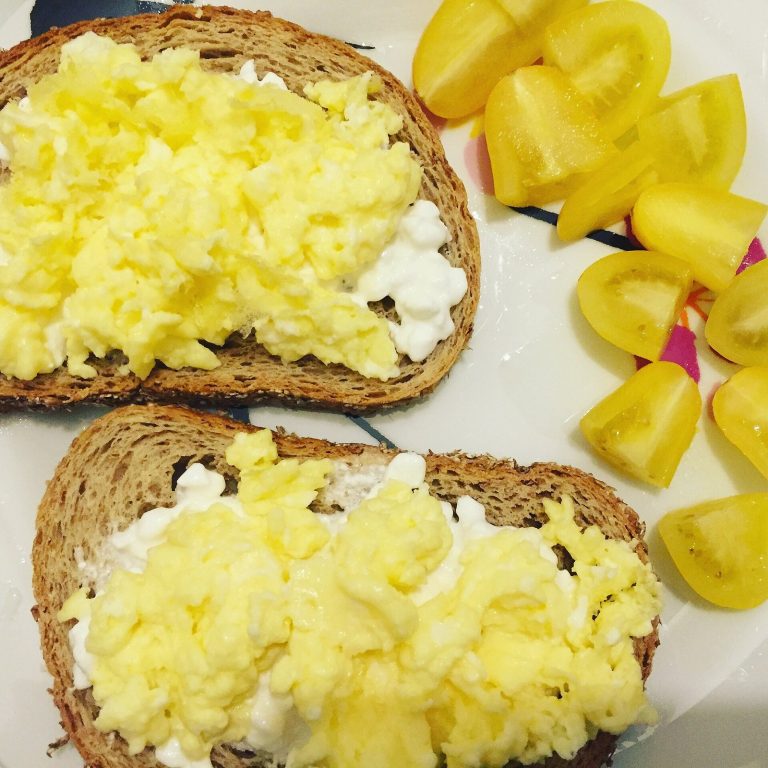
- – Soft proteins, yogurt, eggs, soups, and fruit keep intake up when fatigue or pain limits cooking.
- – Batch-cook heart-healthy staples on better days so crisis weeks are not only drive-through sodium bombs.
Foods and habits that often worsen sickle cell kitchen patterns
- – Dehydration—opposite NHLBI/CDC fluid guidance.
- – Heavy alcohol that dehydrates and conflicts with heart-healthy limits.
- – Smoking or vaping—NHLBI living-with guidance includes quitting.
- – Extreme temperature swings around meals—NHLBI: extreme heat/cold and sudden changes can trigger crises; ease into swimming rather than jumping into cold water.
- – Ultra-processed high-sodium, high-sugar defaults every day when NHLBI already flags sodium and added sugars for heart-healthy living.
- – Unprescribed “blood detox” herbals that risk bleeding, kidney strain, or medicine interactions.
- – Delaying care because a juice cleanse “should fix” severe pain, chest pain, fever, neurologic changes, or priapism lasting hours—NHLBI: seek emergency care when home plans fail; priapism over 4 hours needs immediate care.
“Limit” means reducing dehydration and cardiometabolic junk defaults—not that one salty meal defines your disease course.
Practical kitchen protocol: a sickle cell disease diet week
1. Keep the medical spine first
Confirm hydroxyurea or other medicine schedules, vaccine status, pain action plan (including which OTC pain medicines are allowed—NHLBI notes acetaminophen is often preferred if kidney problems exist), and transfusion/iron-monitoring plans.
2. Shopping list for hydration-forward, heart-healthy weeks
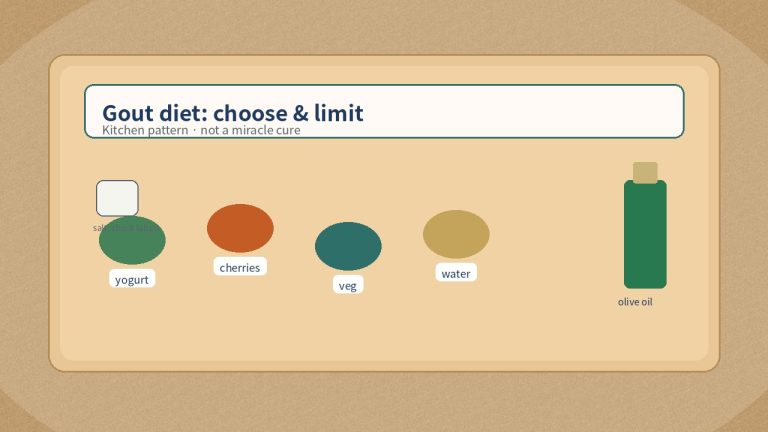
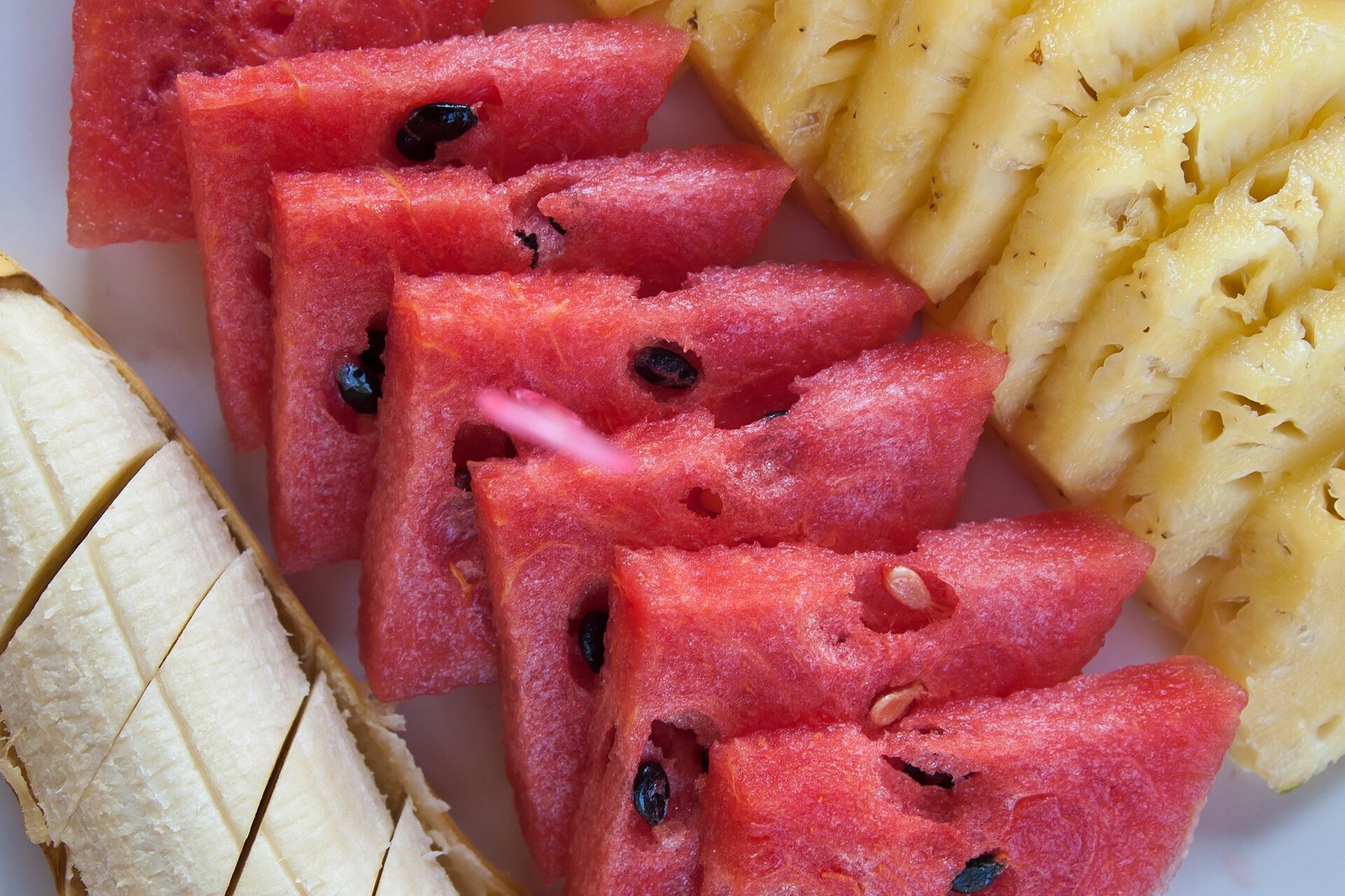
Still water and clinician-approved fluids; fruit (watermelon, berries, citrus as tolerated); vegetables; beans; oats and other whole grains; fish/poultry; yogurt; unsalted nuts; herbs instead of salty seasoning packets; oral rehydration solutions only if your clinician advised them for certain illness days.
3. Default plate template
- – Half produce when possible
- – Lean protein
- – Whole-grain carbohydrate
- – Fluid at every meal and between meals
- – Sodium and added sugar kept modest unless another condition requires a different prescription diet
4. Sample day (illustrative)
- – Breakfast: oatmeal with fruit; large water bottle started.
- – Lunch: turkey or bean vegetable plate; water.
- – Snack: yogurt or fruit; fluid top-up.
- – Dinner: baked fish, brown rice or other approved grain, salad or cooked greens with olive oil.
- – Evening: water; review pain plan supplies—not a heavy alcohol night.
5. Travel and weather tactics
Pack fluids for flights (NHLBI warns against unpressurized aircraft cabins); dress in layers for temperature swings; never “sweat out” a fever without fluid replacement plans from your team.
6. If kidney disease or heart failure coexists
Fluid and sodium targets may change—coordinate with nephrology/cardiology rather than stacking generic “drink gallons” advice. See Chronic Kidney Disease Diet or Heart Failure Diet when those labels apply.
Safety, interactions, and who should ask a clinician first
- – Children with SCD: daycare/school fluid and temperature plans per NHLBI caregiver guidance.
- – Pregnancy with SCD: specialized obstetric-hematology nutrition—not DIY diets.
- – Kidney disease: pain-medicine and fluid rules change (NHLBI).
- – Seek urgent/emergency care for severe uncontrolled pain, fever, chest pain or trouble breathing, stroke-like symptoms, or priapism lasting more than 4 hours.
FAQ
Can diet cure sickle cell disease? No. SCD is genetic. Food and fluids support living-with strategies while medicines, vaccines, and specialty therapies address the disease.
How much should I drink? NHLBI emphasizes avoiding dehydration and drinking lots of fluids when a crisis is starting; exact daily ounces should be individualized, especially with kidney or heart disease.
Is the DASH diet required? NHLBI names DASH as one heart-healthy approach emphasizing produce and whole grains while limiting saturated fat, sodium, added sugars, and alcohol—not a rigid SCD cure diet.
Should I take iron pills because I have anemia? Not automatically. Transfusion-related iron overload can be a problem; only use iron if your hematologist says you need it.
Do supplements replace hydroxyurea? No. NHLBI treatment guidance centers prescribed medicines and specialty therapies.
How this differs from related OTCFood topics
This page is an SCD-bound diet and fluid guide focused on hydration, heart-healthy patterns, trigger awareness, and vitamin deficiency avoidance as framed by NHLBI/CDC/MedlinePlus. It is not a generic anemia iron-loading plan and not a substitute for a pain action plan.
Medical disclaimer
Medical disclaimer: This article is for general information only. It is not medical advice, diagnosis, or a treatment plan. Care for sickle cell disease depends on genotype, organ complications, medicines, vaccines, and your hematology team’s protocol. Talk with a clinician or registered dietitian before starting, stopping, or changing any eating plan, supplement, or medicine. Seek emergency care for severe pain you cannot control at home, fever, chest symptoms, neurologic changes, or priapism lasting more than 4 hours.