Hepatitis C Diet: Foods That May Help and Foods to Limit
Medical note: This article discusses foods and researched botanicals. It does not claim to prevent, treat, or cure disease. Supplements are not a substitute for food, and studied amounts are not personal prescriptions.
People searching “hepatitis C diet foods that help or worsen” usually want kitchen habits that support the liver while antiviral therapy does the curing work—not a claim that food clears the hepatitis C virus, replaces direct-acting antivirals, or detoxes cirrhosis overnight. NIDDK states that medicines can cure most cases of hepatitis C, that antiviral medicines can cure more than 95% of people with chronic hepatitis C in 8 to 12 weeks in current guidance framing, and that for eating and drinking with hepatitis C you should choose healthy foods and drinks, talk with your doctor about healthy eating, and avoid alcohol because it can cause more liver damage.
What this hepatitis C diet guide covers (and what it does not)
This guide is for adults living with hepatitis C (acute or chronic) who want practical plate habits alongside screening, staging, and treatment plans. Anchors: MedlinePlus — Hepatitis C, NIDDK — Hepatitis C, CDC — Hepatitis C, and NIDDK — Eating, Diet, & Nutrition for Cirrhosis when scarring is present.
Kitchen habits do not replace antiviral courses, fibrosis assessment, hepatitis A/B vaccination discussions NIDDK mentions for people with hepatitis C, or transplant evaluation when liver failure occurs. NIDDK also advises checking with your doctor before dietary supplements or complementary practices because some can lead to liver damage and may interact with hepatitis C medicines. Related reading: cirrhosis diet guide, NAFLD diet guide, and autoimmune hepatitis diet guide.
Evidence snapshot: hepatitis C diet claims vs public sources
| Claim people hope for | What public sources actually say | Confidence |
|---|---|---|
| “A cleanse diet cures hepatitis C” | NIDDK: antivirals attack the virus and can cure most chronic cases; food guidance is healthy eating + avoid alcohol | Strong: medicines cure; food supports |
| “Any alcohol is fine if viral load looks quiet” | NIDDK: avoid alcohol because it can cause more liver damage | Strong: avoid alcohol |
| “Herbal liver tonics are safer than waiting for antivirals” | NIDDK: some supplements/complementary practices could lead to liver damage and may interact with hep C medicines—talk with your doctor first | Strong: ask first |
| “If cirrhosis develops, nutrition still matters” | NIDDK cirrhosis nutrition: malnutrition is common; smaller frequent meals; avoid raw/undercooked shellfish/fish/meat and unpasteurized dairy; limit sodium if advised; stop alcohol | Strong for cirrhosis-stage rules |
| “Sharing utensils spreads hep C at dinner” | NIDDK: you can’t get hepatitis C from sharing spoons/forks or eating food with someone; blood contact is the route | Strong myth-bust |
Foods and patterns that may help with hepatitis C day to day
“May help” means supporting overall nutrition and reducing additional liver injury—not guaranteeing SVR (sustained virologic response) without antivirals.
Healthy-food pattern + alcohol avoidance (NIDDK hep C eating section)
- – Choose healthy foods and drinks; talk with your doctor about healthy eating.
- – Avoid alcohol entirely as NIDDK frames for hepatitis C.
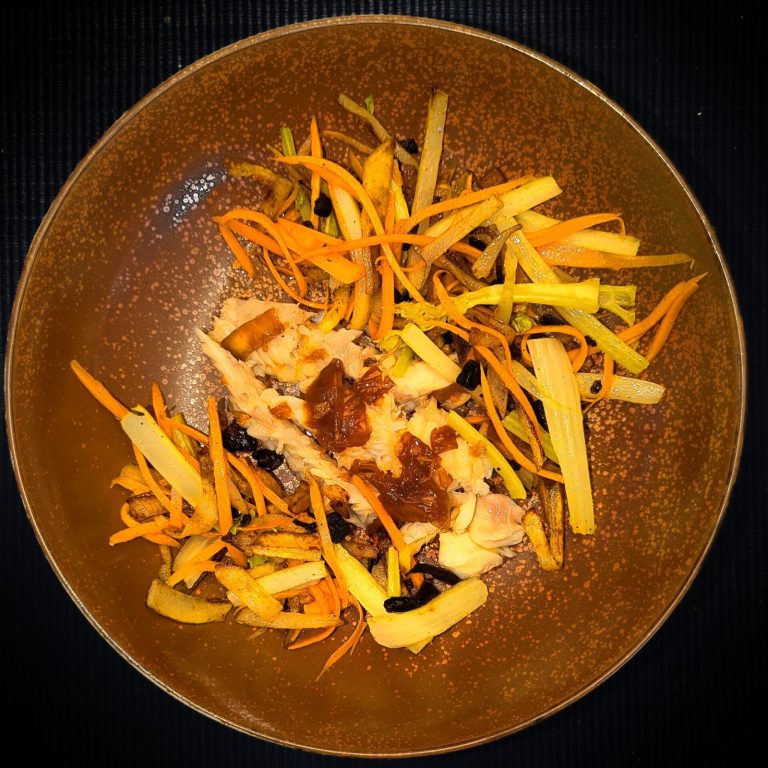
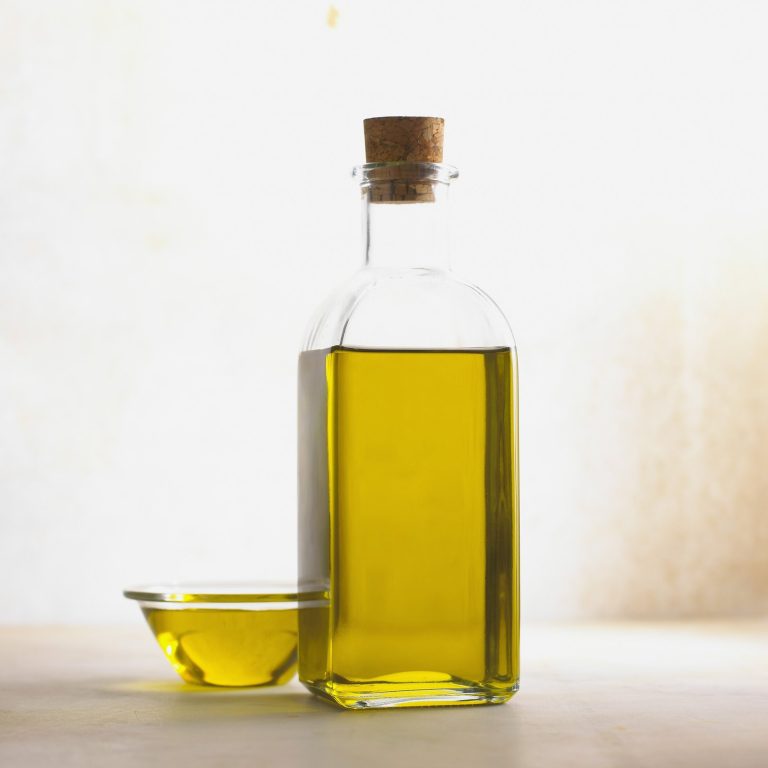
- – Practical plates: vegetables, fruit, whole grains, beans, lean proteins, unsaturated oils—similar metabolic-liver themes as NAFLD diet guide when overweight or insulin resistance coexist.
Protein- and calorie-aware meals if appetite is poor
- – Acute symptoms NIDDK lists can include loss of appetite, nausea, or vomiting; chronic disease may be silent until cirrhosis.
- – Smaller, more frequent meals can be easier when nausea or early satiety appears—especially if cirrhosis guidance later applies.
When cirrhosis is diagnosed: NIDDK cirrhosis nutrition themes
- – Malnutrition risk is high; registered dietitian referral is often appropriate.
- – Avoid fasting too long; eat every 3–4 hours while awake; consider a bedtime snack or early breakfast as clinicians may recommend.
- – Meet individualized calorie and protein targets set by your team.
- – Limit sodium if your doctor recommends it for fluid retention.
- – Completely stop alcohol.
Food-safety emphasis with advanced liver disease
- – NIDDK cirrhosis page: avoid raw or undercooked shellfish, fish, and meat, and unpasteurized milk products—bacteria/viruses from these foods may cause severe infections.
- – Cook poultry, meats, and seafood thoroughly; wash produce; separate cutting boards.
Stay current on vaccines that protect the liver
- – NIDDK: talk with your doctor about vaccines for infections that could further damage your liver, such as hepatitis A and hepatitis B—pair nutrition support with prevention counseling.
Foods and habits that often worsen hepatitis C kitchen patterns
- – Any ongoing alcohol use while living with hepatitis C (NIDDK avoid guidance).
- – Unvetted herbal “liver detox” stacks that may harm the liver or interact with antivirals.
- – Raw oysters/undercooked meats or unpasteurized dairy when cirrhosis or significant immunosuppression risk is present.
- – Long fasting or very low-protein crash diets that worsen malnutrition risk if cirrhosis develops.
- – High-sodium packaged defaults when ascites or edema leads clinicians to limit sodium.
- – Skipping antiviral pharmacy plans to “treat with juice instead.”
- – Assuming utensil sharing at meals spreads HCV—it does not per NIDDK; focus risk reduction on blood exposure instead.
- – Ignoring jaundice, confusion, vomiting blood, black stools, or tense abdominal swelling—those need urgent care.
“Limit” means eliminating alcohol and high-risk raw foods when advised—not lifelong joyless eating after cure.
Practical kitchen protocol: a hepatitis C diet week
1. Keep the medical spine first
Confirm HCV RNA status, genotype if relevant to your regimen, fibrosis stage, antiviral start date, medicine interactions, alcohol counseling, and A/B vaccination status. Ask before supplements.
2. Shopping list aligned with healthy eating + alcohol-free living
Vegetables and fruit; oats and other whole grains; beans; olive oil; fish or poultry; eggs or tofu; yogurt if pasteurized and tolerated; nuts in portions; water and unsweetened tea. Do not restock beer/wine/spirits as “just with dinner.”
3. Default plate template (no cirrhosis complications)
- – Half produce
- – Quarter lean protein
- – Quarter whole grain or beans
- – Unsweetened alcohol-free fluid
- – Measured unsaturated fat
4. If cirrhosis features appear
Shift toward NIDDK’s smaller frequent meals, bedtime snack if advised, sodium limits if advised, and strict food-safety rules—see cirrhosis diet guide and diet after liver transplant guide if transplant is discussed.
5. Sample day (illustrative, non-cirrhotic)
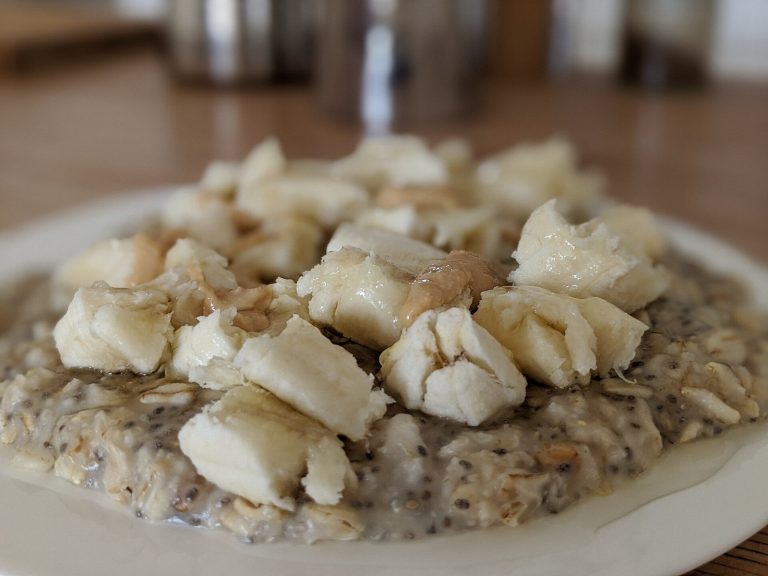
- – Breakfast: oatmeal with berries; pasteurized yogurt if desired.
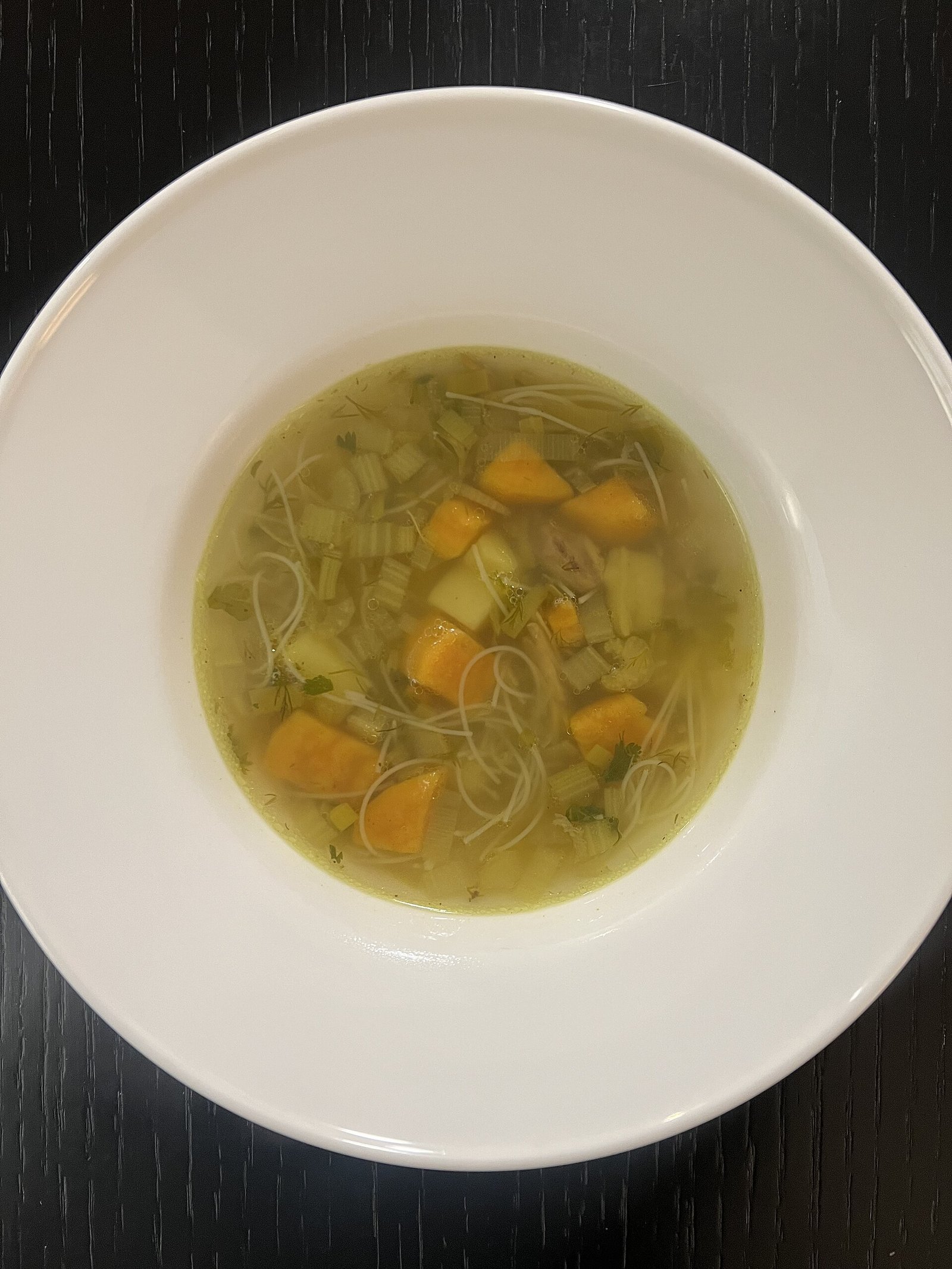
- – Lunch: lentil vegetable soup with whole-grain toast; fruit.
- – Snack: banana or handful of nuts.
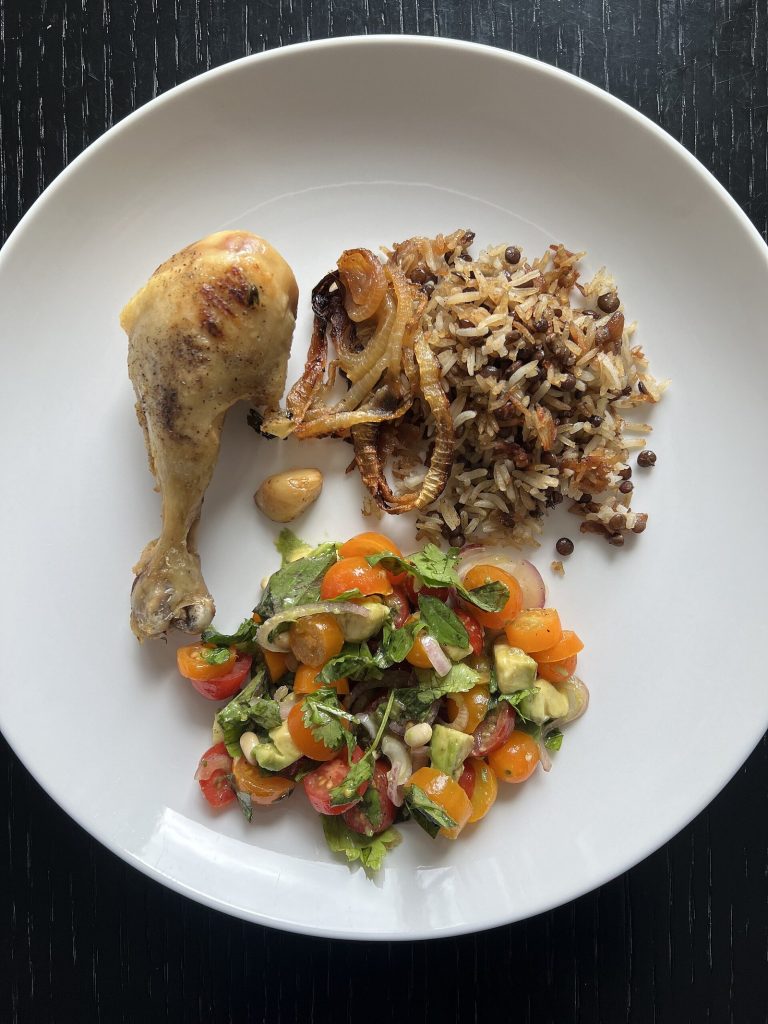
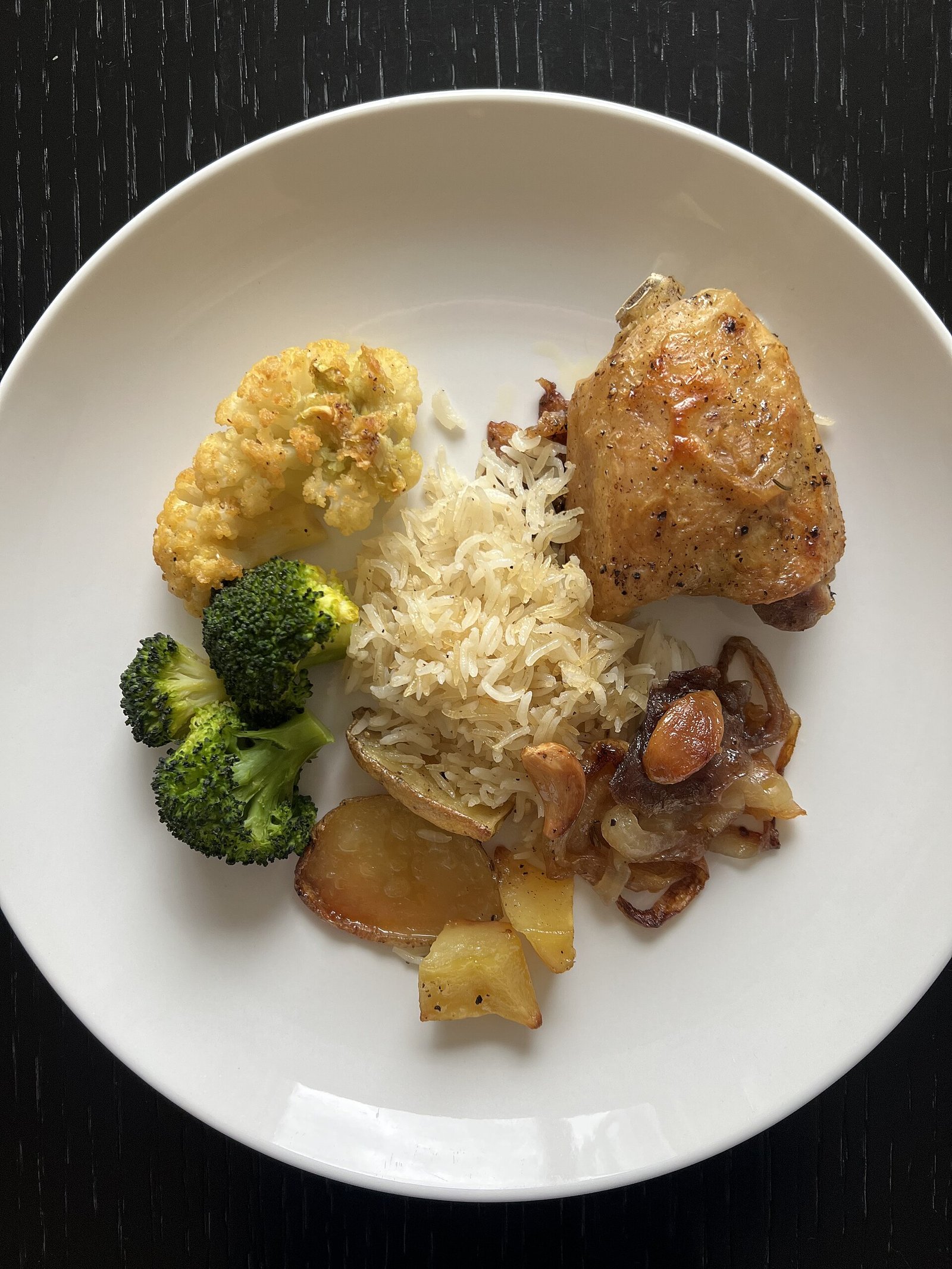
- – Dinner: baked chicken or fish, brown rice, roasted vegetables.
- – Evening: herbal tea—not alcohol.
6. During antiviral weeks
Take medicines exactly as prescribed with food or without per pharmacist instructions; keep simple low-nausea meals ready; report side effects promptly rather than self-stopping therapy.
Safety, interactions, and who should ask a clinician first
- – Pregnancy: treatment timing is specialized—nutrition alone is not therapy.
- – HIV coinfection, kidney disease, or decompensated cirrhosis: specialized regimens and diets.
- – Supplement stacks marketed for “HCV cure”: NIDDK flags liver-damage and interaction risks.
- – Seek urgent care for confusion, vomiting blood, black stools, yellowing skin/eyes with severe symptoms, or rapidly worsening abdominal swelling.
FAQ
Can diet cure hepatitis C? NIDDK: antiviral medicines cure most people. Food supports health; alcohol avoidance reduces further liver injury.
Is coffee or a special juice required? NIDDK’s hepatitis C eating section emphasizes healthy foods/drinks and avoiding alcohol—not a mandatory juice protocol.
What if I already have cirrhosis? Use NIDDK cirrhosis nutrition guidance: dietitian support, frequent meals, food safety, sodium limits if advised, no alcohol—detail on cirrhosis diet guide.
Can I share meals with family? Yes regarding utensils/food sharing per NIDDK transmission facts; do not share razors, nail clippers, or needles.
After cure (SVR), do I still need a special diet? Ask your clinician based on residual fibrosis, alcohol history, and metabolic risks; many people transition to general heart- and liver-aware patterns such as NAFLD diet guide themes if fatty liver risk remains.
How this differs from related OTCFood topics
This page is a hepatitis C–bound diet guide focused on healthy eating, alcohol avoidance, antiviral primacy, and cirrhosis-stage nutrition when scarring is present. It is not an autoimmune hepatitis protocol and not a transplant diet unless that path applies.
Medical disclaimer
Medical disclaimer: This article is for general information only. It is not medical advice, diagnosis, or a treatment plan. Care for hepatitis C depends on viral status, fibrosis, coinfections, medicines, and your clinician’s protocol. Talk with a clinician or registered dietitian before starting, stopping, or changing any eating plan, supplement, or medicine. Seek urgent care for jaundice with severe symptoms, confusion, vomiting blood, or tense ascites.