Diet After Bunion Surgery: Foods That May Help and Foods to Limit
Medical note: This article discusses foods and researched botanicals. It does not claim to prevent, treat, or cure disease. Supplements are not a substitute for food, and studied amounts are not personal prescriptions.
People searching “diet after bunion surgery foods that help or worsen” usually want protein-forward, easy-prep meals that support wound healing and limit constipation while they follow non-weight-bearing or protected walking plans—not a claim that food realigns the big-toe joint faster than OrthoInfo or MedlinePlus recovery timelines or replaces casting, surgical shoes, or physical therapy. MedlinePlus describes bunion removal (bunionectomy) as surgery that corrects a painful hallux valgus deformity when wider shoes and pads are not enough; full recovery may take about 3 to 5 months. OrthoInfo (AAOS) emphasizes that surgery is for significant pain that limits everyday activities, not for cosmetic toe appearance alone.
What this after-bunion-surgery diet guide covers (and what it does not)
This guide is for adults recovering from bunionectomy or related hallux valgus correction who want practical kitchen habits beside elevation, wound care, and gait limits. Anchors: MedlinePlus — Bunion removal, OrthoInfo — Bunion surgery, and OrthoInfo — Bunions.
Food does not replace infection watches, venous-thromboembolism precautions when prescribed, smoking-cessation counseling, or your surgeon’s shoe and weight-bearing schedule. Related reading: Diet After Ankle Fracture Surgery, Diet After Hip Replacement, Osteoarthritis Diet, and Constipation Diet.
Evidence snapshot: after-bunion-surgery diet claims vs public sources
| Claim people hope for | What public sources actually say | Confidence |
|---|---|---|
| “A collagen cleanse fuses osteotomy sites faster than X-ray timelines” | Orthopedic care centers bone realignment, protection, and rehab—not culinary cures | Strong: food is supportive only |
| “Protein-containing meals support tissue recovery fueling” | General surgical recovery nutrition emphasizes adequate protein; exact targets come from your clinician or RD | Moderate as supportive |
| “Skipping fiber forever protects the incision” | Opioid constipation is common after foot surgery; fiber and fluids usually matter once your surgeon’s plan allows | Moderate: individualize early texture |
| “Cosmetic toe shape depends on ‘anti-inflammatory’ juice” | OrthoInfo: surgery is not for cosmetic reasons alone; ongoing pain can occur even without prior bunion pain | Strong against food-as-cosmetics |
| “PT is optional if supplements are high” | Recovery depends on protected motion and progressive loading per surgeon/PT | Strong: rehab is primary |
Foods and patterns that may help after bunion surgery day to day
“May help” means supporting energy, protein, hydration, and bowel softness while mobility is limited—not guaranteeing a perfect-looking toe or earlier weight-bearing clearance.
Protein-forward, scooter-friendly meals
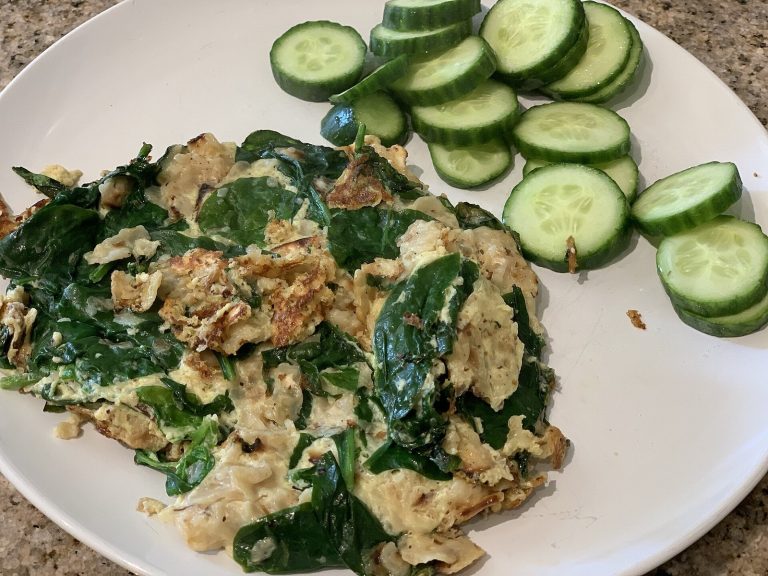
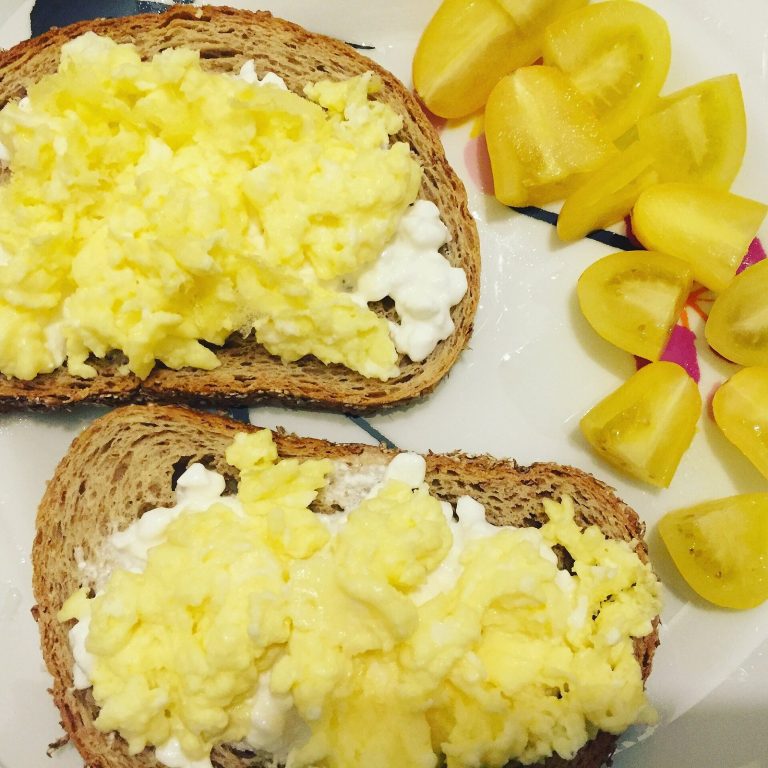
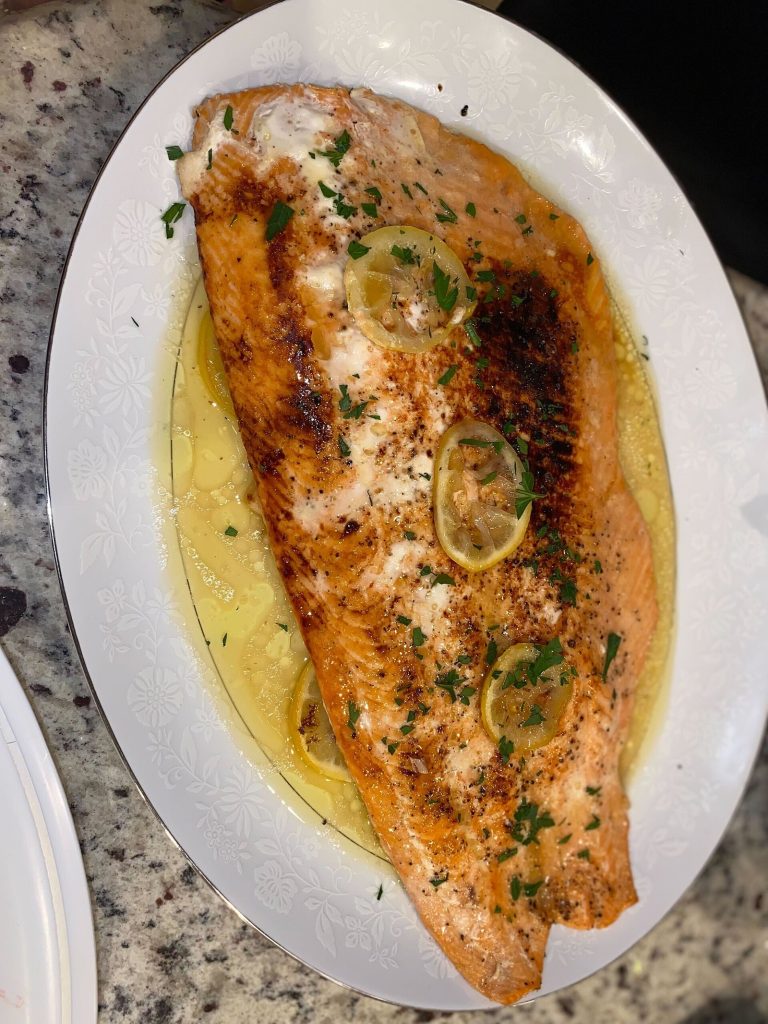
- – Eggs, Greek yogurt, cottage cheese, canned tuna or salmon (when food-safety rules allow), poultry, tofu, beans, and lentil soups when standing to cook is hard.
- – Batch-cook or accept grocery delivery so you are not hopping to high shelves during the early non-weight-bearing or surgical-shoe phase MedlinePlus and OrthoInfo describe.
Easy produce and micronutrient coverage
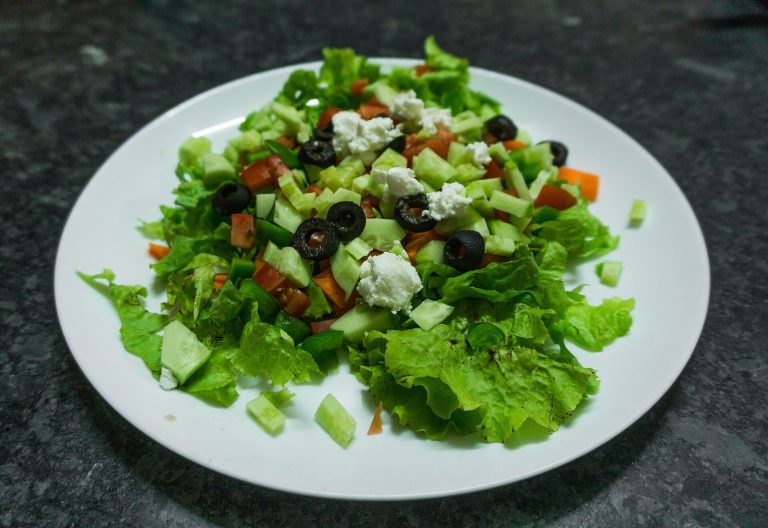
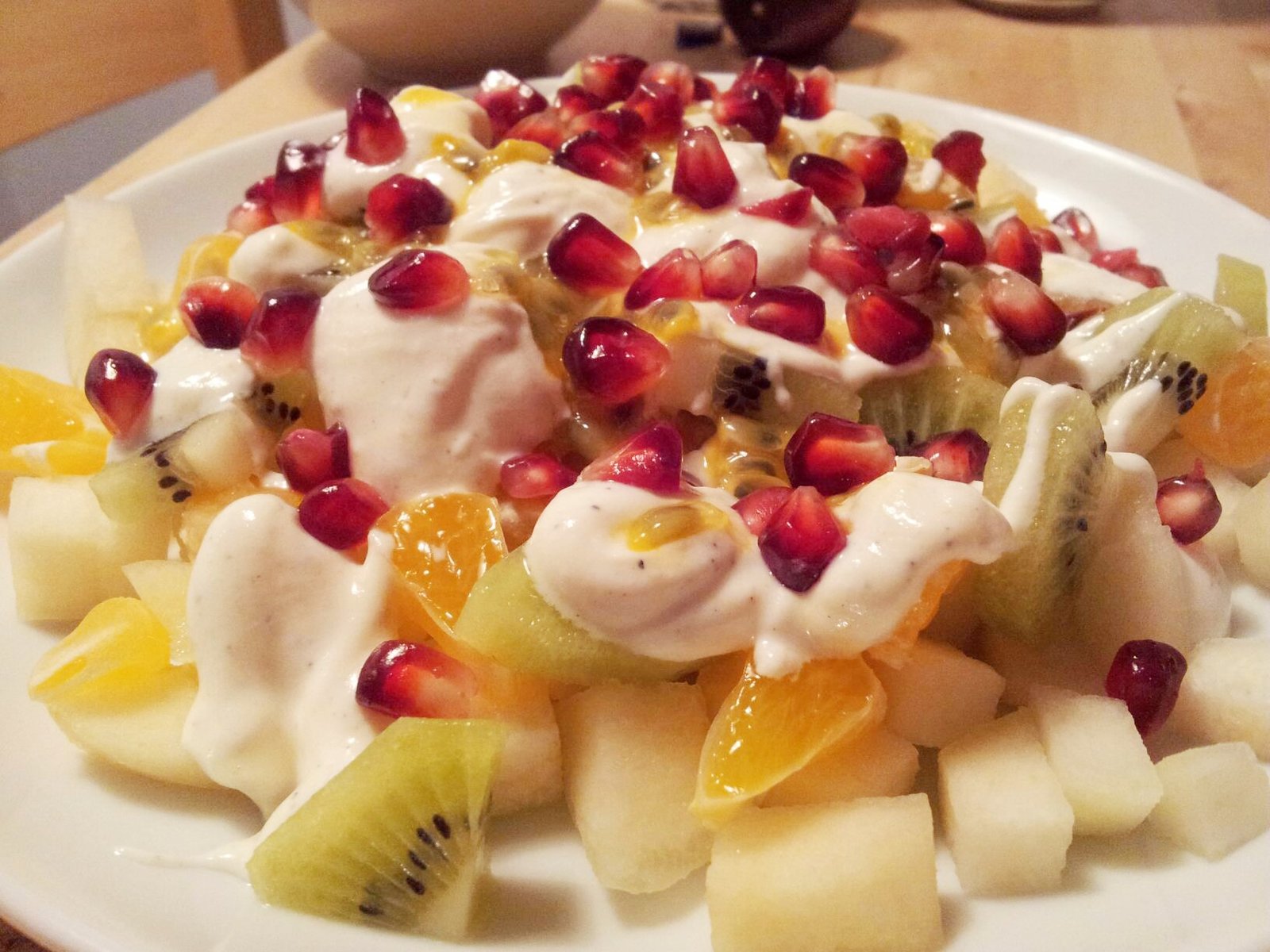
- – Soft fruit, pre-washed salad greens if you can sit to prep, frozen vegetables, and tomato soups keep vitamin C–containing foods available without long standing.
- – Colorful plates support general recovery nutrition; they do not “detox” surgical hardware.
Calcium- and vitamin D–aware patterns when bone health is part of the story
- – If your clinician is also managing osteopenia, osteoporosis, or prior fractures, dairy or fortified plant milks, tofu made with calcium sulfate, and fatty fish may appear in meal plans similar to Osteoporosis Diet themes—labs and supplement doses stay with your clinician.
Fiber and fluids while opioids slow the bowels
- – Constipation after pain medicines is common when walking is limited: oats, pears, berries, prune puree, cooked vegetables, and water as tolerated—see Constipation Diet.
- – Ask whether a scheduled stool softener belongs beside your pain plan rather than waiting for hard stool that makes bathroom trips on crutches miserable.
Soft early textures if nausea or anesthesia hangover linger
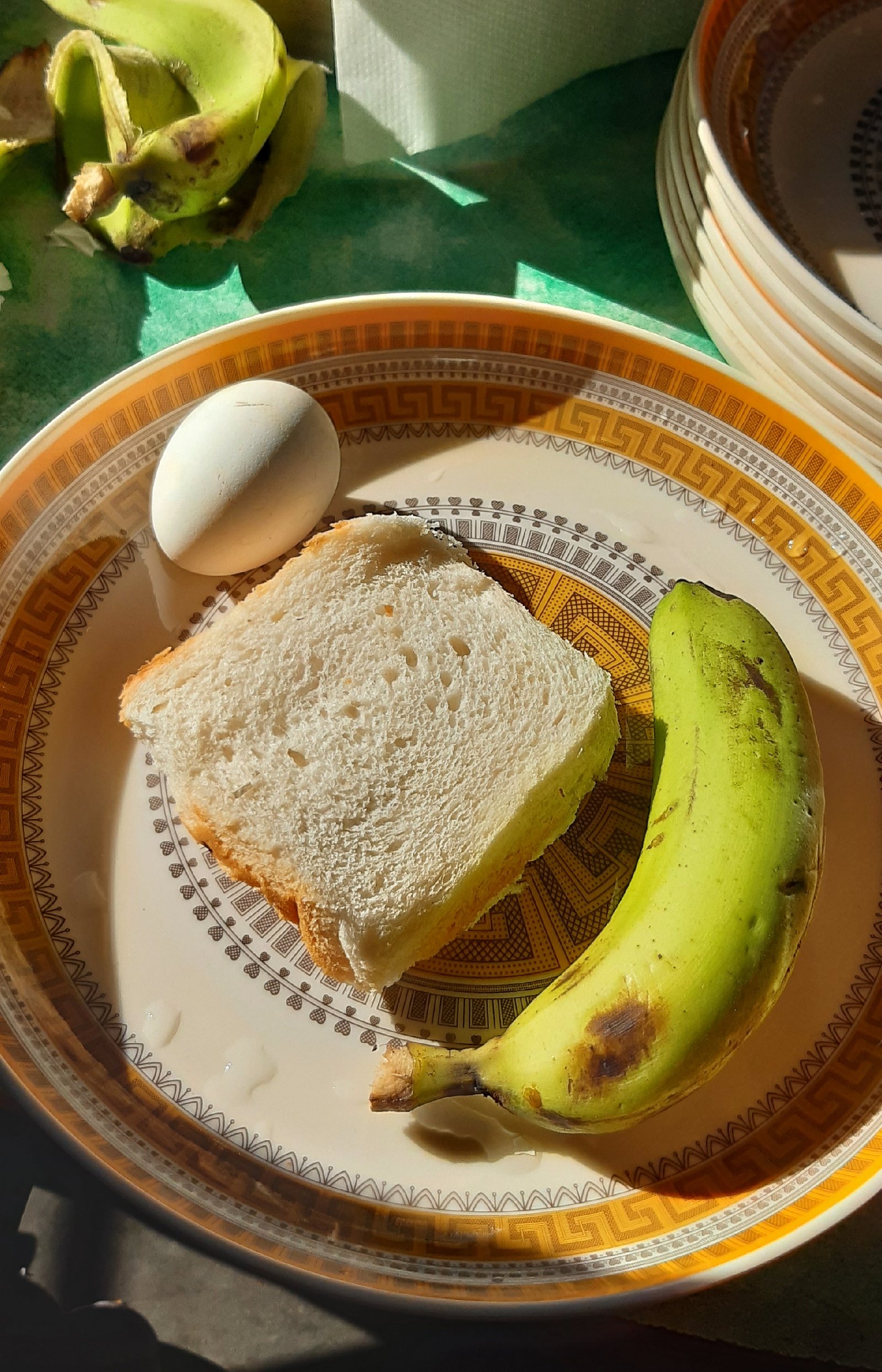
- – Yogurt, oatmeal, scrambled eggs, ripe bananas, and broth-based soups reduce kitchen strain the first days home.
- – Advance toward regular textures as appetite returns; do not invent a prolonged clear-liquid “detox.”
Foods and habits that often worsen after-bunion-surgery kitchen patterns
- – Ultra-processed, nearly fiber-free snack patterns that harden stool while you are less mobile.
- – Heavy alcohol that dehydrates, impairs sleep, and may interact with pain medicines.
- – Skipping protein for days because cooking feels impossible—keep grab-and-go options at chair height.
- – Unprescribed stimulant laxative stacks or “colon cleanses” without surgeon clearance.
- – Expecting kitchen changes to fix fever, wound drainage, calf swelling, or uncontrolled pain—those are surgical red flags (MedlinePlus aftercare themes).
- – Ignoring elevation while grazing standing at the counter for long periods—swelling control remains orthopedic priority.
- – Smoking or vaping nicotine while hoping food alone heals bone and soft tissue.
“Limit” means reducing constipation, dehydration, and empty-calorie gaps—not blaming one takeout meal for surgical alignment.
Practical kitchen protocol: an after-bunion-surgery diet week
1. Keep the medical spine first
Confirm weight-bearing status, surgical shoe or cast rules, elevation targets, wound care, VTE precautions if ordered, pain-medicine schedule, and follow-up imaging. Put stool softeners where you will not miss doses.
2. Shopping list for limited-mobility recovery
Eggs; yogurt; oats; frozen berries; bananas; canned beans; frozen vegetables; whole-grain bread if tolerated; olive oil; poultry or fish portions you can bake on a sheet pan; oral fluids you will actually drink; fiber cereal; prune puree.
3. Default plate template
- – Soft lean protein
- – High-fiber carbohydrate (oats, beans, potato)
- – Fruit or cooked vegetables
- – Fluid at every meal
4. Sample day (illustrative)
- – Breakfast: oatmeal with berries; water or milk.
- – Lunch: lentil soup; yogurt; fruit.
- – Snack: cheese stick or hummus with soft crackers if not fluid-restricted for other disease; water.
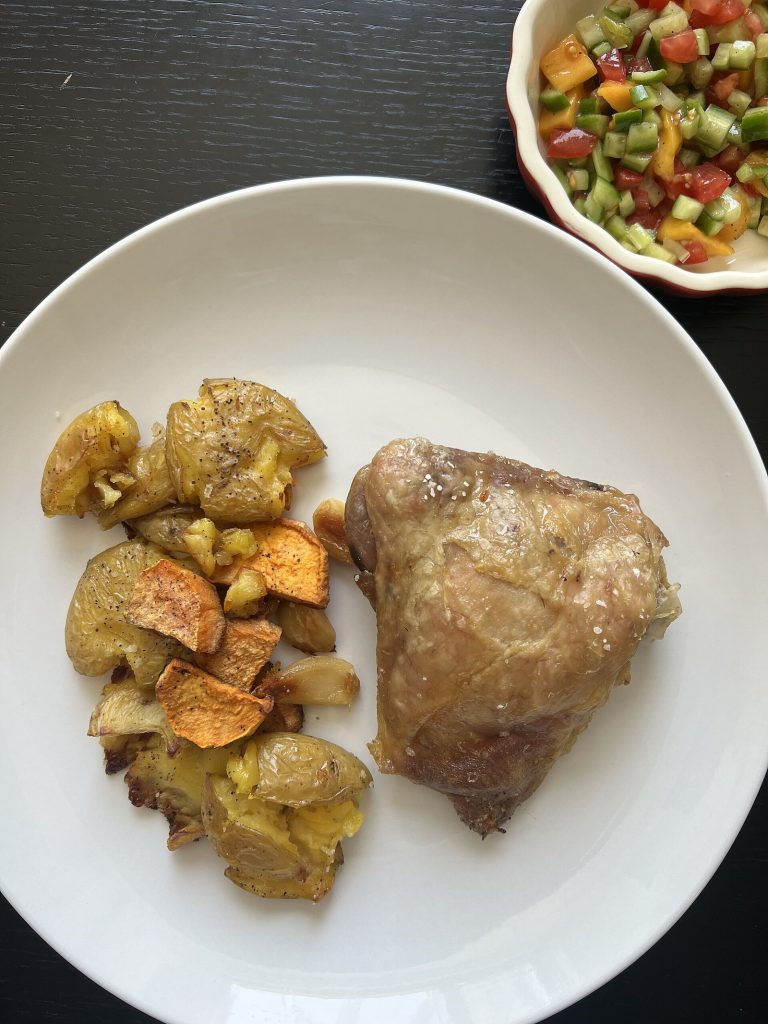
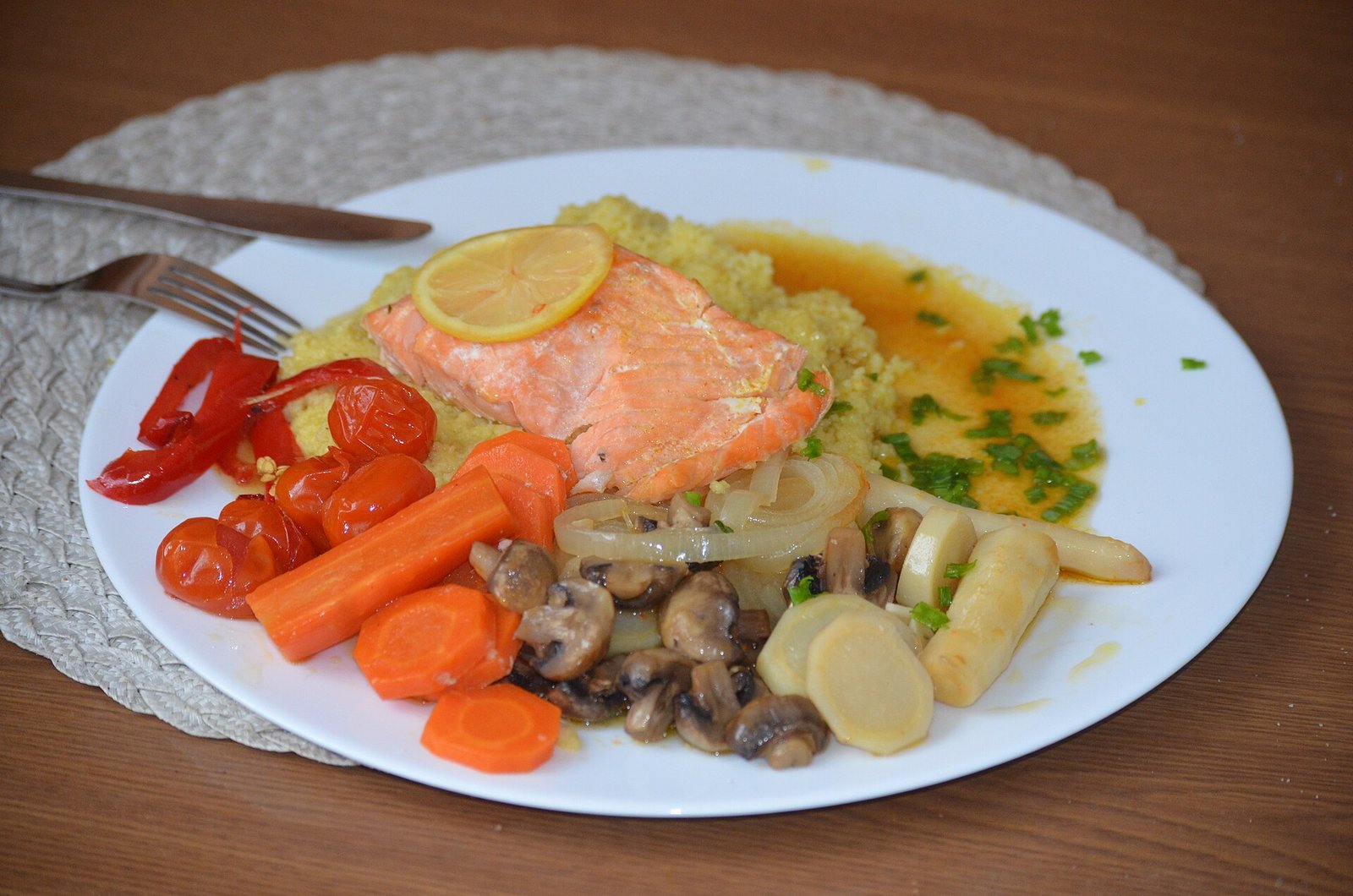
- – Dinner: baked fish or tofu, sweet potato, cooked greens; water.
- – Evening: warm fluid; bowel plan per surgeon—not a second espresso if caffeine worsens sleep or tremor for you.
5. Home setup tips
Stage a cooler bag beside the recliner; keep a reacher/grabber for fridge items; ask helpers for chopping; place trash and recycling where you need not hop.
6. If osteoarthritis or gout is the background problem
Long-term joint-aware patterns may overlap Osteoarthritis Diet or Gout Diet, but postoperative wound and weight-bearing rules stay with your foot and ankle surgeon.
Safety, interactions, and who should ask a clinician first
- – Opioid pain medicines: expect slower bowels—ask about scheduled softeners.
- – Kidney disease, heart failure, or cirrhosis: individualize fluid and sodium goals rather than copying generic “drink gallons” advice—see Heart Failure Diet or Cirrhosis Diet if those apply.
- – Diabetes: plan carbohydrate-aware soft meals while activity is low.
- – Blood thinners if prescribed after surgery: keep vitamin K–containing greens consistent if advised for warfarin; never stop anticoagulants for a diet experiment.
- – Contact the surgical team for fever, foul drainage, rapidly increasing redness, calf pain/swelling, chest pain, or toes that look dusky or cool.
FAQ
Can diet make bunionectomy recovery painless? No. Food supports energy, protein, and softer stools; it does not erase surgical healing or shoe timelines.
How long until I cook standing normally? MedlinePlus notes full recovery may take about 3 to 5 months; early weeks often need help with shopping and meal prep. Follow your surgeon’s activity clearance.
Should I avoid all salt after foot surgery? Unless you have heart failure, kidney disease, or another clinician-directed sodium limit, extreme salt restriction is not a universal bunionectomy rule. Focus first on protein, fiber, fluids, and elevation.
Do I need collagen peptides or bone broth cleanses? Public orthopedic pages do not require specialty powders for bunion healing. Adequate mixed protein foods are the practical first step; ask before expensive stacks.
How is this different from a general osteoarthritis diet? Overlap exists with joint-friendly patterns, but post-bunionectomy care adds wound, shoe, and weight-bearing rules your surgeon owns. See also Diet After Knee Replacement for other joint-replacement kitchen themes.
How this differs from related OTCFood topics
This page is a bunionectomy-bound diet guide focused on protein, easy prep, constipation control, and hydration around hallux valgus surgery. It is not a DIY toe-alignment protocol, not a cosmetic foot diet, and not a substitute for OrthoInfo-style surgical counseling or follow-up imaging.
Medical disclaimer
Medical disclaimer: This article is for general information only. It is not medical advice, diagnosis, or a treatment plan. Care after bunion surgery depends on osteotomy type, fixation, other foot conditions, and your surgeon’s protocol. Talk with a clinician or registered dietitian before starting, stopping, or changing any eating plan, supplement, or medicine. Seek urgent care for fever, wound problems, calf swelling, chest symptoms, or sudden color/temperature changes in the toes.