Pulmonary Hypertension Diet: Foods That May Help and Foods to Limit
Medical note: This article discusses foods and researched botanicals. It does not claim to prevent, treat, or cure disease. Supplements are not a substitute for food, and studied amounts are not personal prescriptions.
People searching “pulmonary hypertension diet foods that help or worsen” usually want lower-sodium, energy-smart plates that fit medicine and activity plans—not a claim that food lowers pulmonary artery pressure the way prescribed therapies do. MedlinePlus explains that pulmonary hypertension is high blood pressure in the arteries that go from the heart to the lungs and that it makes the heart work harder to pump blood into the lungs. NHLBI notes that about 1% of people globally have pulmonary hypertension, that there are five clinical groups, and that in the United States the most common type is linked to left-sided heart disease such as left heart failure. Treatments often include medicines and healthy lifestyle changes; many times there is no cure, but symptoms can be managed.
What this pulmonary hypertension diet guide covers (and what it does not)
This guide is for adults living with pulmonary hypertension who want practical kitchen patterns while they follow cardiology or pulmonology care. Anchors: MedlinePlus — Pulmonary Hypertension, NHLBI — What Is Pulmonary Hypertension?, and NHLBI — DASH Eating Plan.
MedlinePlus treatment summaries list healthy lifestyle changes such as healthy eating that includes eating less salt, regular physical activity that may include pulmonary rehabilitation, medicines (including blood thinners, medicines that affect pumping or relax vessels, and diuretics for swelling), oxygen therapy, procedures in selected cases, and lung transplant in some severe cases. Kitchen changes do not replace oxygen prescriptions or acute evaluation for fainting, severe chest pain, or sudden breathlessness. Related reading: Heart Failure Diet and Hypertension (High Blood Pressure) Diet.
Evidence snapshot: pulmonary hypertension diet claims vs public sources
| Claim people hope for | What public sources actually say | Confidence |
|---|---|---|
| “A salt-free week cures pulmonary hypertension” | MedlinePlus lists less salt as part of healthy eating support; NHLBI notes many times there is no cure and care is cause-specific | Strong: sodium awareness helps many; not a cure |
| “Any heart-healthy viral diet replaces PAH medicines” | NHLBI: treatments depend on cause; lifestyle changes may be part of management alongside medicines | Strong: food is adjunctive |
| “High-salt sports drinks always help fatigue” | Fluid and sodium needs vary, especially with diuretics or right-heart strain—individualize | Moderate: DIY high-salt loading is risky |
| “Detox teas clear lung arteries” | No MedlinePlus/NHLBI support for culinary artery “cleansing” | Strong: avoid unregulated cleanses |
| “Kitchen changes fix all five PH groups the same way” | NHLBI describes five groups with different drivers (PAH, left heart disease, lung disease/hypoxia, chronic thromboembolic disease, multifactorial) | Strong: personalize with your PH team |
Foods and patterns that may help with pulmonary hypertension day to day
“May help” means supporting less sodium load when advised, steadier energy intake when appetite dips, and heart-aware fats—not a promise that food normalizes pulmonary pressures.
Lower-sodium cooking you can actually sustain
- – MedlinePlus explicitly includes eating less salt among healthy lifestyle changes for pulmonary hypertension.
- – NHLBI’s DASH plan for a 2,000-calorie pattern illustrates vegetables and fruits (about 4–5 servings each), grains 6–8, meats/poultry/fish 6 or less, low-fat dairy 2–3, fats/oils 2–3, nuts/seeds/beans 4–5 weekly, sweets 5 or less weekly, and sodium about 2,300 mg daily with 1,500 mg lowering blood pressure further for many people—confirm your personal sodium and fluid targets with your PH clinician, especially if you take diuretics.
- – Practical moves: cook from scratch more often, rinse canned beans/vegetables, compare Nutrition Facts labels, and flavor with herbs, lemon, garlic (food amounts), and pepper instead of salty packets.
Potassium-, magnesium-, and fiber-forward produce when labs allow
- – DASH emphasizes foods rich in potassium, calcium, magnesium, fiber, and protein while limiting saturated/trans fat and sodium.
- – If you also have chronic kidney disease or high potassium on labs, do not load salt substitutes (often potassium chloride) without clearance—coordinate with Chronic Kidney Disease Diet themes.
Heart-aware proteins and fats
- – Prefer fish, poultry, beans, and unsaturated oils over frequent fatty meats and tropical oils high in saturated fat (DASH language).
- – Overlap with systemic blood-pressure kitchens in High Blood Pressure Foods to Eat and Limit: A Practical Kitchen Guide without viewing PH as identical to ordinary hypertension.
Meal timing that respects fatigue and medicine schedules
- – Smaller, more frequent meals can be easier when early satiety or breathlessness makes large plates hard.
- – Keep easy proteins and soft sides ready for low-energy days after clinic or rehab sessions.
Foods and habits that often worsen pulmonary hypertension kitchen patterns
- – Restaurant and packaged sodium spikes (soups, deli meats, frozen dinners, salty snacks) that fight diuretic goals.
- – Untracked fluid bingeing when your team has set fluid limits for swelling.
- – Alcohol excess that can worsen arrhythmias, sleep, or medicine interactions—ask your clinician for a personal limit.
- – Crash “detox” fasting that worsens fatigue and medication tolerance.
- – Self-started stimulant or weight-loss stacks without PH-team review.
- – Ignoring swelling of legs, abdomen, or sudden fainting because a low-salt week “should have fixed it.”
“Limit” means reducing fluid-retention and heart-strain risk—not that one canned soup defines your prognosis.
Practical kitchen protocol: a pulmonary hypertension diet week
1. Keep the medical spine first
Confirm PH group if known, oxygen needs, diuretic timing, anticoagulant use if prescribed, activity/rehab limits, and sodium/fluid targets. Put medicine boxes where morning breathlessness will not make you skip doses.
2. Shopping list for lower-sodium PH kitchens
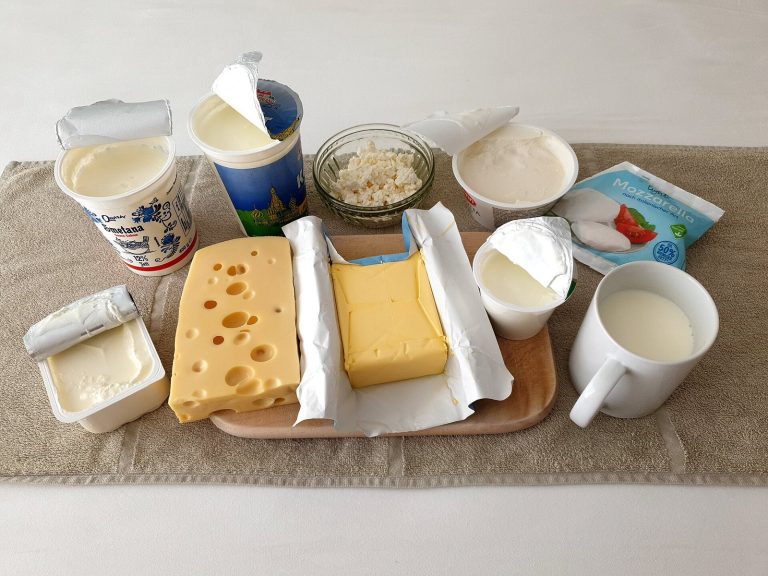
Fresh or no-salt-added frozen vegetables; fruit; oats/rice/potato; beans without added salt when possible; fish/poultry; olive or canola oil; unsalted herbs/spice blends; low-sodium broth you control; yogurt or milk if dairy fits your plan.
3. Default plate template
- – Soft lean protein
- – High-fiber carbohydrate
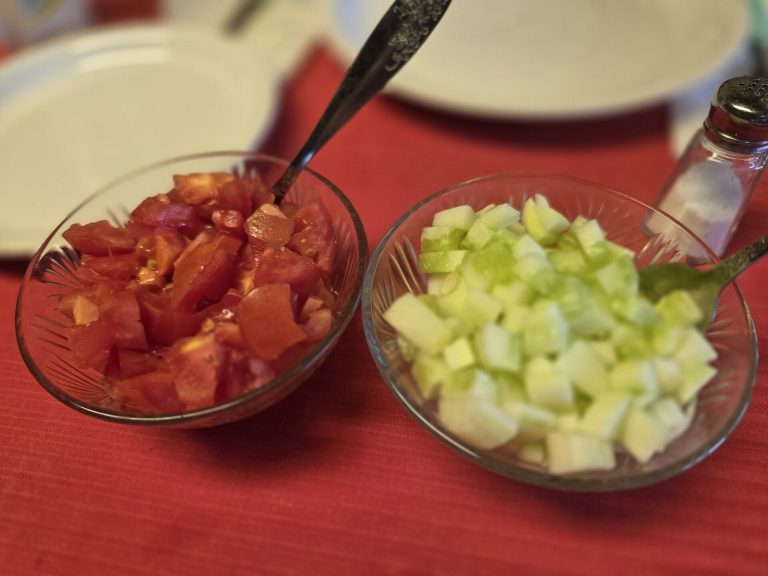
- – Vegetables prepared without salty sauces
- – Fruit
- – Fluids only within your personal target
4. Sample day (illustrative, after clinician clearance)
- – Breakfast: oatmeal with berries; water or allowed fluid.
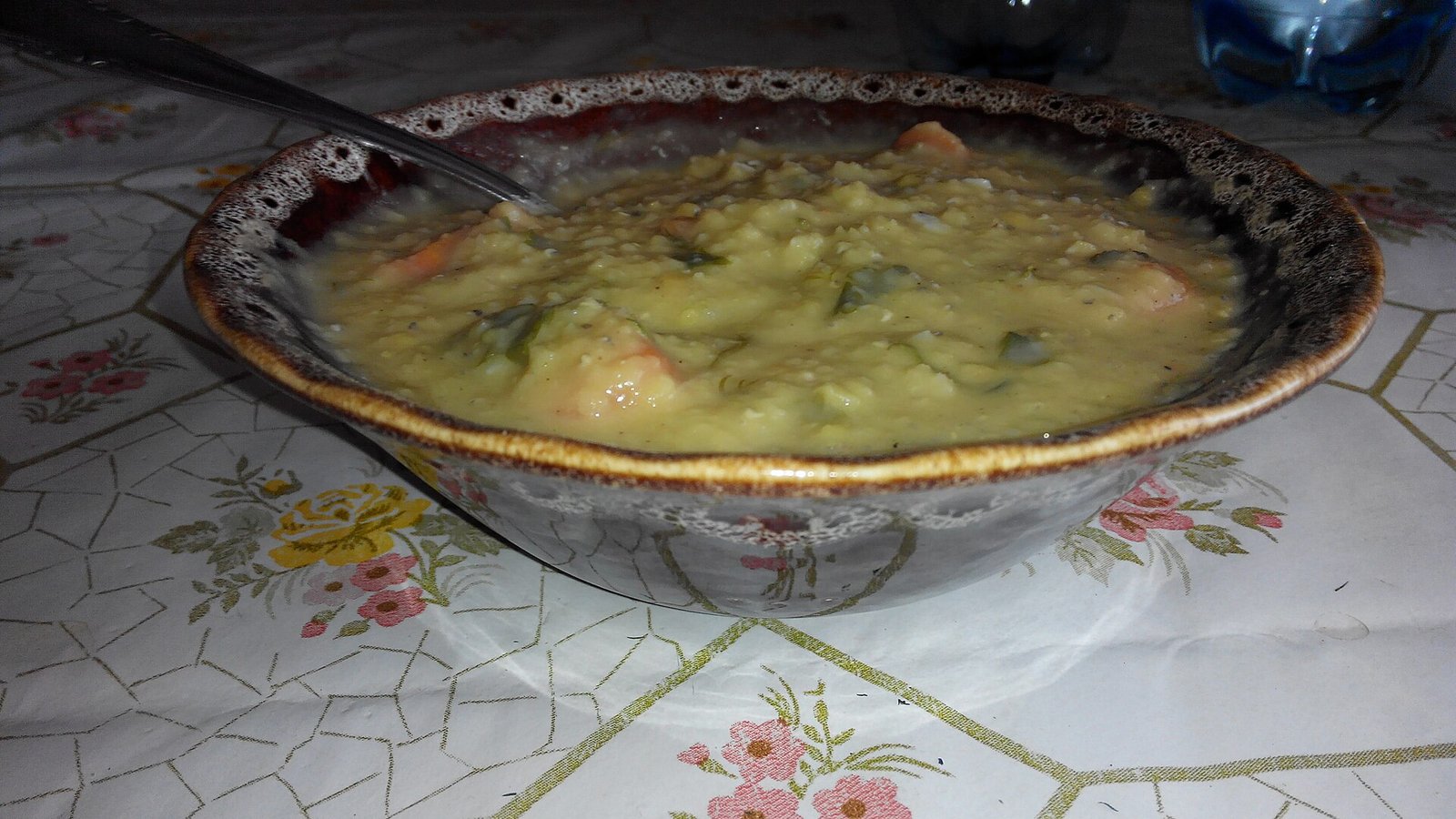
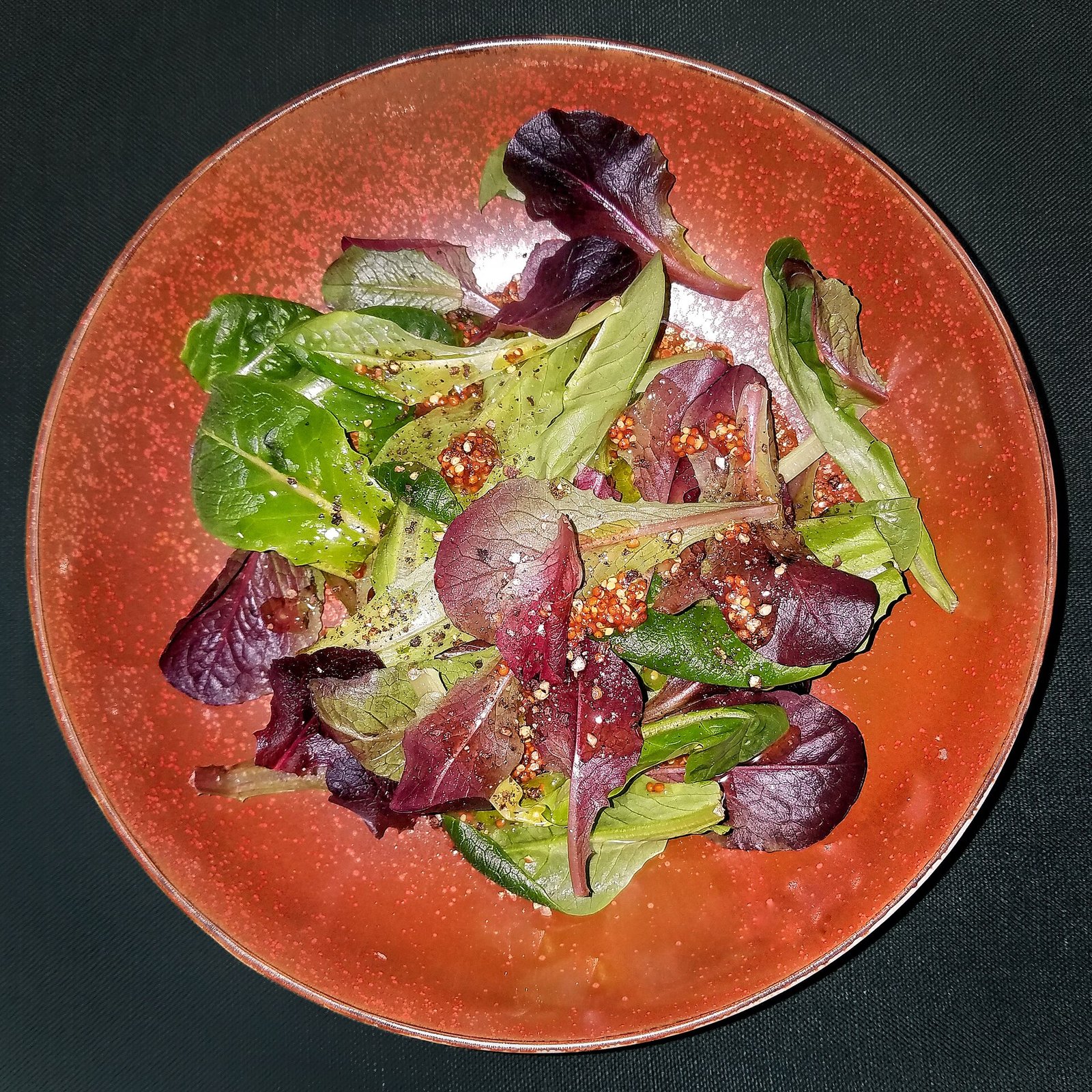
- – Lunch: lentil or vegetable soup you seasoned yourself; side salad with oil/vinegar; fruit.
- – Snack: unsalted yogurt or apple.
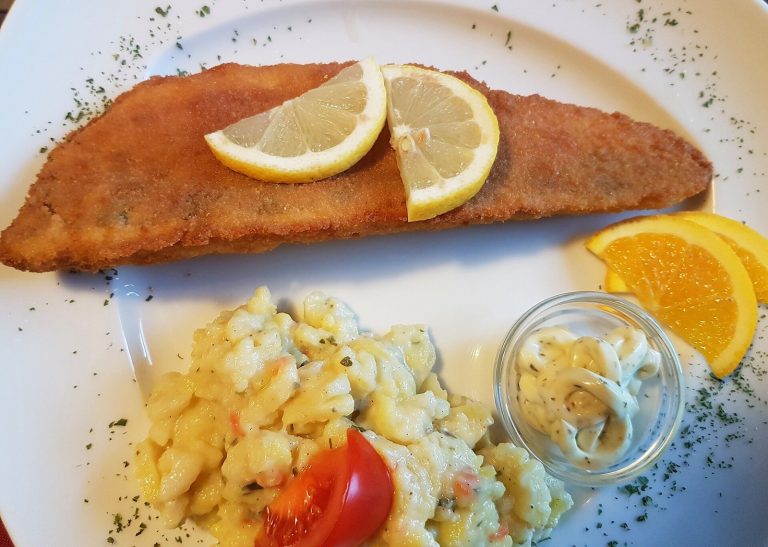
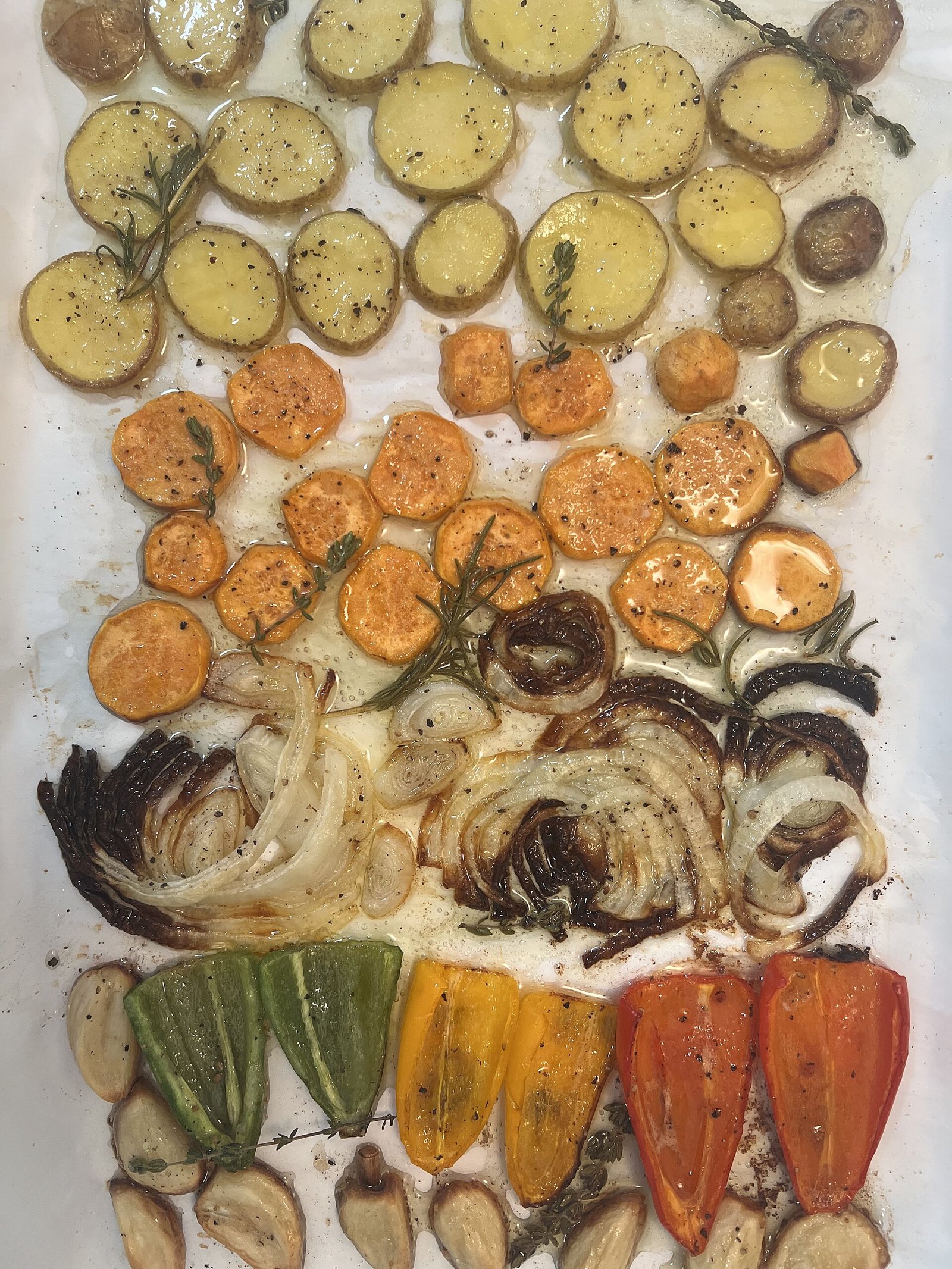
- – Dinner: baked fish, roasted vegetables, potato or rice; herb seasoning instead of salty packets.
- – Evening: diuretic timing per prescription—not a late salty takeout “reward.”
5. Home setup tips
Keep a salt log for two weeks; batch-cook low-sodium soup; ask household members not to salt the shared pot.
6. If left-heart failure or lung disease drives your PH group
Kitchen priorities may track Heart Failure Diet or Idiopathic Pulmonary Fibrosis Diet more closely—your PH team should say which limits matter most.
Safety, interactions, and who should ask a clinician first
- – Diuretics and blood pressure medicines: monitor dizziness and lab work as ordered.
- – Anticoagulants for selected PH subtypes: review bleeding and food/herb interactions.
- – Pregnancy: MedlinePlus lists serious pregnancy complications among PH risks—specialist counseling only.
- – Kidney disease: sodium, potassium, and fluid rules may tighten.
- – Syncope, chest pain at rest, or rapidly worsening edema: urgent care pathways, not DIY diet escalation.
FAQ
Can diet cure pulmonary hypertension? NHLBI notes many times there is no cure; lifestyle changes may help manage symptoms alongside medical care. Diet is supportive, not curative.
How low should sodium go? DASH materials often cite 2,300 mg with 1,500 mg helping blood pressure further for many people—your PH clinician may set a different number based on diuretics and swelling.
Is pulmonary hypertension the same as regular high blood pressure diet care? Systemic hypertension kitchens overlap Hypertension (High Blood Pressure) Diet, but PH is pressure in the lung arteries and needs PH-specific medicines and monitoring.
Do I need a high-calorie “force feed” plan? Only if your team diagnoses unintended weight loss—MedlinePlus lists fatigue and other symptoms, but calorie targets are individualized.
What about supplements marketed for “lung pressure”? Ask before starting; they can interact with anticoagulants or blood-pressure drugs.
How this differs from related OTCFood topics
This page is a pulmonary-hypertension-bound diet guide focused on sodium-aware, energy-smart eating beside PH therapies. It is not a DIY right-heart catheterization substitute, not a CTEPH procedure guide, and not a cure protocol.
Medical disclaimer
Medical disclaimer: This article is for general information only. It is not medical advice, diagnosis, or a treatment plan. Pulmonary hypertension care depends on disease group, oxygen needs, other heart or lung conditions, and prescribed medicines. Talk with a clinician or registered dietitian before starting, stopping, or changing any eating plan, supplement, or medicine. Seek urgent care for fainting, severe chest pain, sudden worsening shortness of breath, or rapidly increasing swelling.