Diet During DVT Recovery: Foods That May Help and Foods to Limit
Medical note: This article discusses foods and researched botanicals. It does not claim to prevent, treat, or cure disease. Supplements are not a substitute for food, and studied amounts are not personal prescriptions.
People searching “diet during DVT recovery foods that help or worsen” usually want kitchen habits that support hydration, mobility plans, and safer use of blood thinners—not a claim that food dissolves clots or replaces anticoagulants, compression, or clinician follow-up. MedlinePlus describes deep vein thrombosis (DVT) as a blood clot that forms in a vein deep in the body, most often in the lower leg or thigh, and notes that a clot can break loose and cause a pulmonary embolism. NHLBI explains that venous thromboembolism (VTE) includes DVT and pulmonary embolism, that as many as about 600,000 VTE events occur each year in the United States, and that medicines may be prescribed for serious vein blockages and to help prevent further clots.
What this DVT recovery diet guide covers (and what it does not)
This guide is for adults recovering from a diagnosed DVT who want practical eating patterns while they follow anticoagulation, activity, and follow-up plans from their care team. Anchors: MedlinePlus — Deep Vein Thrombosis, NHLBI — What Is Venous Thromboembolism?, MedlinePlus — Blood Thinners, and MedlinePlus — Warfarin.
MedlinePlus notes that sitting still for a long time can raise DVT risk and that care often includes medicines to ease pain and inflammation, break up clots when clinically indicated, and keep new clots from forming; keeping the affected area raised and applying moist heat can also help when advised. Kitchen changes do not replace urgent evaluation for sudden shortness of breath or chest pain that can signal pulmonary embolism. Related reading: Diet After Varicose Vein Surgery and Varicose Veins Diet.
Evidence snapshot: DVT recovery diet claims vs public sources
| Claim people hope for | What public sources actually say | Confidence |
|---|---|---|
| “A special food dissolves the clot overnight” | NHLBI/MedlinePlus center medicines, diagnosis, and clot-prevention care—not culinary clot dissolution | Strong: food is supportive only |
| “Avoid all green vegetables forever on blood thinners” | MedlinePlus warfarin guidance: keep vitamin K intake consistent week to week; do not eat large, abrupt surges of high–vitamin K greens or certain oils without talking with your clinician | Strong for consistency; weak for total lifelong avoidance |
| “Natural garlic or ginkgo stacks replace anticoagulants” | MedlinePlus warfarin page lists garlic, Ginkgo biloba, ginseng, and other herbals among products that may interact; blood thinners require clinician direction | Strong: do not self-stack herbals |
| “Skipping fluids ‘thickens blood productively’” | MedlinePlus travel/sitting guidance includes drinking plenty of liquids on long trips; dehydration is not a clot protocol | Moderate–strong: under-drinking backfires for many people |
| “Kitchen changes erase pulmonary embolism risk” | NHLBI warns untreated VTE can block blood flow and that large PE can cause death—seek emergency care for concerning lung symptoms | Strong: diet is not PE first aid |
Foods and patterns that may help during DVT recovery day to day
“May help” means supporting steadier hydration, more realistic meal timing around medicines and appointments, and—when warfarin is prescribed—more consistent vitamin K intake, not a promise that food shortens clot resolution timelines.
Steady nonalcoholic fluids (unless your clinician set a different limit)
- – MedlinePlus DVT summary advice for long car or plane trips includes drinking plenty of liquids alongside breaks to walk or stretch.
- – Keep a marked bottle near your chair when mobility is limited so “sit still all day” does not also mean “forget to drink.”
- – If you also have heart failure or kidney disease with fluid caps, follow those limits first—see Heart Failure Diet.
Consistent vitamin K pattern if you take warfarin
- – MedlinePlus warfarin dietary instructions: eat a healthy diet; some foods and beverages that contain vitamin K can affect how warfarin works; ask for a vitamin K food list; eat consistent amounts week to week; do not eat large amounts of leafy green vegetables or certain vegetable oils high in vitamin K without clinician guidance; talk before diet changes; ask about grapefruit.
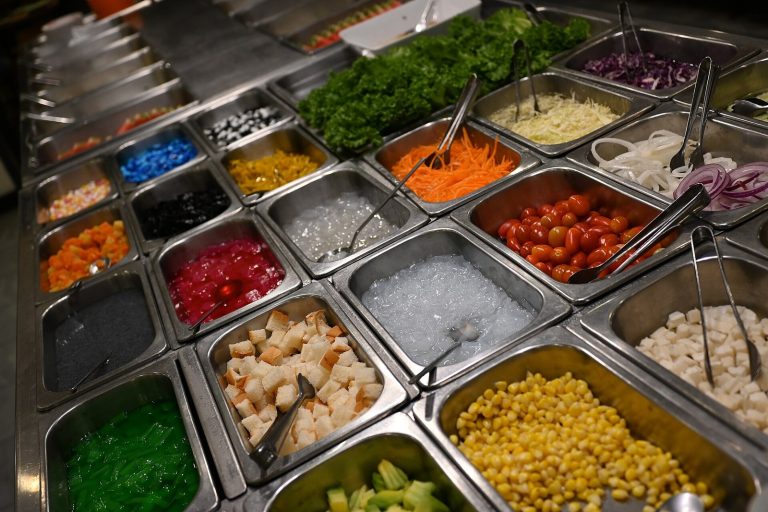
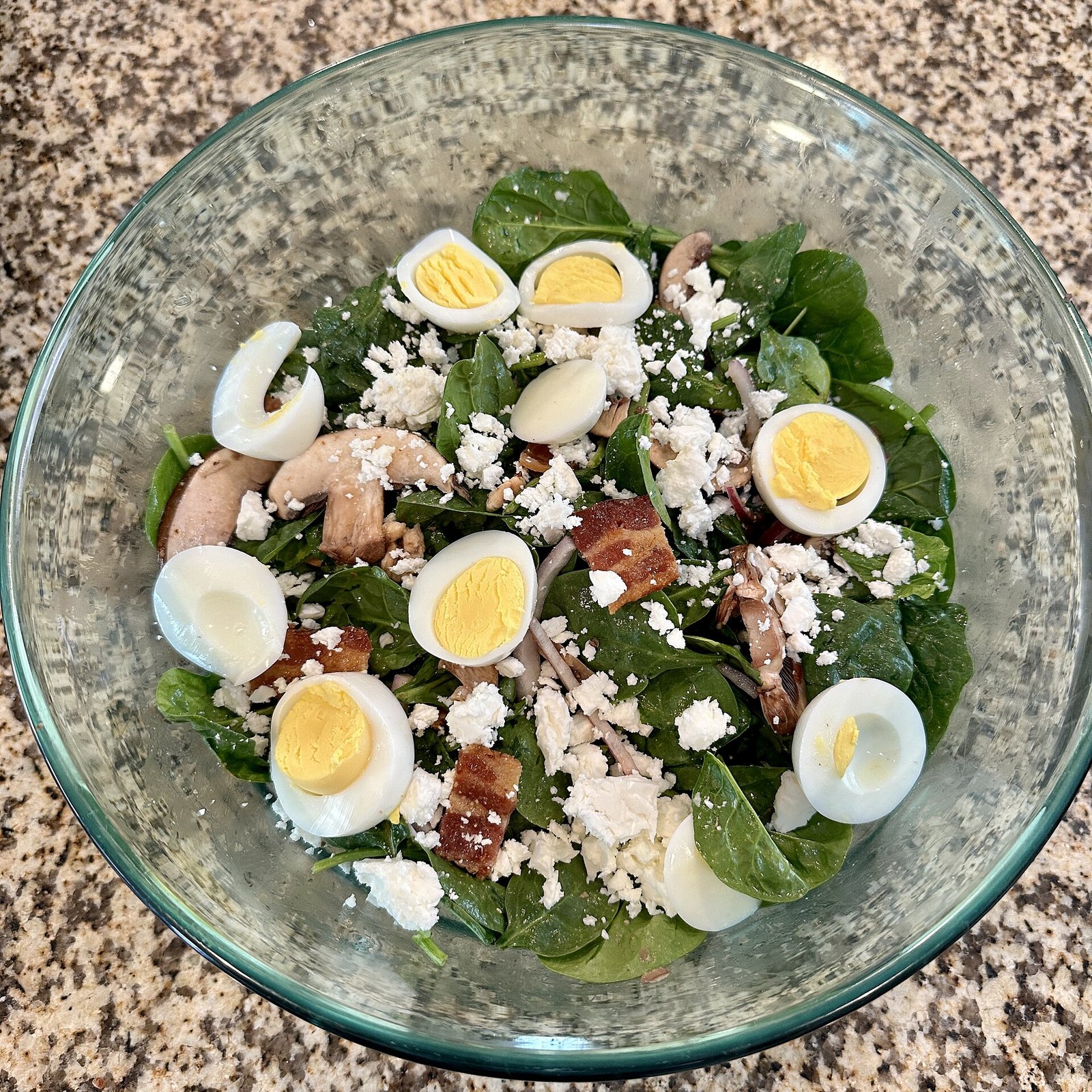
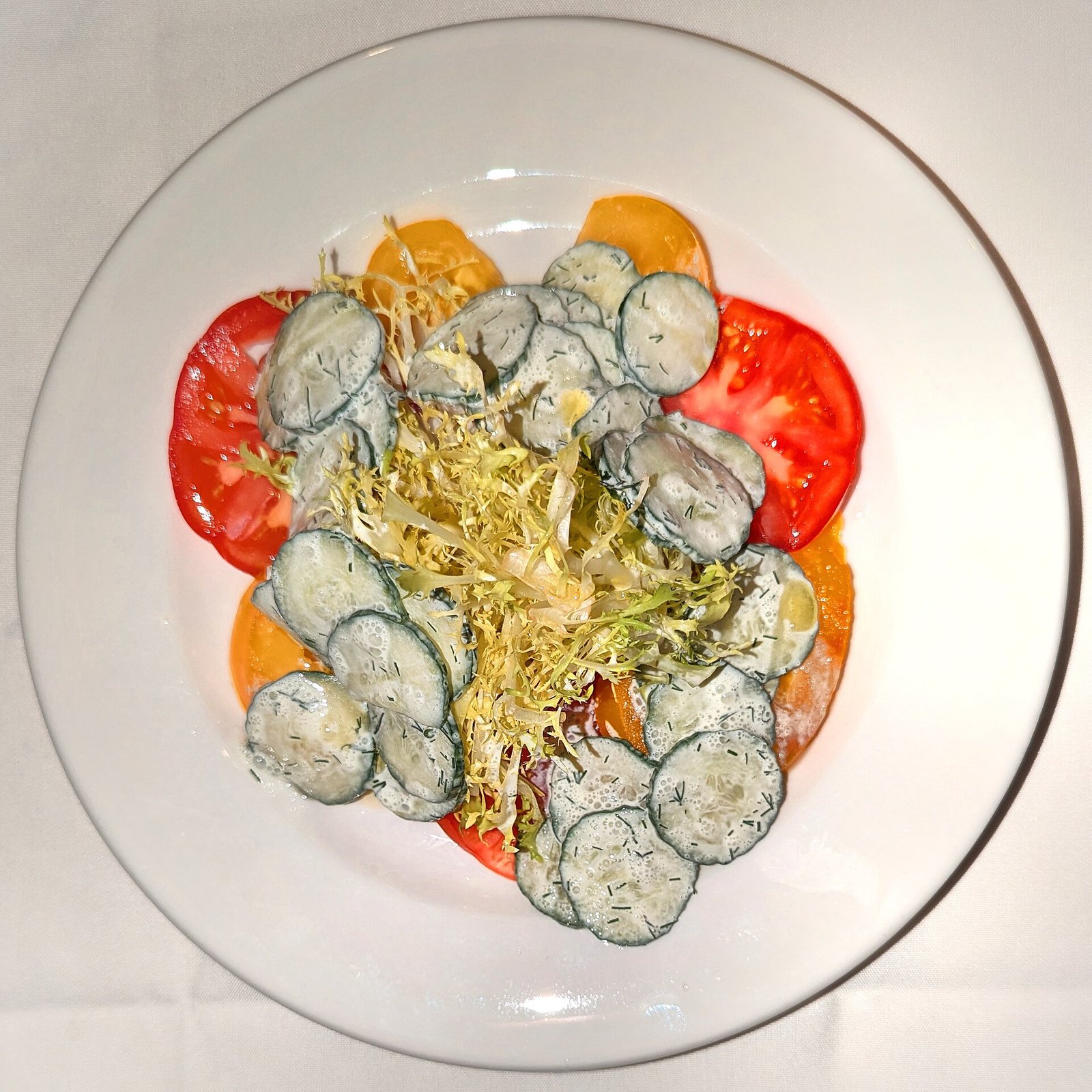
- – Practical translation: a small daily salad you actually finish is often easier to manage than zero greens Monday and a giant kale smoothie Friday.
- – If you take a direct oral anticoagulant or another agent instead of warfarin, vitamin K consistency rules may differ—confirm with your pharmacist.
Balanced plates that support energy while you move as cleared
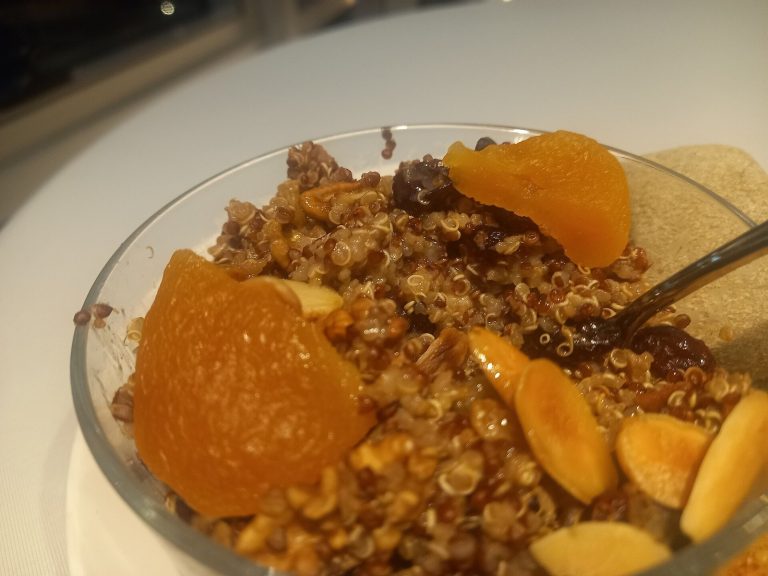
- – Soft proteins (eggs, yogurt if tolerated, fish, poultry, beans), fruit, cooked vegetables, and whole grains can make meals less exhausting when standing to cook is hard.
- – Overlap with vein-health kitchen themes in Varicose Veins Diet without claiming diet clears deep clots.
Heart-aware patterns when blood pressure or cholesterol is part of the picture
- – Many adults with VTE also manage cardiometabolic risk. DASH-style patterns (vegetables, fruits, whole grains, low-fat dairy, fish/poultry/beans, limited saturated fat and sweets) appear in NHLBI education materials; individualize sodium with your clinician—see Hypertension (High Blood Pressure) Diet and High Blood Pressure Foods to Eat and Limit: A Practical Kitchen Guide.
Foods and habits that often worsen DVT recovery kitchen patterns
- – Large, abrupt swings in high–vitamin K greens or oils while on warfarin (opposite of MedlinePlus consistency guidance).
- – Unprescribed herbal “blood cleaner” stacks (garlic megadoses, ginkgo, ginseng, St. John’s wort, and similar products listed as warfarin interactors on MedlinePlus) without clinician approval.
- – Heavy alcohol use without asking your clinician—MedlinePlus warfarin precautions specifically ask about safe alcohol use.
- – All-day immobility plus ultra-processed salty snack marathons that make swelling and blood-pressure control harder when those are issues for you.
- – Skipping anticoagulant doses because a meal was delayed—ask for timing rules that fit real life instead of inventing “food holidays” from medicine.
- – Expecting diet to fix sudden chest pain, coughing blood, fainting, or one-sided severe leg swelling—those need urgent medical care.
“Limit” means reducing interaction and immobility risk—not that one salad defines recovery.
Practical kitchen protocol: a DVT recovery diet week
1. Keep the medical spine first
Confirm anticoagulant name/dose, INR schedule if on warfarin, compression instructions, activity and travel rules, and bleeding precautions. MedlinePlus blood-thinners guidance stresses following directions carefully, telling clinicians about all medicines and supplements, and watching for serious bleeding signs (red/black stools, coffee-ground vomit, unusual bruising, cuts that will not stop, severe headache, dizziness).
2. Shopping list for steadier recovery kitchens
Oats or other breakfast grains you will eat consistently; fruit; a realistic vegetable pattern (same rough weekly greens volume if on warfarin); eggs, fish, poultry, beans; olive oil in measured amounts; yogurt if tolerated; oral fluids you will drink; pharmacist-approved pain or stool plans if opioids were used around procedures.
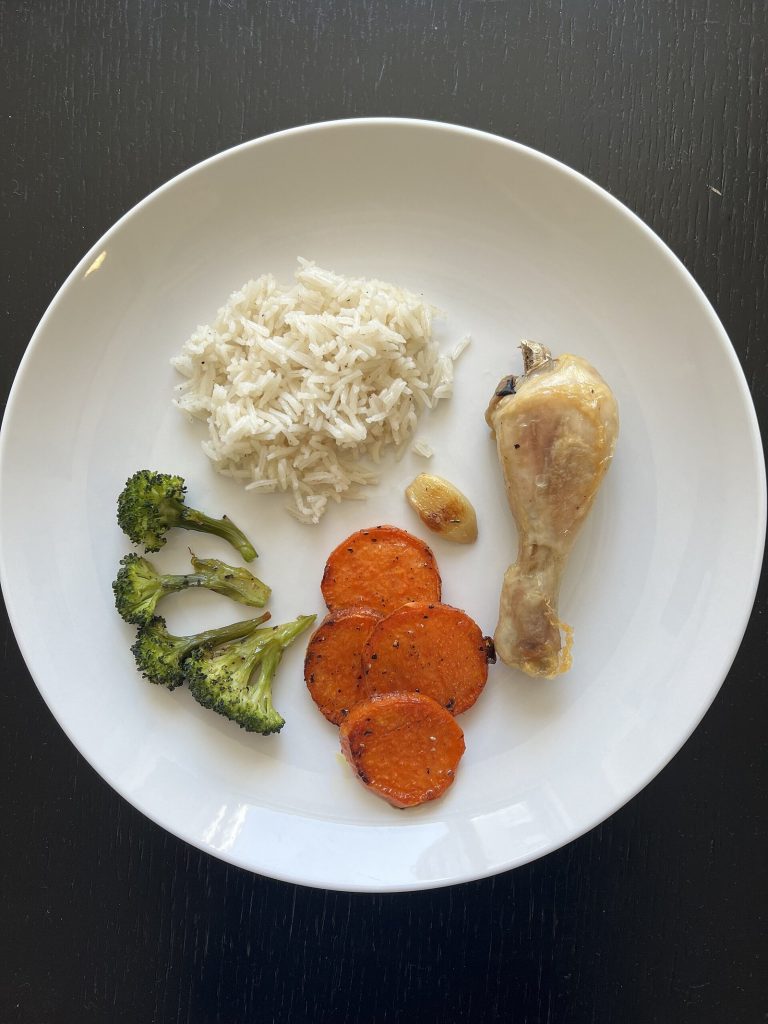
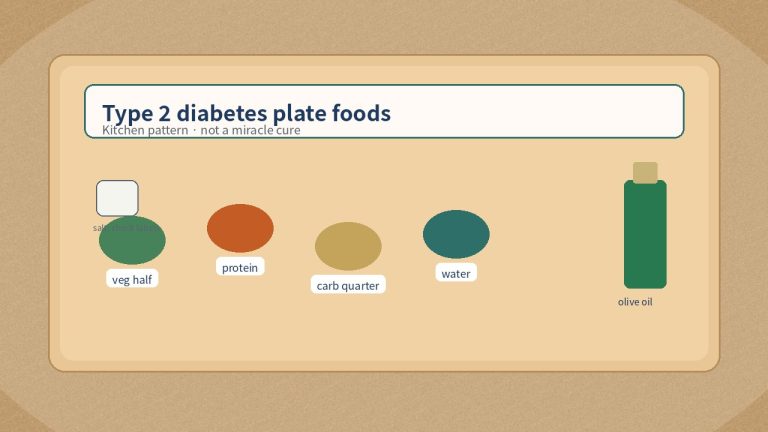
3. Default plate template
- – Lean or plant protein
- – Carbohydrate you tolerate (oats, rice, potato, whole grain)
- – Vegetables in a consistent weekly pattern if on warfarin
- – Fluid at meals
4. Sample day (illustrative)
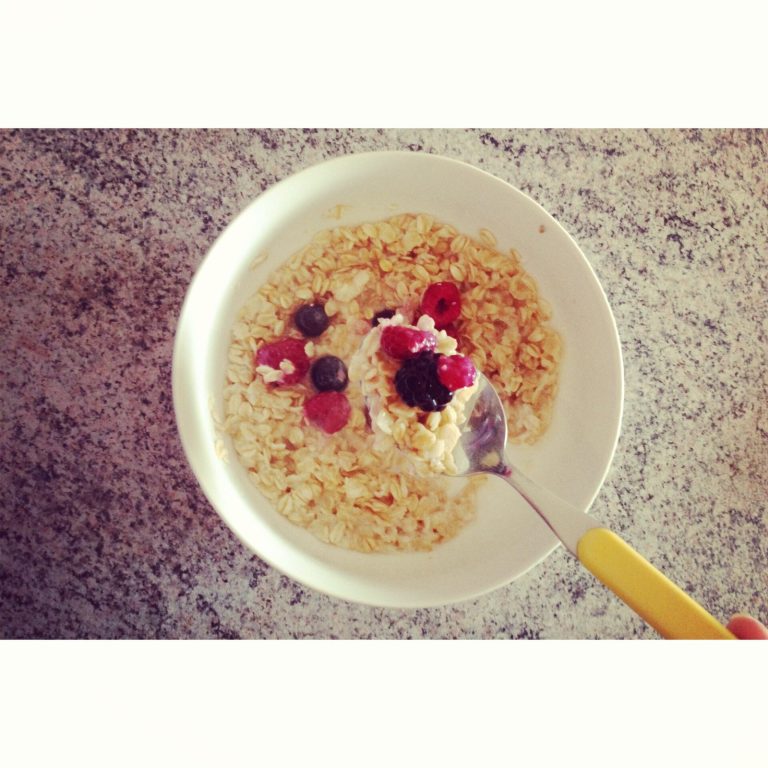
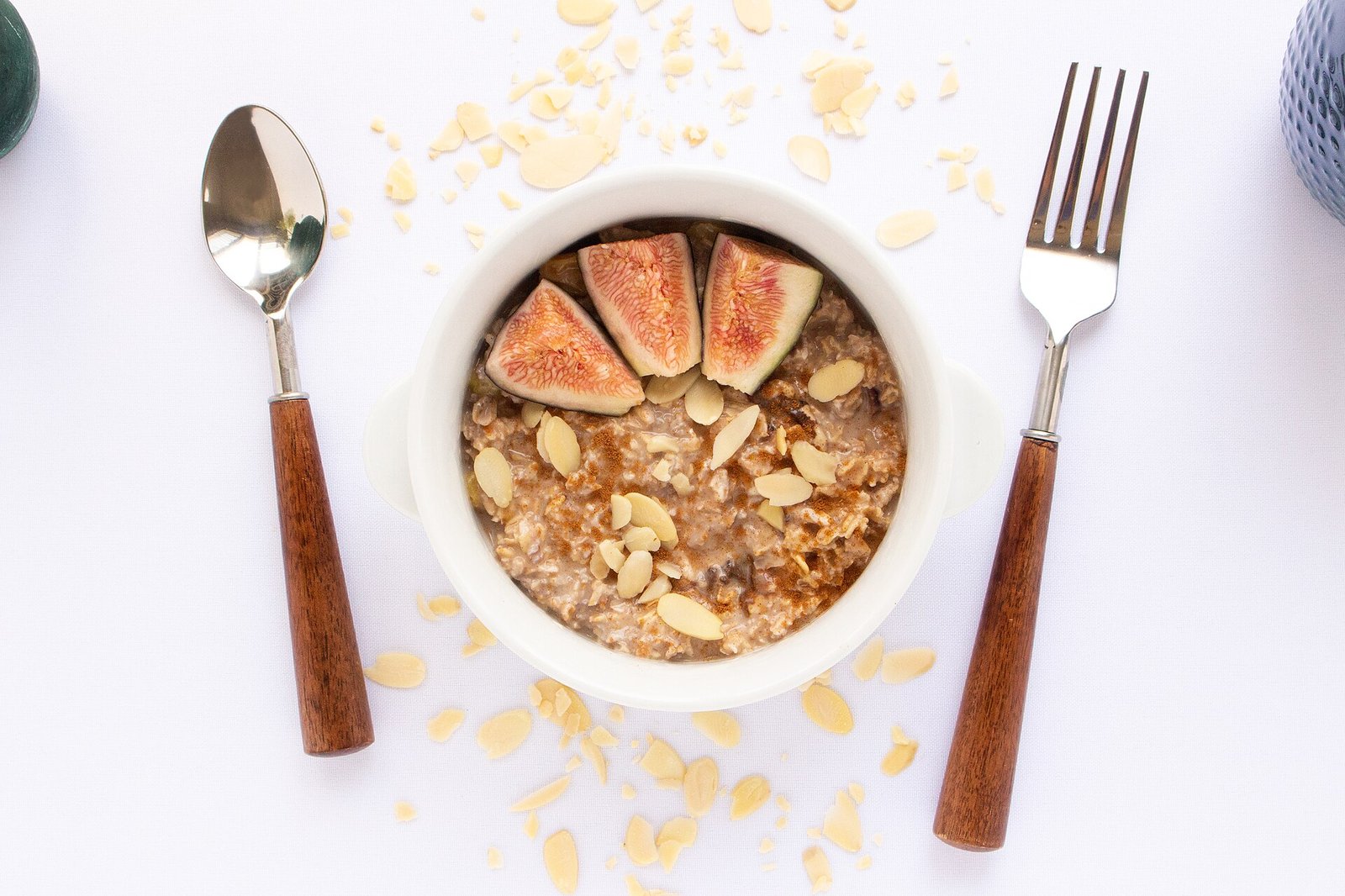
- – Breakfast: oatmeal with fruit; water.
- – Lunch: turkey or bean bowl with the same salad portion you usually eat; water.
- – Snack: yogurt or fruit.
- – Dinner: baked fish, cooked vegetables, rice or potato; water.
- – Evening: medicine timing per label—not a second untracked herbal tea “for circulation.”
5. Home setup tips
Keep a weekly greens log if on warfarin; store compression stockings where you will see them; plan short walk-and-drink breaks during TV or desk blocks as cleared.
6. If atrial fibrillation or heart-valve issues coexist
Anticoagulation kitchen themes overlap Atrial Fibrillation Diet, but clot location and duration plans stay with your clinician.
Safety, interactions, and who should ask a clinician first
- – Warfarin: INR monitoring, vitamin K consistency, herbal/OTC checks (MedlinePlus).
- – Other anticoagulants: still report bleeding signs; ask before new supplements.
- – Pregnancy or planning pregnancy: warfarin has major fetal-risk warnings—clinician only.
- – Kidney or liver disease: dosing and diet limits may change.
- – Fall risk or contact sports: MedlinePlus warns warfarin raises injury-bleeding risk.
- – Call emergency services for possible PE symptoms or serious bleeding.
FAQ
Can diet dissolve a DVT? No. Food may support hydration and safer medicine use; it does not replace anticoagulation or procedures your clinician orders.
Should I stop all leafy greens on warfarin? MedlinePlus emphasizes consistent vitamin K intake, not necessarily lifelong zero greens. Ask for a personal plan.
Do I need a “detox juice” after a clot? No. Unregulated cleanses can dehydrate or interact with medicines.
How is this different from a varicose-veins diet page? Surface vein comfort themes overlap Varicose Veins Diet, but DVT recovery prioritizes clot medicines, PE vigilance, and anticoagulant–food interactions.
What about long flights after a DVT? MedlinePlus-style trip tips include breaks to walk/stretch and fluids—ask your clinician before travel and about medicine timing.
How this differs from related OTCFood topics
This page is a DVT-recovery-bound diet guide focused on fluids, mobility-friendly meals, and anticoagulant kitchen safety. It is not a DIY clot protocol, not a PE treatment plan, and not a substitute for hematology or vascular follow-up.
Medical disclaimer
Medical disclaimer: This article is for general information only. It is not medical advice, diagnosis, or a treatment plan. Care after DVT depends on clot location, bleeding risk, other conditions, and your prescribed anticoagulant. Talk with a clinician or registered dietitian before starting, stopping, or changing any eating plan, supplement, or medicine. Seek emergency care for sudden shortness of breath, chest pain, coughing blood, fainting, or signs of serious bleeding.