Diet After Varicose Vein Surgery: Foods That May Help and Foods to Limit
Medical note: This article discusses foods and researched botanicals. It does not claim to prevent, treat, or cure disease. Supplements are not a substitute for food, and studied amounts are not personal prescriptions.
People searching “diet after varicose vein surgery foods that help or worsen” usually want eating patterns that support walking, healthy weight, and constipation prevention while compression and elevation rules support leg recovery—not a claim that food seals procedure-closed veins, prevents every new varicosity, or replaces procedures. MedlinePlus describes varicose veins as swollen, twisted veins under the skin, often in the legs, and notes self-care steps such as exercise, weight loss when overweight, elevating legs, and avoiding long standing. NHLBI likewise emphasizes healthy weight, physical activity (especially walking), and elevating feet; procedures may close or remove problem veins, and new veins can still form later. Kitchen habits support those lifestyle pillars during recovery from stripping, ablation, phlebectomy, or sclerotherapy as directed by your vascular clinician.
What this after-varicose-vein-surgery diet guide covers (and what it does not)
This guide is for adults recovering from varicose vein procedures who need practical meals compatible with compression stockings, short walks, and leg elevation. Anchors: MedlinePlus — Varicose Veins, MedlinePlus — Varicose veins (encyclopedia), MedlinePlus — Varicose vein stripping, MedlinePlus — Varicose vein noninvasive treatment, MedlinePlus — Varicose and other vein problems self-care, and NHLBI — Varicose Veins.
MedlinePlus stripping aftercare describes bandages for swelling/bleeding control for several days and compression thereafter; noninvasive ablation pages often note return to normal activities within 1–2 days with daytime compression for about a week. Related reading: varicose veins diet guide and chronic venous insufficiency diet guide.
Evidence snapshot: after-varicose-vein-surgery diet claims vs public sources
| Claim people hope for | What public sources actually say | Confidence |
|---|---|---|
| “A detox tea closes veins better than ablation” | NHLBI/MedlinePlus center procedures plus lifestyle; teas are not vein-closure protocols | Strong |
| “Bed rest and zero walking protect surgical results” | Self-care emphasizes gentle walking/exercise to move blood up the legs; NHLBI: stay active; ask before strenuous lifting | Strong against prolonged immobility |
| “Diet guarantees veins never return” | NHLBI: new varicose veins may form even after treatment | Strong: prevention is partial |
| “Salt never matters after vein work” | Individualize with blood pressure/heart plans; constipation from low fiber often matters more immediately postop | Moderate |
| “Horse chestnut replaces compression stockings” | MedlinePlus lists horse chestnut among related topics people read; compression and clinician plans remain primary self-care | Strong: do not replace stockings |
Foods and patterns that may help after varicose vein surgery day to day
“May help” means supporting walking energy, weight patterns your clinician endorses, and soft stools so straining is less likely—not chemical vein glue from salad.
Fiber and fluids for easier bowel habits
- – Straining raises abdominal pressure; keep oats, fruits, vegetables, beans, and water in the rotation—see constipation diet guide.
- – Especially useful if pain medicines slow the bowels after more invasive stripping.
Protein for recovery fueling
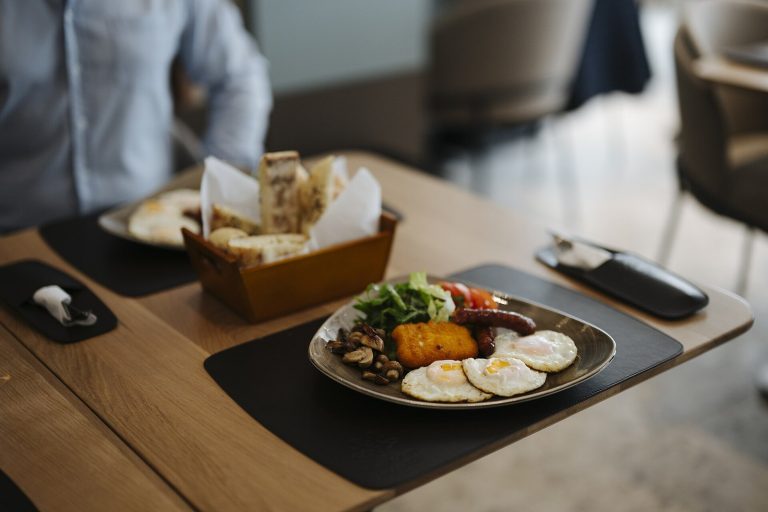
- – Eggs, fish, poultry, dairy or fortified alternatives, tofu, and beans support recovery calories while you wear compression and take short walks.
Produce-forward plates that fit weight goals
- – MedlinePlus and NHLBI: lose weight if overweight; aim for a healthy weight to ease vein pressure.
- – Fill half the plate with vegetables/fruit when appetite allows; choose baked/grilled proteins over frequent fried takeout.
Meal timing that enables elevation breaks
- – MedlinePlus self-care: raise legs above the heart 3–4 times a day for 5–15 minutes; do not sit or stand for long periods without moving.
- – Prep grab-and-go snacks so elevation blocks are not interrupted by long kitchen standing.
Heart-aware patterns when relevant
- – NHLBI links overall heart-healthy living with activity and diet tips; if you also manage blood pressure, coordinate with hypertension diet guide rather than stacking conflicting advice.
Foods and habits that often worsen after-varicose-vein-surgery kitchen patterns
- – Immobility + heavy ultra-processed grazing that adds weight and skips walking.
- – Very low fiber leading to constipation and straining.
- – Heavy lifting “workouts” too early, including giant water-cooler jugs—NHLBI warns strenuous exercise/heavy lifting might worsen varicose veins; ask your provider about intensity.
- – Alcohol excess that dehydrates and impairs walking consistency.
- – High-heel-only days that limit ankle movement (NHLBI footwear note) combined with long standing at food-service jobs—bend and straighten legs often (self-care).
- – Ignoring sudden leg pain/swelling, fever, redness, bleeding, or ulcers—MedlinePlus contact triggers.
“Limit” means reducing strain and inactivity—not blaming one salty meal for vein recurrence.
Practical kitchen protocol: an after-varicose-vein-surgery diet week
1. Keep the medical spine first
Confirm procedure type (stripping vs ablation vs sclerotherapy/phlebectomy), bandage/compression schedule, walking goals, showering rules, ultrasound follow-up if used, and clotting precautions. Smoking cessation matters for recovery—MedlinePlus noninvasive pages urge cutting back or quitting.
2. Shopping list for walking-friendly recovery
Oats; berries; pears/prunes; leafy greens; beans; yogurt; eggs; fish; whole-grain bread; olive oil; unsalted nuts; plenty of water; easy microwave vegetables for days compression feels tiring.
3. Default plate
- – Lean protein
- – High-fiber carbohydrate
- – Vegetables/fruit
- – Fluid
- – Then a short walk or ankle pumps as cleared—not a couch lock-in
4. Sample day (illustrative after clinician clears light activity)
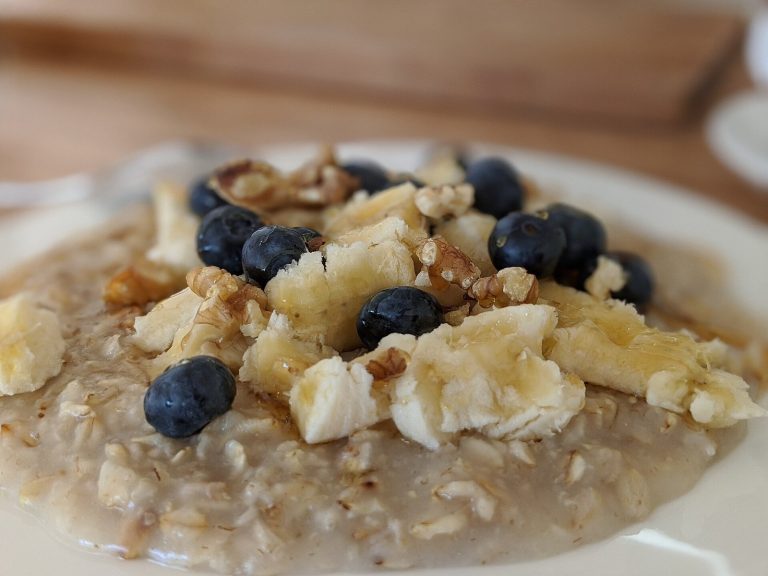
- – Breakfast: oatmeal with berries; water.
- – Mid-morning: elevate legs 10 minutes; herbal tea if desired.
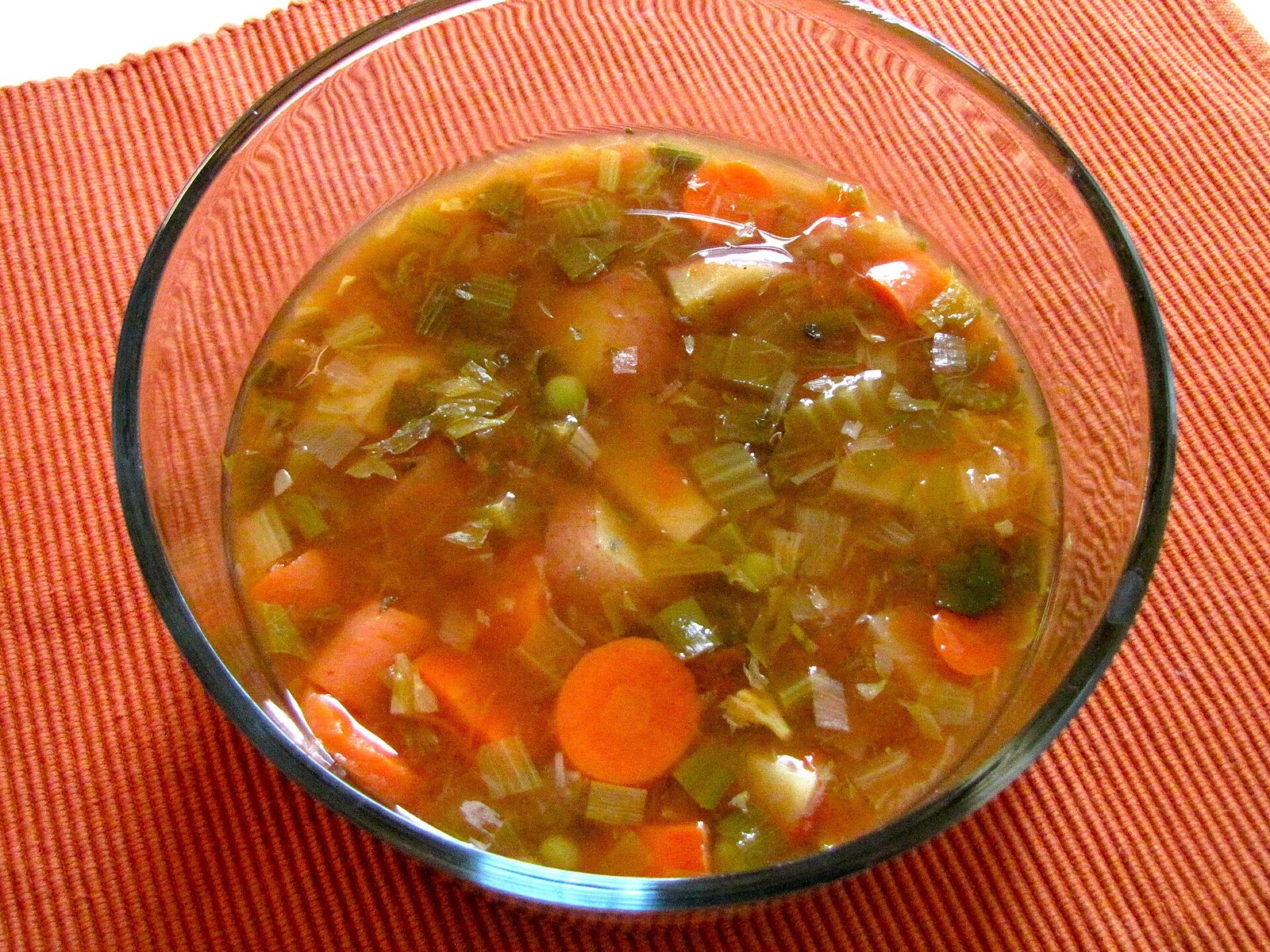
- – Lunch: lentil soup; salad; fruit; short walk.
- – Snack: yogurt.
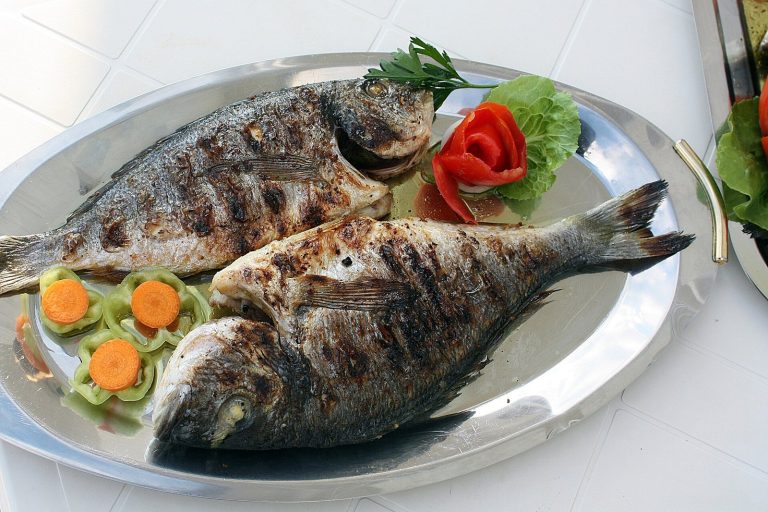
- – Dinner: baked fish, potatoes, cooked greens.
- – Evening: elevate again; compression per instructions—not a heavy deadlift session.
Compression-day meal logistics
- – Lay out breakfast the night before so you are not rushing stockings and stove at once.
- – Choose dinners that reheat in under ten minutes after your evening walk, then elevate while eating if your clinician allows that posture with meals.
- – Keep a water bottle at your desk so fluid goals do not depend on repeated kitchen standing.
Skin and wound nutrition basics
- – Adequate protein and produce support general recovery while bandages are on; do not apply food products or oils to incisions unless your clinician said to.
- – If appetite is poor after anesthesia, prioritize protein drinks or yogurt cups before empty-calorie sodas.
5. Workday tactics
Set phone timers to flex ankles and walk halls; pack lunch so you are not standing in long cafeteria lines early after ablation.
6. Related vein pages
Ongoing non-surgical kitchen themes: varicose veins diet guide. Skin changes or ulcer risk context: chronic venous insufficiency diet guide. Heart-failure fluid rules differ—see heart failure diet guide if that diagnosis exists.
Safety, interactions, and who should ask a clinician first
- – Anticoagulants or antiplatelet drugs around procedures: follow the proceduralist’s stop/restart food and medicine rules exactly.
- – Pregnancy-related varicosities: separate plans—NHLBI notes pregnancy management often focuses on compression and symptom relief.
- – Kidney disease: individualize fluids and protein.
- – Seek care for bleeding, rapidly worsening swelling, fever, or wounds that will not close.
FAQ
Can diet keep varicose veins from coming back forever? No. NHLBI notes new varicose veins may form even after treatment; lifestyle still helps symptoms and overall risk.
Should I stay in bed to protect the veins? Public self-care emphasizes gentle walking and avoiding long static standing/sitting—ask how soon you should walk after your specific procedure.
Why is fiber mentioned after vein surgery? To limit constipation and straining while you wear compression and recover.
Do I need a special “vein vitamin”? Focus first on clinician-directed compression, walking, and weight patterns; discuss supplements before buying.
How is this different from a general varicose veins diet page? Overlap is large—see varicose veins diet guide—but post-procedure care adds bandage/compression timelines your clinician owns.
How this differs from related OTCFood topics
This page is a post–varicose-vein-procedure diet guide focused on fiber, walking-friendly meals, and weight-supportive patterns. It is not a sclerotherapy consent form and not a substitute for vascular follow-up.
Medical disclaimer
Medical disclaimer: This article is for general information only. It is not medical advice, diagnosis, or a treatment plan. Care after varicose vein surgery or ablation depends on technique, clotting risk, compression plans, and your clinician’s protocol. Talk with a clinician or registered dietitian before starting, stopping, or changing any eating plan, supplement, or medicine. Seek urgent care for bleeding, infection signs, or sudden severe leg swelling.