Diet After Mitral Valve Repair: Foods That May Help and Foods to Limit
Medical note: This article discusses foods and researched botanicals. It does not claim to prevent, treat, or cure disease. Supplements are not a substitute for food, and studied amounts are not personal prescriptions.
People searching “diet after mitral valve repair foods that help or worsen” usually want kitchen habits that support heart-healthy patterns, fluid and sodium goals if prescribed, and easier meals under sternal or chest activity limits—not a claim that food rebuilds valve leaflets or replaces cardiac rehab, blood thinners when used, or follow-up imaging. MedlinePlus describes mitral valve surgery as repair or replacement so blood keeps moving forward between the left atrium and left ventricle. NHLBI notes heart surgery can repair or replace valves and that recovery often includes ICU then hospital days before home activity advances slowly. DASH guidance from NHLBI offers a flexible heart-healthy template many cardiac teams reference after valve procedures.
What this after-mitral-valve-repair diet guide covers (and what it does not)
This guide is for adults recovering from mitral valve repair (or closely related mitral surgery pathways) who want practical eating patterns while they follow incision care, lifting limits, anticoagulation if prescribed, and cardiac rehab. Anchors: MedlinePlus — Mitral valve surgery (minimally invasive), NHLBI — Heart surgery, NHLBI — Heart surgery recovery, NHLBI — DASH eating plan, and MedlinePlus — Low-salt diet.
MedlinePlus notes hospital stays often last several days, with gradual activity afterward; mechanical valves need long-term anticoagulation discussions, while biologic valves have different clot profiles. Kitchen changes do not replace fever watches, wound checks, or arrhythmia follow-up. Related reading: diet after CABG guide and hypertension diet guide.
Evidence snapshot: after-mitral-valve-repair diet claims vs public sources
| Claim people hope for | What public sources actually say | Confidence |
|---|---|---|
| “A heart-cleansing juice reverses valve surgery” | NHLBI/MedlinePlus center surgical repair/replacement, medicines, and rehab—not culinary valve “rebuilds” | Strong: food is supportive only |
| “Sodium never matters after a successful repair” | MedlinePlus low-salt pages highlight sodium limits especially with high blood pressure or heart failure; DASH targets about 2,300 mg sodium/day, with 1,500 mg lowering BP further for many | Moderate–strong when BP/HF coexist |
| “DASH requires specialty foods only” | NHLBI: DASH needs no special foods—vegetables, fruits, whole grains, low-fat dairy, fish/poultry/beans, limited saturated fat and sweets | Strong |
| “Pain medicines mean you should skip protein” | Recovery fueling still needs adequate protein within heart-healthy fat patterns; follow your team’s diet orders | Moderate practical consensus |
| “Alcohol ‘thins blood’ safely with anticoagulants” | Do not invent alcohol–anticoagulant experiments; ask your cardiology team before any drinking | Strong safety caution |
Foods and patterns that may help after mitral valve repair day to day
“May help” means supporting blood-pressure-aware, lower-sodium, nutrient-dense plates that fit fatigue and incision limits—not a promise that dinner erases surgical recovery weeks.
DASH-leaning plates
- – NHLBI DASH recommends vegetables, fruits, whole grains; fat-free or low-fat dairy; fish, poultry, beans, nuts, and vegetable oils; limited fatty meats, full-fat dairy, tropical oils, and sugar-sweetened drinks.
- – Example 2,000-calorie DASH targets include about 4–5 vegetable and 4–5 fruit servings daily, 6–8 grains, and sodium around 2,300 mg (1,500 mg may lower BP more)—confirm calories and sodium with your clinician.
- – Overlap with hypertension diet guide and heart failure diet guide when those diagnoses apply.
Lower-sodium shopping habits
- – MedlinePlus: prefer fresh meats/fish/poultry and fresh or frozen produce; look for low-sodium / no-salt-added labels; a product under about 140 mg sodium per serving is a helpful benchmark; season with herbs, pepper, garlic powder (not garlic salt), and lemon instead of packaged spice blends that hide salt.
- – Rinse canned beans if using; compare soup labels carefully.
Soft, easy proteins while appetite returns
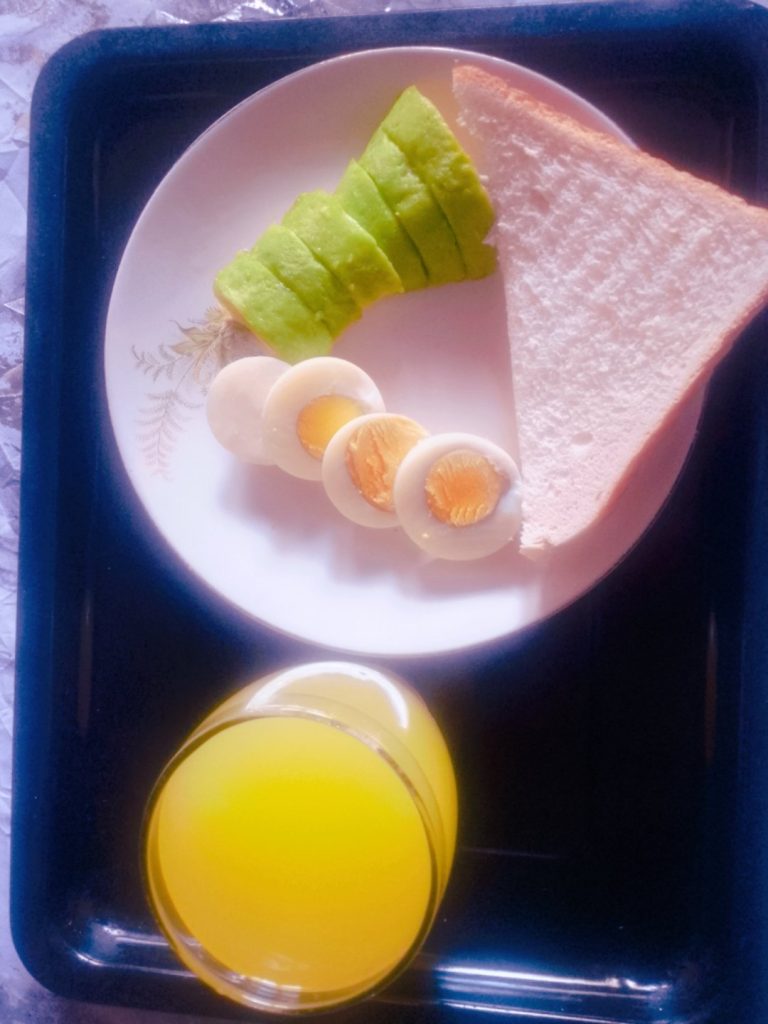
- – Eggs, yogurt, fish, poultry, tofu, and beans (as tolerated) support recovery fueling without heavy frying.
- – Batch-cook shredded chicken or baked fish so helpers can reheat under lifting limits.
Potassium-, magnesium-, and fiber-aware patterns inside DASH
- – Fruits, vegetables, beans, and low-fat dairy contribute minerals DASH highlights—coordinate potassium limits if you take certain heart medicines or have kidney disease.
Steady meals for medicine timing
- – If you take anticoagulants, diuretics, or rhythm medicines with food rules, keep meal times predictable rather than skipping breakfast then grazing late.
- – Device or rhythm contexts may also appear in diet after pacemaker implantation guide.
Foods and habits that often worsen after-mitral-valve-repair kitchen patterns
- – High-sodium restaurant stacks, cured meats, chips, and bottled sauces that blow through a 2,300 mg day quickly (MedlinePlus high-salt list includes bacon, hot dogs, soy sauce, many cheeses, pickles, and snack foods).
- – Sugar-sweetened beverages and frequent sweets contrary to DASH limits.
- – Heavy saturated-fat patterns (fatty meats, full-fat dairy, tropical oils) when your team wants heart-healthy fats.
- – Large alcohol intakes that disrupt sleep, interact with medicines, or add empty calories—ask before any use.
- – “Detox” laxative teas while healing and possibly anticoagulated.
- – Expecting kitchen changes to fix sudden shortness of breath, chest pain, syncope, wound drainage, or leg swelling—those need clinical evaluation.
- – Ignoring fluid restrictions if heart failure coexists—see heart failure diet guide and pericarditis diet guide for related cardiac diet themes without equating diagnoses.
“Limit” means reducing sodium, saturated fat, and recovery chaos—not lifelong food fear after a successful repair.
Practical kitchen protocol: an after-mitral-valve-repair diet week
1. Keep the medical spine first
Confirm incision/sternal precautions, anticoagulation INR or DOAC timing if prescribed, blood-pressure and weight goals, cardiac rehab start date, and sodium/fluid orders. Put medicine boxes at eye level.
2. Shopping list for heart-aware recovery
Oats; berries and other fruit; leafy greens; beans; low-sodium or rinsed canned goods; fish; poultry; low-fat yogurt/milk; olive oil; herbs/lemon; unsalted nuts in small portions if cleared; frozen single meals helpers can reheat.
3. Default plate template
- – Lean protein
- – Vegetables filling half the plate when appetite allows
- – Whole grain or starchy vegetable
- – Fruit
- – Low-fat dairy if used
- – Flavor without shaking the salt cellar
4. Sample day (illustrative—follow your sodium/fluid orders)
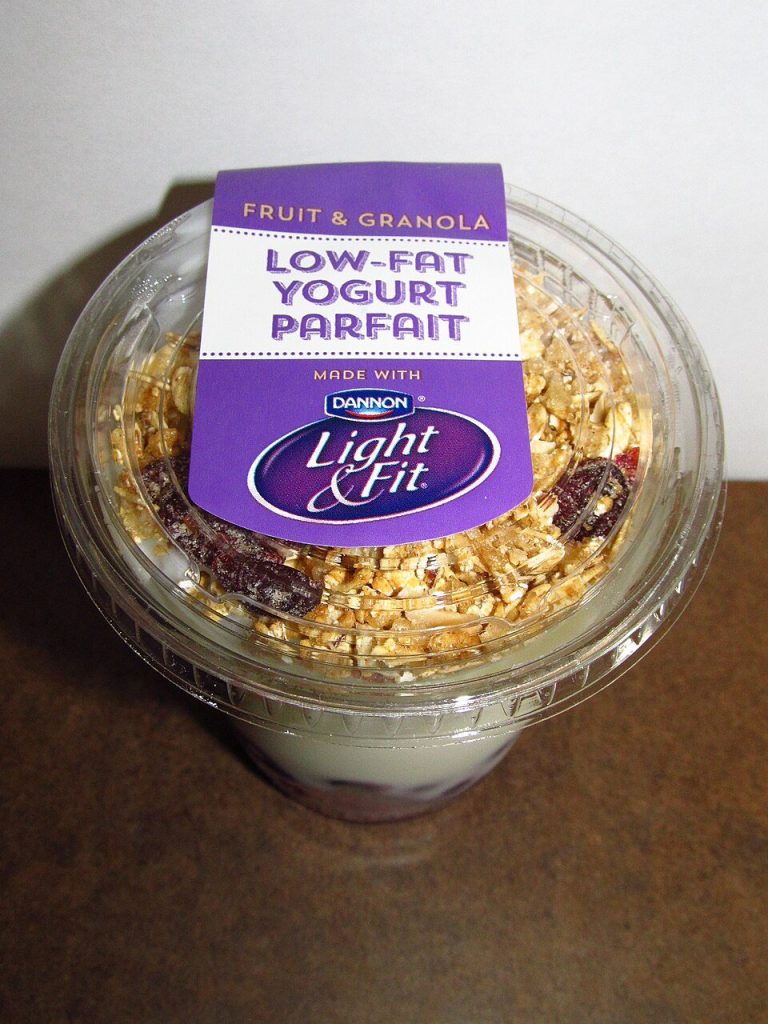
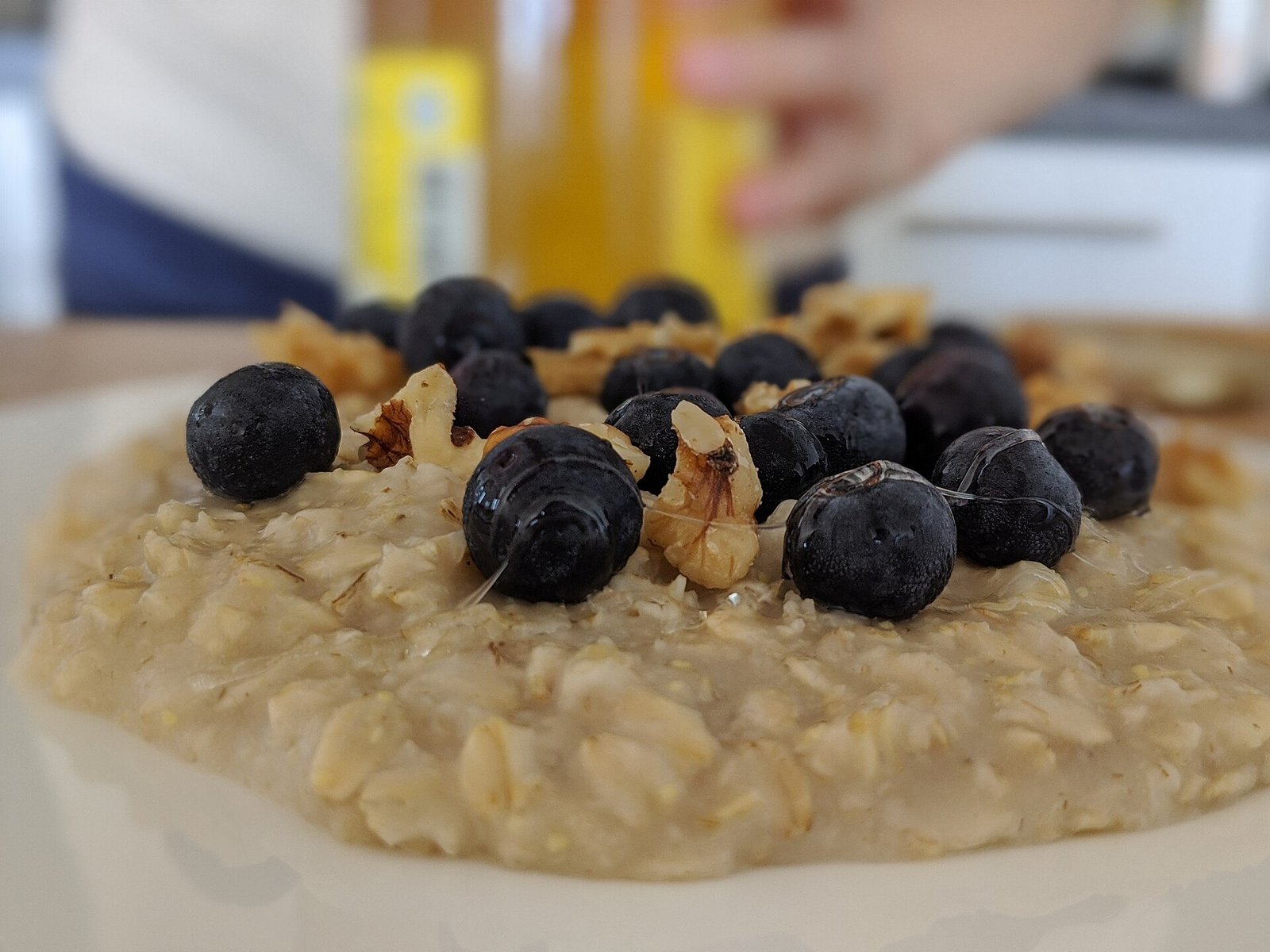
- – Breakfast: oatmeal with berries; low-fat yogurt; water or allowed fluids.
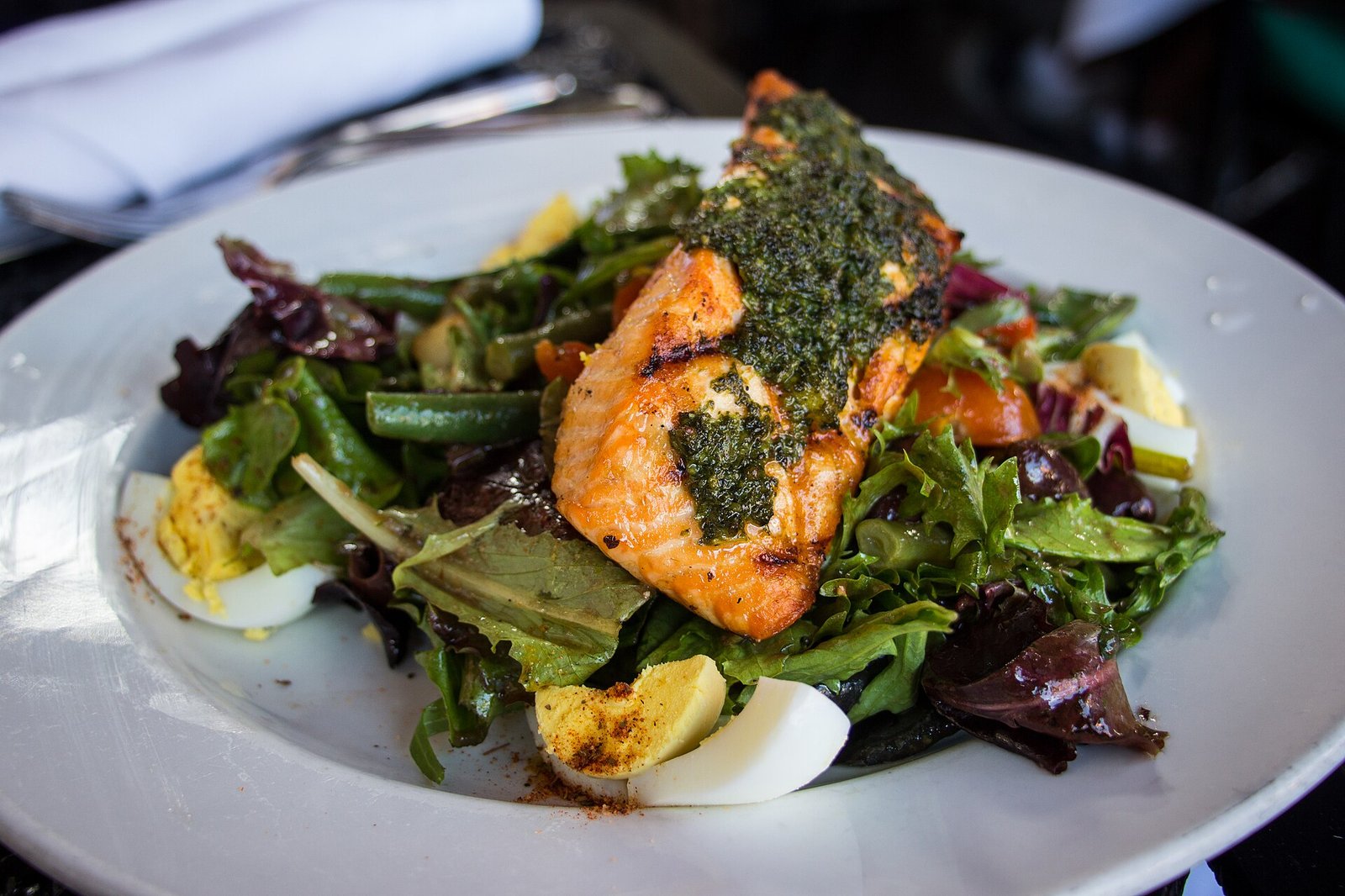
- – Lunch: grilled chicken salad with olive oil/lemon; whole-grain bread; fruit.
- – Snack: unsalted nuts (small) or fruit.
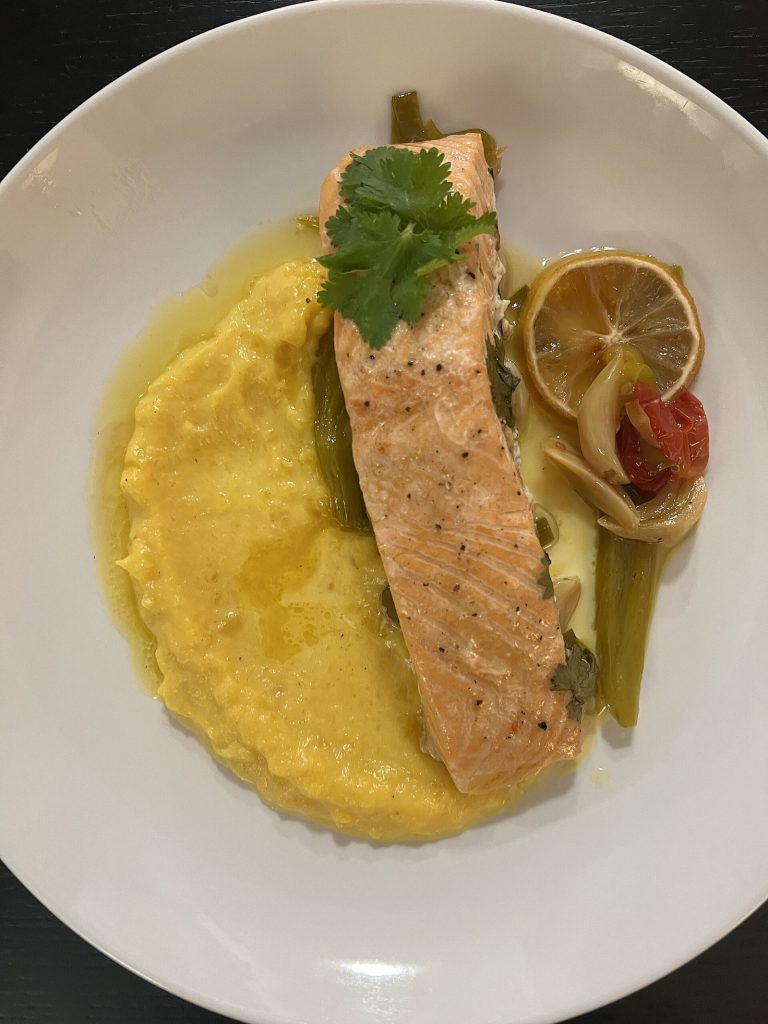
- – Dinner: baked fish, roasted vegetables, brown rice; side salad.
- – Evening: herbal tea if allowed—skip the late salty takeout.
5. Home setup tips
Store heavy water-cooler jugs where others lift them; keep a sodium label cheat-sheet on the fridge; stage recliner-friendly trays so you are not carrying full pots under sternal limits.
6. If CABG or heart-failure history coexists
Patterns overlap diet after CABG guide and heart failure diet guide, but valve-specific anticoagulation and imaging schedules stay with cardiology.
Safety, interactions, and who should ask a clinician first
- – Mechanical valve anticoagulation: consistent vitamin K intake patterns matter if on warfarin—ask before kale “superfood” swings or supplement stacks.
- – Kidney disease: individualize potassium, phosphorus, and fluid.
- – Diabetes: DASH-style plates still need carb awareness with your diabetes plan.
- – Contact cardiology/ER for chest pain, sudden dyspnea, syncope, fever with wound redness, or one-sided leg swelling.
FAQ
Can diet repair a mitral valve without surgery? No. Food supports heart-healthy living after surgery; it does not replace indicated valve repair or replacement.
How much sodium should I eat? MedlinePlus often discusses ≤2,300 mg/day for high blood pressure or heart failure contexts; DASH notes 1,500 mg may lower BP further. Your surgeon/cardiologist may set a personal target.
Is DASH only for hypertension? NHLBI frames DASH as a flexible heart-healthy eating style; many cardiac recovery plans borrow its patterns even when hypertension is not the only issue.
Do I need protein shakes? Not automatically. Food-first lean proteins usually suffice unless your clinician or dietitian recommends otherwise.
How is this different from a CABG diet page? Overlap is large—see diet after CABG guide—but mitral repair pages emphasize valve anticoagulation nuances and your specific incision pathway.
How this differs from related OTCFood topics
This page is a mitral-valve-repair-bound diet guide focused on DASH-leaning, sodium-aware meals during cardiac recovery. It is not a DIY anticoagulation protocol, not a cure claim for regurgitation or stenosis, and not a substitute for cardiology follow-up.
Medical disclaimer
Medical disclaimer: This article is for general information only. It is not medical advice, diagnosis, or a treatment plan. Care after mitral valve repair depends on repair vs replacement, anticoagulation, heart rhythm, heart-failure status, kidney function, and your surgical team’s protocol. Talk with a clinician or registered dietitian before starting, stopping, or changing any eating plan, supplement, or medicine. Seek urgent care for chest pain, severe shortness of breath, fainting, or signs of infection or clotting problems.