Diet After CABG (Heart Bypass): Foods That May Help and Foods to Limit
Medical note: This article discusses foods and researched botanicals. It does not claim to prevent, treat, or cure disease. Supplements are not a substitute for food, and studied amounts are not personal prescriptions.
People searching “diet after CABG foods that help or worsen” usually want heart-healthy kitchen habits that support recovery after coronary artery bypass grafting—not a claim that food rebuilds bypass grafts the way surgery and cardiac rehabilitation do. MedlinePlus explains that coronary artery bypass surgery (CABG, or heart bypass) creates a new path for blood to flow around blocked or narrowed coronary arteries and is often used for coronary artery disease (CAD). Before surgery, clinicians may try lifestyle changes, medicines, or angioplasty; after surgery, living-with resources commonly include cardiac rehabilitation. NHLBI notes heart surgery corrects heart problems when lifestyle changes, medicines, or other procedures are not enough. This guide focuses on eating patterns that align with public heart-disease prevention advice while you follow your surgical and rehab team.
What this after-CABG diet guide covers (and what it does not)
This guide is for adults recovering from CABG who want practical saturated-fat, sodium, added-sugar, and produce patterns that support secondary prevention—alongside prescribed medicines and cardiac rehab. Anchors: MedlinePlus — Coronary artery bypass surgery, NHLBI — Heart surgery, and MedlinePlus — How to prevent heart disease.
MedlinePlus prevention guidance encourages limiting saturated fats, high-sodium foods, and added sugars; eating plenty of fruit, vegetables, and whole grains; considering patterns such as DASH for blood pressure and cholesterol; staying active as advised; limiting alcohol; not smoking; managing diabetes, stress, weight, and sleep. Kitchen habits do not replace antiplatelet therapy, cholesterol or blood-pressure medicines, wound care, or supervised rehab when prescribed. Related reading: coronary artery disease diet guide and high cholesterol diet guide.
Evidence snapshot: after-CABG diet claims vs public sources
| Claim people hope for | What public sources actually say | Confidence |
|---|---|---|
| “A detox juice cleans coronary grafts” | MedlinePlus/NHLBI center on medical/surgical care plus lifestyle patterns—not culinary cures | Strong: food is supportive |
| “Diet replaces cardiac rehabilitation” | MedlinePlus living-with links highlight cardiac rehabilitation as a structured recovery resource | Strong: rehab is medical care |
| “Limiting saturated fat, sodium, and added sugar may support heart risk factors” | MedlinePlus prevention: limit those; emphasize fruit, vegetables, whole grains; DASH as an example plan | Strong for risk-factor support |
| “Any amount of smoking is fine if you eat salads” | MedlinePlus: not smoking / quitting lowers heart disease risk | Strong |
| “Heavy late alcohol helps you relax after bypass” | MedlinePlus: excess alcohol raises blood pressure and calories; if you drink, limits differ by sex—best not to drink | Moderate–strong for limits |
Foods and patterns that may help after CABG day-to-day
“May help” means supporting blood pressure, cholesterol, weight, and diabetes goals that reduce further heart risk—not dissolving plaque overnight.
Produce, whole grains, and lean proteins (prevention pattern)
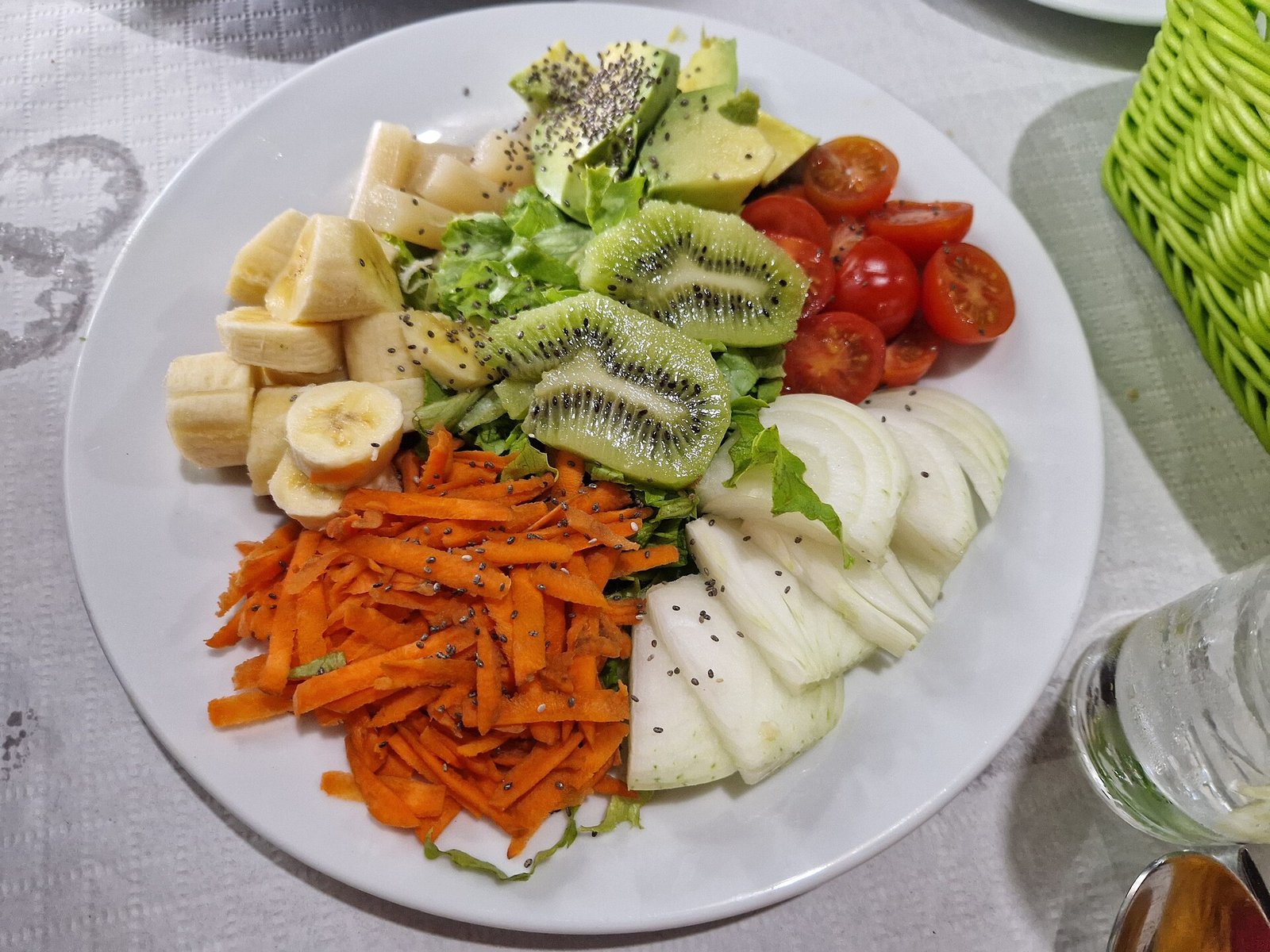
- – Emphasize fresh fruit, vegetables, and whole grains as MedlinePlus prevention summarizes.
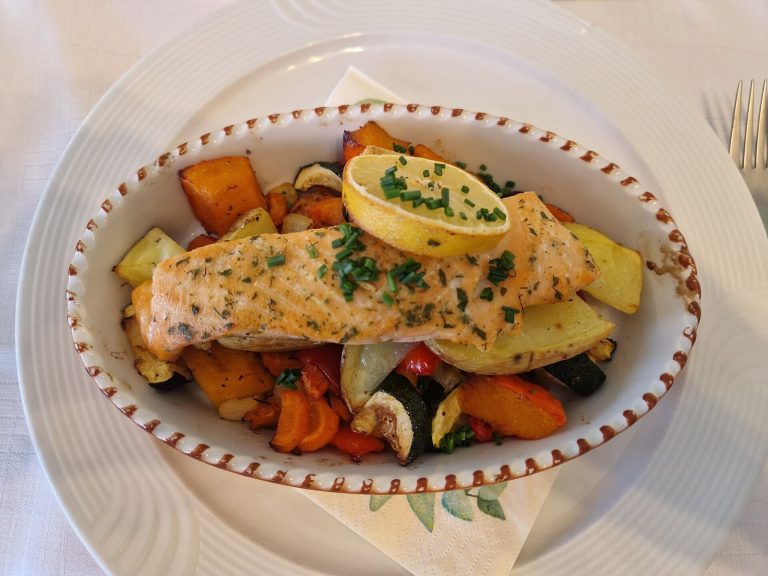
- – Choose fish, poultry without skin, beans, and low-fat dairy more often than fatty processed meats when your dietitian agrees.
- – Build plates similar to patterns discussed in hypertension diet guide when blood pressure is part of your plan.
Saturated fat and sodium awareness
- – Limit foods high in saturated fat and sodium; use herbs, citrus, garlic, and unsalted spices instead of salty packets when cooking at home.
- – Restaurant soups, deli meats, and fried fast foods often pack both salt and saturated fat—plan portions with your rehab dietitian.
Added sugars and refined snacks
- – Cut sugar-sweetened beverages and desserts that crowd out nutrient-dense calories during recovery when appetite may be odd.
- – If diabetes or prediabetes is present, coordinate carb patterns with your diabetes care team.
Early recovery textures and energy
- – After sternotomy, soft, easy-to-cut foods and smaller frequent meals may be more comfortable while appetite returns—advance as your surgical team allows.
- – Protein-containing meals support healing nutrition generally; exact targets come from your RD, especially if kidney disease or diabetes coexists.
Heart-failure or fluid issues when present
- – If you also have heart failure with fluid limits, follow those rules over generic “drink plenty” slogans—see heart failure diet guide.
Cardiac rehab and the kitchen class
Cardiac rehabilitation programs often include supervised activity plus education on reading labels, shopping, and cooking with less saturated fat and sodium. Bring your home cookware questions to that class instead of relying only on social media “artery flush” lists. If travel or cost barriers exist, ask your cardiology team for telehealth dietitian options so secondary-prevention eating does not stall after discharge.
Weight, waist, and stepwise goals
MedlinePlus prevention notes that controlling weight can lower risks tied to cholesterol, blood pressure, and diabetes. After CABG, aim for gradual changes your rehab team endorses—sudden crash diets can leave you fatigued during walking programs. Measure progress with how stairs feel and how medicines are tolerated, not only the scale.
Foods and habits that often worsen after-CABG kitchen patterns
- – Returning to daily smoking or heavy secondhand smoke—MedlinePlus ranks quitting among core prevention steps.
- – High-sodium processed meals every day that fight blood-pressure medicines.
- – Frequent fried foods and fatty processed meats that work against cholesterol goals.
- – Sugar-sweetened beverage habits that undermine weight and glucose control.
- – Skipping cardiac rehab diet education while chasing unverified “artery scrub” supplements.
- – Ignoring sternal precautions (for example, heavy grocery lifting before clearance) while focusing only on macros.
“Limit” means reducing patterns that raise recurrent risk—not perfection after one celebration meal you plan for.
Practical kitchen protocol: weeks after bypass
1. Medical spine first
Take antiplatelet, statin, beta-blocker, ACE/ARB, diabetes, and other medicines exactly as prescribed. Attend cardiac rehab when referred. Report chest pain, sudden shortness of breath, wound drainage, fever, or fainting urgently.
2. Shopping list for a heart-aware kitchen
Vegetables and fruit; oats and other whole grains; beans; fish; skinless poultry; unsalted nuts in portions if allowed; olive or other unsaturated oils as advised; herbs; plain yogurt; water or unsweetened tea.
3. Default plate template
- – Half non-starchy vegetables
- – Quarter whole-grain or high-fiber starch
- – Quarter lean protein
- – Minimal added salt at the table
4. Sample day (illustrative)
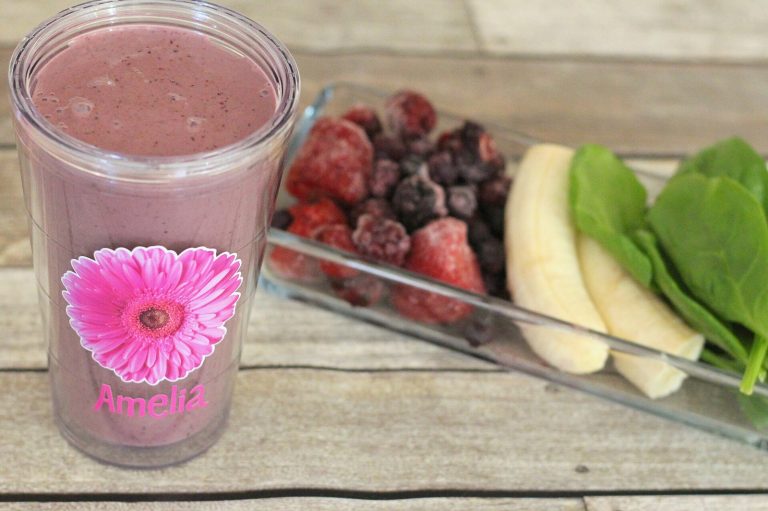
- – Breakfast: oatmeal with berries; low-fat milk or fortified alternative.
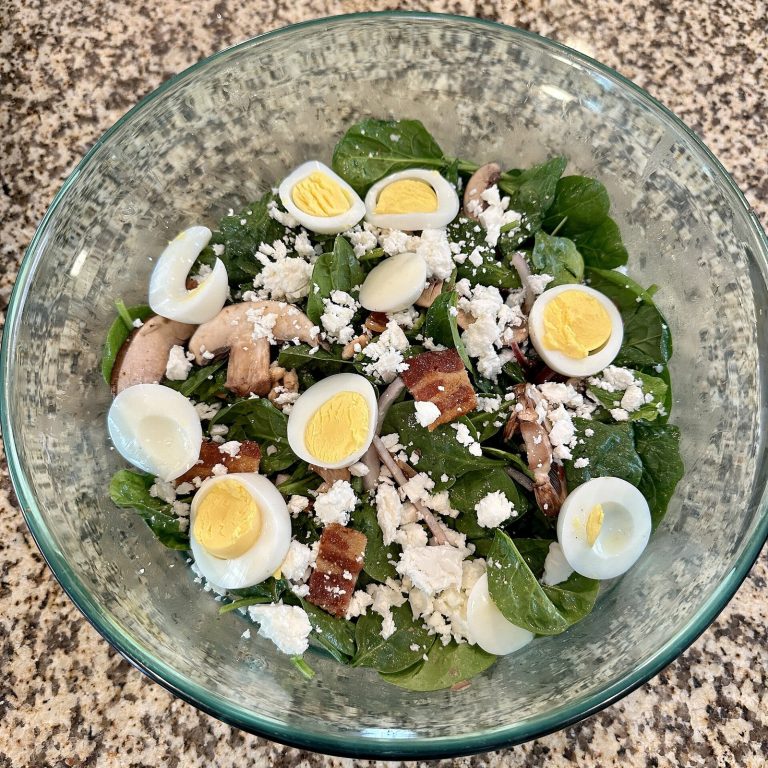
- – Lunch: grilled chicken or bean salad; large vegetable portion; fruit.
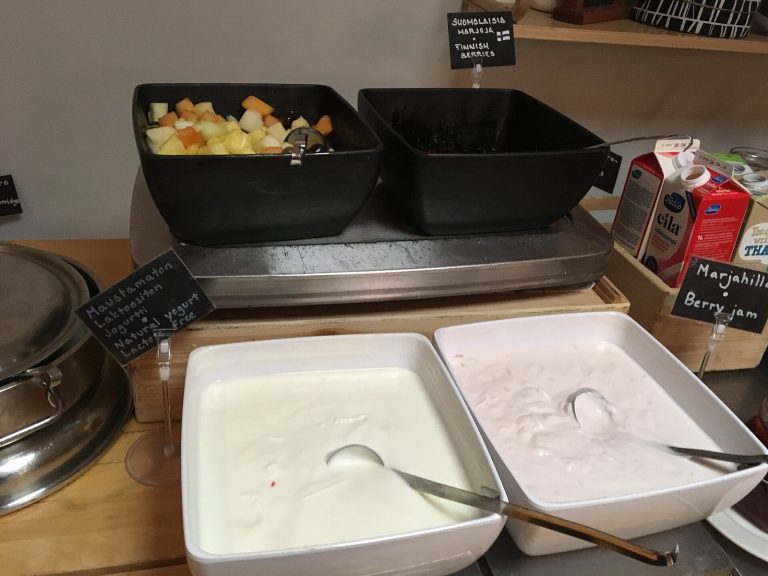
- – Snack: yogurt or a small handful of unsalted nuts if on plan.
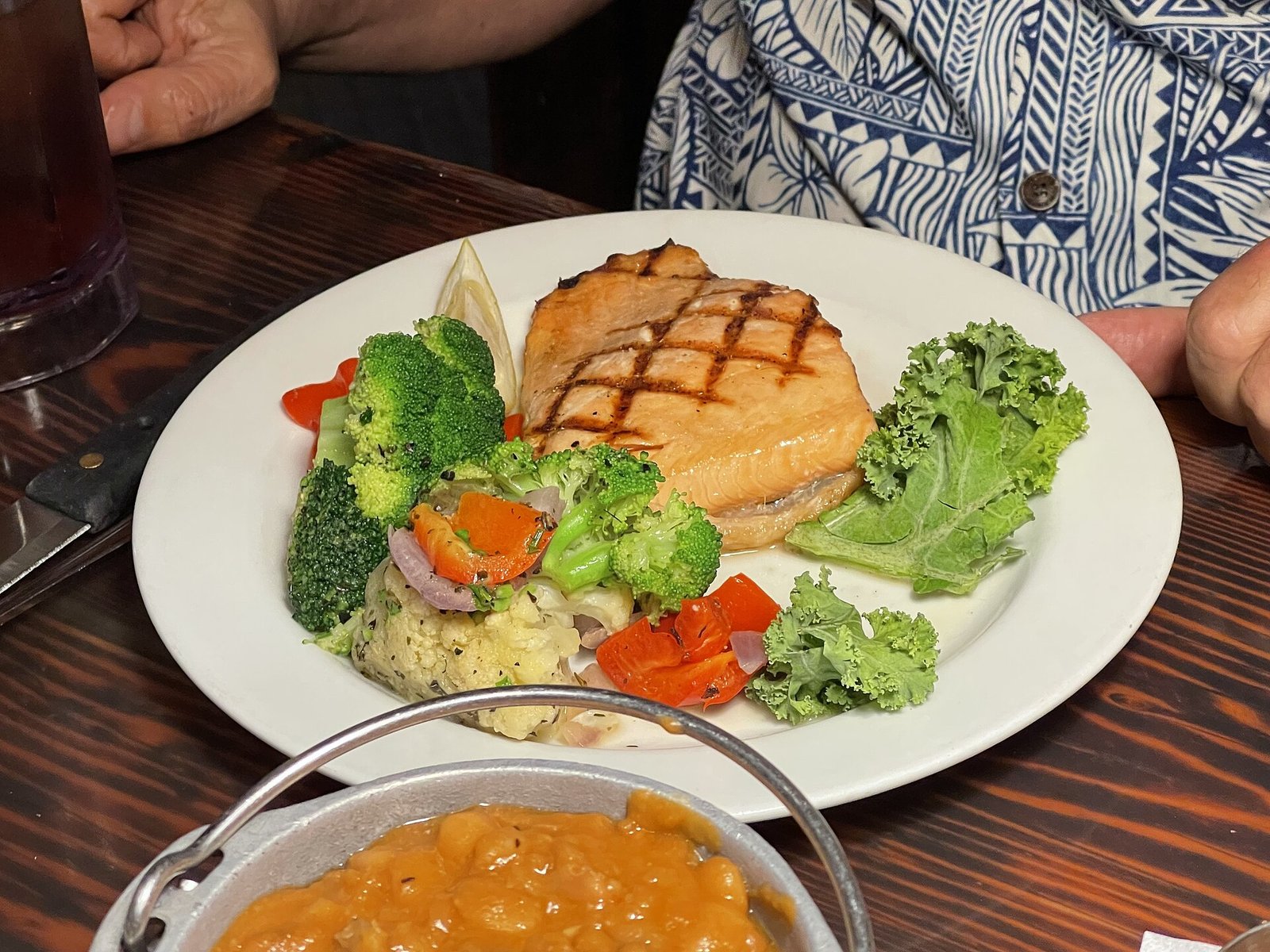
- – Dinner: baked fish, brown rice, steamed broccoli; fruit for dessert.
- – Evening: no tobacco; alcohol only if cleared and within MedlinePlus-style limits—or none.
5. Label reading habit
Compare sodium per serving; prefer products closer to your RD’s daily sodium budget. Watch saturated fat lines on nutrition facts.
Safety, interactions, and who should ask a clinician first

- – Grapefruit can interact with some heart medicines—ask your pharmacist.
- – High-dose fish oil, vitamin E, or herbal “blood thinners” can interact with antiplatelet therapy—clear supplements first.
- – Diabetes doubles heart disease risk per MedlinePlus prevention notes—glucose plans stay medical.
- – Sleep problems raise cardiometabolic risk; snoring with pauses needs evaluation, not only diet tweaks.
- – Kidney disease changes potassium and fluid advice—do not copy a general DASH plate blindly.
FAQ
Will diet undo the fact that I needed bypass? No. CABG already created new pathways. Diet and medicines aim to protect remaining arteries and grafts from further damage—not to undo history.
Is cardiac rehab optional if I eat perfectly? Rehab includes supervised activity, education, and risk-factor coaching. MedlinePlus lists it among living-with resources; ask your surgeon before skipping.
Is the DASH diet mandatory? MedlinePlus cites DASH as an example plan that can help blood pressure and cholesterol. Your RD may use DASH, Mediterranean-style, or another heart-healthy pattern tailored to you.
Can I use salt substitutes freely? If you have kidney disease or take certain medicines, potassium-based substitutes may be unsafe—ask first (same caution used in kidney nutrition education).
When can I lift grocery bags again? Follow sternal precaution timelines from your surgical team—not a food blog.
How this differs from related OTCFood topics
This page is an after-CABG-bound diet guide tying MedlinePlus prevention patterns to post-bypass recovery and rehab adherence. It is not a primary coronary artery disease diet guide overview for people who have not had surgery, and not a substitute for emergency care of acute chest syndromes.
Medical disclaimer
Medical disclaimer: This article is for general information only. It is not medical advice, diagnosis, or a treatment plan. Eating after CABG depends on surgical details, medicines, diabetes and kidney status, and cardiac rehab orders. Talk with your cardiologist, cardiac rehab clinician, or registered dietitian before starting, stopping, or changing any eating plan, supplement, or medicine. Seek emergency care for chest pain, sudden severe shortness of breath, fainting, or signs of stroke.