Achalasia Diet: Foods That May Help and Foods to Limit
Medical note: This article discusses foods and researched botanicals. It does not claim to prevent, treat, or cure disease. Supplements are not a substitute for food, and studied amounts are not personal prescriptions.
People searching “achalasia diet foods that help or worsen” usually want texture and timing habits that make swallowing safer while they pursue clinician-guided care—not a claim that soft food replaces procedures that reduce lower esophageal sphincter pressure when those are indicated. MedlinePlus explains that achalasia makes it harder for the esophagus to move food into the stomach. The lower esophageal sphincter (LES) does not relax as it should, and normal esophageal muscle activity (peristalsis) is reduced or absent because of nerve damage. Symptoms can include regurgitation of food, chest pain after eating, cough, difficulty swallowing liquids and solids, heartburn, and unintentional weight loss.
What this achalasia diet guide covers (and what it does not)
This guide is for adults with diagnosed or suspected achalasia who need practical kitchen strategies while they follow gastroenterology advice. Anchors: MedlinePlus — Achalasia, MedlinePlus — Swallowing Disorders, and NIDDK — Acid Reflux (GER & GERD) for related reflux-symptom context (achalasia is not the same disease as GERD).
MedlinePlus notes treatments aimed at reducing LES pressure so food and liquids pass more easily: botulinum toxin injections (benefit often weeks to months), medicines such as long-acting nitrates or calcium channel blockers (rarely a long-term solution), surgical myotomy, per oral endoscopic myotomy (POEM), and endoscopic dilation. MedlinePlus swallowing-disorder pages add that diet changes, head/neck positioning, speech-language pathology therapy, and—in serious cases—feeding tubes may be part of dysphagia care. Kitchen texture work supports comfort and nutrition; it does not replace evaluation for procedures when indicated.
Evidence snapshot: achalasia diet claims vs public sources
| Claim people hope for | What public sources actually say | Confidence |
|---|---|---|
| “A soft diet cures achalasia” | MedlinePlus centers LES-targeted procedures/medicines; diet is supportive for swallowing comfort and nutrition | Strong: food is adjunct |
| “Heartburn means ordinary GERD diet rules fix achalasia” | Achalasia can cause heartburn-like symptoms, but the mechanism is failed LES relaxation/peristalsis—not identical to GERD acid disease | Strong: do not self-treat as simple GERD |
| “If liquids go down, solids will eventually ‘train’ the esophagus” | MedlinePlus: difficulty with liquids and solids; treatments address sphincter pressure | Strong: do not force challenging textures |
| “Weight loss is just ‘detox’” | MedlinePlus lists unintentional weight loss and possible malnutrition/anemia signs on exam | Strong: weight loss needs clinical attention |
| “Botox or dilation failed because soup was wrong” | MedlinePlus: Botox benefit can wear off; medicines rarely long-term; procedures are main durable options for many | Strong: procedure planning is clinical |
Foods and patterns that may help with achalasia day-to-day swallowing comfort
“May help” means easier, safer oral intake and calorie support between procedures—not a promise to restore peristalsis.
Texture progression guided by your clinician or SLP
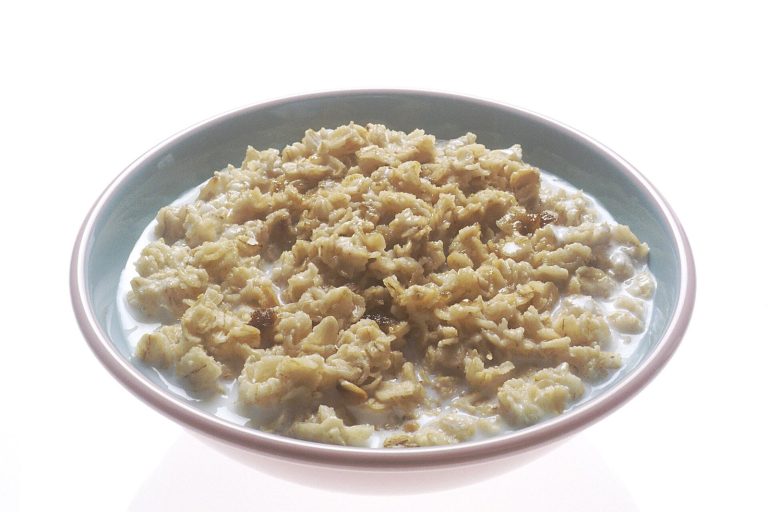
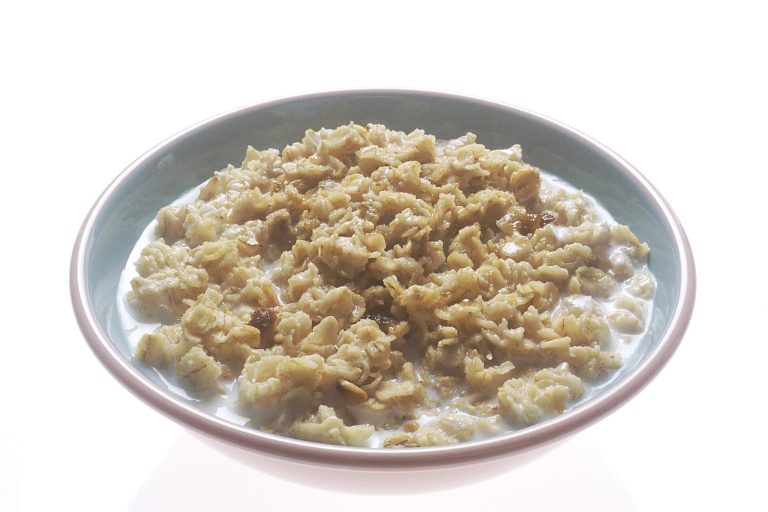
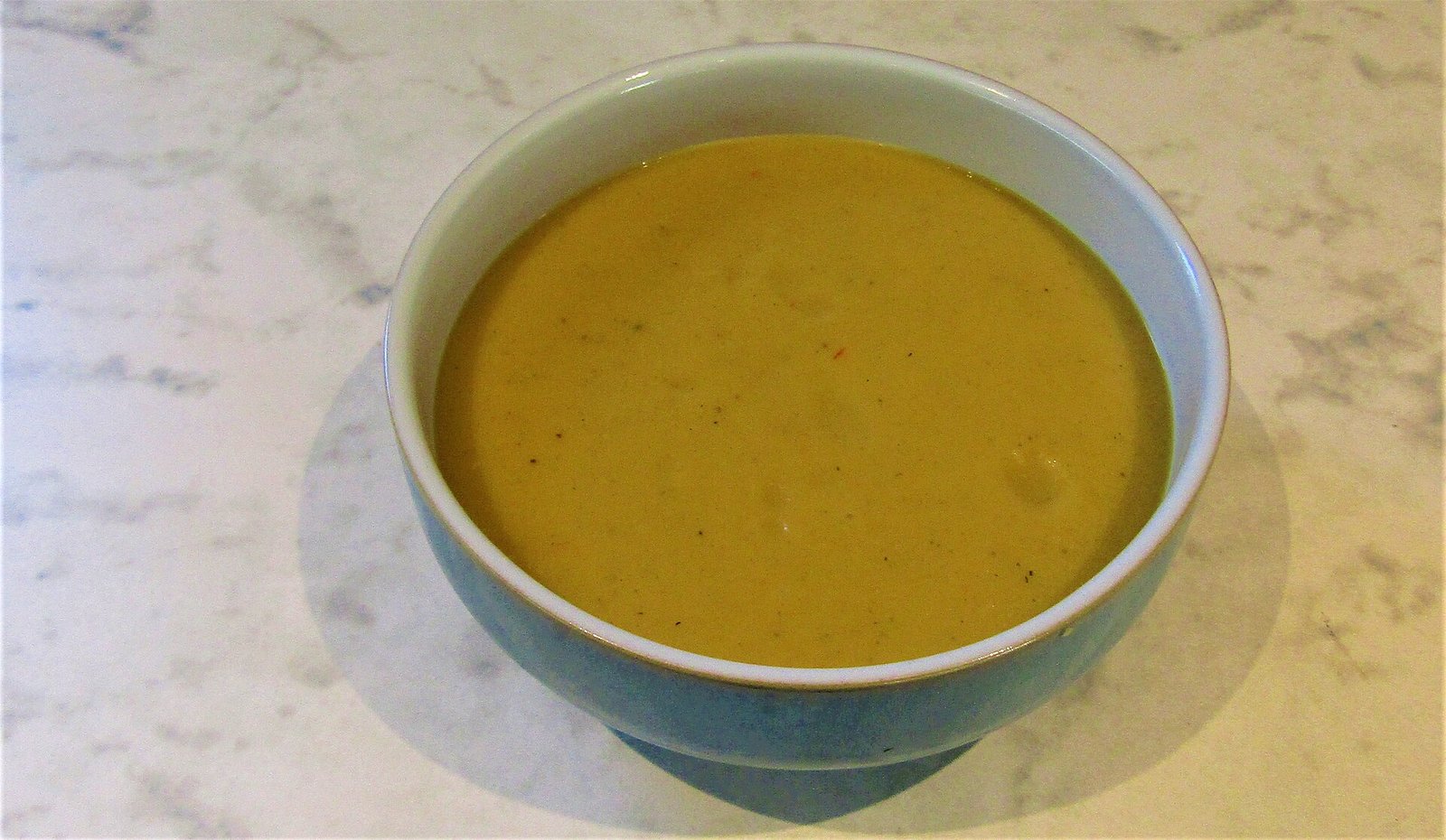
- – Many people do better with moist, soft, cohesive foods: yogurt, puddings, scrambled eggs, mashed potatoes, well-cooked cereals, blended soups, ground or minced soft proteins, stewed fruit.
- – Take small bites; chew thoroughly when solids are allowed; sip fluids between bites only if that strategy was taught for you—some dysphagia plans separate liquids and solids.
- – Upright eating and remaining upright after meals are common comfort habits; follow positioning your speech-language pathologist recommends (MedlinePlus notes head/neck positioning can help some people).
Calorie and protein density when volumes are small
- – If large volumes trigger regurgitation, concentrate nutrition: smoothies (texture-approved), oral nutrition drinks your clinician OK’s, nut butters blended into soft foods, cheeses or tofu blended into soups.
- – Track weight weekly; unintentional loss is a MedlinePlus-listed symptom that warrants care—not a “wait and see” kitchen experiment.
- – Related dysphagia kitchen literacy: dysphagia diet guide.
Moist cooking methods
- – Gravies, sauces, and broths (if safe for your aspiration risk) can moisten dry meats and breads that otherwise stick.
- – Avoid dry crumbly textures (crackers, chips, tough steak) unless your clinician cleared them after a procedure.
After dilation, myotomy, or POEM
- – Follow the post-procedure diet stages your endoscopy or surgical team gives—often advancing from liquids to soft foods on a set schedule.
- – Reflux-like symptoms can change after sphincter-disrupting procedures; GERD kitchen timing tips in GERD diet guide may help comfort for some people afterward, but achalasia follow-up remains specialized.
Foods and habits that often worsen achalasia kitchen patterns
- – Large, hurried meals that increase regurgitation and chest discomfort.
- – Lying down soon after eating, which can worsen backflow.
- – Dry, tough, or sticky foods (crusty bread, tough meats, thick peanut butter spoonfuls, marshmallows) when your swallow is impaired.
- – Carbonated or very cold/very hot extremes if they personally trigger spasm-like chest pain—individual tolerance varies; this is comfort guidance, not a MedlinePlus cure rule.
- – Alcohol-heavy evenings that disrupt safe swallowing and sleep.
- – Assuming proton-pump-inhibitor GERD diets alone manage achalasia—missed diagnosis delays manometry and definitive therapy.
- – Ignoring progressive weight loss or recurrent pneumonia/cough with meals—needs urgent clinical review.
“Limit” means limiting textures and habits that increase sticking or regurgitation—not lifelong fear of every solid after successful therapy.
Practical kitchen protocol: an achalasia diet week
1. Keep the medical spine first
Confirm diagnosis pathway (manometry, endoscopy, imaging as ordered). Discuss whether medicines, Botox, dilation, myotomy, or POEM are appropriate. Ask whether a swallowing therapist should assess you.
2. Shopping list for soft, moist kitchens
Greek yogurt; cottage cheese; eggs; silken tofu; canned fish mashed with sauce; ground meats with gravy; ripe bananas; applesauce; hot cereals; mashed potatoes; well-cooked rice if tolerated; blended soups; oral supplements if prescribed; carbonation only if personally tolerated.
3. Default plate template (pre-procedure or symptomatic phases)
- – Soft protein
- – Moist starch
- – Soft cooked vegetables or purees
- – Fluids timed per SLP advice
- – Stop at first sticking; do not force
4. Sample day (illustrative)
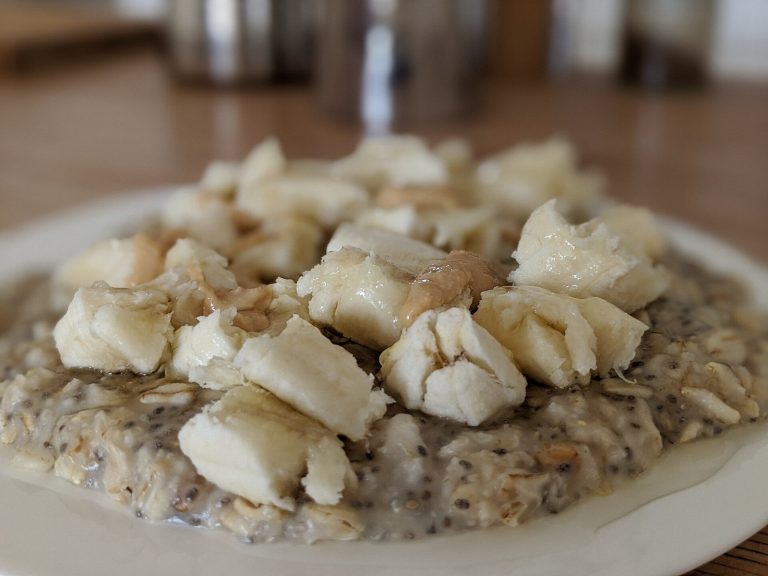
- – Breakfast: oatmeal thinned to a safe texture; banana; yogurt.
- – Lunch: blended vegetable soup fortified with milk powder or oil if advised; soft scrambled eggs.
- – Snack: pudding or oral nutrition drink if used.
- – Dinner: minced chicken or fish in gravy, mashed potato, pureed carrots; upright for 1–3 hours as advised.
- – Night: avoid late large meals if regurgitation wakes you.
5. Food safety and aspiration awareness
Coughing, wet voice, or recurrent chest infections with meals need prompt clinical review—diet texture alone is not enough.
6. Related topics
If constipation from low intake volume appears, constipation diet guide may help fiber/fluid framing once textures allow. After bariatric-like volume limits are not the same problem—diet after bariatric surgery guide is a different anatomy.
Safety, interactions, and who should ask a clinician first
- – Unintentional weight loss, anemia, or malnutrition signs: MedlinePlus notes these can appear—seek care early.
- – Chest pain should not be assumed “just achalasia”; cardiac causes need appropriate emergency evaluation.
- – Bone-health and vitamin gaps can follow long-term low intake—discuss labs rather than random megadoses (vitamin D deficiency diet guide for general literacy).
- – Medicines that relax the LES are clinician-directed and “rarely a long-term solution” per MedlinePlus—do not self-dose nitrates or calcium-channel blockers from a diet article.
- – Feeding tubes, when needed, are serious dysphagia tools—not a failure of willpower.
FAQ
Will eating only liquids fix achalasia? No. Liquids may be easier temporarily; MedlinePlus focuses on reducing LES pressure with medical/endoscopic/surgical care.
Why do I have heartburn if my LES does not relax? Food and fermenting contents can sit in the esophagus and cause burning sensations. That does not automatically mean garden-variety GERD is the whole story—get proper testing.
Can I return to steaks after POEM or myotomy? Many people advance textures after successful therapy under clinician guidance. Individual results vary; follow your post-op diet ladder.
Do carbonated drinks help “push” food through? Some people feel temporary relief; others feel worse. This is not a proven cure and can increase regurgitation for some—ask your gastroenterologist.
Is achalasia the same as eosinophilic esophagitis or GERD? No. Different mechanisms and workups. Use disease-specific pages rather than mixing elimination diets blindly.
How this differs from related OTCFood topics
This page is an achalasia-bound diet guide focused on moist soft textures, small upright meals, calorie density during impaired emptying, and alignment with LES-directed procedures. It is not a generic GERD diet guide plan and not a substitute for manometry-guided therapy.
Medical disclaimer
Medical disclaimer: This article is for general information only. It is not medical advice, diagnosis, or a treatment plan. Achalasia care depends on manometry findings, endoscopy, nutrition status, and procedural options. Talk with a gastroenterologist, speech-language pathologist, or registered dietitian before starting, stopping, or changing any eating plan, medicine, or procedure decision. Seek emergency care for severe chest pain, inability to handle secretions, breathing trouble, or signs of dehydration from inability to swallow.