Diet After Shoulder Surgery: Foods That May Help and Foods to Limit
Medical note: This article discusses foods and researched botanicals. It does not claim to prevent, treat, or cure disease. Supplements are not a substitute for food, and studied amounts are not personal prescriptions.
People searching “diet after shoulder surgery foods that help or worsen” usually want protein-forward, easy-to-prepare meals that support recovery while they follow surgeon and physical-therapy instructions—not a claim that food repairs tendons the way surgery, rest, and rehab do. MedlinePlus explains that the shoulder is highly movable and relatively unstable, so it is easily injured; common problems include sprains, dislocations, separations, tendinitis, bursitis, torn rotator cuffs, frozen shoulder, fractures, and arthritis. Care often starts with RICE (rest, ice, compression, elevation), medicines, and exercise; surgery is considered when those are not enough. NIAMS sports-injury materials describe rotator cuff injuries as common shoulder problems involving the tendons and bursae that stabilize the joint, with care pathways that can include rest, therapy, medicines, and—when needed—surgery.
What this after-shoulder-surgery diet guide covers (and what it does not)
This guide is for adults recovering from elective or injury-related shoulder surgery (rotator cuff repair, stabilization, fracture fixation, or similar) who can advance diet as their surgical team allows. Anchors: MedlinePlus — Shoulder Injuries and Disorders, NIAMS — Sports Injuries, and protein food-pattern context from NIH ODS exercise/performance consumer materials and general Dietary Guidelines-style plates.
Kitchen habits support energy, protein intake, constipation prevention while on pain medicines, and one-handed meal prep—they do not replace sling rules, wound care, venous-thromboembolism prevention advice, or PT progressions. Advance from clear liquids to regular food only as your surgeon directs (especially if you had anesthesia-related nausea). This page is not a nonsurgical rotator-cuff protocol—see rotator cuff tendinopathy diet guide—and not a hip/knee replacement twin (diet after knee replacement guide).
Evidence snapshot: after-shoulder-surgery diet claims vs public sources
| Claim people hope for | What public sources actually say | Confidence |
|---|---|---|
| “Anti-inflammatory superfoods heal the rotator cuff” | MedlinePlus/NIAMS focus on mechanical rest, therapy, medicines, and surgery—not culinary cures of tendon tears | Strong: food is supportive |
| “Protein powders are required to recover” | NIH ODS exercise materials: nutritious diets can supply protein; supplements can help meet needs if food intake is low—not mandatory for every patient | Moderate: food-first; supplements optional if clinician OK |
| “Skip eating to keep the sling clean” | Recovery still needs calories and protein for general healing support and to limit muscle loss from relative arm disuse | Strong against prolonged under-eating |
| “Supplements replace physical therapy” | NIAMS pathways emphasize therapy and activity progression; diet does not restore range of motion | Strong |
| “Any alcohol is fine with opioid pain medicine” | Alcohol plus sedating pain medicines raises safety risks—ask your surgical team; prefer non-alcohol hydration | Strong caution |
Foods and patterns that may help after shoulder surgery
“May help” means supporting protein and micronutrient intake, easier one-handed prep, and bowel regularity—not a promise of faster tendon healing than your biology and rehab allow.
Protein-forward plates for healing support
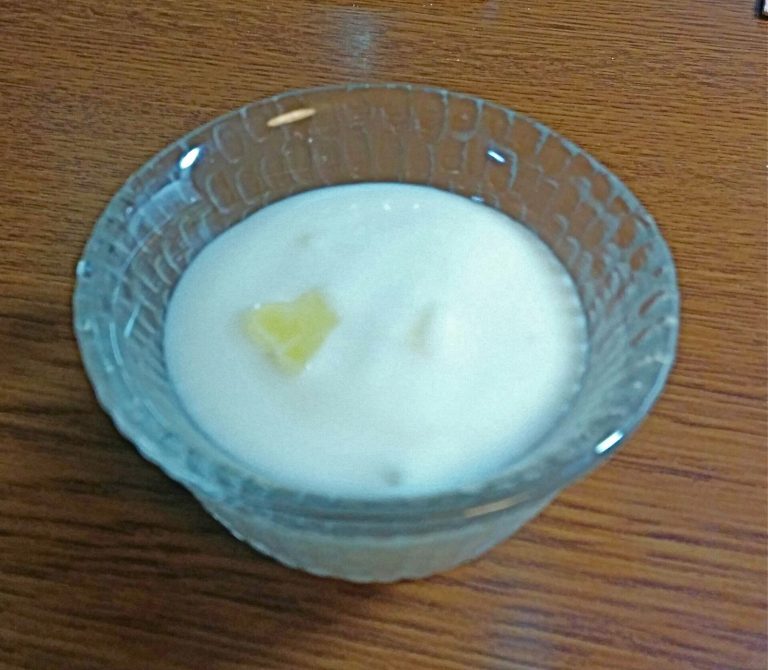
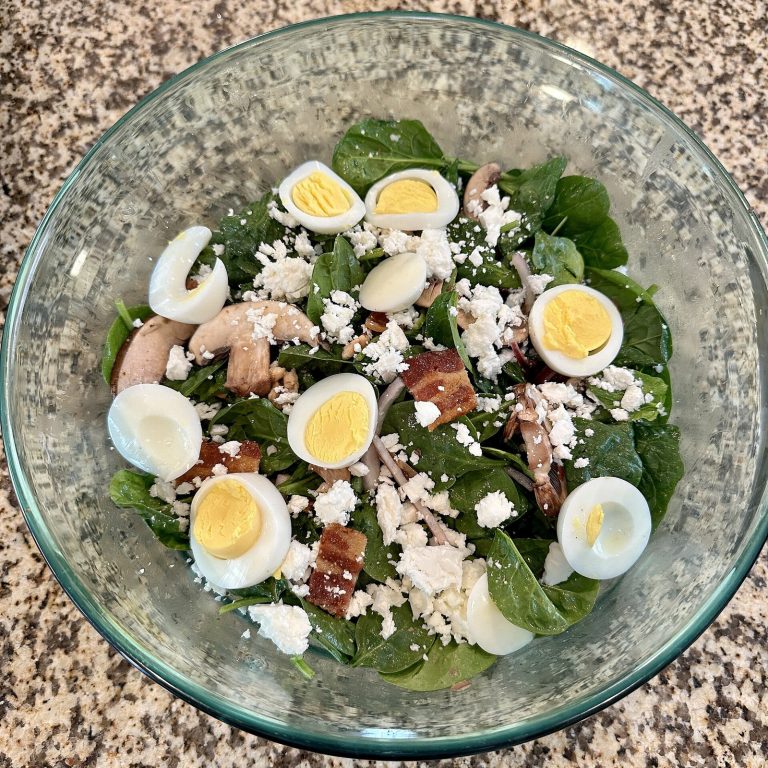
- – Build each meal around a protein source you can open and eat with one hand: eggs, Greek yogurt, cottage cheese, canned fish with pull-tab, pre-cooked chicken strips, tofu, beans, nut butters.
- – ODS-style guidance for active adults notes protein needs can be met from meats, seafood, poultry, eggs, dairy, beans, and nuts; powders are optional helpers if intake lags—confirm with your clinician if you have kidney disease.
- – Spread protein across breakfast, lunch, dinner, and a snack rather than one huge evening plate that is hard to manage in a sling.
Easy textures while pain or nausea linger
- – After anesthesia, start with surgeon-cleared clear liquids, then soft foods (oatmeal, smoothies you can sip, soups, scrambled eggs) before steaks that need two-handed cutting.
- – Pre-portion freezer meals before surgery day so you are not chopping onions one-handed in week one.
Fiber, fluids, and constipation prevention
- – Opioid pain medicines often slow the gut. Pair prescribed stool softeners (if given) with water, stewed fruit, oatmeal, beans if tolerated, and vegetables—similar practical habits discussed in constipation diet guide.
- – Dehydration worsens fatigue and constipation; keep a water bottle on your non-operative side.
Micronutrient-dense sides (general pattern)
- – Colorful vegetables, fruit, and dairy or fortified alternatives support overall recovery nutrition alongside calcium deficiency diet guide and vitamin D deficiency diet guide education if bone health is a longer-term concern—without inventing surgical healing megadoses.
- – If appetite is poor, oral nutrition shakes your clinician approves can bridge gaps.
Prep and accessibility
- – Use electric can openers, jar grippers, and bags you can tear with teeth carefully or ask for help.
- – Non-slip mats and lightweight plates reduce spills when the operative arm is immobilized.
Foods and habits that often worsen early recovery kitchens
- – Under-eating for days because cooking hurts—arrange help or ready-to-eat proteins instead.
- – Heavy alcohol while on opioids/sedatives or with wound-healing goals—ask your team for personal limits.
- – Ultra-restrictive “inflammation detoxes” that cut protein and calories when you need them most.
- – Huge, greasy takeout only—fine occasionally, but low protein and low fiber patterns worsen constipation and energy.
- – Ignoring surgeon diet advance after regional block nausea—vomiting with a fresh repair needs clinical advice, not forcing solid food.
- – Supplement megadoses (high-dose antioxidants, unvetted “tendon formulas”) without clearance—ODS notes antioxidant supplements are not a proven performance/recovery shortcut and can have downsides.
“Limit” means reducing habits that undermine rehab energy and bowel comfort—not moralizing one celebration meal.
Practical kitchen protocol: the first recovery weeks
1. Keep the medical spine first
Confirm sling schedule, icing rules, wound restrictions, DVT prevention, and which pain/anti-nausea medicines you may take with food. Do not stop prescribed therapy home exercises to “rest and juice.”
2. Pre-surgery shopping list
Eggs; yogurt cups; string cheese; hummus; bananas; berries; bread/tortillas; peanut butter; canned tuna/salmon; pre-washed salad kits for helpers; microwave rice; frozen steam vegetables; oatmeal packets; prune juice or stewed prunes if constipation-prone; electrolyte drinks if advised.
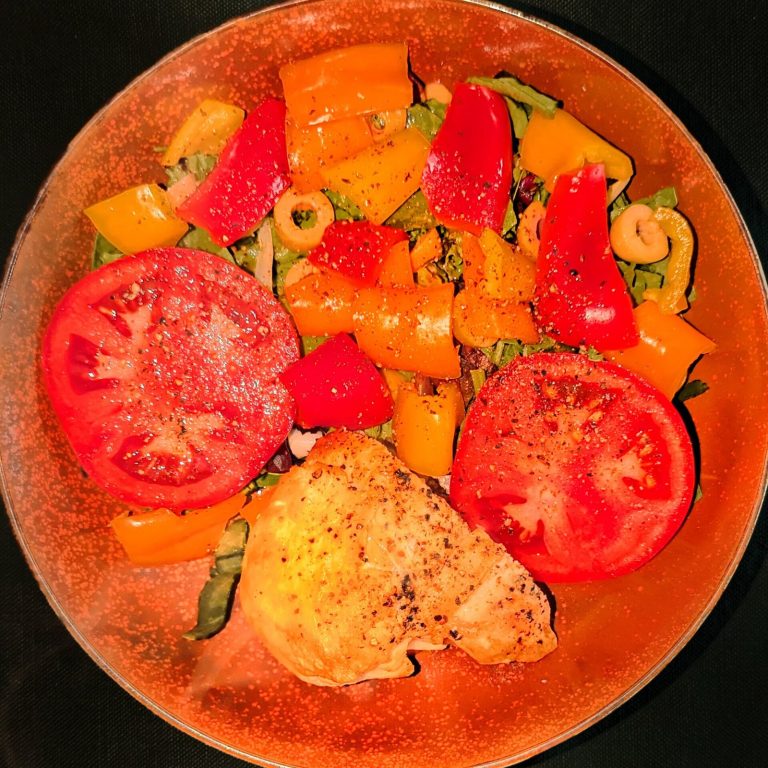
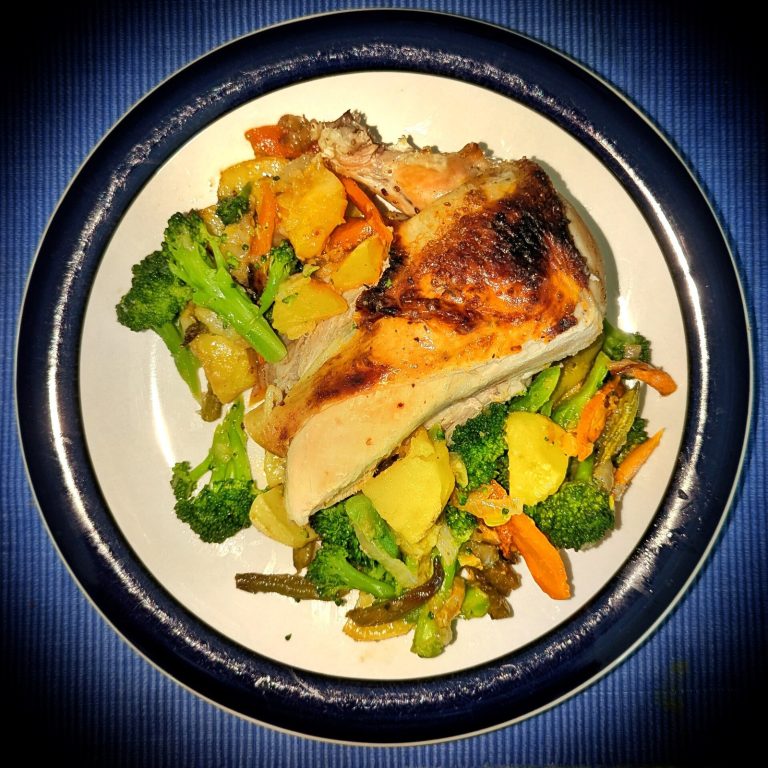
3. Default plate template
- – ¼–⅓ plate protein
- – ¼ plate easy starch
- – remaining colorful plants
- – Water or milk beside the plate
4. Sample day (illustrative, once regular diet cleared)
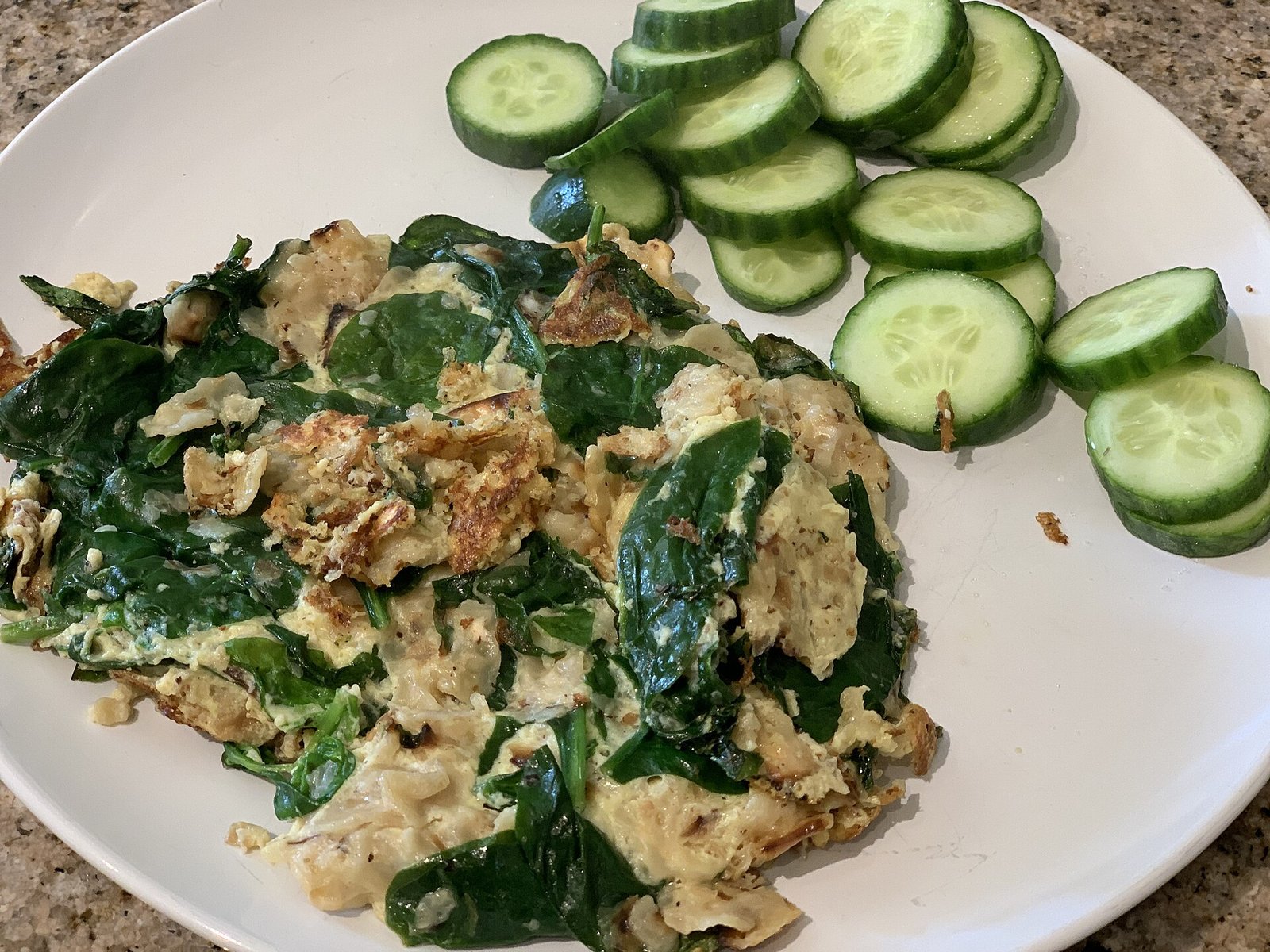
- – Breakfast: scrambled eggs, toast, berries; water.
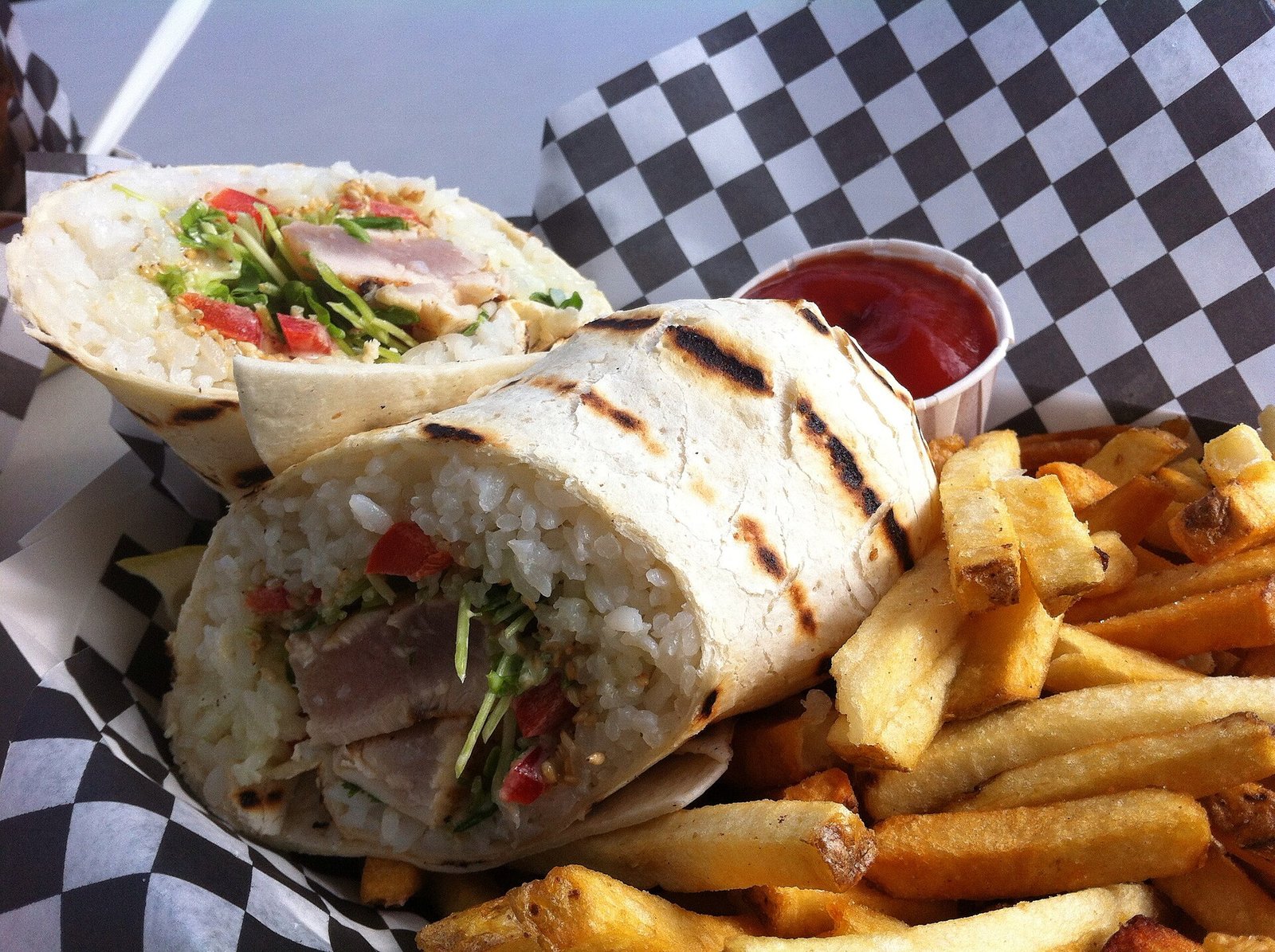
- – Lunch: tuna packet in a tortilla, yogurt, fruit.
- – Snack: cottage cheese or protein shake if approved.
- – Dinner: pre-cooked chicken, microwave rice, steamed vegetables; fiber side if constipated.
- – Night: stool softener as prescribed; icing per protocol—not ice cream as the only “ice.”
5. One-handed cooking tips
Batch-cook chili or soup before surgery; use slow cooker with help to load; choose foods that do not need a knife at the table.
6. When osteoarthritis or prior tendinopathy is the background
Long-term joint-friendly patterns in osteoarthritis diet guide and rotator cuff tendinopathy diet guide are adjunct education—surgery rehab rules still win in the early weeks. If muscle loss is a concern during prolonged disuse, see also sarcopenia diet guide.
Safety, interactions, and who should ask a clinician first
- – Fever, wound drainage, calf pain/swelling, chest pain, or sudden numbness needs urgent care—not a diet tweak.
- – Diabetes, kidney disease, or gout: tailor protein and fluids with your clinicians.
- – Anticoagulation after surgery: consistent vitamin K-containing greens if you take warfarin—pharmacist guidance beats sudden salad binges or cuts.
- – Swallowing trouble after nerve blocks is usually temporary; persistent dysphagia needs evaluation (dysphagia diet guide).
- – Do not combine alcohol with opioid pain medicines.
FAQ
Does a high-protein diet speed rotator cuff healing past the surgical timeline? No public NIH shoulder page presents diet as a way to outrun tendon biology. Protein supports general recovery nutrition while rehab and surgical repair do the structural work.
Should I buy collagen or antioxidant packs? Food-first protein patterns are the practical default. Discuss any supplement with your surgeon/pharmacist; ODS materials do not establish antioxidant megadoses as required recovery tools.
What if opioids make me too nauseated to eat? Call your surgical team about anti-nausea options and diet advance. Tiny bland meals and clear fluids come first—similar comfort ideas as in general nausea education, not a reason to stop all protein for a week.
Can I use my kitchen as physical therapy? Only movements your PT allows. Overhead reaching for spice racks can violate early rotator-cuff restrictions—reorganize counters to shoulder-safe heights.
Is this the same as diet after knee replacement? Protein and constipation themes overlap, but sling constraints and upper-extremity PT differ—see diet after knee replacement guide for lower-limb framing.
How this differs from related OTCFood topics
This page is an after-shoulder-surgery-bound diet guide focused on protein-forward one-handed meals, constipation prevention, and adherence to surgical rehab. It is not a nonsurgical rotator cuff tendinopathy diet guide plan and not a general osteoarthritis protocol.
Medical disclaimer
Medical disclaimer: This article is for general information only. It is not medical advice, diagnosis, or a treatment plan. Shoulder surgery recovery depends on procedure type, tissue quality, and rehabilitation. Talk with your surgeon, physical therapist, or registered dietitian before starting, stopping, or changing any eating plan, supplement, or medicine. Seek urgent care for wound infection signs, breathing difficulty, chest pain, or calf swelling.