Oral Thrush (Candidiasis) Diet: Foods That May Help and Foods to Limit
Medical note: This article discusses foods and researched botanicals. It does not claim to prevent, treat, or cure disease. Supplements are not a substitute for food, and studied amounts are not personal prescriptions.
People searching “oral thrush candidiasis diet foods that help or worsen” usually want softer, less irritating foods while antifungal treatment works, plus habits that do not make a sore mouth worse—not a claim that cutting sugar cures Candida or replaces prescription antifungals. CDC explains candidiasis as infection from overgrowth of Candida, a yeast that normally lives on the skin and in body sites including the mouth; thrush is candidiasis of the mouth or throat. MedlinePlus notes thrush causes white, velvety sores in the mouth and on the tongue, possible bleeding when scraped, and pain with swallowing. Risk rises with weak immunity, antibiotics, steroid inhalers, unmanaged diabetes, dentures that fit poorly, chemotherapy, HIV/AIDS, extremes of age, and dry-mouth medicines. CDC states antifungal medicines treat candidiasis; type and length depend on severity and underlying conditions.
What this oral thrush diet guide covers (and what it does not)
This guide is for adults (and caregivers of older adults) dealing with oral thrush who want kitchen comfort strategies. Anchors: CDC — Candidiasis Basics, MedlinePlus Encyclopedia — Thrush, and MedlinePlus — Yeast Infections.
Diet does not replace antifungal mouthwash, lozenges, or systemic antifungals when prescribed. MedlinePlus notes mild thrush after antibiotics may improve as you restore a healthier mouth balance (yogurt or over-the-counter acidophilus are mentioned as possible helps in mild post-antibiotic cases), while more severe disease needs prescription antifungals. Esophageal candidiasis (painful swallowing) needs prompt medical care. This is not a systemic Candida “cleanse” protocol.
Evidence snapshot: thrush diet claims vs public sources
| Claim people hope for | What public sources actually say | Confidence |
|---|---|---|
| “Zero sugar diets cure thrush” | CDC/MedlinePlus: antifungals treat candidiasis; sugar restriction is not presented as a cure | Strong: medicine first; sugar limits are comfort/glycemic adjunct at most |
| “Yogurt fixes all thrush” | MedlinePlus: for mild thrush after antibiotics, yogurt or acidophilus may help restore balance; severe cases need antifungals | Low–moderate for mild post-antibiotic cases only |
| “Soft, non-irritating foods help comfort” | Painful sores make spicy, acidic, crunchy foods hard to tolerate—practical comfort logic | Moderate for symptom comfort |
| “Controlling diabetes helps prevent thrush” | CDC lists unmanaged diabetes among thrush risk factors; MedlinePlus: good blood sugar control helps prevent thrush if you have diabetes | Moderate–strong for prevention context |
| “Diet replaces evaluation when swallowing hurts” | Painful/difficult swallowing can signal esophageal involvement—contact a clinician | Strong: escalate care |
Foods and patterns that may help during oral thrush
“May help” means soothing intake, supporting diabetes control if relevant, and using yogurt only as a mild adjunct when appropriate—not eradicating yeast with garlic toast.
Soft, cool, non-abrasive textures
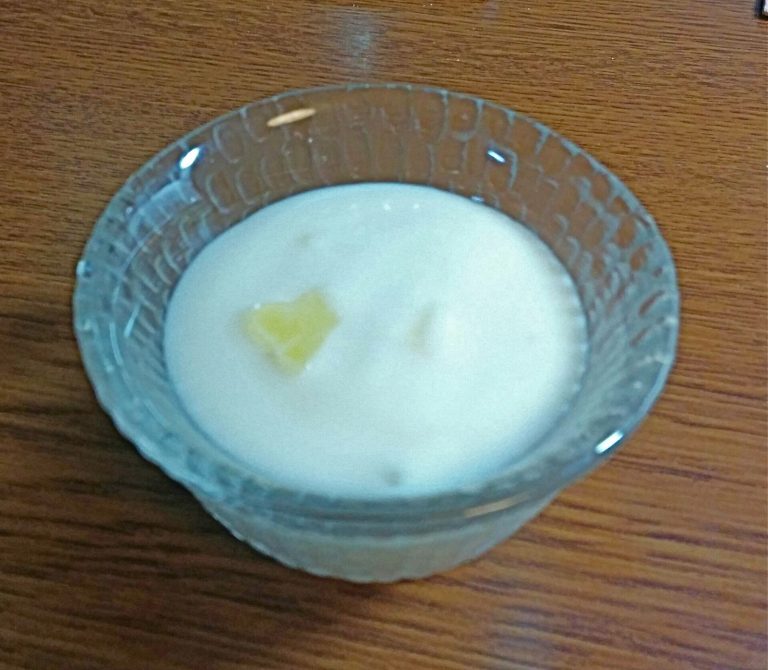
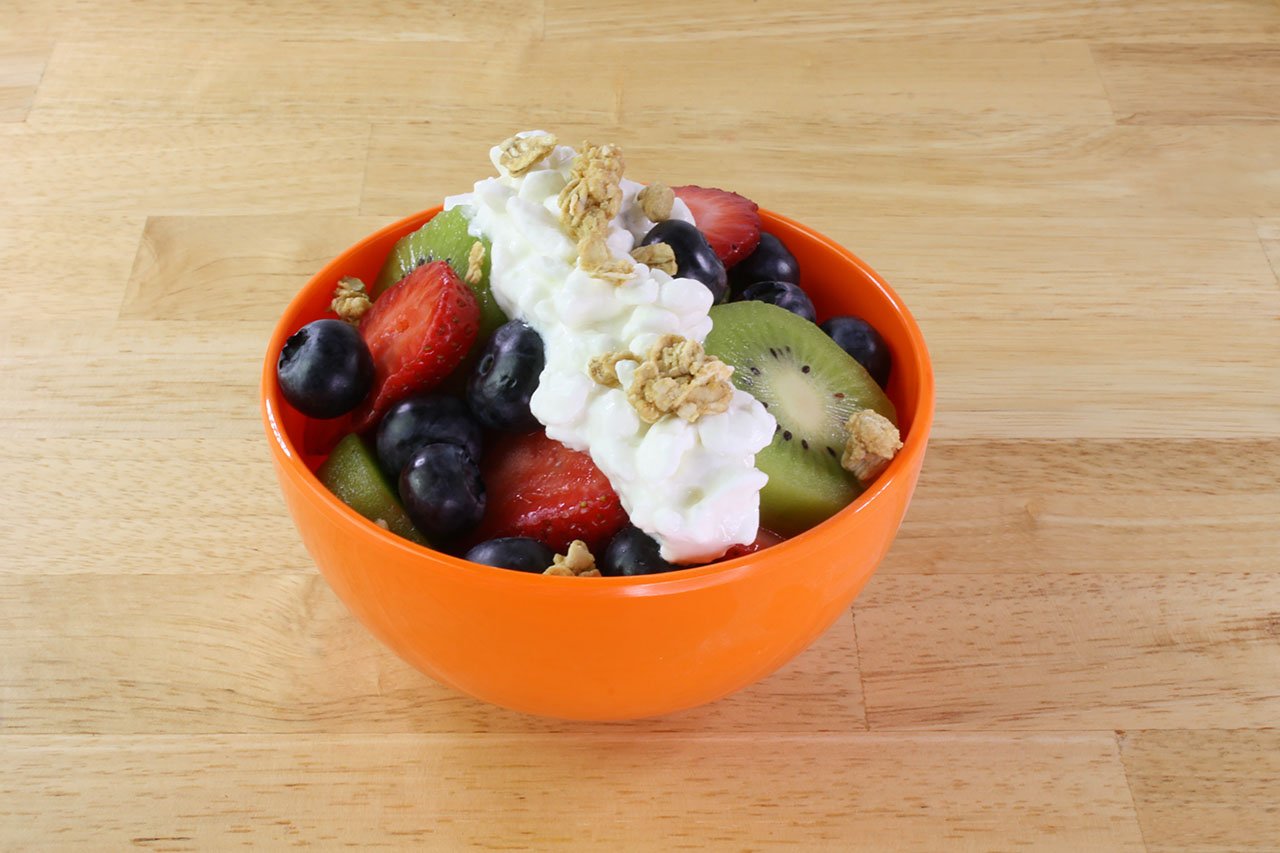
- – Yogurt (if tolerated), smoothies, scrambled eggs, cottage cheese, mashed potatoes, soft fish, well-cooked cereals, soups at warm—not scalding—temperatures.
- – Avoid scraping sores with hard chips or crusty bread while lesions are active.
- – Moisten foods with broths or sauces if dryness coexists—see dry mouth diet guide.
Protein and calories so you do not under-eat
- – Pain can cut intake quickly. Prioritize soft proteins: eggs, Greek yogurt, tofu, soft beans, fish, oral nutrition shakes only if your clinician agrees.
- – Smaller, more frequent meals if large bites hurt.
Diabetes-aware plates when blood sugar is part of the story
- – Unmanaged diabetes is a listed risk factor (CDC; MedlinePlus prevention tip: keep good blood sugar control).
- – Coordinate with type 2 diabetes diet guide rather than extreme sugar-free cleanses that leave you undernourished.
Mouth-care pairing (not food, but kitchen-adjacent)
- – Rinse as directed after steroid inhalers if that is your risk pathway.
- – Clean dentures as instructed; poorly fitting dentures are a MedlinePlus risk factor.
- – Take antifungals for the full prescribed course.
Foods and habits that often worsen thrush kitchen comfort
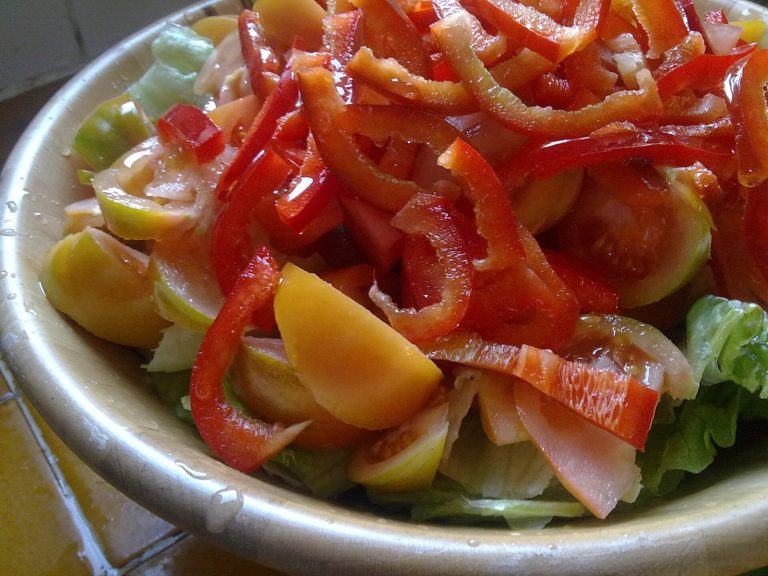
- – Very hot spices, citrus juices, tomato sauces, and vinegar-heavy dressings that sting open sores.
- – Alcohol and strong mouthwash burn—ask your dentist/clinician for gentle rinses.
- – Hard, sharp, dry foods (chips, toast, nuts, crackers) that scrape lesions.
- – Using sugar-sweetened beverages as primary hydration while diabetes is uncontrolled—addresses comfort poorly and works against glycemic goals.
- – Stopping antibiotics early or skipping antifungals because a diet started.
- – Sharing untreated “systemic Candida detox” supplements that promise to cure thrush without antifungals—contrary to CDC treatment framing.
- – Ignoring painful swallowing while juicing—could be esophageal disease needing evaluation.
“Limit” means reducing irritation and glycemic chaos—not a permanent joyless diet after thrush clears.
Practical kitchen protocol
1. Keep the medical spine first
See a clinician or dentist for white patches that look like thrush—especially if you have HIV, chemotherapy, or immune-suppressing medicines (MedlinePlus contact guidance). Antifungals come as rinses, lozenges, pills, or IV depending on severity (CDC).
2. Shopping list for sore-mouth days
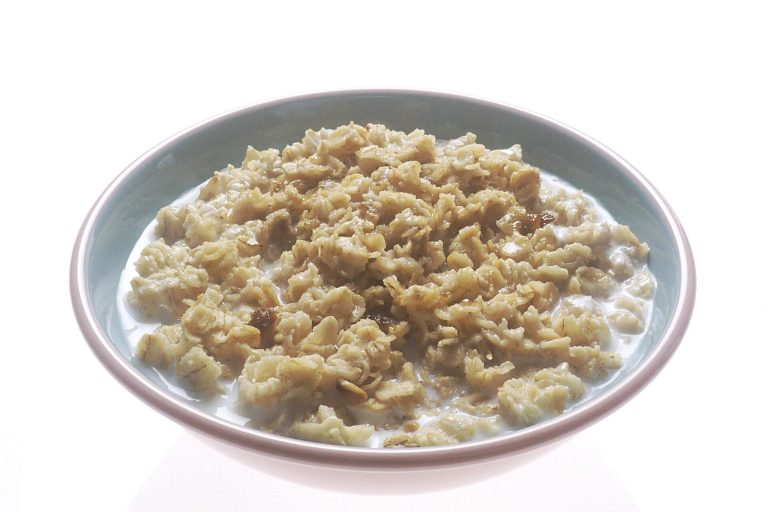
Plain yogurt; bananas; applesauce; oatmeal; eggs; soft cheese; canned peaches in juice (if acidity tolerated); protein shakes if approved; cool water; sugar-free popsicles if they do not sting.
3. Default plate template
- – Soft protein
- – Soft starch or cooked fruit
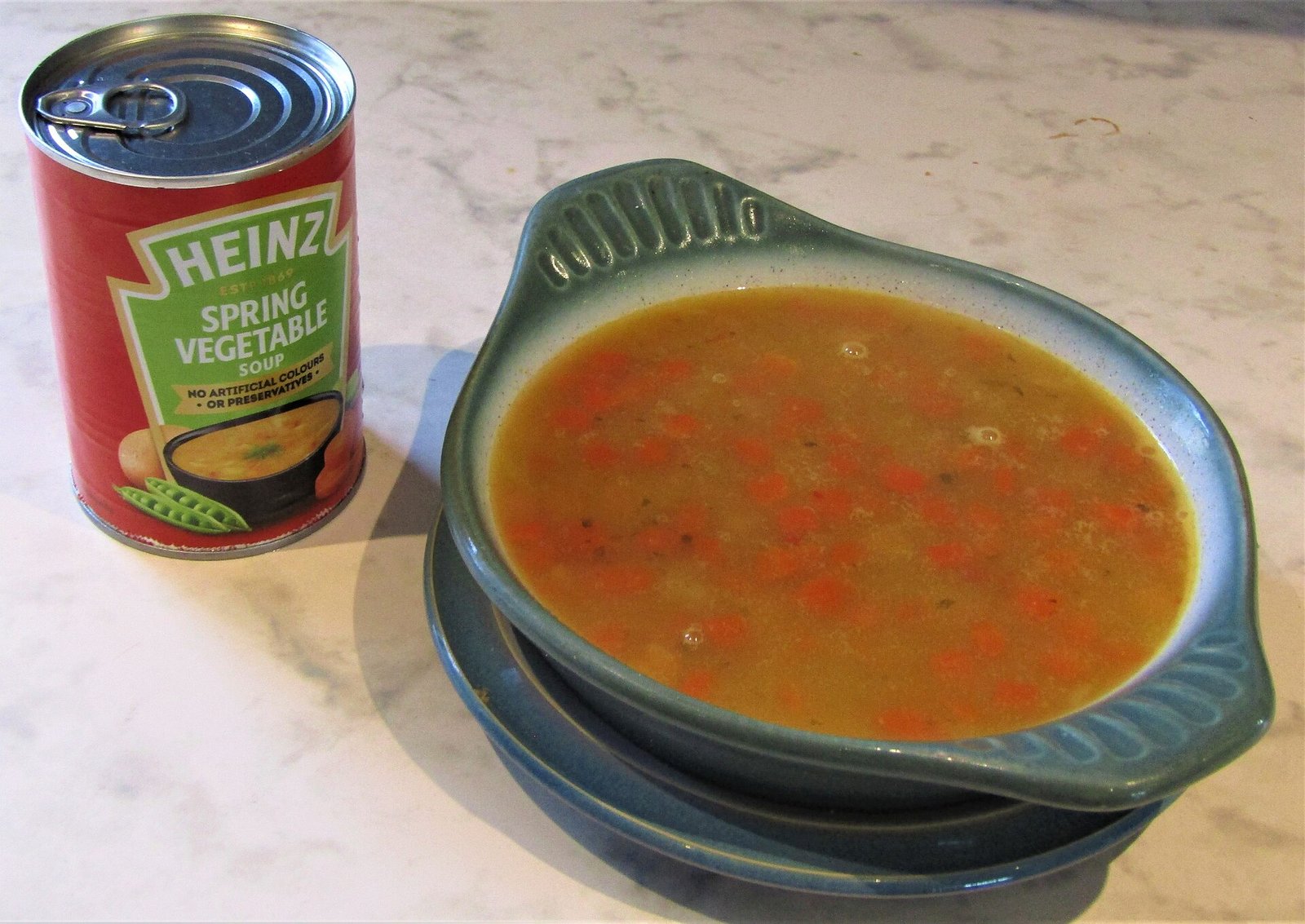
- – Mild vegetable soup or purée
- – Cool water sipped between bites
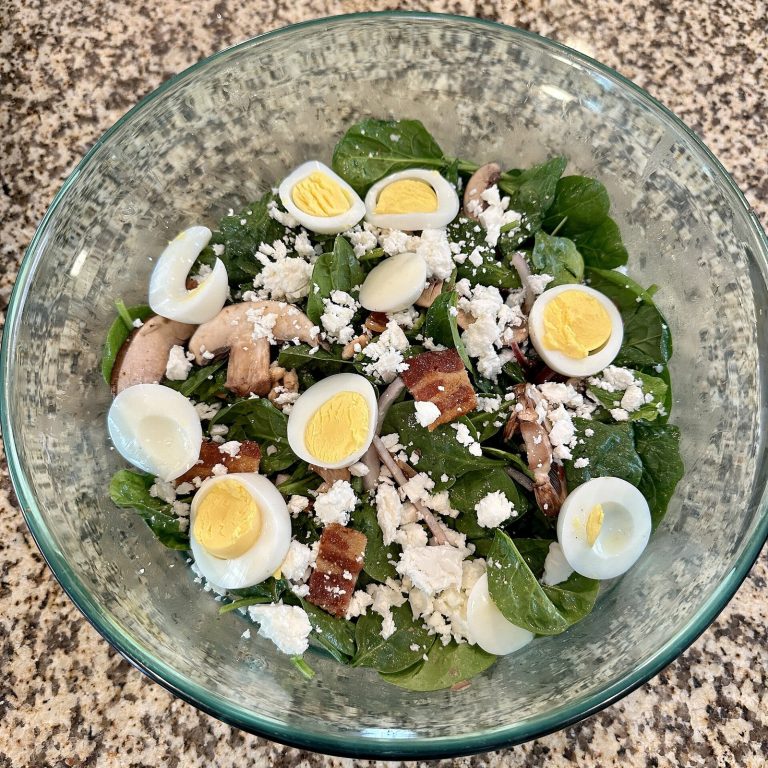
- – Save crunchy salads for after lesions heal
4. Sample day (illustrative comfort day)
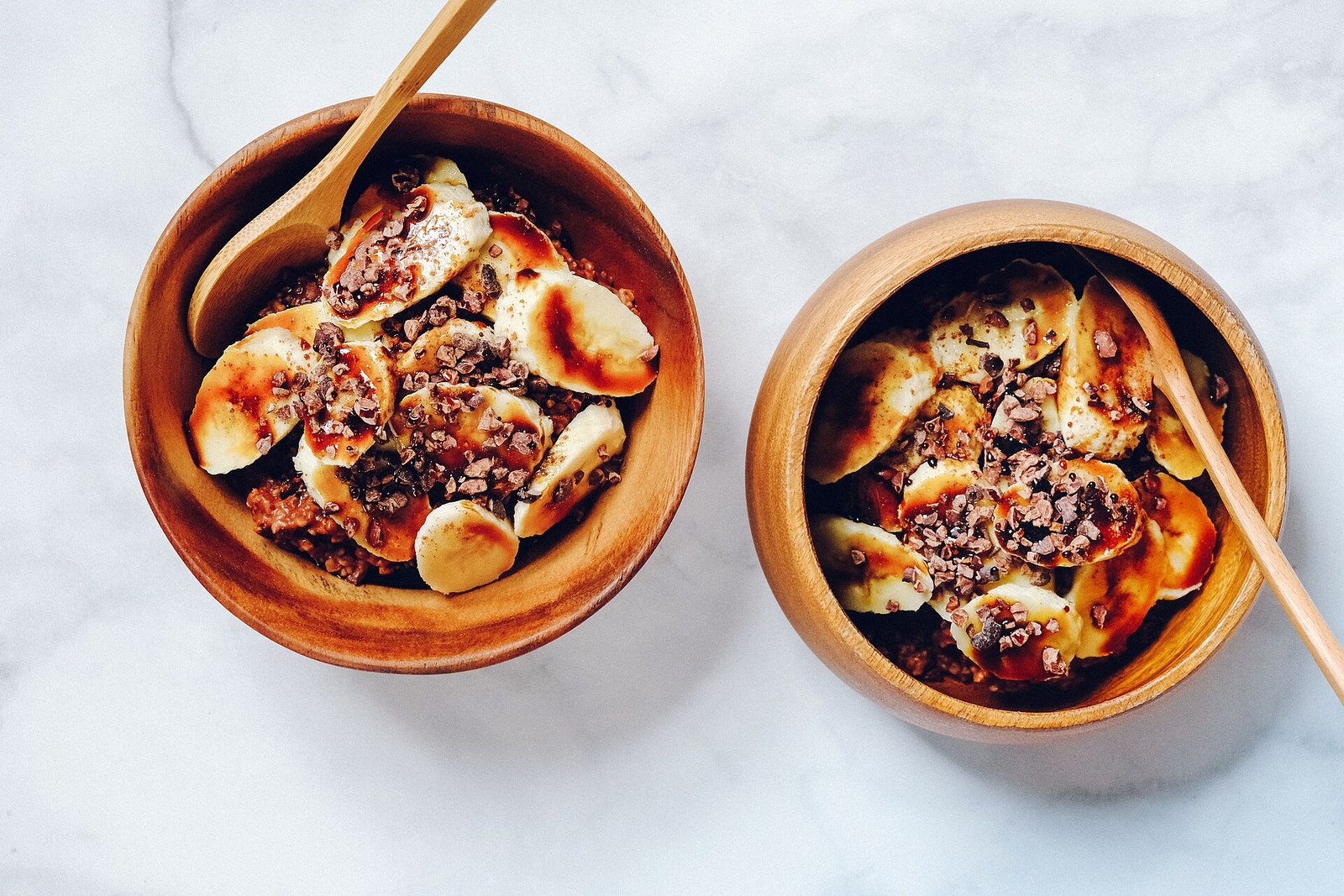
- – Breakfast: oatmeal with yogurt; banana.
- – Lunch: scrambled eggs; mashed avocado if tolerated; lukewarm soup.
- – Snack: yogurt or cottage cheese.
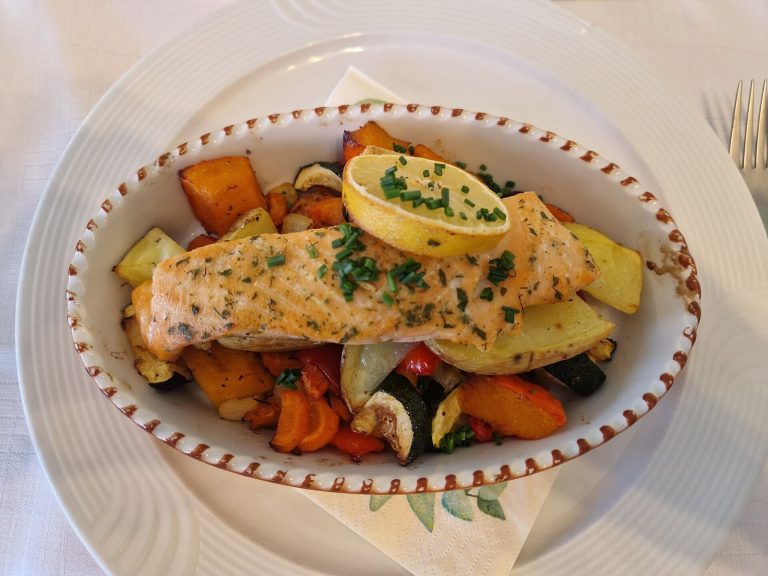
- – Dinner: soft baked fish; mashed potato; cooked carrots.
- – Evening: water; antifungal lozenge/rinse exactly as prescribed (not food).
5. Label-reading checklist
- – Added sugars in drinks if diabetes is active
- – Alcohol in mouthwashes
- – “Probiotic” pills are not automatic substitutes for prescription antifungals—ask first
6. After thrush clears
Return toward normal textures. If thrush recurs often, MedlinePlus notes clinicians may recommend preventive antifungal schedules; fix denture fit and diabetes control rather than lifelong extreme diets. Related mouth-sore context (different condition): canker sores diet guide.
Denture and inhaler kitchen timing tips
- – If you wear dentures, remove them while soaking/cleaning per your dental instructions before meals when sores are worst; poorly fitting dentures are a MedlinePlus risk factor for thrush.
- – If you use steroid inhalers for asthma or COPD, rinse your mouth as directed after doses—kitchen timing (water rinse before snacks) is hygiene support, not antifungal therapy.
- – Smoking is listed among thrush risk factors by CDC for mouth/throat candidiasis; cutting back supports oral health goals alongside medical care.
What “limit sugar” means here (and what it does not)
- – For people with diabetes, limiting sugar-sweetened drinks supports blood glucose goals that MedlinePlus links to thrush prevention—see type 2 diabetes diet guide.
- – For people without diabetes, endlessly cutting all fruit is unnecessary; soft ripe bananas and cooked fruit are often easier than citrus while sores heal.
- – Do not confuse comfort sugar limits with a promise that a no-carb diet clears Candida from the esophagus or bloodstream—those need antifungals and medical care (CDC).
Safety, interactions, and who should ask a clinician first
- – Difficulty swallowing, fever with severe thrush, or suspected spread beyond the mouth needs prompt care—Candida can rarely become invasive in high-risk people (CDC).
- – Infants with thrush need pediatric guidance—this adult-focused page is not a newborn protocol.
- – Antifungal–medicine interactions (for example azoles with some drugs) need pharmacist review.
- – Do not scrape lesions aggressively for DIY diagnosis—providers may sample carefully if needed.
- – Acid reflux diets are separate—GERD diet guide—unless your clinician links both.
FAQ
Will cutting all sugar cure thrush? No. CDC frames antifungals as treatment. Sugar awareness may matter for diabetes control and comfort, not as a stand-alone cure.
Is yogurt enough? MedlinePlus mentions yogurt/acidophilus as a possible help for mild thrush after antibiotics. Severe or immune-compromised thrush needs prescribed antifungals.
Can I use spicy “antifungal” foods like raw garlic? They often irritate sores and are not CDC thrush treatment. Skip the burn while lesions are active.
Why did antibiotics trigger this? Antibiotics can kill bacteria that normally keep Candida in check (MedlinePlus). Finish needed antibiotics as prescribed and treat thrush if it appears—do not refuse future necessary antibiotics without medical advice.
When is swallowing pain an emergency? Contact a clinician for pain or difficulty swallowing; esophageal candidiasis needs medical treatment, not only soft foods.
How this differs from related OTCFood topics
This page is an oral-thrush-bound diet guide focused on soft textures, irritation avoidance, diabetes-aware habits, and antifungal-first framing from CDC/MedlinePlus. It is not a vaginal yeast protocol, not an invasive candidiasis ICU diet, and not a systemic Candida cleanse.
Medical disclaimer
Medical disclaimer: This article is for general information only. It is not medical advice, diagnosis, or a treatment plan. Oral thrush care depends on immune status, medicines, diabetes control, and antifungal choice. Talk with your clinician, dentist, or registered dietitian before starting, stopping, or changing any eating plan, supplement, or medicine. Seek urgent care for severe swallowing pain, dehydration, high fever, or signs of systemic infection.