Costochondritis Diet: Foods That May Help and Foods to Limit
Medical note: This article discusses foods and researched botanicals. It does not claim to prevent, treat, or cure disease. Supplements are not a substitute for food, and studied amounts are not personal prescriptions.
People searching “costochondritis diet foods that help or worsen” usually want kitchen habits that support comfort while chest-wall cartilage inflammation settles—not a claim that food diagnoses or clears chest pain the way clinical evaluation can. MedlinePlus describes costochondritis as inflammation of the cartilage that connects ribs to the breastbone, a common cause of chest pain. Causes are often unclear but may include chest injury, hard exercise or heavy lifting, viral respiratory infections, strain from coughing, post-surgical or IV-drug-related infection, or some types of arthritis. Pain may sharpen with deep breaths or cough and ease with quiet breathing. Importantly, chest pain always needs appropriate medical triage—diet pages never rule out heart or lung emergencies.
What this costochondritis diet guide covers (and what it does not)
This guide is for adults with clinician-diagnosed or clinician-suspected costochondritis who want practical eating patterns while they follow activity modification, heat/cold, and pain-care advice. Anchors: MedlinePlus Encyclopedia — Costochondritis and NIAMS — Arthritis overview for general joint-inflammation context (costochondritis is cartilage inflammation at the rib–sternum junctions, not a license to self-label every chest pain as “just costochondritis”).
MedlinePlus notes costochondritis often improves over days to weeks (sometimes months) and that treatment focuses on relieving pain—heat or cold, activity limits, and medicines as advised. Kitchen changes do not replace ECG/imaging when indicated, do not treat cardiac ischemia, and do not replace evaluation for infectious causes. Joint-comfort kitchen themes may overlap osteoarthritis diet guide, bursitis diet guide, or rheumatoid arthritis diet guide only as general anti-inflammatory pattern context—not as proof of those diagnoses.
Evidence snapshot: costochondritis diet claims vs public sources
| Claim people hope for | What public sources actually say | Confidence |
|---|---|---|
| “An anti-inflammatory diet cures costochondritis” | MedlinePlus focuses on pain relief, activity modification, and time—not culinary cures | Strong: food is supportive only |
| “Chest pain means I should only juice” | Extreme restriction can worsen fatigue; medical triage comes first | Strong against juice-only approaches |
| “Balanced plates support rehab while pain settles” | Soft routines that maintain protein and produce intake can support overall recovery habits during activity limits | Moderate for general support |
| “Nightshade vegetables cause all rib cartilage pain” | Not a MedlinePlus standard therapy rule | Low for universal bans |
| “If pain lasts months, diet failed” | MedlinePlus: symptoms can last weeks to months; persistent or atypical pain needs re-evaluation | Strong: duration → clinician |
Foods and patterns that may help with costochondritis day-to-day comfort
“May help” means supporting overall nutrition while you reduce aggravating lifts and cough strain—not a promise to desensitize costal cartilage.
Maintain protein and produce during activity limits
- – When heavy lifting is restricted, keep protein at meals (fish, poultry, eggs, yogurt, tofu, beans) so reduced training does not become protein-poor snacking.
- – Vegetables, fruit, whole grains, and unsaturated fats fit general joint-health kitchen patterns discussed alongside osteoarthritis diet guide—as lifestyle context, not cartilage “repair” claims.
Easy-prep meals that avoid straining twists
- – Sheet-pan dinners, pre-cut produce, slow-cooker soups, yogurt bowls, and baked potatoes reduce repetitive reaching and heavy pan lifting on flare days.
- – Ask for help with gallon water jugs and large stockpots if reaching across the counter flares pain.
Cough-related strain and fluid habits
- – If a viral cough triggered symptoms, hydration and soft meals similar to respiratory recovery kitchens may reduce coughing fits that yank on the chest wall—see related comfort framing in acute bronchitis diet guide without treating bronchitis and costochondritis as the same disease.
- – Warm fluids may soothe some coughs; they do not diagnose chest pain.
Weight, gout, and metabolic context (individual)
- – If you also manage gout or metabolic limits, keep those clinician diet plans (gout diet guide) rather than stacking conflicting internet rules onto chest-wall pain.
- – Vitamin D status belongs in labs and clinician advice (vitamin D deficiency diet guide)—not megadosing because the sternum hurts.
Sleep, side-lying, and late snacks
- – Side-lying that worsens rib-cartilage tenderness may need pillow support—ask your clinician about positioning; kitchen timing matters if late heavy meals worsen reflux and cough that then yank the chest wall.
- – Keep a simple bedtime snack option if evening medicines require food, rather than skipping doses.
Grocery and meal-kit ergonomics
- – Prefer rolling carts over shoulder bags; split loads between two lighter bags.
- – Batch-cook on better days so flare days use reheating instead of chopping marathons.
Foods and habits that often worsen costochondritis kitchen patterns
- – Ignoring emergency chest-pain features while “waiting to see if turmeric helps.”
- – Heavy lifting of grocery cases or cast-iron pans against activity limits.
- – Alcohol-heavy evenings that disrupt sleep while pain already fragments rest.
- – Crash diets that leave you lightheaded during already limited activity.
- – Self-treating with leftover cardiac or steroid medicines without advice.
Practical kitchen protocol: a costochondritis-friendly week
1. Medical spine first
Confirm that cardiac and other serious causes were appropriately considered. Follow heat/cold, stretching, and medicine plans from your clinician. Stop DIY if pain pattern changes.
2. Shopping list that reduces haul strain
Use smaller packages; choose store delivery or a helper for heavy items. Stock: eggs; yogurt; canned fish; tofu; frozen vegetables; salad kits; potatoes; oats; fruit; olive oil; pre-cooked grains if twisting to stir feels hard.
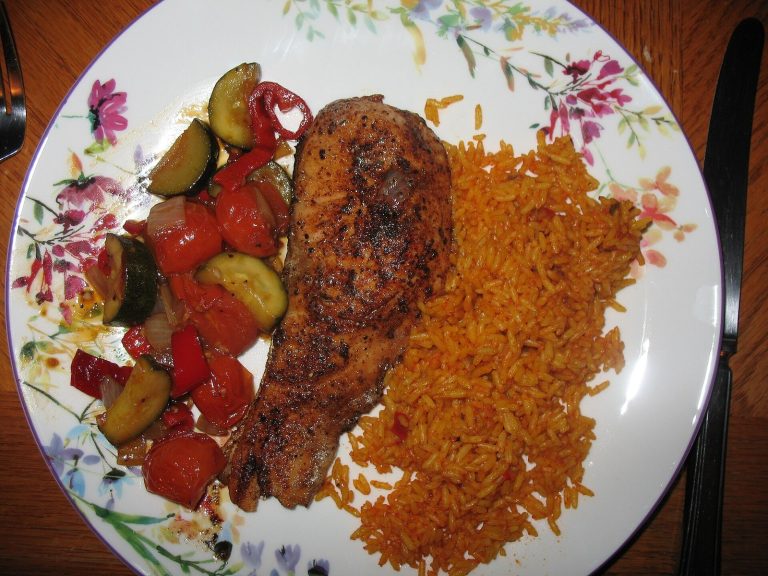
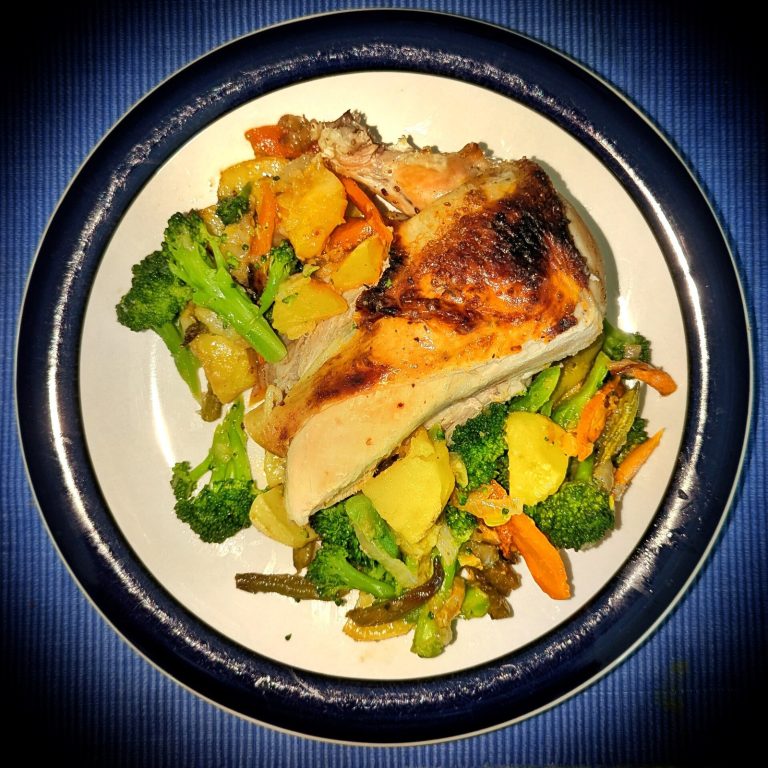
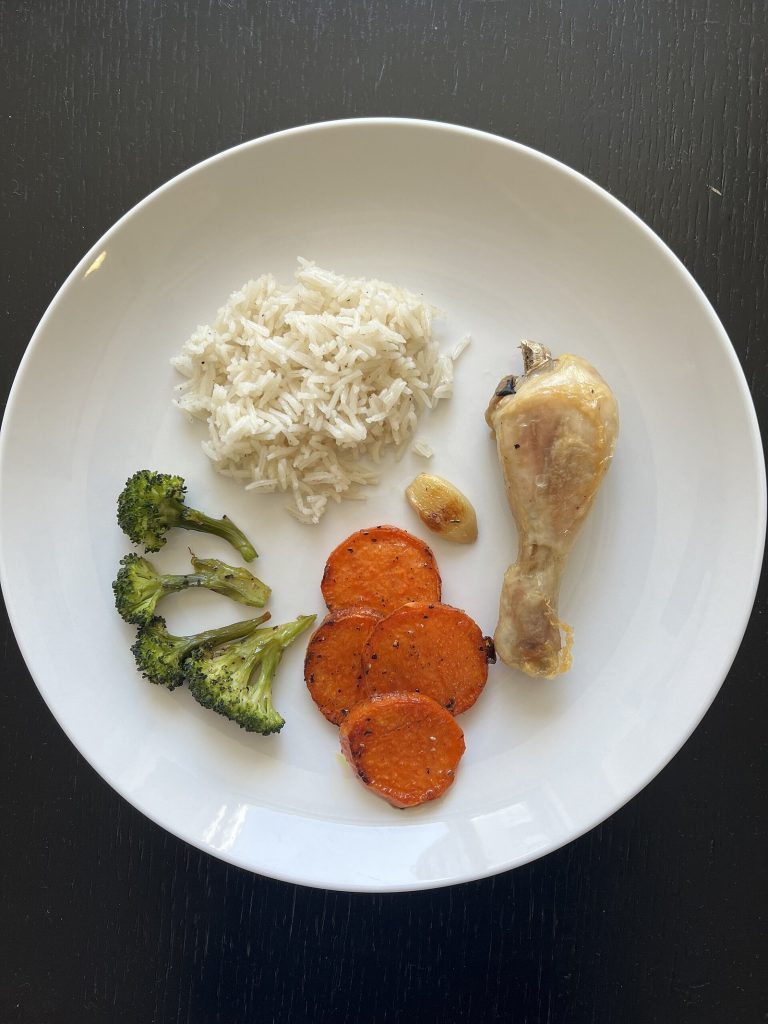
3. Default plate template
- – Half vegetables/fruit
- – Quarter protein
- – Quarter whole-food starch
- – Cook with minimal torso twisting; sit for prep when needed
4. Sample day (illustrative)
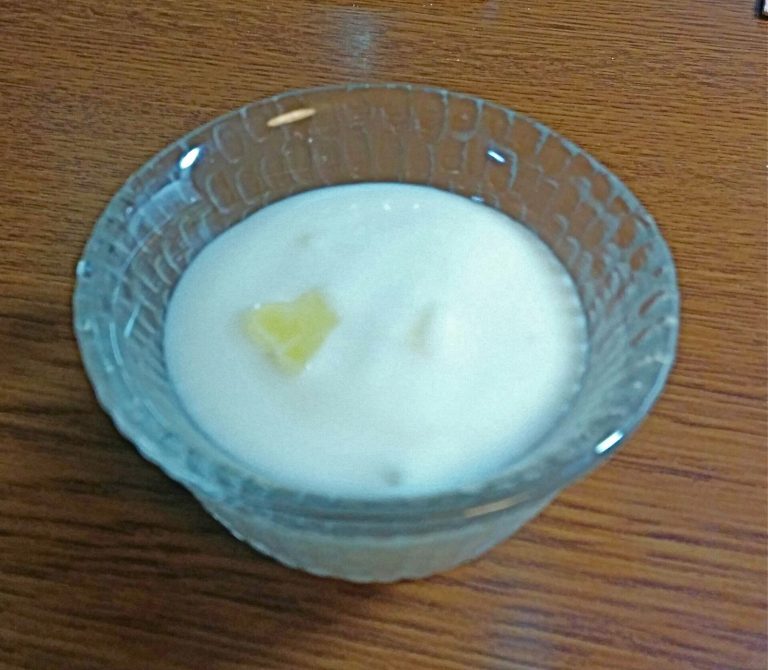
- – Breakfast: yogurt with fruit; water.
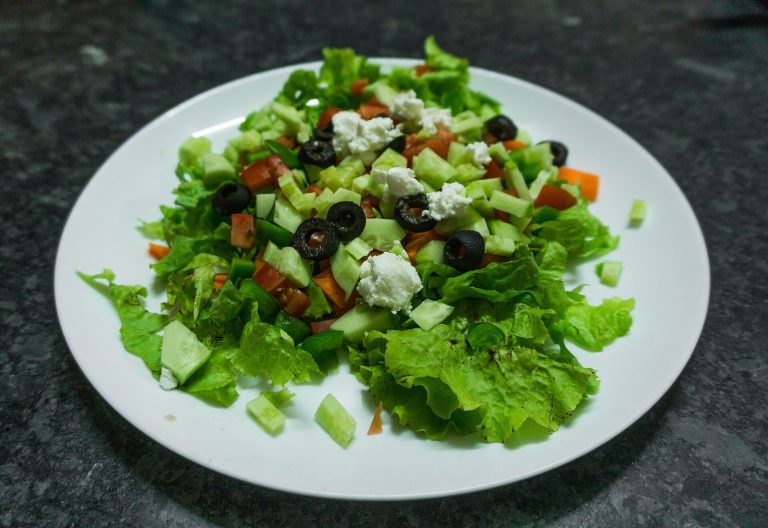
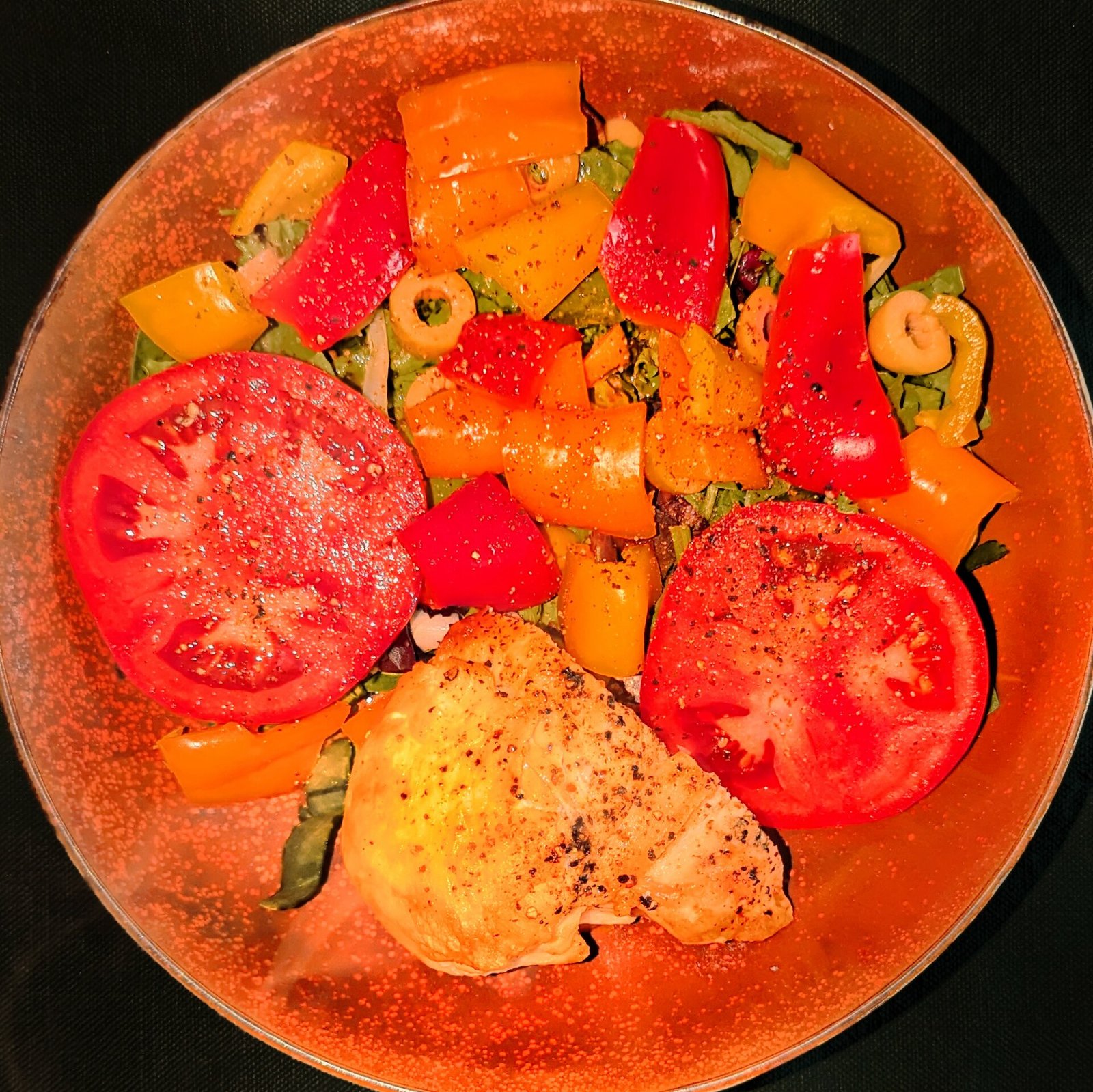
- – Lunch: chicken breast salad with mixed greens and tomatoes (pre-washed greens).
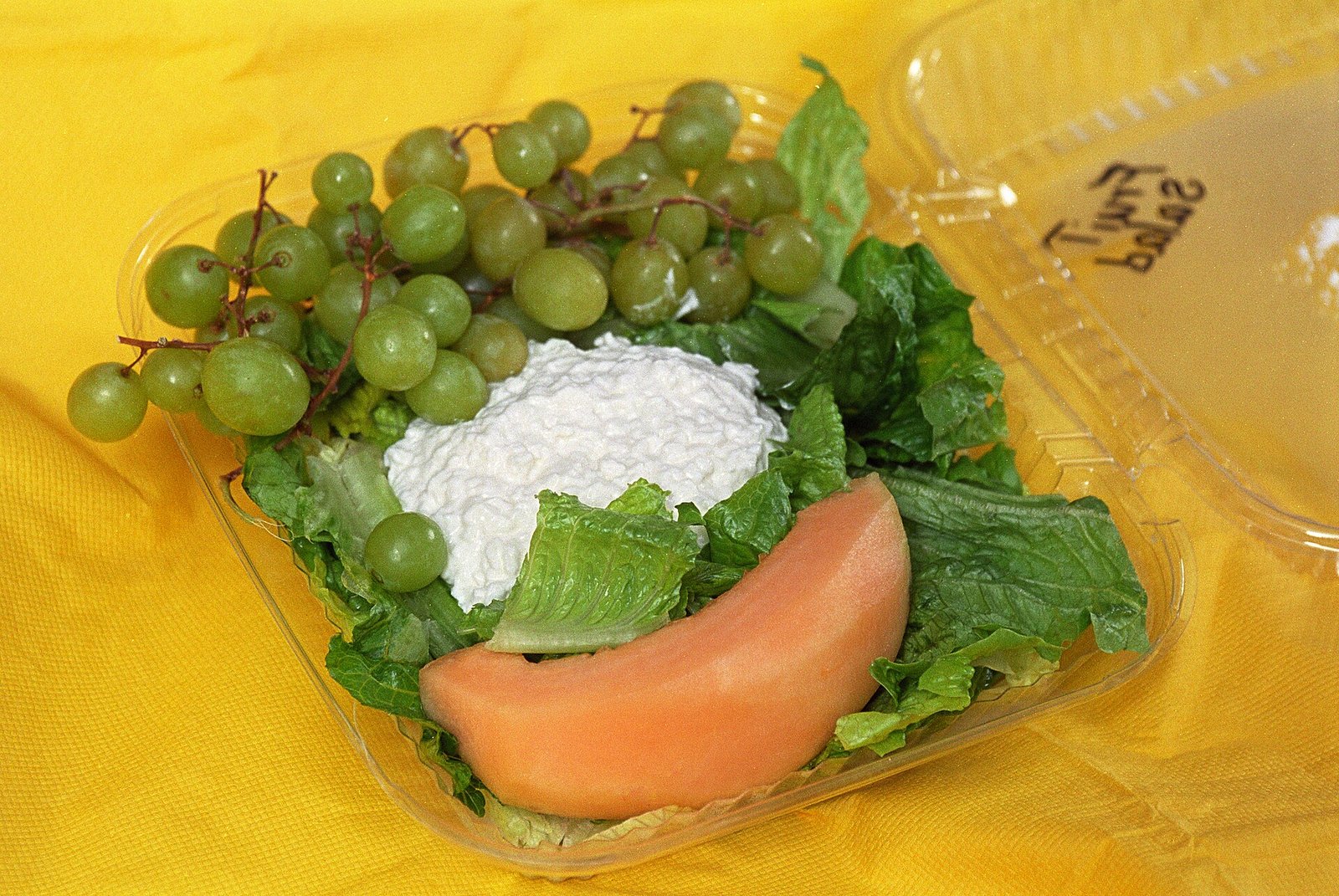
- – Snack: cottage cheese with fruit or a handful of nuts if tolerated.
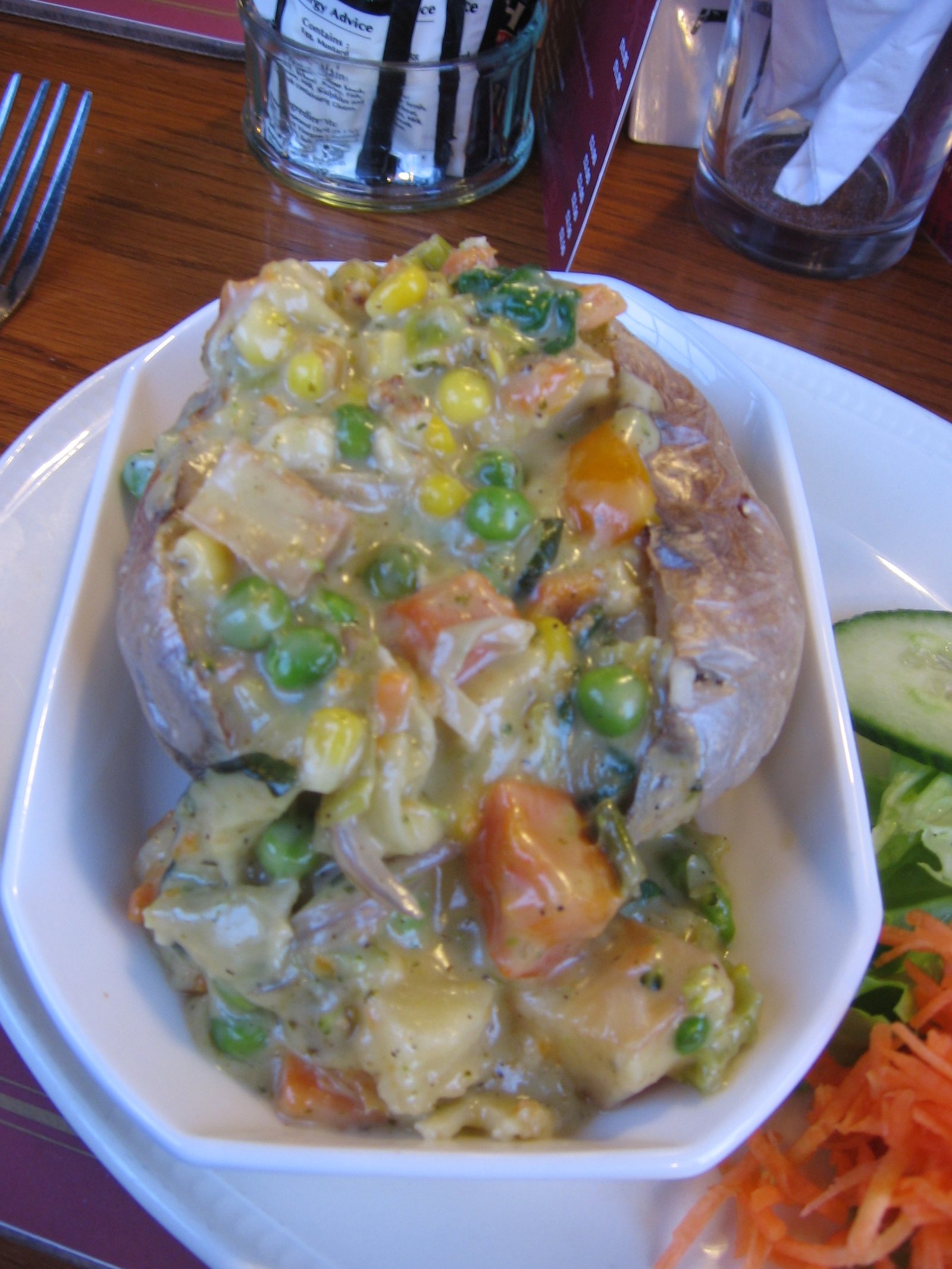
- – Dinner: baked potato with vegetables and a protein side; gentle seasoning.
- – Night: light snack if evening pain medicines upset an empty stomach—ask your pharmacist.
5. Cough and posture kitchen tips
Avoid chronic smoke exposure that prolongs cough. Use exhaust fans. Keep frequently used items between waist and chest height to reduce overhead reaching.
6. When arthritis care overlaps
NIAMS notes many arthritis types with different treatments. If your clinician links chest-wall pain to a systemic arthritis, follow that disease plan rather than only this page’s general kitchen tips (rheumatoid arthritis diet guide, bursitis diet guide).
Safety, interactions, and who should ask a clinician first
- – Red flags for ER evaluation (not an exhaustive list): pressure-like chest pain, pain with exertion, shortness of breath, fainting, sweating, jaw/arm radiation, sudden severe pain, fever with chest symptoms after surgery or IV drug use, or any doubt that this is “just” costochondritis.
- – NSAID stomach risk, kidney disease, and heart disease change pain-medicine choices—food does not replace that counseling.
- – Pregnant people and those on anticoagulants need tailored plans.
FAQ
Can an anti-inflammatory diet replace imaging or heart tests? No. MedlinePlus emphasizes clinical assessment; serious causes of chest pain must be considered appropriately.
Do I need to eliminate nightshades? Not as a MedlinePlus rule for costochondritis. If a personal trigger is clear, limit it without under-eating produce overall.
Will turmeric or fish oil cure cartilage inflammation? Supplements are not standard MedlinePlus cures for costochondritis. Discuss interactions before starting.
Why does coughing make it worse? MedlinePlus notes increased pain with deep breath or cough is common. Treating the cough’s cause and supporting hydration may reduce strain; diet alone is not the full plan.
How long until food “works”? Food is supportive. MedlinePlus timelines for improvement are days to months with medical care—not a kitchen deadline.
How this differs from related OTCFood topics
This page is a costochondritis-bound diet guide focused on maintainable plates, low-strain meal prep, cough-related kitchen habits, and emergency triage humility. It is not a cardiac diet prescription, not a rheumatoid arthritis protocol, and not permission to ignore chest-pain red flags.
Medical disclaimer
Medical disclaimer: This article is for general information only. It is not medical advice, diagnosis, or a treatment plan. Chest pain can be serious. Costochondritis care depends on cause, severity, and other heart, lung, or joint conditions. Talk with a clinician or registered dietitian before starting, stopping, or changing any eating plan, supplement, or medicine. Seek emergency care for severe, exertional, radiating, or unexplained chest pain, shortness of breath, fainting, or other urgent warning signs.