Concussion Recovery Diet: Foods That May Help and Foods to Limit
Medical note: This article discusses foods and researched botanicals. It does not claim to prevent, treat, or cure disease. Supplements are not a substitute for food, and studied amounts are not personal prescriptions.
People searching “concussion recovery diet foods that help or worsen” usually want steady kitchen habits while the brain recovers from a mild traumatic brain injury—not a claim that “brain foods” heal a concussion the way clinician-guided rest and return-to-activity plans can. MedlinePlus describes a concussion as a type of brain injury involving a short loss of normal brain function after a hit to the head or body that makes the head and brain move rapidly. Symptoms can include headache, neck pain, nausea, ringing in the ears, dizziness, tiredness, or feeling dazed; they may start right away or days later. CDC HEADS UP stresses that concussions are brain injuries that should be taken seriously, that children need clinician evaluation, and that return to school, sports, and activities should follow structured guidance—not DIY timelines or miracle supplements.
What this concussion recovery diet guide covers (and what it does not)
This guide is for adults (and caregivers coordinating adult kitchen routines) supporting recovery after a clinician-diagnosed concussion who want practical eating and hydration patterns. Anchors: MedlinePlus — Concussion and CDC HEADS UP — Concussion Basics.
CDC and MedlinePlus emphasize medical evaluation, symptom monitoring, and graded return to activities. Kitchen changes do not clear a concussion, license same-day return to contact sports, or replace emergency care for red-flag neurologic symptoms. Extra caution: no miracle “neuro” powders, no alcohol “to sleep through” symptoms, and no skipping clinician clearance for sports or driving when advised. Headache patterns may overlap kitchen topics like migraine diet trigger foods guide or tension headache diet guide without proving those diagnoses.
Evidence snapshot: concussion recovery diet claims vs public sources
| Claim people hope for | What public sources actually say | Confidence |
|---|---|---|
| “Special brain foods heal concussion” | CDC/MedlinePlus focus on clinical care, symptom rest, and return-to-activity plans—not culinary cures | Strong: food is supportive only |
| “Megadose supplements speed clearance” | Public HEADS UP pages do not present high-dose supplement stacks as standard concussion therapy | Strong against DIY megadoses as cure |
| “Regular meals and hydration support comfort” | Nausea, fatigue, and disrupted routines are common; steady intake can support day-to-day function while recovering | Moderate for support/comfort |
| “Fasting or keto is required for healing” | Not a CDC HEADS UP requirement for concussion recovery | Low for mandatory therapeutic diets |
| “If symptoms last, diet failed” | Recovery timelines vary; worsening or prolonged symptoms need clinician review | Strong: duration → medical follow-up |
Foods and patterns that may help during concussion recovery
“May help” means supporting hydration, reducing meal-skipping when nausea and fatigue are present, and keeping blood-sugar swings gentler for some people—not a promise to shorten concussion clearance.
Steady hydration and simple meals
- – Keep water available; small frequent sips if nausea is present.
- – Choose easy meals you can assemble with low cognitive load: yogurt, oatmeal, smoothies with fruit and protein, eggs, soft sandwiches, leftover rice bowls, or pre-cut fruit.
- – If fluorescent kitchens or phone screens worsen symptoms, prep food in shorter bursts and rest between steps—activity pacing belongs in your clinician’s return plan.
Protein, produce, and familiar plates
- – Include protein (eggs, yogurt, fish, tofu, beans, lean poultry) with carbohydrate and produce when appetite allows—general nutrient context such as magnesium deficiency diet guide or vitamin D deficiency diet guide is kitchen framing, not concussion therapy.
- – Familiar comfort foods that stay down beat experimental “superfoods” that trigger nausea.
Sleep, caffeine, and alcohol boundaries
- – Poor sleep is common after concussion; heavy evening alcohol undermines rest and clinician monitoring—limit or avoid until cleared.
- – If you use caffeine, keep it predictable and modest; sudden huge doses can worsen headache for some people. Insomnia-aware kitchen timing tips may relate to insomnia diet guide without replacing sleep advice from your clinician.
- – Fatigue overlaps with broader recovery patterns discussed in chronic fatigue syndrome diet guide only as kitchen pacing context—not as a shared diagnosis.
Headache-aware eating without self-diagnosis
- – Skipping meals can worsen headache for some people; aim for regular small intakes.
- – If you already know personal migraine food triggers, keep those limits while recovering—see migraine diet trigger foods guide—but do not start aggressive elimination diets that leave you underfed during recovery.
Medication timing and empty-stomach nausea
- – If prescribed pain relievers upset an empty stomach, ask whether a small snack is appropriate—never change dosing on internet advice.
- – Keep crackers or yogurt available for queasy windows without turning every hour into a large meal.
Foods and habits that often worsen concussion recovery kitchen patterns
- – Alcohol, especially early after injury, when monitoring symptoms and medicines.
- – Energy-drink stacking to “push through” school or work against clinician advice.
- – Long fasting experiments or unproven detoxes that increase lightheadedness.
- – Driving or cooking on gas burners unsupervised if dizziness, visual symptoms, or cognitive fog are significant—safety first.
- – Ignoring red flags—worsening headache, repeated vomiting, seizures, unequal pupils, increasing confusion, weakness, or loss of consciousness needs emergency care, not a smoothie.
Practical kitchen protocol: a concussion recovery week
1. Medical spine first
Follow your clinician’s relative rest and return-to-learn/work/sport steps. Do not use diet milestones as sports clearance.
2. Low-bandwidth shopping list
Water; oral electrolytes only if clinician agrees; yogurt; eggs; oatmeal; bananas and berries; bread; peanut butter or another tolerated protein spread; pre-washed salad kits or soft cooked vegetables; canned fish or tofu; frozen smoothie fruit.
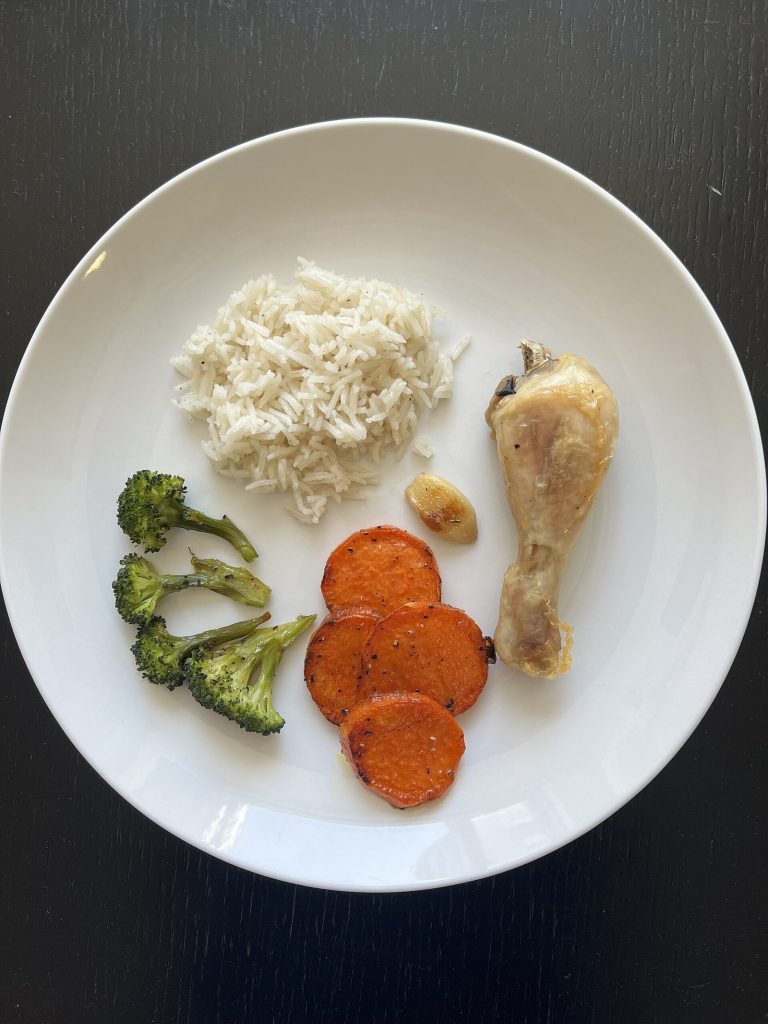
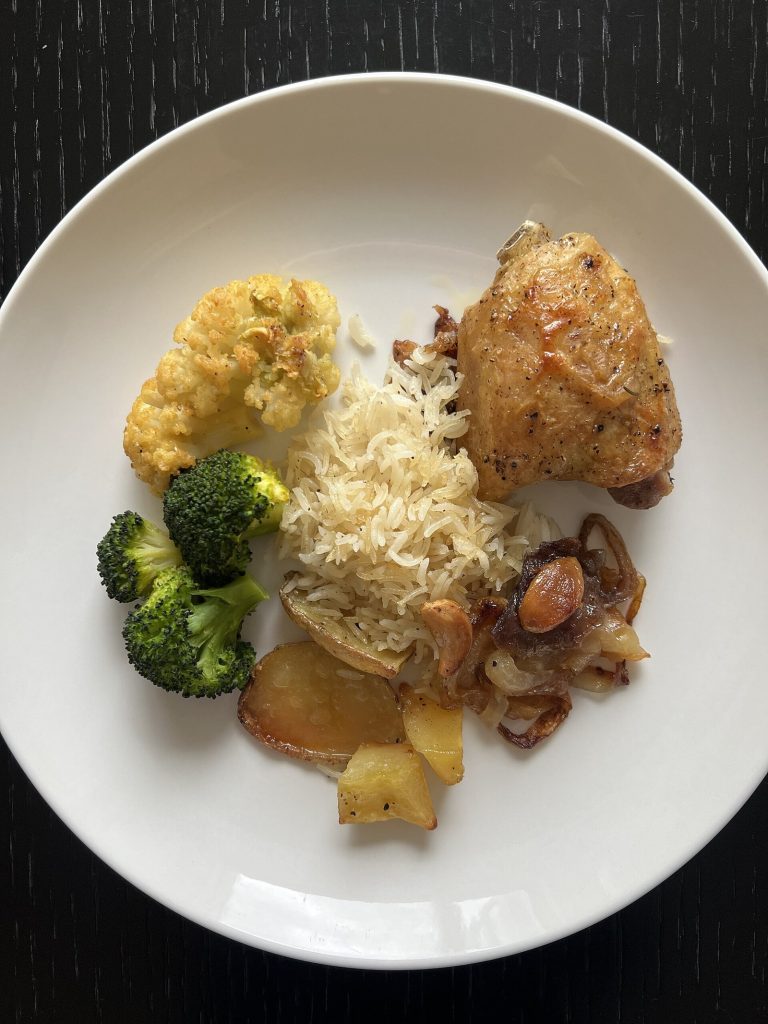
3. Default plate template
- – Easy produce (fresh or cooked)
- – Straightforward starch
- – Soft protein
- – Season mildly; prioritize what stays down
4. Sample day (illustrative)
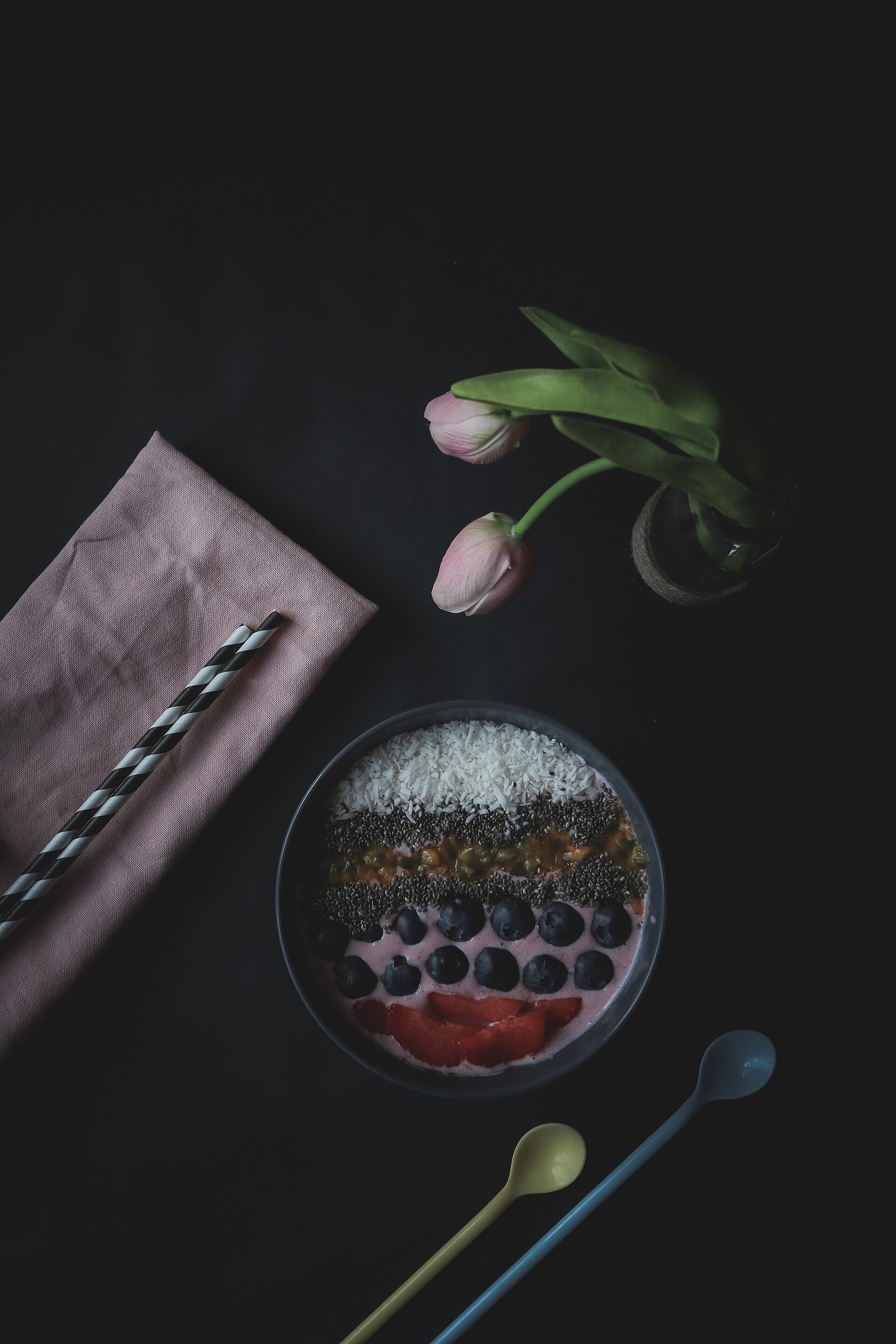
- – Breakfast: smoothie bowl or oatmeal with fruit; water.
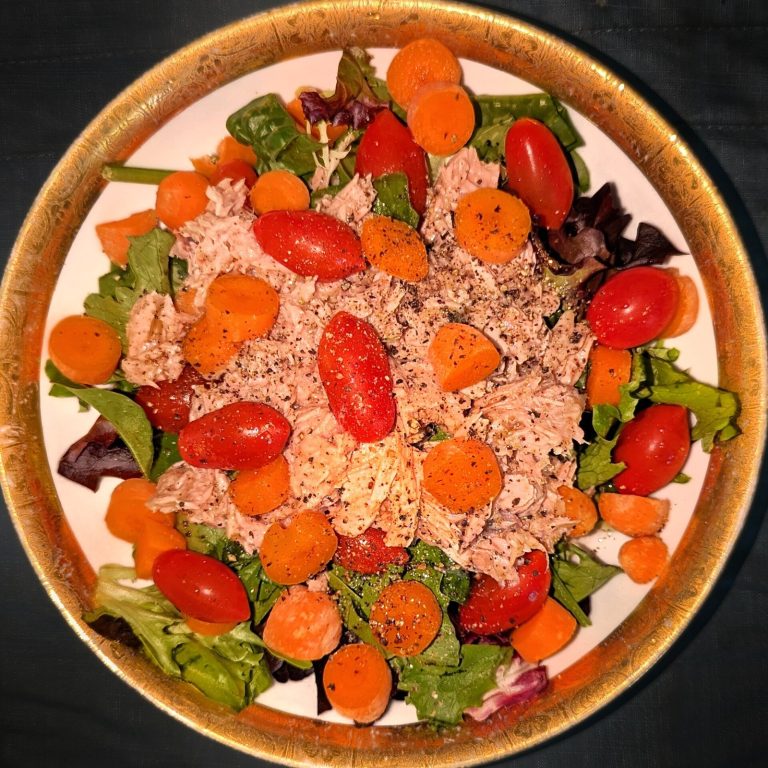
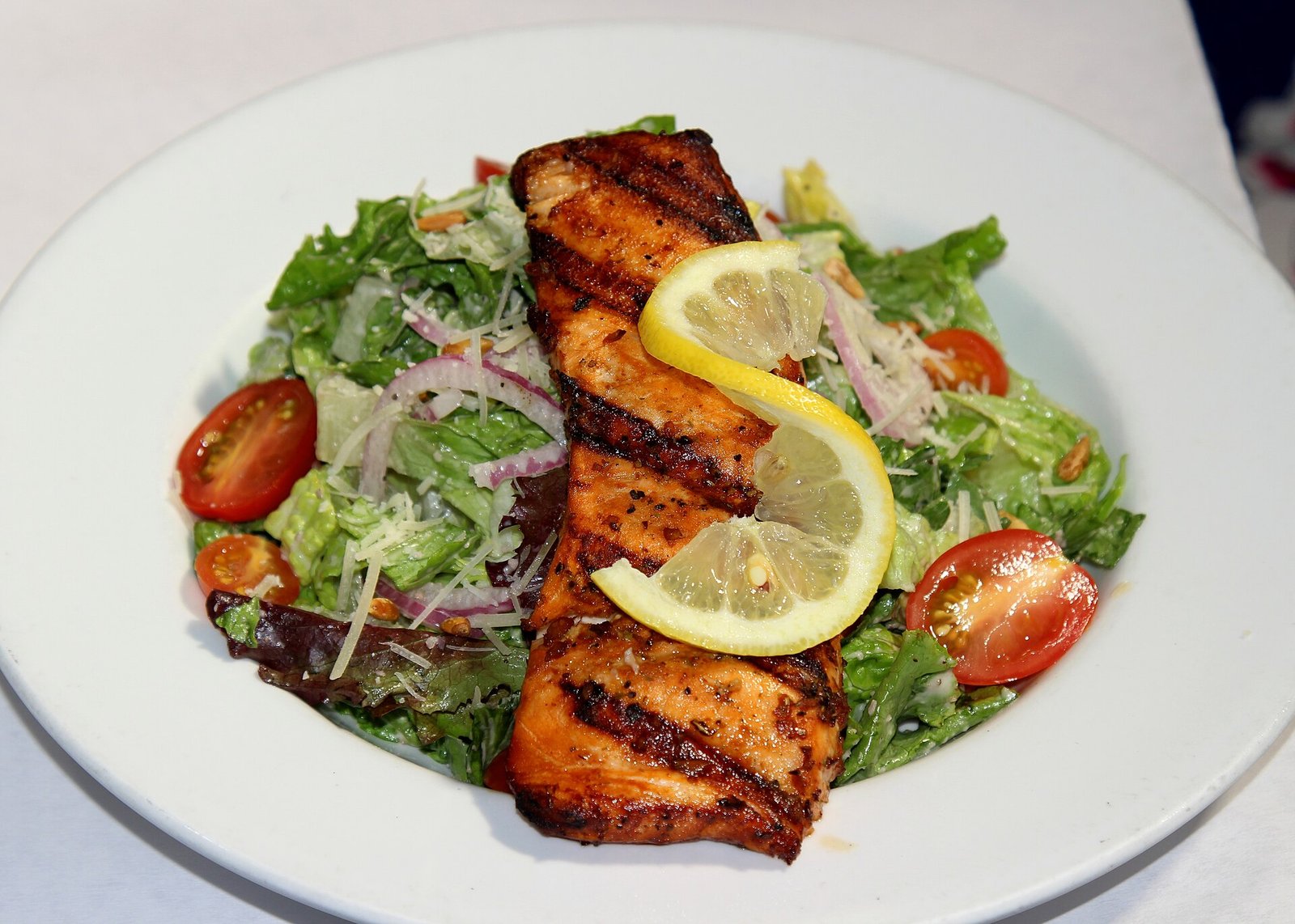
- – Lunch: grilled salmon or egg salad with greens if lights/noise allow; otherwise a simple sandwich in a dimmer room.
- – Snack: yogurt; banana.
- – Dinner: rice bowl with tender protein and cooked vegetables.
- – Night: light snack if evening medicines upset an empty stomach—ask your pharmacist; avoid alcohol.
5. Caregiver tips
Offer choices rather than debates. Keep meal times consistent. Reduce kitchen noise and strong cooking odors if they provoke nausea. Document intake only if a clinician asked—avoid turning meals into anxiety homework.
6. Return-to-activity kitchen pacing
As screen and exercise time increase under guidance, pack portable snacks so longer school or work blocks do not become accidental fasts. Stop cooking projects that spike symptoms; leftover batch meals from earlier in the week can help.
Safety, interactions, and who should ask a clinician first
- – Children and teens need clinician-guided concussion care; this adult-focused kitchen page does not replace pediatric HEADS UP protocols.
- – People on blood thinners, with bleeding disorders, or with prior TBIs need individualized plans.
- – New or worsening neurologic symptoms are emergencies.
- – Supplements marketed for “brain healing” can interact with medicines—ask before starting.
FAQ
Can omega-3s or blueberry smoothies clear a concussion faster? Public CDC HEADS UP guidance centers clinical care and graded return—not food as disease-modifying therapy. Nutrient-dense meals support general health; they do not replace clearance rules.
Should I avoid all screens and all solid food? Follow your clinician’s symptom-limited activity plan. Many people tolerate soft regular meals; extreme fasting is not a HEADS UP requirement.
Is coffee forbidden forever? Not necessarily. Keep caffeine modest and consistent if it worsens headache; hydration still matters.
Why do I feel nauseated in the kitchen? Sensory load (smell, light, standing) can aggravate symptoms. Shorten prep, sit when possible, and ask about anti-nausea strategies if needed.
When can I drink alcohol again? Ask your clinician. Early alcohol can mask symptoms and impair judgment during recovery.
How this differs from related OTCFood topics
This page is a concussion-recovery-bound diet guide focused on steady hydration, simple meals, alcohol limits, and adherence to clinician return plans. It is not a migraine elimination protocol, not a chronic fatigue diagnosis page, and not permission to return to contact sports based on appetite alone.
Medical disclaimer
Medical disclaimer: This article is for general information only. It is not medical advice, diagnosis, or a treatment plan. Concussion care depends on age, injury mechanism, symptom course, and sport or work demands. Talk with a clinician or registered dietitian before starting, stopping, or changing any eating plan, supplement, or medicine. Seek emergency care for worsening headache, repeated vomiting, seizures, confusion, weakness, unequal pupils, or loss of consciousness.