Addison’s Disease Diet: Foods That May Help and Foods to Limit
Medical note: This article discusses foods and researched botanicals. It does not claim to prevent, treat, or cure disease. Supplements are not a substitute for food, and studied amounts are not personal prescriptions.
People searching “Addison’s disease diet foods that help or worsen” usually need sodium- and steroid-compatible kitchen habits—not a claim that food replaces cortisol replacement. NIDDK explains that adrenal insufficiency (including Addison’s disease) means the adrenal glands do not make enough cortisol and, in primary disease, often not enough aldosterone. Treatment is hormone replacement; people may need higher steroid doses during illness, surgery, or injury (sick-day rules). On diet, NIDDK notes that some people with Addison’s disease who have low aldosterone can benefit from a high-sodium diet, and that people who take medicines that replace cortisol also need plenty of calcium and vitamin D. A health care professional or dietitian should recommend amounts. Food does not replace emergency injection training or stress-dose steroids.
What this Addison’s disease diet guide covers (and what it does not)
This guide is for adults with diagnosed adrenal insufficiency/Addison’s disease who want practical eating patterns beside endocrinology care. Anchors: NIDDK — Adrenal Insufficiency & Addison’s Disease, NIDDK — Eating, Diet, & Nutrition, and MedlinePlus — Addison Disease.
Adrenal crisis (severe weakness, vomiting, dehydration, low blood pressure, confusion) is an emergency—not a nutrition experiment. Never stop prescribed glucocorticoids to try a “natural adrenal tonic.”
Evidence snapshot: Addison’s diet claims vs public sources
| Claim people hope for | What public sources actually say | Confidence |
|---|---|---|
| “Diet cures Addison’s disease” | NIDDK: hormone replacement is required; diet supports sodium/calcium/D needs for some patients | Strong: medicine is essential |
| “High-sodium diet may help if aldosterone is low” | NIDDK: some people with low aldosterone can benefit from a high-sodium diet under professional guidance | Moderate–strong when clinician-directed |
| “Everyone with Addison’s must eat unlimited salt” | Needs are individualized—hypertension, heart failure, or kidney disease may change targets | Strong: personalize |
| “Steroid medicines mean you should avoid all calcium” | NIDDK: people on cortisol-replacement medicines need plenty of calcium and vitamin D | Strong for adequacy, not megadoses without advice |
| “Licorice candy replaces fludrocortisone” | Not a safe substitute for prescribed mineralocorticoid therapy | Strong against substitution |
Foods and patterns that may help with Addison’s disease nutrition support
“May help” means matching clinician sodium guidance and bone-nutrient adequacy—not manufacturing cortisol.
Sodium when aldosterone is low (NIDDK)
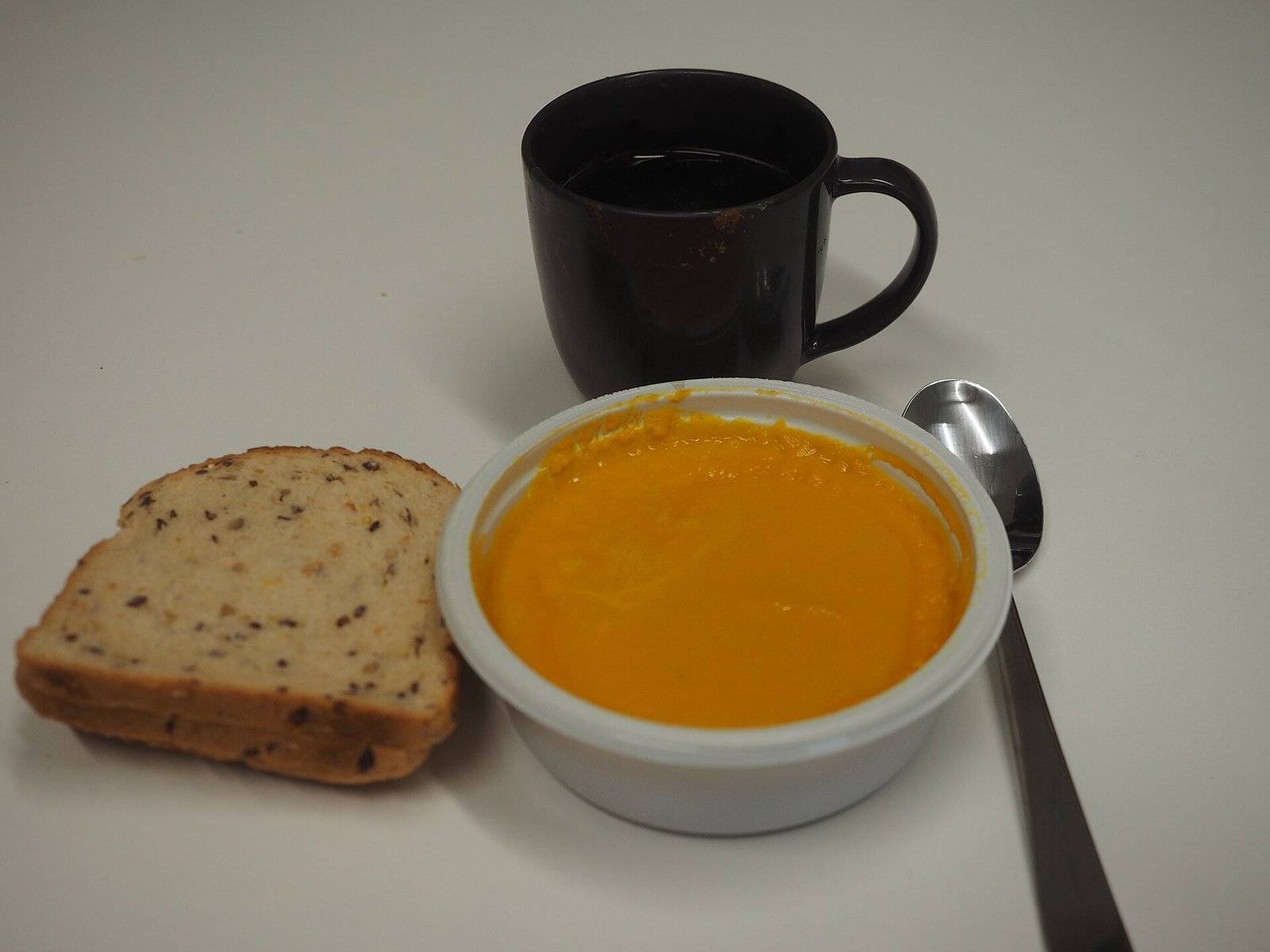
- – If your clinician/dietitian recommends a higher-sodium pattern, use salted foods, broths, salted crackers, or electrolyte guidance they provide—especially in hot weather, endurance activity, or gastroenteritis recovery as directed.
- – If you also have hypertension or heart failure, do not self-escalate salt; reconcile competing diagnoses with your team. See heart failure diet guide or hypertension diet guide only under dual-diagnosis advice.
Calcium and vitamin D while on glucocorticoid replacement (NIDDK)
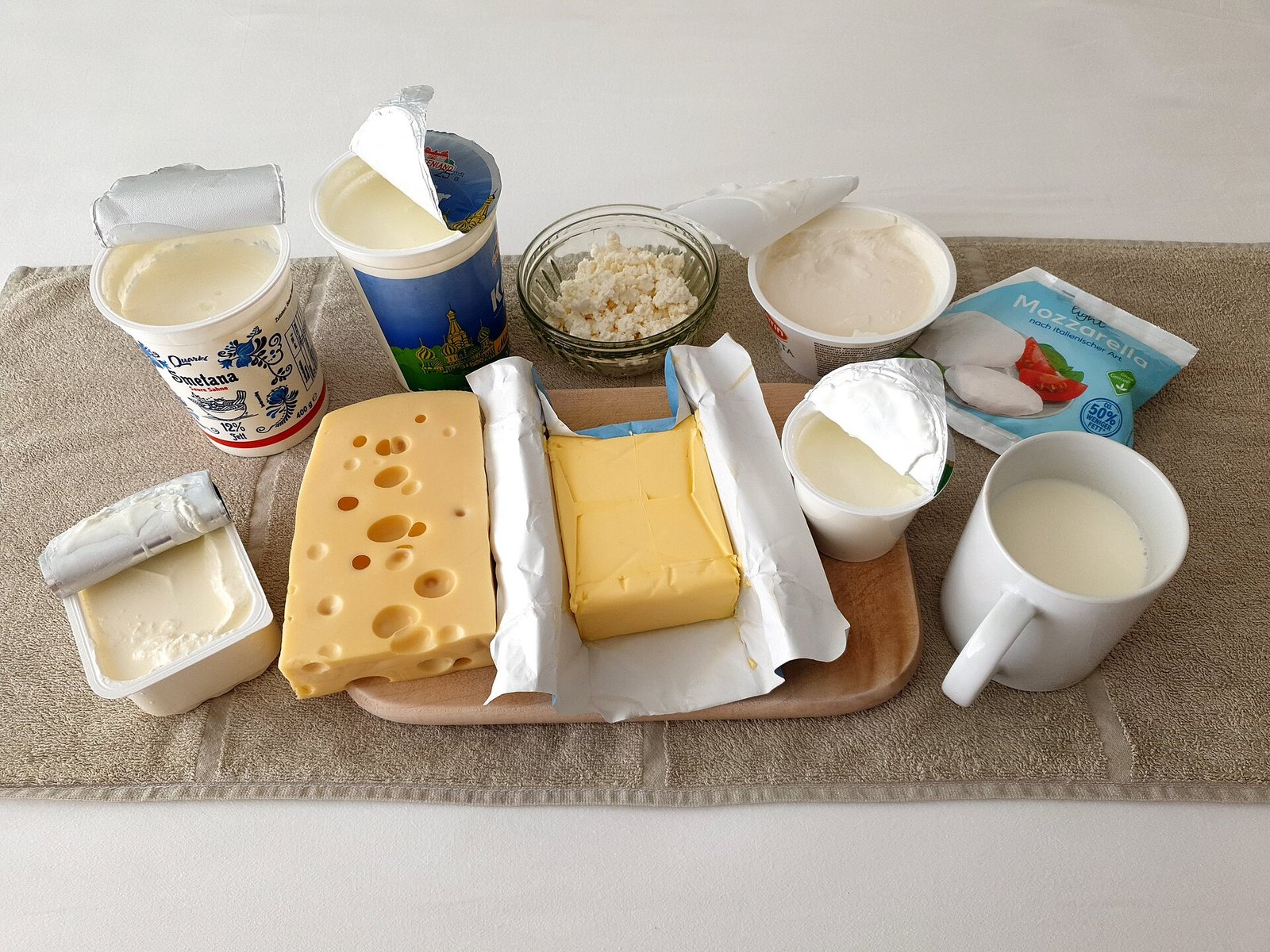
- – Include dairy or fortified alternatives, canned fish with soft bones if tolerated, fortified foods, and leafy greens as they fit your plan.
- – Discuss vitamin D testing and supplementation with your clinician—pair kitchen ideas with vitamin D deficiency diet guide and osteoporosis diet guide when bone health is a focus.
- – Protein-rich meals support overall strength when fatigue and weight loss have been issues historically.
Regular meals that support medicine adherence
- – Take replacement steroids on the schedule prescribed (often morning-weighted dosing)—food timing may reduce stomach upset for some people.
- – Keep sick-day foods (broths, oral rehydration) stocked; vomiting that blocks pills needs urgent steroid plans, not only soup.
Hydration
- – Steady fluids help if sodium losses and dehydration risk are part of your picture—individualize if you have fluid restrictions for other diseases.
Foods and habits that often worsen Addison’s kitchen patterns
- – Stopping or skipping steroid tablets for herbal “adrenal support.”
- – Very low-sodium diets (for example, aggressive heart-healthy bans) without reconciling aldosterone/fludrocortisone needs.
- – Relying on black licorice or unregulated extracts as medicine substitutes.
- – Heavy alcohol that dehydrates and disrupts adherence.
- – Ignoring vomiting/diarrhea illness—missed steroids plus fluid loss is crisis territory.
Practical kitchen protocol: an Addison’s disease diet week
1. Keep the medical spine first
Wear medical ID if advised. Know intramuscular emergency hydrocortisone steps. Update sick-day rules with your endocrinologist.
2. Shopping list (examples—confirm targets)
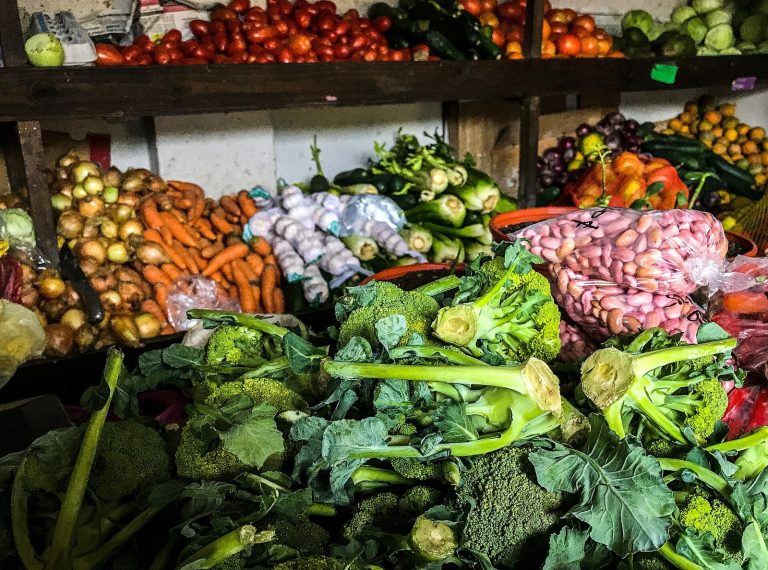
Salted broths if high-sodium advised; yogurt/milk or fortified alt; cheese; eggs; fish; beans; fruits; vegetables; fortified orange juice if it fits; oral rehydration for illness days.
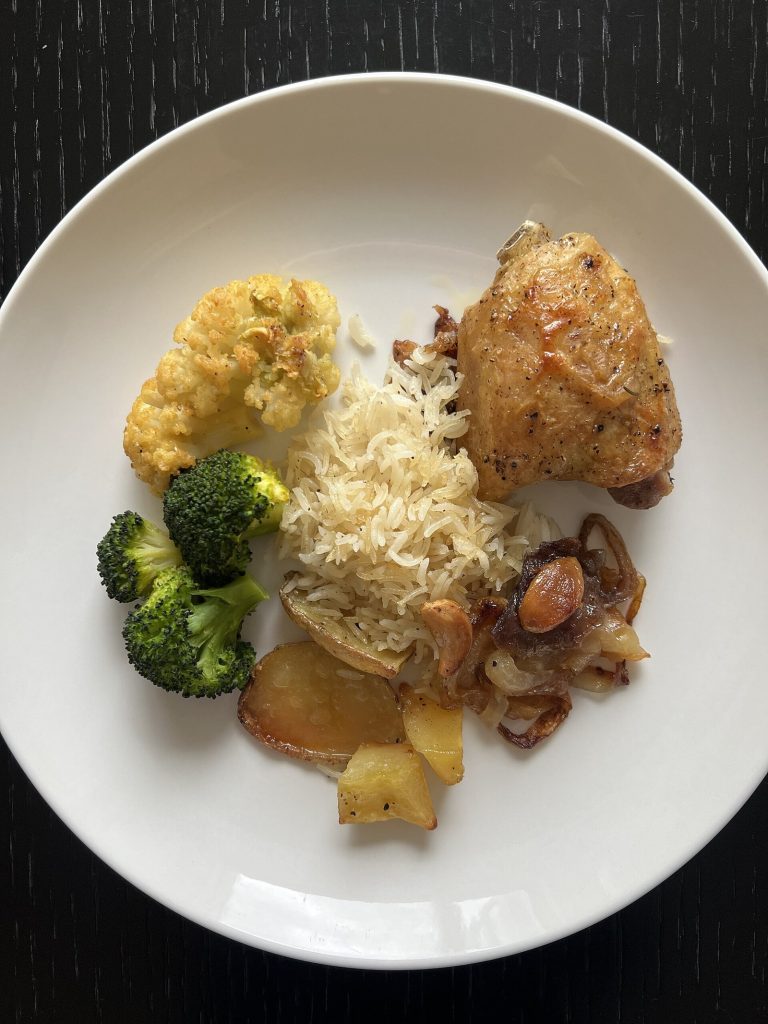
3. Default plate template
- – Half vegetables and fruit
- – Quarter grains
- – Quarter protein
- – Add salt only to the degree your clinician prescribed
4. Sample day (illustrative for a clinician-approved higher-sodium plan)
- – Breakfast: eggs, toast with salted topping as advised, yogurt; morning steroid with water.
- – Lunch: chicken sandwich, salted broth on the side if recommended, fruit.
- – Snack: cheese and crackers; water.
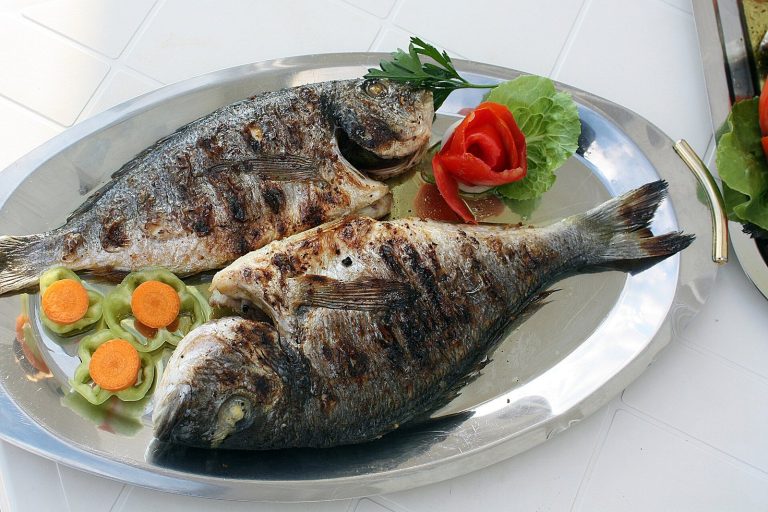
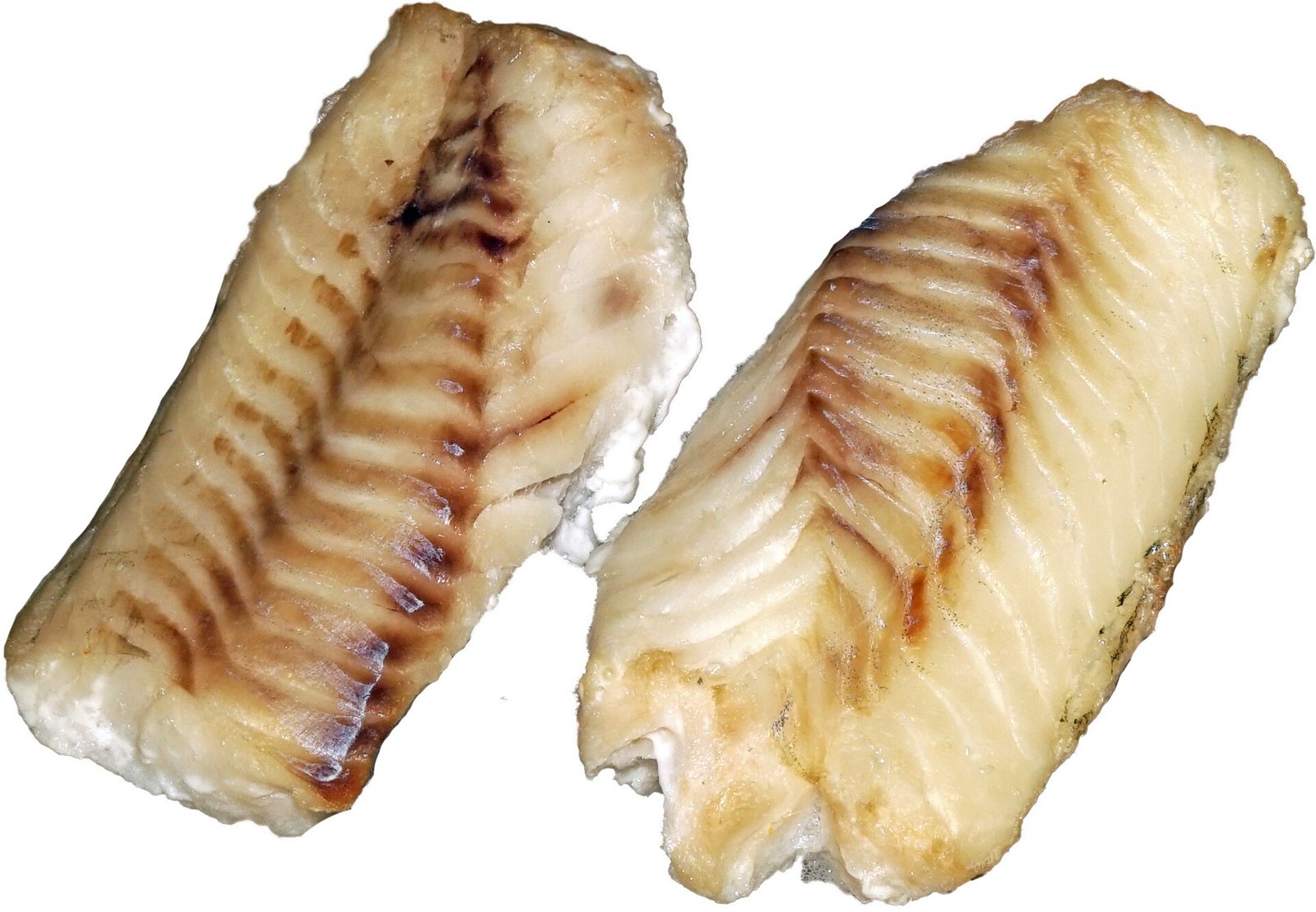
- – Dinner: baked fish, potatoes, vegetables; dairy-based dessert if calories allow.
- – Illness day: follow sick-day steroid sheet first; use broths/ORS while seeking care if you cannot keep medicines down.
5. Eating out
Carry a written sodium/medicine card if helpful. Do not skip tablets because a restaurant meal is delayed—pack a buffer snack and your pills.
6. Bone-health overlap
Long-term glucocorticoids raise bone-health priority—coordinate calcium/D and fall-prevention with osteoporosis diet guide themes under medical guidance.
Safety, interactions, and who should ask a clinician first
- – Adrenal crisis symptoms: emergency care and stress-dose steroids per your plan.
- – Pregnancy, surgery, dentistry, and infections change steroid needs.
- – Diabetes or hypertension on steroids needs metabolic monitoring.
- – OTC steroids, opioid “adrenal” myths, and supplement stacks: pharmacist review.
FAQ
Can diet replace hydrocortisone or prednisone? No. NIDDK frames hormone replacement as essential.
Who needs a high-sodium diet? Some people with low aldosterone—NIDDK says a professional should recommend how much.
Why calcium and vitamin D? NIDDK: people taking medicines that replace cortisol need plenty of calcium and vitamin D for bone health support.
What if I also have high blood pressure? Do not blindly increase salt. Ask how to balance mineralocorticoid therapy, blood pressure, and diet.
Is craving salt always diagnostic of Addison’s? Salt craving can occur clinically but is not a DIY diagnosis—testing and treatment belong with clinicians.
How this differs from related OTCFood topics
This page is an Addison’s / adrenal insufficiency–bound diet guide focused on NIDDK sodium and calcium/D points beside hormone therapy. It is not a general fatigue diet, not a hypertension diet guide low-salt manifesto for every reader, and not a substitute for crisis training.
Medical disclaimer
Medical disclaimer: This article is for general information only. It is not medical advice, diagnosis, or a treatment plan. Adrenal insufficiency requires prescribed hormone replacement and specialist follow-up. Talk with your clinician or registered dietitian before starting, stopping, or changing any eating plan, supplement, or medicine. Seek emergency care for vomiting that blocks steroids, severe weakness, fainting, confusion, or suspected adrenal crisis.