High Triglycerides Diet: Foods That May Help and Foods to Limit
Medical note: This article discusses foods and researched botanicals. It does not claim to prevent, treat, or cure disease. Supplements are not a substitute for food, and studied amounts are not personal prescriptions.
High blood triglycerides are a type of fat in the blood. NHLBI and MedlinePlus explain they come from foods—especially fats you eat—and from extra calories the body stores. Levels that stay high can raise risk for heart disease and stroke; very high levels can raise risk for acute pancreatitis. Lifestyle changes often recommended include controlling weight, regular activity, not smoking, limiting sugar and refined foods, limiting alcohol, and switching from saturated fats toward healthier fats. Prescription omega-3 medicines differ from over-the-counter fish oil; follow your clinician. This page is about dietary patterns—not a substitute for lipid medicines when prescribed.
What this high triglycerides diet guide covers (and what it does not)
This guide is for adults with elevated triglycerides seeking kitchen tactics aligned with NHLBI/MedlinePlus public advice. It covers sugar limits, alcohol limits, fat quality, calorie awareness, and when to seek care for pancreatitis warning symptoms. It does not interpret your lab report alone or stop prescribed fibrates, statins, or prescription omega-3s.
Anchors: NHLBI — High Blood Triglycerides, MedlinePlus — Triglycerides.
Evidence snapshot
| Claim people hope for | What public sources actually say | Confidence |
|---|---|---|
| “Only fat matters, sugar is fine” | MedlinePlus/NHLBI: extra calories and lots of sugar raise triglycerides; limit sugar and refined foods | Strong |
| “Alcohol is optional to limit” | Limit alcohol; very high levels may require stopping alcohol (NHLBI) | Strong |
| “OTC fish oil equals prescription omega-3” | NHLBI: prescription omega-3s differ from dietary supplements | Strong |
| “Weight and activity matter” | Controlling weight and regular activity are core lifestyle steps | Strong |
| “Diet replaces all medicines” | Some people still need lipid medicines | Strong (against replacement) |
Foods and patterns that may help
Cut sugar-sweetened beverages first
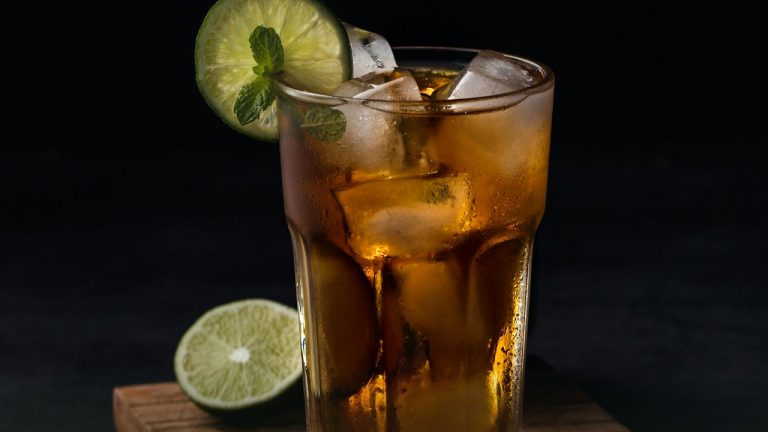
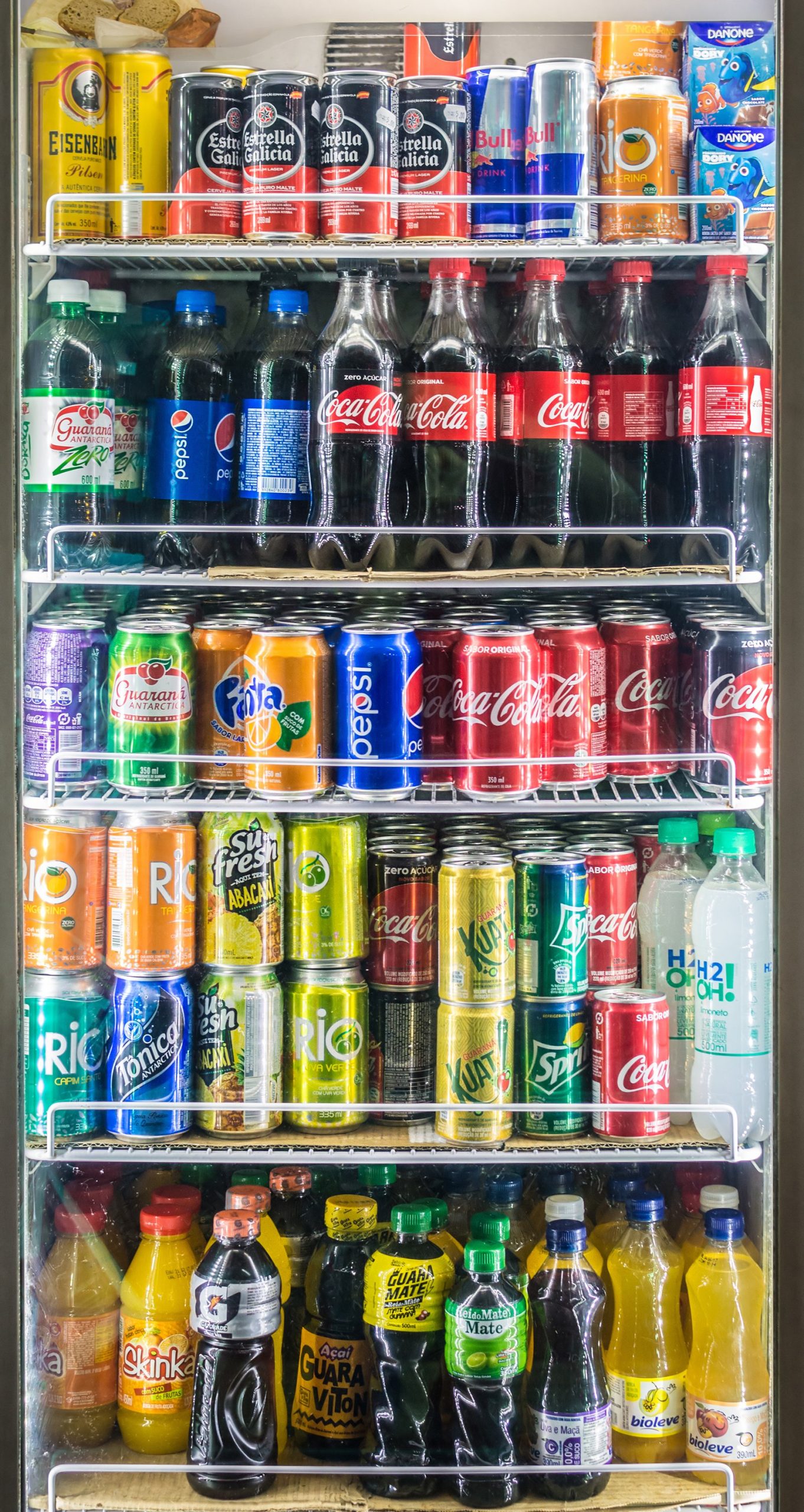
Swap sodas, sweet teas, and energy drinks for water or unsweetened options—often the highest-yield change for triglycerides driven by sugar load.
Choose fiber-rich carbs
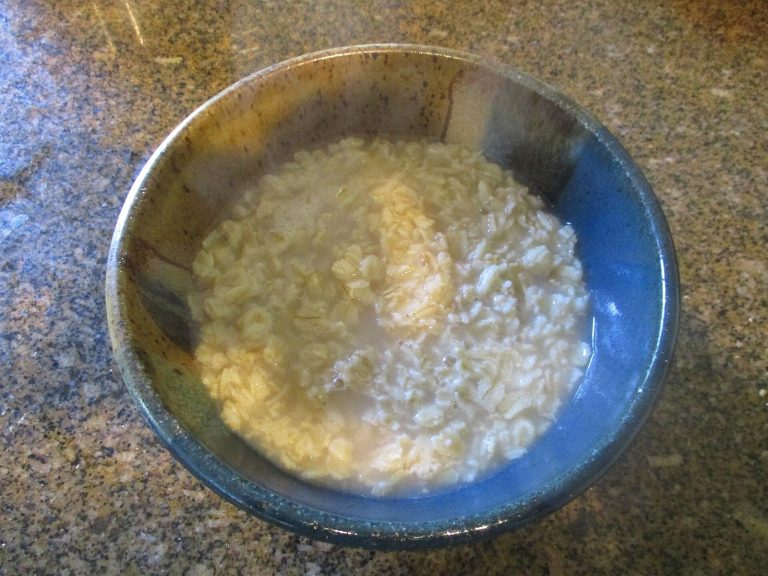
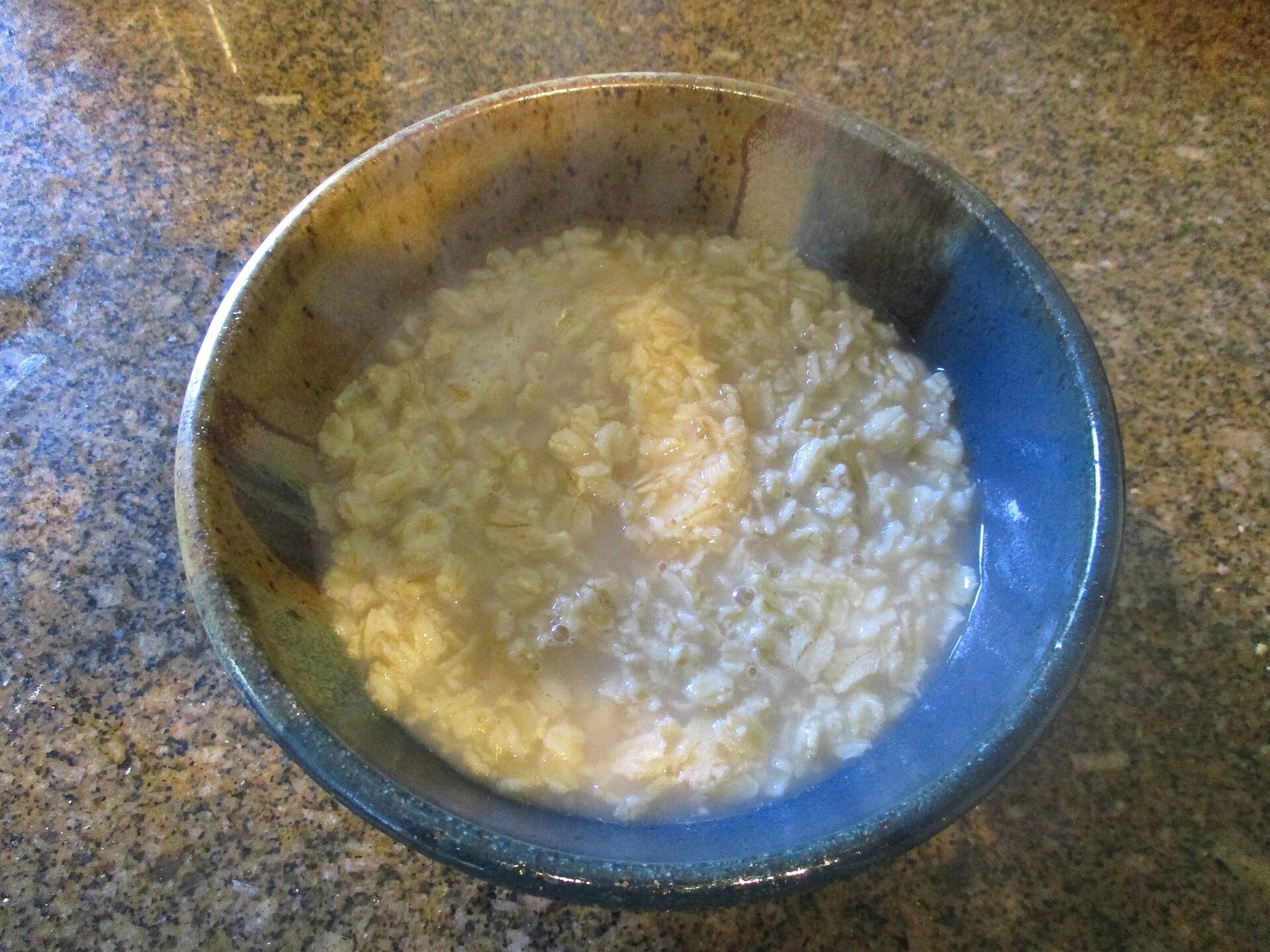
Oats, beans, vegetables, fruits, and whole grains instead of constant pastries and candy.
Prefer unsaturated fats
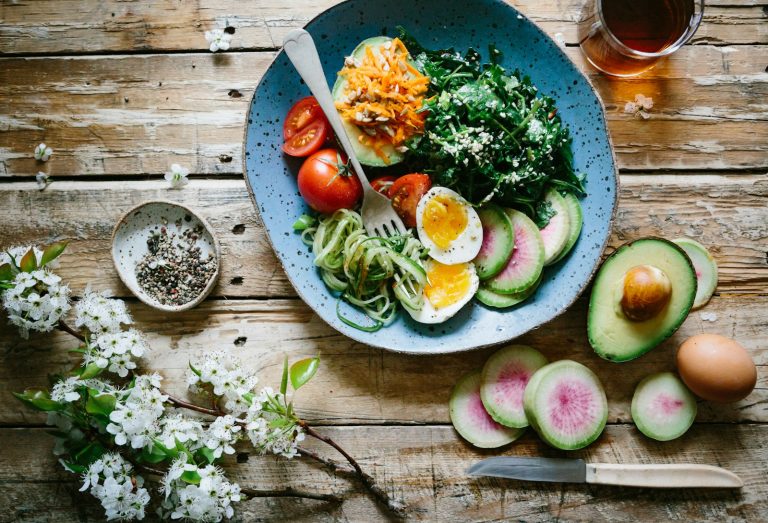
Olive oil, nuts, seeds, avocado, and fish more often than large amounts of butter, fatty processed meats, and deep-fried foods.
Protein that supports satiety during weight control
Fish, poultry, beans, tofu, low-fat dairy or fortified alternatives.
Alcohol strategy
If triglycerides are very high, your clinician may advise zero alcohol (NHLBI). Otherwise keep strictly within advised limits—or none.
Foods and drinks to limit
- – Sugar-sweetened drinks and desserts high in added sugars.
- – Refined snack foods as daily staples.
- – Excess alcohol.
- – Large surplus calories from any source.
- – Frequent fried foods and high saturated-fat meats when they push calories and saturated fat up together.
Practical kitchen protocol
Sample day
- – Breakfast: oats with berries and nuts.
- – Lunch: large salad with beans, grilled chicken, olive oil.
- – Snack: yogurt or fruit.
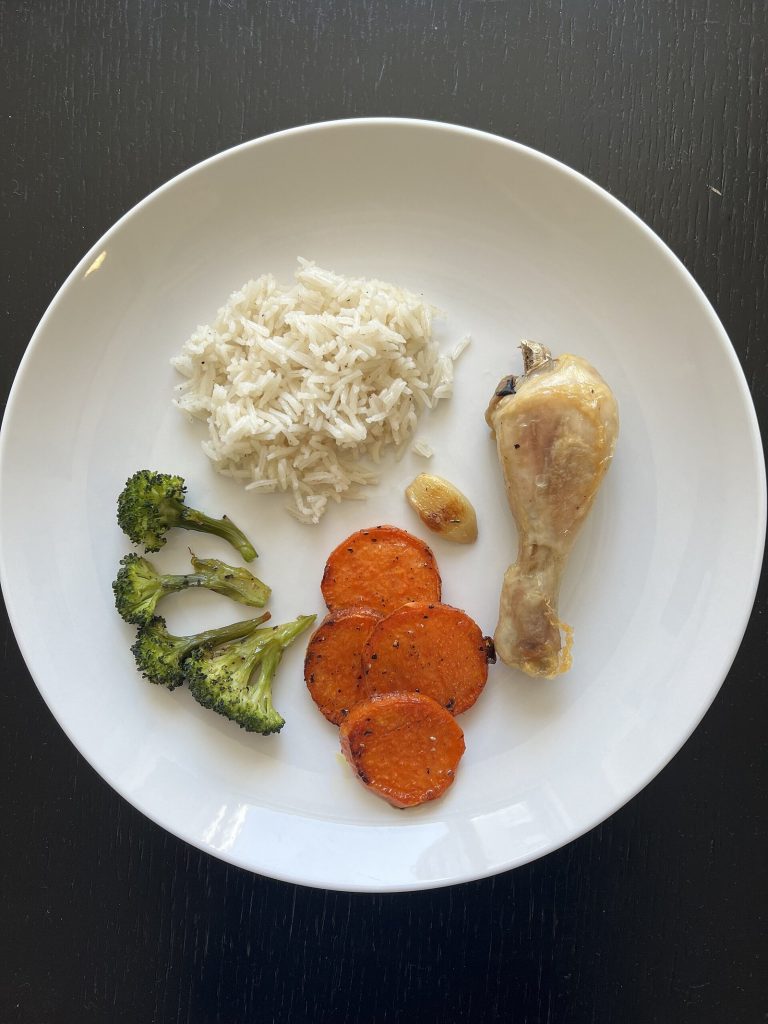
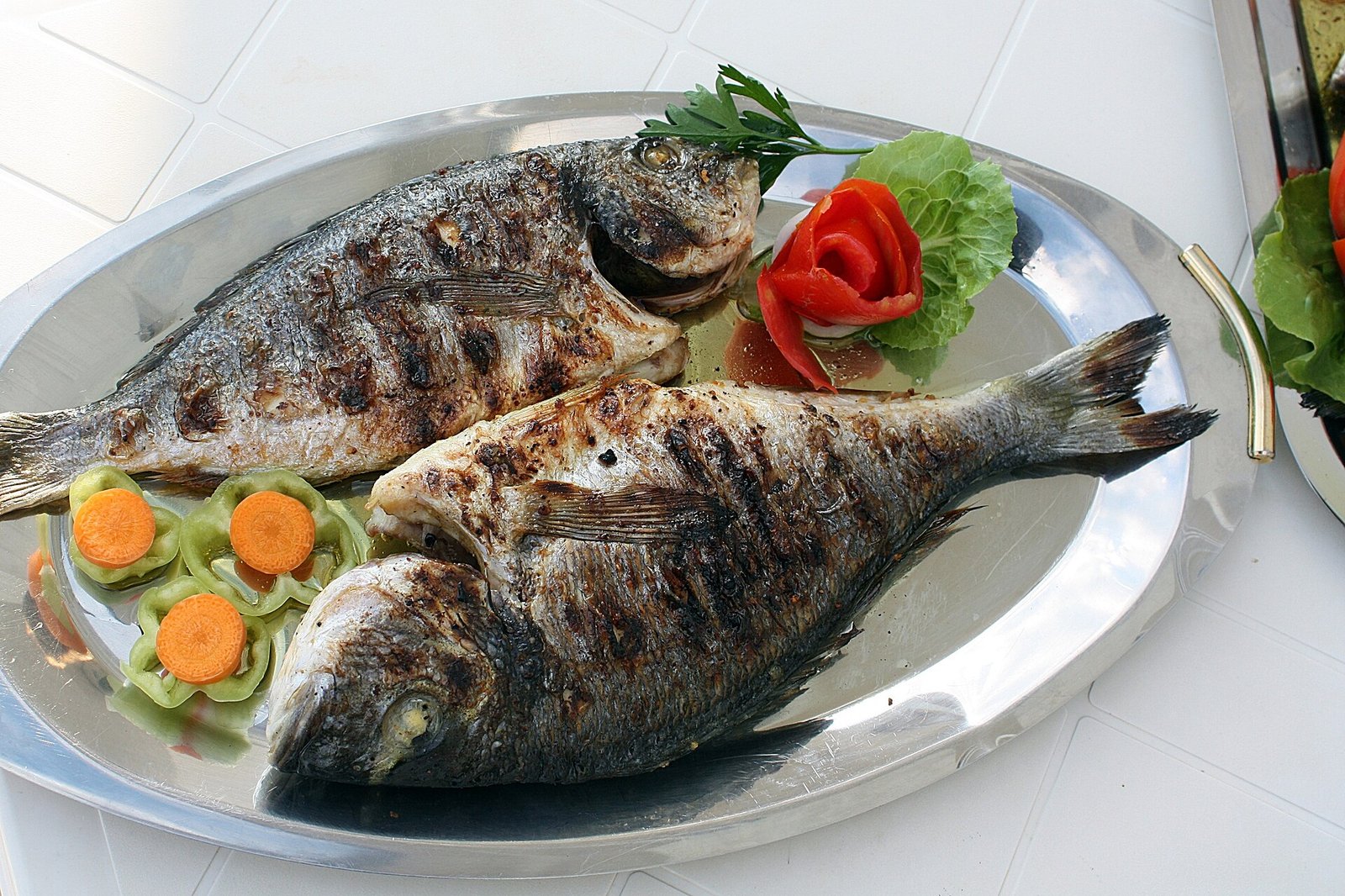
- – Dinner: baked fish, vegetables, small portion of potatoes or brown rice.
- – Drinks: water; coffee/tea without sugar syrups.
Shopping list
Oats, beans, vegetables, fruit, fish, olive oil, yogurt, nuts; skip SSBs at checkout.
Longer practical midsection: building a sustainable plate pattern
Make produce automatic
Keep washed greens, baby carrots, cherry tomatoes, and frozen mixed vegetables ready. Add a fist-sized produce serving to every lunch and dinner before you add seconds of starch. Fruit at breakfast and as a snack crowds out pastry grazing without a rigid ban. If chewing or prep is hard because of pain or fatigue, choose soft options: bananas, stewed apples, cooked carrots, blended soups with vegetables blended in.
Protein anchors three times daily
Eggs, yogurt, fish, poultry, tofu, tempeh, beans, and lentils keep meals satisfying. Aim for a palm-sized portion at main meals unless your clinician sets different targets for kidney disease or other conditions. Soft proteins help after dental work or when hands hurt: cottage cheese, canned salmon, scrambled eggs, hummus.
Carbohydrate quality over fear
Choose oats, brown rice, potatoes with skin, beans, and whole-grain bread more often than sugar-sweetened drinks and ultra-refined snacks. You do not need to eliminate all white rice or bread forever; pair them with protein and vegetables and watch portions if weight or triglycerides are goals.
Fats that earn their place
Cook with olive, canola, or other unsaturated oils in measured spoons. Include nuts and seeds in small handfuls. Limit deep-fried foods and large amounts of cream sauces when weight, reflux, or lipid goals matter. Read labels for partially hydrogenated oils and skip them when possible.
Flavor without chaos
Use lemon, herbs, garlic, ginger, vinegar, and spices to keep low-sodium or lower-fat cooking interesting. If spicy foods trigger reflux, rosacea flushing, or dyspepsia for you personally, keep a short trigger list instead of banning every spice globally.
Beverage strategy
Make water the default. Keep a bottle at your desk. Swap one sugary drink per day for sparkling water with citrus if that is a realistic step. Move caffeine earlier if sleep suffers. Keep alcohol within clinician limits—or zero when pancreatitis, high triglycerides, or pregnancy make that the safer plan.
Prep once, eat twice
Sunday or midweek, roast a tray of vegetables, cook a grain, and prepare a protein. Label containers with dates. Freeze soup in single portions. A visible fridge plan beats willpower at 8 p.m.
When symptoms flare
Use a simplified menu: soup, yogurt, eggs, ripe fruit, toast, and tea as tolerated. Resume the fuller pattern as symptoms ease. Contact your clinician if flares include red-flag symptoms listed in the safety section of this article.
Tracking without obsession
A three-column note—meal, portion, symptom—for two weeks teaches more than a month of guilt. Share it with your clinician or dietitian. Adjust one variable at a time (for example, late caffeine or fried lunches) so you know what mattered.
Safety and when to get help
Very high triglycerides can relate to pancreatitis risk (NHLBI)—seek urgent care for severe abdominal pain, vomiting, or other emergency signs. Discuss medicines, diabetes control, thyroid disease, and genetics with your clinician. Do not start high-dose supplements that interact with anticoagulants without advice.
Weekly menu sketch (illustrative only)
Day 1: Oats and berries; lentil soup; baked fish with vegetables. Day 2: Yogurt parfait; turkey or tofu wrap; bean chili. Day 3: Egg scramble with greens; quinoa bowl; chicken stew. Day 4: Fortified cereal and fruit; tuna salad; tofu stir-fry. Day 5: Peanut-butter toast and banana; vegetable pasta with beans; salmon and potatoes. Weekend: Batch soup; sheet-pan vegetables; leftover proteins; fruit-and-nut snacks. Adjust for allergies, culture, budget, and clinician rules.
Kitchen troubleshooting for real life
If mornings fail, keep shelf-stable backup breakfasts: fortified cereal, shelf-stable milk or soy milk, banana, and peanut butter. If evenings fail, use a slow cooker started at lunch. If budget is tight, prioritize eggs, beans, frozen vegetables, oats, and canned fish—these cover protein, fiber, and produce without specialty products. If cultural foods matter, adapt the pattern rather than abandoning home cuisine: switch frying to steaming more often, sweeten less, and keep beloved spices unless they personally trigger symptoms. Reheat leftovers to safe temperatures; when in doubt, throw food out rather than risk foodborne illness—especially relevant when stomach infection risk is part of your clinician’s hygiene advice.
FAQ
What raises triglycerides? Extra calories, lots of sugar, overweight, smoking, excess alcohol, some medicines and conditions (MedlinePlus).
Do I have to stop alcohol? Often limit; very high levels may require stopping—ask your clinician.
Are fish-oil pills enough? Prescription omega-3s are not the same as supplements (NHLBI). Follow medical advice.
Will diet always normalize levels? Lifestyle helps many people; medicines are still needed for others.
How this differs from related OTCFood topics
This page focuses on triglycerides. For cholesterol-focused patterns see high cholesterol diet guide. For fatty liver calorie patterns see fatty liver diet basics.
Medical disclaimer
Medical disclaimer: This article is for general education only and is not medical advice, diagnosis, or a treatment plan. Lipid care depends on your full risk profile. Talk with your clinician before major diet changes or supplements, and seek urgent care for severe abdominal pain that could signal pancreatitis.