Plantar Fasciitis Diet: Foods That May Help and Foods to Limit
Medical note: This article discusses foods and researched botanicals. It does not claim to prevent, treat, or cure disease. Supplements are not a substitute for food, and studied amounts are not personal prescriptions.
People searching “plantar fasciitis diet foods that help or worsen” usually want weight-aware, anti-inflammatory-style eating that supports foot rehab—not a claim that food heals the plantar fascia alone. OrthoInfo (American Academy of Orthopaedic Surgeons) describes plantar fasciitis as irritation of the band of tissue supporting the arch, a leading cause of heel pain (~2 million patients treated yearly in the U.S.). Risk rises with new or high-impact activity, standing on hard surfaces, flat feet or high arches, tight calves, obesity, and ages ~40–60. NHS and OrthoInfo center rest modification, stretching, footwear, and physio/podiatry; more than 90% improve within about 10 months of simple measures (OrthoInfo). Diet supports load management and overall health while mechanical care does the primary work.
What this plantar fasciitis diet guide covers (and what it does not)
This guide is for adults with heel-bottom pain worse with first steps who want kitchen patterns that support gradual weight management (when appropriate) and recovery nutrition. Anchors: OrthoInfo — Plantar Fasciitis and Bone Spurs, NHS — Plantar fasciitis, MedlinePlus — Plantar fasciitis, and related joint-comfort OTCFood guides.
NHS: see a GP if pain is severe, worsening, lasting beyond about two weeks of self-care, associated with tingling/numbness, or if you have diabetes with foot pain. Diet does not replace rupture evaluation, infection workups, or diabetic foot pathways.
Evidence snapshot: plantar fasciitis diet claims vs public sources
| Claim people hope for | What public sources actually say | Confidence |
|---|---|---|
| “An anti-inflammatory diet cures heel pain” | OrthoInfo/NHS emphasize mechanical care (stretch, shoes, load); obesity is a risk factor—food patterns may support weight and recovery nutrition | Moderate for supportive role; not a cure |
| “Bone spur diets dissolve heel spurs” | OrthoInfo: most people with heel spurs do not have plantar fasciitis pain; spurs are often secondary findings | Strong against spur-dissolving food myths |
| “Crash dieting rests the foot faster” | Rapid low-protein diets can worsen muscle support while calves still need stretching capacity | Moderate caution |
| “Sugar alone caused my fascia tear” | Overuse, anatomy, standing load, and body weight are the cited drivers—not a single dessert | Strong against single-food blame |
| “Supplements replace physio” | Public orthopedics pages prioritize stretching, orthotics, and activity changes | Strong: keep rehab central |
Foods and patterns that may help with plantar fasciitis recovery eating
“May help” means supporting healthy weight trajectories and tissue-repair nutrition while you stretch and unload—not dissolving fascia knots overnight.
Weight-aware plates when obesity is part of the load story (OrthoInfo)
- – OrthoInfo lists obesity among factors that overload the plantar fascia. If your clinician recommends weight change, favor high-satiety patterns: vegetables, lean proteins, beans, yogurt, and fiber-rich grains—gradual enough to keep energy for calf stretches and low-impact cardio (cycling/swimming per OrthoInfo).
- – Avoid punishing under-eating on workdays when you still stand on hard floors—energy crashes sabotage consistency.
Protein and micronutrient defaults for soft-tissue recovery habits
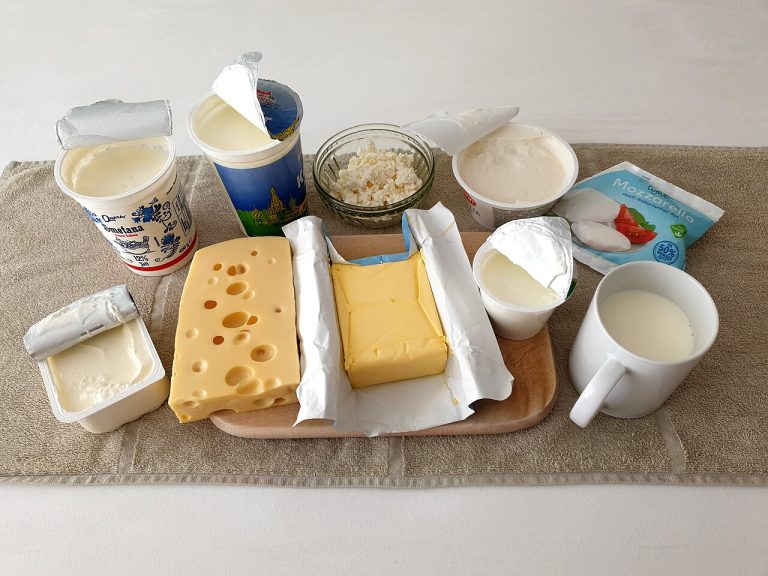
- – Include protein at meals (eggs, fish, poultry, tofu, beans, dairy) to support muscle while activity is modified.
- – Colorful vegetables and fruit for overall dietary quality; hydration to support general recovery routines.
- – If you also have osteoarthritis or metabolic disease, align with those clinician-set patterns rather than stacking contradictory freestyle diets.
Low-impact pairing, not diet-only thinking
OrthoInfo: swap high-impact running for cycling or swimming temporarily; stretch calves and plantar fascia. Time meals so you are not lightheaded during prescribed stretches.
Morning-pain kitchen tactic
OrthoInfo notes heel pain is common in athletes from overuse, in people with overweight from overload, and in workers who stand long hours. Your food strategy should match the driver: a new runner may need recovery protein while mileage is temporarily reduced; a retail worker may need portable lunches that support gradual weight goals without relying on break-room pastries; someone with tight calves needs energy for daily stretching more than a juice fast.
Bone spurs on X-ray often worry patients, but OrthoInfo cautions that many heel spurs are not the pain source. Spending money on “spur dissolving” supplements distracts from calf stretches, night splints when prescribed, and shoe changes that actually change load. Keep nutrition boring and evidence-aligned: protein, produce, fiber, and a calorie pattern that matches your clinician’s weight advice if overload is relevant.
NHS self-care also includes avoiding high heels, pointy shoes, flip-flops, and backless slippers during flares. Pair that with kitchen flooring reality—stand on a cushioned mat while washing produce, and sit to peel vegetables. Small environmental tweaks reduce cumulative fascia stress as much as any spice blend marketed for “inflammation.” First-step pain is classic. Prep breakfast the night before so you are not rushing barefoot on hard tile for long—NHS advises against barefoot walking on hard surfaces and unsupportive footwear.
Foods and habits that often worsen plantar fasciitis kitchen patterns
- – All-day grazing of ultra-processed high-calorie snacks when weight reduction is a shared goal with your clinician—without demonizing occasional treats.
- – Crash cleanses that cut protein and make calf strengthening harder.
- – Alcohol-heavy evenings that disrupt sleep when morning first-step pain already limits mobility.
- – Ignoring NHS footwear rules while obsessing over “inflammation foods”—flip-flops, high heels, and barefoot hard floors keep mechanical stress high.
- – Self-injecting supplements marketed to “dissolve heel spurs.”
“Limit” means pattern-level calorie quality and mechanical common sense—not a banned-food religion.
Practical kitchen protocol: a plantar fasciitis diet week
1. Agree on load and weight goals with a clinician or MSK physio
NHS notes community musculoskeletal services and podiatry pathways. Food changes should match those goals.
2. Build a recovery cart
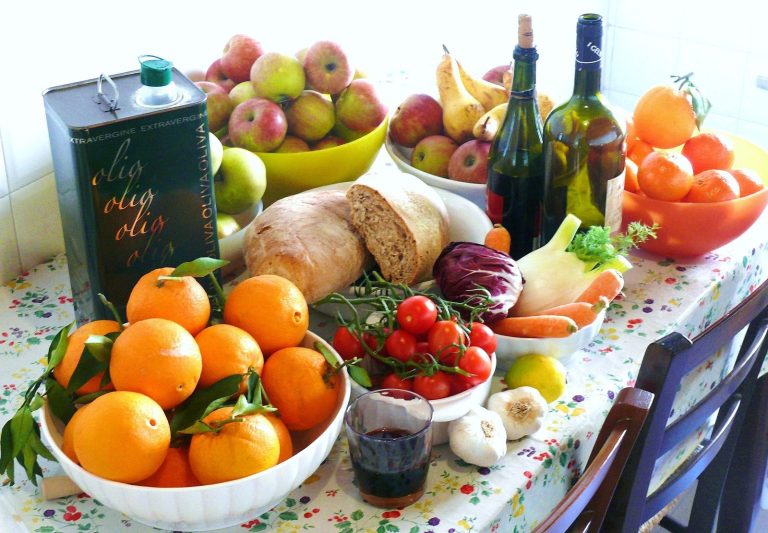
Eggs, fish, beans, leafy greens, berries, oats, potatoes, olive oil, yogurt, and pre-cut vegetables. Batch-cook proteins so standing time in the kitchen drops.
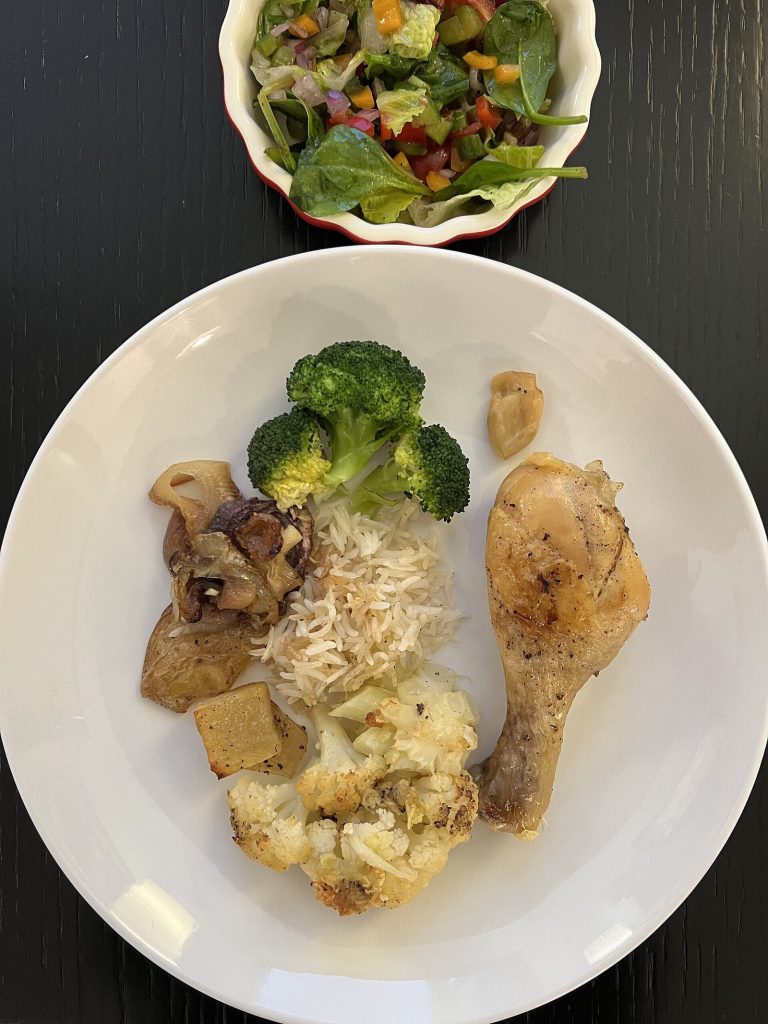
3. Default plate template
If you cross-train with swimming or cycling as OrthoInfo suggests, time a protein-containing snack afterward so recovery nutrition is automatic. People sometimes under-eat on rest days from running, then overeat from frustration pain at night—use scheduled meals to damp that swing.
For household cooks who stand hours prepping for others, rotate seated tasks (mixing, seasoning) and ask for help with floor mopping after spills—wet floors plus morning first-step pain raise fall risk. Supportive shoes in the kitchen are part of the “diet plan” in the broad sense of daily load management.
- – Half vegetables
- – Quarter protein
- – Quarter high-fiber starch
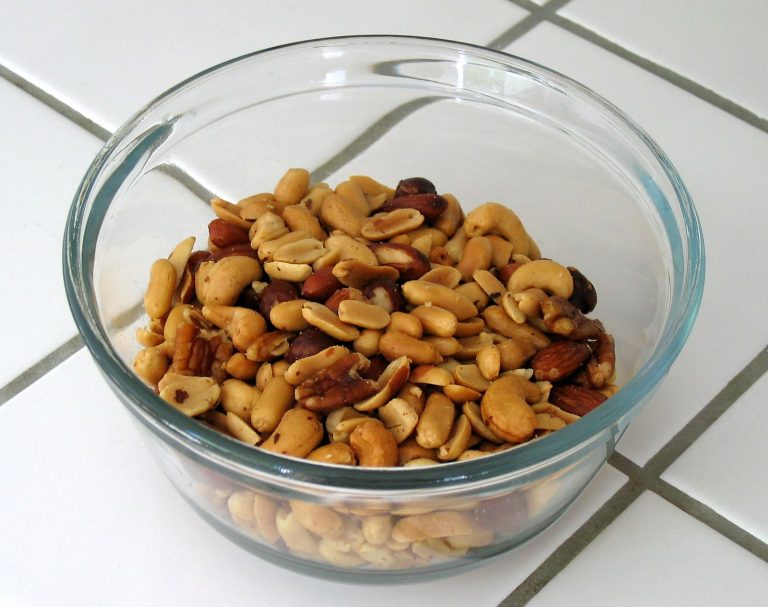
- – Measured oils/nuts rather than free-poured calorie density if weight is a target
4. Sample day (illustrative)
- – Breakfast: Greek yogurt with berries and oats (night-prepped components).
- – Lunch: grain bowl with chicken or beans, salad, olive oil.
- – Snack: fruit and a small handful of nuts.
- – Dinner: baked fish or tofu, broccoli/carrots, potato or rice.
- – Evening: stretch calves after shoes-on walking indoors; keep supportive slippers per NHS footwear themes.
5. Workday standing jobs
Pack balanced lunches so vending-machine defaults do not erase weekly calorie goals; use anti-fatigue mats if your workplace allows—diet cannot offset eight hours of hard concrete alone.
6. Flare weeks
Prioritize easy proteins and fluids; do not start aggressive deficits while pain spikes and sleep falls.
Safety, interactions, and who should ask a clinician first
- – Diabetes plus foot pain needs prompt clinical review (NHS)—infection and neuropathy pathways differ from simple fasciitis.
- – Night pain, swelling with redness, fever, or inability to bear weight needs urgent assessment.
- – Steroid injections and shockwave therapy decisions belong with specialists after conservative care.
- – Rapid weight-loss medicines or very-low-calorie diets need medical supervision.
FAQ
Can diet cure plantar fasciitis? No. OrthoInfo reports most people improve with simple mechanical measures over months. Food may support weight and recovery nutrition alongside stretching and footwear changes.
Will losing weight always end heel pain? If overload from body weight is a factor, gradual loss may help load—but anatomy, calves, and training errors still matter.
Do I need an “anti-inflammatory” supplement stack? Not as a replacement for rehab. Discuss any supplement with a clinician or pharmacist.
Should I go barefoot at home to “strengthen” my feet? NHS advises against barefoot walking on hard surfaces during symptomatic periods; follow your podiatry plan for gradual loading later.
How this differs from related OTCFood topics
This page is a plantar fasciitis–bound diet guide focused on load-aware eating and recovery nutrition. It is not a general osteoarthritis diet guide joint protocol, not a rheumatoid arthritis diet guide autoimmune plate map, not a sciatica diet guide nerve-pain kitchen guide, and not a gout diet guide urate protocol—though foot pain differential diagnosis can overlap.
Medical disclaimer
Medical disclaimer: This article is for general information only. It is not medical advice, diagnosis, or a treatment plan. Plantar fasciitis care depends on foot mechanics, imaging when indicated, diabetes status, and activity demands. Talk with a GP, physiotherapist, or podiatrist before starting, stopping, or changing any eating plan, supplement, or exercise program. Seek urgent care for hot swollen joints, fever with foot pain, sudden inability to walk, or diabetic foot wounds.