Chronic Fatigue Syndrome (ME/CFS) Diet: Foods That May Help and Foods to Limit
Medical note: This article discusses foods and researched botanicals. It does not claim to prevent, treat, or cure disease. Supplements are not a substitute for food, and studied amounts are not personal prescriptions.
People searching “chronic fatigue syndrome diet foods that help or worsen” usually want low-effort, PEM-aware eating ideas—not a claim that food cures ME/CFS. MedlinePlus and NHS describe myalgic encephalomyelitis/chronic fatigue syndrome as a serious long-term illness with profound fatigue lasting six months or more, post-exertional malaise (PEM), sleep problems, and often cognitive fog or orthostatic intolerance. MedlinePlus: there is no cure or approved treatment that ends ME/CFS; care focuses on managing the most disruptive symptoms first. NHS emphasizes energy management so daily activity does not trigger crashes. Diet is supportive—never a substitute for medical evaluation that rules out other diseases.
What this ME/CFS diet guide covers (and what it does not)
This guide is for adults (and caregivers supporting meal prep) living with clinician-recognized ME/CFS who need kitchen strategies that respect limited energy. Anchors: MedlinePlus — ME/CFS, NHS — ME/CFS, and related sleep/mood OTCFood guides for overlapping symptoms.
MedlinePlus lists core features: activity-limiting fatigue not fixed by rest, PEM after physical or mental effort, unrefreshing sleep, plus thinking/memory problems and/or orthostatic intolerance. New fever with stiff neck, chest pain, fainting, suicidal thoughts, or rapidly progressive weakness needs urgent clinical pathways—not a restrictive “mito” diet from social media.
Evidence snapshot: ME/CFS diet claims vs public sources
| Claim people hope for | What public sources actually say | Confidence |
|---|---|---|
| “A special diet cures ME/CFS” | MedlinePlus: no cure; beware unproven costly “cures”; eating a healthy diet is listed among supportive strategies | Strong against cure claims |
| “Pushing exercise plus protein shakes fixes PEM” | MedlinePlus warns against push-and-crash; NHS centers energy management so symptoms do not worsen | Strong for pacing over push |
| “Elimination diets are required for everyone” | Public pages note food sensitivities can occur for some; blanket lifelong elimination without guidance risks malnutrition when shopping energy is already low | Moderate: individualize |
| “Supplements reverse ME/CFS” | MedlinePlus: supplements only if a provider suggests them; talk before new treatments | Moderate caution |
| “Skipping meals saves energy” | Irregular intake often worsens lightheadedness and cognitive fog for people with orthostatic symptoms—steady easy calories usually help more | Moderate practical consensus |
Foods and patterns that may help with ME/CFS day-to-day function
“May help” means fewer kitchen decisions, steadier fuel, and less PEM from cooking—not restored pre-illness capacity.
Energy-management eating (NHS + MedlinePlus living strategies)
- – Treat meal prep like any other energy budget item: batch-cook on better days, use leftovers, ready-to-eat fruit, yogurt, eggs, canned beans, and simple microwave grains on crash days.
- – MedlinePlus: learn not to push and crash—the same rule applies to marathon cooking sessions after a good morning.
- – Aim for regular, smaller meals if large meals worsen fatigue or orthostatic symptoms.
Healthy-diet baseline (MedlinePlus)
- – Emphasize vegetables, fruit, adequate protein, and fluids your clinician approves—MedlinePlus explicitly lists eating a healthy diet among supportive approaches.
- – If nausea or sore throat clusters with flares, choose soft, cool, easy textures (smoothies with food ingredients, soups, oatmeal).
- – Keep a short “crash pantry”: oral nutrition drinks only if a clinician endorses them, nut butters, bananas, crackers, shelf-stable milk alternatives.
Sleep- and orthostatic-aware timing
- – Align caffeine earlier if sleep is already unrefreshing (MedlinePlus/NHS list sleep problems as core).
- – For orthostatic intolerance (lightheaded on standing), ask your clinician about fluid and salt guidance—do not self-prescribe high-salt loads if you have heart, kidney, or blood-pressure disease.
- – Pair meals with seated rest rather than standing meal-prep marathons.
Sensitivity tracking without panic
NHS describes four main symptom clusters: extreme fatigue that interferes with daily tasks, sleep problems, cognitive fog, and post-exertional worsening that can last days to weeks. Kitchen planning should assume unpredictability: a meal that felt fine last Tuesday may be too much standing time during a PEM week. Build redundancy—two backup dinners in the freezer—rather than a rigid 21-meal aesthetic plan.
MedlinePlus also lists pain, headaches, tender lymph nodes, and flu-like feelings among additional symptoms some people experience. On those days, prioritize soft textures and fluids, and postpone ambitious recipes. If smell sensitivity is high, choose cold plates and avoid frying. Document which shortcuts preserved calories without triggering a crash; that log is more useful than a generic “anti-inflammatory” PDF.
When appetite drops, liquid calories from milk, fortified plant milks, smoothies with yogurt and fruit, or clinician-approved oral nutrition supplements can bridge gaps. The aim is preventing a second problem—undernutrition—on top of ME/CFS. Conversely, if orthostatic symptoms include nausea after large boluses, split intake into four to six smaller episodes while seated. MedlinePlus notes some people have sensitivities to foods, odors, or chemicals. Use a short trial log for clear, repeatable triggers instead of eliminating entire food groups on day one.
Foods and habits that often worsen ME/CFS kitchen patterns
- – Push-and-crash cooking or grocery trips that spend the week’s energy budget in one afternoon.
- – Unproven “cure” protocols—MedlinePlus warns some promoted cures are unproven, costly, and potentially dangerous.
- – Alcohol close to bedtime when sleep is already broken.
- – Skipping clinician-suggested symptom care (sleep, pain, orthostatic plans) to chase a restrictive diet.
- – All-or-nothing fasting that worsens dizziness and cognitive fog.
“Limit” means protecting energy and avoiding harmful false cures—not moralizing comfort food on crash days.
Practical kitchen protocol: an ME/CFS diet week
1. Rank the symptom that hurts function most
MedlinePlus: treat the worst symptom first (often sleep, pain, or orthostatic issues). Food changes support that plan; they do not replace it.
2. Two shopping modes
- – Better-day shop: proteins, frozen vegetables, fruit, oats, eggs, yogurt, soup ingredients.
- – Crash-day inventory: ready foods that need zero standing time.
3. Default low-effort plate
Coordinate grocery delivery windows with your best time of day. If mornings are clearer, schedule deliveries then and rest afterward. If evenings are better, avoid late caffeine that sabotages already unrefreshing sleep. Ask household members to restock the crash pantry without requiring you to unpack every bag while standing.
For students or remote workers, keep desk-side nonperishable snacks so a cognitive “good hour” is not spent walking to the kitchen repeatedly. Pair that with a simple hydration timer if your clinician wants steady fluids for orthostatic intolerance. None of these tactics cures ME/CFS; they reduce avoidable energy taxes around food.
- – Protein + soft carbohydrate + fruit or cooked vegetable
- – Horizontal prep (sit to chop) or pre-cut produce
- – One-pot or sheet-pan meals when energy allows
4. Sample day (illustrative, scale to your envelope)
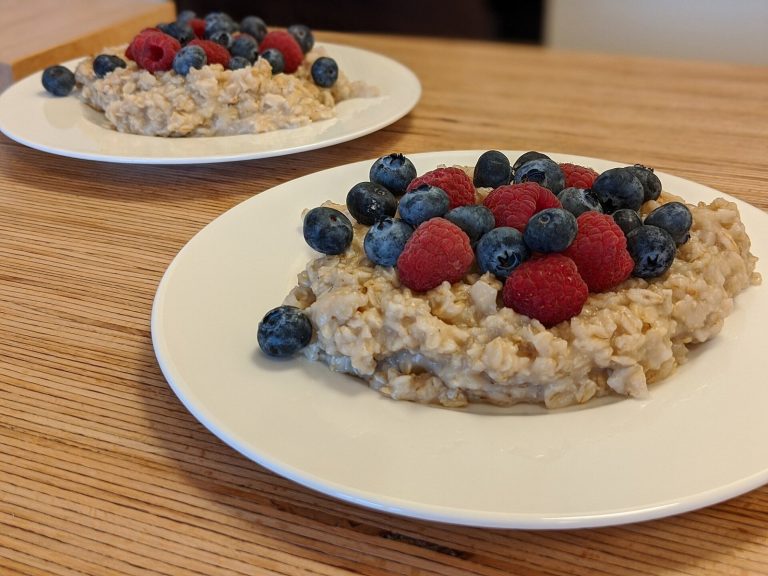
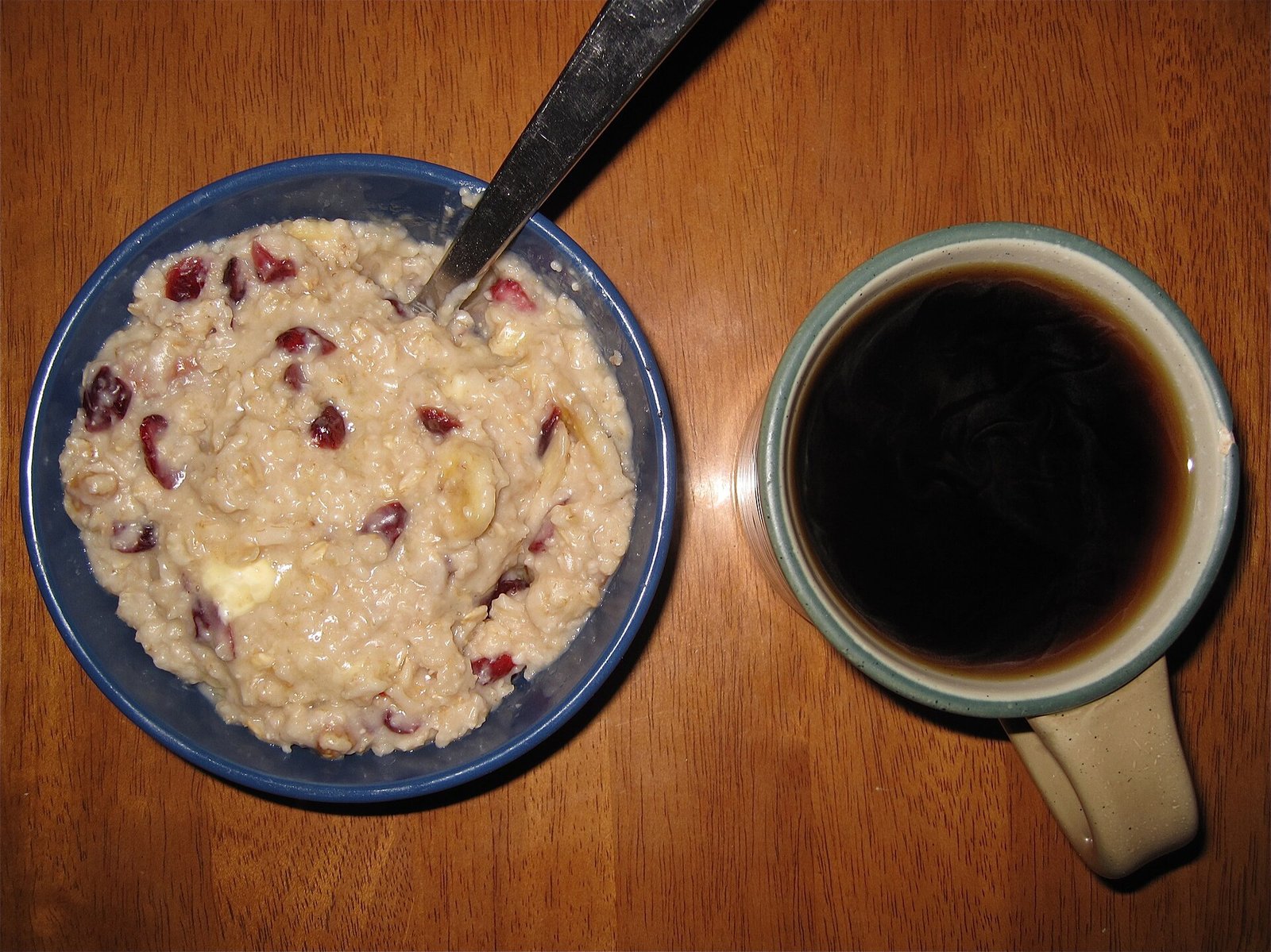
- – Breakfast: banana oatmeal or yogurt with berries—prepared seated.
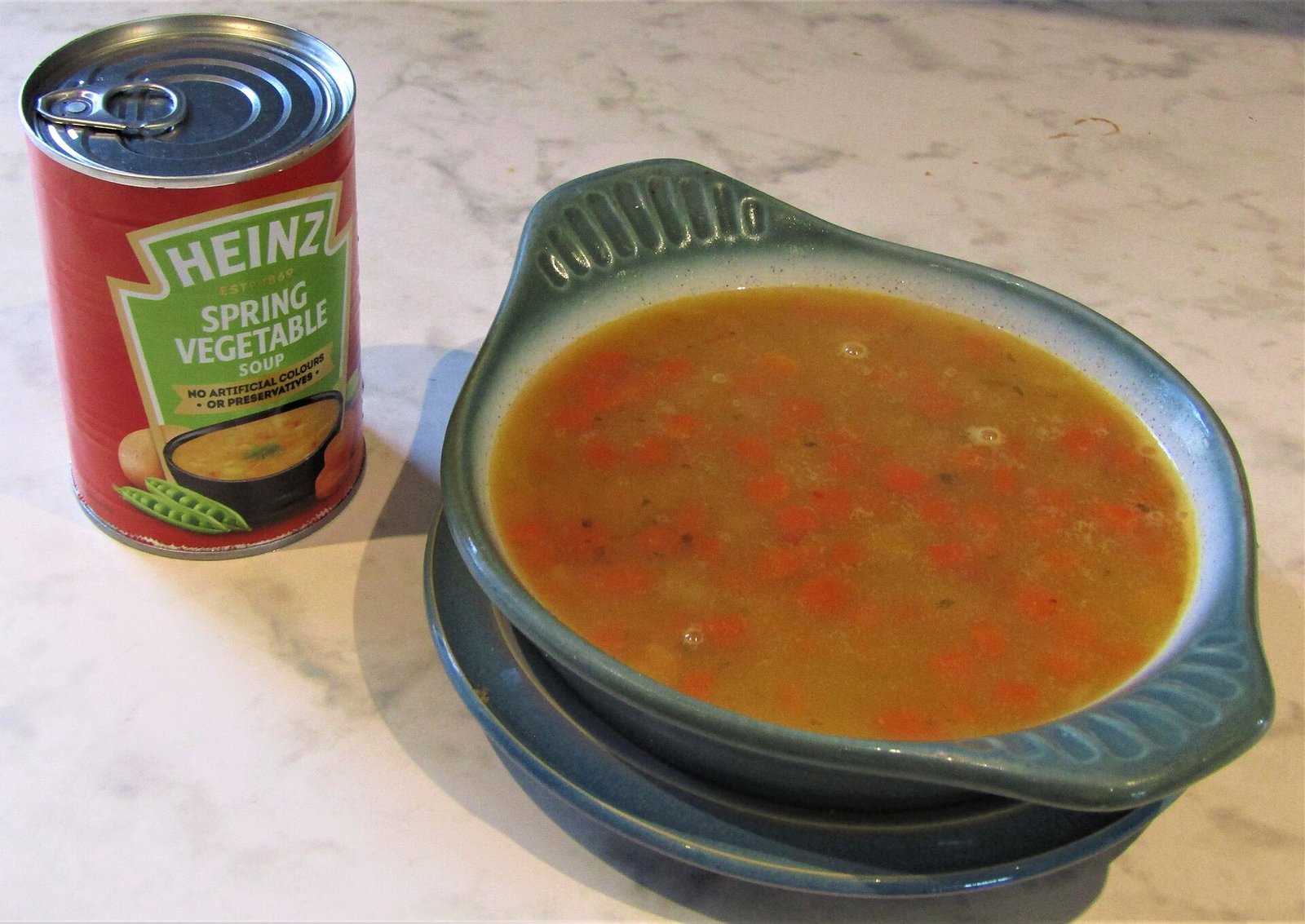
- – Lunch: leftover soup or a simple sandwich; eat before orthostatic symptoms peak if afternoons are worse.
- – Snack: cheese and crackers, or a smoothie.
- – Dinner: eggs with toast and vegetables, or heated frozen meal plus fruit—perfection is not the goal.
- – Hydration: timed fluids per clinician advice; keep a bottle within reach to avoid extra trips.
5. Caregiver or delivery help
Accept grocery delivery, meal trains, or frozen backups. NHS notes major lifestyle adaptation may be needed long term.
6. Red-flag review before any new supplement stack
Bring labels to your clinician. MedlinePlus: discuss complementary therapies before trying them.
Safety, interactions, and who should ask a clinician first

- – ME/CFS is a diagnosis of careful exclusion—new weight loss, night sweats, swollen nodes, or focal neurologic signs need re-evaluation.
- – Orthostatic intolerance management (fluids, salt, compression, medicines) is clinical—not DIY from forums.
- – Depression and anxiety can coexist; mental-health crises need urgent care.
- – Children/adolescents with suspected ME/CFS need pediatric pathways—not adult crash diets.
FAQ
Can diet cure ME/CFS? No. MedlinePlus and NHS state there is currently no cure. Healthy eating and energy-aware meals may support symptom management.
Should I eliminate gluten, dairy, and sugar forever? Only if a clinician documents a reason or a careful trial shows clear benefit without malnutrition. Blind triple elimination is hard to sustain with limited shopping energy.
Are supplements required? MedlinePlus: use nutritional supplements if your provider suggests them—not as unproven cures.
What about exercise diets for “reconditioning”? Respect PEM. NHS focuses on energy management so activity does not worsen symptoms; get personalized clinical advice rather than generic bootcamp plans.
How this differs from related OTCFood topics
This page is an ME/CFS-bound, PEM-aware diet guide. It is not a general insomnia diet guide caffeine protocol, not an depression diet guide mood-plate article, not a long COVID diet guide post-viral kitchen map (though overlap exists), and not an iron deficiency anemia diet guide ferritin protocol—anemia and other mimics must be ruled out clinically.
Medical disclaimer
Medical disclaimer: This article is for general information only. It is not medical advice, diagnosis, or a treatment plan. ME/CFS care depends on symptom pattern, orthostatic findings, sleep, pain, and exclusion of other diseases. Talk with a clinician before starting, stopping, or changing any eating plan, supplement, or activity program. Seek urgent care for chest pain, fainting, suicidal thoughts, or sudden severe neurologic symptoms.