Sciatica Diet: Foods That May Help and Foods to Limit
Medical note: This article discusses foods and researched botanicals. It does not claim to prevent, treat, or cure disease. Supplements are not a substitute for food, and studied amounts are not personal prescriptions.
People searching “sciatica diet foods that help or worsen” usually want a practical anti-inflammatory plate plan that supports recovery while they keep moving—not a claim that food will decompress a nerve root. MedlinePlus describes sciatica as pain, weakness, numbness, or tingling from a problem with the sciatic nerve, often linked to a ruptured disc, spinal stenosis, or injury; in many cases no cause is found. NHS says sciatica usually improves over weeks to months with staying active, gentle exercise, and heat; medicines and physiotherapy are the clinical tools when needed. Food choices may help with weight management, constipation from reduced activity, and overall joint-friendly eating. They do not replace medical care for red-flag neurological symptoms.
What this sciatica diet guide covers (and what it does not)
This guide is for adults with sciatica-type leg pain (or suspected sciatica), caregivers planning meals during a flare, and anyone sorting “anti-inflammatory diet” myths from public guidance. Anchors: MedlinePlus — Sciatica, NHS — Sciatica, and NINDS overview material via MedlinePlus links.
NHS red flags need urgent care, not a new smoothie: sciatica on both sides; severe or worsening weakness/numbness in both legs; numbness around the genitals or anus; new inability to pee or control bowel/bladder. Those can signal cauda equina syndrome. Persistent pain after weeks of home care, or pain that stops normal activity, means see a GP or MSK service—not only change dinner.
Evidence snapshot: sciatica diet claims vs public sources
| Claim people hope for | What public sources actually say | Confidence |
|---|---|---|
| “An anti-inflammatory diet cures sciatica” | MedlinePlus/NHS: cause-driven care (exercise, medicines, sometimes procedures); diet is not listed as a cure | Strong that diet is supportive only |
| “Losing weight always frees the nerve” | Excess abdominal weight is studied as a risk factor in research MedlinePlus indexes; NHS focuses on activity and physio first | Low-to-moderate that healthy weight may help load and recovery |
| “More fiber helps because I’m sitting more” | MedlinePlus fiber page: fiber aids digestion and helps prevent constipation—relevant when pain reduces movement | Moderate for constipation support |
| “Omega-3 pills treat nerve pain” | ODS omega-3 consumer sheet: fish and flax are food sources; supplement claims for many conditions remain limited | Low for sciatica-specific cure claims |
| “Heat packs + rest replace walking” | NHS: keep normal activities; do not sit/lie for long periods; gentle movement helps | Strong against prolonged bed rest |
Foods and patterns that may help with sciatica day-to-day comfort
“May help” means kitchen defaults that support energy for walking, bowel regularity, and a heart-healthy pattern similar to NHLBI DASH-style eating—not a promise to reverse disc herniation.
Plant-forward, fiber-aware plate
- – Vegetables and fruits for volume, potassium, and fiber when constipation follows less walking.
- – Whole grains (oats, brown rice, whole-grain bread) for sustained energy before physio sessions.
- – Beans and lentils a few times a week if tolerated—fiber plus plant protein.
- – Adequate fluid with fiber increases (MedlinePlus water in diet; fiber fact sheet) so stools stay soft.
Protein and healthy fats for recovery eating
- – Fish, poultry, eggs, beans, nuts—protein supports muscle maintenance while you keep moving as NHS advises.
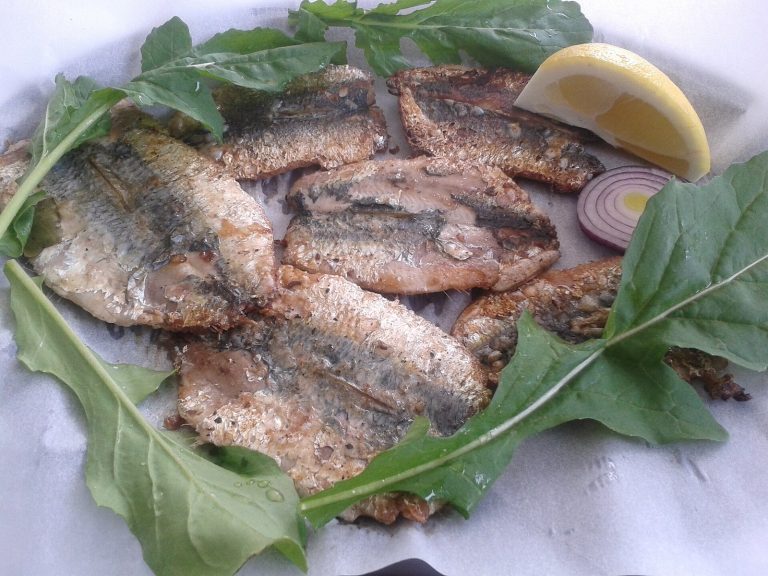
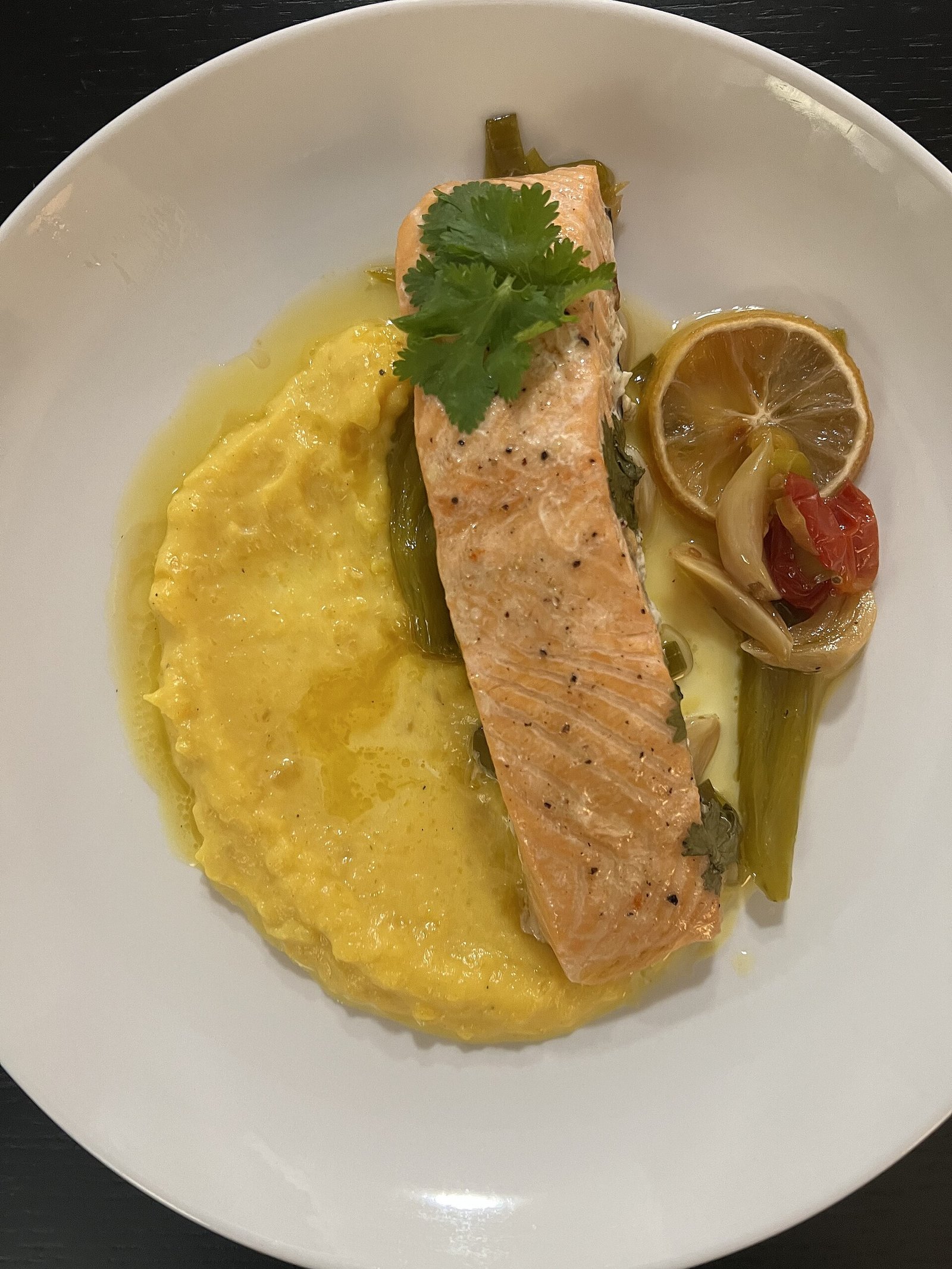
- – Oily fish (salmon, mackerel) and walnuts as food sources of omega-3s (ODS); use as plate defaults, not high-dose pills unless a clinician advises.
- – Olive oil, avocado, nuts in place of heavy fried takeaway that leaves you sluggish for walks.
Weight-aware, not crash-diet, portions
If your clinician has flagged excess weight as a mechanical load issue, a gradual calorie-aware pattern with vegetables, lean proteins, and fewer sugar-sweetened drinks (DASH-aligned) may help long-term comfort. Crash diets that cut protein risk muscle loss when you need strength for walking.
Hydration and heat-pack days
NHS encourages heat packs and staying active. Pair that with regular water so dehydration does not worsen headaches or constipation during a painful week.
Foods and habits that often worsen sciatica meal patterns
- – Prolonged sitting with heavy takeaway meals—NHS warns against long sitting; greasy large meals encourage more couch time.
- – Very low-fiber eating—worsens constipation that can make pelvic and back discomfort feel worse.
- – Sugar-sweetened beverages and frequent sweets—displace nutrient-dense foods and make weight goals harder (DASH limits sweets and sugary drinks).
- – Alcohol excess—impairs sleep and recovery; not a sciatica treatment.
- – Skipping meals then overeating at night—energy crashes undermine the gentle exercise NHS recommends.
- – Stopping prescribed care for “miracle greens powders”—MedlinePlus treatments include exercises, medicines, and surgery when needed; food is adjunct.
“Limit” means reduce frequency or portion size—not that one pizza ruins recovery.
Practical kitchen protocol: a sciatica diet week
1. Plan meals around movement, not bed rest
NHS: carry on normal activities as much as possible; start gentle exercise soon. Prep easy-to-reheat lunches (soups, grain bowls) so pain does not push you into delivery-only weeks.
2. Build a constipation-prevention stack if you are less mobile
- – Breakfast: oatmeal with berries.
- – Lunch: lentil or vegetable soup plus salad.
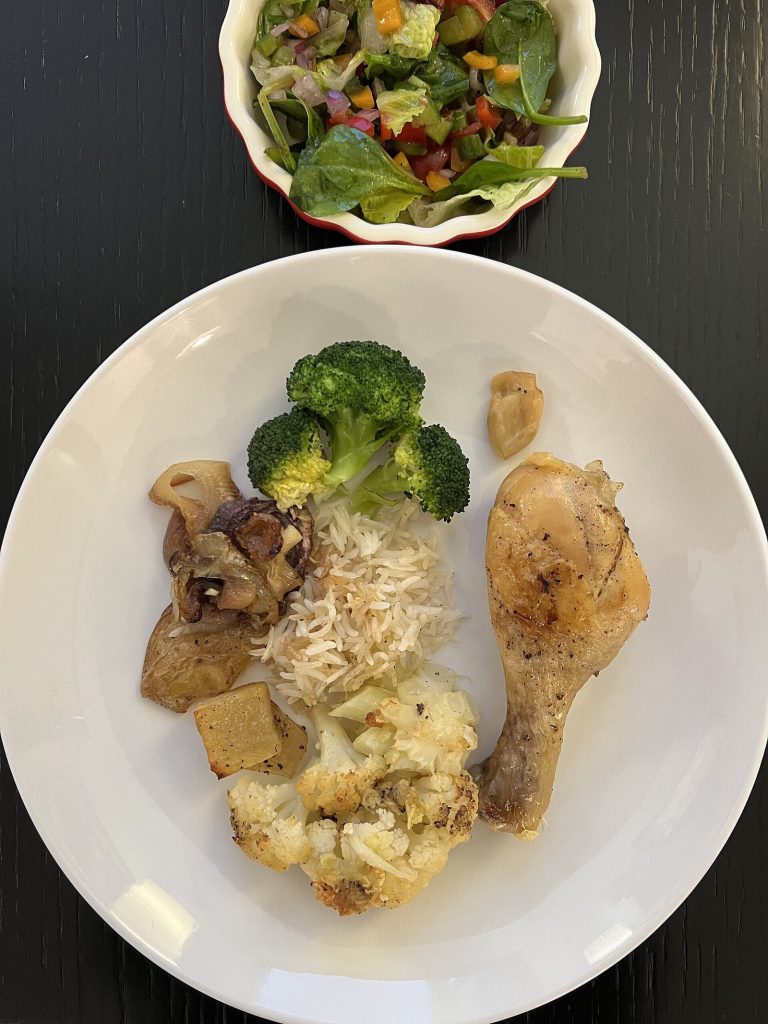
- – Dinner: baked fish or chicken, roasted vegetables, whole grain.
- – Sip water across the day; increase fiber gradually (about 2–3 g/day steps) to limit gas.
3. Anti-inflammatory-style shopping list (food pattern, not cure)
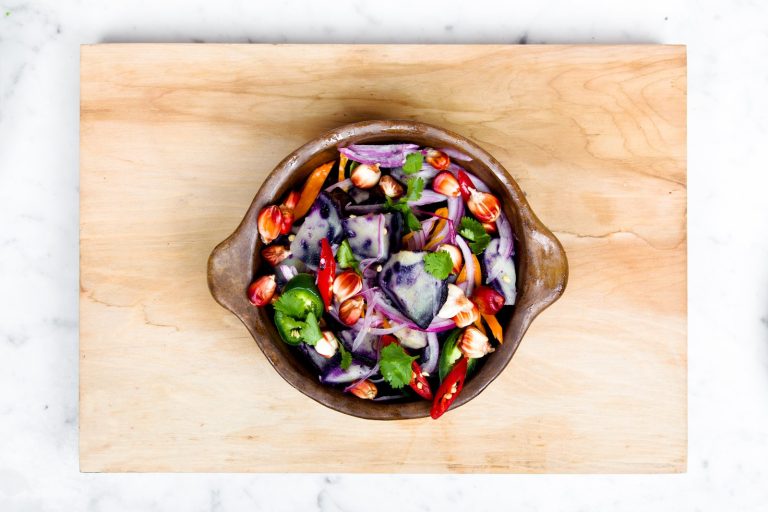
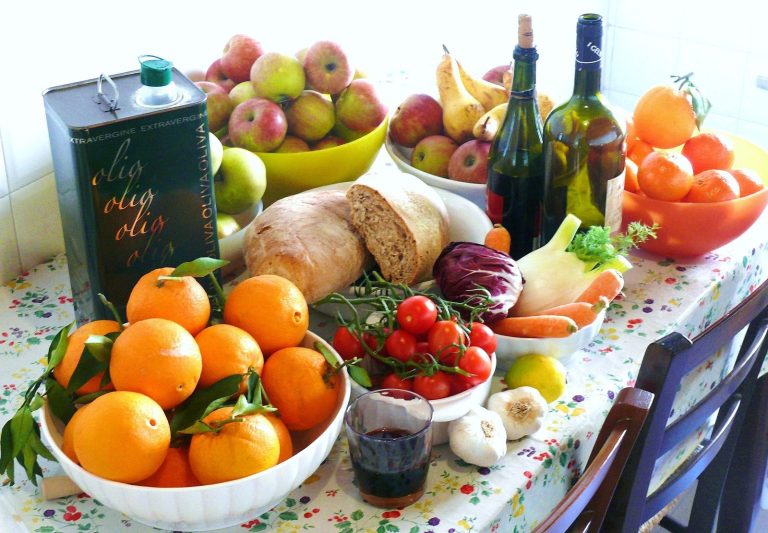
Leafy greens, tomatoes, carrots, broccoli, berries, oats, brown rice, beans, salmon or other oily fish, eggs, yogurt, walnuts, olive oil, and fruit for snacks. Aligns with DASH vegetable/fruit/whole-grain targets without claiming nerve repair.
4. Sample day (illustrative)
- – Breakfast: oatmeal with berries and a spoon of walnuts; water.
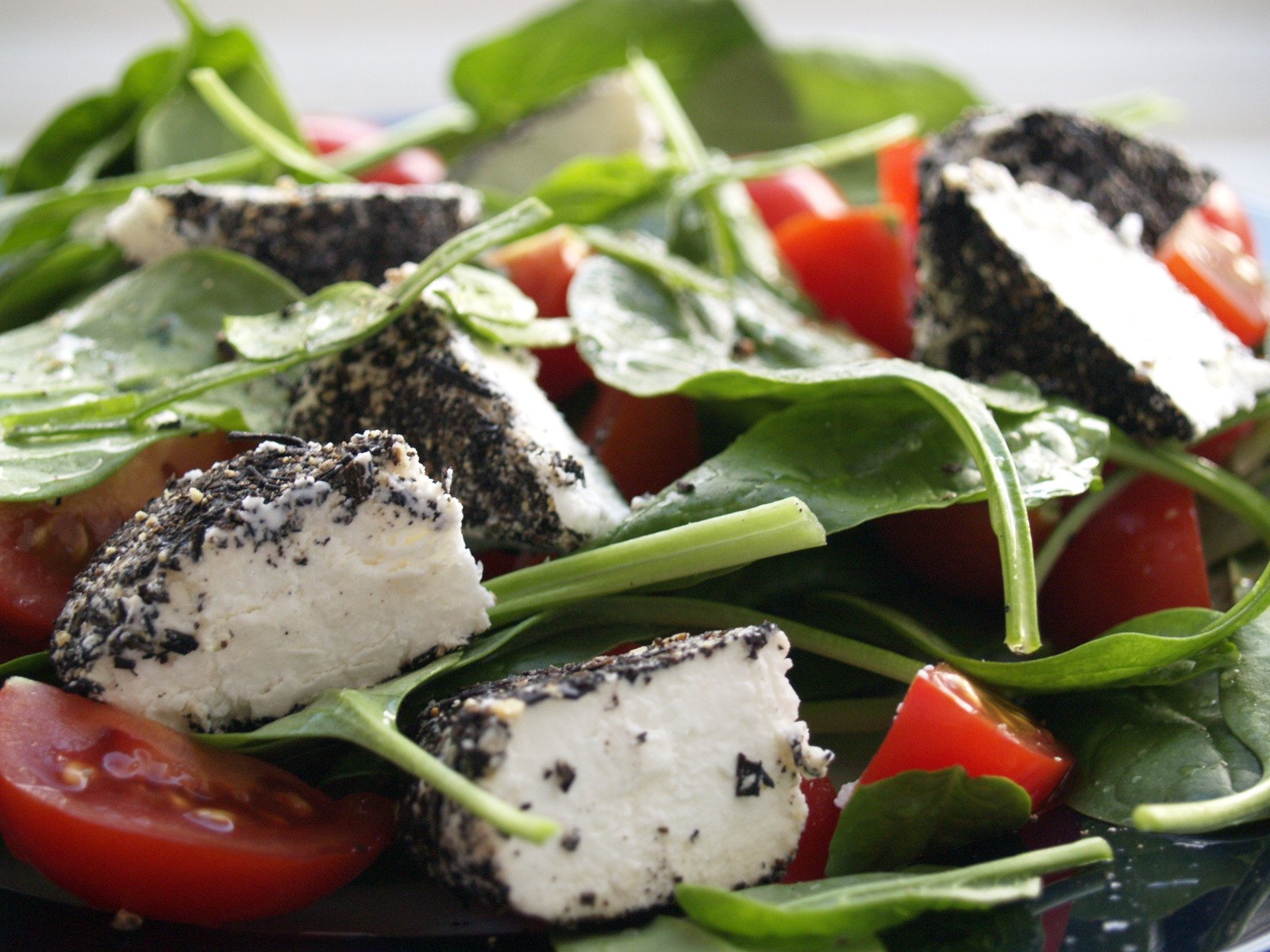
- – Lunch: spinach salad with olive oil, tomatoes, and grilled chicken or chickpeas; whole-grain roll.
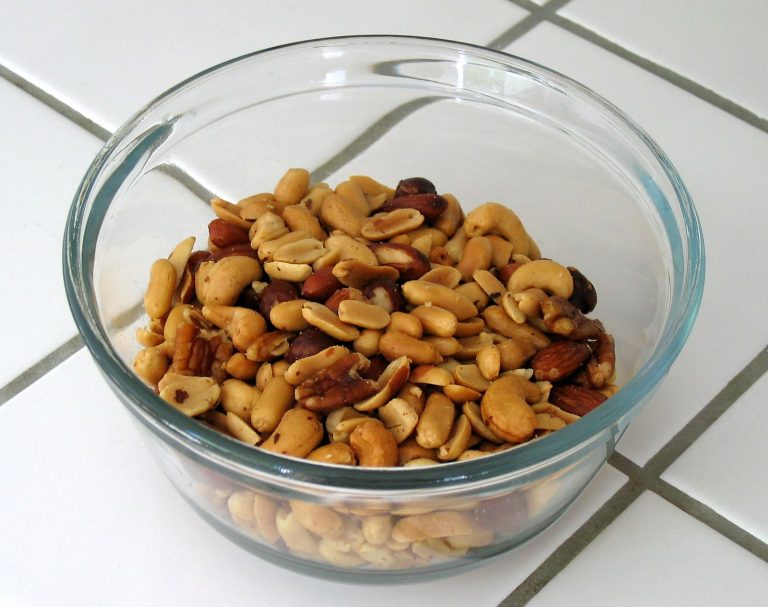
- – Snack: fruit and a handful of nuts.
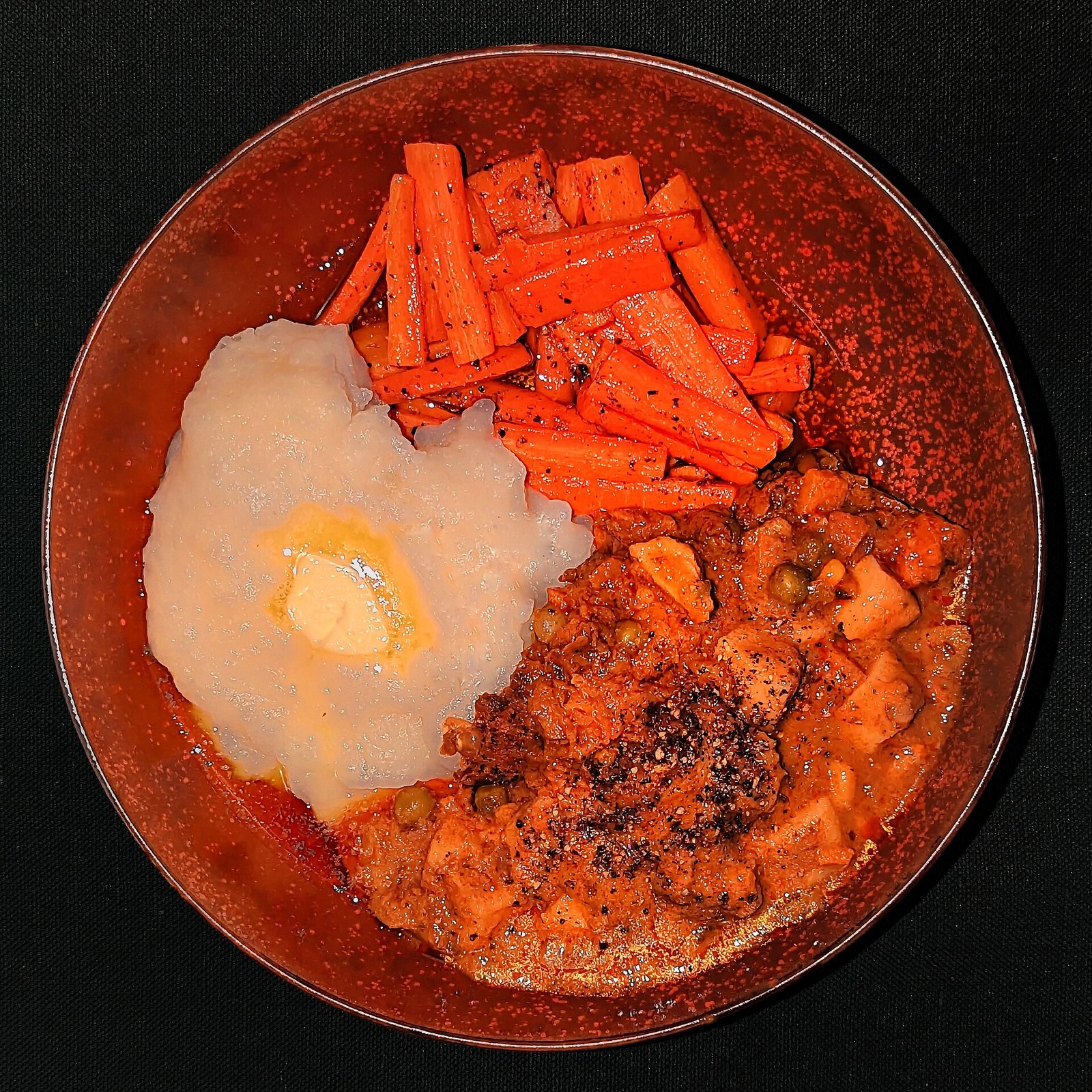
- – Dinner: grilled salmon with roasted carrots and squash; brown rice if desired.
- – Evening: herbal tea if it helps you hydrate without late caffeine that disrupts sleep.
5. Pain-flare shortcuts
Keep frozen vegetables, canned beans (rinsed), and pre-cooked grains. Soft textures help if pain reduces appetite. Use heat packs as NHS suggests; do not replace walking entirely.
6. Eating out
Choose grilled fish or chicken, vegetable sides, and water or unsweetened drinks. Ask for sauces on the side. Take a short walk after sitting in a restaurant when safe.
Safety, interactions, and who should ask a clinician first
- – Bilateral symptoms, saddle numbness, or new bladder/bowel control loss: NHS says go to A&E or call emergency services.
- – Pain not improving after a few weeks of home care, worsening pain, or inability to do normal activities: see a GP or self-refer to MSK services where available.
- – NSAIDs or other pain medicines: ask a pharmacist/GP about stomach, kidney, and heart risks before long self-medication—NHS notes uncertainty about how much NSAIDs help sciatica.
- – High-dose supplements marketed for “nerve regeneration”: discuss with a clinician; ODS does not establish them as sciatica cures.
- – Diabetes, kidney disease, or anticoagulant use: tailor fiber, greens, and fish-oil supplements with your care team.
FAQ
Can a sciatica diet reverse a herniated disc? No. MedlinePlus and NHS frame care around the cause, activity, medicines, and procedures when needed. Diet may support comfort, weight, and constipation—not reverse structural compression.
Should I stay in bed and only drink smoothies? No. NHS advises against long sitting or lying down and encourages gentle movement as soon as you can.
Do I need an expensive anti-inflammatory meal kit? No. A vegetable-forward pattern with fish, nuts, whole grains, and fewer sugary drinks is enough as a kitchen default.
What if constipation is worse than the leg pain? Increase fiber and fluids gradually (MedlinePlus); if severe constipation with vomiting occurs, seek urgent care.
Will losing 20 pounds quickly fix sciatica? Rapid loss is not NHS guidance. Gradual, protein-adequate weight change—if appropriate—may help mechanical load; physio and activity remain central.
How this differs from related OTCFood topics
This page is a disease-bound sciatica diet guide focused on activity-compatible meals, fiber during reduced mobility, and anti-inflammatory-style plates. It is not a general osteoarthritis diet guide joint protocol, not an rheumatoid arthritis diet guide autoimmune plate map, not a constipation diet guide fiber-only guide, and not an ankylosing spondylitis diet guide axial SpA plan—though kitchen overlaps exist.
Medical disclaimer
Medical disclaimer: This article is for general information only. It is not medical advice, diagnosis, or a treatment plan. Sciatica care depends on the cause, neurological exam, and your other conditions. Talk with a GP, physiotherapist, or spine specialist before starting, stopping, or changing any eating plan, supplement, or medication. Seek emergency care for bilateral sciatica, saddle numbness, or new bladder/bowel control problems.