Heart Failure Diet: Foods That May Help and Foods to Limit
Medical note: This article discusses foods and researched botanicals. It does not claim to prevent, treat, or cure disease. Supplements are not a substitute for food, and studied amounts are not personal prescriptions.
Short answer: The core of a heart failure diet is less sodium (salt) and, for many people, a fluid limit set by their care team. MedlinePlus says providers may ask people with heart failure to keep sodium to 1,500 to 2,300 mg a day, and that as heart failure gets worse some people are asked to limit fluids to 6 to 9 cups (1.5 to 2 liters) a day. Build meals around fresh vegetables and fruits, fresh (not processed) meat, poultry and fish, beans, and whole grains, and season with herbs, garlic, pepper, and lemon instead of salt. Limit processed and cured meats, canned soups, salty snacks, most cheeses, bottled sauces, and alcohol. Food choices support heart failure medicines and follow-up; they never replace them.
What to eat with heart failure: why salt and fluid matter
Heart failure means the heart can’t pump blood as well as the body needs. MedlinePlus explains that this causes fluid to build up, and that too much sodium leads to more fluid retention—showing up as swelling, weight gain, and shortness of breath. The NHLBI says salt may make fluid buildup worse, and that heart failure has no cure, but treatment can help people live longer, more active lives with fewer symptoms.
Your team may include a cardiologist, nurses, a pharmacist, and a dietitian (NHLBI). Ask for a dietitian referral—MedlinePlus also recommends meeting one to plan the best diet for you.
Evidence snapshot: heart failure diet claims vs public sources
| Claim | What reliable sources say | Confidence |
|---|---|---|
| “Cutting sodium helps control fluid” | MedlinePlus: too much sodium leads to fluid retention; limiting sodium can help prevent swelling, weight gain, and breathlessness. NHLBI: salt may make fluid buildup worse | Strong |
| “Everyone with heart failure has the same sodium target” | MedlinePlus: providers may set 1,500 to 2,300 mg a day and monitor blood sodium | Individualized |
| “Drink as much water as possible” | MedlinePlus: some people are asked to limit fluids to 6 to 9 cups (1.5–2 L) a day as heart failure worsens; AHA: ask how much fluid to drink daily | Strong—follow your team |
| “Daily weights catch problems early” | MedlinePlus and AHA: weigh every morning; report gains of 2–3 lb in a day or 5 lb in a week (MedlinePlus) | Strong |
| “Salt substitutes are always safer” | MedlinePlus and NIH ODS: many contain potassium, which can be harmful with some medicines (ACE inhibitors, potassium-sparing diuretics) or kidney disease | Strong caution |
| “A little alcohol is fine” | MedlinePlus discharge advice: do not drink alcohol; AHA: if you drink, keep it moderate and ask your provider; NHLBI: you may be advised to limit or stop | Ask your cardiologist |
Foods that may help in a heart failure diet
Lists below follow MedlinePlus low-salt diet guidance and the American Heart Association’s lifestyle advice for heart failure:
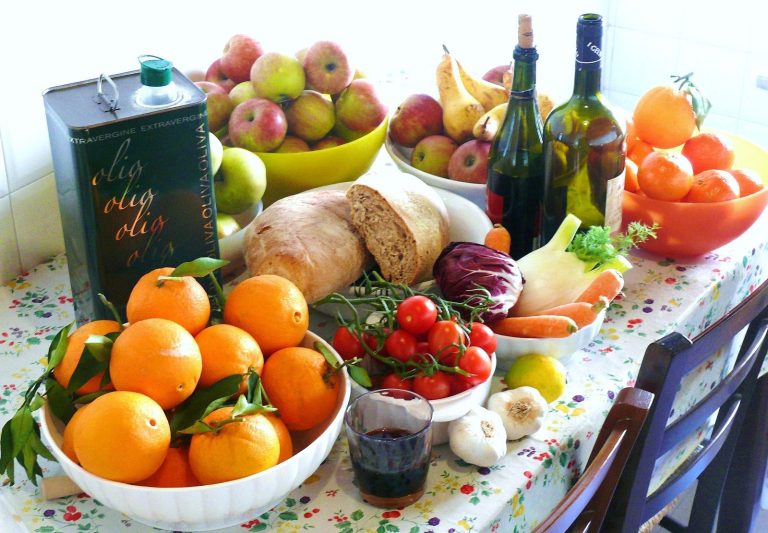
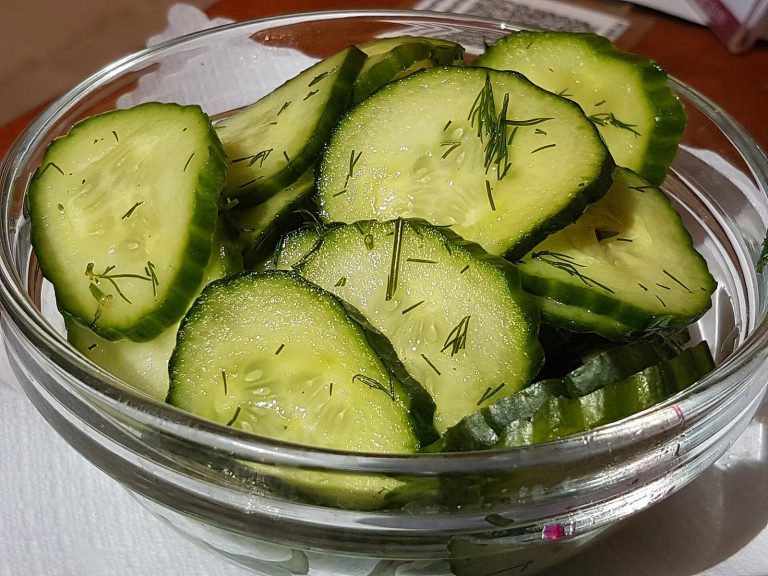
- – Fresh vegetables and fruits, which are naturally low in sodium; frozen vegetables and fruits without added sauces or salt are good too.
- – Fresh meats, chicken, turkey, and fish instead of processed or cured versions.
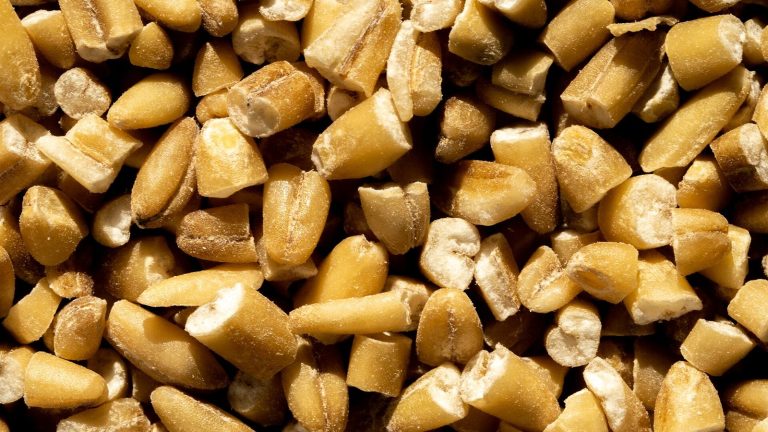
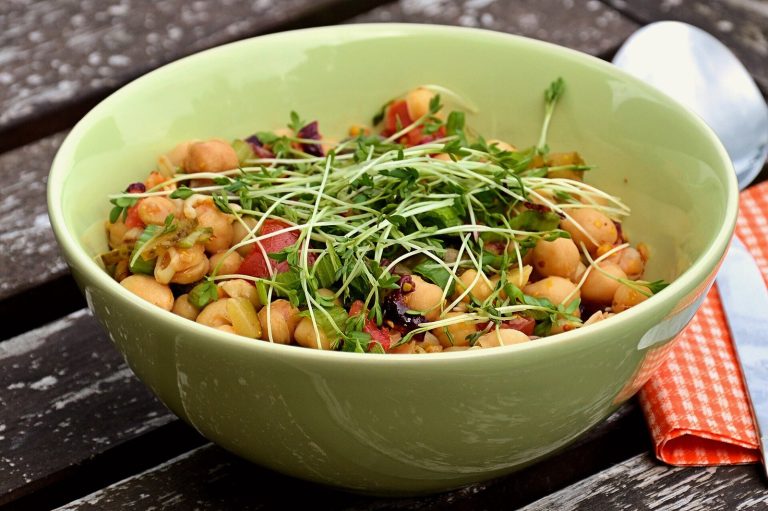
- – Beans, lentils, and whole grains cooked without salt—oats, brown rice, barley, plain whole-wheat pasta.
- – Unsalted nuts and legumes, which AHA lists in a heart-healthy eating pattern.
- – Low-fat or fat-free dairy, such as plain yogurt or milk, which AHA includes in a heart-healthy pattern (count milk within any fluid limit).
- – Nontropical vegetable oils such as olive or canola oil, also on the AHA list.
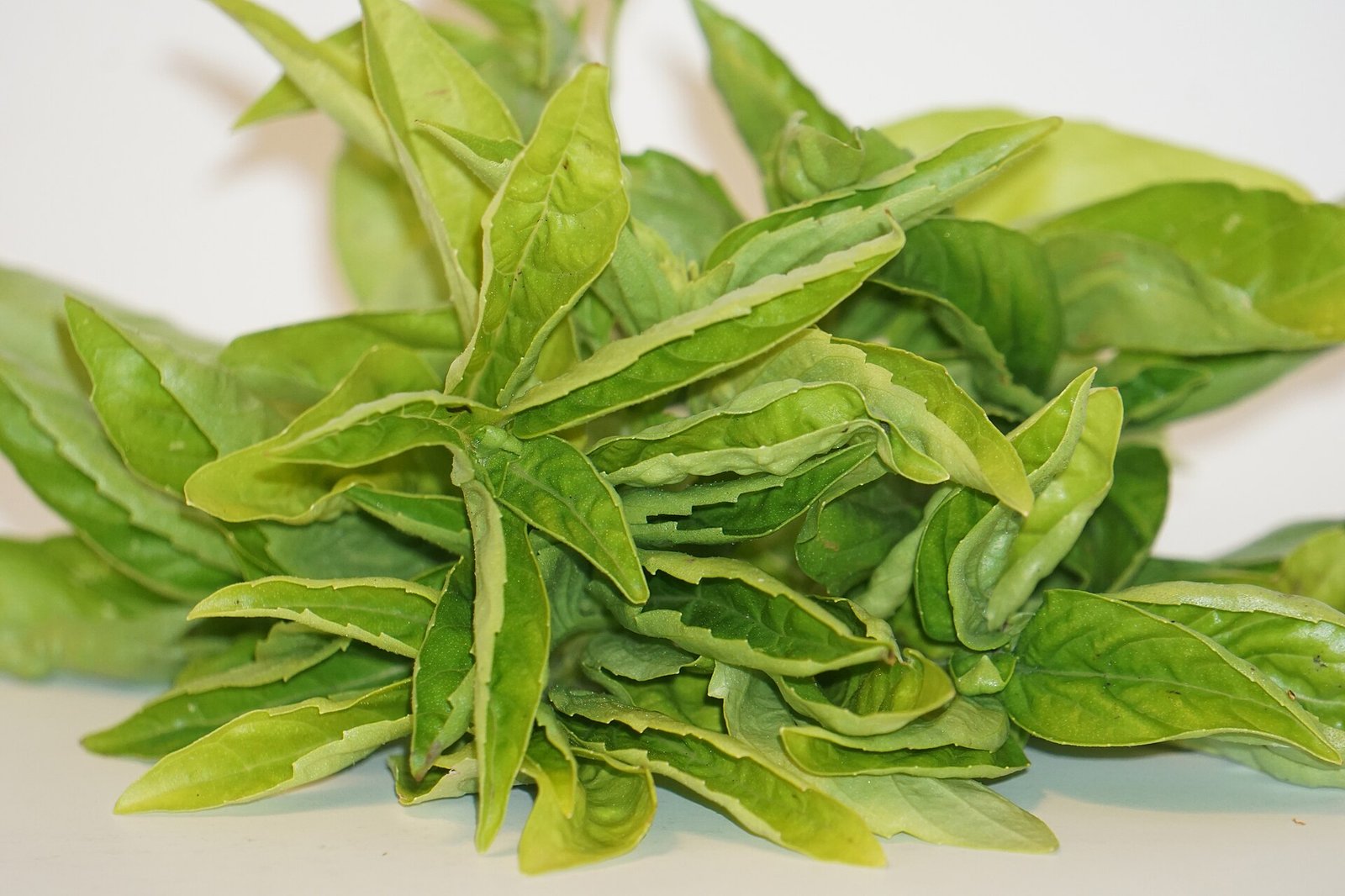
- – Salt-free flavor: pepper, garlic, onion and garlic powder (not garlic salt or onion salt), fresh or dried herbs, lemon, and vinegar.
- – Oil and vinegar on salads instead of bottled dressings.
- – Fresh fruit or sorbet for dessert.
Foods to limit with heart failure
MedlinePlus lists these as foods that are almost always high in salt:
- – Processed meats: cured or smoked meats, bacon, hot dogs, sausage, bologna, ham, and salami.
- – Anchovies, olives, pickles, and sauerkraut.
- – Soy and Worcestershire sauces, tomato and vegetable juices, and most cheeses.
- – Bottled salad dressings and dressing mixes.
- – Snack foods such as chips and crackers.
- – Canned soups and preserved foods, including many prepared, canned, and frozen meals with “hidden salt.”
- – Packaged spice blends and MSG.
Also consider limiting:
- – Saturated fat, trans fat, red meat, sweets, and sugar-sweetened beverages, which AHA advises limiting along with sodium and processed meats.
- – Alcohol, which MedlinePlus says makes it harder for the heart muscle to work.
- – Large meals, caffeine, and alcohol right before bed, which AHA suggests avoiding to improve sleep.
- – Very salty restaurant food; choose steamed, grilled, baked, boiled, or broiled dishes with no added salt, sauce, or cheese.
Practical kitchen guide: a low-sodium heart failure meal plan
1. Learn the label numbers
MedlinePlus notes one measuring teaspoon of table salt contains about 2,300 mg of sodium. On labels, a product with less than 140 mg sodium per serving is a good choice, and foods listing salt near the top of the ingredients are best avoided.
2. Split your sodium budget
If your target is 2,000 mg a day, roughly 500–600 mg per meal leaves room for a snack. Write your target on the fridge and check labels against it.
3. Plan fluids if you have a limit
Ask your team exactly which drinks and foods count toward the limit (soup and other liquid foods often raise questions). MedlinePlus heart failure discharge advice notes that when heart failure is not very severe, you may not need much fluid restriction. Use a marked bottle, small cups, and spread drinks across the day. MedlinePlus notes salt makes you thirsty, so cutting sodium also makes a fluid limit easier.
4. Weigh yourself every morning
MedlinePlus advice: same scale, after using the bathroom and before eating, similar clothing, and write it down. Call your provider if weight goes up more than 2 to 3 pounds (1–1.5 kg) in a day or 5 pounds (2 kg) in a week, or if you lose a lot of weight.
5. Shopping list default
Fresh or frozen vegetables (no sauce), salad greens, fresh fruit, oats, brown rice, barley, whole-wheat pasta, dried or no-salt-added canned beans, fresh chicken or turkey, fresh fish, eggs, plain yogurt, unsalted nuts, olive or canola oil, vinegar, lemons, garlic, onions, salt-free herb blends, pepper.
6. Sample day (illustrative, ~2,000 mg sodium plan)
- – Breakfast: oatmeal made with milk, topped with banana and unsalted walnuts.
- – Lunch: homemade chicken and vegetable salad with oil-and-vinegar dressing, a small whole-wheat roll.
- – Snack: apple slices or unsalted almonds.
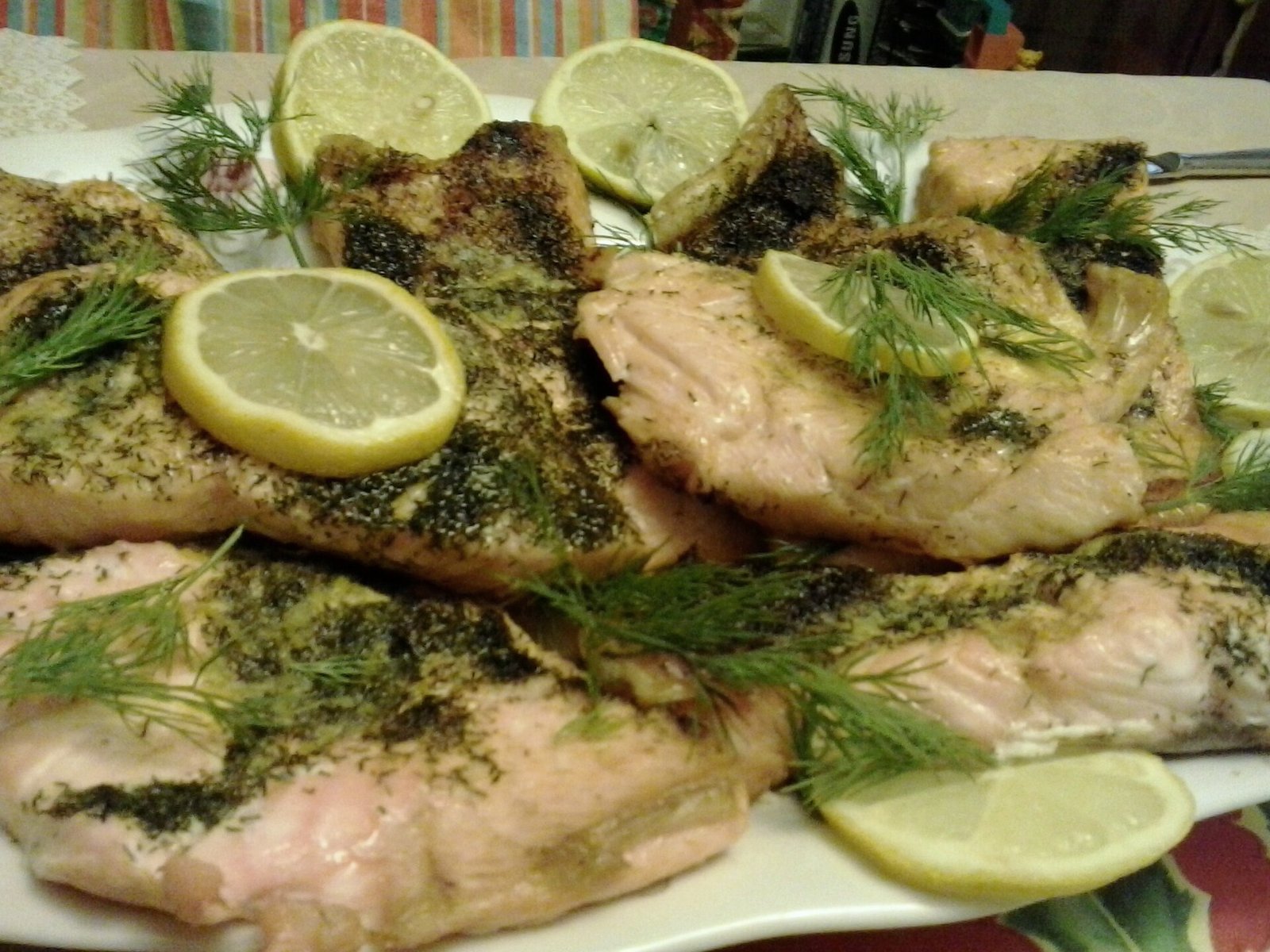
- – Dinner: baked salmon with lemon and dill, brown rice, and steamed green beans.
- – Dessert: fresh berries or a small scoop of sorbet.
- – Fluids: measured across the day if you have a limit.
7. Cook once, eat twice
Make large pots of low-sodium soup, chili, or grain bowls and freeze portions—the main defense against high-sodium ready meals on tired days.
8. Eating out
Ask for food cooked without added salt or MSG, dressings and sauces on the side, and skip soups, cured meats, and cheese-heavy dishes.
Safety and medication interactions
- – Salt substitutes and potassium: MedlinePlus says many salt substitutes contain a lot of potassium, which may be harmful with certain conditions or medicines. The NIH Office of Dietary Supplements explains that ACE inhibitors and potassium-sparing diuretics such as spironolactone can make potassium levels too high, especially with kidney problems. Ask before using one.
- – Diuretics (“water pills”): ODS notes loop and thiazide diuretics such as furosemide can cause low potassium. MedlinePlus lists fatigue, cramps, weakness, and palpitations among side effects. Your doctor will monitor blood levels—don’t adjust potassium on your own.
- – NSAIDs: MedlinePlus warns medicines that make the body retain sodium, such as ibuprofen and naproxen, may make heart failure worse. Ask your pharmacist before using them.
- – Hidden sodium in medicines: some antacids and laxatives contain a lot of sodium (MedlinePlus).
- – Water softeners add salt to tap water; MedlinePlus suggests limiting softened water.
- – Warfarin: if you take it, the NIH ODS advises keeping vitamin K intake (leafy greens) about the same each day.
- – Vaccines: AHA notes flu and pneumonia pose greater dangers for people with heart failure; ask about vaccination.
Call your provider (MedlinePlus) for more shortness of breath, breathlessness when lying down, a persistent or wet cough, swelling in feet or legs, sudden weight gain, or a very slow, fast, or irregular pulse. Call emergency services (NHS) if you have severe difficulty breathing—gasping, choking, or unable to get words out.
FAQ
How much sodium is allowed on a heart failure diet? MedlinePlus says providers may set 1,500 to 2,300 mg a day. Your exact target depends on your type of heart failure and blood tests.
How much water should I drink with heart failure? It depends. Some people need no specific limit; MedlinePlus says those with worsening heart failure may be asked to keep fluids to 6 to 9 cups (1.5–2 L) a day. Ask your cardiologist.
Can I drink alcohol with heart failure? MedlinePlus heart failure discharge advice says not to drink alcohol; AHA and NHLBI say to talk with your provider about whether to limit or stop.
Are canned vegetables okay? Choose fresh or frozen without sauce when you can; canned foods often contain salt. Look for “no salt added” and rinse canned beans.
What should I do if my weight jumps overnight? Call your provider if weight rises by 2 to 3 pounds in a day or 5 pounds in a week (MedlinePlus); it may mean fluid buildup.
Related OTCFood guides
The NHS notes heart failure can follow long-term strain on the heart from high blood pressure; our high blood pressure foods guide covers DASH-style swaps. For blood-fat management, see the high cholesterol diet guide.
Medical disclaimer
Medical disclaimer: This article is for general information only and is not medical advice. Heart failure is a serious condition that must be managed by a cardiologist and care team. Sodium and fluid targets must come from your own doctor or dietitian. Diet supports, but never replaces, prescribed medicines, devices, or follow-up. Seek emergency care for severe difficulty breathing or any symptom your care team has told you is an emergency.
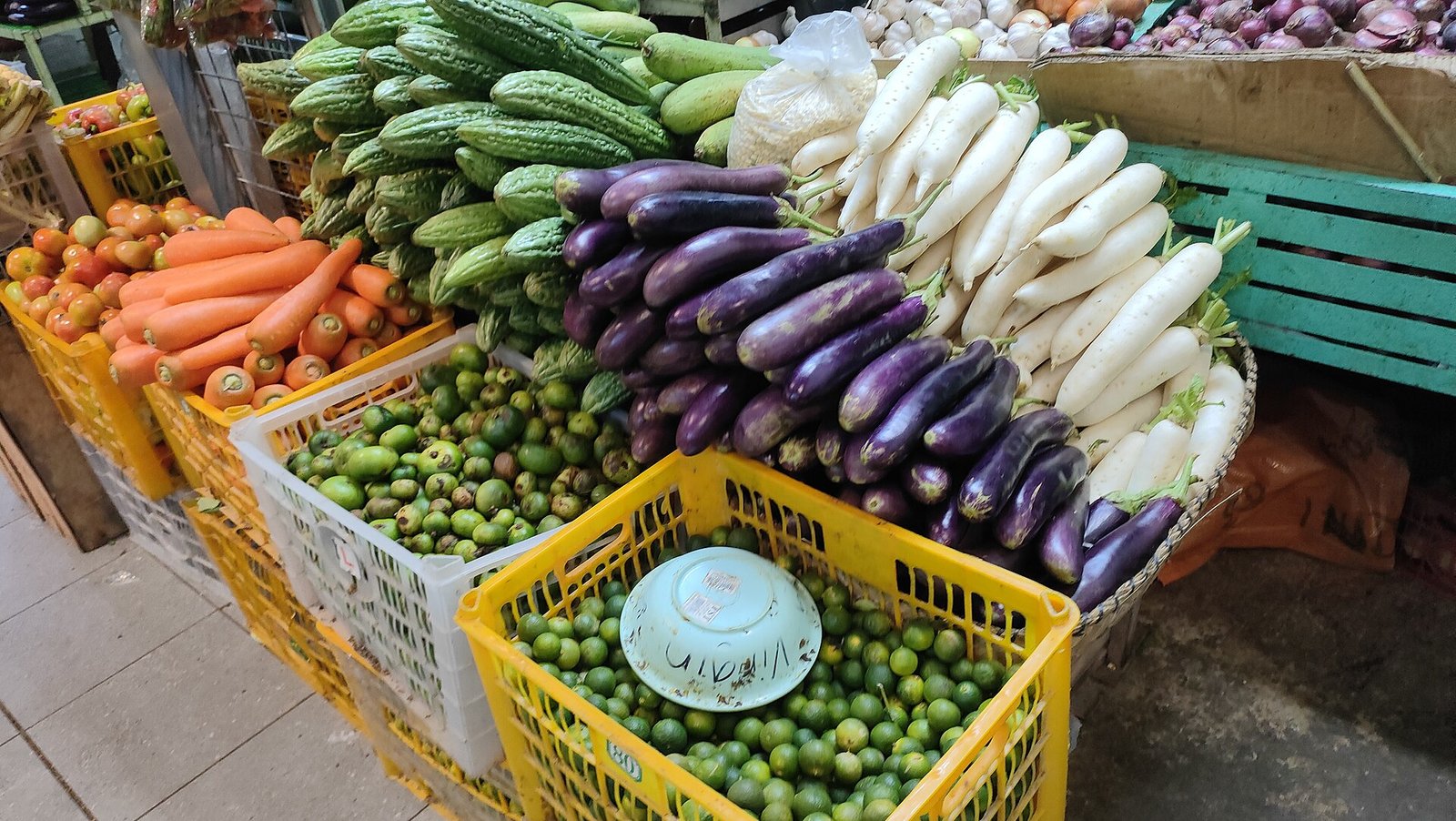
Featured image: Photo: MOs810 via Wikimedia Commons (CC BY-SA 3.0).