Osteoporosis Diet: Foods That May Help or Worsen Bone Health
Medical note: This article discusses foods and researched botanicals. It does not claim to prevent, treat, or cure disease. Supplements are not a substitute for food, and studied amounts are not personal prescriptions.
People searching “osteoporosis diet foods that help or worsen” usually want a practical grocery and plate map, not a promise that food will rebuild a fractured spine. NIAMS (the NIH arthritis and bone institute) lists a nutritious diet rich in calcium and vitamin D as one of five steps that may help prevent osteoporosis and fractures, alongside weight-bearing activity, moderate alcohol, not smoking, and taking prescribed medicines. NIH Office of Dietary Supplements (ODS) fact sheets explain how much calcium and vitamin D adults need, which foods supply them, and where supplements stop adding clear benefit. Food choices support bone health; they do not replace bone-density testing, fracture-prevention medicines, or fall-prevention plans your clinician recommends.
What this osteoporosis diet guide covers (and what it does not)
This guide is for adults with osteoporosis or low bone density (osteopenia), people at higher risk (for example, postmenopausal women, older men, long-term glucocorticoid users), and family cooks shopping for them. Anchors: NIAMS — Osteoporosis, ODS — Calcium Fact Sheet for Consumers, and ODS — Vitamin D Fact Sheet for Consumers.
NIAMS calls osteoporosis a “silent” disease: there are usually no symptoms until a bone breaks, most often at the hip, spine, or wrist. Sudden severe back pain, loss of height, a new stooped posture, or a fracture after a minor fall needs medical evaluation—not a new smoothie.
Evidence snapshot: osteoporosis diet claims vs public sources
| Claim people hope for | What public sources actually say | Confidence |
|---|---|---|
| “Calcium and vitamin D matter for bones” | NIAMS: a diet rich in calcium and vitamin D helps maintain bone health; a diet low in both, from childhood into old age, can increase osteoporosis and fracture risk | Strong as part of a prevention pattern |
| “Calcium pills prevent fractures” | ODS: some studies found calcium supplements (with or without vitamin D) increase bone mineral density in older adults, others did not, and it is not clear whether they prevent fractures | Low-to-moderate; individualize |
| “More vitamin D is always better” | ODS: vitamin D plus calcium supplements slightly increase bone strength in older adults, but it is unclear whether they reduce falls or fractures; adult upper limit is 100 mcg (4,000 IU)/day unless a clinician directs otherwise | Moderate for adequacy, not megadoses |
| “Protein is bad for bones” | NIAMS: excessive dieting or poor protein intake may increase the risk of bone loss | Moderate that too little protein is the bigger worry |
| “A drink or two never matters” | NIAMS: chronic heavy drinking is a significant risk factor; NIAMS advises drinking alcohol in moderation | Strong for heavy drinking |
Recommended daily amounts from ODS: calcium 1,000 mg for adults 19–50 and men 51–70, 1,200 mg for women 51+ and everyone 71+; vitamin D 15 mcg (600 IU) for adults 19–70 and 20 mcg (800 IU) for adults 71+.
Foods and patterns that may help with osteoporosis risk
“May help” here means a kitchen default that supports bone health alongside medical care—not a fracture guarantee.
Calcium-rich foods (ODS)
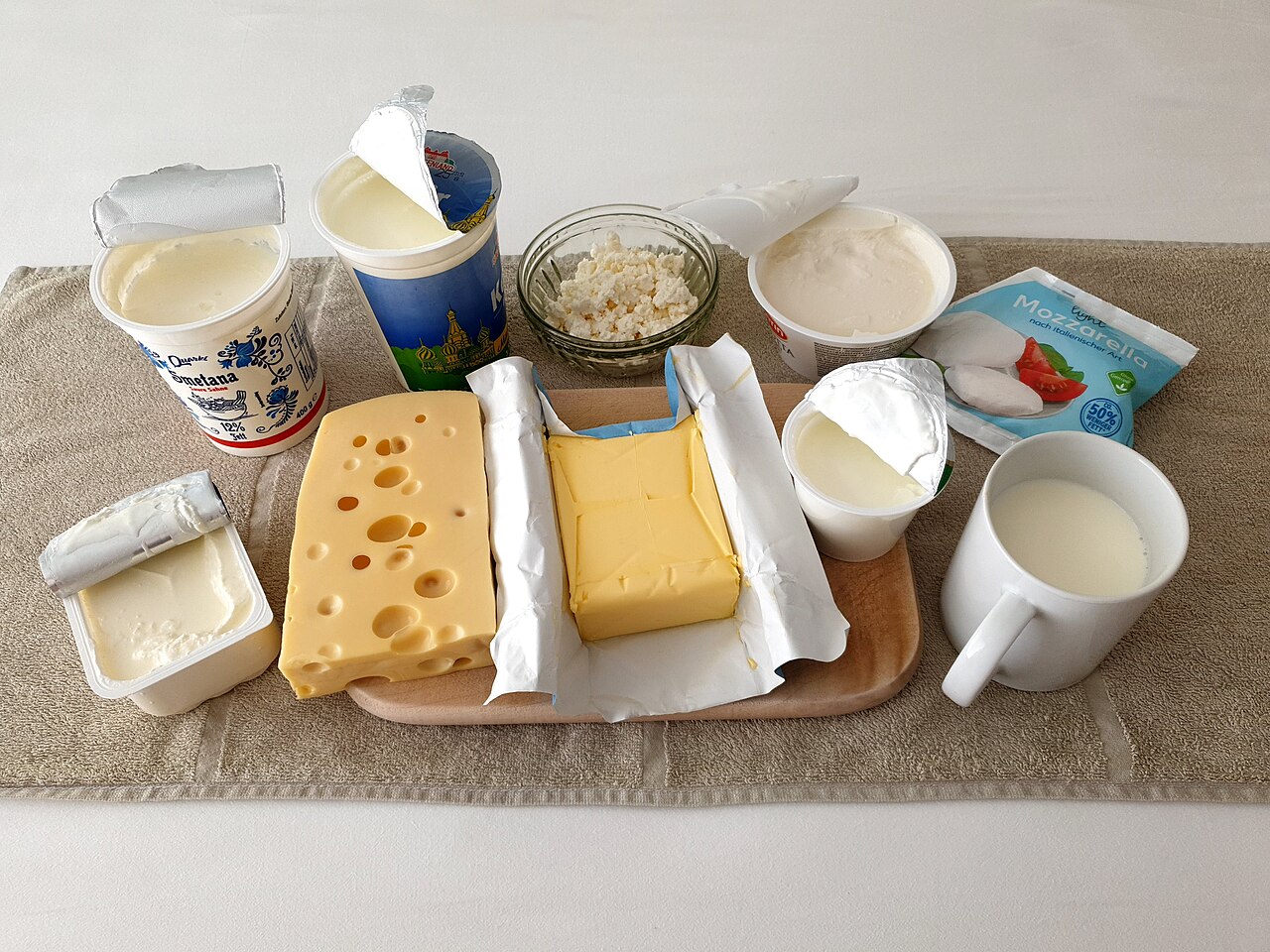
- – Milk, yogurt, and cheese—the main calcium sources for most people in the United States.
- – Canned sardines and salmon with bones.
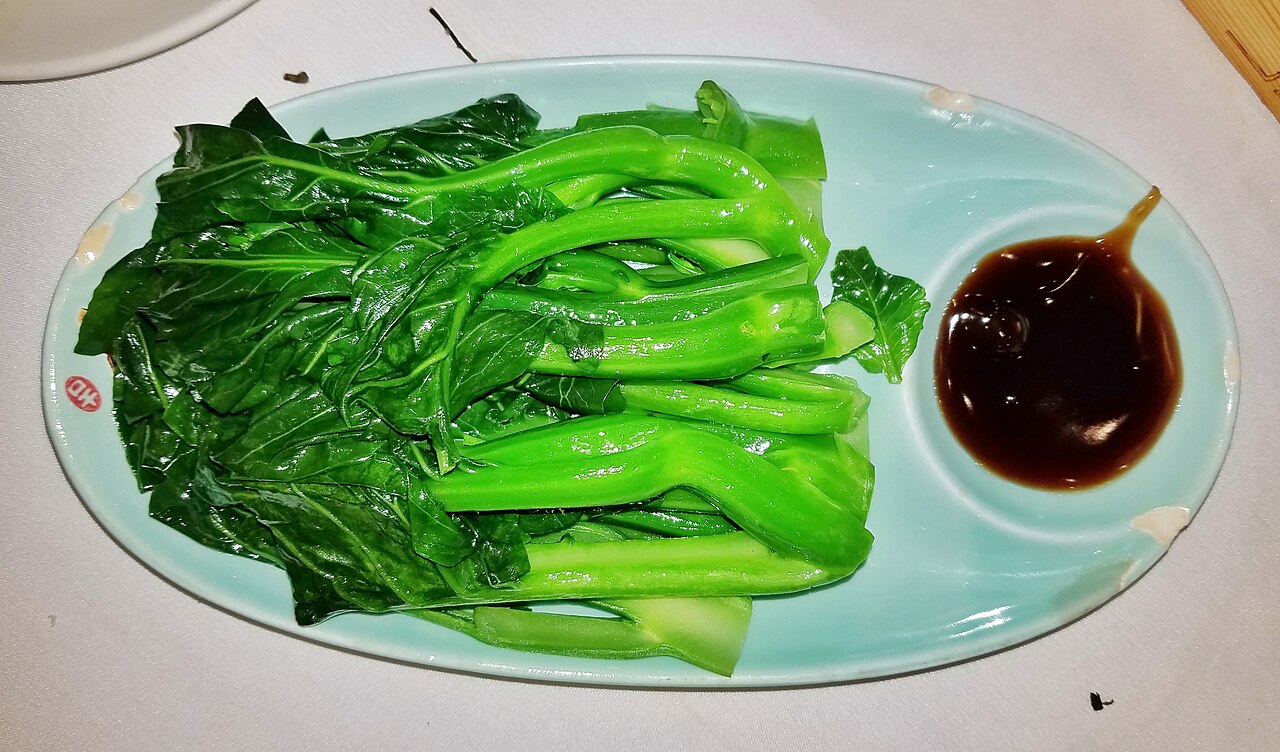
- – Kale, broccoli, and Chinese cabbage (bok choy).
- – Calcium-fortified foods: many soy and almond beverages, some fruit juices, some tofu brands, and some ready-to-eat cereals—check the label, because not every brand is fortified.
- – Lactose-free or reduced-lactose dairy if regular milk bothers you (ODS lists these for people with lactose intolerance).
Vitamin D sources (ODS)
- – Fatty fish such as trout, salmon, tuna, and mackerel—among the best natural sources.
- – Fortified milk (about 3 mcg / 120 IU per cup in the U.S.) and many fortified plant milks; cheese and ice cream usually are not fortified.
- – Egg yolks, beef liver, and cheese in small amounts; UV-exposed mushrooms can add a little more.
- – Sunlight helps the skin make vitamin D, but ODS notes older age, darker skin, clouds, and windows reduce it, and sun exposure carries skin-cancer risk.
Supporting patterns (NIAMS)
- – Enough protein—avoid crash diets that leave meals protein-poor.
- – Weight-bearing exercise such as walking, as your clinician approves.
- – Moderate alcohol and no smoking.
Foods and habits that often worsen osteoporosis risk patterns
- – Low-calcium, low-vitamin-D eating over years—skipping dairy without fortified substitutes, rarely eating fish, never checking labels (NIAMS diet risk).
- – Excessive dieting or very low protein intake (NIAMS).
- – Chronic heavy drinking (NIAMS calls it a significant risk factor).
- – Smoking (NIAMS lists it as a risk factor for osteoporosis and fracture).
- – Long inactivity—NIAMS notes low activity speeds bone loss and raises fall risk.
- – Stacking high-dose supplements above ODS upper limits (calcium 2,000 mg/day for adults 51+; vitamin D 100 mcg / 4,000 IU) without medical advice—more is not automatically better.
- – Taking calcium at the same time as certain medicines (see Safety below).
“Limit” means reduce frequency or dose under a clinical plan—not that one meal ruins your bones.
Practical kitchen protocol: an osteoporosis diet week
1. Count your current calcium before buying pills
For three ordinary days, jot down dairy servings, fortified drinks, tofu, canned fish, and leafy greens. Compare roughly with your ODS target (1,000 or 1,200 mg). Many people find food covers more than they expected; others discover real gaps. Bring the log to your clinician or dietitian before adding supplements.
2. Build one calcium anchor into each meal
- – Breakfast: yogurt or fortified cereal with milk or fortified soy milk.
- – Lunch: a bok choy, kale, or broccoli side; or cheese in a sandwich.
- – Dinner: calcium-set tofu, or canned salmon or sardines with bones a few times a week.
Spreading calcium across the day mirrors ODS advice that supplements absorb best at 500 mg or less at one time.
3. Add two fatty-fish meals and a vitamin D check
Plan salmon, trout, or mackerel twice weekly; use fortified milk or plant milk daily. Because very few foods contain vitamin D naturally, ODS notes a 25-hydroxyvitamin D blood test is one way to know whether you are getting enough—ask your clinician rather than guessing your dose.
4. Protect protein while managing weight
Keep a palm-sized protein portion at meals—fish, eggs, dairy, tofu, beans, or poultry. If you are trying to lose weight, avoid very-low-calorie plans that NIAMS links to bone-loss risk; ask for a supervised plan.
5. Shopping list default
Plain yogurt, milk or lactose-free milk, fortified soy or almond beverage, calcium-set tofu, canned salmon and sardines with bones, frozen broccoli and kale, bok choy, eggs, trout or mackerel fillets, and UV-exposed mushrooms if available.
6. Sample day (illustrative)
- – Breakfast: oatmeal made with fortified soy milk, topped with yogurt and berries.
- – Lunch: whole-grain sandwich with cheese and greens; a glass of milk or fortified drink.
- – Snack: a small handful of nuts and a yogurt cup.
- – Dinner: baked salmon, stir-fried bok choy, brown rice.
7. Eating out and travel
Order dishes with tofu, fish, leafy greens, or yogurt-based sides; choose milk-based coffee drinks over sugary sodas; keep alcohol moderate. If you rely on a prescribed calcium or vitamin D supplement, pack it and keep your usual timing around other medicines.
Safety, interactions, and who should ask a clinician first
- – ODS: calcium supplements can interact with medicines—levothyroxine absorbs poorly within 4 hours of calcium carbonate; quinolone antibiotics within 2 hours of calcium; dolutegravir needs separation; long-term lithium with calcium may raise blood calcium.
- – ODS: vitamin D supplements may interact with orlistat, statins at high vitamin D doses, steroids such as prednisone, and thiazide diuretics.
- – NIAMS: long-term glucocorticoids, some antiseizure medicines, hormone-based cancer therapies, proton pump inhibitors, SSRIs, and thiazolidinediones may raise bone-loss risk—do not stop any medicine on your own; ask whether bone monitoring makes sense.
- – Kidney stones, kidney disease, high parathyroid hormone, or high blood calcium: individualize calcium and vitamin D with your clinician.
- – Calcium supplements may cause gas, bloating, or constipation (ODS); splitting doses or taking them with meals can help.
- – A fracture from a minor fall, sudden back pain, or height loss: see a clinician promptly.
FAQ
Can an osteoporosis diet reverse bone loss by itself? No public source says food alone reverses osteoporosis. NIAMS lists a calcium- and vitamin D-rich diet as one of several steps that may help prevent the disease and fractures, together with exercise, not smoking, moderate alcohol, and prescribed medicines.
How much calcium do I need for osteoporosis? ODS recommends 1,000 mg/day for adults 19–50 and men 51–70, and 1,200 mg/day for women over 50 and everyone over 70. Your clinician may set a personal target based on your diet, labs, and medicines.
Should I take a calcium supplement or get calcium from food? ODS says people should get most nutrients from food, and research is mixed on whether calcium supplements prevent fractures. If you cannot meet needs through food, ask about a supplement; ODS notes doses of 500 mg or less at one time absorb best.
Do I need a vitamin D supplement for osteoporosis? Maybe. Very few foods contain vitamin D naturally, so ODS suggests a blood test is the clearest way to check. Adults 19–70 need 600 IU (15 mcg) per day and adults over 70 need 800 IU (20 mcg); do not exceed 4,000 IU daily without medical advice.
How this differs from related OTCFood topics
This page is a disease-bound osteoporosis diet guide focused on calcium, vitamin D, protein, alcohol, and supplement safety. It is not a kidney-stones fluid-and-oxalate protocol (kidney stones diet foods that may help or worsen), not a sodium-focused high blood pressure foods to eat and limit guide, not a high cholesterol diet saturated-fat plan, and not a gradual-fiber constipation diet guide—though calcium-supplement constipation is one reason these topics overlap.
Medical disclaimer
Medical disclaimer: This article is for general information only. It is not medical advice, diagnosis, or a treatment plan. Osteoporosis management depends on your bone density, fracture history, labs, and medicines. Talk with a licensed clinician or registered dietitian before starting, stopping, or changing any eating plan, calcium or vitamin D supplement, or medication. Seek prompt care after a fracture, a fall, or sudden severe back pain.