Oral Thrush Diet: Foods That May Help and Foods to Limit
Medical note: This article discusses foods and researched botanicals. It does not claim to prevent, treat, or cure disease. Supplements are not a substitute for food, and studied amounts are not personal prescriptions.
People searching “oral thrush diet foods that may help or worsen” usually want softer, less stinging meals while a yeast overgrowth in the mouth is treated—not a claim that cutting sugar cures Candida or that yogurt replaces prescription antifungals when those are needed. MedlinePlus describes thrush as a yeast infection of the tongue and lining of the mouth caused by too much growth of Candida, a fungus that normally lives in the mouth in small amounts. Mayo Clinic calls the same problem oral candidiasis and notes creamy white patches, often on the tongue or inner cheeks, that may make eating or swallowing hard. Kitchen changes may help comfort and, after antibiotics, may support a more usual balance of mouth microbes; they do not treat severe or spreading infection.
What this oral thrush diet guide covers (and what it does not)
This guide is for older children, teens, and adults with clinician- or dentist-recognized oral thrush who want practical eating while the mouth is sore. Anchors: MedlinePlus — Yeast Infections, MedlinePlus Medical Encyclopedia — Thrush, and Mayo Clinic — Oral thrush.
MedlinePlus notes that yeast usually stays in check until illness or antibiotics allow it to multiply. The encyclopedia lists higher risk with poor health, older age (and young babies), HIV/AIDS, chemotherapy or other immune-suppressing medicines, steroid medicines including some inhalers, high blood sugar in diabetes, antibiotics, and poorly fitting dentures. Mayo Clinic adds dry mouth and upper dentures among oral risk factors, and says thrush is uncommon in healthy older children, teenagers, and adults—so a new case deserves a check for an underlying cause. Related reading: oral thrush candidiasis diet guide, dry mouth diet guide, type 2 diabetes diet guide, and canker sores diet guide.
This is not a “candida cleanse,” not a vaginal-yeast treatment plan, and not a substitute for antifungal medicine when a clinician prescribes it.
Evidence snapshot: oral thrush diet claims vs public sources
| Claim people hope for | What public sources actually say | Confidence |
|---|---|---|
| “A strict sugar-free diet cures oral thrush” | Mayo Clinic says limiting sugary foods may help lower candida growth, but treatment for established infection is medical; MedlinePlus: antifungal medicines get rid of yeast infections in most people | Moderate for limiting sugar as an adjunct; strong against diet-as-cure |
| “Yogurt always replaces antifungal medicine” | MedlinePlus encyclopedia: if you get mild thrush after taking antibiotics, yogurt or over-the-counter acidophilus pills may help restore a healthy balance; more severe cases may need nystatin, clotrimazole, fluconazole, or itraconazole | Moderate for mild post-antibiotic cases; insufficient as universal treatment |
| “Thrush is only a food problem” | Mayo Clinic and MedlinePlus emphasize immunity, antibiotics, inhaled corticosteroids, dentures, dry mouth, and poorly controlled diabetes | Strong that causes are often medical |
| “Healthy adults never need evaluation” | Mayo Clinic: see a clinician or dentist; thrush in healthy older children, teens, and adults is uncommon and may signal another condition | Strong that evaluation matters |
| “Diet prevents every recurrence” | Encyclopedia: if thrush returns often, a clinician may recommend regular antifungal medicine; diabetes control can help prevent thrush. Mayo Clinic: rinse after steroid inhalers, care for dentures, treat dry mouth, limit sugar | Moderate that habits help risk; strong against food-only prevention |
Foods and patterns that may help with oral thrush comfort
“May help” means easier chewing and swallowing while medical care addresses yeast overgrowth—not a guarantee that patches disappear faster.
Gentle textures when the mouth is sore
Mayo Clinic notes redness, burning, or soreness that may be serious enough to cause a hard time eating or swallowing, plus a cottony feeling and loss of taste.
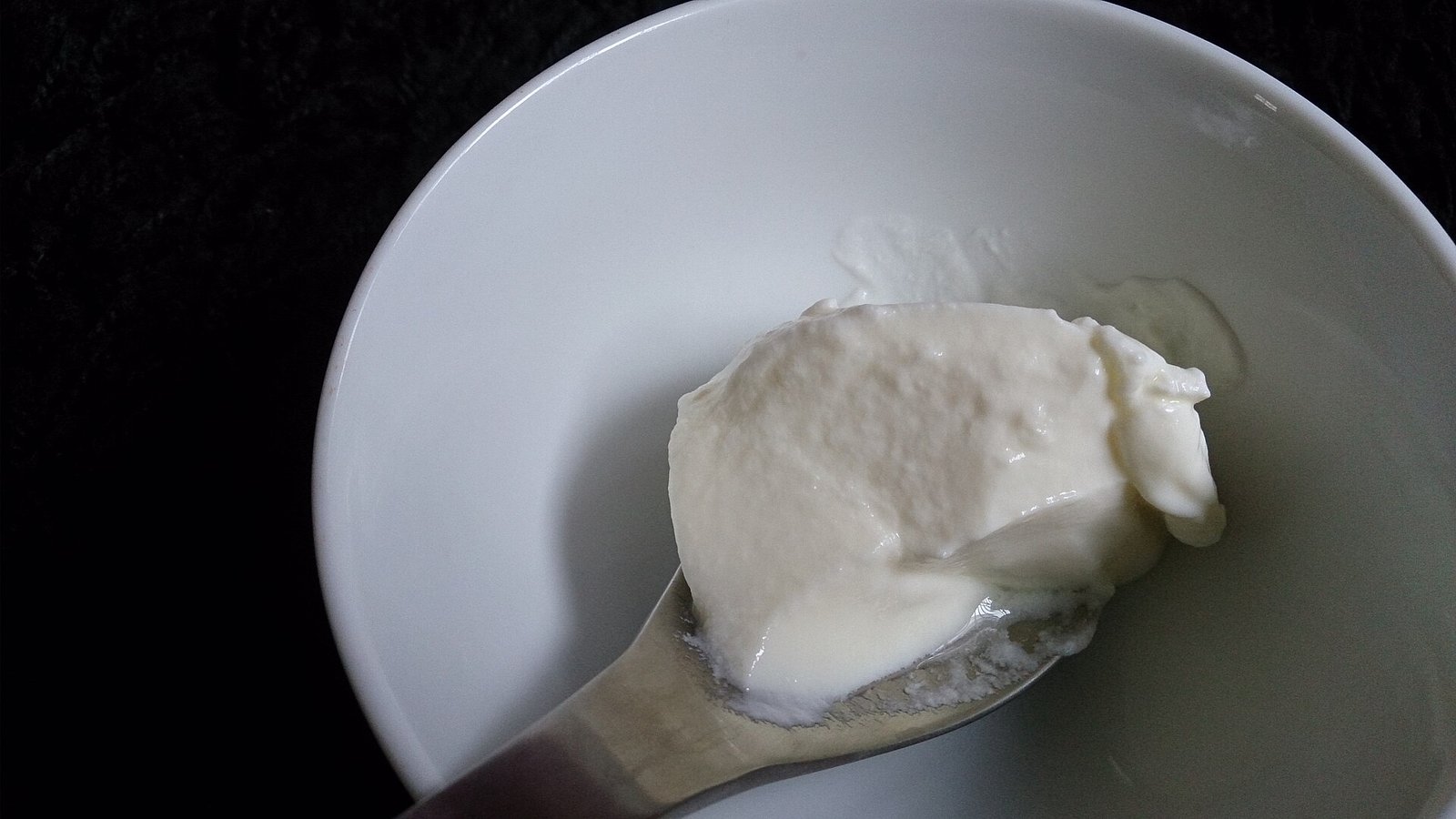
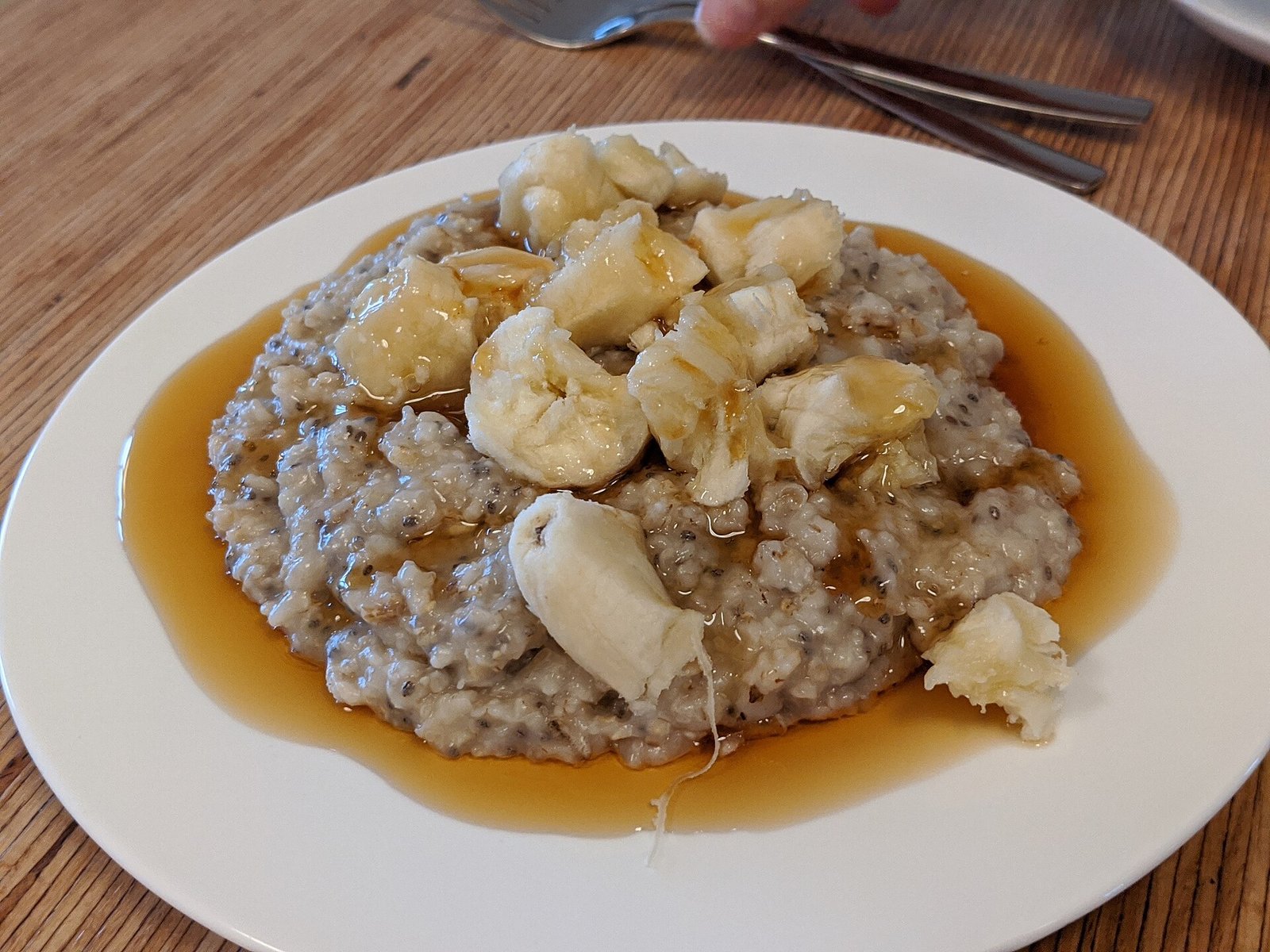
- – Cool or room-temperature yogurt, smoothies you can tolerate, applesauce, or mashed banana
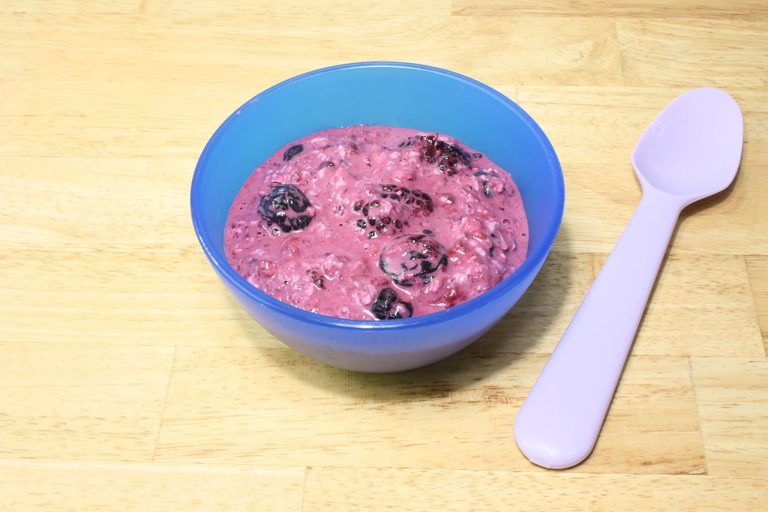
- – Oatmeal, cream of wheat, soft rice, or mashed potatoes
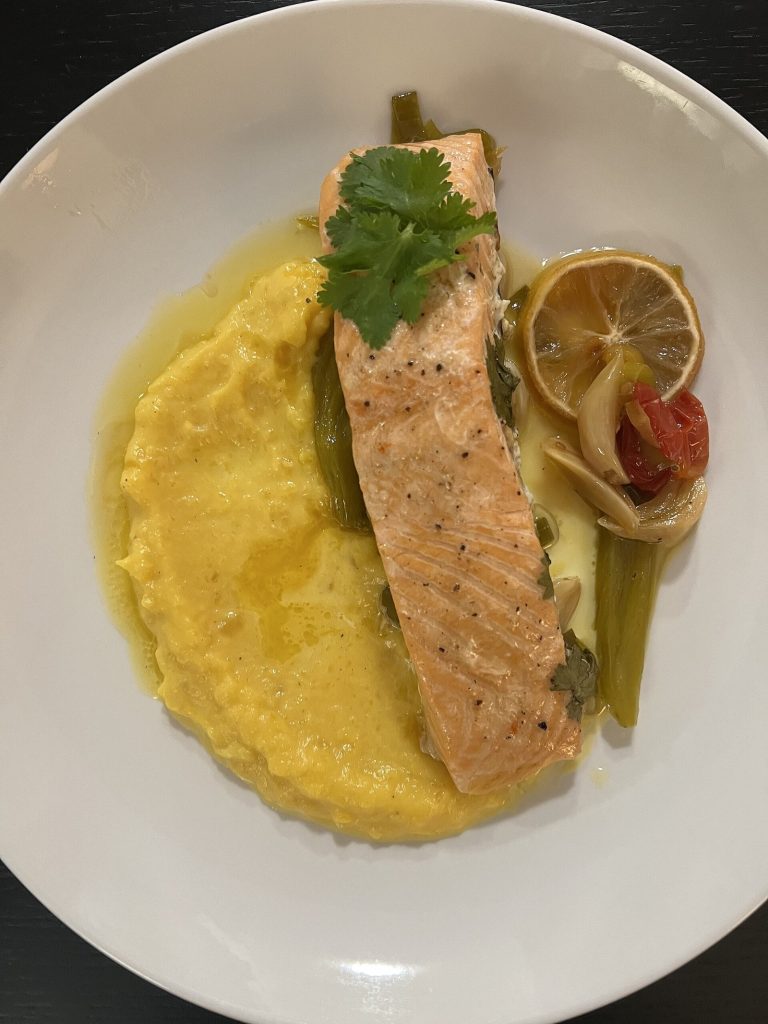
- – Scrambled eggs, tender fish, or other soft proteins
- – Lukewarm soups that are not acidic or heavily spiced
- – Plenty of non-alcoholic fluids if dryness is part of the picture; see dry mouth diet guide
After antibiotics: the encyclopedia’s kitchen note
For mild thrush that appears after antibiotics, the MedlinePlus encyclopedia says eating yogurt or taking over-the-counter acidophilus pills may help restore a healthy balance of germs in the mouth. That is a modest, source-based suggestion—not a reason to ignore spreading patches, pain with swallowing, or a weak immune system.
Blood sugar and everyday carbohydrate quality
Mayo Clinic explains that if diabetes is not well controlled, saliva may contain large amounts of sugar that help candida grow. The encyclopedia likewise says good blood-sugar control can help prevent thrush if you have diabetes. That points toward your usual diabetes eating pattern—not a crash “zero-carb mouth diet.” See type 2 diabetes diet guide or type 1 diabetes diet guide as relevant.
Mouth-care steps that belong next to the plate
Mayo Clinic’s prevention list is mostly not a grocery list: rinse your mouth or brush after a corticosteroid inhaler, brush and floss as your dentist recommends, remove dentures at night and clean them daily, see your dentist regularly (especially with diabetes or dentures), limit sugary foods, control blood sugar, treat vaginal yeast infections promptly if they occur, and ask about dry-mouth care.
Foods and habits that often worsen oral thrush symptoms
- – Sugary drinks, candies, and desserts in large amounts—Mayo Clinic: try limiting how much sugar you eat, including foods that contain sugar, because these foods may cause candida to grow
- – Very hot, acidic, spicy, or crunchy foods (citrus juices, tomato-heavy sauces, raw chips, crusty bread) when they sting or scrape sore patches—this is comfort guidance, not a claim that acidity “feeds yeast” in a proven dietary-protocol sense
- – Alcohol if it burns an already raw mouth
- – Skipping denture hygiene or sleeping in upper dentures—Mayo Clinic flags denture fit and nighttime removal
- – Forgetting to rinse after an inhaled corticosteroid
- – Self-scraping patches aggressively—Mayo Clinic notes slight bleeding if patches are rubbed or scraped
- – Assuming white patches are “just food residue” when they persist, spread, or make swallowing painful
“Limit” means reducing obvious sugar loads and mechanical irritation while treatment works—not a permanent fear of every fruit.
Practical kitchen protocol: an oral-thrush week
1. Get a look at the mouth
A clinician or dentist can usually diagnose thrush by examining the mouth; the encyclopedia notes that scrapings may be checked under a microscope. If swallowing is painful, they may look for yeast in the esophagus (candida esophagitis).
2. Shopping list for a gentler week
Plain yogurt with live cultures if you use the encyclopedia’s post-antibiotic suggestion, oats, bananas, eggs, tender fish, rice, potatoes, unsweetened applesauce, herbal caffeine-free tea if it sits well, and water. Keep added sugars lower than your usual dessert pattern for now.
3. Default plate while patches are painful
- – Cool or lukewarm soft foods
- – A protein you can swallow without scraping
- – Water between bites
- – Avoid very sweet beverages with the meal
- – After inhaled steroids (if you use them): rinse as Mayo Clinic describes
4. Sample day (illustrative)
- – Breakfast: oatmeal with mashed banana; plain yogurt on the side if you tolerate dairy.
- – Lunch: scrambled eggs and soft rice or mashed potato.
- – Snack: yogurt or applesauce rather than candy or soda.
- – Dinner: tender baked fish, well-cooked vegetables, rice.
- – Evening: water or another non-stinging drink; denture cleaning if you wear dentures.
5. If swallowing hurts or thrush keeps returning
MedlinePlus warns that candida esophagitis can make it hard or painful to swallow. The encyclopedia lists contact-your-provider reasons: thrush-like sores, pain or difficulty swallowing, or symptoms plus HIV, chemotherapy, or immune-suppressing medicines. Recurrent thrush may need a regular antifungal plan—not a stricter internet diet.
Safety, interactions, and who should ask a clinician first
- – Painful swallowing, food feeling stuck, or patches spreading toward the throat: prompt medical care (Mayo Clinic; MedlinePlus).
- – Weakened immunity (cancer treatment, organ transplant medicines, HIV/AIDS): Mayo Clinic says symptoms may be more serious and harder to control; untreated thrush can lead to more-serious systemic candida infections.
- – Diabetes: coordinate mouth symptoms with blood-sugar care rather than only cutting fruit.
- – Infants and breastfeeding parents: Mayo Clinic describes possible back-and-forth infection between a baby’s mouth and a parent’s nipples—this adult kitchen guide is not a breastfeeding-treatment plan; seek clinical care for both.
- – Do not start leftover antifungal pills from another person. Use only medicines prescribed or recommended for you.
FAQ
Can I treat oral thrush with diet alone? Usually no. MedlinePlus says antifungal medicines get rid of yeast infections in most people. For mild post-antibiotic thrush, yogurt or acidophilus may help restore balance, but worsening or severe cases need a clinician.
Should I cut out all sugar and fruit? Mayo Clinic recommends trying to limit how much sugar you eat because sugary foods may encourage candida growth. That is not the same as eliminating all fruit. If you have diabetes, ask how to lower added sugars without creating unsafe blood-sugar swings.
Why did thrush start after an antibiotic or steroid inhaler? Antibiotics can kill helpful bacteria that normally keep Candida in check (MedlinePlus encyclopedia). Inhaled corticosteroids are a Mayo Clinic risk factor; rinsing after use may help lower risk.
Is oral thrush the same as canker sores? No. Canker sores are a different mouth problem; see canker sores diet guide. Thrush typically shows creamy white, cottage-cheese-like patches.
When should I see a doctor or dentist? Mayo Clinic: if you or your child gets white patches or spots inside the mouth. Seek care faster if you have trouble swallowing or a weakened immune system.
How this differs from related OTCFood topics
This page is an oral-thrush–bound diet guide focused on sore-mouth textures, Mayo Clinic’s sugar and denture/inhaler habits, and the encyclopedia’s yogurt note after antibiotics. It is not the broader candidiasis companion at oral thrush candidiasis diet guide and not a diabetes treatment plan.
Medical disclaimer
Medical disclaimer: This article is for general information only. It is not medical advice, diagnosis, or a treatment plan. Oral thrush care depends on immune status, medicines, dentures, blood sugar, and your clinician’s or dentist’s judgment. Talk with a clinician, dentist, or registered dietitian before starting, stopping, or changing any eating plan, supplement, or medicine. Seek prompt care for painful swallowing, spreading white patches, fever, or thrush plus a weakened immune system.