Diet After Bladder Sling Surgery: Foods That May Help and Foods to Limit
Medical note: This article discusses foods and researched botanicals. It does not claim to prevent, treat, or cure disease. Supplements are not a substitute for food, and studied amounts are not personal prescriptions.
People searching “diet after bladder sling foods that help or worsen” usually want kitchen habits that limit constipation and straining, calm bladder irritants as activity returns, and support healing—not a claim that food rebuilds the urethra, cures stress incontinence, or replaces pelvic-floor therapy, catheter teaching, or surgical follow-up. MedlinePlus describes urethral/vaginal sling procedures as surgery for stress urinary incontinence, often after bladder retraining, Kegel exercises, medicines, or other options have been tried.
What this after-bladder-sling diet guide covers (and what it does not)
This guide is for adults recovering from midurethral or other urethral/vaginal sling surgery who want practical eating and fluid patterns while they follow lifting, intercourse, and wound instructions. Anchors: MedlinePlus — Urinary incontinence – urethral sling procedures, MedlinePlus — Stress urinary incontinence, NIDDK — Bladder control problems (women), and NIDDK — Treatments for bladder control problems.
MedlinePlus sling pages note gauze packing may be used briefly, hospital stays may be same-day or 1–2 days, and leakage often improves though some leakage can persist or return. NIDDK treatment guidance for urinary incontinence includes lifestyle steps such as eating right, drinking enough fluids, keeping a healthy weight, limiting caffeine (chocolate, tea, coffee, carbonated beverages) and alcoholic drinks, being physically active as advised, avoiding constipation with enough fiber and liquids, and quitting smoking. NIDDK also notes constipation can worsen urinary tract health and contribute to incontinence, and that some UI medicines can cause constipation—so fiber and fluids matter. Kitchen changes do not replace mesh-related warning watches or catheter plans. Related reading: Overactive Bladder Diet, Constipation Diet, and Diet After Hemorrhoidectomy.
Evidence snapshot: after-bladder-sling diet claims vs public sources
| Claim people hope for | What public sources actually say | Confidence |
|---|---|---|
| “A detox tea tightens the sling faster than healing time” | MedlinePlus centers surgical technique and follow-up—not culinary cures; NIDDK lifestyle steps support bladder health generally | Strong: food is supportive only |
| “Zero fluids reduce leaks after sling surgery” | NIDDK still emphasizes drinking enough fluids and avoiding constipation; alcohol/caffeine limits are more specific irritant tactics | Strong: do not dehydrate to “train” the bladder without clinician advice |
| “Constipation does not matter after pelvic surgery” | NIDDK: constipation can worsen urinary tract health and lead to UI; fiber and fluids help avoid it | Strong: strain risk matters |
| “Caffeine is irrelevant once the sling is in” | NIDDK: limiting caffeine-containing foods/drinks may help reduce leaks | Moderate–strong for irritant control |
| “Diet replaces Kegels or surgical follow-up” | MedlinePlus: Kegels and other options are first-line before surgery; aftercare still requires follow-up appointments | Strong: rehab/surgical care primary |
Foods and patterns that may help after bladder sling surgery day to day
“May help” means supporting soft stools so you strain less and moderating bladder irritants as your surgeon clears activity—not a promise that food fixes mesh complications.
Fiber-forward patterns once your surgeon clears that phase
- – NIDDK: talk with your health care professional about drinking more liquids and eating enough fiber to avoid constipation.
- – Practical sources: oats, pears and apples with skin if tolerated, berries, beans, vegetables, and whole grains introduced gradually.
- – Softeners or fiber supplements only if your surgeon prescribed them—do not stack harsh stimulant laxatives without advice. See Constipation Diet.
Steady, non-irritating fluids
- – NIDDK lifestyle language: drinking enough fluids supports bladder health; limit alcoholic drinks that increase urine production.
- – Spread water through the day rather than huge late-evening boluses if nighttime voids are hard while pelvic tissues heal.
- – Individualize if another condition sets fluid limits.
Moderating caffeine and carbonated drinks when leaks persist
- – NIDDK: limiting foods and drinks with caffeine—such as chocolate, tea, coffee, and carbonated beverages—may help reduce leaks.
- – Trial reductions for a week while keeping a simple bladder diary if your clinician suggested one; reintroduce strategically rather than permanent total bans unless advised.
Protein and balanced plates for recovery fueling
- – Eggs, yogurt, fish, poultry, tofu, and beans support healing calories when appetite dips after anesthesia.
- – Maintain a healthy weight long term as NIDDK notes lifestyle weight support for bladder health—coordinate gradual changes after clearance for exercise.
Foods and habits that often worsen after-bladder-sling kitchen patterns
- – Low-fiber, low-fluid patterns that harden stool and invite straining against a fresh pelvic repair.
- – Heavy alcohol that increases urine volume (NIDDK) and may interact with pain medicines.
- – Large caffeine and soda loads if they worsen urgency or leaks for you (NIDDK).
- – Smoking—NIDDK links quitting to better bladder and overall health and notes smoking raises chances of stress incontinence via cough.
- – Unprescribed colon cleanses that cause cramping and diarrhea near surgical sites.
- – Ignoring catheter instructions or forcing voids against retention warnings from your surgeon.
- – Expecting diet alone to fix fever, wound drainage, inability to urinate, severe pelvic pain, or sudden heavy bleeding—those are surgical red flags.
“Limit” means reducing constipation and common irritants—not that one coffee ruins the operation.
Practical kitchen protocol: an after-bladder-sling diet week
1. Keep the medical spine first
Confirm packing/catheter removal timing, lifting and intercourse restrictions (MedlinePlus notes sexual activity often resumes by 1–3 months when cleared), pain-medicine schedule, and constipation prophylaxis. Keep all follow-up appointments.
2. Shopping list for soft-stool, lower-irritant recovery
Oats; soft fruit; cooked vegetables; beans if gas is tolerable; yogurt; eggs; tender fish/poultry; still water; decaf or herbal options if you are trial-limiting caffeine; fiber supplement only if prescribed.
3. Default plate template
- – Soft lean protein
- – Fiber-containing carbohydrate
- – Fruit or vegetables
- – Fluid at meals
- – Caffeine/alcohol portions kept modest during the irritant trial window
4. Sample day (illustrative, after diet advance)
- – Breakfast: oatmeal with berries; water.
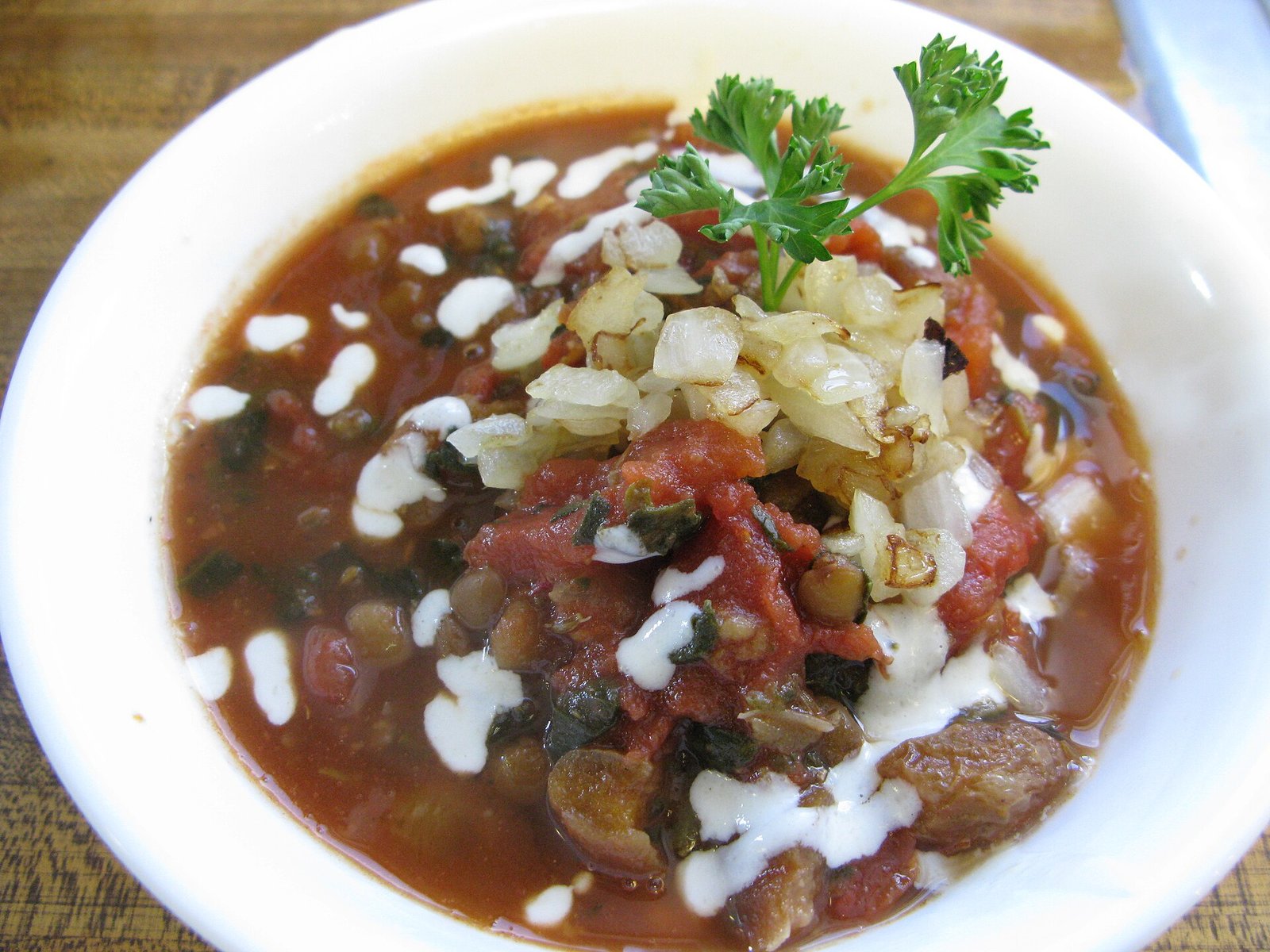
- – Lunch: lentil or vegetable soup; fruit; water.
- – Snack: yogurt or pear.
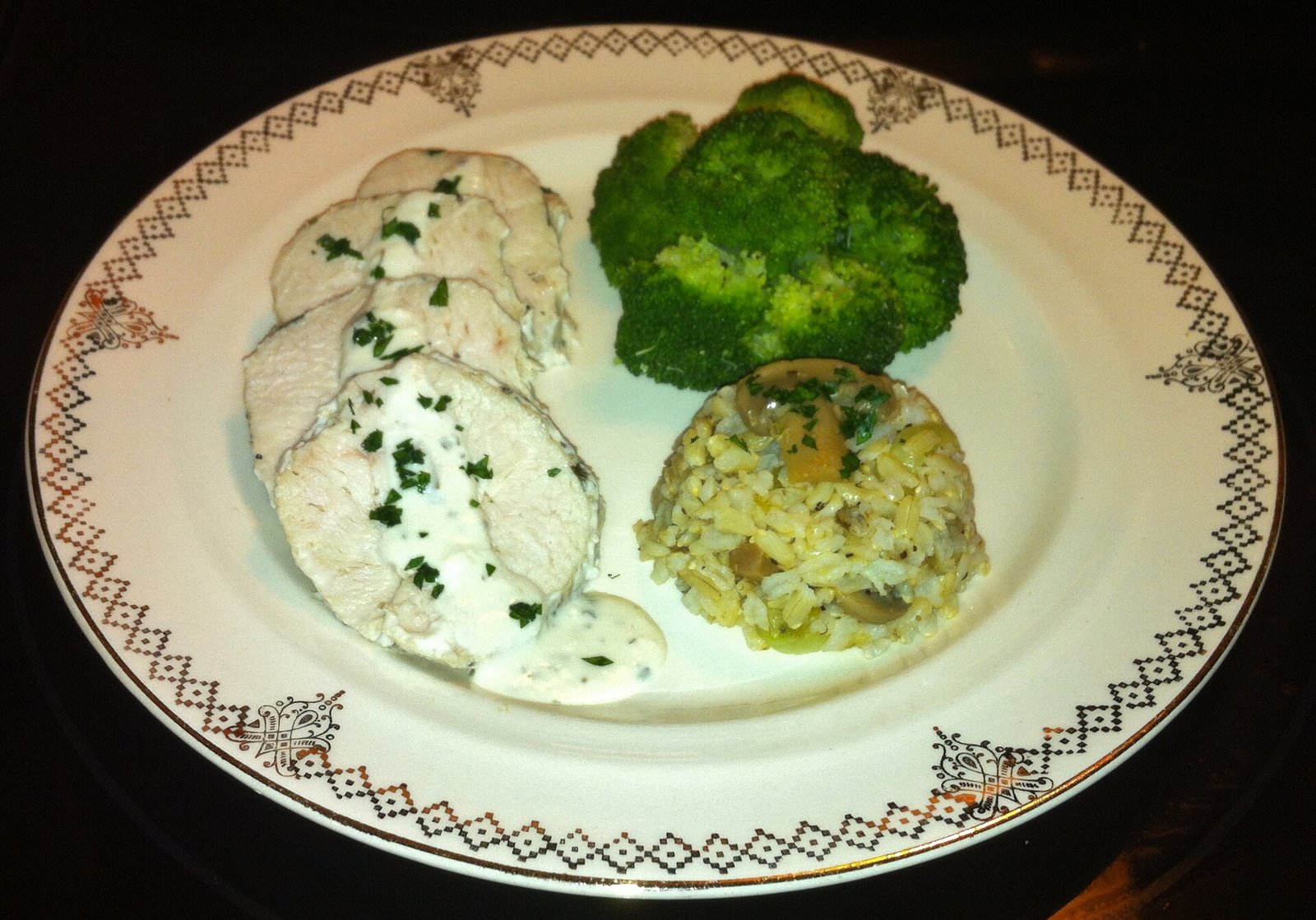
- – Dinner: baked chicken or fish, potato or rice, cooked greens.
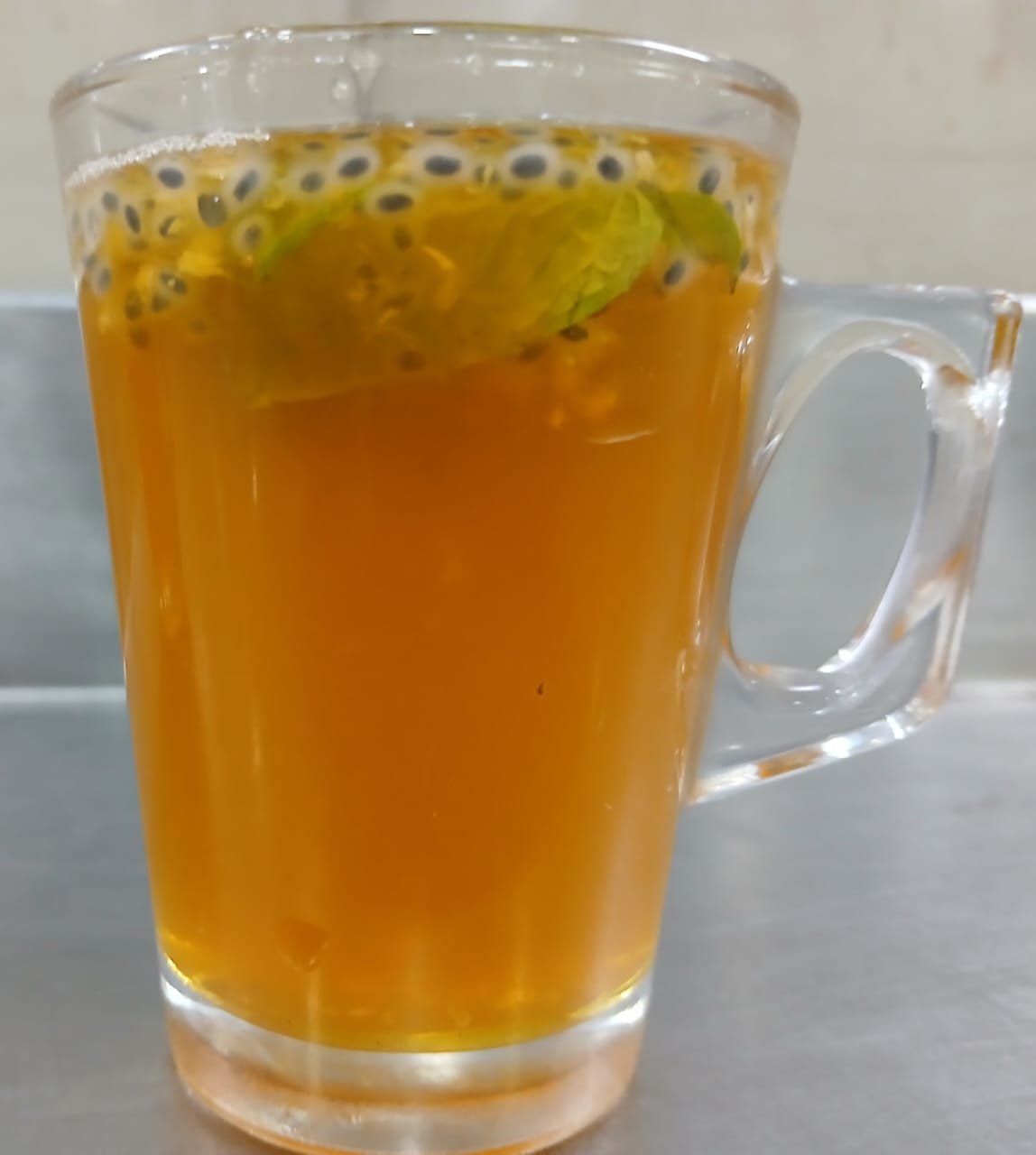
- – Evening: herbal tea or water—not a large alcoholic nightcap.
5. Bathroom and kitchen linkage
Do not linger on the toilet with a phone (strain risk); keep stool softener timing tied to meals if prescribed; stage water bottles away from the coffee maker if caffeine reduction is the current experiment.
6. If urgency/OAB symptoms overlap stress leaks
Irritant strategies overlap Overactive Bladder Diet, but mesh/sling-specific wound and catheterization rules stay with your surgeon.
Safety, interactions, and who should ask a clinician first
- – Difficulty emptying, need for catheterization, or recurrent UTIs: escalate promptly (MedlinePlus lists emptying difficulty among risks).
- – Pregnancy plans after mesh/sling procedures: individualized counseling.
- – Chronic constipation on anticholinergic UI medicines: NIDDK notes those drugs can cause constipation—ask before adding laxatives.
- – Seek urgent care for inability to urinate, heavy bleeding, fever, severe pelvic/abdominal pain, chest pain, or calf swelling.
FAQ
Can diet cure stress incontinence after a sling? No. MedlinePlus frames surgery and pelvic therapies as clinical care; NIDDK lifestyle steps support bladder health and may reduce leaks but are not a DIY cure.
Why focus on fiber after pelvic surgery? NIDDK links constipation to worse urinary tract health and UI; straining is hard on a healing repair.
Should I stop all caffeine forever? NIDDK says limiting caffeine may help reduce leaks—trial and individualize with your clinician rather than assuming a lifelong absolute ban.
How soon can I eat normally? Most people advance diet as anesthesia fades; follow any hospital diet steps you were given, then emphasize fiber/fluids and irritant moderation.
Is this the same as an overactive bladder diet? Related irritant themes appear in Overactive Bladder Diet, but sling recovery adds constipation/strain and surgical red-flag priorities.
How this differs from related OTCFood topics
This page is an after-bladder-sling diet guide focused on constipation prevention, fluid balance, caffeine/alcohol moderation, and smoking cessation context from NIDDK alongside MedlinePlus surgical framing. It is not a Kegel tutorial by itself and not a mesh-complication diagnostic tool.
Medical disclaimer
Medical disclaimer: This article is for general information only. It is not medical advice, diagnosis, or a treatment plan. Care after bladder sling surgery depends on surgical technique, catheter needs, pelvic-floor therapy, medicines, and your clinician’s protocol. Talk with a clinician or registered dietitian before starting, stopping, or changing any eating plan, supplement, or medicine. Seek urgent care for inability to urinate, fever, heavy bleeding, or severe pelvic pain.