Diet After Pancreatectomy: Foods That May Help and Foods to Limit
Medical note: This article discusses foods and researched botanicals. It does not claim to prevent, treat, or cure disease. Supplements are not a substitute for food, and studied amounts are not personal prescriptions.
People searching “diet after pancreatectomy foods that help or worsen” usually want kitchen habits that support digestion, weight stability, and enzyme or glucose timing after part or all of the pancreas is removed—not a claim that food rebuilds the pancreas, prevents cancer return, or replaces prescribed enzymes, insulin when needed, or a dietitian’s plan. MedlinePlus describes pancreatic cancer surgeries that remove part or all of the pancreas: the Whipple procedure (pancreaticoduodenectomy) removes the head of the pancreas plus gallbladder, bile duct, and part of the duodenum (sometimes part of the stomach); distal pancreatectomy removes the middle and tail (spleen may also be removed); total pancreatectomy is less common.
What this after-pancreatectomy diet guide covers (and what it does not)
This guide is for adults recovering from pancreatectomy (Whipple, distal, or total) who want everyday eating patterns while they follow surgical discharge rules. Anchors: MedlinePlus — Surgery for pancreatic cancer, MedlinePlus — Surgery for pancreatic cancer discharge, NIDDK — Eating, diet, & nutrition for pancreatitis, and NIDDK — EPI eating, diet, & nutrition.
MedlinePlus discharge guidance says to check with a dietitian about foods to eat at home, notes you may need pancreatic enzymes and insulin if prescribed, warns you may have trouble digesting fat, and recommends foods high in protein and carbohydrates and low in fat, with several small meals often easier than large ones. NIDDK pancreatitis nutrition pages emphasize low-fat healthy eating, small frequent meals, plenty of fluids, limiting caffeine, and strongly advise people with pancreatitis not to drink alcohol. NIDDK EPI pages explain that enzyme problems can follow pancreatic disease or surgery, with malabsorption risks, PERT with meals, small frequent meals, vitamin repletion when needed, and avoiding alcohol and quitting smoking. Related reading: Diet After Whipple Procedure, EPI Diet, and Pancreatitis Diet.
Evidence snapshot: after-pancreatectomy diet claims vs public sources
| Claim people hope for | What public sources actually say | Confidence |
|---|---|---|
| “Food alone replaces pancreatic enzymes after resection” | MedlinePlus/NIDDK: enzymes are prescribed when needed; PERT is taken with meals/snacks per clinician instructions | Strong: food supports, enzymes are medical when indicated |
| “High-fat ‘fortifying’ meals always rebuild weight faster” | MedlinePlus discharge: trouble digesting fat is common; favor protein and carbohydrates with lower fat and small frequent meals | Strong: greasy boluses often backfire early |
| “A little alcohol is fine once drains are out” | NIDDK: people with pancreatitis are strongly advised not to drink any alcohol; EPI pages also advise avoiding alcohol | Strong: ask your team—default is avoid |
| “Herbal pancreas cleanses reverse enzyme need” | NIDDK treats EPI with PERT and lifestyle changes, not unprescribed cleanses | Strong: ask before supplements |
| “Kitchen changes replace diabetes or oncology follow-up” | MedlinePlus notes insulin may be needed and further cancer treatments may continue | Strong: specialty care remains primary |
Foods and patterns that may help after pancreatectomy day to day
“May help” means supporting calorie and protein intake and limiting greasy triggers while enzymes and glucose plans are titrated—not a promise that food shortens hospital stays or prevents recurrence.
Small, frequent meals instead of three huge plates
- – MedlinePlus discharge: it may be easier to eat several small meals instead of large ones.
- – NIDDK EPI and pancreatitis nutrition pages likewise often recommend small, frequent meals.
- – Related dumping-style comfort frames after stomach or duodenal changes appear in Dumping Syndrome Diet—your surgeon’s list wins.
Protein- and carbohydrate-forward plates with moderated fat
- – MedlinePlus: try foods high in protein and carbohydrates and low in fat when fat digestion is hard.
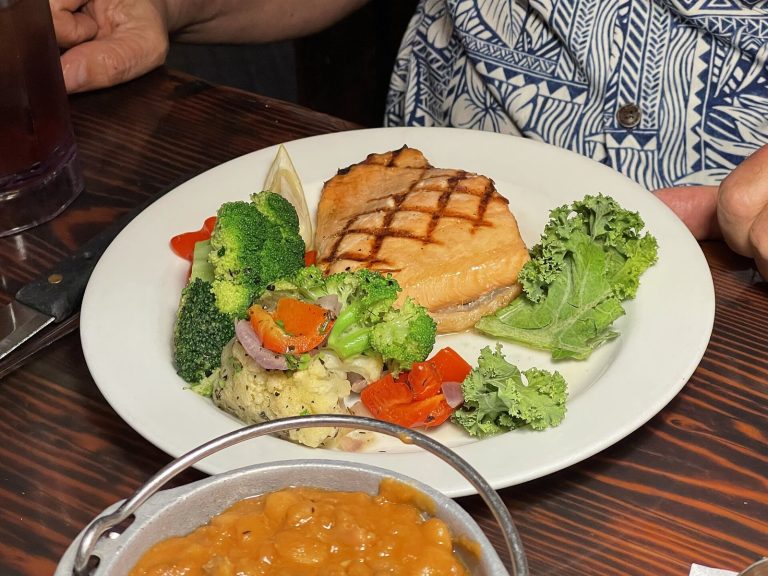
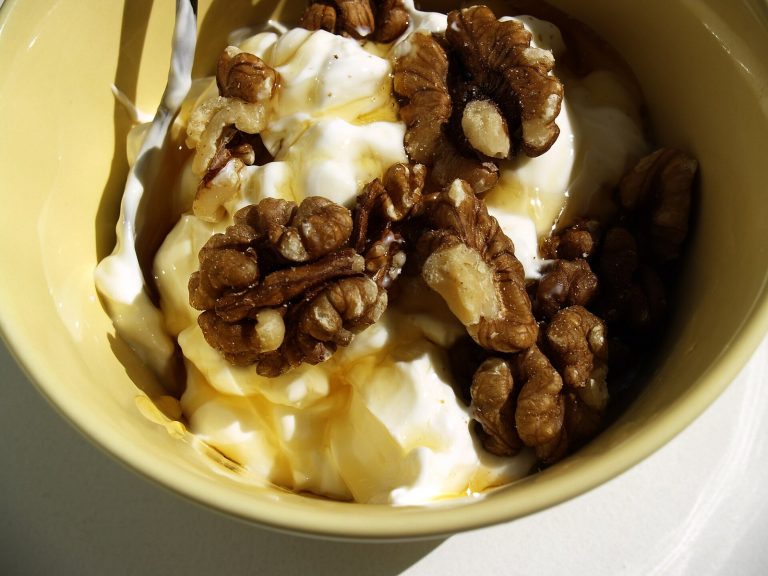
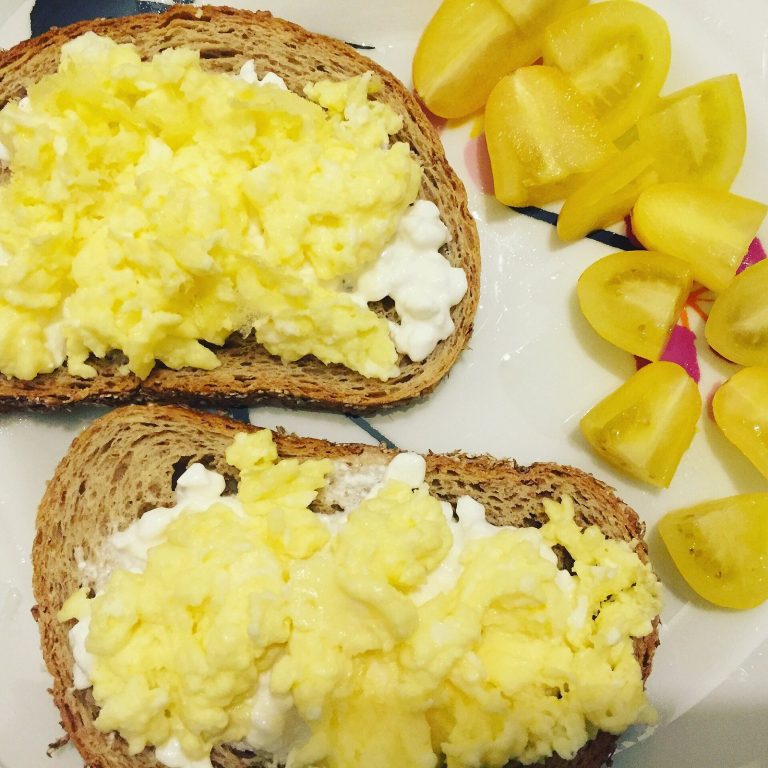
- – Practical proteins: eggs, fish, poultry, lean meat, tofu, Greek yogurt, cottage cheese, beans if tolerated, and oral nutrition drinks when recommended.
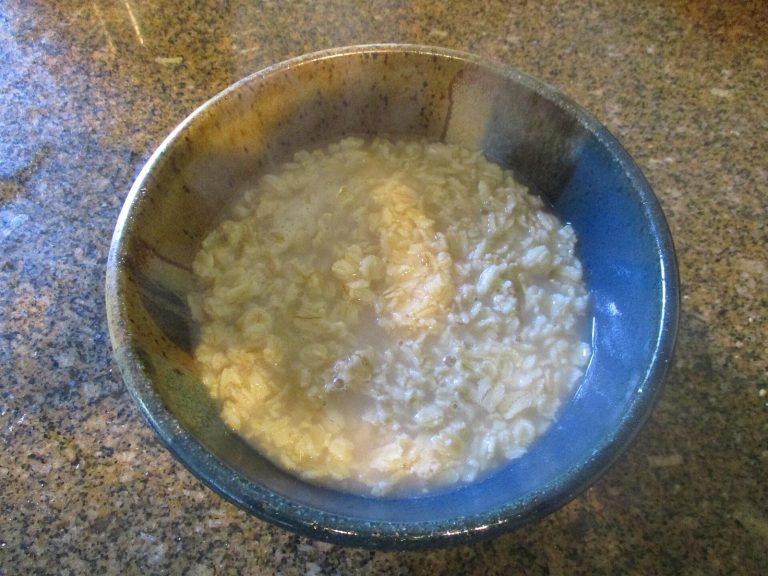
- – Soft starches (rice, potatoes, oatmeal, toast, noodles) often feel easier early than huge fried sides—overlap with Diet After Whipple Procedure.
Enzyme and insulin timing when prescribed
- – MedlinePlus: pancreatic enzymes and insulin may be needed; dosages take time to adjust with your provider.
- – NIDDK: PERT is taken when you eat; follow exact dosing. Keep a journal of foods, enzyme doses, stool pattern, weight, and glucose if diabetes care applies—see Type 2 Diabetes Diet and EPI Diet.
Fluids and gradual produce
- – NIDDK pancreatitis nutrition: drink plenty of fluids and limit caffeine.
- – Advance from clinician-directed textures; soft cooked vegetables and peeled fruit are common early bridges.
- – Tell your surgeon if diarrhea/loose stools are a problem (MedlinePlus discharge).
Foods and habits that often worsen after-pancreatectomy kitchen patterns
- – Large greasy fried meals that trigger fat maldigestion when MedlinePlus already flags fat trouble after surgery.
- – Alcohol—NIDDK strongly advises none with pancreatitis; EPI guidance also avoids alcohol.
- – Smoking continued—NIDDK EPI pages include quitting smoking among lifestyle supports.
- – Skipping prescribed enzymes “on light days” without clinician advice.
- – Unprescribed harsh cleanses or megadose vitamin stacks without checking fat-soluble vitamin labs (A, D, E, K risks appear in NIDDK EPI malnutrition lists).
- – Expecting kitchen changes to fix jaundice, gray stools with inability to eat/drink, uncontrolled vomiting, or severe abdominal pain—MedlinePlus discharge lists warning signs needing contact.
- – Ignoring glucose lows or highs after partial or total pancreatectomy when insulin was started.
“Limit” means reducing greasy defaults and alcohol—not that one birthday cake defines surgical success.
Practical kitchen protocol: an after-pancreatectomy diet week
1. Keep the medical spine first
Confirm resection type (Whipple vs distal vs total), enzyme brand/dose, glucose monitoring, drain or wound rules, and dietitian contacts before discharge as MedlinePlus advises.
2. Shopping list aligned with discharge themes
Eggs; yogurt; tender fish/poultry; oats and soft starches; bananas and peeled fruit; cooked vegetables; olive oil in measured amounts; oral nutrition drinks if advised; still water; enzyme and glucose supplies staged with meals—not buried in a drawer.
3. Default plate template
- – Soft lean protein
- – Lower-fat carbohydrate
- – Soft vegetable or fruit
- – Enzymes with the first bites if prescribed
- – Fluid sipped across the day; limit large caffeine loads if they worsen symptoms
4. Sample day (illustrative)
- – Breakfast: oatmeal with banana; enzymes if prescribed; water.
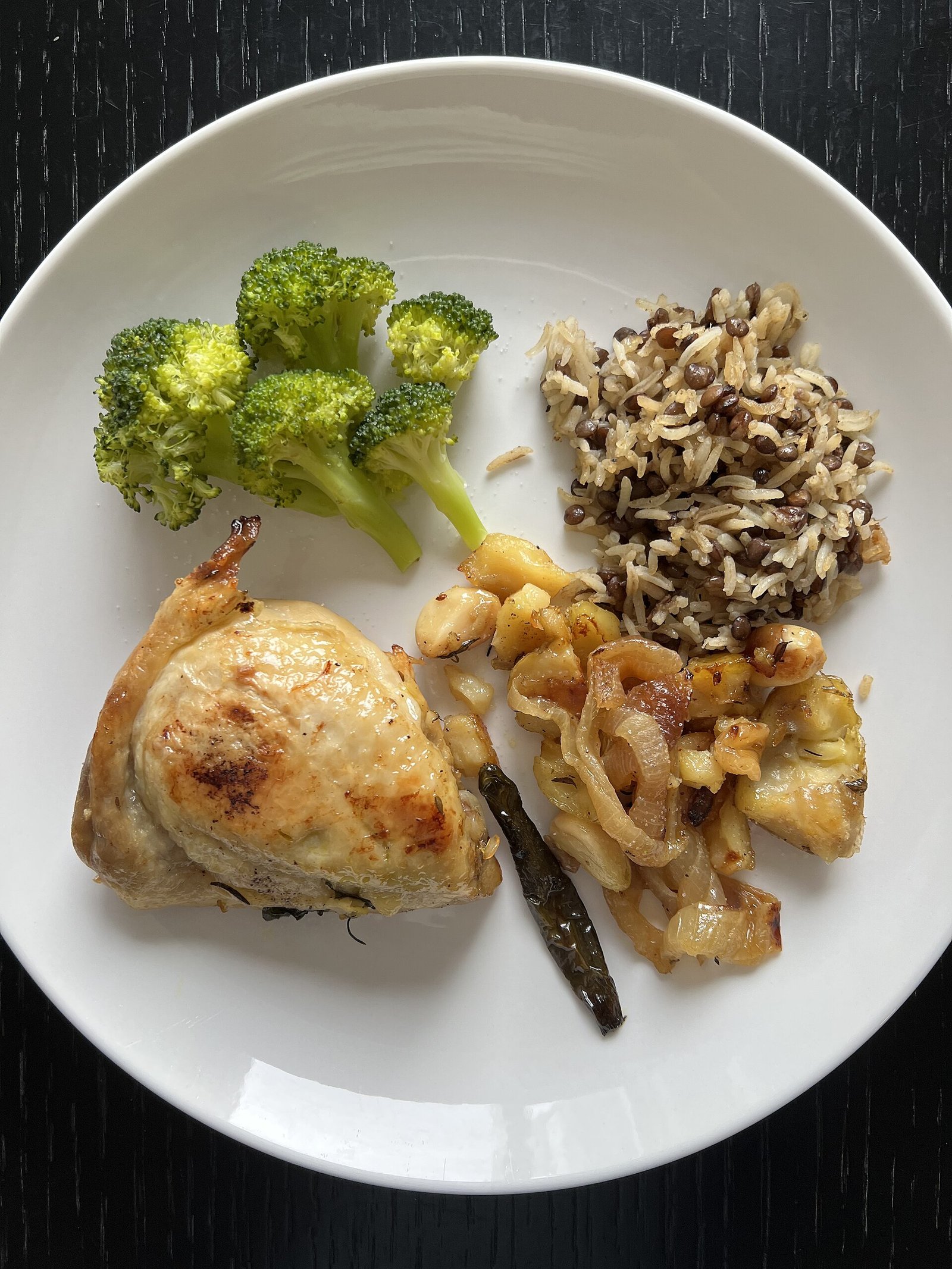
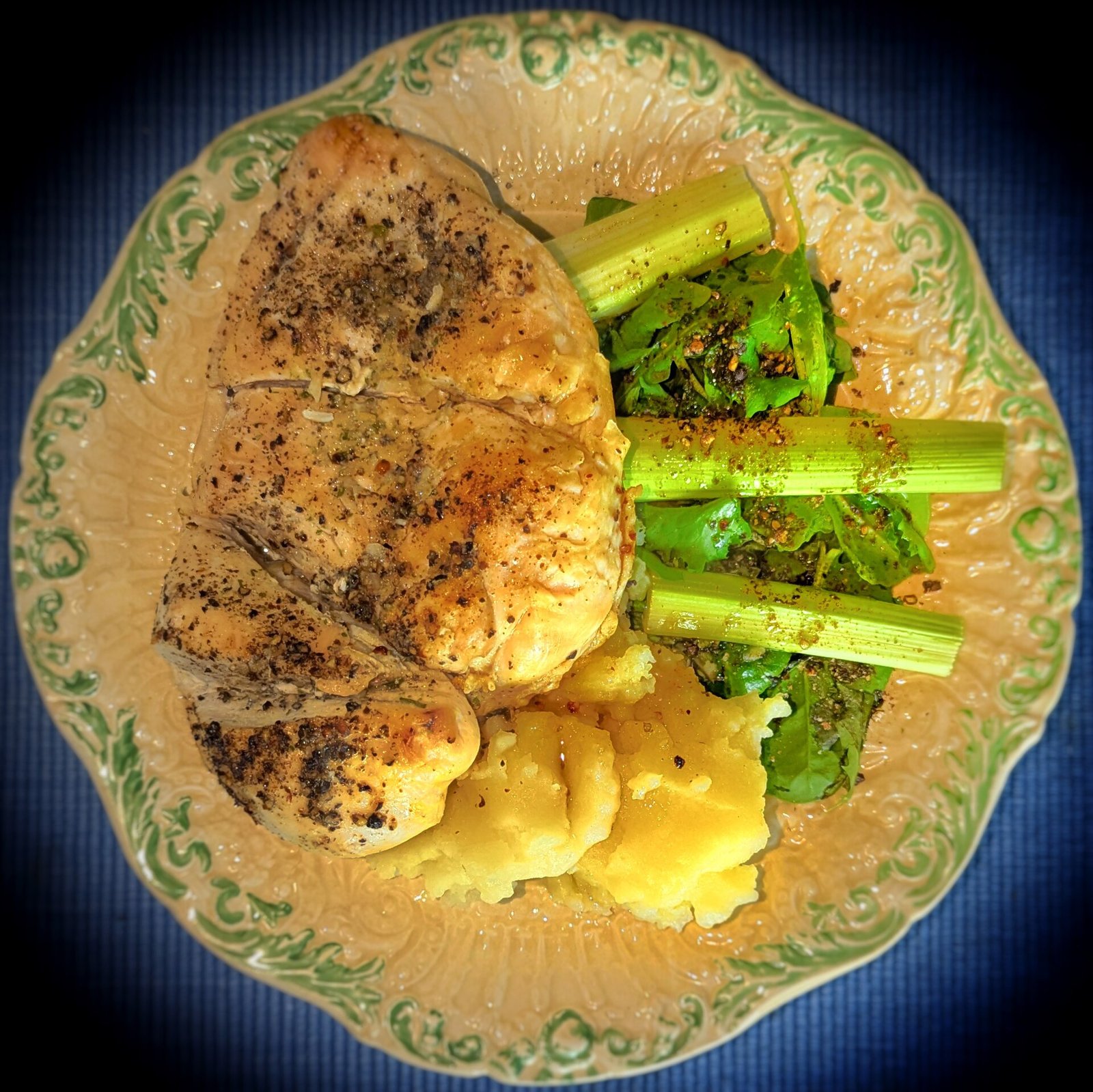
- – Lunch: baked chicken, rice, cooked carrots—modest fat.
- – Snack: yogurt or toast with a thin protein spread; enzymes for snacks if instructed.
- – Dinner: white fish, potato, green beans.
- – Evening: water; glucose check if on insulin—not a greasy late takeout feast.
5. Eating-out tactics
Choose grilled fish or poultry, sauce on the side, skip fried appetizers; bring enzymes; order smaller plates or box half immediately.
6. If chronic pancreatitis or EPI was the background problem
Long-term low-fat and enzyme themes overlap Chronic Pancreatitis Diet and Pancreatitis Diet, but postoperative insulin and oncology rules stay with your specialists.
Safety, interactions, and who should ask a clinician first
- – Total pancreatectomy or new diabetes: individualized carbohydrate and insulin teaching.
- – Ongoing chemotherapy or radiation: nutrition support with oncology.
- – Seek care for inability to eat or drink, uncontrolled diarrhea/constipation/nausea, yellow skin/eyes, gray stools, fever, or wound problems per MedlinePlus discharge warnings.
FAQ
Can diet replace pancreatic enzymes after pancreatectomy? No. MedlinePlus and NIDDK frame enzymes as prescribed medical therapy when needed; food patterns support tolerance.
Why low fat? MedlinePlus notes trouble digesting fat is common after pancreatic surgery; lower-fat, higher protein/carbohydrate patterns are suggested while doses are adjusted.
Is alcohol ever OK? NIDDK strongly advises people with pancreatitis not to drink alcohol; ask your surgical and GI team for your personal rule after resection.
What about caffeine? NIDDK pancreatitis nutrition pages say limit caffeine while drinking plenty of fluids—individualize if reflux or sleep issues coexist.
How is this different from the Whipple page? Diet After Whipple Procedure focuses on pancreaticoduodenectomy; this article covers pancreatectomy more broadly (including distal/total) with the same MedlinePlus/NIDDK kitchen spine.
How this differs from related OTCFood topics
This page is a post-pancreatectomy diet guide focused on small meals, moderated fat, enzyme/glucose coordination, and alcohol avoidance themes from NIDDK. It is not an anti-cancer diet claim and not a substitute for PERT or insulin teaching.
Medical disclaimer
Medical disclaimer: This article is for general information only. It is not medical advice, diagnosis, or a treatment plan. Care after pancreatectomy depends on resection type, enzymes, diabetes risk, cancer therapy, and your clinician’s protocol. Talk with a clinician or registered dietitian before starting, stopping, or changing any eating plan, supplement, or medicine. Seek urgent care for jaundice, inability to keep fluids down, uncontrolled diarrhea, or severe abdominal pain.