Diet After Shoulder Replacement: Foods That May Help and Foods to Limit
Medical note: This article discusses foods and researched botanicals. It does not claim to prevent, treat, or cure disease. Supplements are not a substitute for food, and studied amounts are not personal prescriptions.
People searching “diet after shoulder replacement foods that help or worsen” usually want one-handed, protein-forward meals that fit sling life and constipation prevention on pain medicines—not a claim that food cements the prosthesis or replaces physical therapy. MedlinePlus explains shoulder replacement replaces damaged shoulder joint bones with artificial parts and provides discharge guidance: expect tenderness and swelling for about 2 to 4 weeks, arrange help with daily tasks for up to 6 weeks, keep the arm in a sling for roughly 2 to 6 weeks with no active movement beyond what the surgeon allows, and continue taught exercises. AAOS OrthoInfo notes shoulder replacement can relieve severe arthritis or fracture-related pain, that rehab and home exercise are critical, and that patients should not lift anything heavier than a glass of water for the first 2 to 6 weeks. Kitchen habits support healing fuel and safer meal prep; they do not loosen lifting rules.
What this after-shoulder-replacement diet guide covers (and what it does not)
This guide is for adults recovering from anatomic total shoulder arthroplasty, reverse total shoulder replacement, or hemiarthroplasty who need practical eating patterns under sling constraints. Anchors: MedlinePlus — Shoulder replacement, MedlinePlus — Shoulder replacement discharge, OrthoInfo AAOS — Shoulder Joint Replacement, and related surgical nutrition common sense from clinician discharge teaching.
MedlinePlus discharge care stresses help with cooking and shopping early, sling use, and exercises; AAOS warns against pushing up with the operated arm, extreme positions early, contact sports, and repetitive heavy lifting. Advance diet texture only as anesthesia recovery allows. This page is not a nonsurgical frozen-shoulder protocol—see frozen shoulder diet guide—and not identical to general diet after shoulder surgery guide soft-tissue repairs, though protein and constipation themes overlap.
Evidence snapshot: after-shoulder-replacement diet claims vs public sources
| Claim people hope for | What public sources actually say | Confidence |
|---|---|---|
| “Collagen powders guarantee faster implant bonding” | AAOS/MedlinePlus center surgical technique, infection prevention, and PT—not supplement cures | Strong: food is supportive |
| “Skip protein to ‘rest’ the joint” | Recovery generally needs adequate protein/calories for surgery stress and muscle supporting the joint—individualize if kidney disease | Moderate for protein adequacy |
| “Lifting grocery cases is good PT if soup is healthy” | AAOS: do not lift more than a glass of water early; MedlinePlus: no active movement beyond surgeon rules | Strong against heavy grocery heroics |
| “Opioids won’t affect bowels if salads are organic” | Opioid constipation is common after orthopedic surgery—plan fluids/fiber/softeners as prescribed | Strong for bowel planning |
| “Alcohol helps sleep in the sling” | Alcohol dehydrates, impairs judgment around fall risk, and may interact with pain medicines—ask your team | Moderate–strong to limit/avoid early |
Foods and patterns that may help after shoulder replacement day to day
“May help” means easier one-handed prep, steadier protein intake, and softer stools so straining is less miserable in a sling—not erasing surgical pain timelines.
Protein-forward, easy-open meals
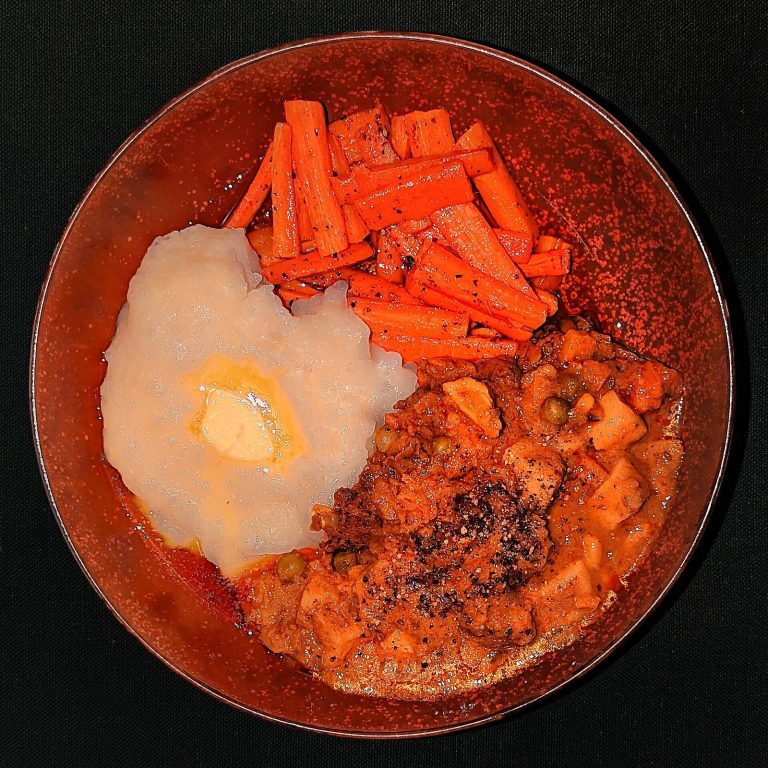
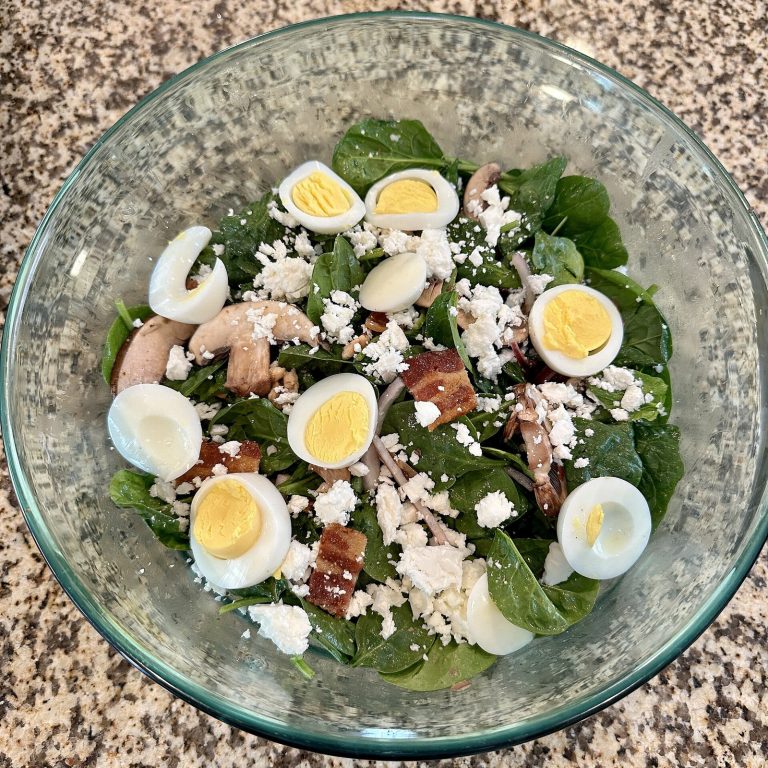
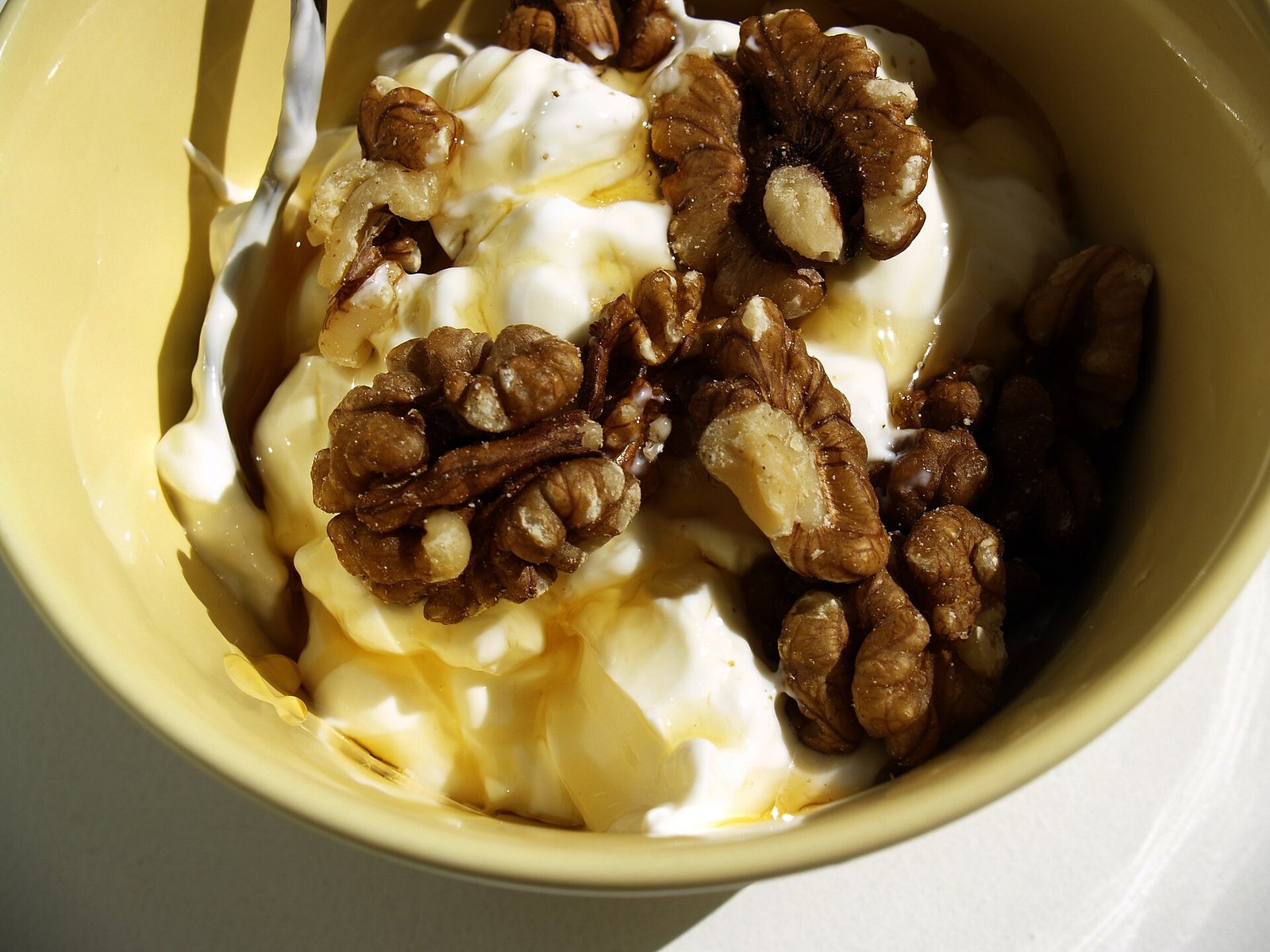
- – Eggs, Greek yogurt, cottage cheese, tuna/salmon pouches, soft beans, leftover shredded poultry, tofu, and smoothies (if aspiration risk is low) work when chopping is hard.
- – Batch-cook before surgery when possible; accept help with meals for up to about 6 weeks (MedlinePlus).
Constipation-aware fiber and fluids
- – Opioid pain medicines slow the gut. Pair prescribed stool softeners with water, oatmeal, stewed fruit, and cooked vegetables—practical overlap with constipation diet guide.
- – Keep a water bottle on the non-sling side of the couch.
Bone- and muscle-supportive patterns for the long haul
- – Dairy or fortified alternatives, leafy greens, and vitamin D–aware habits matter for overall musculoskeletal health—see osteoporosis diet guide and vitamin D deficiency diet guide—especially if arthritis or steroid history preceded replacement, without inventing implant “mineral cures.”
- – If disuse raises sarcopenia worry, longer-term patterns in sarcopenia diet guide may help education after PT advances.
One-handed kitchen ergonomics as “diet infrastructure”
- – Jar openers, prewashed produce, microwave steam bags, and slow-cooker meals reduce risky reaching (AAOS: avoid extreme arm positions early).
Foods and habits that often worsen after-shoulder-replacement kitchen patterns
- – Hauling gallon water jugs or heavy crockpots with the operated arm “for hydration goals.”
- – Living on constipating ultra-processed snack runs with almost no fluid or fiber while on opioids.
- – Alcohol with sedating pain medicines.
- – Supplements that increase bleeding risk around the perioperative window unless the surgeon cleared them.
- – Skipping meals until dizziness shows up at PT.
- – Drive-through salt bombs every night if blood pressure or heart disease coexists—coordinate with broader cardiac eating if relevant (hypertension diet guide).
“Limit” means reducing constipation, fall-risk drinks, and lifting-through-grocery mistakes—not banning spices forever.
Practical kitchen protocol: an after-shoulder-replacement diet week
1. Keep the medical spine first
Confirm sling hours, allowed elbow/hand use, wound care, clot-prevention plan, PT sheet, driving restrictions (AAOS often 2–6 weeks), and bowel medicines.
2. Shopping list for sling-friendly recovery
Eggs; yogurt; cottage cheese; oatmeal packets; ripe bananas; pouch tuna; pre-cut fruit; soup you can open one-handed; shredded cheese; bread; olive oil spray; stool softener if prescribed; protein-rich leftovers portioned in light containers.
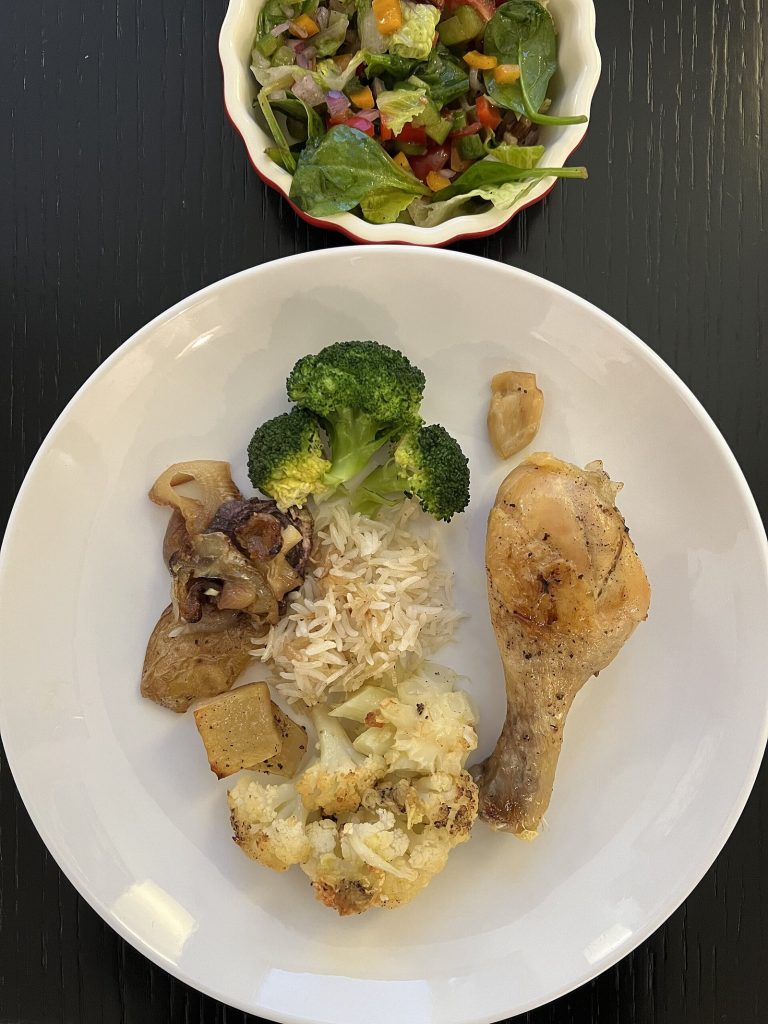
3. Default plate template
- – Soft lean protein
- – Fiber-containing carbohydrate
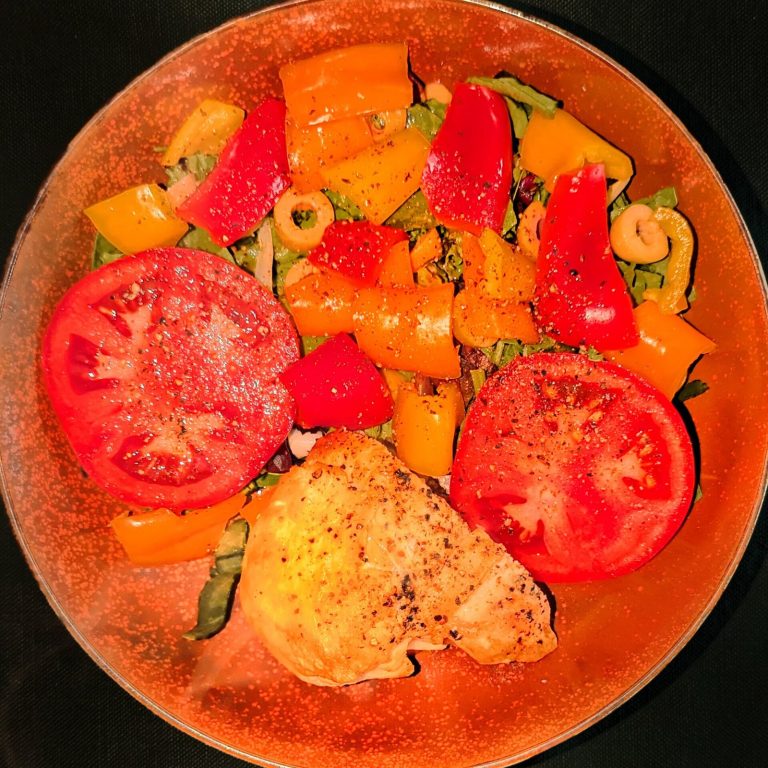
- – Fruit or cooked vegetables
- – Fluid at each meal
4. Sample day (illustrative)
- – Breakfast: scrambled eggs or avocado egg toast prepared by a helper; water.
- – Lunch: Greek yogurt with honey and fruit, or lentil soup reheated carefully without heavy lifting.
- – Snack: cottage cheese or banana.
- – Dinner: baked fish flaked in advance, rice, cooked vegetables.
- – Evening: bowel plan; medications as scheduled—not a second beer for “relaxation.”
5. Home setup tips
MedlinePlus: rearrange so daily items are easy to reach; AAOS: place needed items on low shelves before surgery; sling on before kitchen work.
6. Transition toward joint-friendly patterns later
After clearance, longer-term osteoarthritis-aware eating education (osteoarthritis diet guide) is adjunct only—early weeks still obey surgical rules. Rotator-cuff–related reverse shoulder contexts differ from soft-tissue-only diet after rotator cuff repair guide pages.
Pre-hab grocery moves the week before surgery
- – AAOS-style home planning: move frequently used foods to low shelves; freeze single-portion soups in light containers; arrange helper meal calendars.
- – Stock stool softeners only if your surgeon’s instructions include them—do not invent a laxative stack.
- – Practice opening yogurt cups and milk cartons with the non-operated hand before surgery day.
Sleep snacks and nighttime meds
- – Keep an allowed snack and water on the nightstand so you are not navigating stairs half-asleep in a sling.
- – If pain wakes you, follow the prescribed medicine schedule rather than alcohol as a sleep aid.
Safety, interactions, and who should ask a clinician first
- – Fever, wound drainage, calf pain/swelling, chest pain, or sudden shortness of breath: urgent evaluation.
- – Numbness/weakness progressing beyond expected: call the surgeon.
- – Kidney disease: individualize protein and fluid.
- – Diabetes: plan carbs around lower activity weeks (type 2 diabetes diet guide).
- – Swallowing trouble after nerve blocks usually temporary; persistent dysphagia needs evaluation.
FAQ
Can diet make the new shoulder heal faster than PT allows? No. Food supports energy and bowel comfort; AAOS stresses rehab compliance for motion and strength.
How much can I lift when carrying groceries? AAOS commonly limits early lifting to about a glass of water—follow your surgeon’s number, not the fitness tracker.
Do I need a special “joint replacement diet” brand? No branded protocol replaces protein-plus-produce patterns and sling safety.
What about calcium megadoses for the implant? Ask before supplementing; base labs and osteoporosis history matter—see calcium deficiency diet guide education under clinician guidance.
How is this different from other shoulder surgery diet pages? Replacement adds implant precautions and often longer formal PT; soft-tissue repairs differ—compare diet after shoulder surgery guide and diet after rotator cuff repair guide.
How this differs from related OTCFood topics
This page is an after-shoulder-replacement-bound diet guide focused on one-handed protein meals, opioid constipation prevention, and sling-safe kitchen logistics. It is not a hip/knee replacement twin (diet after hip replacement guide, diet after knee replacement guide) and not a frozen-shoulder nonsurgical plan.
Medical disclaimer
Medical disclaimer: This article is for general information only. It is not medical advice, diagnosis, or a treatment plan. Care after shoulder replacement depends on implant type (anatomic vs reverse), bone quality, rotator cuff status, other medical conditions, and your surgeon’s protocol. Talk with a clinician or registered dietitian before starting, stopping, or changing any eating plan, supplement, or medicine. Seek urgent care for fever, wound problems, chest pain, or signs of blood clots.