Exocrine Pancreatic Insufficiency (EPI) Diet: Foods That May Help and Foods to Limit
Medical note: This article discusses foods and researched botanicals. It does not claim to prevent, treat, or cure disease. Supplements are not a substitute for food, and studied amounts are not personal prescriptions.
People searching “exocrine pancreatic insufficiency diet foods that help or worsen” usually want low-fat–aware meals that still deliver calories, plus clarity on pancreatic enzyme timing—not a claim that food restarts enzyme production or replaces prescription pancrelipase. Exocrine pancreatic insufficiency (EPI) means the pancreas does not release enough digestive enzymes into the intestine, so fat and other nutrients may be poorly absorbed—often discussed alongside chronic pancreatitis, cystic fibrosis, pancreatic surgery, or other pancreatic disease. MedlinePlus pancreatic disease pages and NIDDK pancreatitis materials emphasize clinician-guided nutrition; Mayo Clinic notes that when chronic pancreatitis causes diarrhea or weight loss, pancreatic enzyme supplements taken with meals can help the body break down and use nutrients, and dietitian-planned nutrient-dense meals may be needed.
What this EPI diet guide covers (and what it does not)
This guide is for adults with clinician-diagnosed EPI or pancreatic enzyme insufficiency patterns who want practical grocery and enzyme-with-meals habits. Anchors: MedlinePlus — Pancreatic Diseases, NIDDK — Pancreatitis, NIDDK — Eating, Diet, & Nutrition for Pancreatitis, and Mayo Clinic — Pancreatitis diagnosis and treatment.
NIDDK diet guidance for pancreatitis: after the hospital phase, clinicians often prescribe a healthy, low-fat eating plan with small, frequent meals; drink plenty of fluids and limit caffeine; do not drink alcohol; high-fat, high-calorie patterns that raise blood fats can raise pancreatitis risk. Mayo adds balanced diets with fruits, vegetables, whole grains, and lean protein, more fluids, and stopping alcohol and smoking. Acute inpatient NPO/feeding-tube rules differ from stable outpatient EPI—follow hospital orders first. Related reading: chronic pancreatitis diet guide, pancreatitis diet guide, and EPI diet guide.
Evidence snapshot: EPI diet claims vs public sources
| Claim people hope for | What public sources actually say | Confidence |
|---|---|---|
| “Enzymes are optional if you eat ‘clean’” | Mayo: enzyme supplements with meals may be used when diarrhea/weight loss occur in chronic pancreatitis; dose is clinical | Strong: do not skip prescribed PERT |
| “Zero-fat forever is always best” | NIDDK emphasizes low-fat healthy plans with small frequent meals—not permanent starvation-level fat for every person; individualize with dietitian | Moderate: fat targets are personalized |
| “Alcohol is fine on weekends if enzymes are taken” | NIDDK strongly advises people with pancreatitis not to drink any alcohol; Mayo: stop drinking | Strong: avoid alcohol |
| “Detox teas replace enzyme capsules” | No public NIDDK/Mayo protocol replaces prescription enzymes with teas | Strong against substitutions |
| “High-fat keto is a smart EPI shortcut” | Opposite of NIDDK low-fat pancreatitis nutrition framing for many patients | Strong against unsupervised high-fat diets |
Foods and patterns that may help with EPI day to day
“May help” means supporting digestion with prescribed enzymes, limiting symptom-triggering fat loads, and protecting weight/muscle—not curing underlying pancreatic damage.
Take pancreatic enzymes exactly with meals and snacks as prescribed
- – Mayo: enzymes with each meal help break down nutrients when indicated.
- – Carry capsules when eating out; ask your clinician about dose titration if stools stay oily (steatorrhea) or weight falls.
Small, frequent, lower-fat meals
- – NIDDK: small, frequent meals on a healthy low-fat plan after you can eat again.
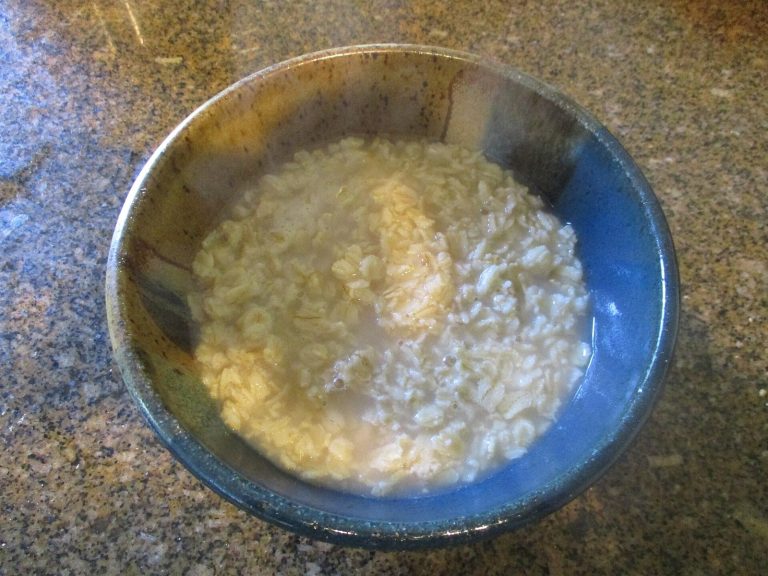
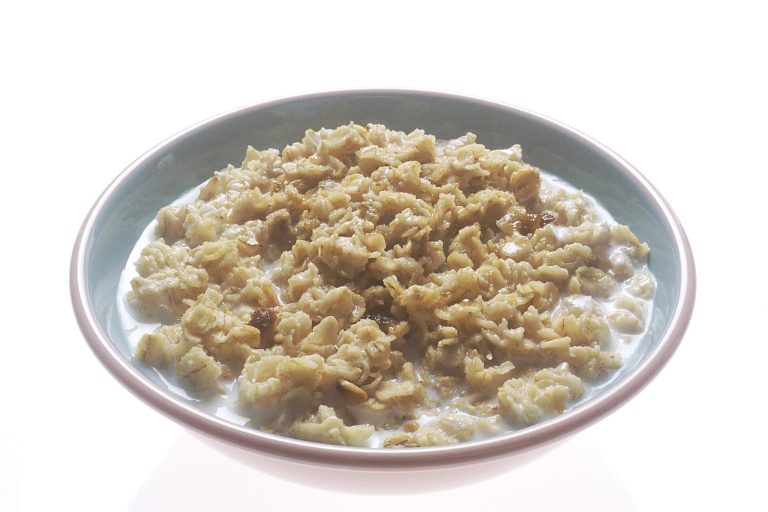
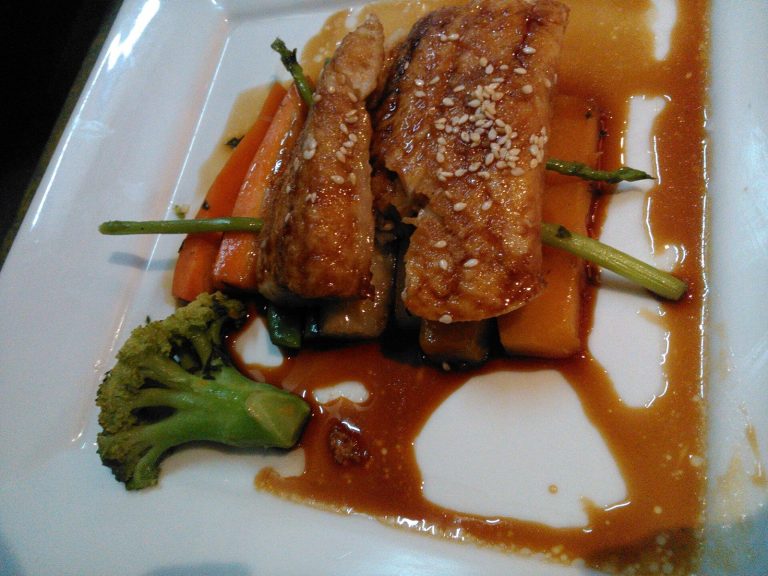
- – Examples: egg whites or whole eggs as tolerated, tender fish or skinless poultry, low-fat dairy if tolerated, cooked vegetables, fruit, rice, potatoes, oatmeal.
- – Soft textures help when appetite or post-pancreatitis pain lingers—similar practical softness themes as some diet after Whipple procedure guide recovery kitchens, without equating surgeries.
Nutrient density without grease
- – Prioritize protein at each mini-meal to limit unintentional weight loss.
- – Fat-soluble vitamins (A, D, E, K) and B12/iron status may be monitored by clinicians when maldigestion is chronic—coordinate labs before self-supplementing; kitchen context overlaps vitamin D deficiency diet guide and iron deficiency anemia diet guide education only under advice.
Fluids and limited caffeine
- – NIDDK: drink plenty of fluids; limit caffeine. Mayo: pancreatitis can cause dehydration—keep fluids handy.
Foods and habits that often worsen EPI kitchen patterns
- – Fried foods, creamy sauces, fatty meats, pastry grease, and huge single fat bombs that outrun enzyme capacity for many people.
- – Skipping enzymes “just this once” with pizza or nuts by the handful.
- – Alcohol in any amount against NIDDK/Mayo pancreatitis advice.
- – Smoking (Mayo self-care: quit—smoking worsens pancreatitis outcomes).
- – All-day grazing of ultra-processed fatty snacks without enzyme coverage.
- – Very high-fiber raw piles overnight if they worsen bloating for you—advance fiber gradually with your dietitian.
- – Unsupervised very-low-calorie cleanses that accelerate weight loss already driven by maldigestion.
“Limit” means matching fat load to enzyme plans—not fearing every gram of fat in lettuce dressing forever without guidance.
Practical kitchen protocol: an EPI diet week
1. Keep the medical spine first
Confirm EPI diagnosis basis, pancrelipase brand/dose/timing, acid-suppression if prescribed, alcohol abstinence plan, diabetes screening (pancreatic damage can affect insulin), and dietitian referral.
2. Shopping list for lower-fat enzyme-paired kitchens
Oatmeal; rice; potatoes; bananas and canned fruit in juice; cooked carrots/green beans; egg options; low-fat yogurt; tender fish/poultry; lean ground meats cooked and drained; breads as tolerated; enzyme bottle in a travel case; oral rehydration or water bottles.
3. Default plate template
- – Lean protein
- – Low-fat starch
- – Soft cooked vegetables or fruit
- – Enzymes with the first bites
4. Sample day (illustrative)
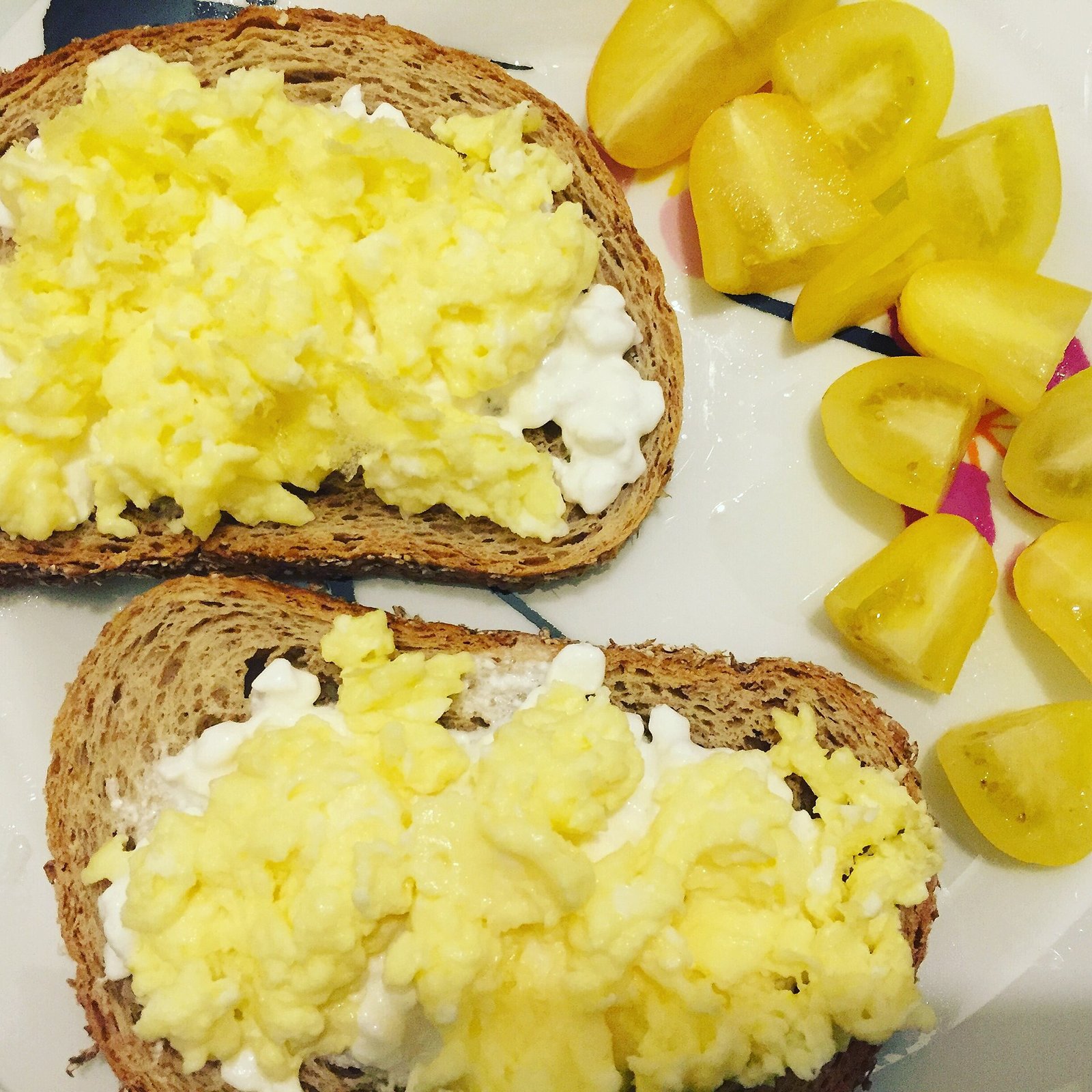
- – Breakfast: scrambled eggs on toast; enzymes; water.
- – Mid-morning: low-fat yogurt; enzymes if it counts as a snack dose per your plan.
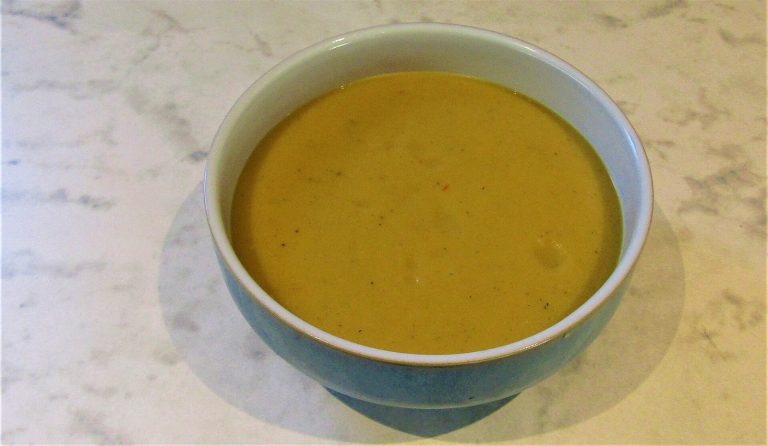
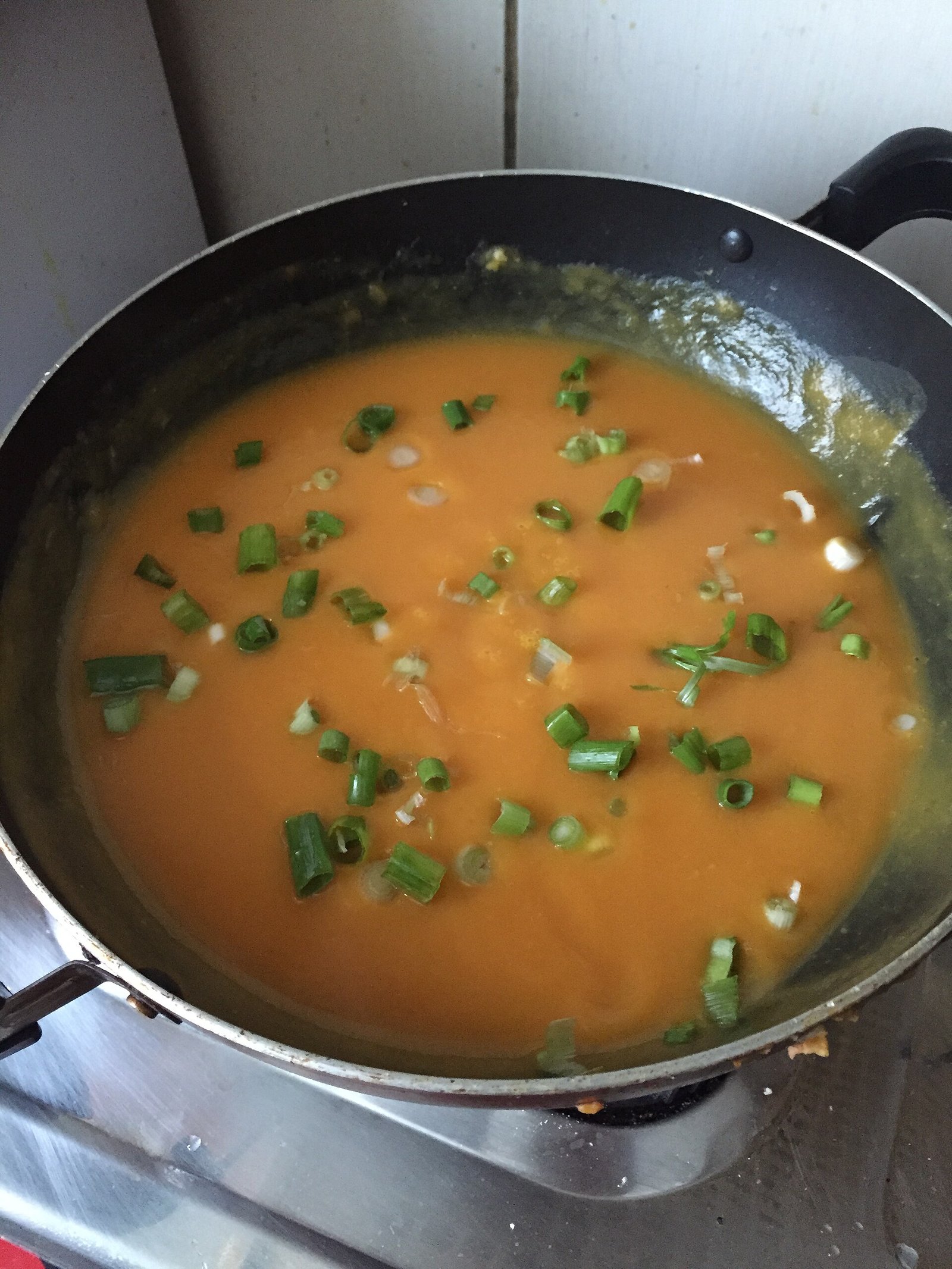
- – Lunch: carrot ginger or clear vegetable soup with chicken; rice; enzymes.
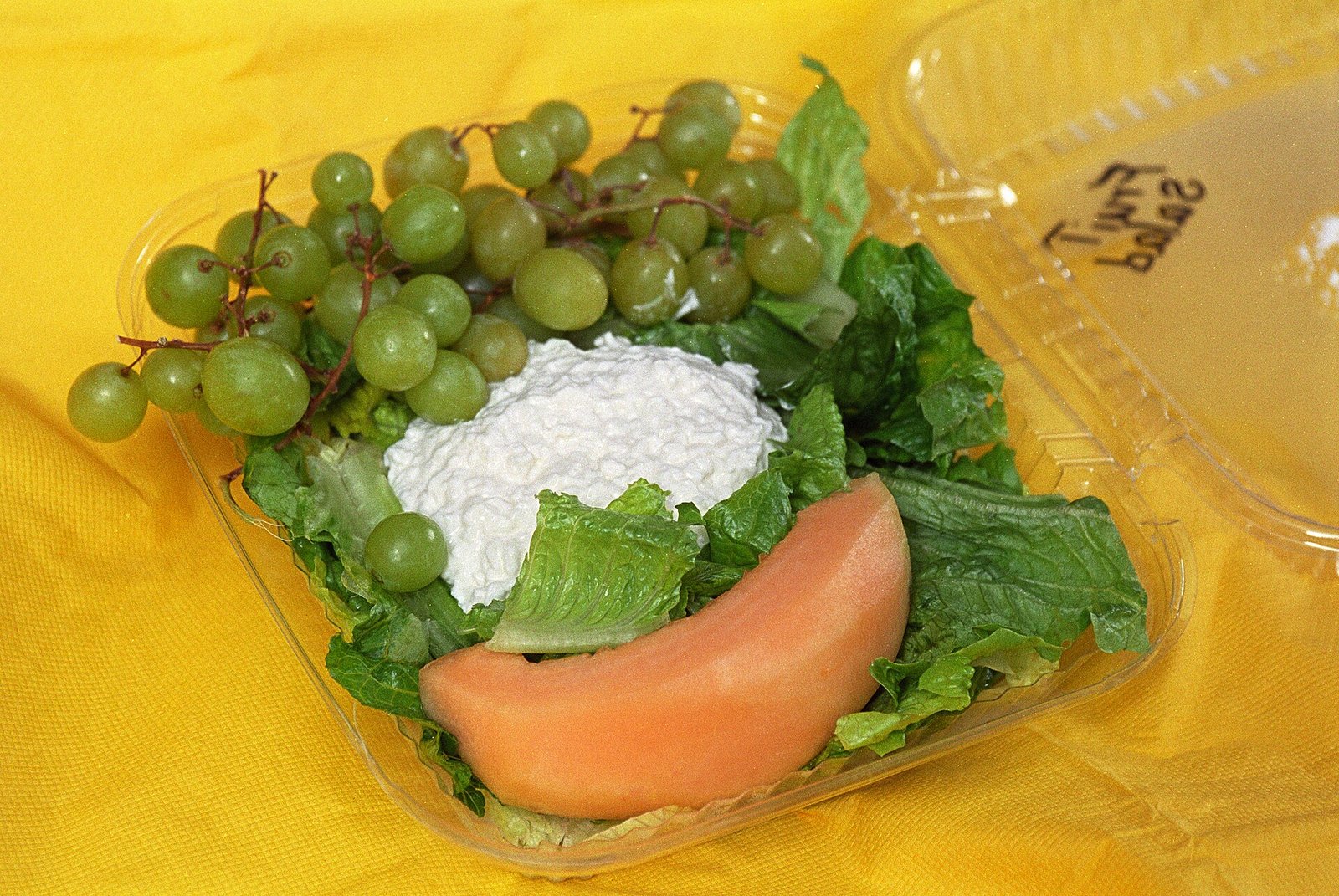
- – Snack: cottage cheese with fruit if tolerated; enzymes as directed.
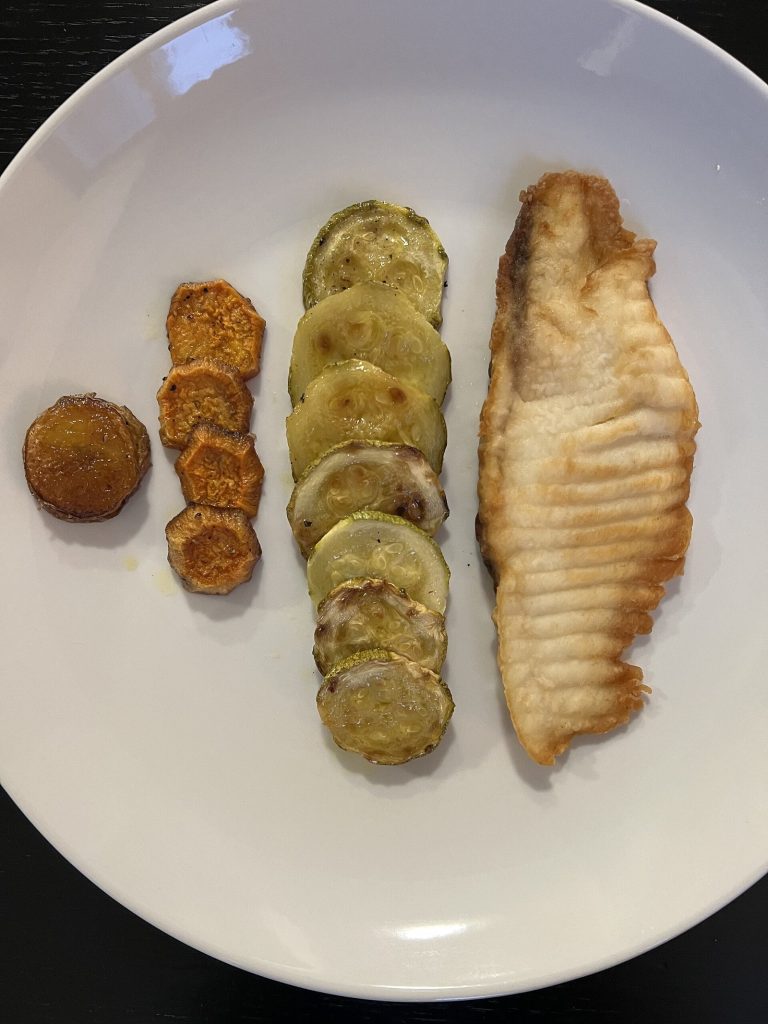
- – Dinner: baked white fish, potato, green beans; enzymes; no alcohol.
5. Home setup tips
Park enzymes beside keys/wallet; batch low-fat soups; weigh weekly and report ongoing oily stools or dropping BMI.
6. If diabetes coexists
Coordinate carbs with your diabetes plan (type 2 diabetes diet guide) under clinician advice—pancreatogenic diabetes needs specialty input.
Tracking symptoms that should change the plan
- – Note stool oiliness, urgency after fatty meals, cramping, and weekly weight. Bring the log to gastroenterology visits when enzyme doses are adjusted.
- – If pain patterns return like prior pancreatitis attacks, do not assume it is “just EPI”—follow urgent evaluation pathways from your team.
- – When oral intake fails, clinicians may use other nutrition support; that decision is medical, not a DIY smoothie challenge.
Travel and restaurant tactics with enzymes
- – Pack extra enzyme bottles in carry-on storage; time zones should not equal skipped doses with dinner.
- – Preview menus for grilled/baked lean proteins and plain starches; ask for butter and cream sauces left off.
Safety, interactions, and who should ask a clinician first
- – Greasy pale stools, cramping, gas, and weight loss despite eating: ask about enzyme dose and EPI workup.
- – Cystic fibrosis, pancreatic cancer history, or post-Whipple anatomy: specialty centers own the plan.
- – High-dose enzymes have rare risks (ask about fibrosing colonopathy history in long-term high doses—pediatric CF context); never invent doses from forums.
- – Severe abdominal pain, vomiting, fever, or jaundice: urgent care—may be acute pancreatitis or obstruction, not an EPI meal mistake alone.
- – Gallbladder disease overlap: see also diet after gallbladder removal guide only if surgically relevant.
FAQ
Can diet alone fix EPI? No. Enzymes and treating the underlying pancreatic condition are medical; food patterns support comfort and nutrition.
How low should fat be? NIDDK frames a healthy low-fat plan with small frequent meals—your dietitian sets grams based on symptoms and weight trajectory.
Do I take enzymes with black coffee only? Enzymes are for meals/snacks with nutrients—ask your prescriber about coffee-only moments and caffeine limits (NIDDK: limit caffeine).
Is MCT oil mandatory? Some clinicians use specialized fats in select cases—do not self-start without advice.
How is this different from a generic pancreatitis diet page? Overlap is large—see pancreatitis diet guide and chronic pancreatitis diet guide—but EPI emphasizes maldigestion, enzyme pairing, and steatorrhea/weight-loss surveillance.
How this differs from related OTCFood topics
This page is an EPI-bound diet guide focused on enzyme-with-meals routines, lower-fat frequent eating, and alcohol avoidance around pancreatic exocrine failure. It is not an IBS protocol, not a gallbladder-only fat-intolerance sheet, and not a substitute for ERCP or surgical decision-making.
Medical disclaimer
Medical disclaimer: This article is for general information only. It is not medical advice, diagnosis, or a treatment plan. EPI and pancreatitis care depend on cause, imaging, diabetes status, surgery history, and your gastroenterology protocol. Talk with a clinician or registered dietitian before starting, stopping, or changing any eating plan, enzyme dose, supplement, or medicine. Seek urgent care for severe abdominal pain, persistent vomiting, fever, or jaundice.