Eczema (Atopic Dermatitis) Diet: Foods That May Help and Foods to Limit
Medical note: This article discusses foods and researched botanicals. It does not claim to prevent, treat, or cure disease. Supplements are not a substitute for food, and studied amounts are not personal prescriptions.
People searching “eczema atopic dermatitis diet foods that help or worsen” usually want calm, practical kitchen habits when food allergies are confirmed—or when they simply need steady nutrition during itchy flares—not a claim that diet cures eczema or replaces moisturizers, prescription topicals, or dermatology care. NIAMS describes atopic dermatitis (often called eczema) as a chronic disease that causes inflammation, redness, and irritation of the skin; it is not contagious. Genes, the immune system, and the environment play roles. Mayo Clinic notes that if you think a certain food caused a child’s rash, you should ask a clinician about potential food allergies rather than guessing with extreme elimination diets.
What this eczema diet guide covers (and what it does not)
This guide is for adults and caregivers managing atopic dermatitis who want food patterns that support skin-care routines without turning every meal into an untested experiment. Anchors: MedlinePlus — Eczema, NIAMS — Atopic Dermatitis, NIAMS — more info, and Mayo Clinic — Atopic dermatitis diagnosis & treatment.
Mayo Clinic care centers moisturizing, gentle bathing, trigger avoidance, and medicated creams when needed; patch testing may help identify contact allergens. Food is one possible trigger for some people—especially when IgE-mediated allergy is documented—but many flares are driven by dryness, irritants, stress, infection, or weather. Kitchen changes do not replace wet-wrap technique education, bleach-bath guidance when advised, or biologics for severe disease. Related reading: psoriasis diet guide and eczema diet guide.
Evidence snapshot: eczema diet claims vs public sources
| Claim people hope for | What public sources actually say | Confidence |
|---|---|---|
| “Cutting dairy/gluten always clears eczema” | Mayo Clinic: ask about food allergies if a food seems linked; do not assume every rash is a food allergy | Moderate: only helpful when allergy is real |
| “An anti-inflammatory superfood diet replaces steroid cream” | NIAMS/Mayo Clinic emphasize moisturizers, medicated topicals, infection care, and trigger control—not culinary cures | Strong: skin care remains primary |
| “Elimination of many foods is safe without supervision” | Broad unsupervised elimination risks nutrient gaps, especially in children | Strong: use clinician/RD guidance |
| “Honey or oils eaten by mouth heal atopic dermatitis” | Mayo Clinic discusses some topical integrative options with caveats; oral “cure” claims are not standard care | Low for oral cure claims |
| “Diet explains every adult flare” | Flares often relate to dryness, irritants, stress, infection, climate—food is only one possible factor | Strong: multifactorial disease |
Foods and patterns that may help with eczema day to day
“May help” means supporting nutrition and comfort while you follow dermatology plans—not promising clear skin from a grocery list.
Keep moisturization and bathing routines as the spine
- – Mayo Clinic: moisturize at least twice a day; short warm (not hot) baths/showers; gentle nonsoap cleansers; apply moisturizer while skin is damp.
- – Eating well helps energy and sleep during itchy nights; it does not replace the three-minute “soak and seal” habit.
Nutrient-dense patterns when appetite is normal
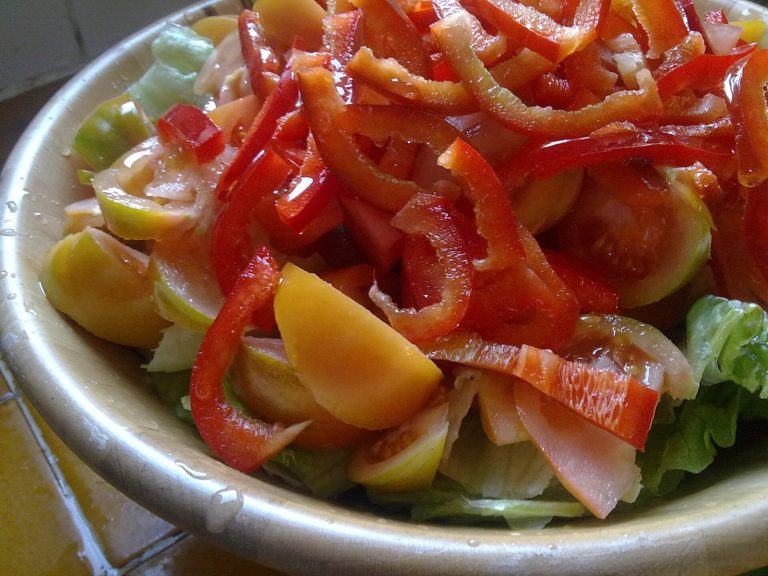
- – Emphasize vegetables, fruits, whole grains, lean proteins, and adequate fluids—general healthy patterns that support overall health while you manage flares.
- – If oral steroids or other systemic medicines are prescribed for severe disease, ask about protein and bone-supportive eating during that window—without inventing “steroid detox” diets.
When a true food allergy is confirmed
- – Follow the allergist’s written avoidance list and emergency plan (including epinephrine if prescribed).
- – Reintroduce foods only under medical advice—especially in children.
- – Cross-check labels for hidden allergens in sauces and bakery items.
Trigger logging without turning meals into a fear project
- – If you suspect a food link, jot date, meal, and skin change for 1–2 weeks and bring the log to allergy/dermatology visits—Mayo Clinic encourages discussing suspected food links rather than guessing alone.
- – Distinguish true allergy (hives, swelling, breathing issues, vomiting) from delayed itch that may have many causes.
- – Keep barrier repair (moisturizer) consistent on both “good diet days” and imperfect ones; consistency beats perfectionism.
Hydration and alcohol awareness
- – Adequate nonalcoholic fluids support comfort; alcohol can dehydrate and disrupt sleep for some people during flares.
- – Related itch/skin overlap topics: chronic urticaria diet guide.
Foods and habits that often worsen eczema kitchen patterns
- – Self-directed multi-food elimination without allergy testing, leading to fear-based eating and nutrient gaps.
- – Hot spicy meals right before bed if they worsen itching or night sweating for you personally—individual, not universal.
- – Alcohol binges that fragment sleep when itch already disrupts rest.
- – Relying on “eczema detox teas” instead of prescribed topicals.
- – Ignoring infected-looking skin (honey-colored crusts, fever, rapidly spreading redness) while chasing diet blogs.
- – Scratching while cooking with long nails—Mayo Clinic stresses nail care and not scratching; cover itchy areas when needed.
- – Expecting kitchen changes to treat eczema herpeticum or severe infection—those need urgent medical care.
“Limit” means reducing unhelpful experiments and personal triggers—not blaming every flare on yesterday’s snack.
Practical kitchen protocol: an eczema-aware week
1. Keep the medical spine first
Confirm moisturizer brand/timing, topical steroid or calcineurin-inhibitor instructions, bath/bleach-bath advice if given, infection watch signs, and allergy-test results. Put flare medicines where you will actually use them after showers.
2. Shopping list for calm, steady eating
Soft proteins (eggs, fish, tofu, poultry); oats/rice/potatoes as tolerated; colorful vegetables and fruits; olive oil; plain yogurt if dairy is cleared; allergen-free substitutes only if prescribed; fragrance-free dish soap for dishwashing hands.
3. Default plate template
- – Lean protein
- – Cooked or raw produce you tolerate
- – Gentle starch
- – Fluids
- – Skip inventing a “zero histamine forever” menu unless a specialist directed it
4. Sample day (illustrative—when no specific allergy exclusions apply)
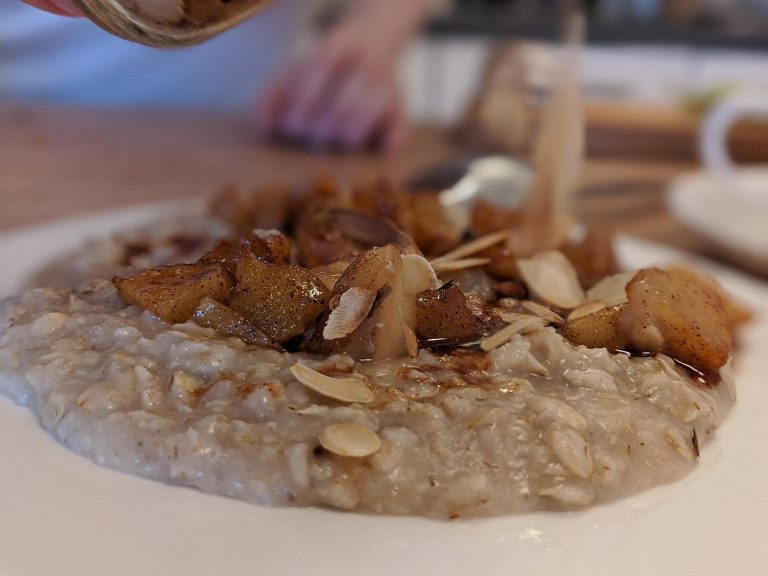
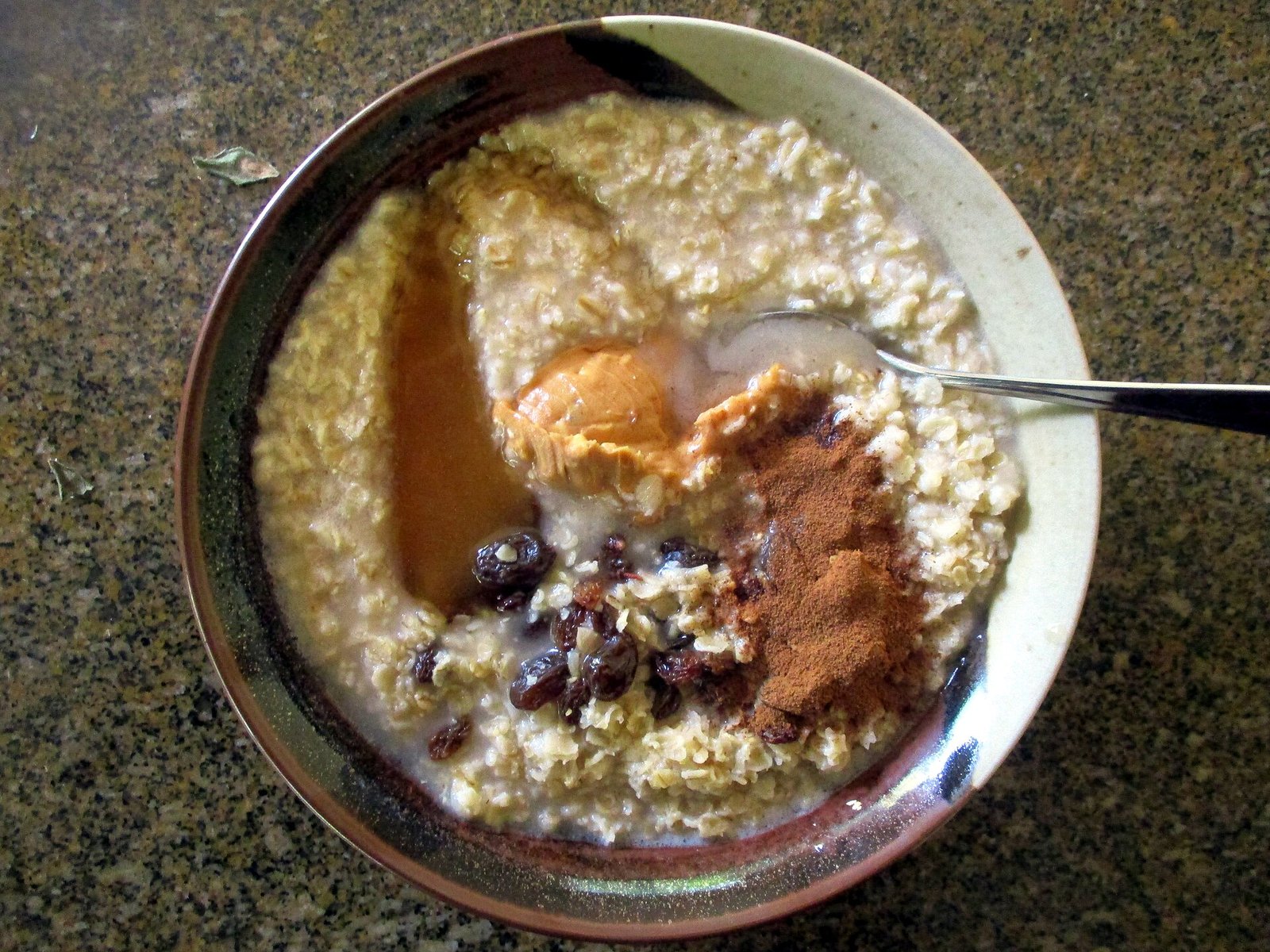
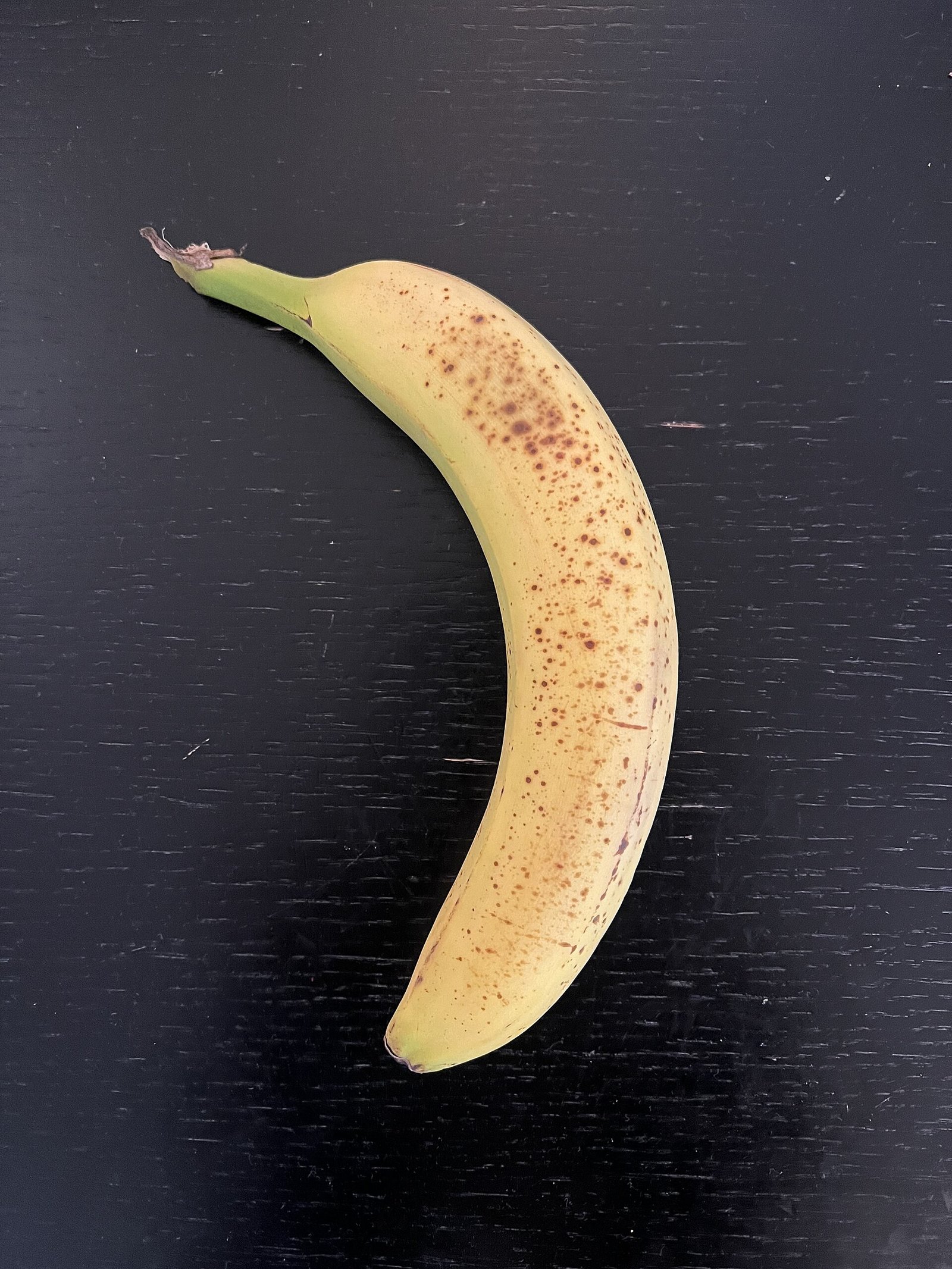
- – Breakfast: oatmeal with banana; water.
- – Lunch: rice bowl with tofu or chicken and cooked vegetables.
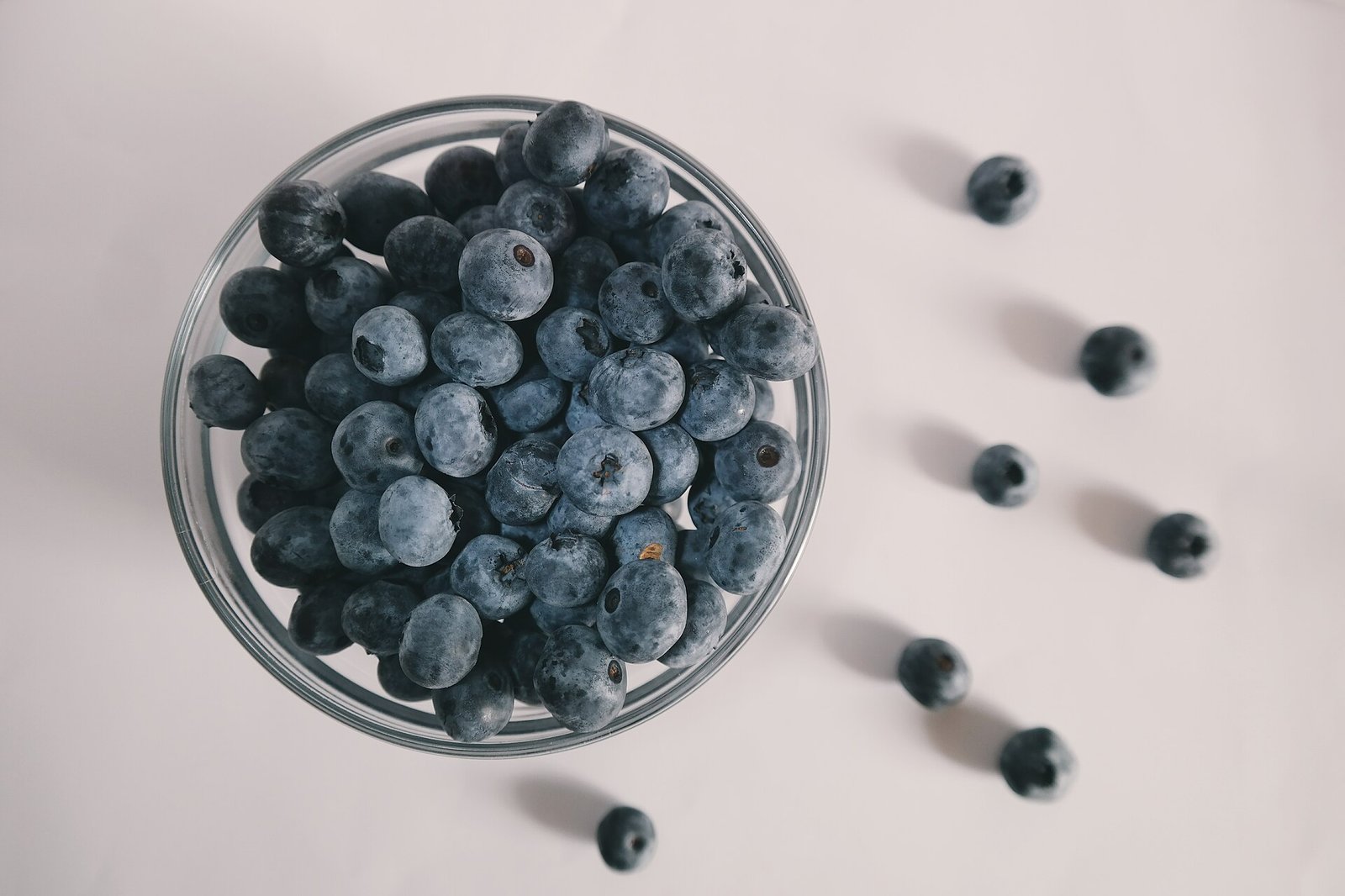
- – Snack: apple or berries if tolerated.
- – Dinner: baked fish, potatoes, green beans; water.
- – Evening: moisturize after dishes; lukewarm shower if needed—not a second coffee if caffeine worsens night itch for you.
5. Home setup tips
Keep cotton gloves or mittens for night scratching in kids; use fragrance-free detergent; rinse dish soap thoroughly; batch-cook soft meals for flare days when standing to cook hurts.
6. If psoriasis or other inflammatory skin disease is also discussed
Patterns differ—see psoriasis diet guide—and diagnosis belongs to dermatology, not grocery aisles.
7. Flare-day freezer backup
Freeze single portions of rice, soft proteins, and cooked vegetables so a bad itch night does not default to greasy delivery food you regret. Pair that prep with the same moisturizer routine—food logistics support adherence to skin care, they do not replace it.
Safety, interactions, and who should ask a clinician first
- – Infants and toddlers: growth and allergy workups need pediatric guidance before major diet cuts.
- – Known peanut/tree-nut/egg/milk/wheat/soy/seafood allergy: carry prescribed emergency medicines.
- – Topical calcineurin inhibitors: follow sun and application instructions from your clinician.
- – Systemic immunosuppressants or biologics: infection precautions matter more than trendy “immune boost” foods.
- – Seek care for rapidly worsening rash, fever, painful punched-out lesions, eye involvement, or uncontrolled sleep loss.
FAQ
Can diet cure atopic dermatitis? No. NIAMS and Mayo Clinic frame eczema as a chronic inflammatory skin disease managed with skin care, medicines when needed, and trigger control. Food may matter for some people with confirmed allergy, but diet does not replace dermatology care.
Should everyone with eczema go dairy-free? Only if allergy or intolerance is identified with clinical guidance. Blind elimination is not automatically helpful.
Do probiotics or supplements clear eczema? Do not start supplements as a substitute for prescribed topicals. Ask your clinician about evidence and interactions.
How is this different from a general “eczema diet” blog? This page stays bound to NIAMS/MedlinePlus/Mayo Clinic framing and to OTCFood’s may-help/limit language—see also eczema diet guide.
What about bleach baths and diet? Bleach baths (when recommended by a clinician) are skin-care tools, not food rules. Keep them separate from meal planning.
How this differs from related OTCFood topics
This page is an atopic-dermatitis-bound diet guide focused on nutrition during flares, confirmed-allergy caution, and not replacing moisturization/medicines. It is not a cure protocol, not a pediatric allergy diagnostic tool, and not a substitute for dermatology follow-up.
Medical disclaimer
Medical disclaimer: This article is for general information only. It is not medical advice, diagnosis, or a treatment plan. Atopic dermatitis care depends on age, severity, infection risk, allergies, and your clinician’s protocol. Talk with a clinician or registered dietitian before starting, stopping, or changing any eating plan, supplement, or medicine. Seek urgent care for fever with rash, rapidly spreading infection signs, breathing difficulty after a food exposure, or severe uncontrolled symptoms.