Dry Eye Diet: Foods That May Help and Foods to Limit
Medical note: This article discusses foods and researched botanicals. It does not claim to prevent, treat, or cure disease. Supplements are not a substitute for food, and studied amounts are not personal prescriptions.
People searching “dry eye diet foods that help or worsen” usually want nutrient-aware plates that support tear-film health while they use clinician-guided drops, gels, or procedures—not a claim that food recreates tears or replaces ophthalmology care. The National Eye Institute (NEI) notes anyone can get dry eye and lists higher likelihood with age 50+, female sex, contact lens wear, and not getting enough vitamin A (found in foods like carrots, broccoli, and liver) or omega-3 fatty acids (found in fish, walnuts, and vegetable oils). MedlinePlus explains dry eye syndrome as trouble maintaining a healthy tear coating needed to moisten the eye and wash particles away. ODS consumer sheets detail food sources of vitamin A and omega-3s without positioning supplements as automatic dry-eye cures.
What this dry eye diet guide covers (and what it does not)
This guide is for adults with dry eye symptoms who want practical eating patterns alongside artificial tears, lid care, and medical therapy their eye clinician recommended. Anchors: NEI — Dry eye, MedlinePlus — Dry eye syndrome, ODS — Omega-3 fatty acids, and ODS — Vitamin A.
NEI risk framing explicitly includes inadequate vitamin A or omega-3 intake among factors that may raise dry-eye likelihood. ODS explains that vitamin A supports vision and immune function and comes from animal retinol sources plus colorful plant carotenoids; omega-3s (EPA/DHA from fish and ALA from plants) are essential fats with many studied roles. Kitchen changes do not replace punctal plugs, prescription anti-inflammatory drops, or evaluation for Sjögren-related dryness. Related reading: dry eye syndrome diet guide, macular degeneration diet guide, and vitamin D deficiency diet guide.
Evidence snapshot: dry eye diet claims vs public sources
| Claim people hope for | What public sources actually say | Confidence |
|---|---|---|
| “Fish oil cures dry eye for everyone” | NEI lists inadequate omega-3 intake as a risk factor; it does not frame food as a stand-alone cure | Moderate for risk framing; weak for cure claims |
| “Carrot juice alone fixes tear film overnight” | NEI cites vitamin A food examples among risk context; ODS warns excess preformed vitamin A can be harmful | Moderate for adequacy; strong against megadoses |
| “Avoiding all screens replaces tears” | Environmental and screen habits matter clinically, but this page stays on diet anchors from NEI/ODS | N/A diet claim |
| “Any ‘eye vitamin’ megapack is safe” | ODS: preformed vitamin A can cause toxicity at high intakes; beta-carotene high doses have risks in smokers in other eye contexts—ask first | Strong: don’t megadose |
| “Dehydration never affects comfort” | General hydration supports mucous membranes; NEI page focus is tears/meibomian/medical care—use fluids as common-sense support, not a protocol substitute | Low–moderate |
Foods and patterns that may help with dry eye day to day
“May help” means supporting nutrient adequacy NEI flags in risk lists—not a promise that dinner ends burning eyes by bedtime.
Omega-3–aware fish and plant sources
- – NEI examples: fish, walnuts, and vegetable oils as omega-3 food sources in dry-eye risk context.
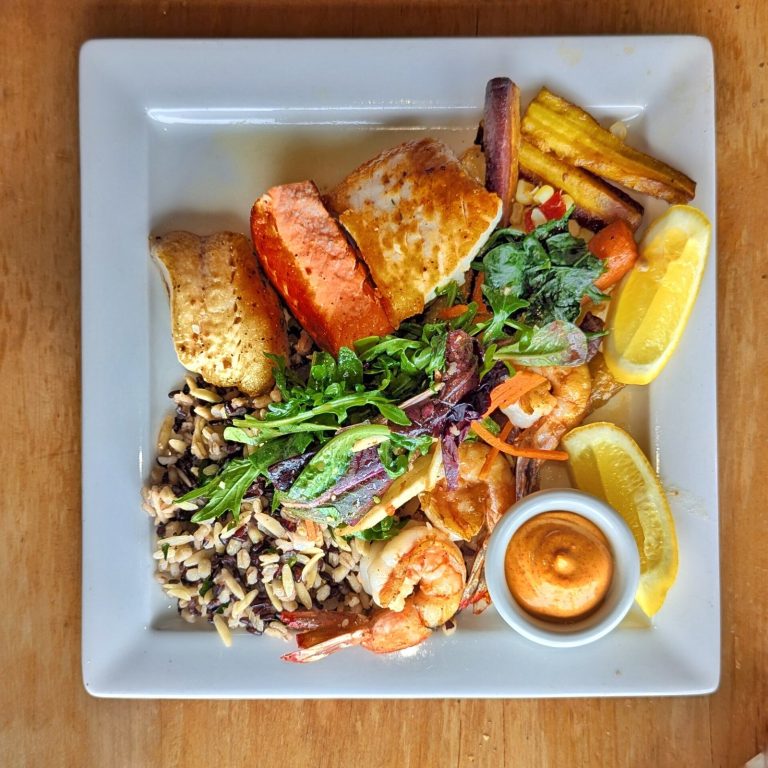
- – ODS: fatty fish (salmon, mackerel, sardines, herring, trout) provide EPA/DHA; flaxseed, chia, walnuts, and canola/soybean oils provide ALA.
- – Aim for regular fish meals most weeks if you eat seafood, or discuss algae-based DHA/EPA with your clinician if you do not.
Vitamin A–adequate colorful produce and animal sources as fits your diet
- – NEI examples: carrots, broccoli, and liver among vitamin A–related foods.
- – ODS: liver, fish oils, milk, eggs for preformed vitamin A; leafy greens, orange vegetables, and many fruits for provitamin A carotenoids.
- – Prefer food-first adequacy over high-dose retinol supplements unless deficient and supervised.
Overall Mediterranean-style pattern as a practical chassis
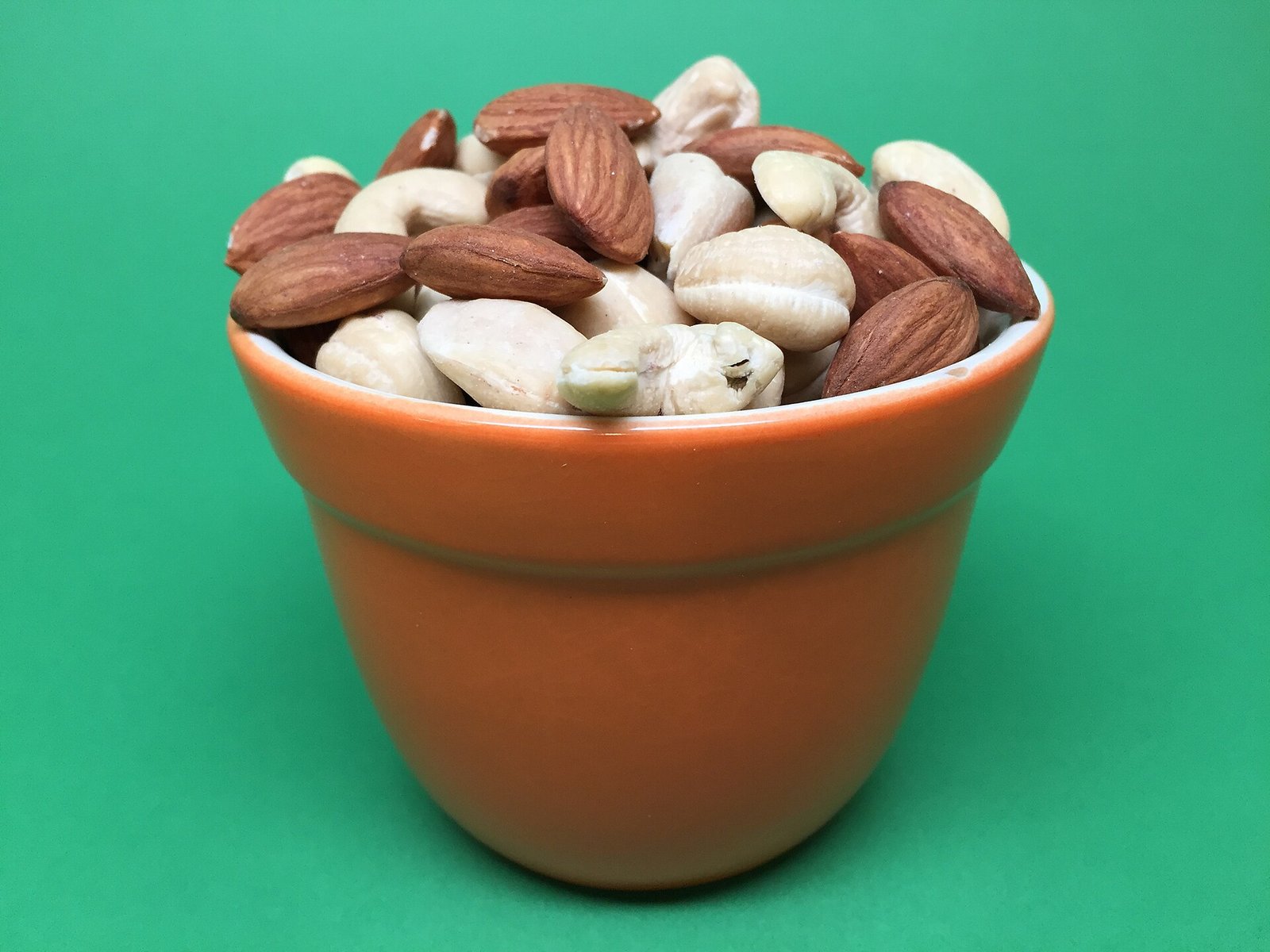
- – Vegetables, fruits, legumes, nuts, olive oil, and fish create a kitchen pattern that naturally covers many NEI/ODS example foods.
- – Stay consistent rather than chasing single “miracle” juices.
Hydration and meal regularity as comfort adjuncts
- – Sip water across the day unless fluid-restricted for another disease.
- – Limit heavy alcohol sessions that can dehydrate and disrupt sleep around already irritated eyes.
Foods and habits that often worsen dry eye kitchen patterns
- – Chronically very low-fat ultra-processed patterns that crowd out fish, nuts, and oils NEI/ODS mention.
- – Alcohol-heavy evenings that leave you dehydrated the next morning at the computer.
- – Self-started megadose vitamin A — ODS documents harm from excess preformed vitamin A.
- – Ignoring calorie-adequate meals during crash diets that also crash micronutrient intake.
- – Smoking — harms ocular surface comfort in clinical practice; pair diet goals with cessation support.
- – Expecting grocery changes to fix sudden vision loss, severe eye pain, light sensitivity with headache, or contact-lens-related red eye — urgent eye care issues.
“Limit” means reducing nutrient gaps and dehydrating habits—not fearing every dry snack.
Practical kitchen protocol: a dry eye diet week
1. Keep the medical spine first
Confirm dry-eye subtype discussion with your eye clinician (aqueous vs evaporative themes), current drops, warm compress/lid routine, and contact-lens rules. Put preservative-free tears where you work.
2. Shopping list for tear-aware kitchens
Salmon or other fatty fish; walnuts; ground flax or chia; olive or canola oil; carrots; broccoli; leafy greens; eggs; fortified dairy or alternatives; berries; whole grains; water bottle for the desk.
3. Default plate template
- – Fatty fish or plant omega-3 source several times weekly
- – Colorful vegetables (including orange/green vitamin A carotenoid sources)
- – Protein
- – Whole grain or starchy vegetable as desired
- – Water with meals
4. Sample day (illustrative)
- – Breakfast: oatmeal with walnuts and berries; water.
- – Lunch: salad with egg or chickpeas, carrots, broccoli, olive oil dressing.
- – Snack: yogurt; carrot sticks.
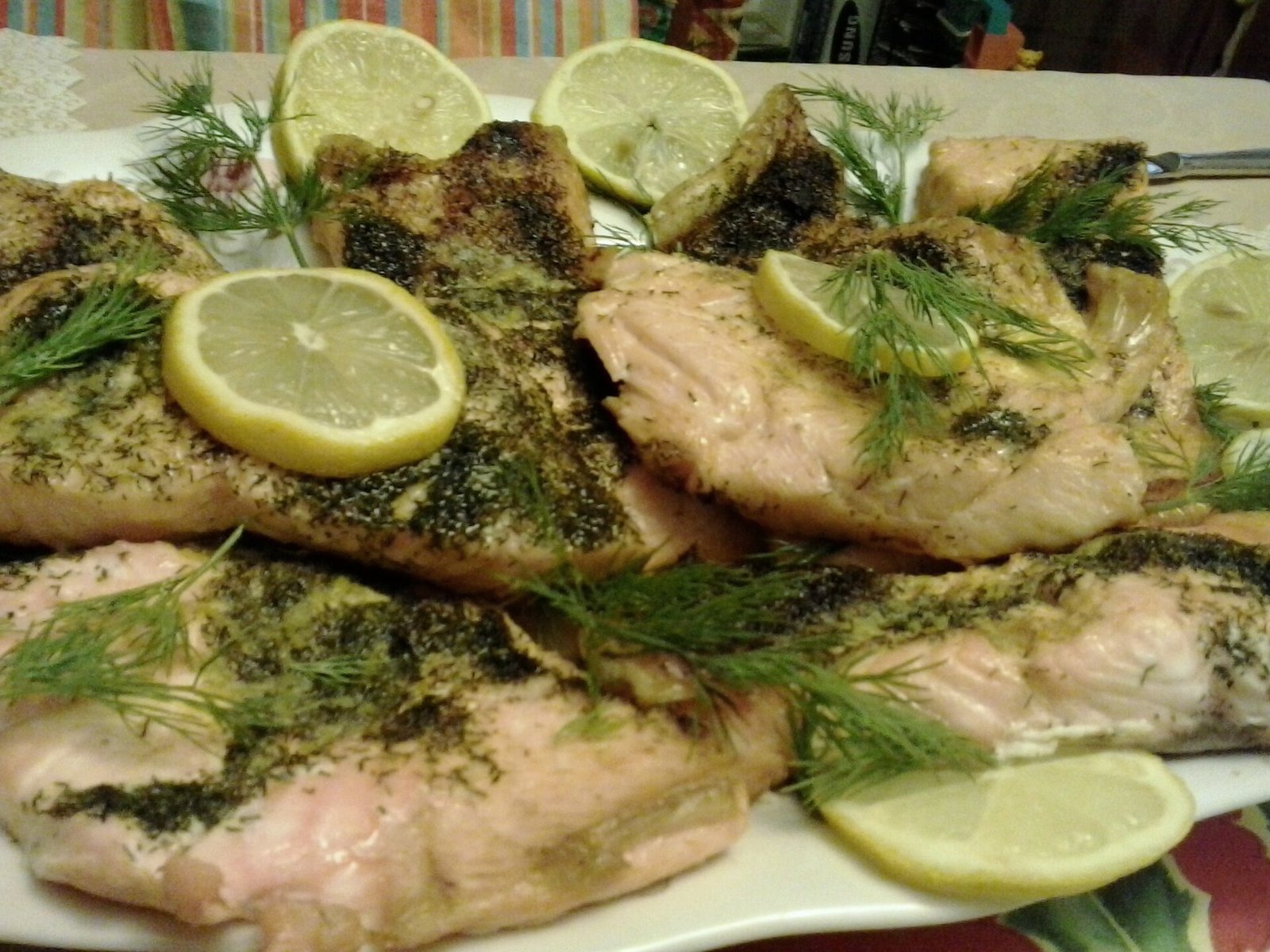
- – Dinner: baked salmon, leafy greens, sweet potato or rice.
- – Evening: limit alcohol; run humidified air if your clinician suggested environmental help alongside diet.
5. Home setup tips
Batch-cook salmon twice weekly; keep walnuts in portion cups; place a water bottle beside artificial tears as a paired habit cue.
6. If autoimmune dryness (for example Sjögren spectrum) is involved
Diet still supports general nutrition, but systemic disease needs rheumatology/ophthalmology co-management far beyond omega-3 snacks—coordinate rather than self-treating with oils alone. See also dry eye syndrome diet guide for related framing.
Safety, interactions, and who should ask a clinician first
- – High-dose vitamin A can be toxic and is unsafe in pregnancy at excess levels (ODS)—food-first is safer for most people.
- – Fish-oil supplements can affect bleeding risk at high doses or with anticoagulants—ask before megadosing.
- – Contact lens wearers should follow lens hygiene rules; diet does not sanitize lenses.
- – Sudden vision changes need same-day eye care regardless of how many carrots you ate.
FAQ
Can diet cure dry eye? NEI frames vitamin A and omega-3 inadequacy as risk factors, not proof that food alone cures dry eye. Keep medical therapy.
How much fish is “enough”? ODS discusses general omega-3 intake patterns; your clinician or dietitian can individualize. Focus on regular fatty-fish meals rather than a single number from social media.
Are carrot supplements better than carrots? Food carotenoids plus a balanced diet are usually preferable to unsupervised high-dose retinol.
Does caffeine dry the eyes? Not a headline NEI diet mechanism; prioritize omega-3/vitamin A adequacy, hydration, and prescribed drops.
How is this different from the existing dry-eye syndrome diet page? Overlap is intentional for search coverage—see dry eye syndrome diet guide—this page tightly binds NEI risk nutrients (vitamin A, omega-3) and ODS food sources with a practical week plan.
How this differs from related OTCFood topics
This page is a dry-eye–bound diet guide focused on omega-3 and vitamin A food adequacy alongside standard ocular surface care. It is not a substitute for slit-lamp diagnosis, not a Sjögren treatment protocol, and not an AREDS macular formula guide (see macular degeneration diet guide for macular-specific patterns).
Medical disclaimer
Medical disclaimer: This article is for general information only. It is not medical advice, diagnosis, or a treatment plan. Dry eye care depends on cause, severity, contact lens use, autoimmune disease, and your eye clinician’s protocol. Talk with a clinician or registered dietitian before starting, stopping, or changing any eating plan, supplement, or medicine. Seek urgent eye care for sudden vision loss, severe pain, or eye injury.