Diet After Ileostomy: Foods That May Help and Foods to Limit
Medical note: This article discusses foods and researched botanicals. It does not claim to prevent, treat, or cure disease. Supplements are not a substitute for food, and studied amounts are not personal prescriptions.
People searching “diet after ileostomy foods that help or worsen” usually want kitchen habits that keep output manageable, lower dehydration risk, and reduce gas or odor while they follow a surgeon’s and ostomy nurse’s pouching plan—not a claim that food rebuilds bowel length or replaces stoma care, fluids, or prescribed medicines. MedlinePlus explains that an ileostomy routes waste from the ileum through a belly stoma into a pouch, and that most people can eventually eat a normal diet—though some foods cause problems for some people. NIDDK describes ostomy surgery of the bowel as a way intestinal contents leave the body when bowel is diseased, injured, or missing, and notes that ostomy nurses help people adjust afterward.
What this after-ileostomy diet guide covers (and what it does not)
This guide is for adults living with an ileostomy who want practical eating patterns while they follow pouch changes, skin care, and fluid goals from their surgical and ostomy team. Anchors: MedlinePlus — Ileostomy and your diet, MedlinePlus — Ileostomy: caring for your stoma, and NIDDK — Ostomy surgery of the bowel.
MedlinePlus diet guidance emphasizes regular small meals, thorough chewing, steady fluids, trying new foods one at a time, and awareness of odor- or gas-linked foods. Stoma-care pages stress protecting peri-stomal skin and never inserting objects into the stoma unless a clinician instructs. Kitchen changes do not replace urgent evaluation for stoma color changes, severe leakage, or high-output dehydration. Related reading: short bowel syndrome diet guide and diet after colectomy guide.
Evidence snapshot: after-ileostomy diet claims vs public sources
| Claim people hope for | What public sources actually say | Confidence |
|---|---|---|
| “A special diet cures the need for a pouch” | MedlinePlus/NIDDK describe lifelong or staged ostomy management and pouch care—not culinary “reversal” of an ileostomy | Strong: food is supportive only |
| “Everyone must stay forever on a bland, zero-fiber diet” | MedlinePlus: most people can eat a normal diet; early limits and personal triggers matter; try new foods one at a time | Moderate: early weeks often stricter |
| “You cannot get dehydrated with an ileostomy” | MedlinePlus notes dehydration risk and advises talking with your provider about fluid amount (examples include about 6–8 cups / 1.5–2 liters daily as a common discussion point) | Strong: fluids are a core issue |
| “Odor means the pouch always leaks” | MedlinePlus: a well-sealed pouch should prevent odor leaking; odor when emptying can rise after certain foods; pouch cleaning and pouch deodorizers may help | Strong for seal vs food odor distinction |
| “Carbonated drinks never affect gas” | MedlinePlus lists beer, soda, and other carbonated drinks among gas-control limits when gas is a problem | Moderate–strong for many people |
Foods and patterns that may help after ileostomy day to day
“May help” means supporting steadier hydration, more predictable output, and lower day-to-day gas or odor burden—not a promise that food erases pouch emptying or surgical recovery timelines.
Steady fluids and rehydration awareness
- – MedlinePlus: drink fluids every day as advised; dehydration is easier with an ileostomy—confirm the right amount with your provider.
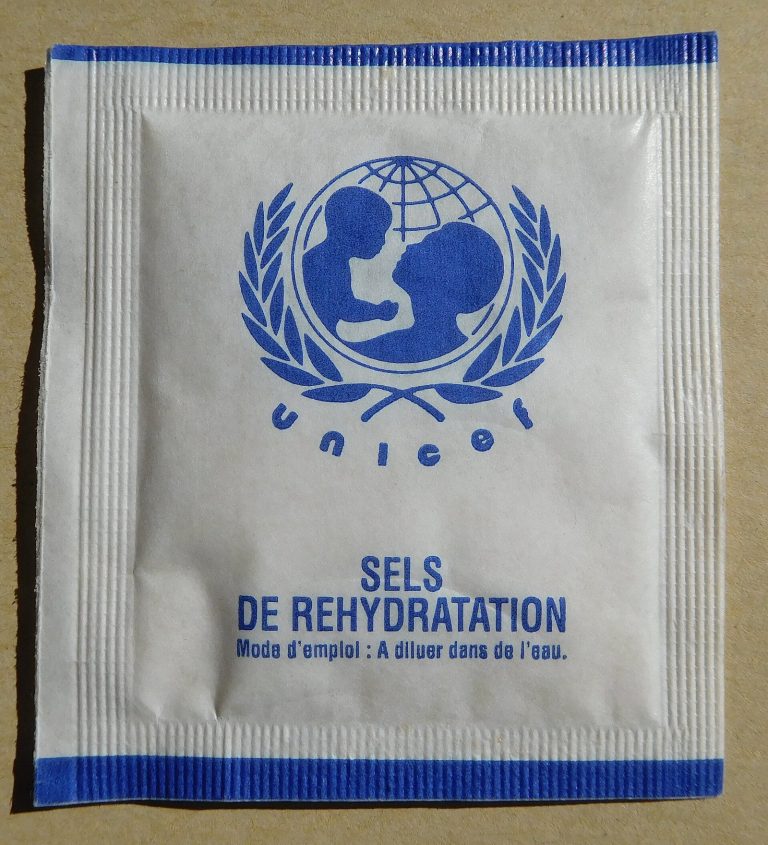
- – If output is high, MedlinePlus stoma-care notes mention oral rehydration solutions to help replace fluids and salts—use only as your team directs.
- – Keep a bottle visible during heat, travel, or illness when losses rise.
Small, regular meals and thorough chewing
- – MedlinePlus: try 5 or 6 small meals a day; eat slowly; chew well; eat some solid food before drinking on an empty stomach if gurgling bothers you.
- – Avoid chewing gum and drinking through a straw when gas is a problem (both increase swallowed air).
Odor-tempering kitchen habits (individual)
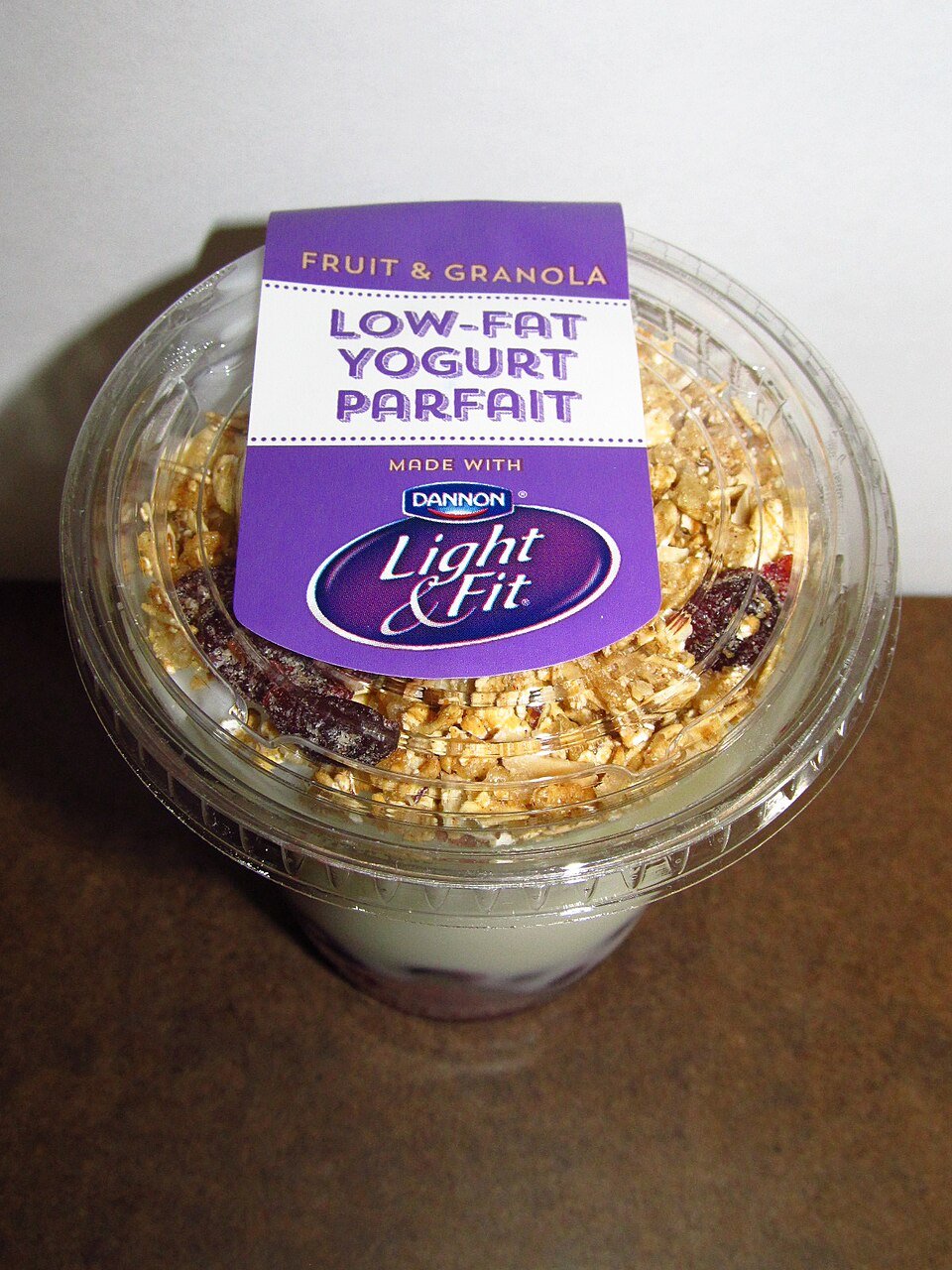
- – MedlinePlus lists parsley, yogurt, and buttermilk among foods some people use to keep odor down, alongside clean appliances and pouch odor eliminators your provider may suggest.
- – Track what works for you—responses vary.
Gradual food trials
- – Try one new food at a time so you can link symptoms to a cause.
- – Early after surgery, many teams temporarily limit gas-producing or hard-to-digest items; advance only as instructed—similar caution themes appear in Crohn’s disease diet guide and ulcerative colitis diet guide contexts when IBD led to surgery.
Soft proteins and refined starches early if advised
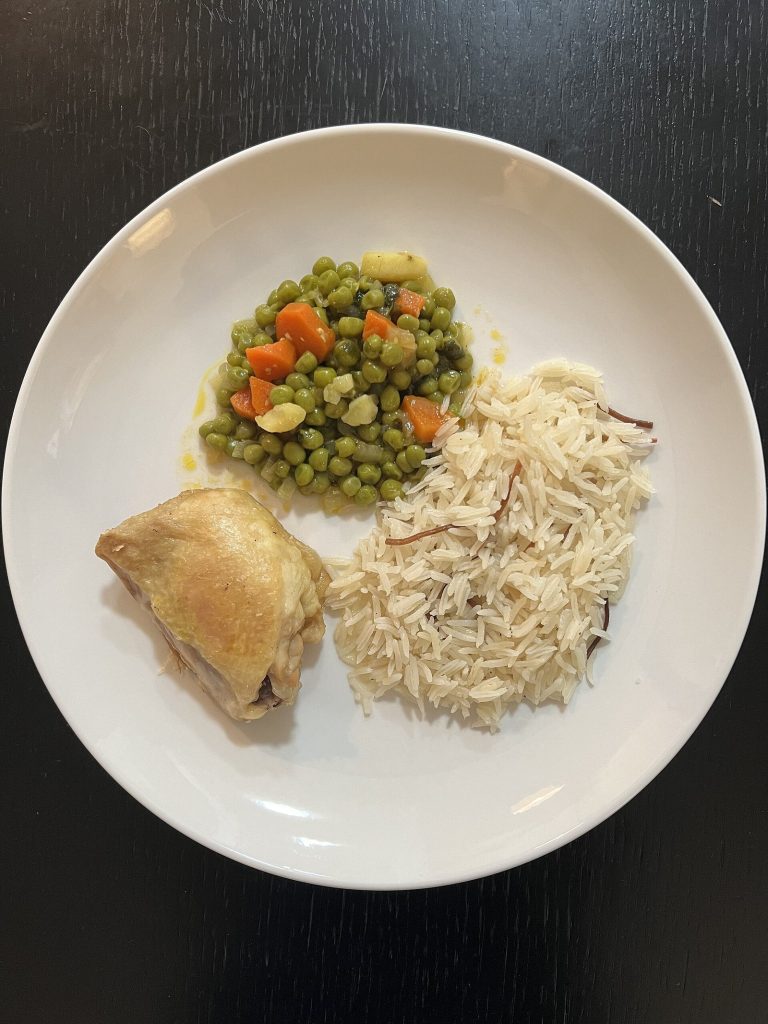
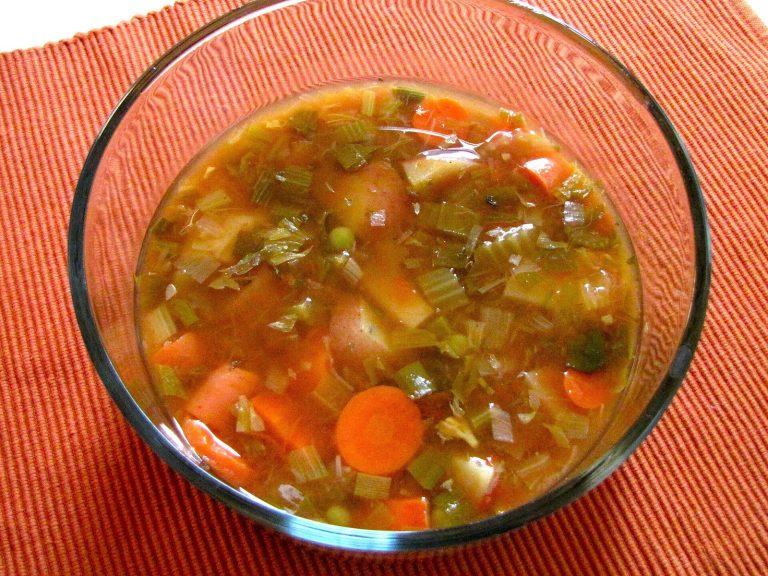
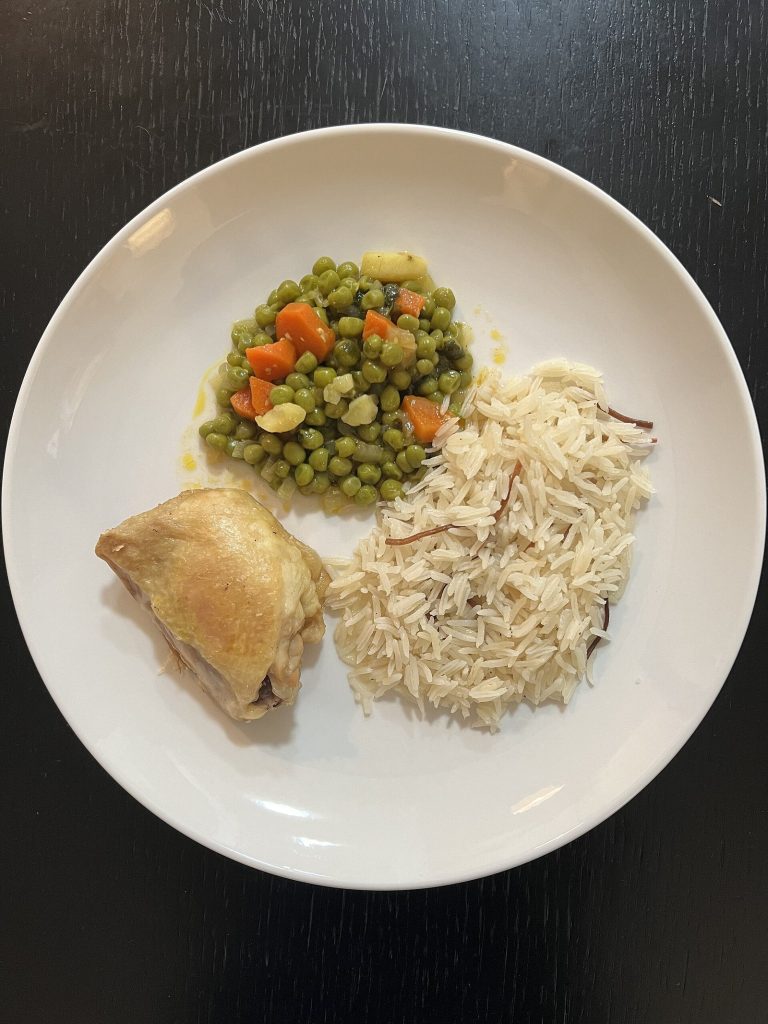
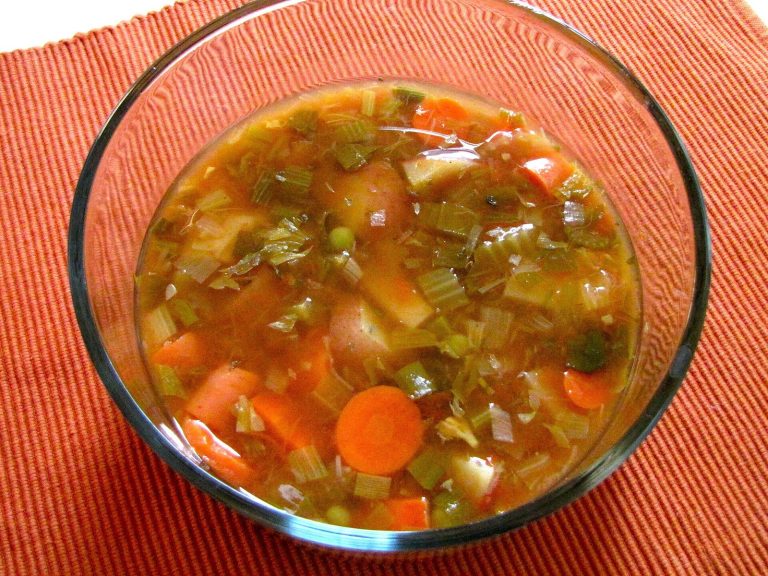
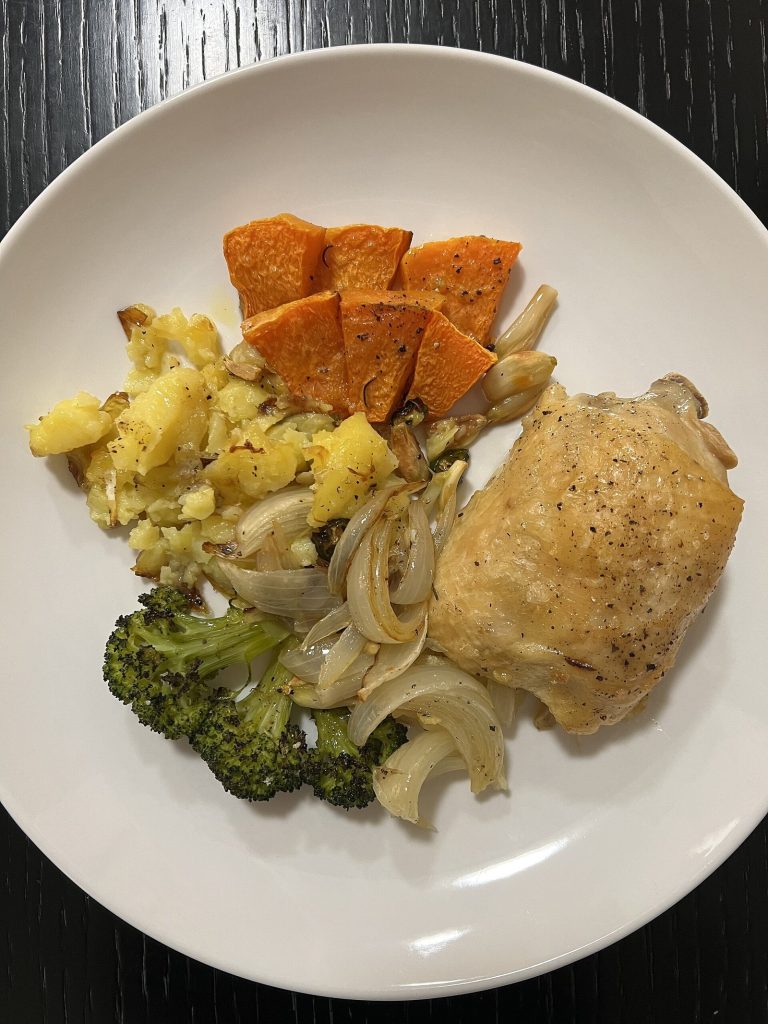
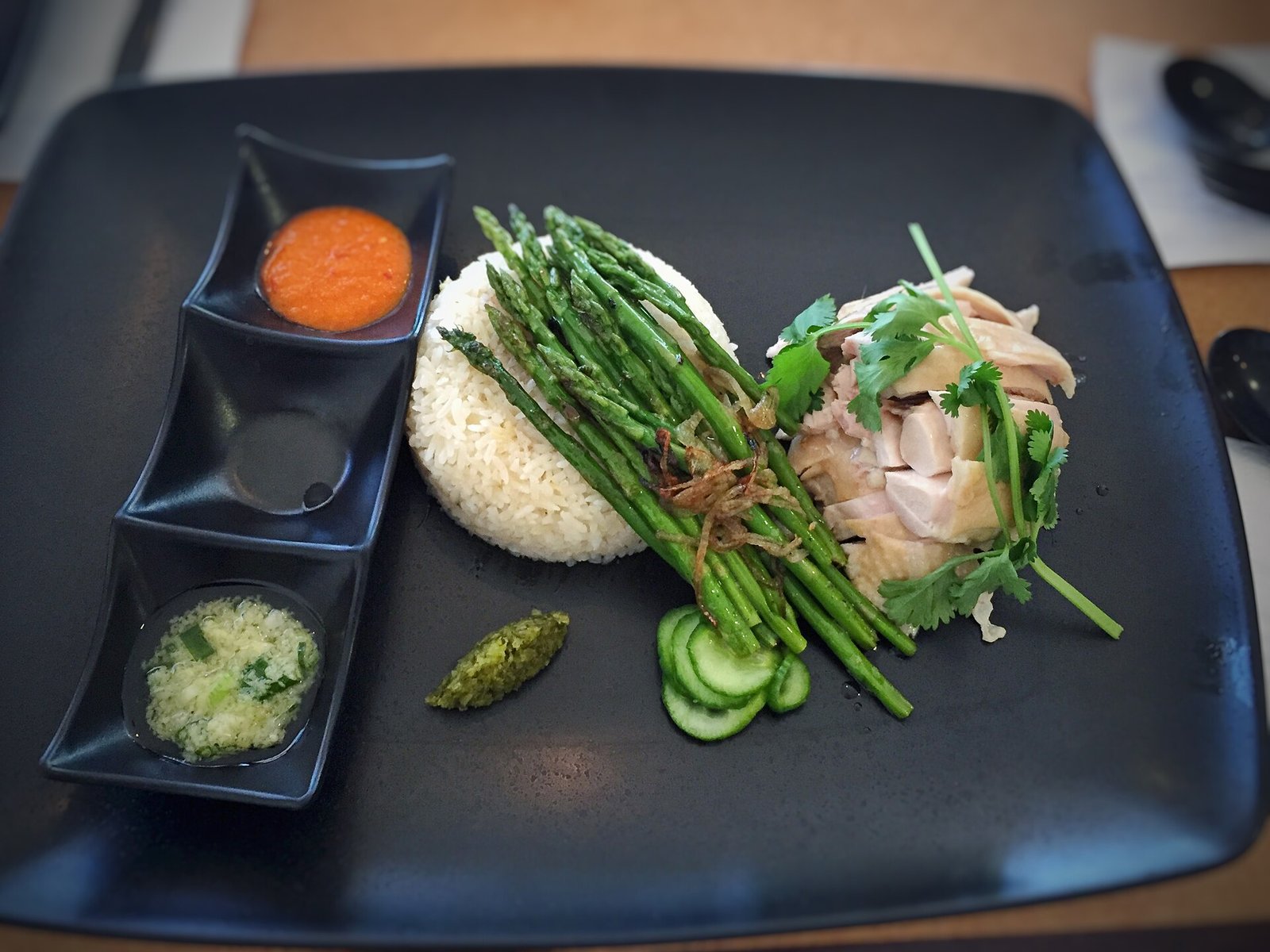
- – When appetite or output is fragile, tender poultry, whitefish, eggs if tolerated, white rice, refined pasta, bananas, applesauce, and cooked vegetables without skins are common “easy” patterns—individualize with your dietitian.
- – See also bile acid malabsorption diet guide if your team discusses bile-acid issues after ileal resection.
Foods and habits that often worsen after-ileostomy kitchen patterns
- – Skipping fluids or relying only on salty ultra-processed snacks when output is high.
- – Gas accelerators when gas is already a problem (MedlinePlus examples include cucumbers, radishes, sweets, melons; beer/soda/carbonated drinks; plus habits like straws and gum).
- – Strong odor triggers for some people (MedlinePlus examples: onions, garlic, broccoli, asparagus, cabbage, fish, certain cheeses, eggs, baked beans, Brussels sprouts, alcohol)—limit timing/portions rather than assuming one meal defines pouch “failure.”
- – Swallowing air via rushed eating, talking with a full mouth, gum, or straws.
- – Large, infrequent “feast then famine” meals that swing output.
- – Ignoring incomplete chewing of fibrous skins, nuts, or corn if your team flagged blockage risk for your anatomy.
- – Expecting food to fix purple/black/white stoma color, heavy bleeding, or relentless leakage—those are clinical red flags (MedlinePlus).
“Limit” means reducing dehydration, gas, odor, and output chaos risk—not lifelong food fear.
Practical kitchen protocol: an after-ileostomy diet week
1. Keep the medical spine first
Confirm pouch brand/size, wafer change schedule, skin barrier products, oral rehydration rules if any, medicine timing (including antibiotics or antidiarrheals if prescribed), and who to call for high output. Put the ostomy nurse’s number where you will see it.
2. Shopping list for ileostomy-aware kitchens
Oral fluids you will actually drink; yogurt or buttermilk if you use them for odor; parsley; bananas, applesauce, white rice, refined pasta, potatoes without skins if early; tender fish/poultry; eggs if tolerated; peanut butter creamy if cleared; saltine-style crackers for queasy days; pouch deodorizers only if your provider recommended a type.
3. Default plate template (when advancing)
- – Soft lean protein
- – Easy starch
- – Well-chewed fruit/vegetable as cleared
- – Fluid across the day, not only at meals
4. Sample day (illustrative—follow your staged plan)
- – Breakfast: refined cereal or toast; banana; water or oral fluids as advised.
- – Mid-morning: yogurt if tolerated; water.
- – Lunch: tender chicken, white rice, cooked carrots; fluid.
- – Snack: saltines if queasy; fluid.
- – Dinner: baked whitefish, potato without skin, cooked zucchini; fluid.
- – Evening: small yogurt or buttermilk if using for odor; review pouch schedule—not a beer “to relax.”
5. Home setup tips
Stage pouch supplies separately from spices; keep a fluid log for the first weeks; try new restaurant foods at home first; photograph wafer fit if leakage patterns confuse you for clinic visits.
6. If IBD or colectomy history is the background
Long-term patterns may overlap Crohn’s disease diet guide, ulcerative colitis diet guide, and diet after colectomy guide, but ileostomy hydration and blockage precautions stay with your ostomy team.
Safety, interactions, and who should ask a clinician first
- – High-output ileostomy with dizziness, dry mouth, or dark urine: seek clinical advice promptly; do not invent extreme fluid restriction.
- – Kidney disease or heart failure with fluid limits: individualize every fluid goal.
- – Medicine absorption changes after bowel surgery: ask before crushing tablets or adding herbal “colon cleanses.”
- – Red-looking stool after beets, tomato juice, or cherry gelatin can be food dye—but call if redness persists or you did not eat those foods (MedlinePlus).
- – Contact the team for stoma color change, swelling more than about half an inch above usual, daily wafer failure, raw peri-stomal skin, foul discharge, or bulging around the stoma.
FAQ
Can diet reverse an ileostomy? No. Food supports comfort and hydration; it does not reverse surgical anatomy.
How much fluid is “enough”? MedlinePlus discusses roughly 6–8 cups (1.5–2 liters) as a common daily range to discuss—your provider may set a different target, especially with high output or other diseases.
Do I have to avoid all vegetables forever? Usually not. Many people return toward a normal diet; early limits and personal gas/blockage triggers matter. Try one food at a time.
Why does my pouch smell more after eggs or fish? MedlinePlus lists those among foods that may increase odor when you empty the pouch. Seal quality, cleaning, and pouch deodorizers still matter.
How is this different from short bowel or colectomy diet pages? Overlap exists—see short bowel syndrome diet guide and diet after colectomy guide—but ileostomy-specific pages center stoma output, dehydration, and gas/odor tracking.
How this differs from related OTCFood topics
This page is an ileostomy-bound diet guide focused on fluids, meal spacing, chewing, and gas/odor food trials around pouch living. It is not a DIY stoma revision guide, not a cancer diet, and not a substitute for wound-ostomy-continence nursing follow-up.
Medical disclaimer
Medical disclaimer: This article is for general information only. It is not medical advice, diagnosis, or a treatment plan. Care after ileostomy depends on remaining bowel length, output volume, IBD or cancer history, kidney/heart status, and your surgical team’s protocol. Talk with a clinician, ostomy nurse, or registered dietitian before starting, stopping, or changing any eating plan, rehydration product, supplement, or medicine. Seek urgent care for stoma color change, severe dehydration signs, uncontrolled high output, or signs of blockage.