Chronic Urticaria Diet: Foods That May Help and Foods to Limit
Medical note: This article discusses foods and researched botanicals. It does not claim to prevent, treat, or cure disease. Supplements are not a substitute for food, and studied amounts are not personal prescriptions.
People searching “chronic urticaria diet foods that help or worsen” usually want clarity on whether food triggers matter for long-lasting hives—and how to avoid unsafe elimination diets—not a claim that kitchen changes cure chronic spontaneous urticaria or replace antihistamines, omalizumab, or other clinician-directed therapy. MedlinePlus describes hives (urticaria) as red, sometimes itchy bumps often linked to allergic reactions, infections, or stress, and notes that serious swelling affecting breathing is an emergency. Chronic urticaria generally means hives lasting six weeks or longer; many cases are spontaneous (no clear external allergen) and need allergist/immunologist care rather than endless grocery bans.
What this chronic urticaria diet guide covers (and what it does not)
This guide is for adults with clinician-recognized chronic urticaria (including chronic spontaneous urticaria) who want evidence-aware food habits while they follow medical therapy. Anchors: MedlinePlus — Hives, MedlinePlus Medical Encyclopedia — Hives, and AAAAI — Hives (urticaria) and angioedema.
Elimination diets belong under specialist supervision—especially if you already have food allergy, eosinophilic disease, or disordered eating risk. Antihistamines and advanced therapies are medical, not culinary. Related reading: histamine intolerance diet guide (overlapping internet myths; not the same diagnosis).
Evidence snapshot: chronic urticaria diet claims vs public sources
| Claim people hope for | What public sources actually say | Confidence |
|---|---|---|
| “Cutting all ‘histamine foods’ cures chronic hives” | Public allergy education centers evaluation and medicines; food is a trigger for some acute hives but many chronic cases are spontaneous | Low for cure claims; individual triggers need clinician input |
| “Any hive means a new IgE food allergy every week” | Acute allergic hives differ from chronic spontaneous disease; testing should be targeted, not shotgun | Moderate–strong for specialist-guided testing |
| “Stress and infections can relate to hive flares” | MedlinePlus lists infections and stress among factors associated with hives | Moderate as contributing context |
| “Airway swelling can be managed with herbal tea alone” | MedlinePlus: dangerous airway swelling is a medical emergency | Strong: emergency care first |
| “Stopping antihistamines to ‘see the diet effect’ is always safe” | Unsupervised medicine stops can worsen quality of life and angioedema risk—ask the prescribing clinician | Strong: coordinate changes |
Foods and patterns that may help with chronic urticaria day to day
“May help” means supporting overall health, identifying documented personal triggers, and avoiding chaotic restriction—not promising hive-free skin from a juice cleanse.
Keep a structured symptom-and-exposure diary (short window)
- – Note meals, medicines, infections, heat, pressure on skin, and stress alongside hive maps for 2–4 weeks under clinician guidance.
- – Bring the diary to the allergist instead of permanently deleting entire food groups after one ambiguous day.
Maintain a nutritionally complete baseline diet
- – Emphasize regular meals with protein, vegetables, fruit, and grains you tolerate so fatigue and low intake do not compound itch-related sleep loss.
- – If a supervised elimination is ordered, plan substitutions with a dietitian so calcium, iron, and calories do not crash.
When a true food allergy coexists
- – Follow your allergist’s avoidance and epinephrine plan for IgE-mediated allergy—that is distinct from speculative “histamine lists” copied online.
- – Read labels for your confirmed allergens every time.
Anti-inflammatory-style patterns as general wellness—not disease therapy
- – Produce-forward plates and limiting ultra-processed excess may support overall health; they are not validated stand-alone cures for chronic spontaneous urticaria.
Coordinate alcohol and NSAID questions with your clinician
- – Some people report flares with alcohol or nonsteroidal anti-inflammatory drugs; never stop prescribed cardiology aspirin without that team’s input—ask who owns each medicine.
Foods and habits that often worsen chronic-urticaria kitchen patterns
- – Self-directed extreme elimination (for example, removing dairy, gluten, nightshades, histamine lists, and additives all at once) without a rechallenge plan—raises malnutrition and anxiety risk.
- – Unregulated “detox teas” and megadose supplements marketed to “purge histamines.”
- – Ignoring anaphylaxis or angioedema warning signs while adjusting snacks.
- – Heat-heavy cooking sessions that raise core temperature if heat is a known physical trigger for you—use cooling strategies your clinician suggests.
- – Assuming every leftover leftover is “histamine poison” without specialist framing—see nuance on histamine intolerance diet guide.
- – Stopping omalizumab or high-dose antihistamines abruptly to “test food purity.”
“Limit” means reducing unsafe experiments—not proving moral purity through an empty fridge.
Practical kitchen protocol: living with chronic hives
1. Medical spine first
Confirm whether your diagnosis is chronic spontaneous urticaria, inducible (pressure, cold, cholinergic) urticaria, or overlapping disease. Take antihistamines as prescribed (sometimes higher-than-OTC regimens under specialist care). Know when to use epinephrine if angioedema/anaphylaxis risk is part of your plan.
2. Shopping approach without fear spirals
Buy a stable core menu of foods you have eaten safely many times. Introduce new items one at a time if your clinician is hunting triggers. Prefer simple ingredient lists when additives are under supervised scrutiny—not because every additive is proven causal for everyone.
3. Default plate template
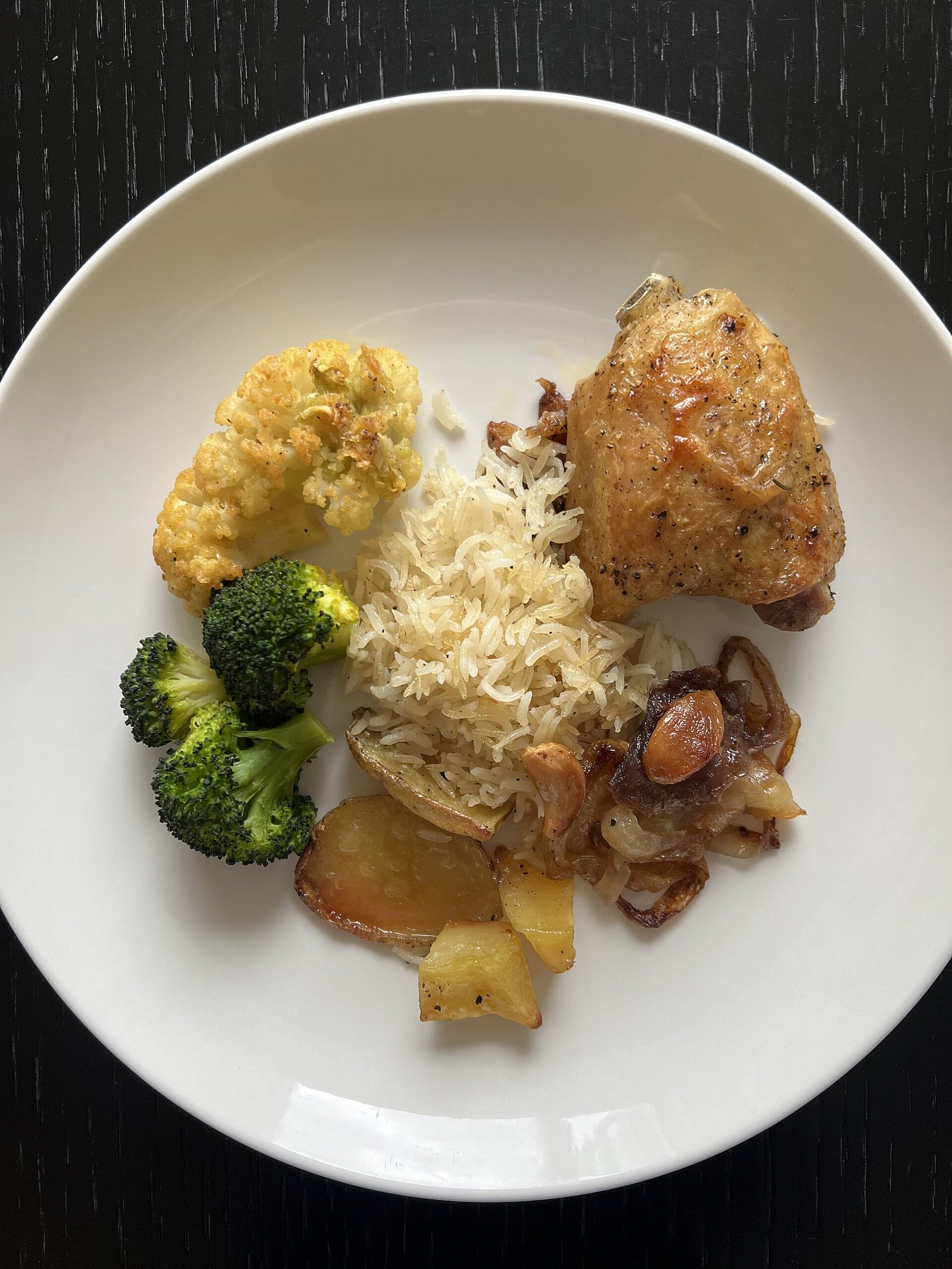
- – Familiar lean protein
- – Vegetables and fruit you already tolerate
- – A grain or starch you tolerate
- – Adequate fluids; limit alcohol if it tracks with your flares
4. Sample day (illustrative—individualize)
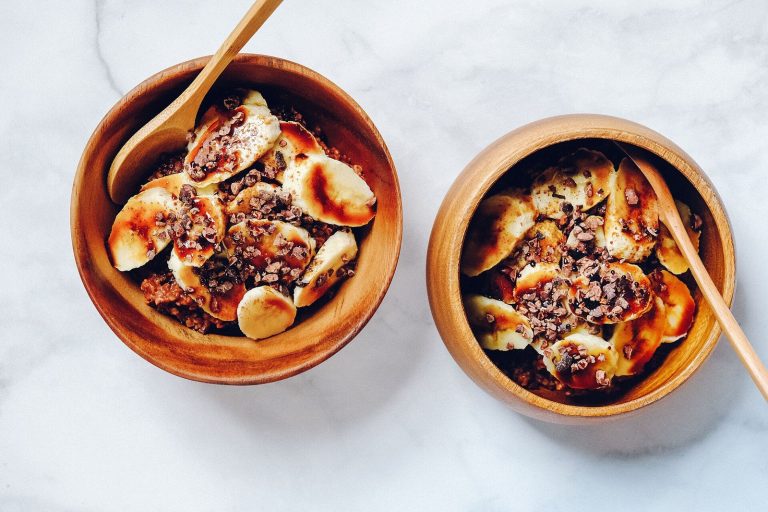
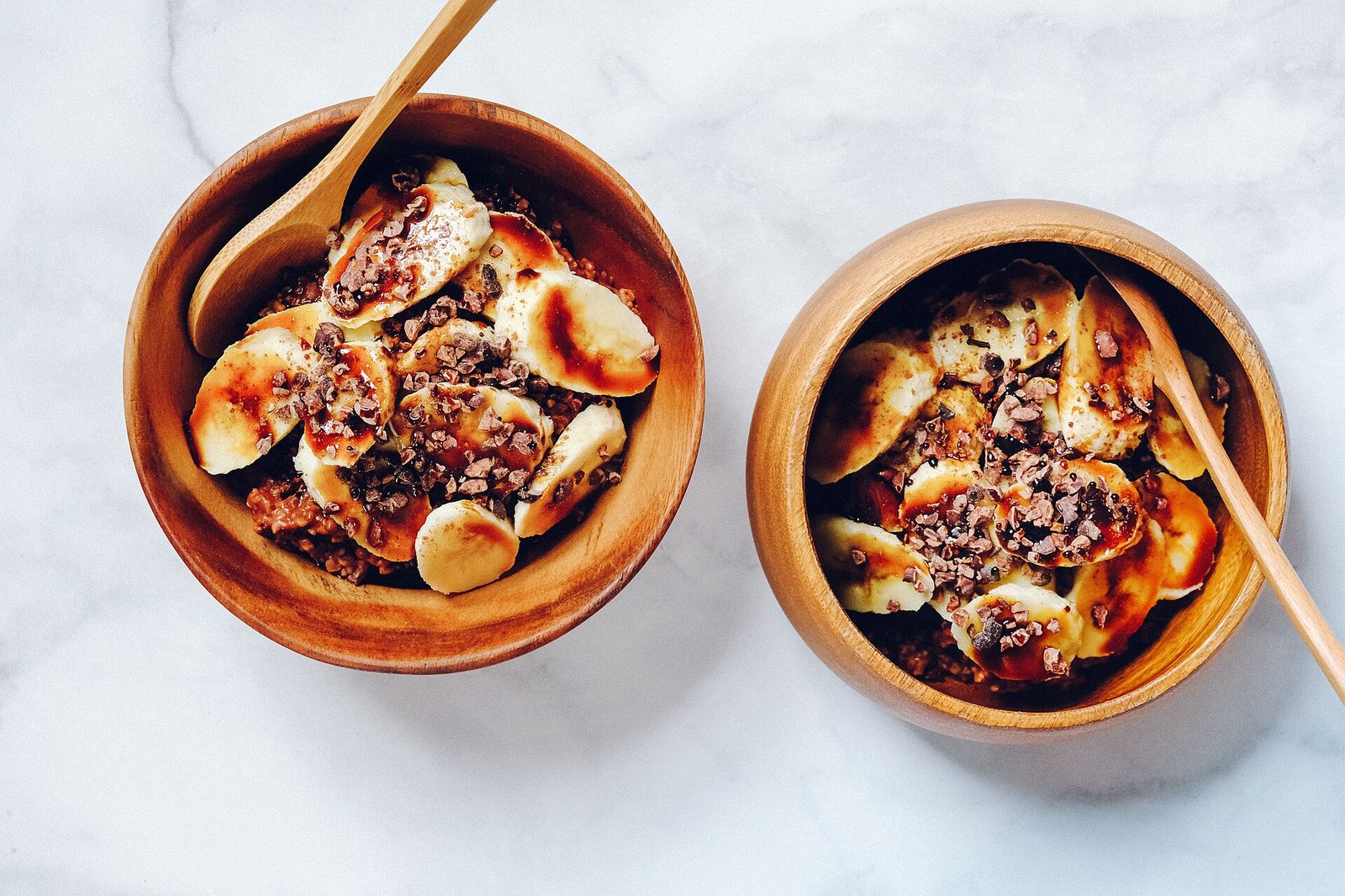
- – Breakfast: oatmeal with banana; if dairy is tolerated, yogurt.
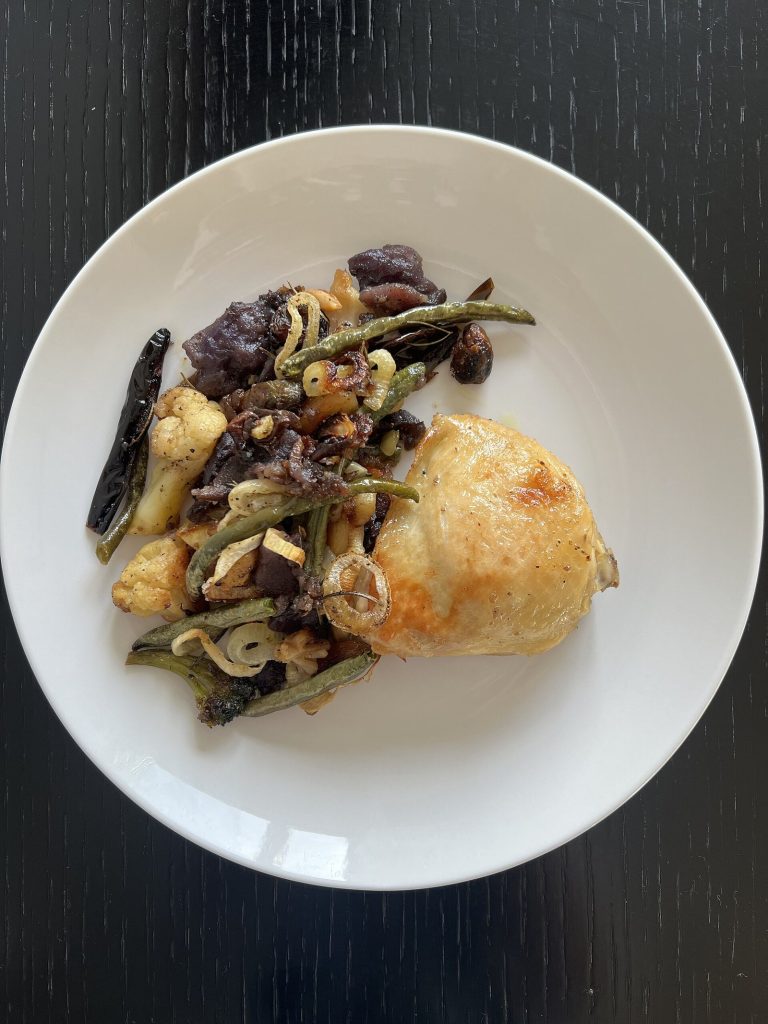
- – Lunch: rice bowl with cooked vegetables and chicken or tofu you know well.
- – Snack: apple or rice cakes if those are safe for you.
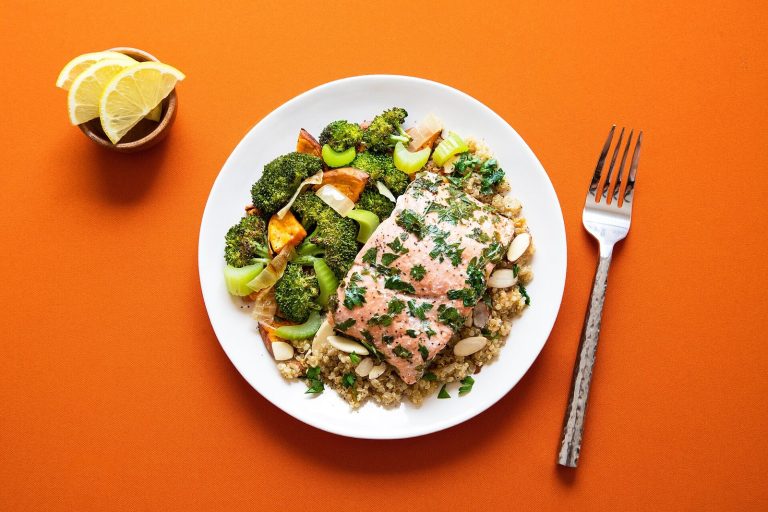
- – Dinner: baked fish, potato, green beans.
- – Evening: cool shower routines as advised for itch; medicine doses on schedule—not a new herbal nightcap.
5. If a supervised elimination is prescribed
Write the exact removed list, the duration, and the reintroduction schedule. Use a dietitian. Do not crowd-source reintroduction order from social media during a flare week.
6. Skin-care and kitchen crossover
Fragrance-heavy dish soaps and very hot dishwashing water can aggravate inducible symptoms for some people—use lukewarm water and fragrance-light products if that pattern fits your triggers.
Work, heat, and cafeteria realism
If cholinergic or heat-triggered hives are part of your picture, steaming dish pits and hot yoga kitchens may flare itch even when the menu is “clean.” Pack a familiar lunch, cool down before eating when possible, and tell occupational health if heat exposure is unavoidable. Document patterns for your allergist instead of quitting every cafeteria vegetable on suspicion alone.
Reintroduction discipline beats permanent fear
Any food removed for a trial should have a planned return date unless a true allergy is confirmed. Permanent orphaning of nutrient-dense foods without challenge data is how chronic urticaria care quietly becomes an eating disorder risk—flag that concern early with your care team.
Safety, interactions, and who should ask a clinician first
- – Swelling of lips, tongue, or throat; wheezing; dizziness; or faintness: emergency care.
- – Pregnancy, breastfeeding, or pediatric hives: specialist-guided medicine and diet decisions.
- – Corticosteroid bursts: ask about glucose and appetite changes; diet does not replace taper plans.
- – Multiple overlapping restrictions (vegan + gluten-free + low-histamine + additive-free): demand dietitian oversight.
FAQ
Can diet cure chronic spontaneous urticaria? No. Medicines and specialist care are central; food changes help only when a true trigger is identified or nutrition support is needed.
Should everyone with chronic hives try a low-histamine diet? Not automatically. Discuss with an allergist before major eliminations; evidence and benefit vary, and restriction risks are real.
Do food allergy panels solve chronic hives? Broad panels without history can mislead. Targeted testing guided by your story is more useful.
Is stress “all in my head” if it flares hives? MedlinePlus lists stress among factors associated with hives; stress care can be part of a plan without blaming you for the disease.
How is this different from a histamine-intolerance page? histamine intolerance diet guide discusses a contested intolerance framing; chronic urticaria is a dermatologic/allergic diagnosis that often needs antihistamines regardless of dietary myths.
How this differs from related OTCFood topics
This page is a chronic-urticaria–bound diet guide focused on safe trigger investigation, nutrition adequacy, and rejecting cure claims. It is not an anaphylaxis action-plan substitute and not a license for unsupervised elimination.
Medical disclaimer
Medical disclaimer: This article is for general information only. It is not medical advice, diagnosis, or a treatment plan. Chronic urticaria care depends on subtype, severity, angioedema risk, and your clinician’s protocol. Talk with an allergist, dermatologist, or registered dietitian before starting, stopping, or changing any eating plan, supplement, or medicine. Seek emergency care for breathing trouble, throat swelling, or signs of anaphylaxis.