Pernicious Anemia Diet: Foods That May Help and Foods to Limit
Medical note: This article discusses foods and researched botanicals. It does not claim to prevent, treat, or cure disease. Supplements are not a substitute for food, and studied amounts are not personal prescriptions.
People searching “pernicious anemia diet foods that help or worsen” usually want kitchen habits that support overall nutrition while medical B12 therapy is underway—not a claim that steaks, fortified cereal, or oral megadoses replace intrinsic-factor treatment, stop nerve injury on a do-it-yourself schedule, or cure autoimmune gastritis. MedlinePlus defines pernicious anemia as a decrease in red blood cells that occurs when the intestines cannot properly absorb vitamin B12 because the stomach does not make enough intrinsic factor (IF). ODS notes that people with pernicious anemia cannot make intrinsic factor and therefore have trouble absorbing vitamin B12 from foods and from many dietary supplements; clinicians usually treat it with vitamin B12 shots, although very high oral doses may also be used under medical guidance.
What this pernicious anemia diet guide covers (and what it does not)
This guide is for adults living with pernicious anemia or closely related B12-malabsorption anemia who want practical eating patterns alongside clinician-directed B12 therapy. Anchors: MedlinePlus — Pernicious anemia, MedlinePlus — Vitamin B12 deficiency anemia, MedlinePlus — Vitamin B12, ODS — Vitamin B12 Consumer Fact Sheet, and NHLBI — Anemia.
MedlinePlus lists common causes such as autoimmune attack on IF or on stomach cells that make IF, and notes that treatment often involves a monthly B12 injection (more often at first if levels are severely low), with some people managed using large oral doses or a nasal spray form as directed by a clinician. ODS explains the two-step absorption path: stomach acid frees food B12 from protein, then IF carries B12 for absorption—an IF problem breaks that path. Kitchen B12 sources still matter for general nutrition and for people without IF failure, but they do not rebuild IF. This page is not a substitute for hematology follow-up—see also vitamin B12 deficiency diet guide for broader B12 food context and iron deficiency anemia diet guide when iron labs are a separate issue.
Evidence snapshot: pernicious anemia diet claims vs public sources
| Claim people hope for | What public sources actually say | Confidence |
|---|---|---|
| “Eating more meat cures pernicious anemia without shots” | MedlinePlus/ODS: IF deficiency blocks efficient absorption from food; medical B12 therapy is standard | Strong: food ≠ IF replacement |
| “Any drugstore B12 gummy equals injection therapy” | ODS: supplement B12 still needs IF for usual absorption pathways; very high oral doses or injections are clinician choices for pernicious anemia | Strong: do not self-substitute |
| “Plant-only diets fix autoimmune IF loss” | ODS: plant foods lack natural B12 unless fortified; vegetarians/vegans already need careful B12 planning—and IF failure is a separate medical problem | Strong: fortification helps intake, not IF |
| “Waiting for symptoms before treating is fine because the liver stores years of B12” | ODS: stores can delay symptoms for years, but untreated deficiency can damage nerves; MedlinePlus warns nerve injury may become permanent if treatment is delayed | Strong: early treatment matters |
| “Kitchen changes replace monitoring for nerve or blood-count recovery” | Public sources center labs, IF antibodies when relevant, and prescribed B12 routes | Strong: follow your clinician |
Foods and patterns that may help with pernicious anemia day to day
“May help” means supporting overall diet quality, including B12-containing or fortified foods as adjuncts while medical therapy proceeds—not a promise that food rebuilds IF or replaces injections when those are prescribed.
Keep medical B12 therapy as the spine
- – MedlinePlus: treatment goal is to raise B12; shots are common, sometimes lifelong.
- – ODS: doctors usually treat pernicious anemia with B12 shots; very high oral doses might also work for some people under medical supervision.
- – Do not stop injections because appetite improved or a cereal box looks fortified enough.
Animal-source B12 foods as supportive nutrition (not IF therapy)
- – MedlinePlus and ODS list fish, meat, poultry, eggs, milk, and other dairy as natural B12 sources; clams, oysters, and beef liver are among the richest.
- – These foods support general protein and micronutrient intake while you recover energy—useful alongside therapy, not instead of it.
Fortified foods when they fit your pattern
- – ODS and MedlinePlus note fortified breakfast cereals and some nutritional yeasts as B12 sources; check the Nutrition Facts label.
- – Fortified foods are especially relevant for vegetarian patterns and for older adults who absorb food-bound B12 less well—but pernicious anemia still needs clinician-directed therapy because IF is missing.
Balanced plates for fatigue and appetite recovery
- – As anemia symptoms ease with treatment, steady protein (eggs, dairy, fish, poultry, legumes if tolerated), colorful produce, and whole grains support everyday energy.
- – Soft, easy meals help if glossitis, nausea, or poor appetite are present early—yogurt, eggs, soups, and tender fish are practical.
Medicine and supplement transparency
- – ODS notes gastric acid inhibitors and metformin can interfere with B12 absorption from food; tell every clinician what you take.
- – Related surgical-malabsorption context only: diet after bariatric surgery guide.
Foods and habits that often worsen pernicious anemia kitchen patterns
- – Relying on steak or fortified cereal alone while skipping prescribed B12 shots or high-dose regimens.
- – Strict unfortified vegan patterns without a medical B12 plan, which add dietary deficiency risk on top of IF failure.
- – Heavy alcohol use, which MedlinePlus lists among factors that can worsen B12 status in broader deficiency anemia discussions and which undermines overall nutrition.
- – Unprescribed megadose stacks marketed as “nerve repair” or “blood builders” taken instead of hematology care.
- – Ignoring neurologic symptoms (numbness, balance problems, confusion) while waiting for a kitchen experiment to work—MedlinePlus stresses prompt treatment to limit lasting nerve injury.
- – Expecting diet to fix chest pain, fainting, severe shortness of breath, or rapidly worsening neurologic deficits—those need medical evaluation.
“Limit” means reducing habits that delay real therapy or worsen nutrition—not blaming one restaurant meal for lab results.
Practical kitchen protocol: a pernicious anemia diet week
1. Keep the medical spine first
Confirm your B12 route (injection schedule, high-dose oral, or nasal form), lab follow-up, and whether IF antibody or other workups are done. Put injection appointment reminders ahead of grocery goals.
2. Shopping list for B12-aware supportive kitchens
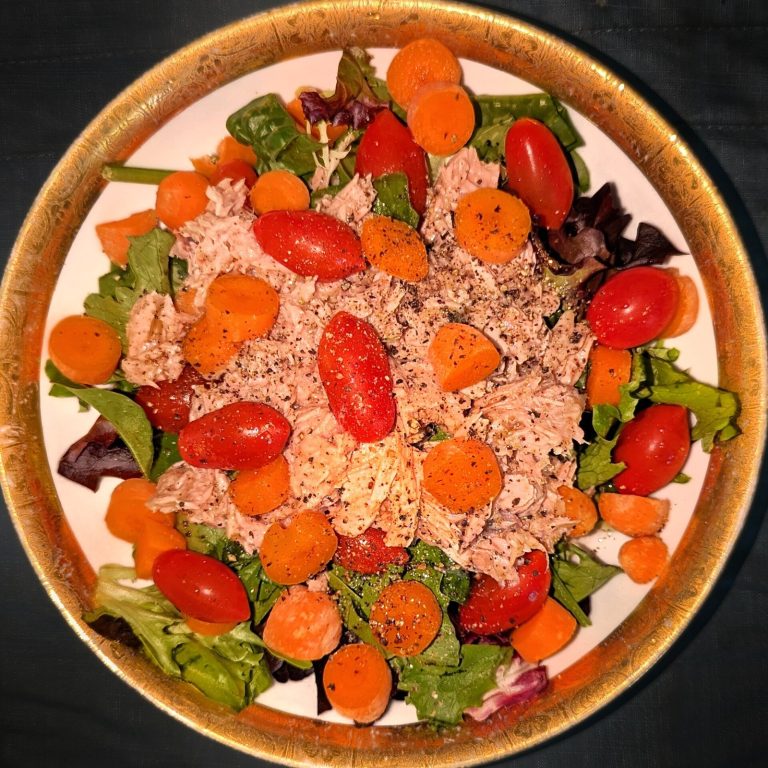
Eggs; milk, yogurt, or fortified dairy alternatives if appropriate; cheese; fish (salmon, tuna, sardines); lean meats; poultry; fortified breakfast cereal; nutritional yeast only if labeled with B12; beans and produce for overall diet quality; soft foods if mouth or tongue soreness is present.
3. Default plate template
- – Protein at each meal (animal source or carefully fortified plan)
- – Produce and a fiber-containing starch as tolerated
- – Include one clearly labeled B12-fortified food on days that fit your clinician’s advice—without treating it as injection replacement
4. Sample day (illustrative)
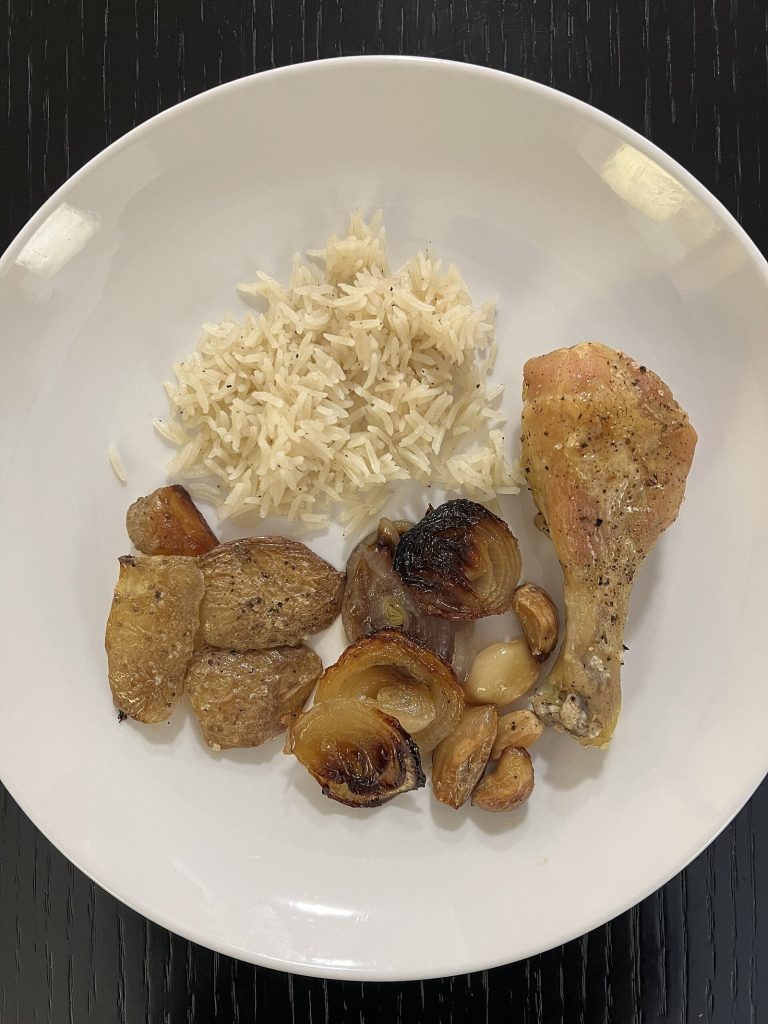
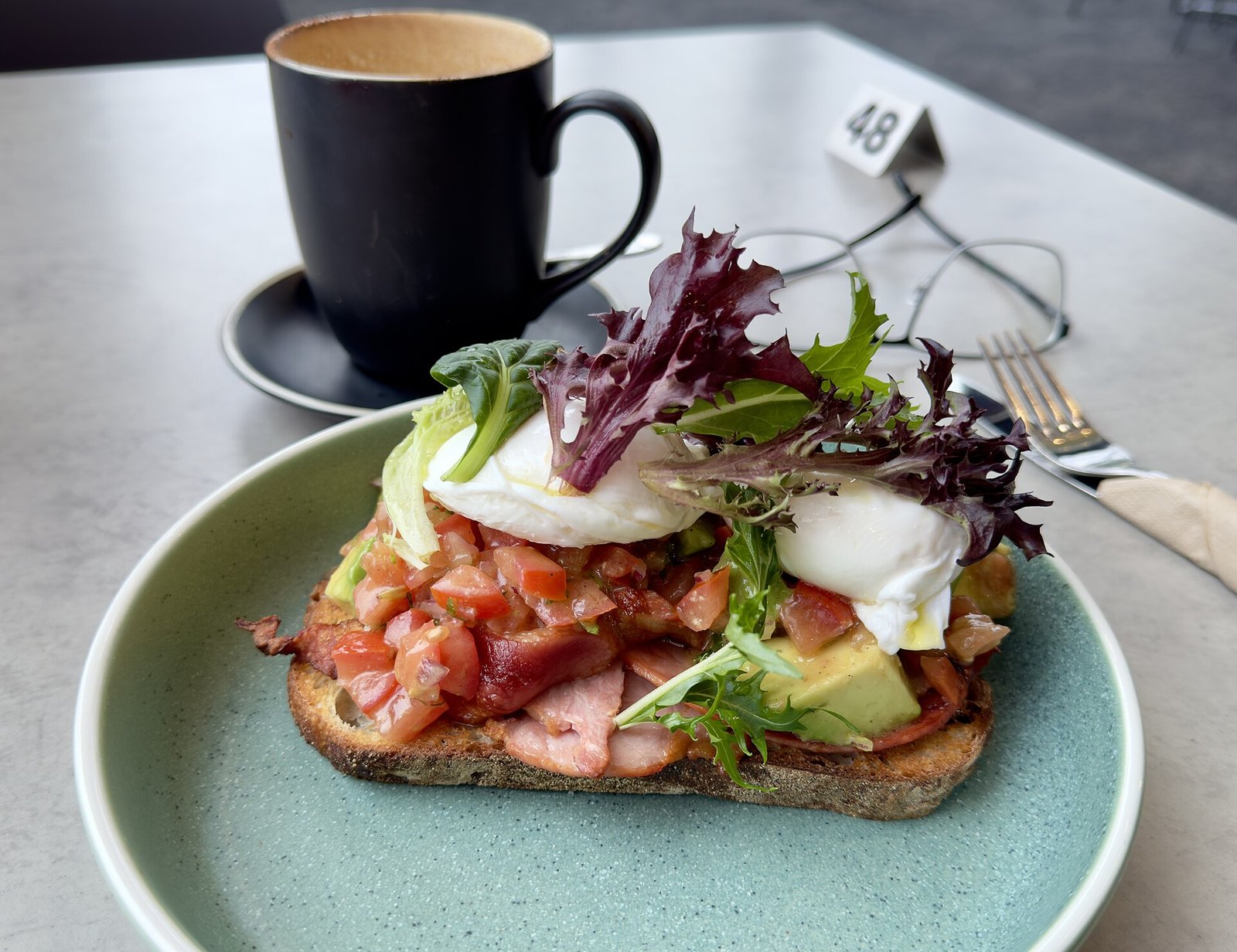
- – Breakfast: fortified cereal with milk or yogurt; egg on the side if desired.
- – Lunch: tuna or chicken sandwich; fruit; water.
- – Snack: Greek yogurt or cheese and crackers.
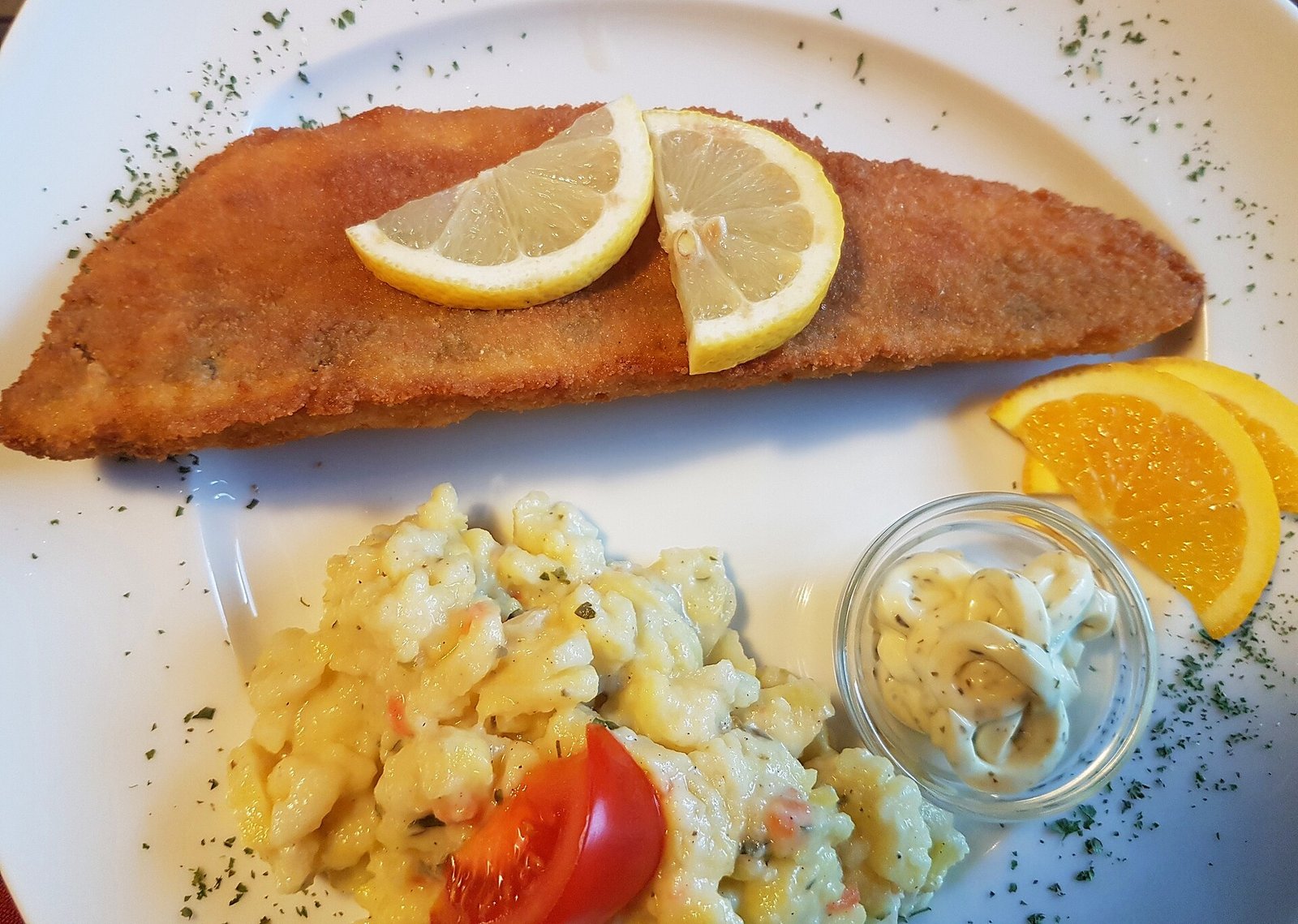
- – Dinner: baked fish or lean meat, potato, cooked vegetables.
- – Evening: milk or fortified alternative if it fits your plan.
5. Home setup tips
Keep a one-page list of B12-fortified products you actually like; store injection supplies separately from food; track energy, numbness, and gait changes to report at visits—kitchen logs do not replace neurologic exams.
6. When iron or folate also matter
Some people have more than one anemia driver. Do not self-diagnose with random iron pills—confirm labs. Nutrient context only: iron deficiency anemia diet guide.
Safety, interactions, and who should ask a clinician first
- – Pregnancy or breastfeeding: B12 needs rise; coordinate therapy rather than improvising.
- – Neuropathy, cognitive changes, or balance problems: seek medical care promptly; food is not nerve therapy.
- – Stomach surgery history or Crohn’s/celiac disease: absorption issues can stack—see clinician guidance and related reading vitamin B12 deficiency diet guide.
- – Tell pharmacists about metformin, long-term acid reducers, and any nasal or oral B12 products you use.
- – Contact a clinician for fainting, severe weakness, chest pain, breathing trouble, or rapidly worsening numbness—not a new smoothie protocol.
FAQ
Can I stop B12 injections once I eat meat every day? Usually no for classic pernicious anemia. Without intrinsic factor, food B12 is not absorbed efficiently. MedlinePlus and ODS describe ongoing medical B12 therapy as the core approach.
Are oral B12 supplements useless if I have pernicious anemia? Not always. ODS notes very high oral doses might work for some people, and MedlinePlus also mentions large oral doses or nasal spray as options—but those decisions belong to your clinician, not a social-media dosing chart.
Do fortified cereals fix IF deficiency? They add B12 to the diet and help many people without IF failure. They do not create intrinsic factor.
Why do symptoms sometimes appear only after years? ODS explains the body stores a large amount of B12, so deficiency signs can take years to show—yet delaying treatment still risks lasting nerve injury.
Is this the same as dietary B12 deficiency in vegans? Related nutrient, different mechanism. Dietary lack responds to B12 intake or standard supplements; pernicious anemia is an IF/absorption medical problem—see vitamin B12 deficiency diet guide for the broader food-source discussion.
How this differs from related OTCFood topics
This page is a pernicious anemia-bound diet guide focused on supportive eating while medical B12 therapy addresses intrinsic-factor failure. It is not a vegan meal plan, not a neuropathy cure protocol, and not a substitute for hematology care.
Medical disclaimer
Medical disclaimer: This article is for general information only. It is not medical advice, diagnosis, or a treatment plan. Care for pernicious anemia depends on lab results, neurologic findings, other medical conditions, and your clinician’s protocol for B12 delivery. Talk with a clinician or registered dietitian before starting, stopping, or changing any eating plan, supplement, or medicine. Seek urgent care for severe weakness, fainting, chest pain, breathing trouble, or rapidly worsening neurologic symptoms.