Rhodiola Rosea: Health Claims That Still Lack Enough Evidence
Rhodiola grows in cold regions and at high altitudes in Europe, Asia, and North America.
Ashwagandha, maca, rhodiola, and peers—with evidence, quality traps, and realistic expectations.
Rhodiola grows in cold regions and at high altitudes in Europe, Asia, and North America.
Asian ginseng is native to the Far East, including Korea, northeastern China, and far-eastern Siberia. It has been used as a calming agent in traditional Chinese medicine and as an adaptogen. (Adaptogenic herbs are thought to help the body resist physiological and psychological stress.) Asian ginseng is one of several types of ginseng. The terms “red ginseng” and “white ginseng” refer to Asian ginseng that is prepared in two different ways.
Ashwagandha is an evergreen shrub found in parts of India, Africa, and the Middle East. It contains several bioactive compounds, including a group of substances known as withanolides. Withanolides have been associated with anti-inflammatory and antioxidant effects.
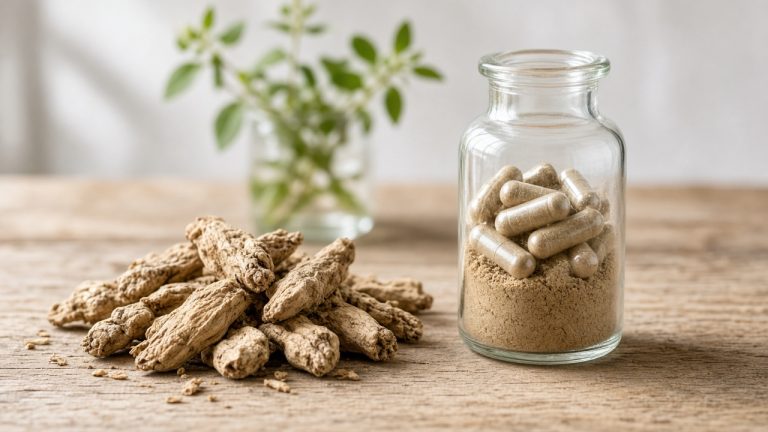
A careful look at Rhodiola rosea for stress and fatigue — limited evidence, real side-effect notes, and how to read labels without the hype.
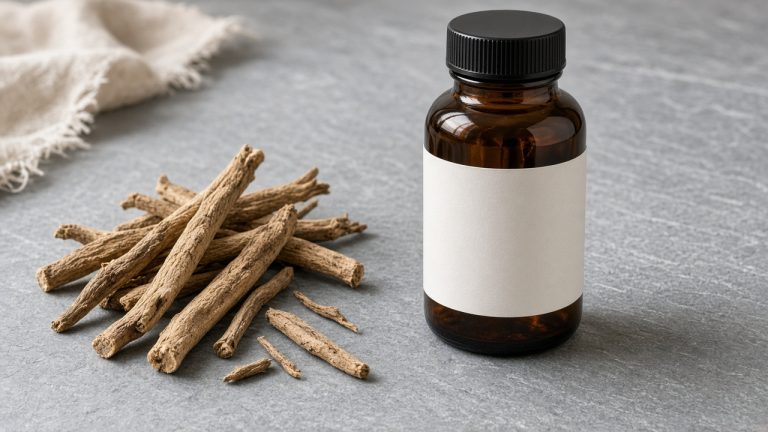
Ashwagandha (Withania somnifera) is a botanical shrub traditionally used in Ayurvedic medicine that is currently studied for its potential to help the human body manage psychological and physiological stress. According to the National Center for Complementary and Integrative Health (NCCIH), current clinical evidence suggests that ashwagandha may help reduce stress and anxiety, and slightly improve…
Content is for education only and is not medical advice, diagnosis, or treatment. Talk with a qualified clinician before changing your diet, sleep routine, or supplement plan — especially if you are pregnant, nursing, or taking medication.