Lumbar Disc Herniation Diet: Foods That May Help and Foods to Limit
Medical note: This article discusses foods and researched botanicals. It does not claim to prevent, treat, or cure disease. Supplements are not a substitute for food, and studied amounts are not personal prescriptions.
People searching “lumbar disc herniation diet foods that help or worsen” usually want kitchen habits that support healthy weight, healing energy, and constipation-aware fiber—not a claim that food pulls a disc back into place the way rest, medicines, physiotherapy, or surgery sometimes do. MedlinePlus describes a herniated (slipped) disk as occurring when all or part of a disk is forced through a weakened part of the disk, which may place pressure on nearby nerves. The lower back (lumbar area) is the most common site. The NHS (“slipped disc”) notes many people improve over weeks with self-care. Food does not replace clinical assessment of red-flag symptoms.
What this lumbar disc herniation diet guide covers (and what it does not)
This guide is for adults diagnosed with a lumbar herniated disc (or recovering from an acute flare) who want food patterns that support weight management, regular bowel habits while on pain medicines, and overall musculoskeletal health. Anchors: MedlinePlus — Herniated disk, MedlinePlus — Herniated disk overview, NHS — Slipped disc, and NIAMS — Back pain.
MedlinePlus lists risk factors that may include lifting heavy objects, being overweight, repetitive bending or twisting, long sitting or standing, inactive lifestyle, and smoking. NHS prevention tips include keeping active, safe lifting, and not smoking; being inactive or overweight can contribute. Sudden bowel or bladder loss, saddle numbness, progressive leg weakness, fever with back pain, or unexplained weight loss need urgent care—not a smoothie protocol.
Evidence snapshot: lumbar disc herniation diet claims vs public sources
| Claim people hope for | What public sources actually say | Confidence |
|---|---|---|
| “A special diet cures a slipped disc” | MedlinePlus: with treatment most people recover; care includes rest, medicines, physical therapy, sometimes surgery | Strong: food is not a substitute |
| “Weight loss puts the disc back” | Overweight is listed among risk factors; NIAMS notes excess weight can stress the back—supportive for load, not mechanical repositioning of the disc | Moderate for weight-aware eating |
| “Anti-inflammatory foods replace pain medicines” | Public pages center clinical pain plans and physiotherapy | Strong: do not stop prescribed care for unproven products |
| “You must avoid all protein to ‘heal’ discs” | No such public recommendation; protein supports muscle during rehab | Insufficient / contrary to practical rehab nutrition |
| “If leg pain improves, ignore fever or bladder change” | NHS and NIAMS list red flags needing urgent assessment | Strong: keep emergency thresholds |
Foods and patterns that may help with lumbar disc herniation day-to-day health
“May help” means supporting healthy weight, muscle protein for rehab, and fiber/fluid habits that often matter when pain medicines slow the gut—not a promise to reverse herniation.
Weight-aware eating (MedlinePlus / NIAMS / NHS overlap)
- – Being overweight appears among MedlinePlus risk factors; NHS links inactivity and overweight to slipped-disc risk context. Patterns like those in our osteoarthritis diet guide and high blood pressure foods guide guides—plants first, fewer sugar-sweetened drinks—may support gradual weight goals when appropriate.
- – Prefer steady calorie deficits over crash diets that leave you too fatigued for walking and physiotherapy.
Protein for muscle support during recovery
- – Include protein at meals (fish, poultry, eggs, beans, dairy or alternatives) to support the core and leg muscles used in rehab programs your clinician sets.
- – Pair with vegetables and whole grains rather than oversized fried portions.
Fiber and fluids when pain medicines slow the bowels
- – Constipation can worsen back discomfort. Emphasize oats, beans, fruit, vegetables, and water—ideas aligned with our constipation diet guide guide—especially if opioids or reduced mobility are in play (ask your clinician about your own medicines).
- – Increase fiber gradually with fluids to reduce bloating.
Anti-inflammatory-leaning defaults (supportive)
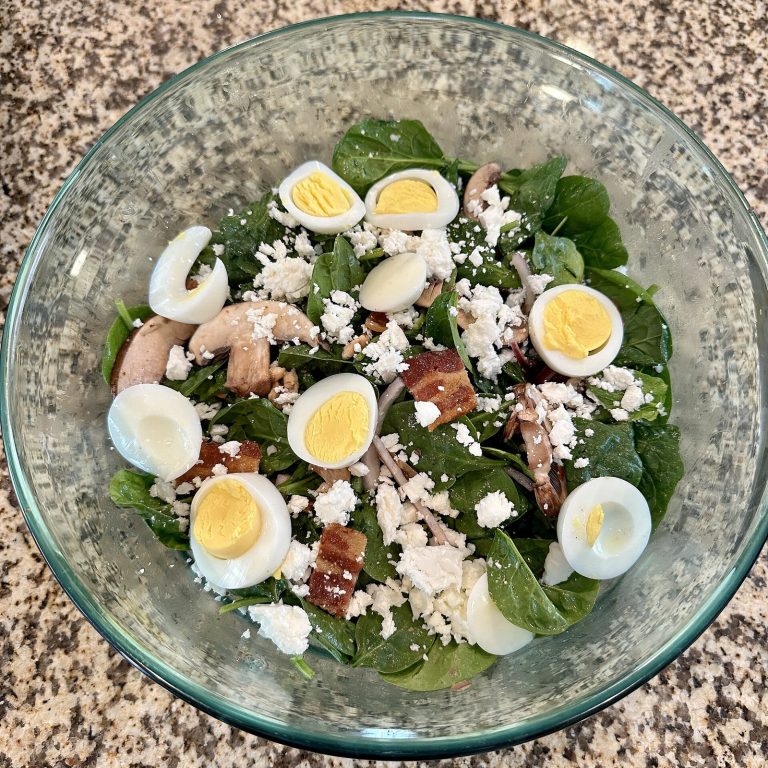
- – Leafy greens, berries, olive oil, nuts in modest portions, and fish when suitable—kitchen patterns often used for general joint and metabolic health alongside clinical care, similar themes to sciatica diet guide when nerve pain radiates down the leg.
Foods and habits that often worsen lumbar disc kitchen patterns
- – Crash cleanses that cut protein and calories—undermine rehab energy.
- – Very low-fiber eating while sedentary or on constipating medicines—can add abdominal straining.
- – Heavy smoking or not addressing smoking—MedlinePlus lists smoking among risk factors; NHS says do not smoke for prevention.
- – Repeated heavy lifting with poor technique right after large meals—mechanical strain matters more than any single food.
- – Ignoring red flags (bladder/bowel loss, saddle numbness, progressive weakness, fever, unexplained weight loss) while “waiting on diet.”
“Limit” means reducing habits that undermine recovery—not that one dessert caused the herniation.
Practical kitchen protocol: a lumbar disc herniation diet week
1. Keep the medical spine first
Coordinate meals with walking goals, physiotherapy, and pain-medicine timing. Food should support adherence.
2. Shopping list
Leafy greens, tomatoes, cucumbers; berries, apples, pears; lentils and beans; chicken or fish; eggs; yogurt; oats; olive oil; unsalted nuts; plenty of water and herbal tea.
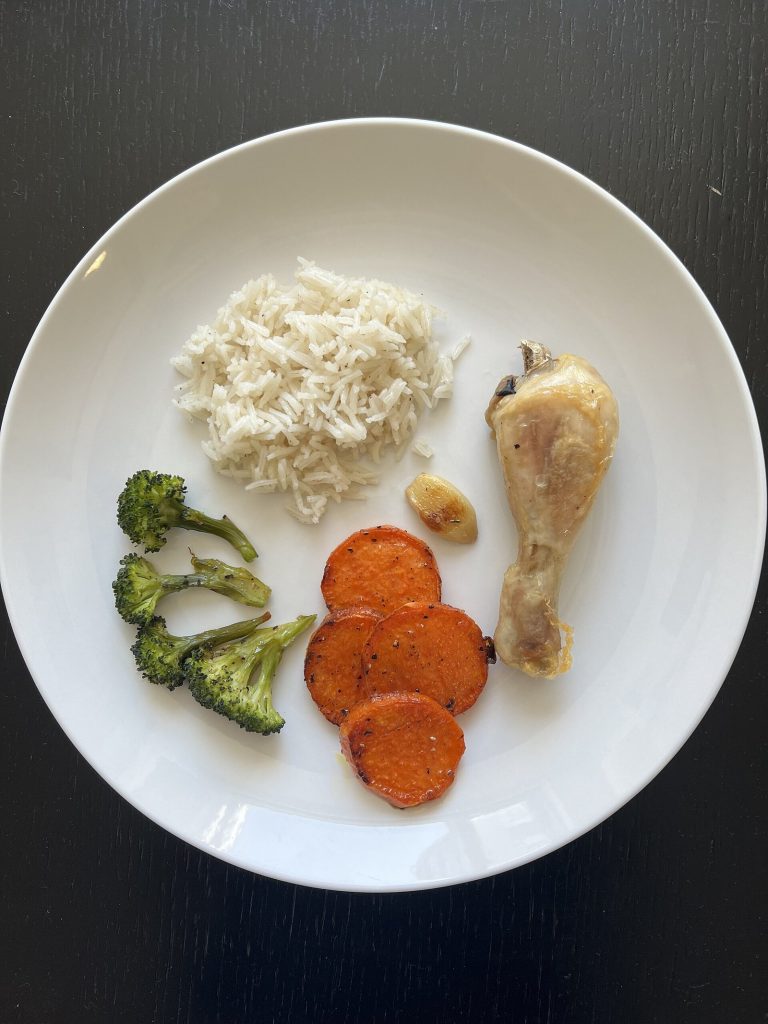
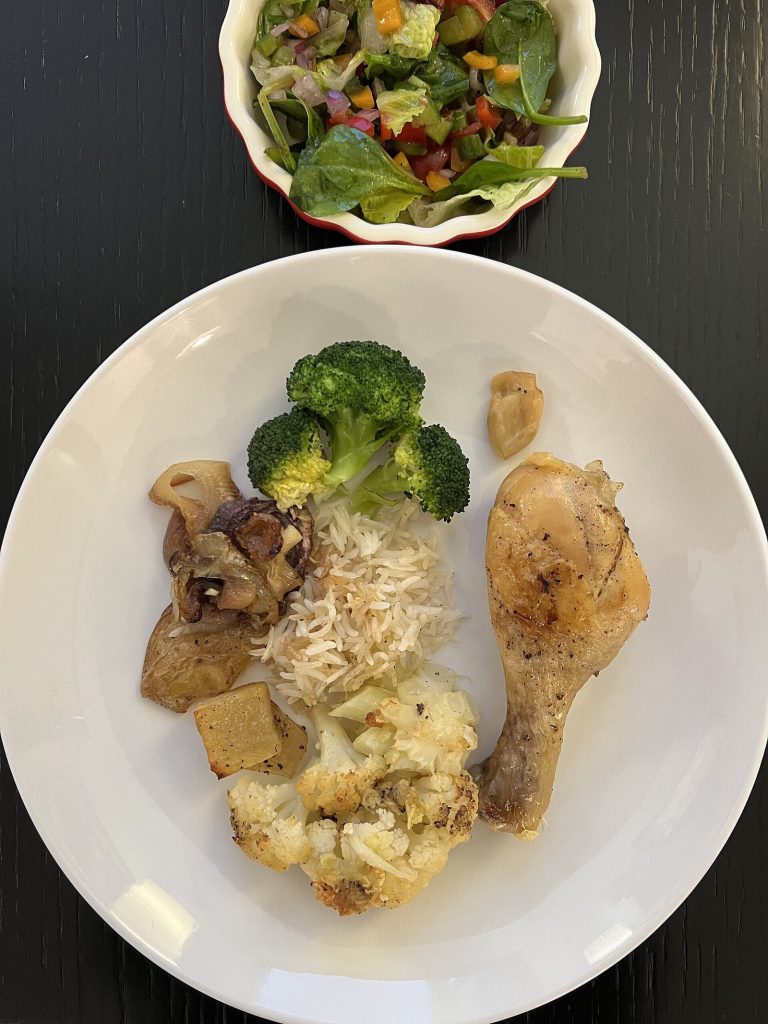
3. Default plate template
- – Half vegetables and fruit
- – Quarter whole grains or starchy vegetables
- – Quarter protein
- – Cook with less deep-frying if weight goals matter
4. Sample day (illustrative)
- – Breakfast: oatmeal with banana and yogurt; water.
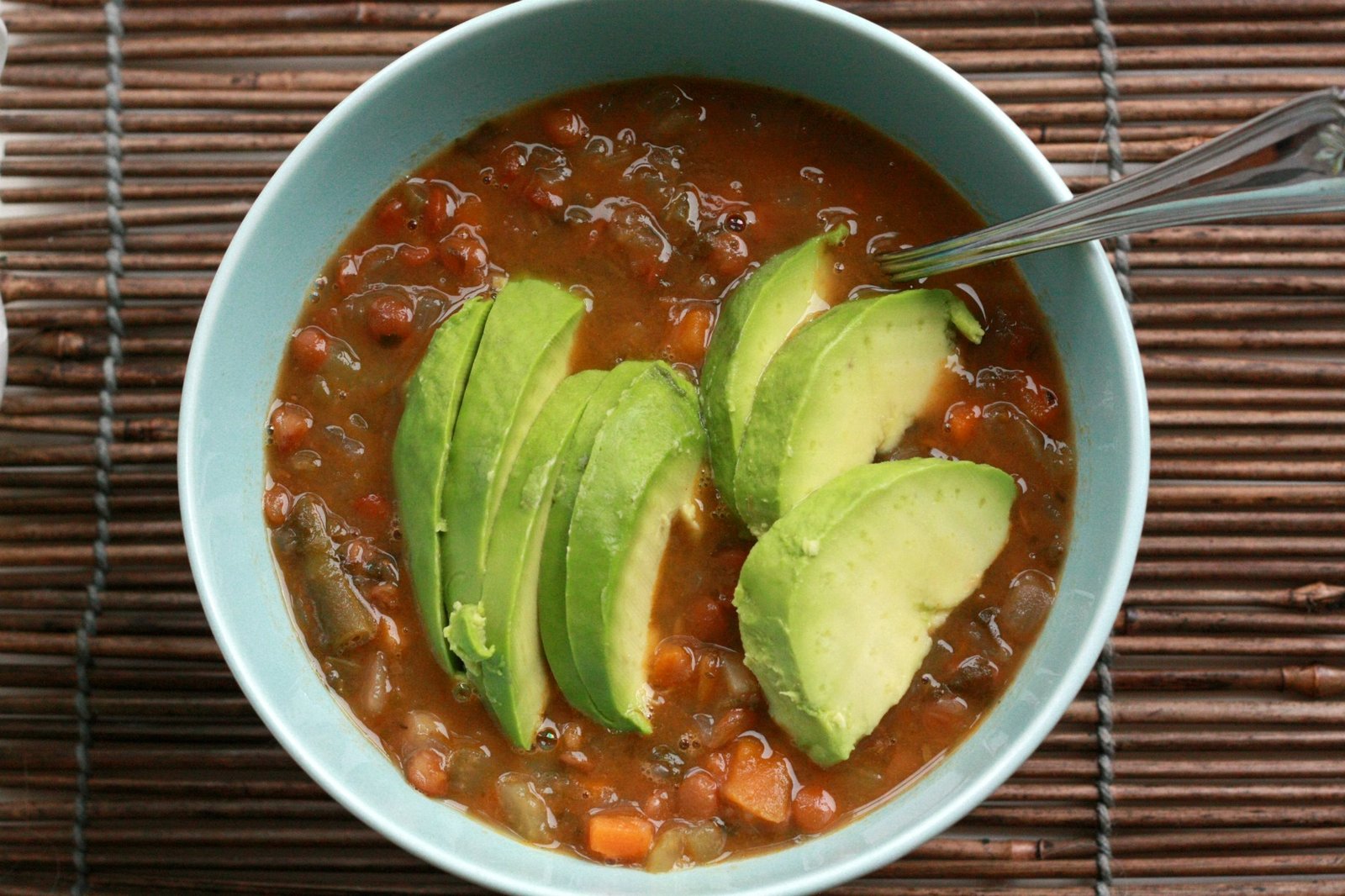
- – Lunch: lentil and vegetable soup with avocado or a side salad; fruit.
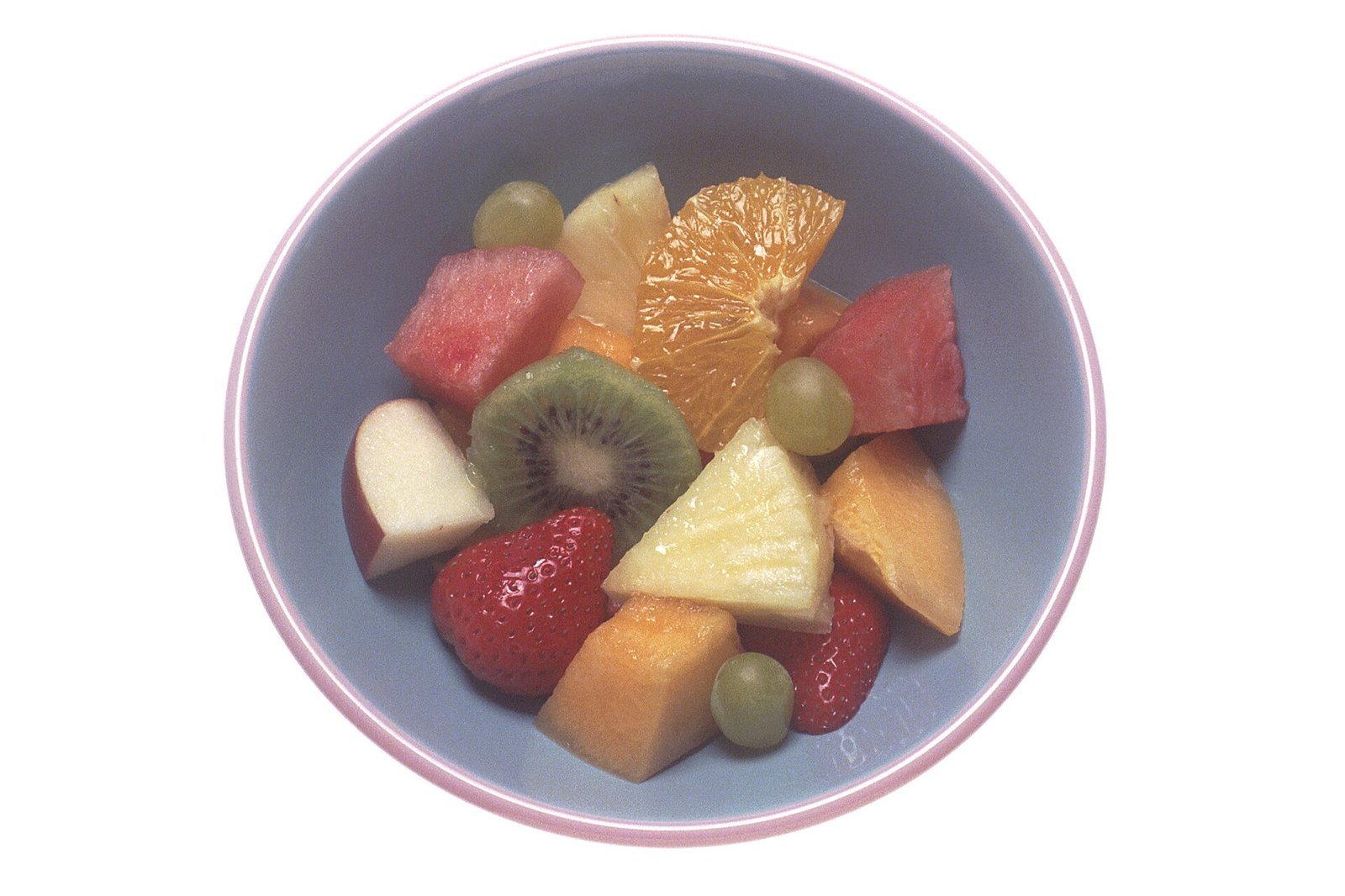
- – Snack: fruit salad or a small handful of nuts.
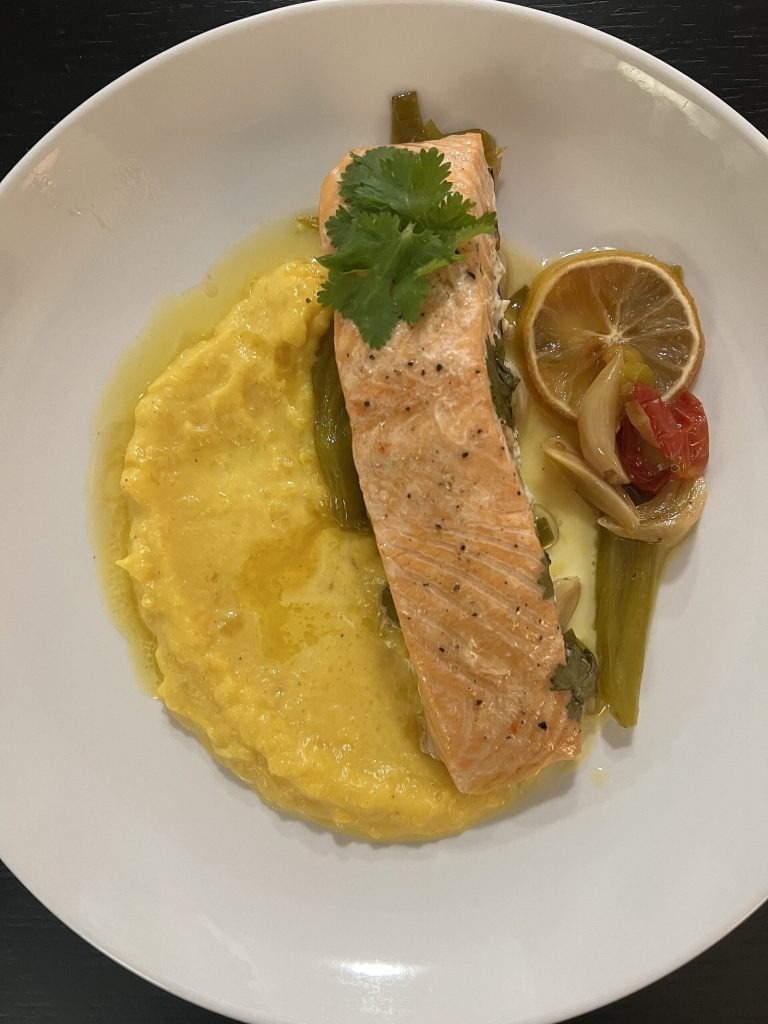
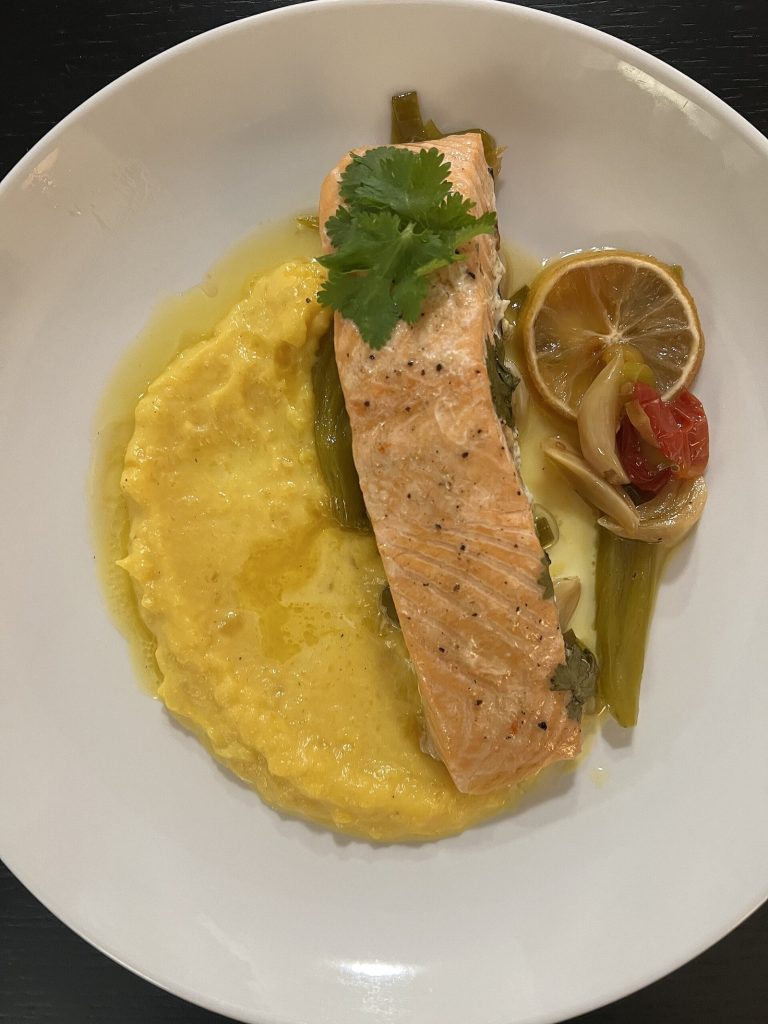
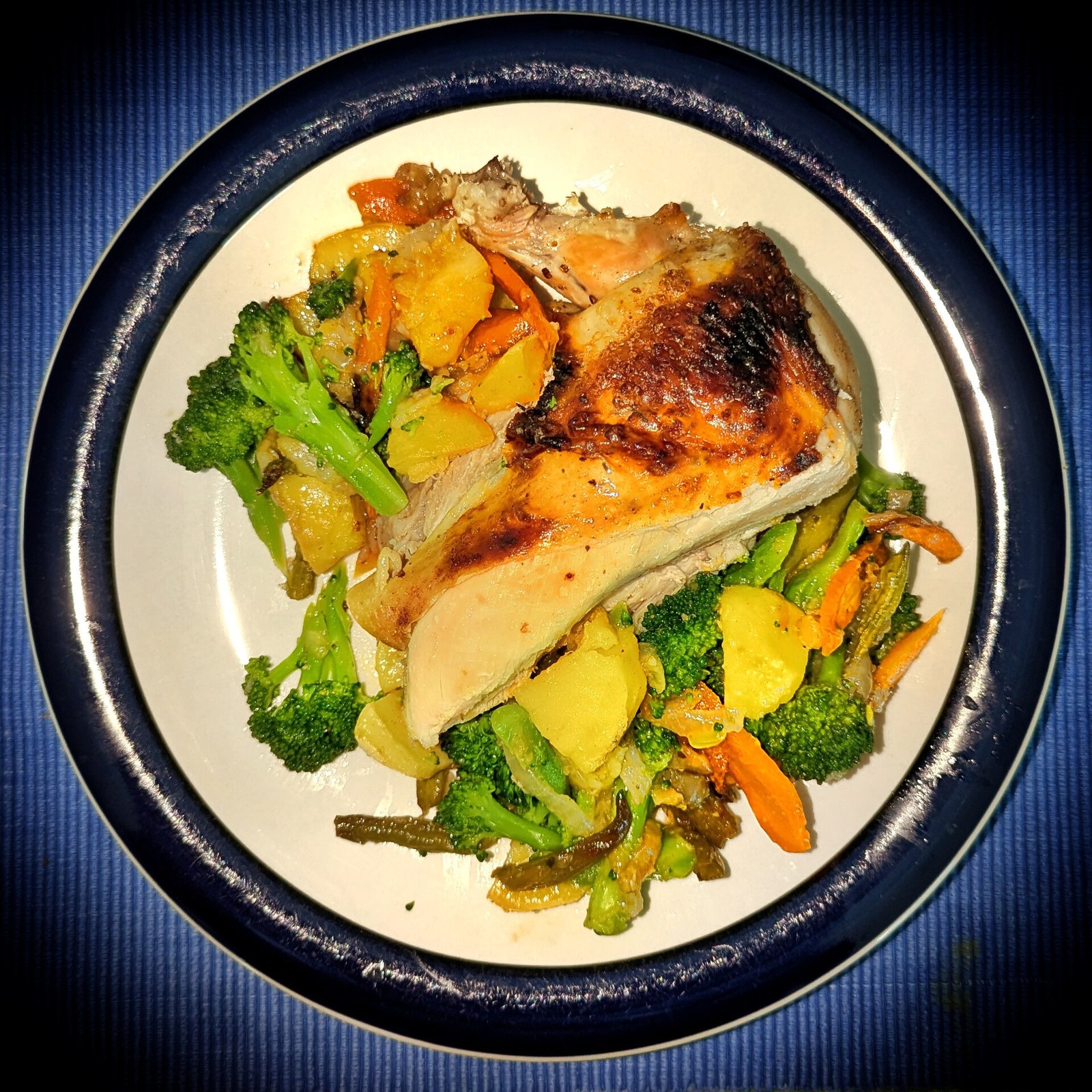
- – Dinner: roasted chicken with vegetables; brown rice; fruit.
- – Evening: gentle walking as advised; avoid long slumped couch eating.
5. Eating out
Choose grilled protein and vegetables; split large portions; keep alcohol modest if it worsens sleep and next-day rehab.
6. When nerve pain travels
If symptoms resemble sciatica patterns, see also sciatica diet guide—still without skipping clinical follow-up.
7. Desk and car snacks that support rehab days
Keep portioned yogurt, fruit, and pre-cut vegetables ready so long sitting days do not default to oversized fried takeout. Pair any coffee with water if constipation is an issue while on pain medicines. Stand and walk briefly after meals when your clinician allows—movement plus fiber works better than fiber alone for many people recovering from lumbar disc flares.
8. Travel and flare-week adjustments
On flare weeks, favor one-pot soft meals (soups, stews, scrambled eggs with vegetables) that minimize standing time in the kitchen. Ask household members to handle heavy grocery bags; repeated awkward lifting after shopping is a mechanical risk MedlinePlus-style prevention advice would flag alongside smoking and inactivity.
Safety, interactions, and who should ask a clinician first
- – Emergency/urgent signs: new bowel or bladder control loss, numbness around the groin/saddle area, rapidly worsening leg weakness, fever with back pain, unexplained weight loss, or back pain after major trauma—seek care immediately.
- – Coordinate diet changes with clinicians if you have diabetes, kidney disease, or take anticoagulants.
- – Supplements marketed to “regrow discs”: not a replacement for evidence-based care; ask before using.
- – Pregnancy-related back pain needs obstetric-aware advice.
FAQ
Can diet heal a herniated disc? Public sources describe recovery with clinical care; food supports weight, energy, and bowel habits only.
Should I avoid all exercise and eat lightly? NHS encourages keeping active within advice; extreme under-eating can slow rehab. Follow your clinician’s activity plan.
Do I need to cut all nightshades? Not required by MedlinePlus or NHS slipped-disc pages. Restrictive elimination belongs with personalized clinical advice.
Is smoking cessation part of “diet”? Smoking is a listed risk factor; quitting supports overall recovery even though it is not a food.
How much fiber should I aim for? There is no single herniated-disc fiber prescription in MedlinePlus. Increase gradually with fluids and use our constipation guide ideas if stools become hard while you are less mobile.
Can anti-inflammatory spices replace physiotherapy? No. Spices can season food pleasantly; they do not replace graded activity and clinical follow-up.
How this differs from related OTCFood topics
This page is a lumbar disc herniation–bound diet guide focused on weight-aware plates, protein for rehab, and constipation-aware fiber. It is not a general constipation diet guide clinic alone, not a osteoporosis diet guide density protocol, and not a cervical-only neck plan—though frozen shoulder diet guide style joint-comfort kitchens sometimes overlap in midlife.
Medical disclaimer
Medical disclaimer: This article is for general information only. It is not medical advice, diagnosis, or a treatment plan. Lumbar disc care depends on neurological findings, imaging when needed, and prescribed therapies. Talk with a clinician or registered dietitian before changing eating plans, supplements, or medicines. Seek emergency care for bowel/bladder loss, saddle numbness, progressive weakness, or fever with severe back pain.