Calcium Deficiency Diet: Foods That May Help and Foods to Limit
Medical note: This article discusses foods and researched botanicals. It does not claim to prevent, treat, or cure disease. Supplements are not a substitute for food, and studied amounts are not personal prescriptions.
Calcium is the most abundant mineral in the body and is stored mostly in bones and teeth; ODS and MedlinePlus explain it is needed for bone structure, muscle movement, nerves, and blood vessels. Too little calcium over time relates to problems such as osteoporosis, and in children rickets, while adults can develop osteomalacia—soft bones—when deficiency is severe (ODS). Food-first patterns may help you meet recommended intakes; they do not reverse established osteoporosis by themselves, replace bone-density medicines when prescribed, or make megadose supplements automatically “safer than food.”
What this calcium deficiency diet guide covers (and what it does not)
This guide is for adults who want practical calcium-rich eating based on ODS Consumer and MedlinePlus guidance. It covers food sources, typical recommended amounts by life stage, supplement forms, upper limits, and medicine interactions. It does not diagnose osteoporosis from diet history alone, and it does not tell you to self-start high-dose calcium without checking total intake and medicines.
Anchors: ODS — Calcium (Consumer), MedlinePlus — Calcium, MedlinePlus Encyclopedia — Calcium in diet.
Evidence snapshot: calcium diet claims vs public sources
| Claim people hope for | What public sources actually say | Confidence |
|---|---|---|
| “Food calcium always prevents fractures” | ODS: mixed evidence on supplements and fracture prevention; more research needed | Moderate (uncertain for supplements) |
| Dairy is a major source for many people | ODS: milk, yogurt, cheese are main sources for most people in the U.S. | Strong |
| Non-dairy options exist | ODS: canned fish with bones, kale/broccoli/bok choy, fortified juices and plant milks, some tofu/cereals | Strong |
| More calcium is always better | ODS publishes upper limits; excess can be harmful; high blood calcium usually from disease, not food alone | Strong |
| Take all supplemental calcium at once | ODS: absorb best at ≤500 mg at one time; split doses | Moderate-to-strong |
Foods and patterns that may help with calcium intake
Dairy and fermented dairy (ODS)
- – Milk, yogurt, and cheese remain primary sources for many people.
- – Lactose-free dairy still provides calcium if lactose intolerance is the barrier.
Fish with edible bones (ODS)
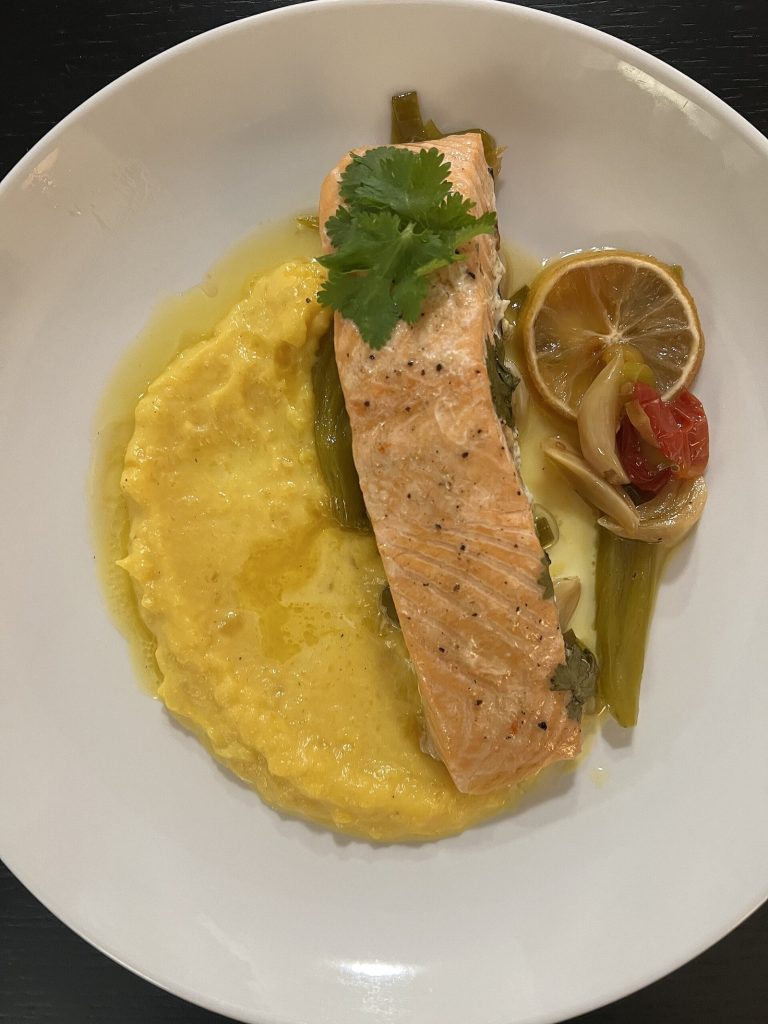
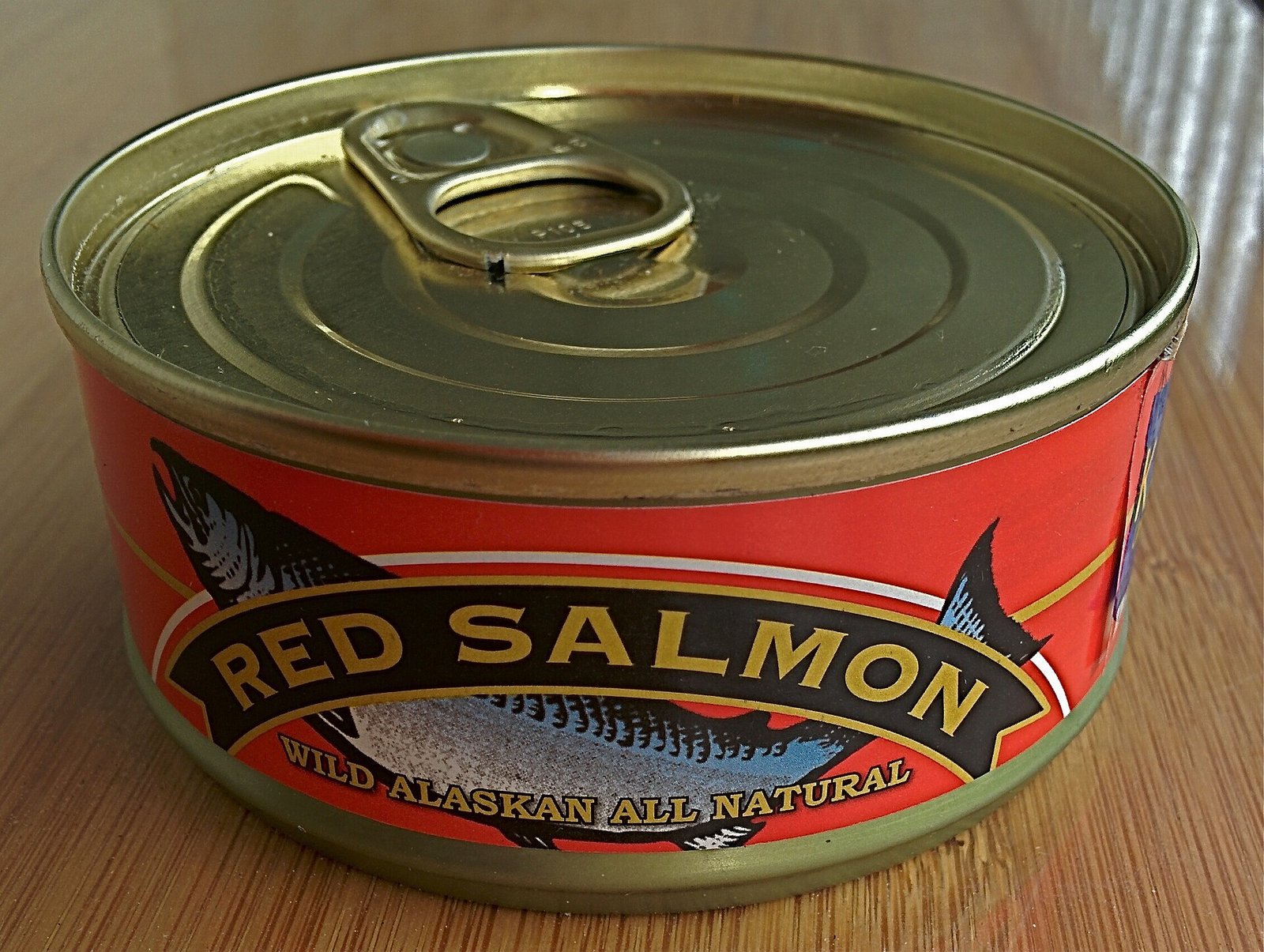
- – Canned sardines and salmon with bones.
Vegetables and fortified foods (ODS)
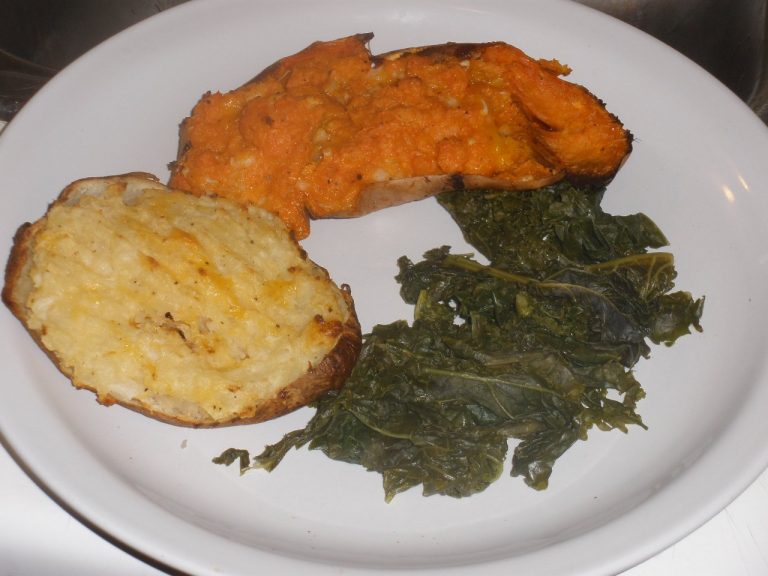
- – Kale, broccoli, Chinese cabbage (bok choy).
- – Calcium-fortified juices, soy/almond beverages, some tofu and ready-to-eat cereals—check labels.
Pair with vitamin D status
- – ODS notes vitamin D helps calcium absorption—coordinate sun, food, and labs with your clinician rather than guessing mega-D doses.
Supplement strategy only when needed (ODS)
- – Carbonate: best with food; also in some antacids.
- – Citrate: absorbs with or without food; often better if low stomach acid.
- – Split doses (≤500 mg elemental at a time); watch gas/bloating/constipation and adjust form/timing.
Life-stage targets (ODS examples)
- – Many adults 19–50: about 1,000 mg/day; women 51–70 and adults 71+: about 1,200 mg/day; teens higher—confirm your row on the ODS table with a clinician if pregnant, breastfeeding, or medically complex.
Foods and drinks that often worsen the bigger picture
- – Relying only on unfortified grains—ODS notes most grains are not high in calcium though frequent eating adds a little.
- – Skipping dairy and fortified alternatives without a replacement plan if you are vegan, milk-allergic, or lactose intolerant (ODS risk groups).
- – Taking large single supplement boluses that exceed comfortable absorption (ODS ≤500 mg tip).
- – Ignoring medicine spacing—calcium can interact with levothyroxine, some antibiotics, dolutegravir, and others (ODS).
- – Assuming antacid calcium candy replaces a full dietary pattern.
“Limit” means limiting gaps and unsafe supplement habits—not limiting calcium-rich foods.
Practical kitchen protocol
1. Estimate food calcium before buying pills
List daily dairy/fortified servings; add canned fish with bones twice weekly if you eat fish; include leafy brassicas.
2. Sample day (~food-first)
- – Breakfast: fortified cereal or yogurt with fruit.
- – Lunch: tofu stir-fry (calcium-set tofu if labeled) or cheese sandwich plus vegetable soup.
- – Snack: yogurt or fortified plant milk latte.
- – Dinner: canned salmon with bones on salad, or cheese omelette with broccoli.
- – Recheck totals against your ODS life-stage target.
3. Lactose-free / vegan pathway
Lactose-free milk, fortified soy drinks, fortified orange juice, tofu prepared with calcium sulfate, leafy greens—ODS lists these pathways explicitly.
4. Two-week review
If constipation appears after supplements, split doses, take with meals, or switch forms (ODS). Bring your medicine list to review spacing.
5. Bone neighbors
Bone density care may also involve protein, vitamin D, fall prevention, and medicines—diet is one pillar.
Longer kitchen landing section: make the pattern boring enough to keep
Staple list you can buy without thinking
Leafy greens, frozen mixed vegetables, carrots, onions (omit if they are a personal trigger), oats, brown rice or potatoes, eggs, tofu, beans, lentils, plain yogurt or fortified soy yogurt, canned fish, olive oil measured by the spoon, fruit that fits your plan, and measured nuts. Keep a backup shelf of shelf-stable proteins so busy nights do not default to fried takeout.
Cooking default methods
Steam, boil, stew, bake, air-fry with minimal oil, or quick stir-fry with measured oil. Save deep frying and heavy cream sauces for rare occasions. Season with herbs, vinegar, citrus (if tolerated), garlic/onion only when they fit your personal tolerance map, pepper, and modest salt unless your clinician set a tighter sodium target.
Portion and rhythm habits
Put vegetables on the plate first, then protein, then starch. Keep sugary drinks as exceptions. If evenings are when symptoms or readings worsen, shift the larger meal earlier and keep dinner lighter. Chronic conditions that coexist (glucose, lipids, blood pressure, kidney disease) override generic blog rules—follow specialty targets.
“Hard day” simplified menu
Rice porridge or soft oatmeal, egg dishes, poached fish, stewed vegetables, ripe banana or cooked apple, yogurt if tolerated. When warning symptoms appear, seek care instead of “waiting it out with stricter restriction.”
Label reading without obsession
Scan the first ingredients for sugar and hydrogenated oils; check sodium on broths, breads, and sauces; prefer plain dairy or fortified alternatives over dessert yogurts when you are aiming for steadier patterns. Supplements are not an automatic fix for an incomplete grocery cart—labs and clinicians decide deficiencies.
Two-week retrospective
Keep the three rules that improved comfort or readings; delete the five bans that only increased anxiety. Bring the short list to your next appointment with your medicine list.
Weekly prep that keeps the plan alive
Batch a soup or stew on the weekend and freeze single portions. Hard-boil eggs for grab-and-go protein. Pre-cut vegetables or buy pre-washed bags when energy is scarce. Put a reusable water bottle where you work. If occupational or caregiving stress spikes takeout frequency, keep a written “default order” (grilled protein, vegetables, water) so restaurant nights still roughly match your pattern. Revisit your grocery list monthly: drop items you never use, add two vegetables you actually enjoy, and keep one convenience healthy backup (frozen fish, canned beans) at all times.
Safety, interactions, and when to get help
- – ODS upper limits (examples): many adults 19–50 ≈ 2,500 mg/day total from food+supplements; adults 51+ ≈ 2,000 mg/day—do not casually exceed.
- – Interactions: dolutegravir timing, levothyroxine (≥4 hours from calcium carbonate), lithium, quinolone antibiotics (ODS).
- – Kidney stones, hyperparathyroidism, or high blood calcium need specialty plans—not more calcium by default.
- – Postmenopausal bone loss needs clinician-guided DXA and therapy decisions (ODS bone section).
FAQ
Can diet alone fix osteoporosis? ODS discusses bone density and mixed supplement evidence; medicines and fall prevention often matter—diet supports but does not automatically reverse osteoporosis.
Is calcium citrate better than carbonate? Citrate absorbs with or without food and may suit low stomach acid; carbonate is best with food (ODS).
Do I need supplements if I eat dairy daily? Many people can meet needs from food; ODS notes shortfalls are still common in some groups—calculate before adding pills.
Can too much calcium be harmful? Yes—upper limits exist; discuss prostate and heart research uncertainties with your clinician (ODS).
How this differs from related OTCFood topics
For low bone mass patterns see osteopenia diet guide. For vitamin D partnership see vitamin D deficiency diet guide. For other micronutrient neighbors see magnesium deficiency diet guide and folate deficiency diet guide.
Medical disclaimer
Medical disclaimer: This article is for general education only and is not medical advice, diagnosis, or a treatment plan. Calcium needs depend on age, sex, pregnancy, kidney function, and medicines. Talk with your doctor or dietitian before high-dose supplements, and seek care for fracture risk or abnormal calcium labs.