Canker Sores (Aphthous Ulcers) Diet: Foods That May Help and Foods to Limit
Medical note: This article discusses foods and researched botanicals. It does not claim to prevent, treat, or cure disease. Supplements are not a substitute for food, and studied amounts are not personal prescriptions.
Canker sores (aphthous ulcers) are painful shallow mouth sores that are not the same as cold sores from herpes. MedlinePlus encyclopedia self-care notes that most sores heal without treatment, and while a sore is present it helps to avoid hot or spicy foods that increase pain; alcohol-containing mouthwashes can irritate further. Diet may reduce oral pain during healing; it does not prove a root-cause cure for recurrent aphthous ulcers.
What this guide covers (and what it does not)
This guide is for adults with typical minor canker sores seeking softer eating patterns. Persistent, very large, or unusually frequent sores need clinical evaluation for other causes.
Anchors: MedlinePlus — Canker Sores, MedlinePlus Encyclopedia — Canker sore.
Evidence snapshot
| Claim people hope for | What public sources actually say | Confidence |
|---|---|---|
| Special diet cures canker sores forever | Public pages emphasize symptom care while sores heal; many resolve without treatment | Strong (against cure claims) |
| Avoid hot/spicy foods while sores are present | MedlinePlus encyclopedia: try not to eat hot or spicy foods, which can cause pain | Strong for comfort |
| Alcohol mouthwashes can irritate | Encyclopedia: do not use alcohol-containing mouthwashes that can irritate more | Moderate-to-strong |
| Salt-water rinses may comfort | Encyclopedia discusses salt water or mild OTC rinses as self-care options | Moderate |
| Ignore frequent severe ulcers | Large, persistent, or systemic-associated ulcers need clinician review | Strong |
Foods and patterns that may help
“May help” means supporting overall management next to medical care—not curing the condition.
Softer, cooler textures while sores hurt
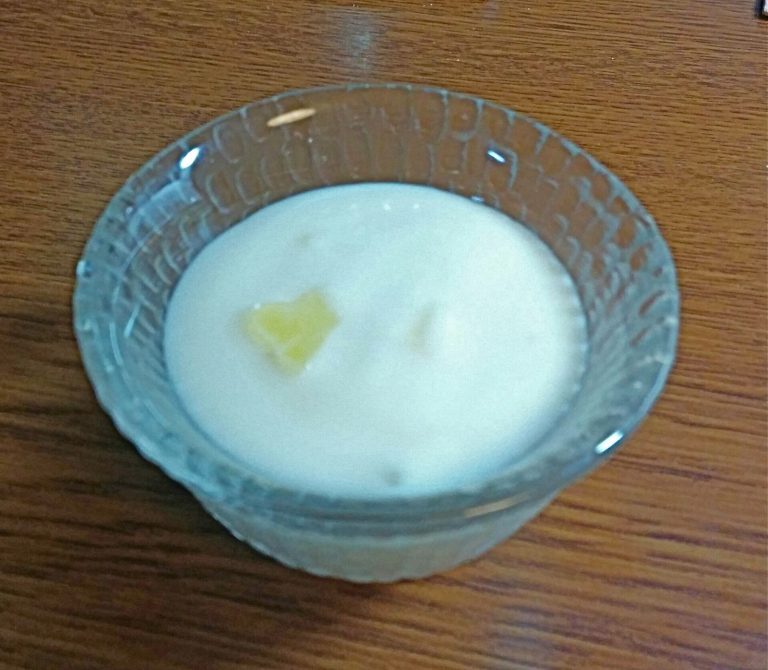
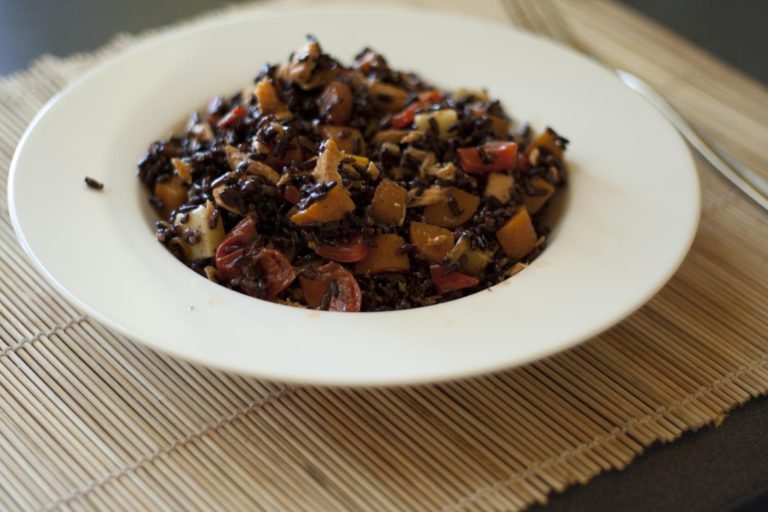
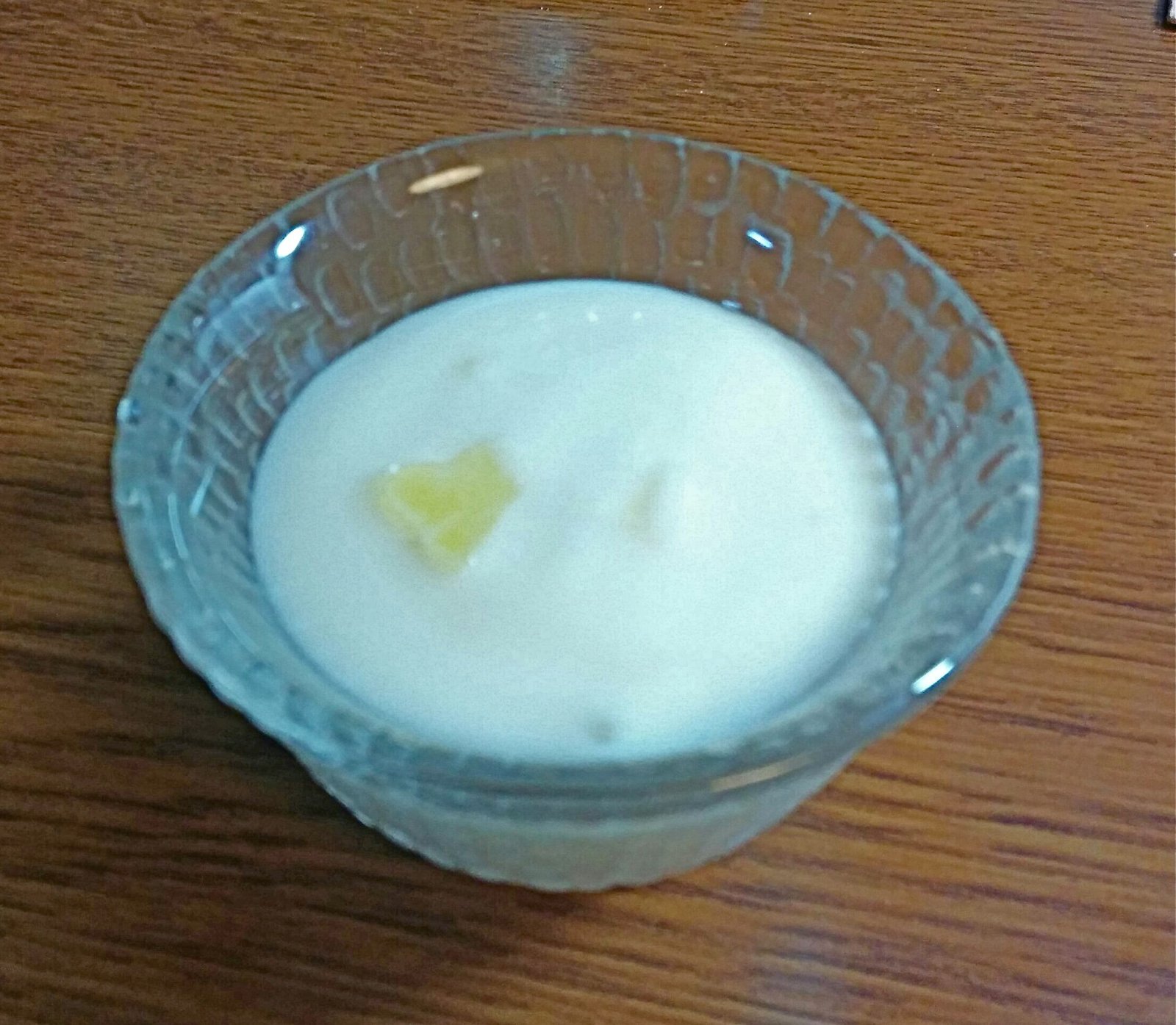
- – Yogurt, smoothies (not highly acidic if they sting), scrambled eggs, soft rice, well-cooked vegetables, ripe bananas.
- – Lukewarm soups instead of piping-hot broths.
Protein without sharp edges
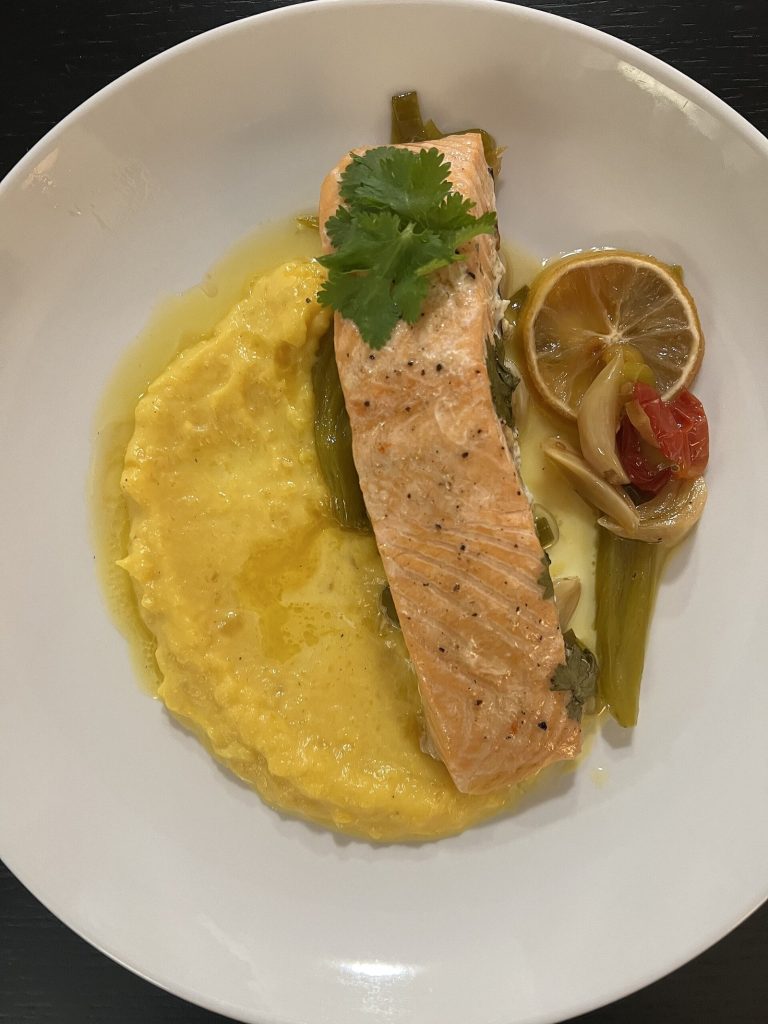
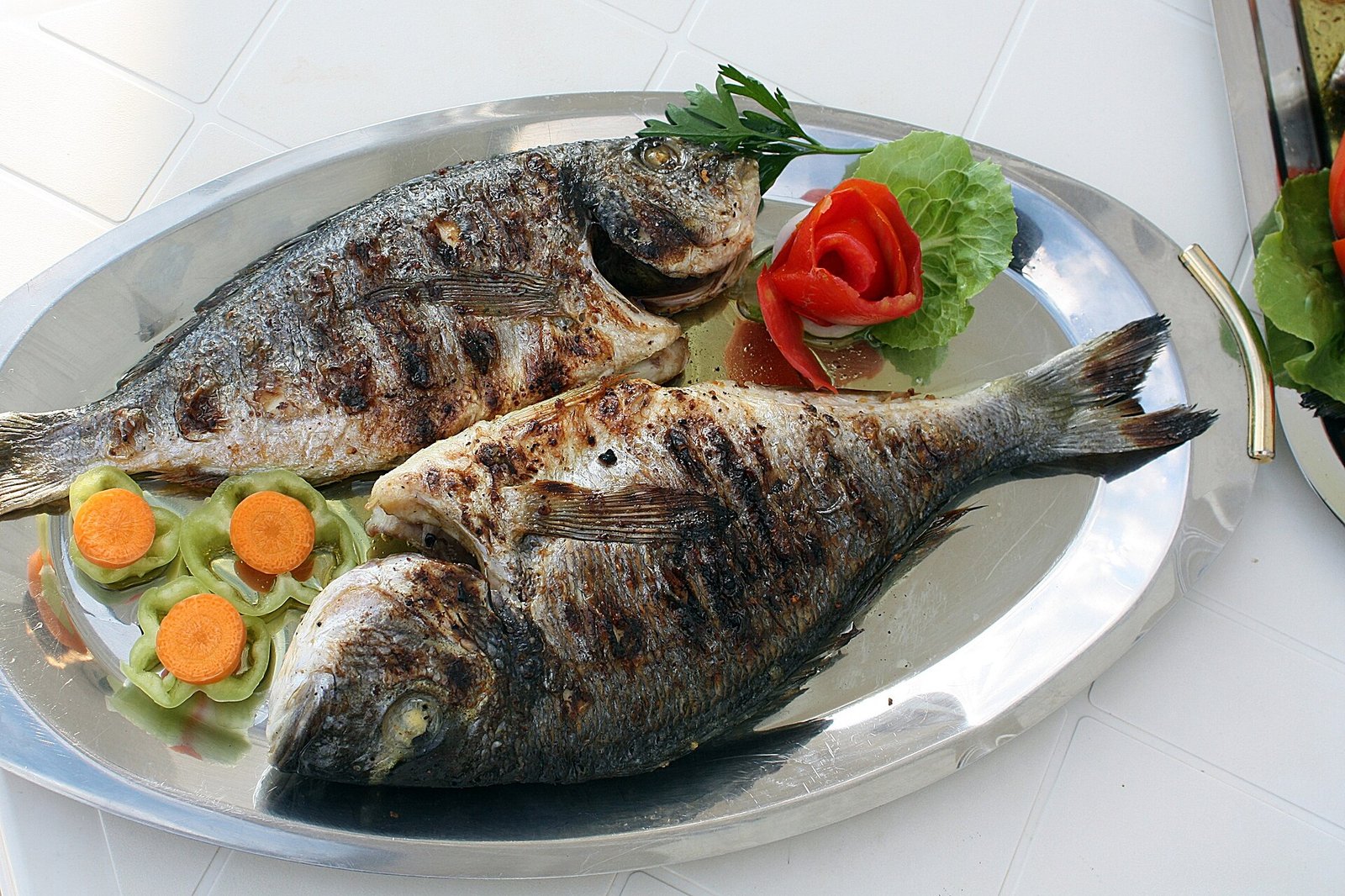
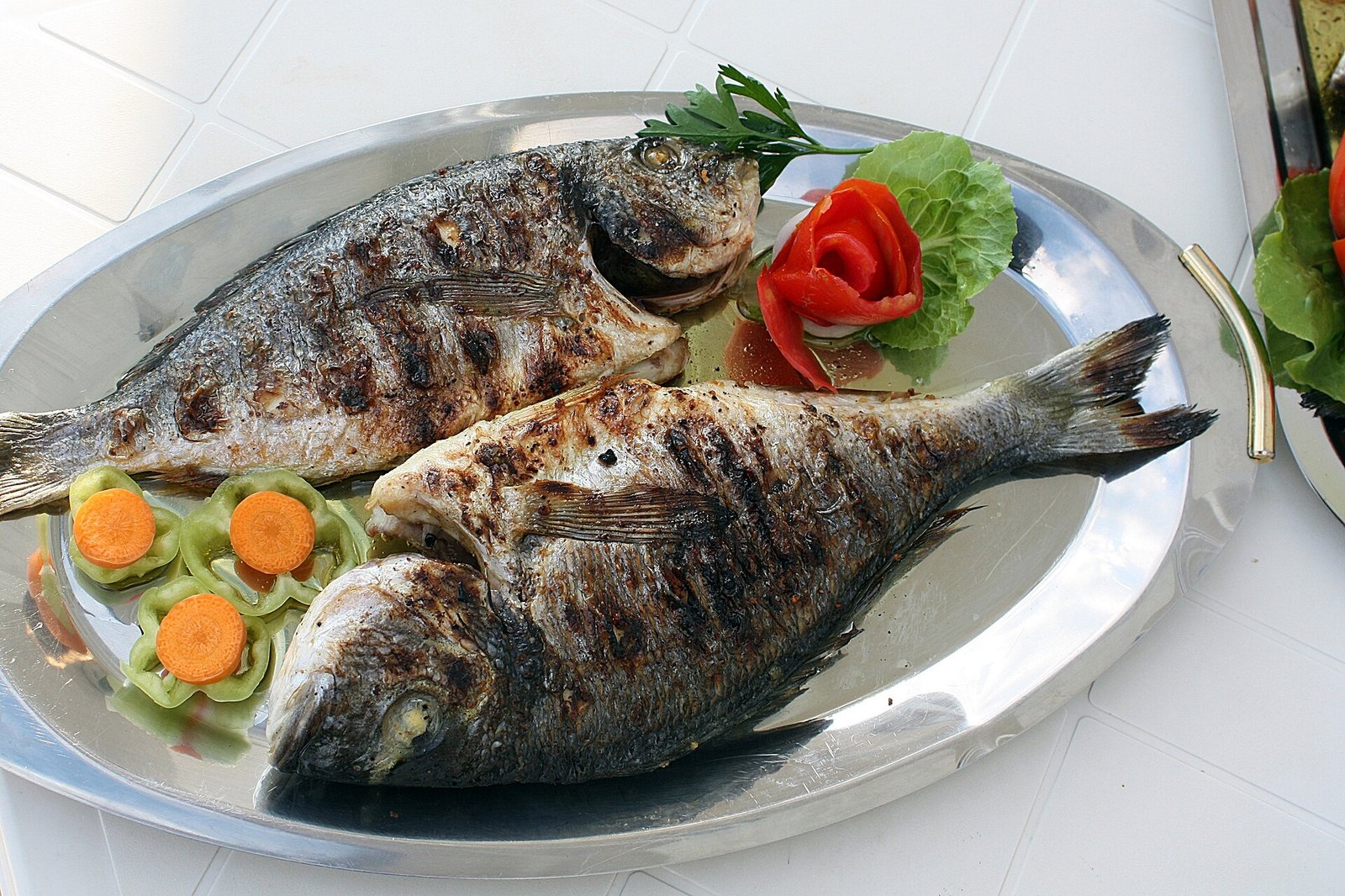
- – Soft fish, tofu, ground meats, cottage cheese or yogurt if tolerated—supporting intake when chewing hurts.
Hydration without sting
- – Water and mild rinses; be cautious with citrus juices and carbonated sodas if they burn.
Oral-care adjacency (not food, but relevant)
- – Follow clinician or label guidance for OTC protective pastes; avoid alcohol-heavy rinses that irritate.
Foods and drinks that often worsen the bigger picture
- – Hot and spicy foods while sores are active (pain triggers).
- – Sharp chips, hard crusts, and scratchy toast that mechanically aggravate lesions.
- – Highly acidic citrus, vinegar-heavy dressings, and alcohol if they sting your sores.
- – Alcohol-containing mouthwashes that can irritate (encyclopedia caution).
- – Extreme long-term elimination diets marketed as canker “cures” without a diagnosis workup.
“Limit” means reduce patterns that reliably worsen risk or symptoms—not lifelong perfectionism.
Practical kitchen protocol: turning guidance into a repeatable week
1. Keep medical care first
Use food as support beside prescribed care, monitoring, and follow-up—not as a reason to stop medicines or skip tests.
2. Build a plate template you can repeat
- – Breakfast: fiber-forward base (oats or whole-grain toast) plus protein (eggs, yogurt, or tofu) and fruit.
- – Lunch: vegetables first, then lean protein, then a measured carb side.
- – Dinner: baked/poached protein, large cooked vegetables, modest starch; finish eating early enough that sleep is not wrecked by reflux if that is a co-issue.
- – Snacks: planned yogurt, fruit, or a small handful of nuts—not continuous grazing.
- – Drinks: water and unsweetened tea/coffee as defaults; treat sugary drinks as occasional.
3. Shopping and prep that survive busy weeks
Keep frozen vegetables, canned fish, eggs, oats, beans, olive oil, and pre-washed greens visible. Batch-cook once or twice weekly. Use grocery lists on your phone so hunger does not rewrite the plan in the aisle.
4. Eating out and travel
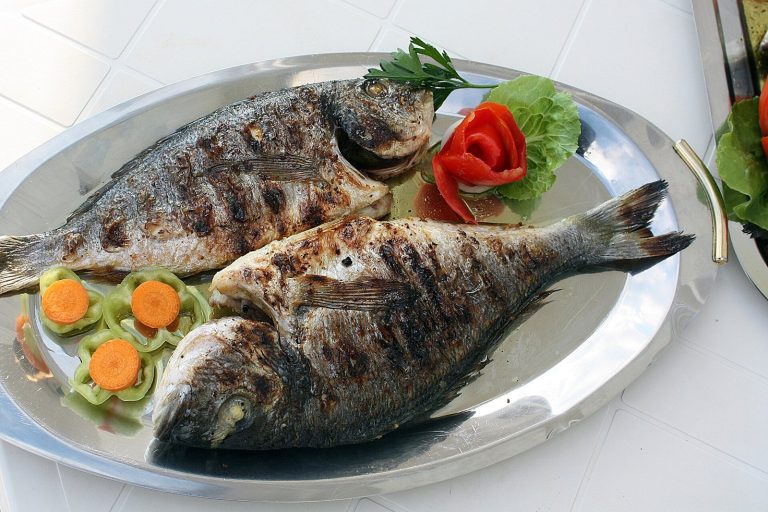
Choose grilled/baked over fried; sauce on the side; water instead of soda; box half of oversized portions. Pack a backup snack when schedules are chaotic so convenience foods are a choice, not a trap.
5. Two-week review
Keep rules that improve comfort or lab trends; drop fear-based bans that only add anxiety. Bring a short food-and-symptom (or food-and-reading) log to your clinician or dietitian.
6. Movement and sleep as multipliers
When your clinician clears activity, pair better plates with walking after meals and a steadier sleep window—diet rarely works in isolation.
Flare plate ideas
Morning: lukewarm oatmeal with banana. Midday: soft rice, flaked fish, cooked carrots. Evening: yogurt and scrambled eggs. Reintroduce crunchy and spicy foods after healing.
How this differs from related OTCFood topics
For other mouth-adjacent nutrition themes see periodontitis diet guide. For reflux patterns that sometimes coexist with oral irritation habits see GERD diet guide.
Safety, interactions, and when to get help
- – See a clinician for sores lasting longer than typical minor ulcers, very large ulcers, sores with fever, or difficulty swallowing/drinking.
- – Recurrent aphthous patterns may need evaluation for nutritional deficiencies or other systemic issues—do not self-diagnose from blogs.
- – Children with frequent oral ulcers need pediatric guidance.
- – Discuss any supplement marketed for “mouth ulcer cure” before use.
FAQ
Are canker sores contagious? Canker sores are not the same as contagious cold sores; see clinician materials for distinctions.
Will cutting out all acidic fruit prevent sores? Avoiding acid may reduce pain during an active sore; permanent extreme bans are not a proven cure from these public pages.
Can I use hydrogen peroxide mixtures from the internet? Encyclopedia mentions specific home-care mixtures some clinicians discuss—confirm safety with a professional before trying chemical rinses.
Longer kitchen landing section: make the pattern boring enough to keep
Staple list you can buy without thinking
Leafy greens, frozen mixed vegetables, carrots, onions (omit or use green tops only if they are a personal trigger for gut topics), oats, brown rice or potatoes, eggs, tofu, beans, lentils, plain yogurt or fortified soy yogurt, canned fish, olive oil, fruit that fits your plan, and measured nuts. Keep a backup shelf of shelf-stable proteins so busy nights do not default to fried takeout.
Cooking default methods
Steam, boil, stew, bake, air-fry with minimal oil, or quick stir-fry with measured oil. Save deep frying and heavy cream sauces for rare occasions. Season with herbs, vinegar, citrus (if tolerated), garlic/onion only when they fit your personal tolerance map, pepper, and modest salt unless your clinician set a tighter sodium target.
Portion and rhythm habits
Put vegetables on the plate first, then protein, then starch. Keep sugary drinks as exceptions. If evenings are when symptoms or glucose readings worsen, shift the larger meal earlier and keep dinner lighter. Chronic conditions that coexist (glucose, lipids, blood pressure, kidney disease) override generic blog rules—follow specialty targets.
“Hard day” simplified menu
Rice porridge or soft oatmeal, egg dishes, poached fish, stewed vegetables, ripe banana or cooked apple, yogurt if tolerated. When warning symptoms appear, seek care instead of “waiting it out with stricter restriction.”
Label reading without obsession
Scan the first ingredients for sugar and hydrogenated oils; check sodium on broths, breads, and sauces; prefer plain dairy or fortified alternatives over dessert yogurts when you are aiming for steadier patterns. Supplements are not an automatic fix for an incomplete grocery cart—labs and clinicians decide deficiencies.
Two-week retrospective
Keep the three rules that improved comfort or readings; delete the five bans that only increased anxiety. Bring the short list to your next appointment with your medicine list.
Weekly prep that keeps the plan alive
Batch a soup or stew on the weekend and freeze single portions. Hard-boil eggs for grab-and-go protein. Pre-cut vegetables or buy pre-washed bags when hand time is scarce. Put a reusable water bottle where you work. If occupational or caregiving stress spikes takeout frequency, keep a written “default order” (grilled protein, vegetables, water) so restaurant nights still roughly match your pattern. Revisit your grocery list monthly: drop items you never use, add two vegetables you actually enjoy, and keep one convenience healthy backup (frozen fish, canned beans) at all times.
Medical disclaimer
Medical disclaimer: This article is for general education only and is not medical advice, diagnosis, or a treatment plan. Individual care depends on your history, labs, medicines, and clinician guidance. Talk with your doctor or dietitian before major diet changes or supplements, and seek care for warning symptoms.