Functional Dyspepsia Diet: Foods That May Help and Foods to Limit
Medical note: This article discusses foods and researched botanicals. It does not claim to prevent, treat, or cure disease. Supplements are not a substitute for food, and studied amounts are not personal prescriptions.
Indigestion (dyspepsia) includes upper abdominal symptoms that may relate to several conditions; functional dyspepsia is diagnosed when symptoms persist without another explanatory disease finding on appropriate testing. NIDDK says doctors may recommend changes to what you eat and drink, and that some people with functional dyspepsia find certain foods or drinks lead to symptoms, including carbonated drinks, grain/wheat products for some people, caffeine, fruits/fruit juices for some, and fatty or greasy foods. Triggers differ person to person—so a food diary plus clinician guidance beats a copied internet ban list. Diet may ease symptoms; it does not replace evaluation for ulcers, H. pylori, or other causes when indicated.
What this functional dyspepsia diet guide covers (and what it does not)
This guide is for adults with clinician-discussed functional dyspepsia or general indigestion diet advice from NIDDK pages. It covers trigger identification, lower-fat cooking, caffeine and carbonation experiments, and when to seek care for alarm symptoms. It does not diagnose functional versus organic disease by itself.
Anchors: NIDDK — Indigestion (Dyspepsia), NIDDK — Eating, Diet, & Nutrition for Indigestion.
Evidence snapshot
| Claim people hope for | What public sources actually say | Confidence |
|---|---|---|
| “One universal dyspepsia diet exists” | NIDDK: different people find different foods worsen symptoms | Strong |
| “Fatty/greasy foods may trigger symptoms” | NIDDK lists fatty or greasy foods among possible triggers | Moderate |
| “Carbonation and caffeine can matter” | NIDDK lists carbonated drinks and caffeine-containing items among possible triggers | Moderate |
| “Supplements are automatically safe” | Talk with your doctor before supplements (NIDDK) | Strong |
| “Skip medical evaluation if you diet” | Alarm symptoms and ongoing pain need clinicians | Strong |
Foods and patterns that may help
Choose healthy foods and drinks (NIDDK)
Work with your clinician or dietitian on a healthy eating plan that still meets nutrient needs while you trial limits.
Lower-fat cooking methods
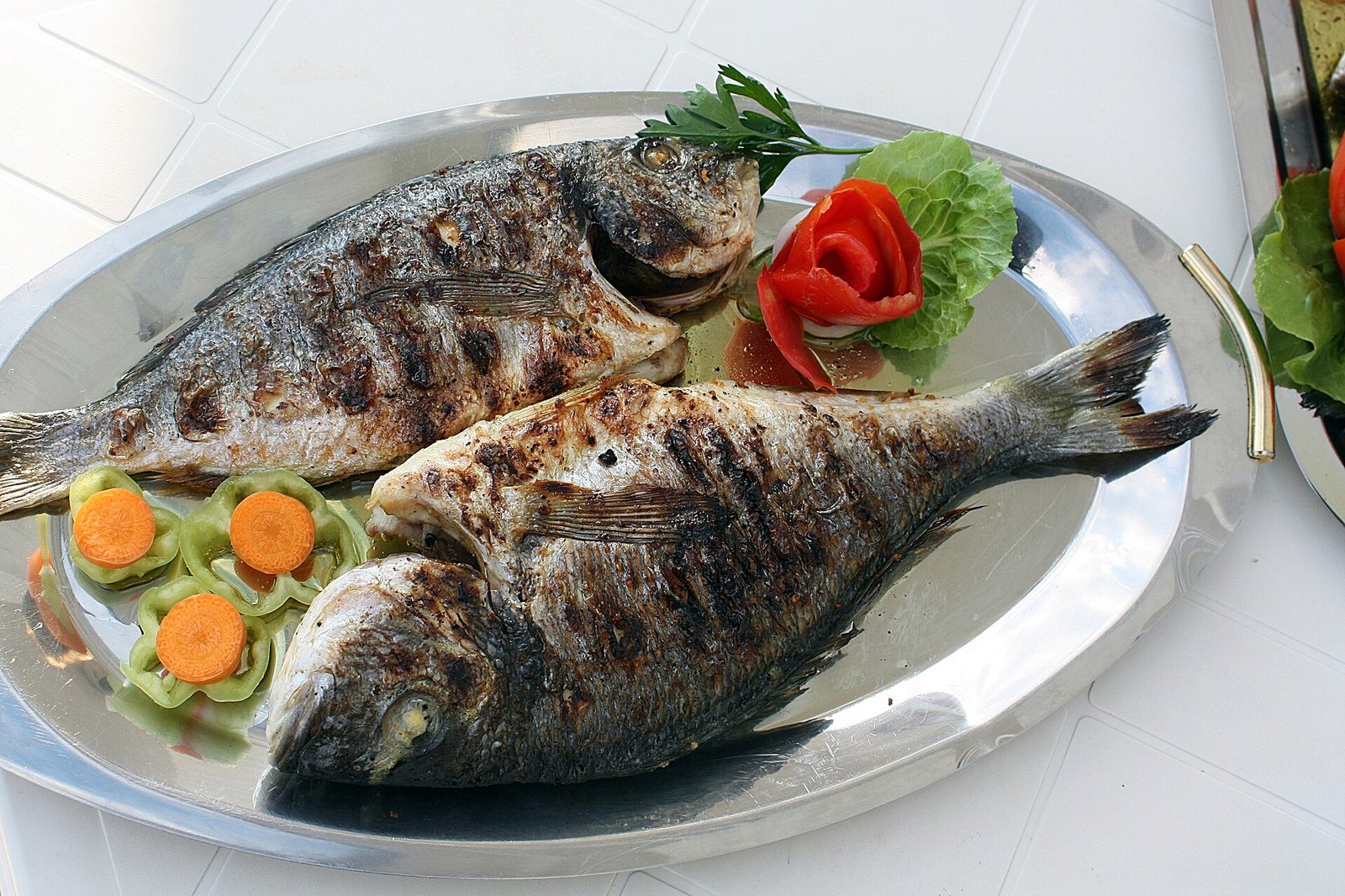
Bake, steam, grill, or stew instead of deep-frying when fatty meals trigger you.
Smaller, earlier evening meals
Many people feel better with moderate portions and not lying down immediately after eating—especially if reflux overlaps.
Personal trigger trials, one at a time
If carbonated drinks clearly worsen symptoms, reduce them for two weeks and reassess. Repeat for caffeine or greasy takeout—not all at once.
Gentle textures on bad days
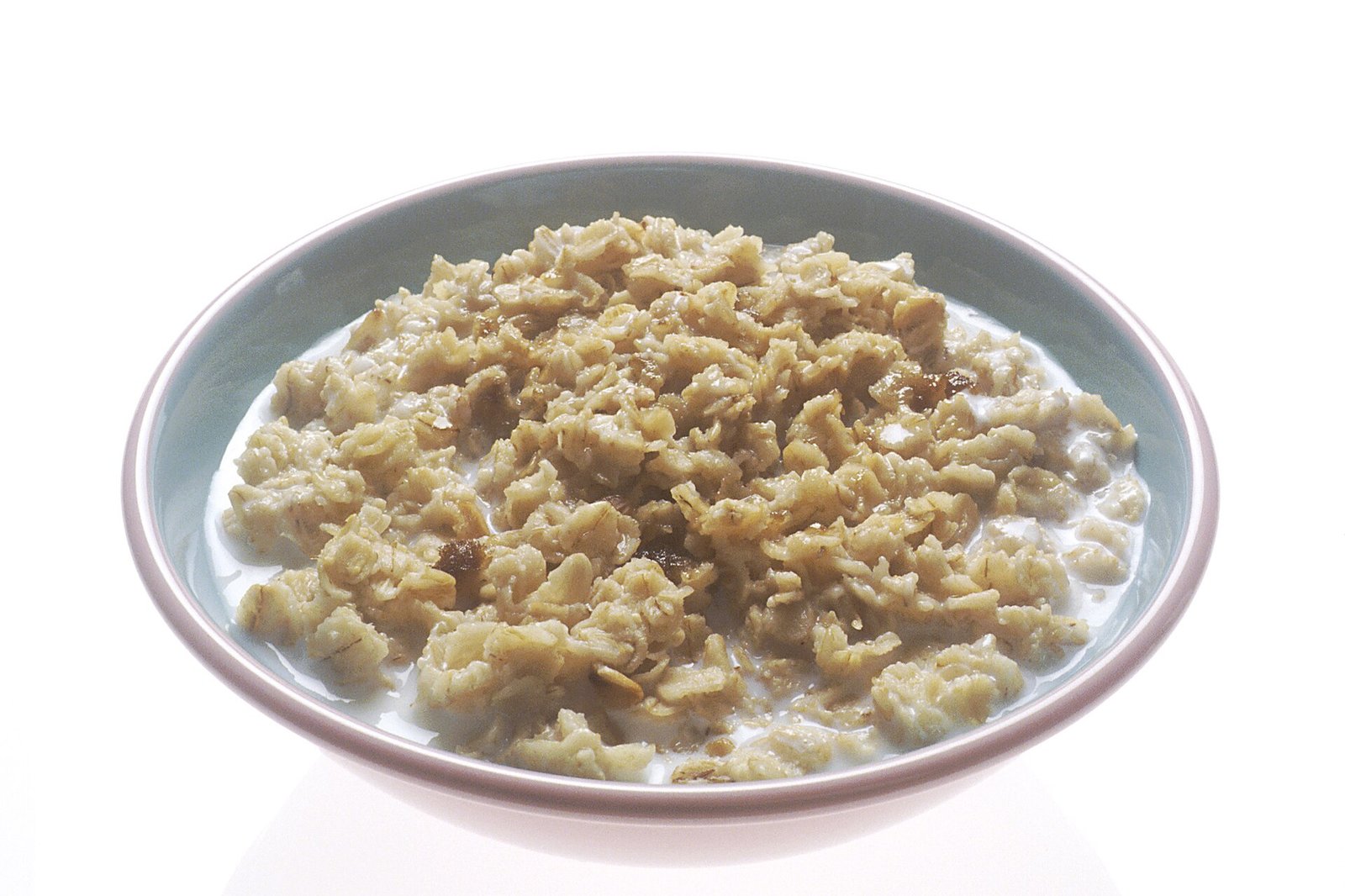
Oatmeal, bananas, yogurt if tolerated, soft rice, and lean proteins—without declaring them permanent medical cures.
Foods and drinks that may worsen symptoms (NIDDK examples)
- – Carbonated (fizzy) drinks
- – Grain and wheat products (for some people)
- – Foods and drinks with caffeine
- – Fruits and fruit juices (for some people)
- – Fatty or greasy foods
Keep a diary rather than permanent total elimination of entire groups without dietitian support.
Practical kitchen protocol
Sample day (if fats and fizz are your triggers)
- – Breakfast: oatmeal with banana.
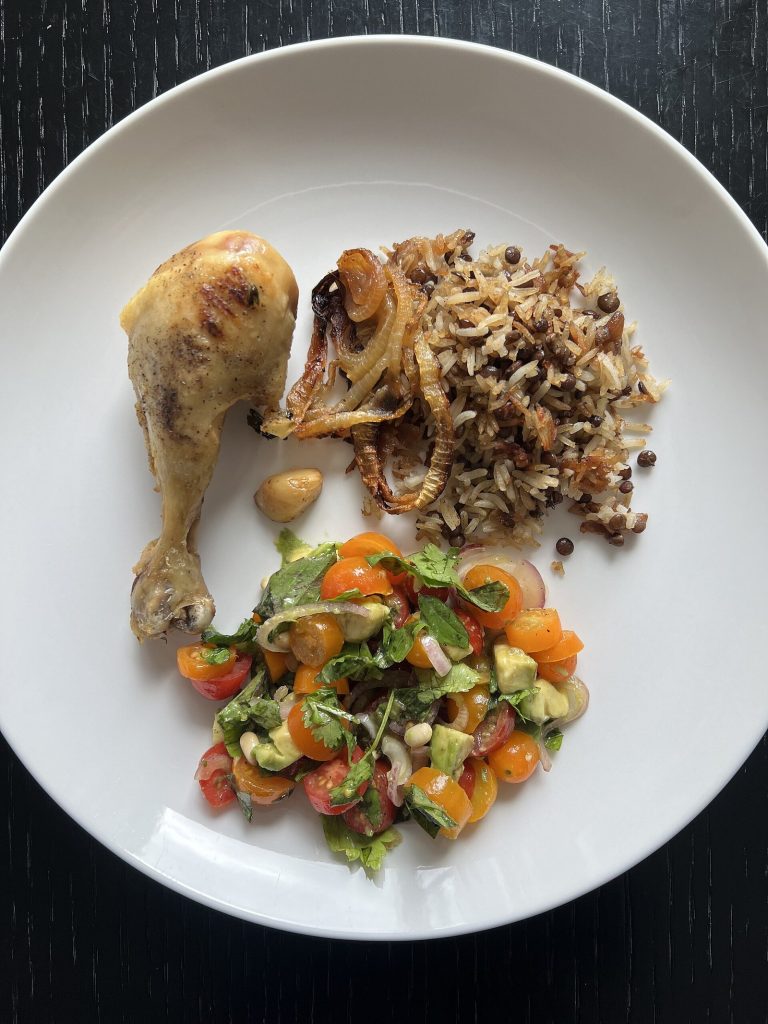
- – Lunch: baked chicken, rice, cooked carrots.
- – Snack: yogurt if tolerated.
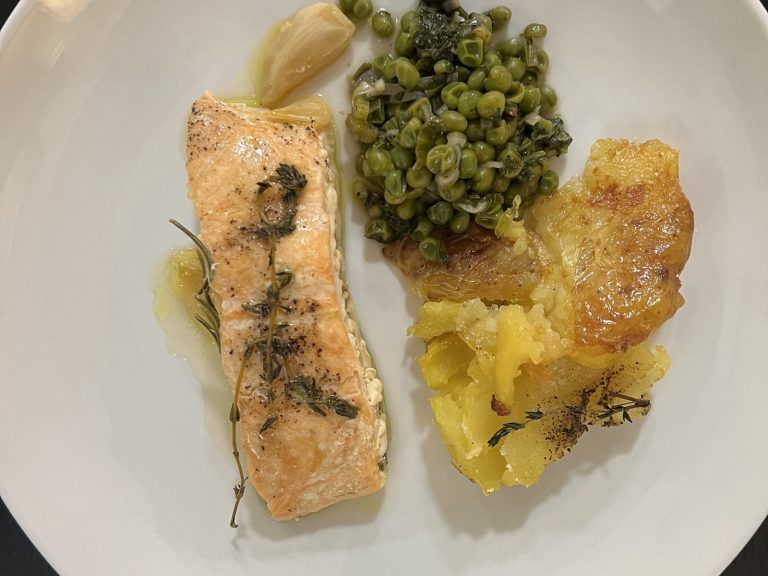
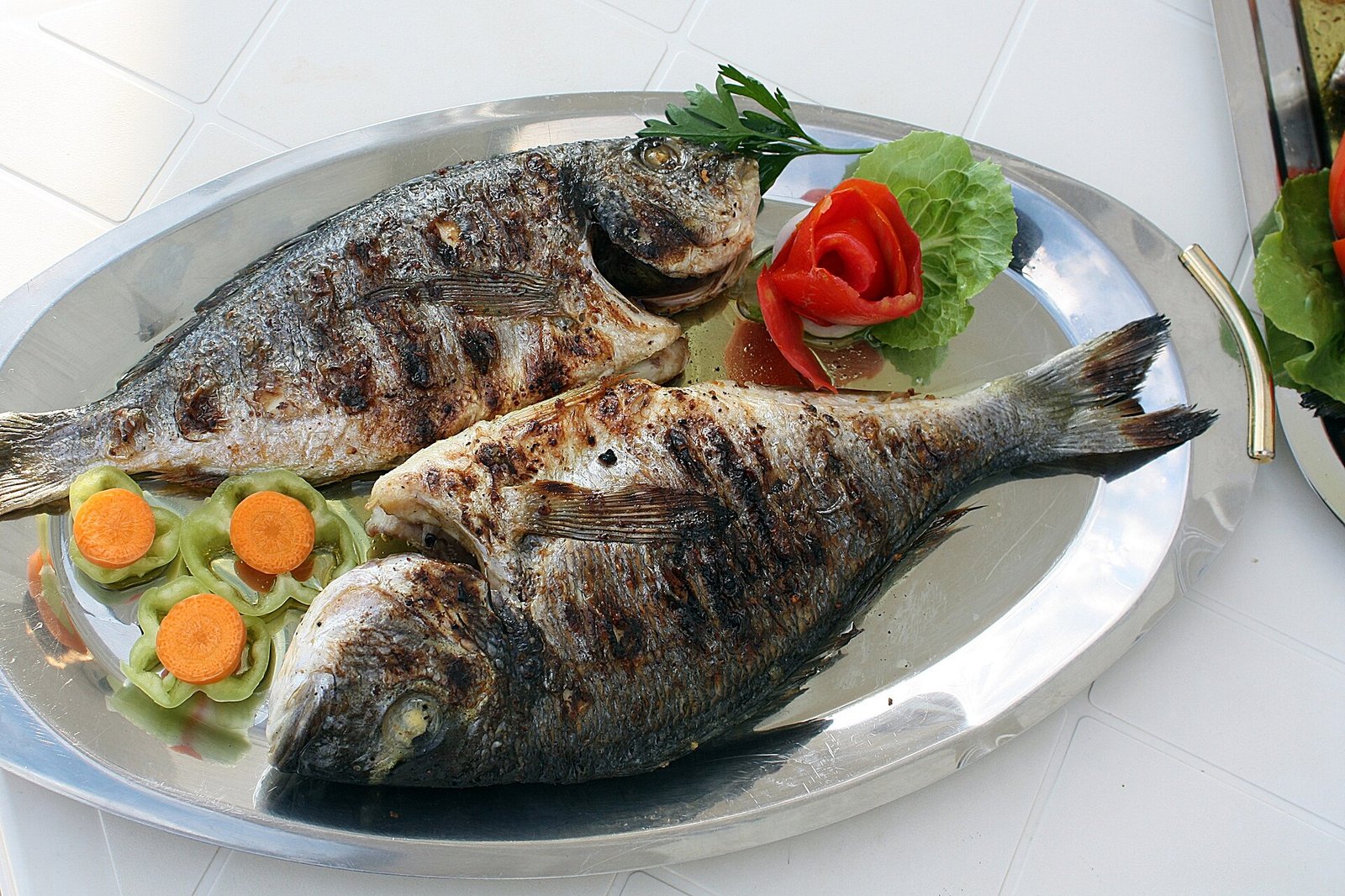
- – Dinner: steamed fish, potatoes, zucchini—earlier evening.
- – Drinks: still water; limit coffee/soda trials as planned.
Longer practical midsection: building a sustainable plate pattern
Make produce automatic
Keep washed greens, baby carrots, cherry tomatoes, and frozen mixed vegetables ready. Add a fist-sized produce serving to every lunch and dinner before you add seconds of starch. Fruit at breakfast and as a snack crowds out pastry grazing without a rigid ban. If chewing or prep is hard because of pain or fatigue, choose soft options: bananas, stewed apples, cooked carrots, blended soups with vegetables blended in.
Protein anchors three times daily
Eggs, yogurt, fish, poultry, tofu, tempeh, beans, and lentils keep meals satisfying. Aim for a palm-sized portion at main meals unless your clinician sets different targets for kidney disease or other conditions. Soft proteins help after dental work or when hands hurt: cottage cheese, canned salmon, scrambled eggs, hummus.
Carbohydrate quality over fear
Choose oats, brown rice, potatoes with skin, beans, and whole-grain bread more often than sugar-sweetened drinks and ultra-refined snacks. You do not need to eliminate all white rice or bread forever; pair them with protein and vegetables and watch portions if weight or triglycerides are goals.
Fats that earn their place
Cook with olive, canola, or other unsaturated oils in measured spoons. Include nuts and seeds in small handfuls. Limit deep-fried foods and large amounts of cream sauces when weight, reflux, or lipid goals matter. Read labels for partially hydrogenated oils and skip them when possible.
Flavor without chaos
Use lemon, herbs, garlic, ginger, vinegar, and spices to keep low-sodium or lower-fat cooking interesting. If spicy foods trigger reflux, rosacea flushing, or dyspepsia for you personally, keep a short trigger list instead of banning every spice globally.
Beverage strategy
Make water the default. Keep a bottle at your desk. Swap one sugary drink per day for sparkling water with citrus if that is a realistic step. Move caffeine earlier if sleep suffers. Keep alcohol within clinician limits—or zero when pancreatitis, high triglycerides, or pregnancy make that the safer plan.
Prep once, eat twice
Sunday or midweek, roast a tray of vegetables, cook a grain, and prepare a protein. Label containers with dates. Freeze soup in single portions. A visible fridge plan beats willpower at 8 p.m.
When symptoms flare
Use a simplified menu: soup, yogurt, eggs, ripe fruit, toast, and tea as tolerated. Resume the fuller pattern as symptoms ease. Contact your clinician if flares include red-flag symptoms listed in the safety section of this article.
Tracking without obsession
A three-column note—meal, portion, symptom—for two weeks teaches more than a month of guilt. Share it with your clinician or dietitian. Adjust one variable at a time (for example, late caffeine or fried lunches) so you know what mattered.
Safety and when to get help
Seek care for weight loss, bleeding, progressive vomiting, trouble swallowing, or persistent symptoms. NIDDK advises clinician guidance before supplements. Do not ignore ulcer or cardiac warning symptoms mistaken for “just indigestion.”
Weekly menu sketch (illustrative only)
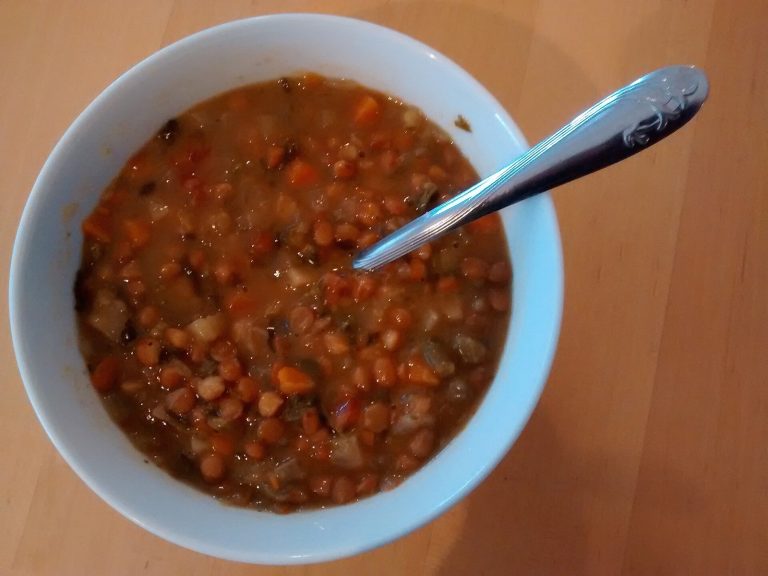
Day 1: Oats and berries; lentil soup; baked fish with vegetables. Day 2: Yogurt parfait; turkey or tofu wrap; bean chili. Day 3: Egg scramble with greens; quinoa bowl; chicken stew. Day 4: Fortified cereal and fruit; tuna salad; tofu stir-fry. Day 5: Peanut-butter toast and banana; vegetable pasta with beans; salmon and potatoes. Weekend: Batch soup; sheet-pan vegetables; leftover proteins; fruit-and-nut snacks. Adjust for allergies, culture, budget, and clinician rules.
Kitchen troubleshooting for real life
If mornings fail, keep shelf-stable backup breakfasts: fortified cereal, shelf-stable milk or soy milk, banana, and peanut butter. If evenings fail, use a slow cooker started at lunch. If budget is tight, prioritize eggs, beans, frozen vegetables, oats, and canned fish—these cover protein, fiber, and produce without specialty products. If cultural foods matter, adapt the pattern rather than abandoning home cuisine: switch frying to steaming more often, sweeten less, and keep beloved spices unless they personally trigger symptoms. Reheat leftovers to safe temperatures; when in doubt, throw food out rather than risk foodborne illness—especially relevant when stomach infection risk is part of your clinician’s hygiene advice.
FAQ
Is functional dyspepsia cured by diet? Diet may reduce symptoms; it is not a universal cure and evaluation still matters.
Which foods does NIDDK mention as possible triggers? Carbonated drinks, some grain/wheat products, caffeine, some fruits/juices, and fatty/greasy foods—individual responses vary.
Should I go gluten-free forever? Only if a clinician diagnoses a reason; wheat is listed as a possible personal trigger, not an automatic lifelong ban for everyone.
Can I use supplements for dyspepsia? Ask your doctor first (NIDDK).
How this differs from related OTCFood topics
This page focuses on functional dyspepsia trigger patterns. For reflux see GERD diet guide. For ulcer care context see peptic ulcer diet guide.
Medical disclaimer
Medical disclaimer: This article is for general education only and is not medical advice, diagnosis, or a treatment plan. Persistent indigestion needs clinical evaluation. Talk with your doctor or dietitian before major diet changes or supplements, and seek urgent care for alarming symptoms.