Menopause Diet: Foods That May Help and Foods to Limit
Medical note: This article discusses foods and researched botanicals. It does not claim to prevent, treat, or cure disease. Supplements are not a substitute for food, and studied amounts are not personal prescriptions.
People searching “menopause diet foods that help or worsen” usually want practical kitchen defaults for hot flashes, sleep, weight change, and bone health—not a claim that food replaces hormone therapy. The National Institute on Aging (NIA) describes menopause as a normal life stage, not a disease: periods stop for a full year, estrogen and progesterone fall, and symptoms such as hot flashes, night sweats, sleep trouble, mood shifts, and easier weight gain are common. NIA and NHS stress lifestyle steps (including what you eat and drink) that may help some symptoms; prescribed care remains the medical core when symptoms are severe.
What this menopause diet guide covers (and what it does not)
This guide is for adults in perimenopause, menopause, or postmenopause who want food patterns that support sleep, vasomotor comfort, bones, and heart-aware eating. Anchors: NIA — What Is Menopause?, NIA — Hot Flashes: What Can I Do?, NIA — Sleep Problems and Menopause, NHS — Menopause symptoms, and NIH ODS calcium and vitamin D consumer sheets.
NIA notes that after menopause, women are more vulnerable to heart disease, stroke, and osteoporosis—so a healthy diet, activity, and enough calcium and vitamin D matter for long-term health. Sudden heavy bleeding, bleeding after a year without periods, chest pain, or severe mood crisis needs clinical care—not a new “hormone smoothie.”
Evidence snapshot: menopause diet claims vs public sources
| Claim people hope for | What public sources actually say | Confidence |
|---|---|---|
| “A menopause diet stops hot flashes” | NIA: lifestyle changes (layer clothing, avoid alcohol/spicy foods/caffeine for some people, healthy weight, quit smoking) may improve hot flashes; medicines exist when lifestyle is not enough | Moderate for triggers; not a food cure |
| “Cutting caffeine fixes menopause sleep” | NIA sleep page: avoid caffeine late in the day; keep caffeine earlier; alcohol and large late meals can disrupt sleep | Moderate for sleep hygiene |
| “Calcium foods reverse bone loss” | NIA: get enough calcium and vitamin D for bone health after menopause; ODS: food first, supplements when diet/labs and clinician advise | Moderate that adequacy matters; dose is clinical |
| “Soy foods replace HRT” | Public education focuses on lifestyle and clinician-guided options; food does not replace prescribed hormone or nonhormone therapy | Strong: do not replace prescribed care |
| “Weight gain is inevitable so diet does not matter” | NIA: body uses energy differently and fat distribution changes; NHS: weight gain around the midsection is common—healthy eating and activity still matter | Moderate for supportive patterns |
Foods and patterns that may help with menopause day-to-day comfort
“May help” means kitchen defaults that support sleep, hot-flash triggers, bones, and weight-aware eating—not a promise to end menopause.
Sleep-friendly evening plate (NIA sleep guidance)
- – Finish larger meals earlier; NIA notes large meals close to bedtime can disrupt sleep.
- – Keep caffeine to earlier in the day; skip late coffee, tea, cola, and chocolate if they keep you awake.
- – Limit alcohol near bedtime—NIA links alcohol with poorer sleep quality even when it feels sedating at first.
- – Cool bedroom routines (fan, layered bedding, small cold water) pair with lighter evening snacks if night sweats wake you.
Hot-flash trigger awareness (NIA hot flashes)
- – For some people, alcohol, spicy foods, and caffeine make vasomotor symptoms worse—track your own triggers for two weeks before cutting entire food groups.
- – Maintain a healthy weight when possible; NIA notes women with overweight or obesity may have more frequent or severe hot flashes.
- – Quitting smoking supports overall health and may help hot-flash burden (NIA).
Bone- and heart-aware defaults (NIA + ODS)
- – Calcium-rich foods: low-fat or fat-free milk, yogurt, cheese; fortified plant milks; canned salmon with bones; tofu set with calcium; leafy greens—ODS lists food sources and life-stage needs.
- – Vitamin D: fatty fish, fortified milk/cereals, egg yolks, and clinician-guided supplements when diet and sun are not enough (ODS).
- – Vegetables, fruits, whole grains, and lean proteins as the daily base—the same pattern NIA recommends for staying healthy after menopause.
Steady energy and midlife weight change
- – Emphasize fiber-rich plants and adequate protein at meals to support satiety while calories are adjusted with a clinician or dietitian if weight is rising.
- – Prefer water and unsweetened drinks over sugar-sweetened beverages that add calories without fullness.
- – Keep meal timing regular; NHS notes sleep problems and fatigue can worsen mood—consistent eating can reduce late-night grazing.
Foods and habits that often worsen menopause kitchen patterns
- – Late caffeine and alcohol—NIA links both with sleep disruption and (for some) worse hot flashes.
- – Very spicy meals or large alcohol servings if your trigger log shows flares afterward.
- – Ultra-low-calorie crash diets—can worsen fatigue and nutrient gaps when bone and heart health need calcium, protein, and vitamin D.
- – Ignoring bleeding red flags—NHS: contact a GP for heavy or unexpected bleeding patterns; diet will not solve gynecologic bleeding.
- – Stopping prescribed HRT or nonhormone medicines for unproven “menopause detox” products—NIA describes clinician-guided options when lifestyle is not enough.
“Limit” means reduce frequency, retimed portions, or personal trigger caps—not that one meal ruins menopause transition.
Practical kitchen protocol: a menopause diet week
1. Run a two-week trigger and sleep log
Note hot flashes, night sweats, caffeine timing, alcohol, spicy meals, bedtime, and wake-ups. Keep foods that do not correlate; adjust only clear triggers.
2. Build a bone-support shopping list
Yogurt or fortified milk, canned salmon, tofu, kale or other greens, fortified cereal, eggs, beans, olive oil, berries, oats, and water-rich fruit for evening snacks that are lighter than a heavy dinner.
3. Default plate template
- – Half vegetables and fruit
- – Quarter whole grains or starchy vegetables
- – Quarter protein (fish, poultry, eggs, beans, tofu, or dairy)
- – Add a calcium source at least twice daily unless your clinician sets another plan
4. Sample day (illustrative)
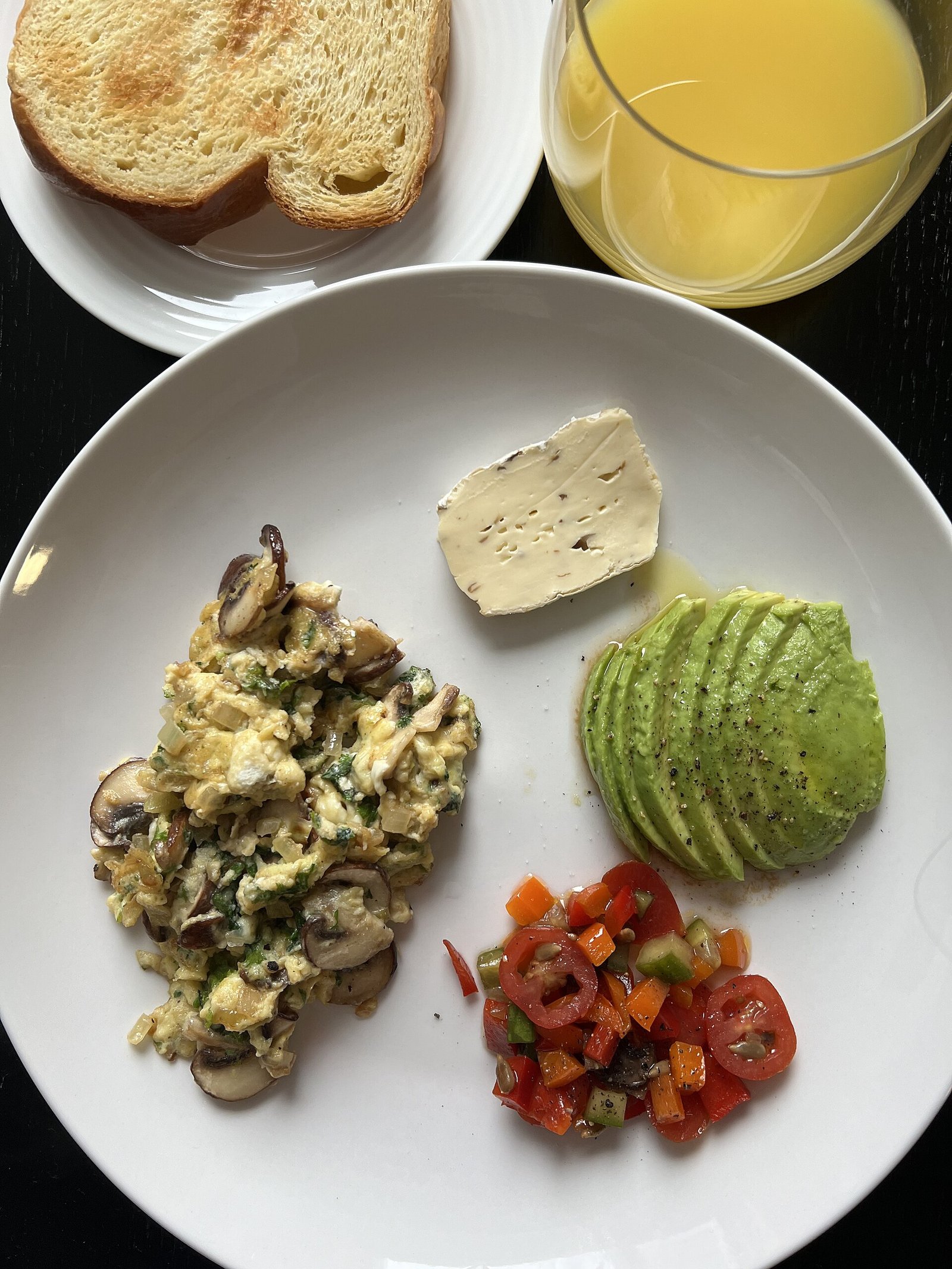
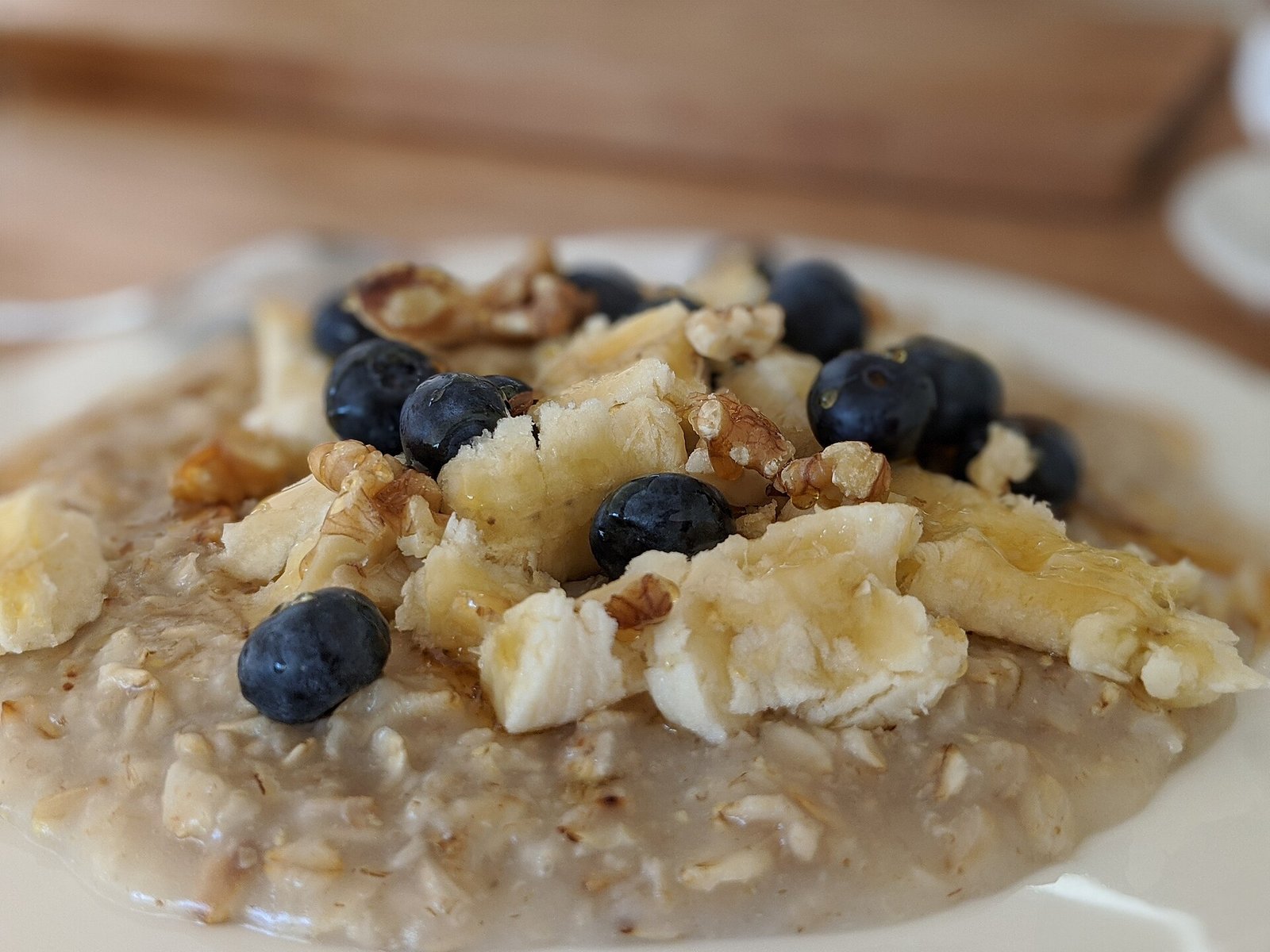
- – Breakfast: oatmeal with berries and a spoon of yogurt; coffee or tea only if earlier caffeine fits your sleep log.
- – Lunch: grain bowl with leafy greens, chickpeas or tuna, olive oil, and fruit.
- – Snack: fortified yogurt or a small handful of nuts.
- – Dinner (earlier evening): baked fish or tofu, vegetables, brown rice; skip late spicy takeout if night sweats are active.
- – Wind-down: water or herbal caffeine-free tea; cool bedroom setup per NIA.
5. Eating out
Ask for sauces and spice on the side; choose grilled proteins and vegetables; move caffeine to daytime; keep alcohol modest if hot flashes flare.
6. When sleep is the main complaint
Combine NIA sleep hygiene (consistent schedule, dark cool room, limited late screens) with earlier dinner and caffeine cutoffs—food alone rarely fixes menopause insomnia that needs clinical review.
Safety, interactions, and who should ask a clinician first
- – Hormone therapy, nonhormone prescription options, and vaginal estrogen decisions belong with a clinician—diet is supportive.
- – High-dose calcium or vitamin D supplements: discuss kidney stones, hypercalcemia risk, and labs (ODS).
- – NHS: seek care for bleeding after 12 months without a period, new severe palpitations, or symptoms that disrupt work and relationships.
- – Depression, anxiety, or suicidal thoughts need urgent mental-health care—not only dietary changes.
- – If you have osteoporosis, fracture history, or early menopause, ask about densitometry and medical therapy alongside food.
FAQ
Can a menopause diet reverse menopause? No. NIA states menopause is a normal life stage. Food patterns may help comfort, sleep hygiene, and long-term bone/heart habits alongside medical options when needed.
Should everyone avoid soy, caffeine, and spicy food? No. NIA lists alcohol, spicy foods, and caffeine as possible hot-flash triggers for some people. Use a personal log rather than permanent bans.
What should I eat for bones after menopause? NIA emphasizes a healthy diet with enough calcium and vitamin D. ODS details food sources; supplements are individualized.
Will losing weight stop hot flashes? NIA notes healthy weight may relate to frequency/severity for some women. Any weight plan should protect protein, calcium, and sleep—not crash dieting.
How this differs from related OTCFood topics
This page is a menopause-bound diet guide focused on hot-flash triggers, sleep timing, and postmenopause bone/heart defaults. It is not a general insomnia diet guide caffeine protocol, not an osteoporosis diet guide fracture-prevention dose guide, not a PMS diet guide luteal-phase plate map, and not a high blood pressure foods guide DASH clinic visit—though midlife often overlaps those kitchen problems.
Medical disclaimer
Medical disclaimer: This article is for general information only. It is not medical advice, diagnosis, or a treatment plan. Menopause care depends on your symptoms, bleeding pattern, bone density, cardiovascular risk, and medicines. Talk with a clinician or registered dietitian before starting, stopping, or changing any eating plan, supplement, or hormone therapy. Seek urgent care for heavy unexpected bleeding, chest pain, fainting, or severe mood crisis.