Fever Recovery Diet During Russia Plague News: Supportive Foods (Not a Cure)
Medical note: This article discusses foods and researched botanicals. It does not claim to prevent, treat, or cure disease. Supplements are not a substitute for food, and studied amounts are not personal prescriptions.
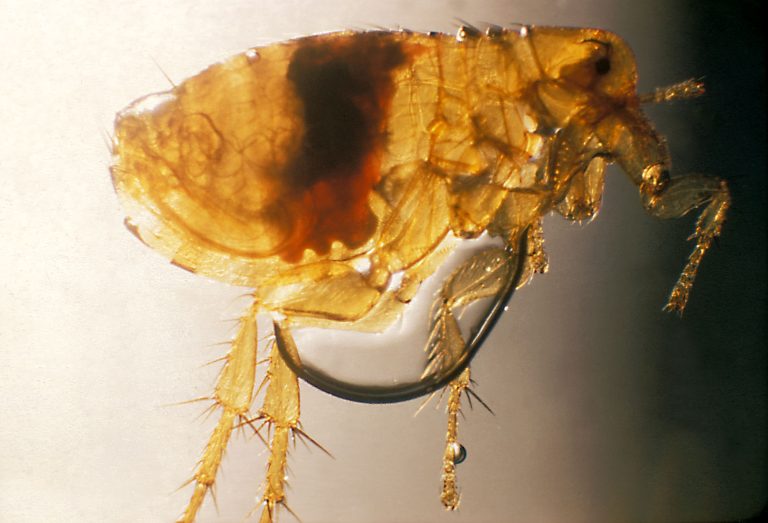
When “Russia plague” dominates headlines, many people search for what to eat if they feel feverish—or what family members should cook during any febrile illness. This guide covers general supportive eating often described for adults recovering from feverish viral or bacterial illnesses. It may help comfort and hydration. It does not treat, cure, or prevent plague, pneumonia, or any infectious disease. Suspected plague or severe pneumonia needs immediate medical care and clinician-prescribed antibiotics, not a special menu.
What this article is for
- – Kitchen ideas when appetite is low during ordinary fever recovery (flu-like days, post-viral fatigue), grounded in common clinical nutrition themes: fluids, easy-to-digest energy, and gradual return to normal meals.
- – Emotional context: news about Irkutsk / Russia plague can raise anxiety; eating well does not change pathogen risk, but skipping food and fluids can worsen dehydration.
It is not a plague diet, not post-exposure prophylaxis, and not advice to delay ER care.
Evidence snapshot: fever food claims vs reality
| Claim people hope for | What responsible sources support | Confidence |
|---|---|---|
| “Chicken soup cures infection” | Warm fluids and broths may help hydration and comfort; they do not eradicate Yersinia pestis or replace antibiotics | Low for “cure”; moderate for comfort/hydration |
| “Starve a fever” | Modern practice favors adequate fluids and calories as tolerated, not prolonged starvation | Moderate for avoiding forced fasting |
| “Only herbal teas for Russia plague protection” | No kitchen herb is an approved plague treatment; WHO/CDC treatment pathway is medical | Do not rely on herbs |
| “Force large high-fat meals when nauseated” | During acute fever, light, small, frequent meals are often better tolerated | Moderate practical consensus |
| “Sports drinks alone replace medical care for pneumonia” | Oral rehydration helps mild dehydration; severe respiratory illness still needs clinical assessment | High for “seek care if severe” |
Public anchors for plague treatment reality: WHO Plague, CDC plague causes/spread. General fever-care food themes align with everyday sick-day nutrition teaching (fluids, rest, gradual diet)—ask your clinician for personal limits (diabetes, kidney disease, swallowing risk).
Patterns that may help comfort during febrile recovery
“May help” = support hydration and energy while you heal under medical advice—not anti-plague therapy.
- – Fluids first: water, oral rehydration solutions if advised, clear broths, diluted juice, warm caffeine-free teas. Fever increases fluid loss.
- – Easy energy: rice porridge, oatmeal, toast, bananas, applesauce, plain crackers—small portions every few hours if full meals feel impossible.
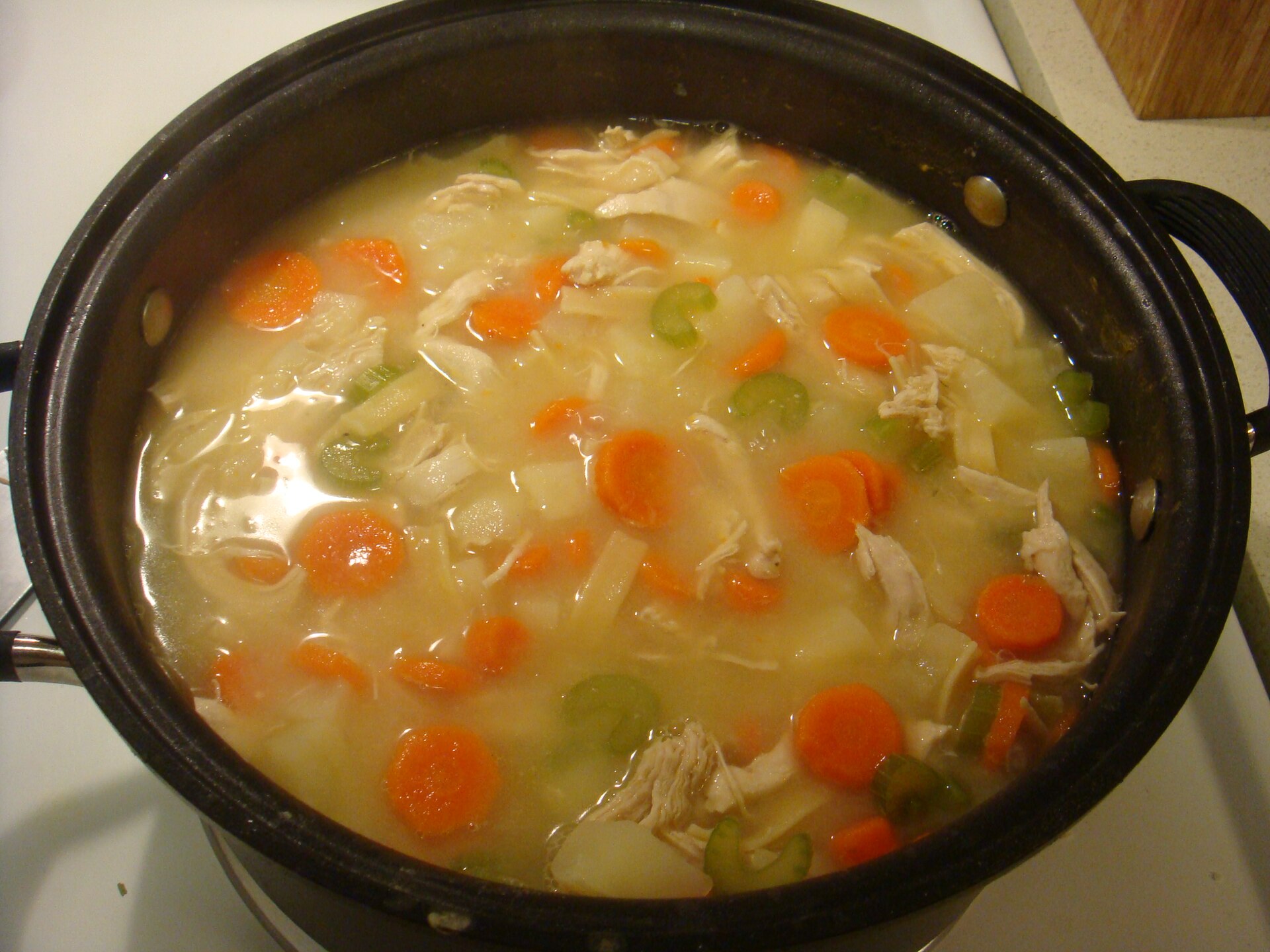
- – Broth-based soups: chicken or vegetable soup with soft noodles/rice; salt as appropriate unless you are on a sodium-restricted plan.
- – Protein as tolerated: soft eggs, yogurt if dairy is tolerated, tofu, shredded chicken in soup—helps recovery calories without heavy frying.
- – Vitamin C–rich fruit when appetite returns: oranges, kiwi, berries—as food, not megadose “plague preventers.”
- – Rest and temperature control: food works better when you are not forcing workouts; follow fever and medication guidance from your clinician.
Related reading on kitchen tonics (comfort only): [[INTERNAL: russia-plague-travel-food-safety]].
Habits and foods that often worsen feeling sick
- – Alcohol while febrile or on medicines—dehydrating and interactive.
- – Very greasy, spicy, or huge meals when nauseated—often trigger vomiting.
- – Only sugary soda with no water—can worsen dehydration sensation for some people.
- – Herbal “antibiotic” megadoses marketed online during Russia plague news—delay real care.
- – Skipping prescribed antibiotics because soup “worked yesterday.”
- – Unpasteurized dairy or undercooked animal products if your clinician flagged infection risk for other reasons—general food safety still applies.
Practical kitchen protocol: a gentle fever-recovery day

1. Morning
Warm water or weak tea; a few bites of toast or rice porridge; check temperature as your clinician advised.
2. Midday
Broth-based soup; soft vegetables if tolerated; water between sips. Stop if short of breath worsens—seek care.
3. Afternoon
Yogurt or banana if appetite exists; oral rehydration if you have had vomiting/diarrhea and your clinician said it is appropriate.
4. Evening
Small portion of rice + shredded chicken or tofu; fruit. No alcohol. Medications exactly as prescribed.
5. Shopping list (comfort pantry)
Oral rehydration packets (clinician-approved), shelf-stable broth, rice, oats, bananas, oranges, plain crackers, eggs, yogurt.
6. Red flags—food is not enough
Difficulty breathing, chest pain, confusion, persistent high fever, bloody sputum, inability to keep fluids down, or any plague-exposure concern named by public health → emergency care now.
Sample one-day menu (illustrative only)
This sample is for an adult with mild feverish illness who can swallow safely and has no red-flag breathing problems. It is not a Russia plague protocol.
- – Breakfast: 1 cup warm water or weak ginger-free herbal tea if you like the taste; ½–1 cup rice porridge or oatmeal; 2–3 crackers if still hungry.
- – Snack: a few sips of oral rehydration solution if your clinician recommended it; otherwise water.
- – Lunch: 1 bowl clear chicken or vegetable broth with soft noodles; small side of stewed apple or banana.
- – Snack: yogurt (if lactose-tolerant) or a few orange segments.
- – Dinner: soft rice + shredded chicken or silken tofu; steamed carrot if tolerated; water.
- – Evening: warm water; prescribed medicines on schedule; early sleep.
If nausea dominates, shrink portions further and prioritize fluids. If you cannot keep liquids down for 12 hours, call a clinician.
How this intersects with Russia plague anxiety (without feeding myths)
Searching “Russia plague what to eat” often mixes two needs: (1) fear of a rare bacterial disease, and (2) ordinary fever-kitchen questions. Keep them separate.
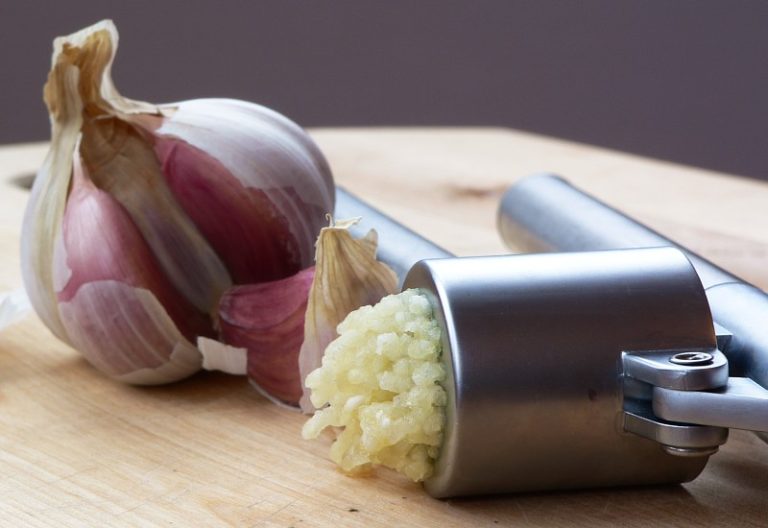
- – Fear channel: Read WHO/CDC updates; ignore garlic-cure videos; know that confirmed pneumonic plague is treated in hospitals with antibiotics and infection-control measures—not soup.
- – Kitchen channel: Use the supportive pattern above for garden-variety febrile days your clinician already cleared as non-emergency.
- – Family channel: Do not force children to finish fatty “immunity feasts.” Offer fluids and familiar soft foods; escalate care early for pediatric fever rules your pediatrician gave you.
For plague biology and news literacy, see Russia plague news explained: what plague is and how it spreads. For myth busting on herbs, see garlic and herbs do not treat plague.
Workplace and caregiving notes
If you are caring for someone with fever at home after ordinary viral illness:
- 1. Wash hands before preparing their tray.
- 2. Use separate cups if they have a contagious respiratory virus your clinician named—follow that specific guidance.
- 3. Do not announce “this broth prevents plague” to relatives; that spreads harmful misinformation during Russia news cycles.
- 4. Keep a written list of medicines and allergies for any ER visit.
- 5. Ventilate rooms as local public-health guidance suggests for respiratory seasons—again, general hygiene, not a DIY plague unit.
Safety, interactions, and who should ask first

People with diabetes, heart failure, chronic kidney disease, swallowing disorders, or who take warfarin/other interacting drugs need individualized fluid and food plans. Children, pregnant people, and older adults dehydrate faster—call a clinician early. Again: no diet treats plague.
Disclaimer
Educational content only. OTCFood does not provide medical diagnosis. Russia plague headlines do not mean your fever is plague. When in doubt, get examined.
Sources
- – WHO Plague fact sheet; CDC plague transmission pages (treatment is medical, early antibiotics).
- – General sick-day nutrition principles used in public patient education (fluids, light meals, gradual diet)—confirm personal advice with your clinician.
Medical disclaimer: Educational food/travel-health content only. Does not diagnose or treat plague. Seek emergency care for severe illness or suspected exposure.