Diet After Gallbladder Removal (Cholecystectomy): Foods That May Help and Foods to Limit
Medical note: This article discusses foods and researched botanicals. It does not claim to prevent, treat, or cure disease. Supplements are not a substitute for food, and studied amounts are not personal prescriptions.
People searching “diet after cholecystectomy foods that may help or worsen” usually want a post–gallbladder-removal grocery plan that limits greasy gut shocks while they heal—not a claim that food rebuilds a gallbladder or replaces wound care. MedlinePlus explains that the gallbladder stores bile used to digest fats; after removal, bile still reaches the intestine by other routes, and most people live well without a gallbladder. NHS recovery guidance is direct: eat a normal, healthy diet, and small meals may be easier for the first few days. NIDDK’s gallstone nutrition page still offers kitchen defaults many surgeons echo after surgery: more fiber, healthy fats such as olive oil and fish oil patterns, and fewer fried fats, refined carbohydrates, and sugars.
What this after-cholecystectomy diet guide covers (and what it does not)
This guide is for adults recovering from laparoscopic or open cholecystectomy and for cooks supporting them at home. Anchors: NHS — Recovering from gallbladder removal, NHS — Complications of gallbladder removal, MedlinePlus — Laparoscopic gallbladder removal, MedlinePlus — Open gallbladder removal, NIDDK — Gallstones, and NIDDK — Eating, Diet, & Nutrition for Gallstones.
NHS urgent advice after surgery includes severe or worsening pain, wound pus or spreading redness, jaundice, leg swelling/pain, or high fever/chills—contact urgent care as directed. Kitchen changes do not treat bile leaks, retained stones, or wound infection. Related reading: gallbladder removal diet guide and gallstones diet guide.
Evidence snapshot: after-cholecystectomy diet claims vs public sources
| Claim people hope for | What public sources actually say | Confidence |
|---|---|---|
| “You must stay on a lifelong fat-free diet” | NHS: return to a normal, healthy diet; small meals may be easier early on—not a permanent zero-fat mandate | Strong against extreme lifelong fat-free myths |
| “Fiber and healthier fats matter” | NIDDK (gallstone nutrition): more fiber (fruits, vegetables, beans, peas, whole grains); healthy fats such as fish oil and olive oil; avoid unhealthy fats in desserts and fried foods | Moderate as a sensible pattern many people use after surgery too |
| “Smaller meals help early recovery” | NHS recovery: small meals may be easier for the first few days | Moderate–strong for the early weeks |
| “Diarrhea after surgery means surgery failed” | NHS: nausea, indigestion, tummy pain, or diarrhea can occur (sometimes called post-cholecystectomy syndrome); usually improves, but contact GP/care team if it continues | Moderate that symptoms can be temporary |
| “Diet prevents all bile-duct problems” | NHS lists rare complications (bile leak, retained stones, duct injury) that need medical care, not groceries | Strong that diet is not the treatment for surgical complications |
Foods and patterns that may help after cholecystectomy day to day
“May help” means easing digestion while bile delivery is continuous rather than stored—not a guarantee of zero symptoms.
Early days (NHS-focused)
- – Smaller, more frequent meals instead of three very large plates for the first few days.
- – Soft, familiar foods you tolerate while pain medicines settle.
- – Steady fluids unless your surgeon gave different instructions.
- – Build back toward a normal healthy diet rather than fear-based lifelong restriction.
Fiber-forward patterns (NIDDK framing adapted to recovery)
- – Fruits, vegetables, beans, peas, and whole grains (brown rice, oats, whole-wheat bread) as fiber sources NIDDK highlights in gallstone nutrition guidance.
- – Increase fiber gradually if gas is an issue; pair with fluids. Overlap themes appear in constipation diet guide.
Healthier fat choices instead of fried stacks
- – Olive oil and fish as everyday fat patterns NIDDK lists among “healthy fats.”
- – Bake, steam, grill, or simmer rather than deep-fry when reintroducing richer foods.
- – If a fatty restaurant meal triggers urgent diarrhea, note it and return to smaller, lower-fat plates for a few days—individual tolerance varies.
Protein and recovery fueling
- – Eggs, yogurt, tender fish, poultry, tofu, or beans as energy returns—general recovery fueling without claiming tissue “rebuild” magic.
Foods and habits that often worsen after-cholecystectomy kitchen patterns
- – Large, greasy fried meals right after surgery when NHS still suggests small meals may be easier.
- – Ultra-processed dessert and fried-fat patterns NIDDK flags as “unhealthy fats” in gallstone nutrition guidance.
- – Very low-calorie crash diets after surgery—NIDDK notes rapid weight loss can raise gallstone risk in other contexts; after cholecystectomy, crash diets mainly undermine recovery energy.
- – Alcohol binges that dehydrate and may worsen indigestion while pain medicines are in play.
- – Expecting kitchen changes to fix jaundice, severe pain, wound pus, or leg swelling—those are NHS red flags for infection, clot, or bile problems.
- – Ignoring lifting and activity limits while hauling giant water jugs “for hydration.”
“Limit” means reducing greasy overload and constipation risk—not that one creamy soup defines surgical success.
Practical kitchen protocol: an after-cholecystectomy diet week
1. Keep the medical spine first
Confirm wound care, pain-medicine schedule, activity/lifting limits, and when to call for fever, jaundice, or wound changes. Put NHS-style urgent symptoms on the fridge.
2. Shopping list for comfortable post-cholecystectomy meals
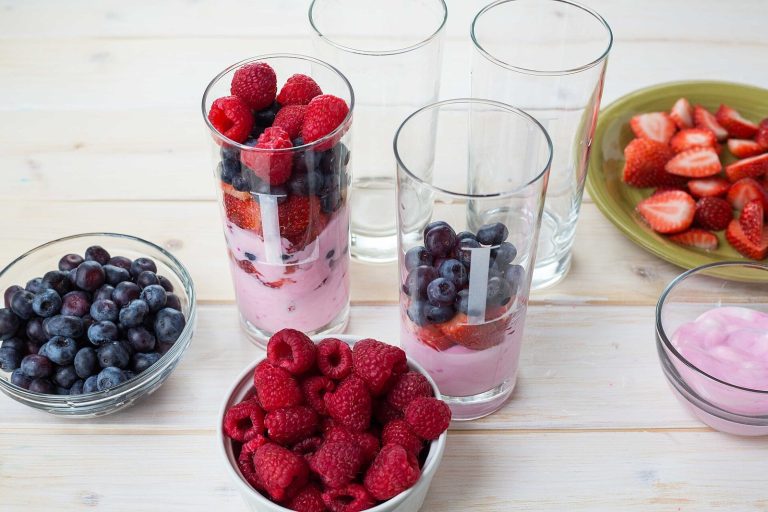
Oats; whole-grain bread; pears, berries, soft cooked vegetables; beans or lentils; olive oil; fish; eggs; yogurt; tender poultry; broth-based soups; oral fluids you will actually drink.
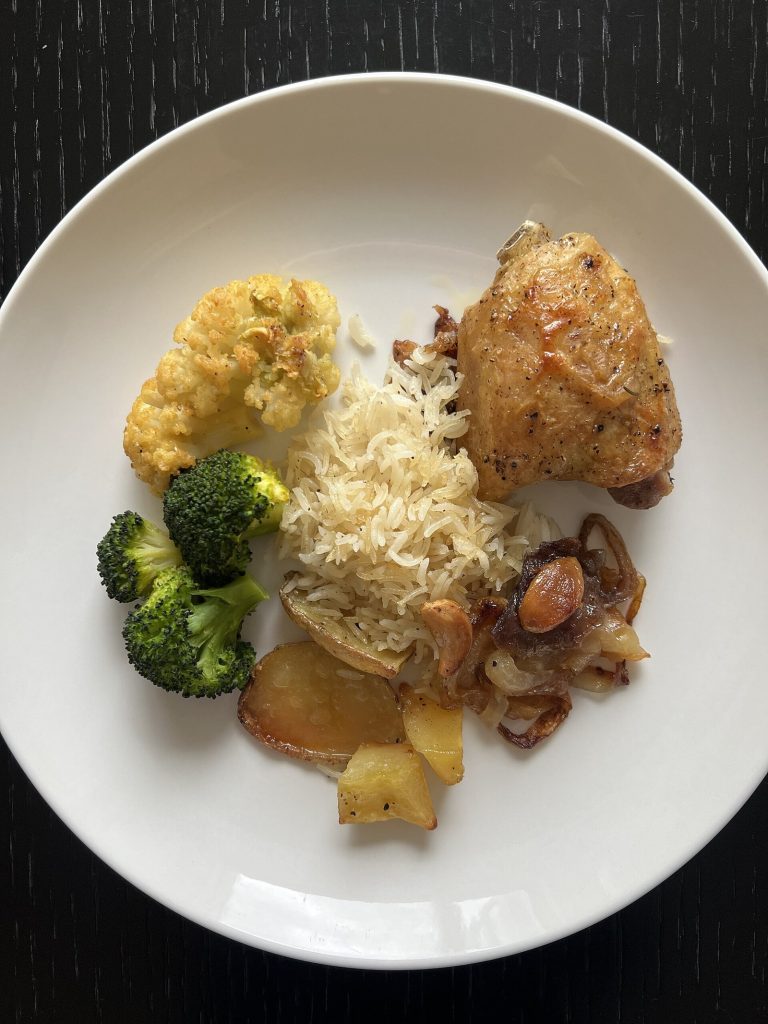
3. Default plate template (after the first few days)
- – Modest lean protein
- – Fiber-containing carbohydrate (oats, beans, potato, whole grain as tolerated)
- – Vegetables/fruit
- – A measured amount of healthier fat (olive oil drizzle) rather than a deep-fried side
4. Sample day (illustrative once small meals feel manageable)
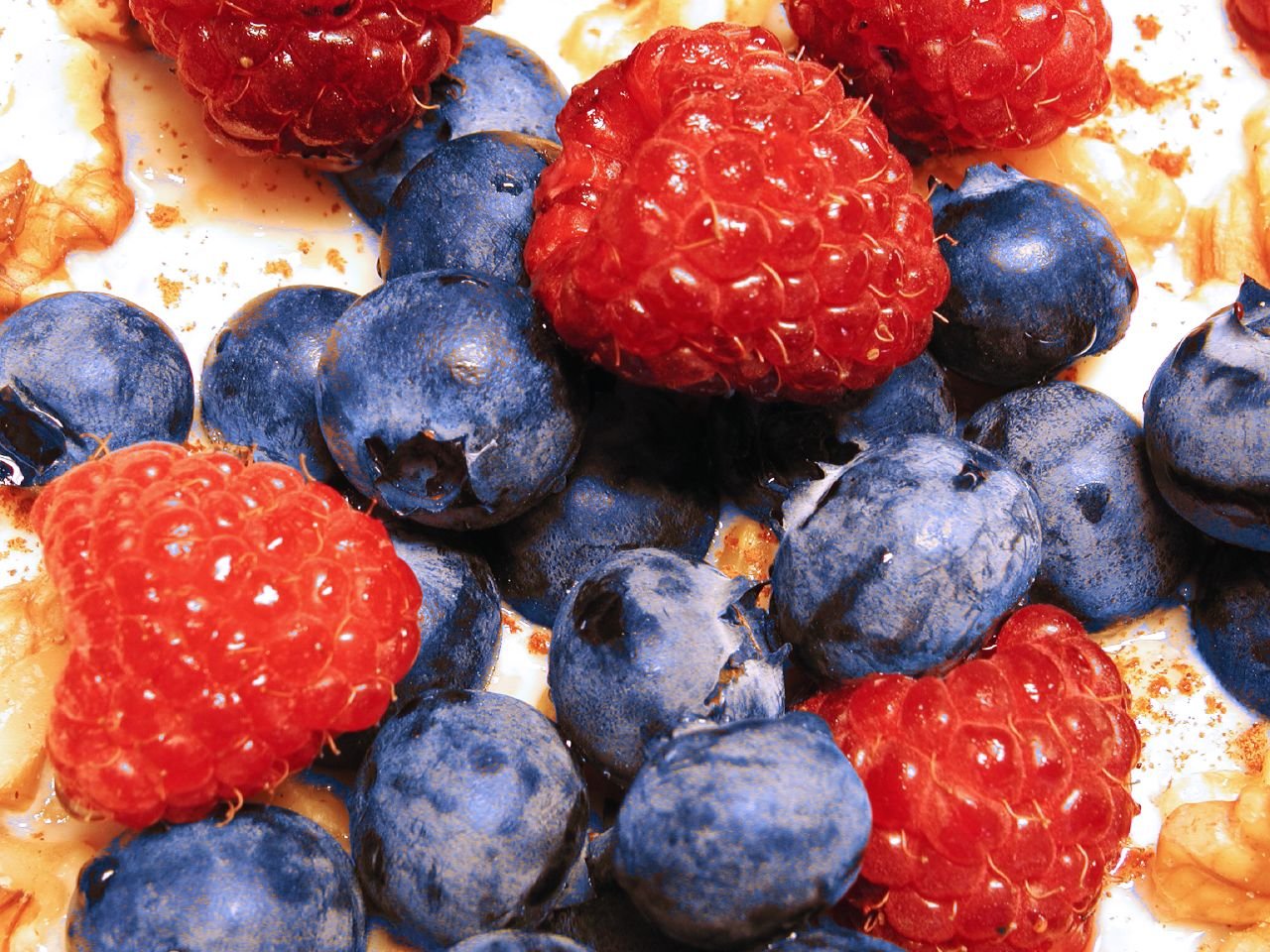
- – Breakfast: oatmeal with berries; water.
- – Mid-morning: yogurt.
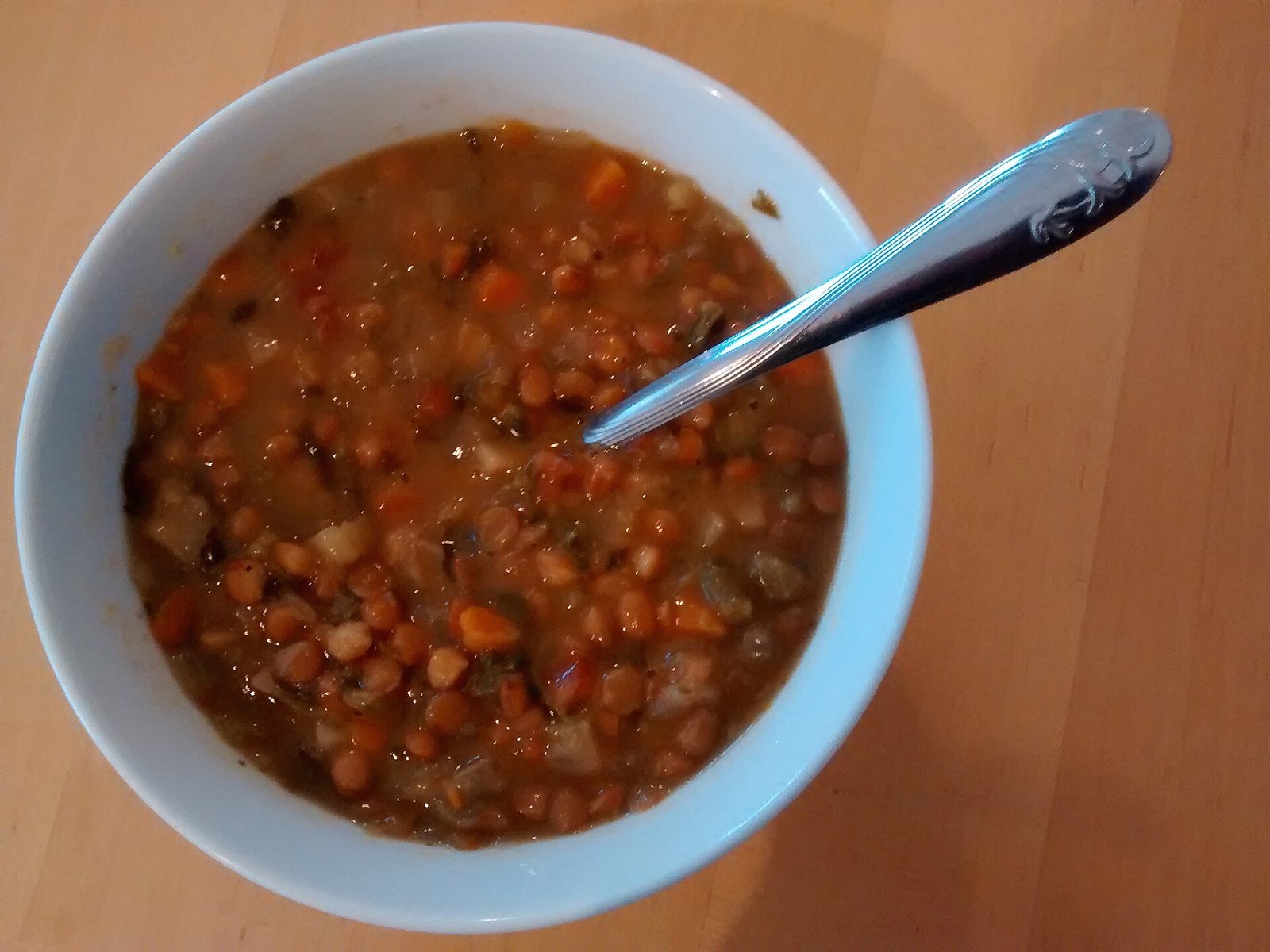
- – Lunch: lentil vegetable soup; fruit; water.
- – Snack: pear or banana.
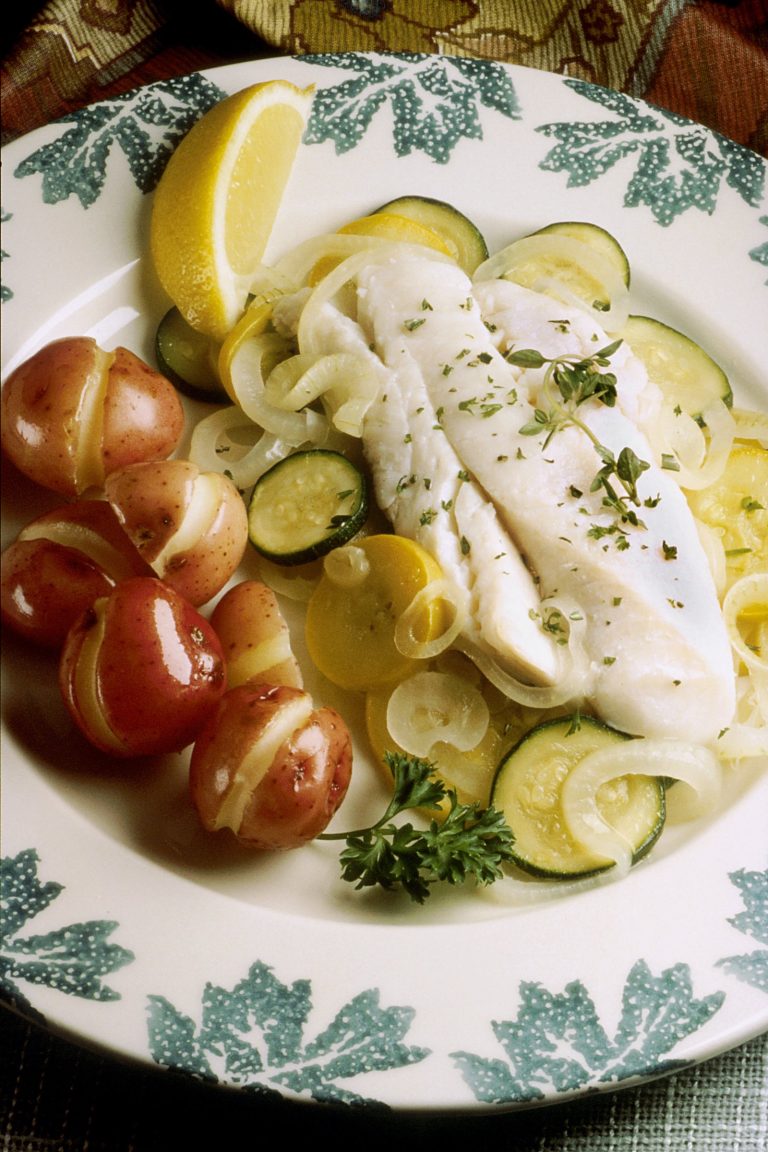
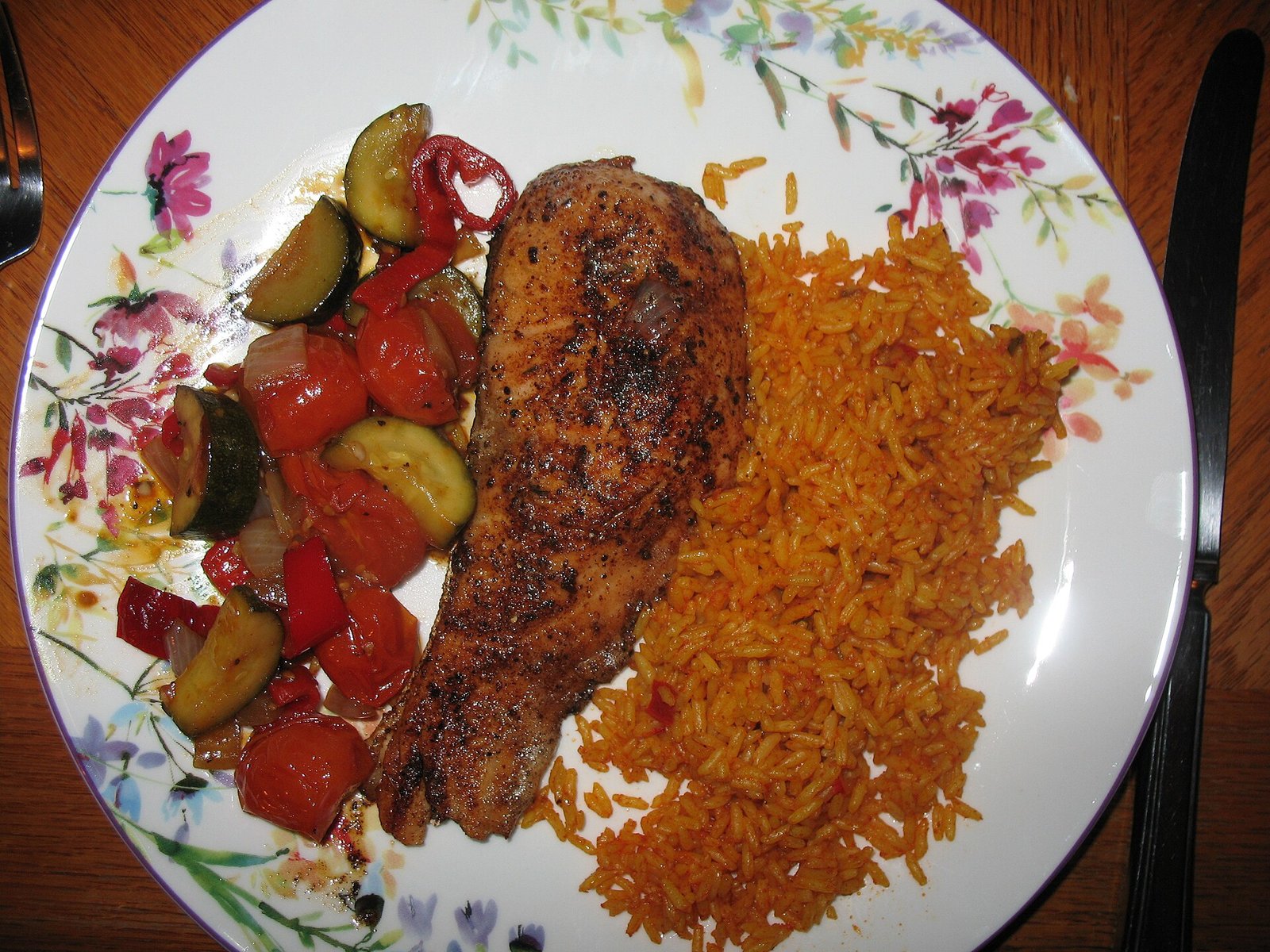
- – Dinner: baked fish, soft vegetables, small portion of rice or potato; water.
- – Evening: warm fluid; avoid a late huge fried takeout if evenings trigger urgency for you.
5. Home setup tips
Keep olive oil at the stove and fried-food leftovers out of easy reach the first week; batch soup in single-serve containers for small-meal pacing; ask helpers for grocery runs if abdominal discomfort limits standing.
6. If chronic indigestion or reflux was already a theme
Patterns may overlap GERD diet guide, but bile-duct red flags stay with your surgical team—not a DIY reflux protocol.
Safety, interactions, and who should ask a clinician first
- – Opioid pain medicines: expect slower bowels—ask about stool plans rather than waiting for concrete stool.
- – Known bile-duct injury, ERCP, or retained-stone workup: follow the specialist diet and activity plan, not a generic blog.
- – IBD, short bowel, or recent other abdominal surgery: coordinate fiber advances carefully—see themes in diet after appendectomy guide only as general recovery context.
- – Contact urgent care for NHS-listed red flags: severe/worsening pain, wound pus/spreading redness, jaundice, leg swelling/pain, high fever/chills.
FAQ
Can diet make cholecystectomy recovery painless? No. Food supports comfort and stool patterns; it does not erase surgical healing timelines or wound rules.
Do I need a lifelong fat-free diet after gallbladder removal? NHS advises a normal healthy diet; small meals may help early. Extreme lifelong fat-free eating is not the public-source default.
Why do I have diarrhea after fatty meals? Bile flows continuously after removal; some people get temporary diarrhea, nausea, or indigestion (NHS post-cholecystectomy symptom list). Track triggers and ask your clinician if symptoms persist.
Is fiber still okay? NIDDK emphasizes fiber-rich patterns in gallstone nutrition guidance; advance gradually after surgery as you tolerate.
How is this different from a general gallstones diet page? Overlap is large—see gallstones diet guide and gallbladder removal diet guide—but post-cholecystectomy care adds wound, activity, and complication watches your surgeon owns.
How this differs from related OTCFood topics
This page is a cholecystectomy-bound diet guide focused on small early meals, fiber-forward healthy eating, and limiting greasy overload around surgical recovery. It is not a DIY bile-duct protocol, not a cancer diet, and not a substitute for surgical follow-up.
Medical disclaimer
Medical disclaimer: This article is for general information only. It is not medical advice, diagnosis, or a treatment plan. Care after cholecystectomy depends on surgical technique, bile-duct findings, other digestive conditions, and your surgeon’s protocol. Talk with a clinician or registered dietitian before starting, stopping, or changing any eating plan, supplement, or medicine. Seek urgent care for severe pain, jaundice, wound infection signs, fever, or leg swelling concerning for clot.