Diet After Cataract Surgery: Foods That May Help and Foods to Limit
Medical note: This article discusses foods and researched botanicals. It does not claim to prevent, treat, or cure disease. Supplements are not a substitute for food, and studied amounts are not personal prescriptions.
People searching “diet after cataract surgery foods that help or worsen” usually want ordinary kitchen habits that support energy and comfort while they follow eye-drop schedules, activity limits, and follow-up visits—not a claim that food clears the lens or replaces cataract surgery. The National Eye Institute (NEI) explains that a cataract is a cloudy area in the lens of the eye, and that surgery is the only way to get rid of cataracts. MedlinePlus notes cataracts are very common with aging and that surgery removes the clouded lens and almost always places an artificial intraocular lens (IOL).
What this after-cataract-surgery diet guide covers (and what it does not)
This guide is for adults recovering from cataract removal who want practical eating patterns while they protect the operated eye. Anchors: MedlinePlus — Cataract, NEI — Cataracts, NEI — Cataract surgery, and ODS — Vitamin A.
NEI notes that after surgery you will use prescribed eye drops, may wear a shield or special glasses, and may need to avoid touching the eye, bending over, or heavy lifting for a period your doctor sets. Most people feel better in a day or two; complete healing often takes about 8 weeks with scheduled checkups. Kitchen changes do not replace drops, shielding, activity limits, or urgent calls for vision loss, severe pain, very red eyes, or new floaters/flashes. Related eye-nutrition context (not the same as cataract recovery) appears in macular degeneration diet guide, glaucoma diet guide, and dry eye syndrome diet guide.
Evidence snapshot: after-cataract diet claims vs public sources
| Claim people hope for | What public sources actually say | Confidence |
|---|---|---|
| “Special foods clear remaining cataract or “heal” the IOL” | NEI: surgery removes the cloudy lens; food is not described as lens clearance | Strong: surgery is primary |
| “Vitamin A megadoses speed eye healing after cataract surgery” | ODS: vitamin A supports normal vision and immune function from food/supplements within recommended amounts; it is not framed as a post-cataract healing protocol | Strong: stay within clinician guidance |
| “Diet replaces eye drops or activity limits” | NEI centers drops, shielding, and activity restrictions after surgery | Strong: eye care first |
| “Skipping meals reduces inflammation around the eye” | Public recovery pages emphasize rest and clinician instructions; under-eating can worsen fatigue while vision is adjusting | Moderate for adequate intake support |
| “If both eyes need surgery a month apart, diet failed” | NEI: bilateral cataracts are usually operated one eye at a time, often about a month apart | Strong: staging is surgical |
Foods and patterns that may help after cataract surgery day to day
“May help” means supporting steady energy, easy meal prep when depth perception or light sensitivity is changing, and nutrient-dense patterns consistent with general eye and immune health—not a promise that food shortens the 8-week healing window NEI describes.
Steady plates while vision adjusts
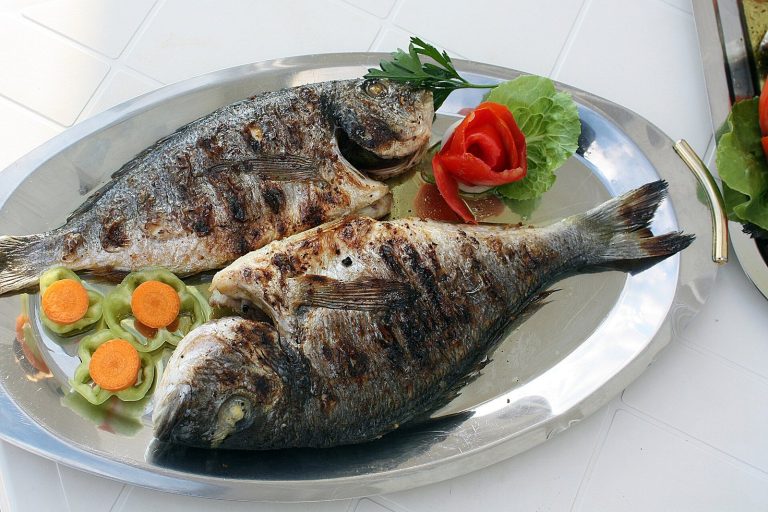
- – Build meals around eggs, dairy if tolerated, fish, poultry, beans, tofu, rice, potatoes, soft cooked vegetables, and fruit you can prepare without heavy lifting or awkward bending if those motions are restricted.
- – Soft or one-handed prep (yogurt, cottage cheese, scrambled eggs, pre-cut fruit, canned fish, soup) helps when standing at a cutting board is uncomfortable early on.
- – Keep water and prescribed oral medicines separate from eye-drop trays so bottles are not confused.
Vitamin A–aware kitchen context (not megadoses)
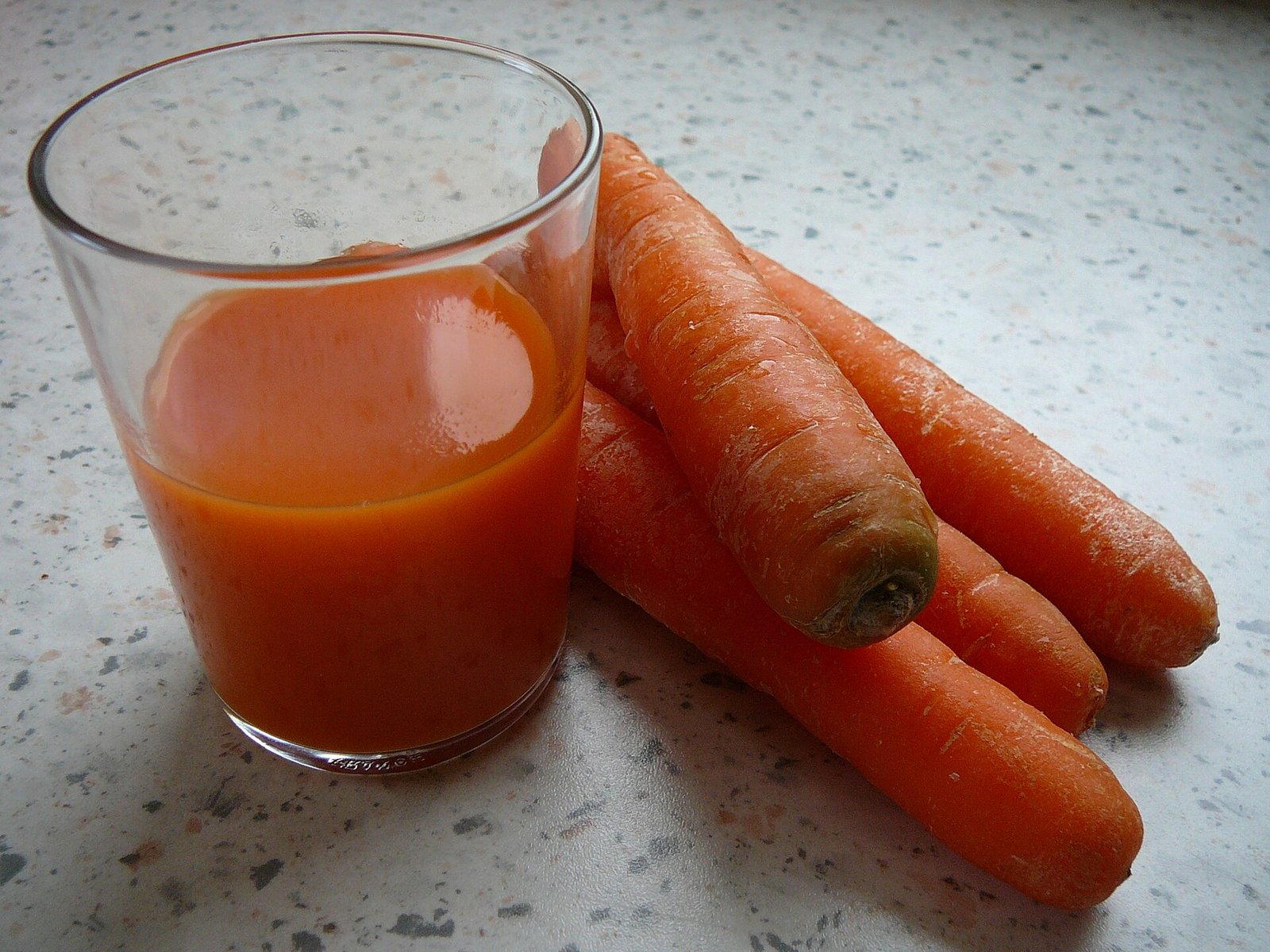
- – ODS lists vitamin A food sources such as dairy, eggs, fish, leafy greens, orange vegetables (carrots, sweet potatoes), and fortified cereals—useful as part of a varied plate when they fit your overall diet.
- – Preformed vitamin A in liver and high-dose supplements can exceed safe upper limits; do not self-escalate “eye vitamins” around surgery without asking your ophthalmology team.
- – If diabetes is part of your history (a cataract risk factor MedlinePlus notes), keep usual carbohydrate awareness—see type 2 diabetes diet guide for general meal framing, not as cataract protocol.
Comfort habits that support recovery logistics
- – Eat before appointments if fasting was only required before surgery; after surgery, small regular meals may reduce light-headed feelings while you rest.
- – Limit alcohol early if it worsens sleep, balance, or adherence to drop schedules—follow your surgeon’s specific rules.
- – Protein-containing snacks can support energy for walks once activity advances—similar fueling logic as other recovery kitchens in diet after appendectomy guide, adapted to eye restrictions.
Foods and habits that often worsen after-cataract kitchen patterns
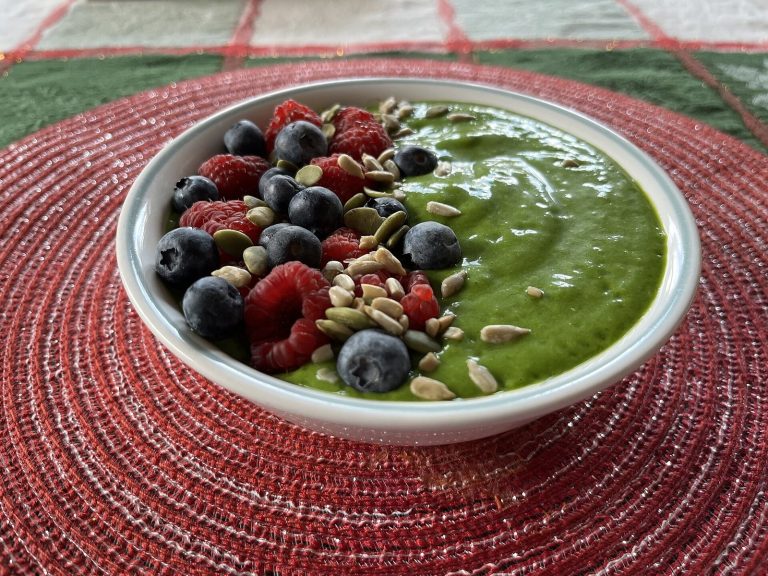
- – Expecting smoothies or “eye superfoods” to replace drops, shields, or activity limits.
- – High-dose vitamin A or unvetted herbal eye products started without telling the surgical team.
- – Heavy alcohol or sedating combinations that blur judgment about driving (NEI notes you need a ride home the day of surgery; ask when driving is cleared).
- – Skipping meals then feeling shaky during follow-up visits.
- – Ignoring red flags—vision loss, severe pain not eased by recommended medicine, very red eyes, or new floaters/flashes need the eye doctor urgently, not a new juice regimen.
“Limit” means reducing habits that undermine adherence and energy—not that one restaurant meal defines surgical success.
Practical kitchen protocol: an after-cataract-surgery diet week
1. Keep the medical spine first
Confirm drop schedule, shield use, showering rules, bending/lifting limits, and when glasses prescriptions may be updated. Most people are largely healed around 8 weeks per NEI—food does not rewrite that timeline.
2. Shopping list for easy vision weeks
Eggs; Greek yogurt or cottage cheese; milk or fortified alternatives; canned tuna/salmon; soft bread or oatmeal; bananas and berries; bagged salad or pre-cut carrots/sweet potato; rice or potatoes; olive oil; ready soups; water bottles placed where you can reach without heavy lifting.
3. Default plate template
- – Quarter to a third protein
- – Quarter easy starches
- – Half vegetables and fruit (include some orange/green produce for carotenoid variety when tolerated)
- – Season mildly; sit for meals if bending is restricted
4. Sample day (illustrative)
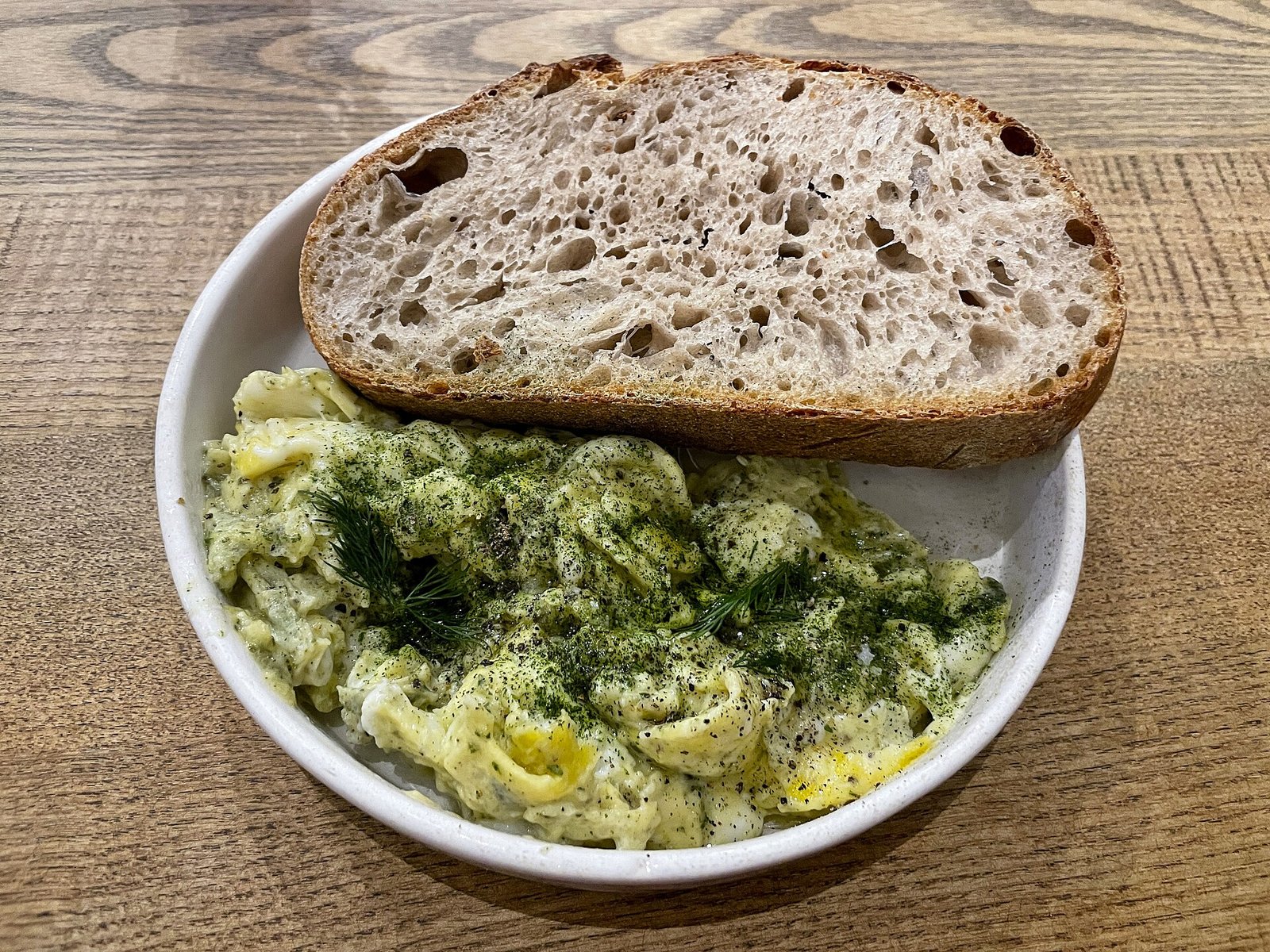
- – Breakfast: scrambled eggs on toast; yogurt with berries; water.
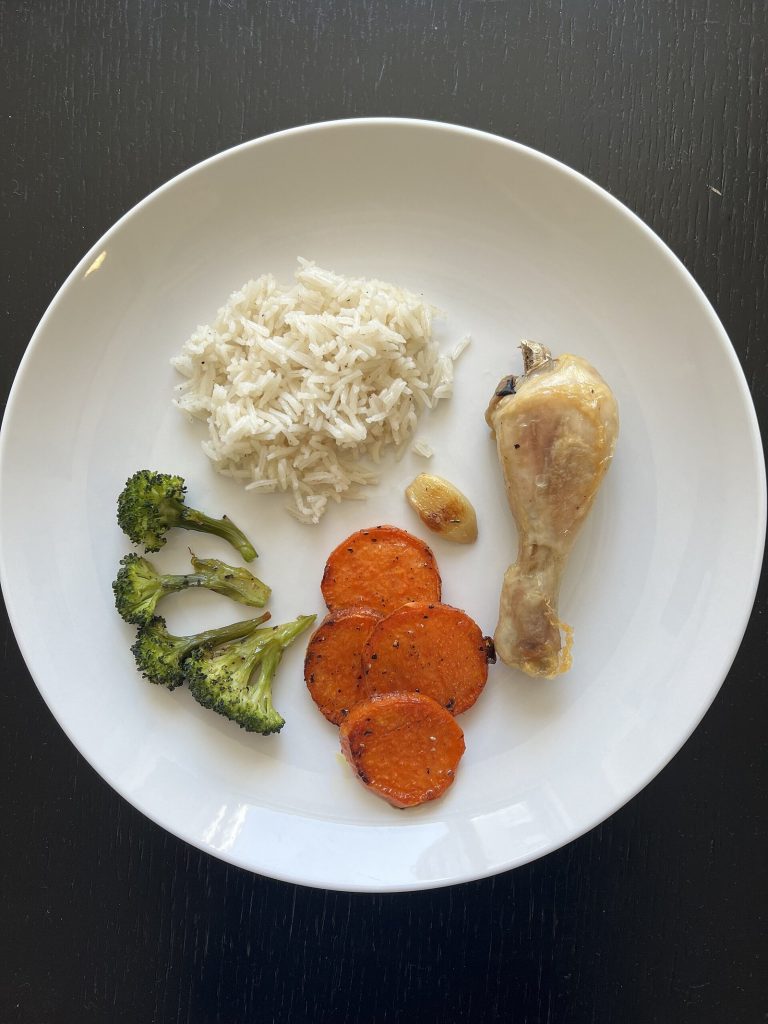
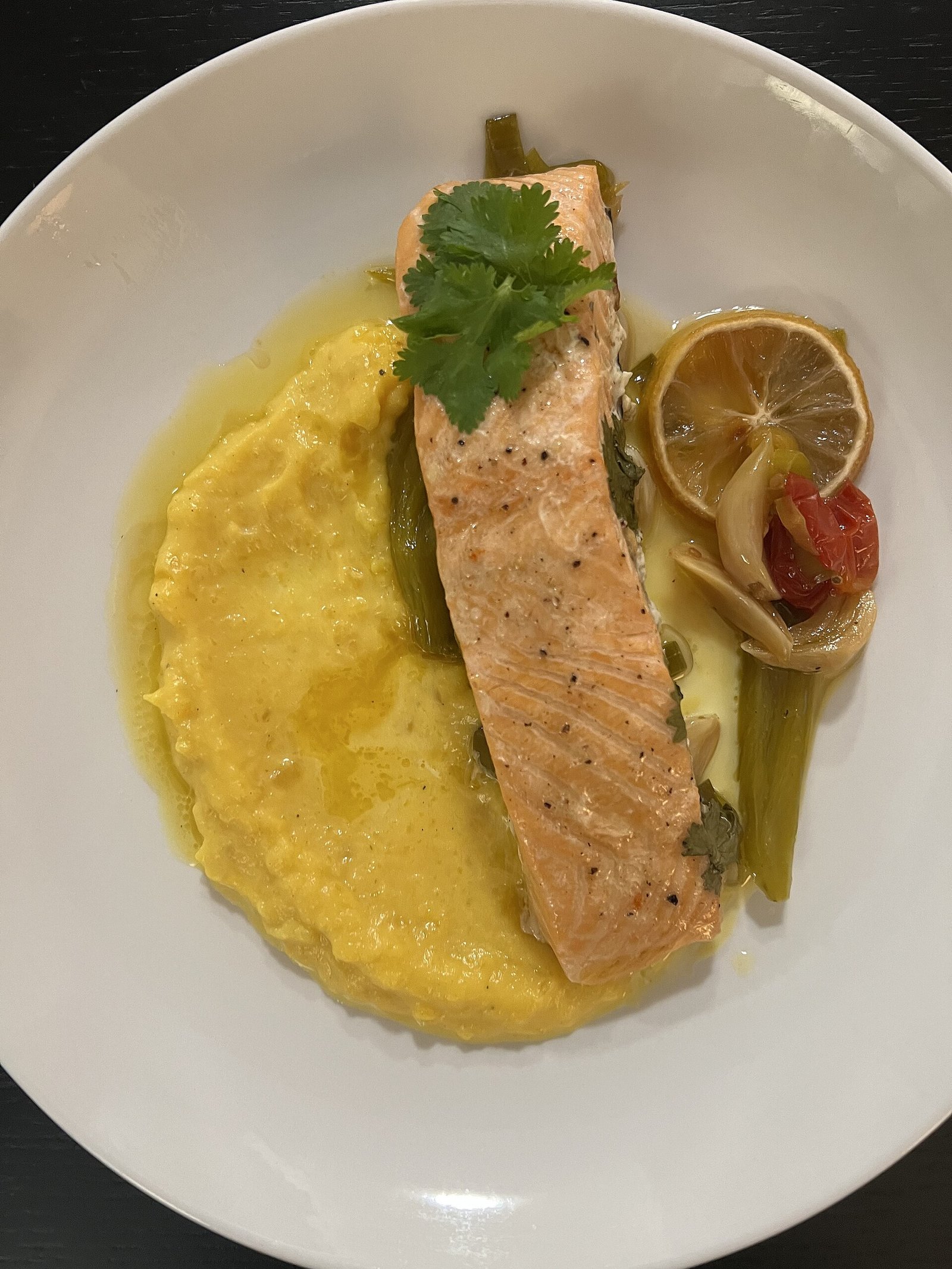
- – Lunch: salmon or chicken with rice and soft vegetables; fruit.
- – Snack: cottage cheese or a banana; water.
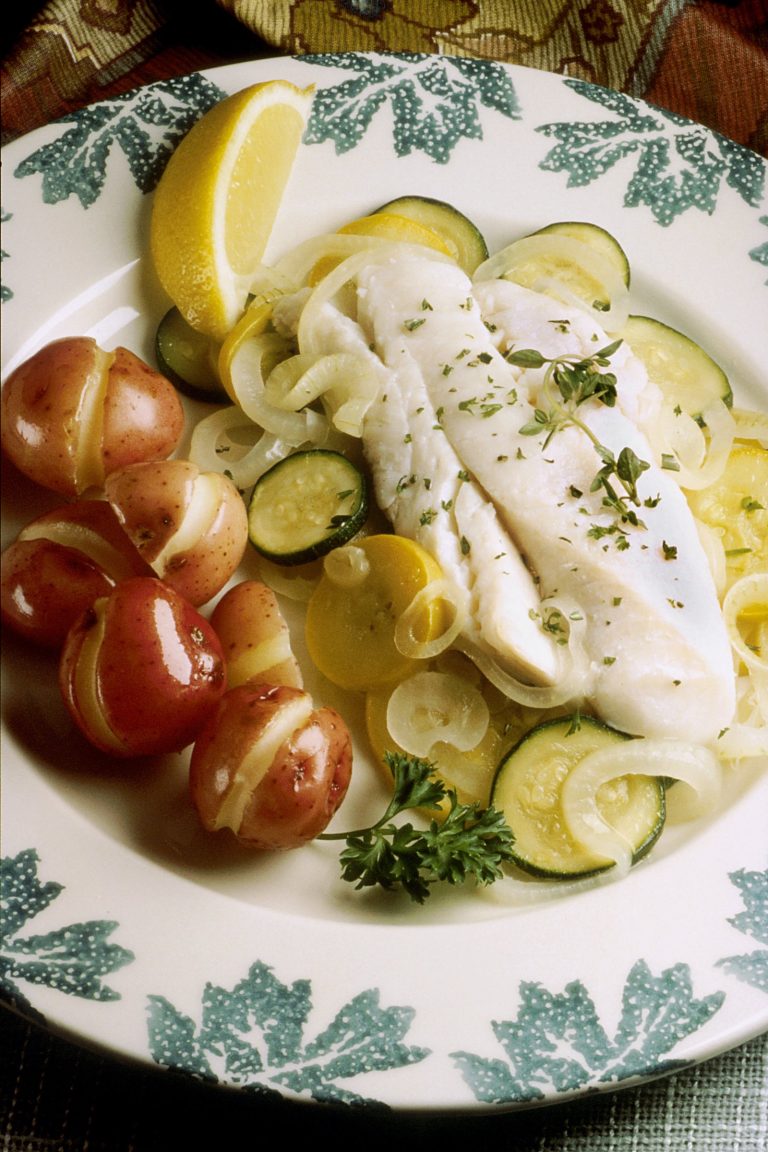
- – Dinner: baked fish or tofu, potato, cooked carrots or spinach; milk if it fits your plan.
5. Home setup tips
Stage drop bottles away from kitchen oils; prep cold plates the evening before early appointments; ask helpers for knife work if depth perception is still adjusting.
6. Second-eye surgery windows
If the other eye is scheduled later (NEI often cites about a month), keep the same practical kitchen rather than starting extreme “detox” diets between operations.
Safety, interactions, and who should ask a clinician first
- – Diabetes or blood-sugar–affecting illness: maintain monitoring; surgery and steroids (if used) can shift glucose—diet does not replace medical plans.
- – Blood thinners or bleeding-risk medicines: follow ophthalmology instructions about peri-operative timing; kitchen changes do not substitute.
- – Liver disease or high-dose vitamin A history: ask before adding vitamin A supplements.
- – Stop or change supplements only with clinician input around surgery windows.
- – Sudden vision loss, severe pain, marked redness, or new floaters/flashes need urgent eye care—not kitchen experiments.
FAQ
Can diet make my cataract “grow back” less likely after IOL placement? NEI frames cataract surgery as removing the cloudy natural lens and placing an IOL. Food is not presented as preventing “cataract regrowth” of that removed lens. Follow surgical aftercare for the operated eye.
Do I need high-dose vitamin A after cataract surgery? ODS supports getting vitamin A from a varied diet for normal vision and immune function. Megadoses are not an NEI cataract-recovery requirement and can be unsafe—ask your clinician.
Is fasting good for “reducing eye inflammation” after surgery? Skipping fuel often backfires while you heal and attend visits. Follow only clinician-directed fasting before procedures.
When will colors and clarity feel normal? NEI notes vision may be blurry at first; many people see better after healing, and colors may seem brighter because the IOL lacks the yellow-brown tint of a cataractous lens. Nutrition does not set that optical timeline.
Is this the same as a macular degeneration or glaucoma diet page? Related eye topics, different goals. Cataract recovery prioritizes surgical aftercare; see macular degeneration diet guide and glaucoma diet guide for those conditions’ kitchen frames.
How this differs from related OTCFood topics
This page is a cataract-surgery-bound diet guide focused on energy, easy prep, vitamin A–aware food variety, and strict deference to eye drops and activity limits. It is not a claim that food treats cataracts, not a substitute for IOL surgery, and not a general “eye detox.”
Medical disclaimer
Medical disclaimer: This article is for general information only. It is not medical advice, diagnosis, or a treatment plan. Care after cataract surgery depends on surgical technique, other eye disease, medicines, and your ophthalmologist’s protocol. Talk with a clinician or registered dietitian before starting, stopping, or changing any eating plan, supplement, or medicine. Seek urgent eye care for sudden vision loss, severe pain, marked redness, or new floaters or flashes of light.